
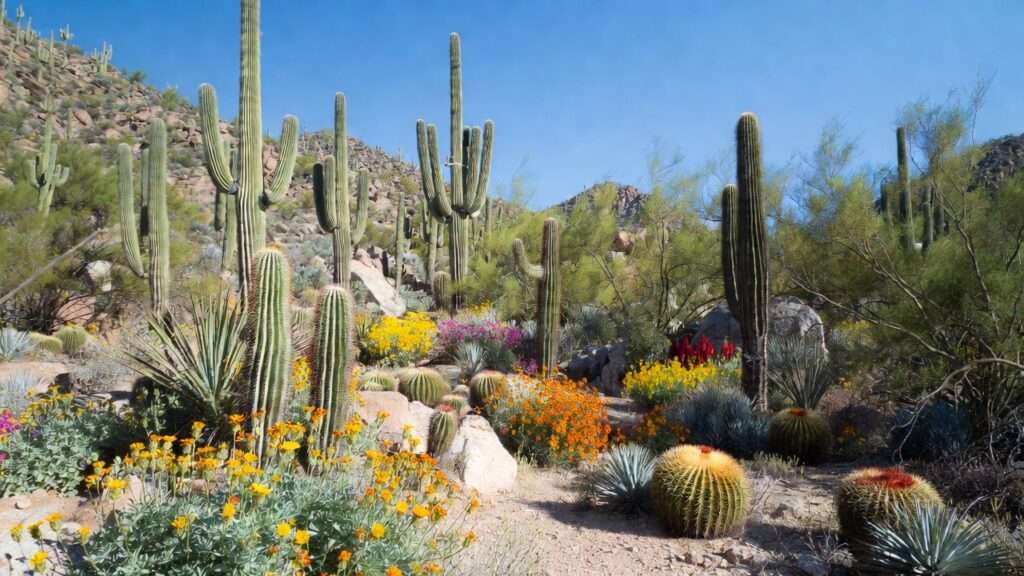
Imagine slashing your water bill by 50-70% while creating a vibrant, wildlife-friendly yard that thrives in scorching heat and minimal rain—no constant mowing, no heavy fertilizers, and far fewer pests. Sounds like a dream for anyone in arid regions facing drought restrictions and rising costs, right? But before you rip out the lawn and go full desert oasis, let’s get real: native desert plants aren’t a magic fix. They demand patience during establishment, can come with thorns or wildlife visitors, and might not deliver that instant lush look some crave.
In this in-depth guide, we’ll explore the pros and cons of native desert plants honestly and thoroughly. As a horticulture expert with years of experience in arid-zone landscaping (drawing from university extension research, real Southwest case studies, and practical field knowledge), I’ll help you decide if switching to these resilient natives fits your yard, lifestyle, and goals. Whether you’re battling high utility bills, aiming for sustainable xeriscaping, or simply wanting a low-maintenance desert garden that supports local ecosystems, this article delivers the balanced insights you need to make an informed choice. Let’s dive in! 💧🌿
What Are Native Desert Plants?
Native desert plants are species that have evolved over thousands of years in arid environments like the Sonoran, Mojave, and Chihuahuan deserts of the American Southwest. Unlike non-native drought-tolerant imports (think certain succulents from Africa or Australia), true natives are indigenous to specific local ecoregions—meaning they’ve adapted perfectly to the region’s soil chemistry, rainfall patterns (often less than 10 inches annually), extreme temperature swings, and native pests.
Common examples include:
- Cacti & Succulents 🌵: Iconic Saguaro (Carnegiea gigantea), Prickly Pear (Opuntia spp.), Agave, and Barrel Cactus—masters of water storage with shallow but wide-spreading roots.
- Shrubs & Small Trees 🌳: Creosote Bush (Larrea tridentata), Mesquite (Prosopis spp.), Palo Verde (Parkinsonia spp.), Brittlebush (Encelia farinosa), and Ocotillo (Fouquieria splendens)—known for deep taproots and seasonal leaf drop to conserve moisture.
- Perennials & Grasses 🌼: Desert Marigold, Penstemon, Blue Grama Grass (Bouteloua gracilis), and Blackfoot Daisy—offering colorful blooms and ground cover without constant care.
These plants differ from “desert-adapted” exotics because they support the local food web: providing nectar, seeds, and habitat tailored to native pollinators, birds, and insects. In disturbed urban soils, however, they sometimes need extra help to thrive—more on that later.
The Major Pros of Using Native Desert Plants in Your Landscape
Switching to natives isn’t just trendy—it’s backed by decades of research from sources like University of Arizona Extension, NRCS, and water authorities showing massive real-world benefits.
Exceptional Water Conservation and Lower Bills 💧
One of the biggest draws? Dramatic water savings. Traditional turf lawns in arid zones can guzzle 50-70% of household water, with studies showing xeriscapes using natives can cut outdoor use by 50-75%. For example, programs like Southern Nevada’s Water Smart Landscapes have documented averages of 55+ gallons saved per square foot of turf replaced annually. In Phoenix or Las Vegas, that translates to thousands of gallons—and dollars—saved yearly once plants establish.
Natives achieve this through clever adaptations: deep roots tap groundwater, waxy coatings reduce evaporation, and many go dormant during dry spells. After the first 1-2 years of establishment watering, many rely almost entirely on natural rainfall. Result? Lower bills, less strain on municipal supplies during droughts, and compliance with water restrictions effortlessly.
Ultra-Low Maintenance Once Established 🛠️
Forget weekly mowing, frequent fertilizing, or battling pests. Most native desert plants grow slowly, need no supplemental fertilizer (which can actually harm them by promoting weak growth), and resist local diseases and insects due to co-evolution. Pruning is minimal—often just deadheading blooms or shaping occasionally.
Mulch with gravel or rocks (inorganic preferred) suppresses weeds and retains soil moisture without adding organics that encourage unwanted growth. After establishment, expect to spend far less time and money on yard work compared to traditional lawns or exotic ornamentals.
Boosting Local Wildlife and Biodiversity 🐦🦋
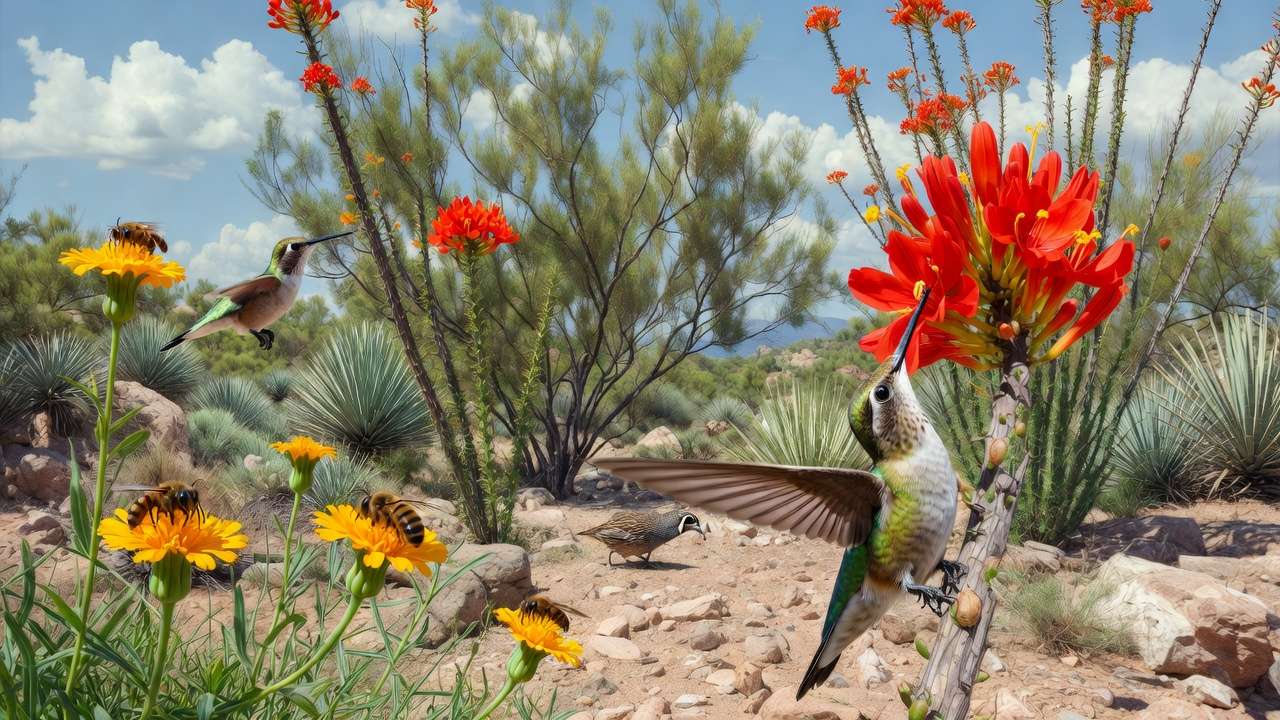
Natives are keystone species in desert ecosystems. They provide essential food and shelter for pollinators like native bees, butterflies, and hummingbirds, plus birds that eat seeds and insects. A yard with Brittlebush, Desert Marigold, or Ocotillo flowers can become a mini habitat oasis, supporting declining pollinator populations.
Unlike turf or non-natives, they don’t require pesticides that harm beneficial insects. This creates a healthier, more balanced yard that feels alive—imagine waking to hummingbird visits or spotting desert tortoises munching happily.
Environmental and Cost Benefits Long-Term 🌍
Beyond water, natives improve soil health with deep roots that prevent erosion and increase organic matter naturally. They reduce chemical runoff (no fertilizers or herbicides needed), combat urban heat islands with shade and transpiration, and even boost property values in eco-conscious markets. In water-scarce regions, resilient landscapes handle climate extremes better—fewer plant losses during heat waves or droughts.
Aesthetic Appeal – Beyond the “Barren” Myth 🎨
Desert gardens aren’t just rocks and dirt. With thoughtful design, you get year-round interest: golden Brittlebush blooms in spring, fiery Ocotillo flowers, vibrant cactus pads, textured bark on Mesquite, and subtle seasonal shifts. Many offer fragrance, colorful foliage, and architectural drama—creating a modern, sophisticated look that’s far from barren when layered with variety.
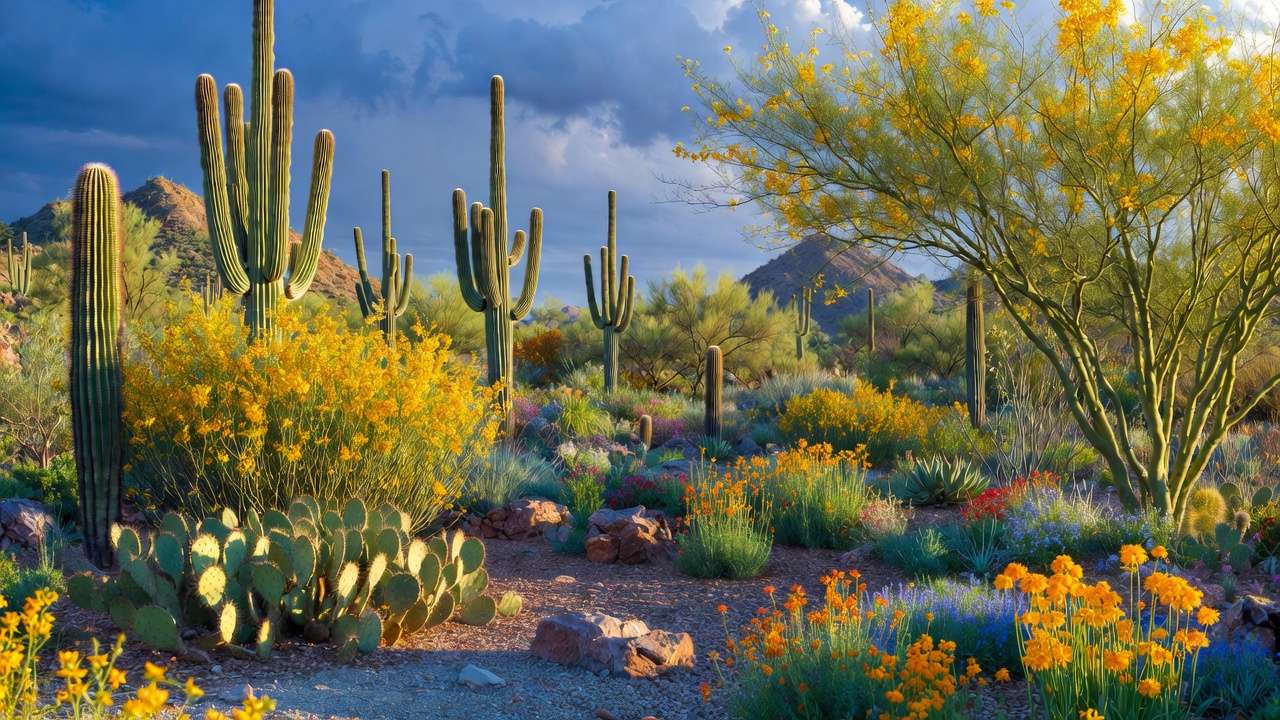
The pros and cons of native desert plants reveal huge upsides for sustainability and ease—but the drawbacks are real and worth addressing head-on.
The Real Cons and Potential Drawbacks of Native Desert Plants
No plant is perfect, and natives have challenges, especially in urban/suburban settings far from pristine desert conditions.
Slow Establishment and Initial Care Requirements ⏳
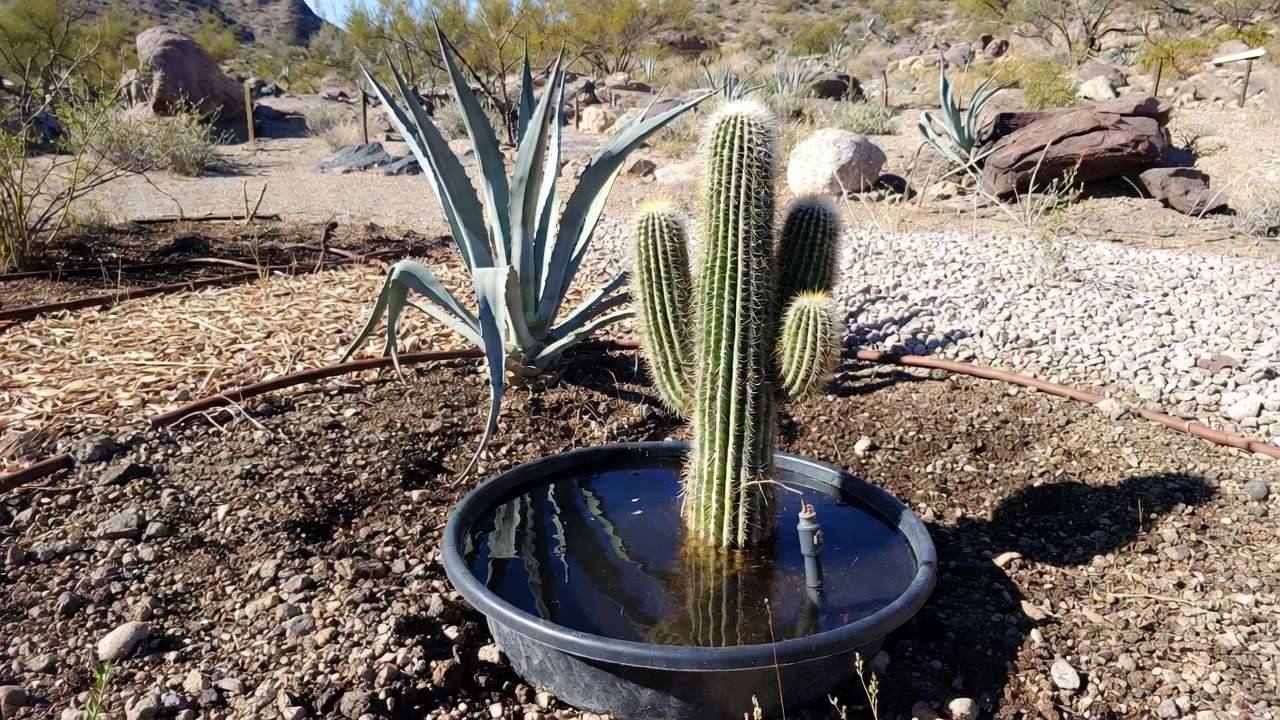
The biggest hurdle? Patience. Many natives establish slowly, needing consistent deep watering (not frequent shallow sprinkles) for the first 1-2 years to develop strong roots. Skip this, and they may fail—university extensions report high mortality from under-watering during this phase.
Once rooted, they’re tough, but expect 2-5 years for full size and blooms. If you want instant curb appeal, natives aren’t “plug-and-play” like annuals or sod.
Not Always “Urban-Ready” Challenges 🏙️
Urban yards differ from wild deserts: compacted soils from construction, alkaline pH from concrete leaching, reflected heat from walls/pavement, air pollution, and inconsistent drainage. Natives adapted to loose, nutrient-poor wild soils can struggle here—sometimes performing worse than adapted exotics like certain Mediterranean species.
Poor site prep leads to issues; always test soil and amend minimally.
Wildlife and Safety Considerations 🦌⚠️
While wildlife support is a pro, it can backfire: deer, rabbits, or javelina may munch young plants, requiring temporary protection. Spines and thorns (Saguaro, Cholla, Agave) pose risks to kids, pets, or bare feet—strategic placement helps.
Some release allelopathic chemicals (e.g., Creosote inhibiting nearby growth), though rare in designed landscapes.
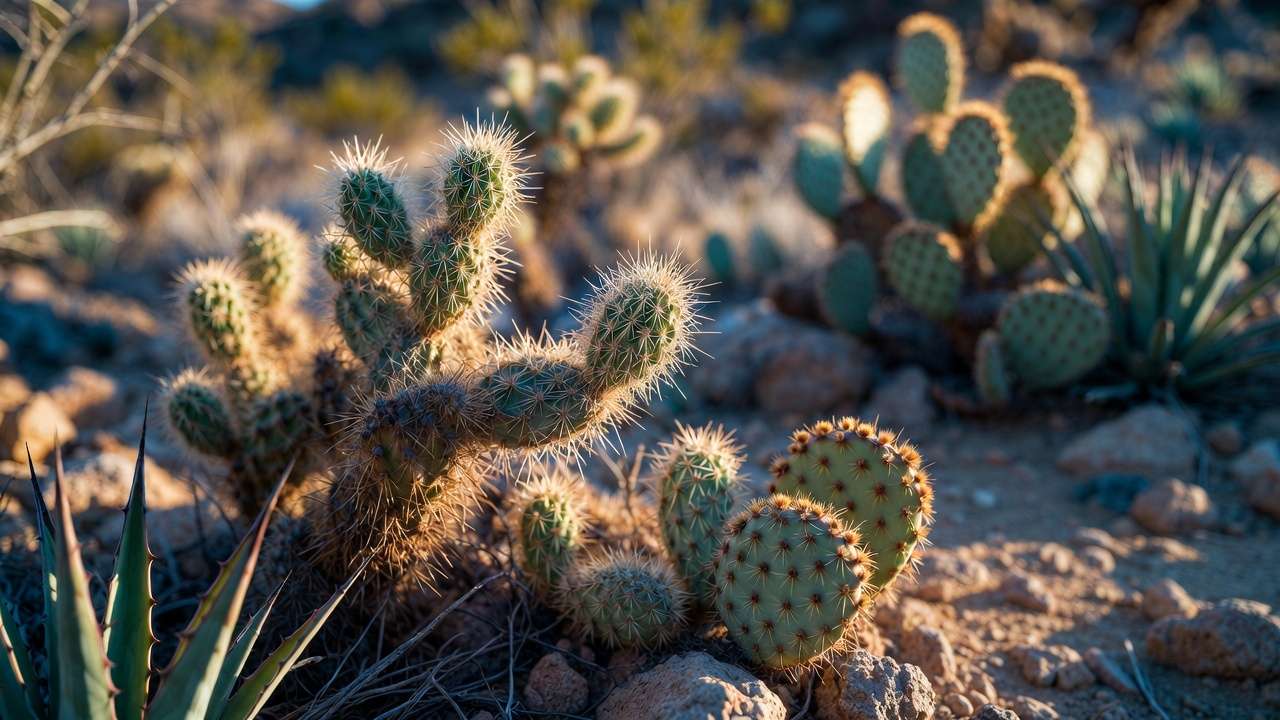
Limited Instant Gratification and Design Constraints
Natives often lack the dense, tropical lushness of exotics. A full-native yard may appear sparse initially or during dormancy. Local codes sometimes restrict certain species, and poor design can cause runoff or sediment issues.
When Non-Natives Might Actually Perform Better
In heavily disturbed urban soils, some adapted non-natives (e.g., certain lavenders or olives) establish faster and handle heat/pollution better while still being low-water. A hybrid approach often wins.
How to Decide If Native Desert Plants Are Right for Your Yard 🌵
Deciding whether to go native comes down to your specific situation. Ask yourself these key questions to evaluate fit:
- Do you live in a drought-prone area with water restrictions or high bills? If yes, natives shine for massive savings once established.
- What’s your soil like? Test pH and drainage—most desert natives prefer alkaline, well-drained, low-nutrient soils. Heavy clay or overly amended garden soil can cause root rot.
- How much sun and heat exposure does your yard get? Full sun (6+ hours) is ideal for most; reflected heat from walls or pavement can stress some species.
- Are wildlife interactions a goal or concern? Love hummingbirds and bees? Natives deliver. Worried about deer browsing or thorny hazards? Plan protective barriers or placement.
- What’s your timeline and budget? If you need instant impact, start with larger specimens or mix in a few faster-establishing desert-adapted non-natives. For long-term low cost, natives win.
- Do you have time for initial care? Commit to 1–2 years of deep, infrequent watering (e.g., 1–2 times per week in summer, tapering off).
Quick Decision Matrix
- Full native yard → Best for eco-maximums, water savings, biodiversity.
- Hybrid approach → Mix natives with proven desert-adapted exotics (e.g., Red Yucca, which is from Texas but thrives in Southwest conditions) for faster results and variety.
- Stick with traditional → If you want lush turf, frequent blooms without patience, or have poor drainage/soil issues.
Regional note: In low desert (e.g., Phoenix, Tucson), focus on Sonoran species like Palo Verde. In high desert (e.g., Albuquerque, Las Vegas), add cold-hardy options like Blue Grama Grass or Gambel Oak.
Expert Tips for Successfully Planting and Maintaining Native Desert Plants 🌟
Success hinges on mimicking natural conditions—here’s proven advice from extension services and desert horticulturists:
- Timing is everything ⏰: Plant in fall (September–November) or early spring. Cooler temps + winter rains help roots establish before summer heat.
- Site preparation 🧪: Loosen soil to 18–24 inches deep. Avoid heavy amendments—natives dislike rich, organic soil. Test pH (aim for 7.0–8.5). Add gypsum if drainage is poor.
- Planting technique 🌱: Dig holes 2–3x wider than root ball but no deeper. Place at original soil level or slightly higher to prevent rot. Backfill with native soil, water deeply to settle.
- Mulching magic 🪨: Use 2–4 inches of inorganic mulch (gravel, decomposed granite, river rock). Suppresses weeds, retains moisture, moderates soil temperature. Avoid organic mulches that retain too much moisture and encourage rot.
- Irrigation strategy 💦:
- Year 1: Deep water 1–2x/week in summer (soak to 18–24 inches).
- Year 2: Reduce to every 10–14 days.
- Year 3+: Rely mostly on rain; supplement only during extreme drought. Use drip emitters or soaker hoses for efficiency.
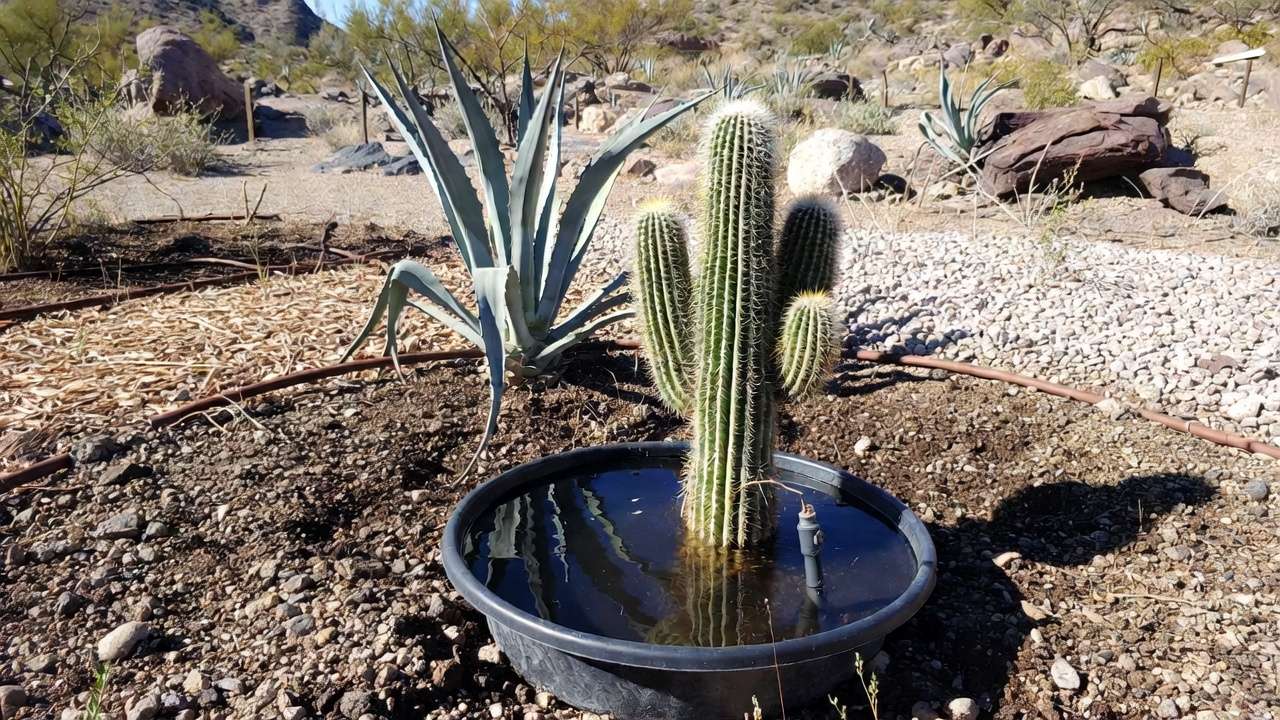
- Common mistakes to avoid ❌: Overwatering (causes rot), frequent shallow watering (weak roots), fertilizing (promotes leggy growth, delays establishment), planting too deep.
- Troubleshooting guide
- Yellowing/dropping leaves → Overwatering or poor drainage.
- Slow/no growth → Underwatering during establishment or wrong microclimate.
- Pest damage → Protect young plants with netting; natives usually resist once mature.
Follow these, and your natives will thrive with minimal intervention.
10 Stunning Native Desert Plant Recommendations + Care Basics 🎨
Here are top picks for Southwest yards, blending beauty, function, and reliability:
- Saguaro Cactus (Carnegiea gigantea) 🌵 Iconic columnar form, white night-blooming flowers. Care: Full sun, excellent drainage. Slow grower (1 inch/year). Water sparingly after establishment. Great focal point.
- Palo Verde Tree (Parkinsonia spp.) 🌳 Green bark photosynthesizes, yellow spring blooms. Care: Fast-growing, drought-tolerant once rooted. Prune lightly. Excellent shade tree.
- Mesquite Tree (Prosopis velutina) 🌴 Feathery leaves, sweet pods for wildlife. Care: Deep roots seek water. Tolerates poor soil. Can be thorny—choose velvet mesquite for less mess.
- Ocotillo (Fouquieria splendens) 🔥 Striking red spring flowers, green stems after rain. Care: Full sun, minimal water. Dramatic accent.
- Brittlebush (Encelia farinosa) 🌼 Silver foliage, bright yellow daisy-like blooms. Care: Blooms profusely spring. Cut back after flowering for shape.
- Desert Marigold (Baileya multiradiata) 🌻 Cheerful yellow flowers, long bloom season. Care: Self-seeds gently. Attracts pollinators.
- Red Yucca (Hesperaloe parviflora) ❤️ Coral spikes attract hummingbirds, evergreen. Care: Tough, cold-hardy to 0°F. Low litter, no thorns.
- Blue Grama Grass (Bouteloua gracilis) 🌾 Fine texture, burgundy seed heads. Care: Native turf alternative—mow infrequently or leave natural.
- Prickly Pear Cactus (Opuntia spp.) 🍐 Edible pads/fruit, colorful pads. Care: Spreads—contain if needed. Wildlife favorite.
- Creosote Bush (Larrea tridentata) 🌿 Aromatic after rain, yellow flowers. Care: Extremely drought-tolerant. Space widely—allelopathic.
These offer color, texture, height variety, and pollinator support. Start small—replace one section of lawn to test!
Frequently Asked Questions (FAQs) ❓
Do native desert plants really need zero water? No—most need deep watering during establishment (1–2 years), then minimal to none except in extreme drought. Mature plants often survive on rainfall alone.
Are they safe around kids and pets? Many have spines/thorns (e.g., cacti, agave). Place carefully away from play areas. Non-spiny options like Brittlebush or Palo Verde are safer.
Can I mix them with non-natives? Yes! A hybrid xeriscape often works best—pair natives with low-water exotics like Lavender or Texas Sage for faster color and variety.
How long until I see water bill savings? Significant drops often appear after year 2–3, once irrigation tapers. Some report 50%+ reductions in outdoor water use.
Will they look “bare” in winter? Some go dormant or drop leaves, but evergreens (yuccas, agaves) and structural forms provide year-round interest.
Are natives invasive? True natives aren’t invasive in their home range. Some (e.g., Mesquite) can spread in over-watered yards—manage spacing.
Do they attract pests? Rarely serious issues—co-evolved resistance. Wildlife (rabbits, deer) may nibble young plants; use temporary fencing.
Can I grow them in pots? Yes—great for patios. Use well-draining cactus mix, full sun, and infrequent watering.
Conclusion: Make an Informed, Eco-Smart Choice for Your Desert Yard 🌿
The pros and cons of native desert plants boil down to this: incredible long-term rewards in water savings, low maintenance, biodiversity support, and resilience—if you’re willing to invest patience and proper establishment care upfront.
These aren’t quick-fix plants, but they create sustainable, beautiful landscapes that harmonize with the desert environment rather than fight it. Start small: convert a troublesome lawn patch, consult your local cooperative extension (e.g., University of Arizona or Nevada), or visit a demonstration garden for inspiration.











