
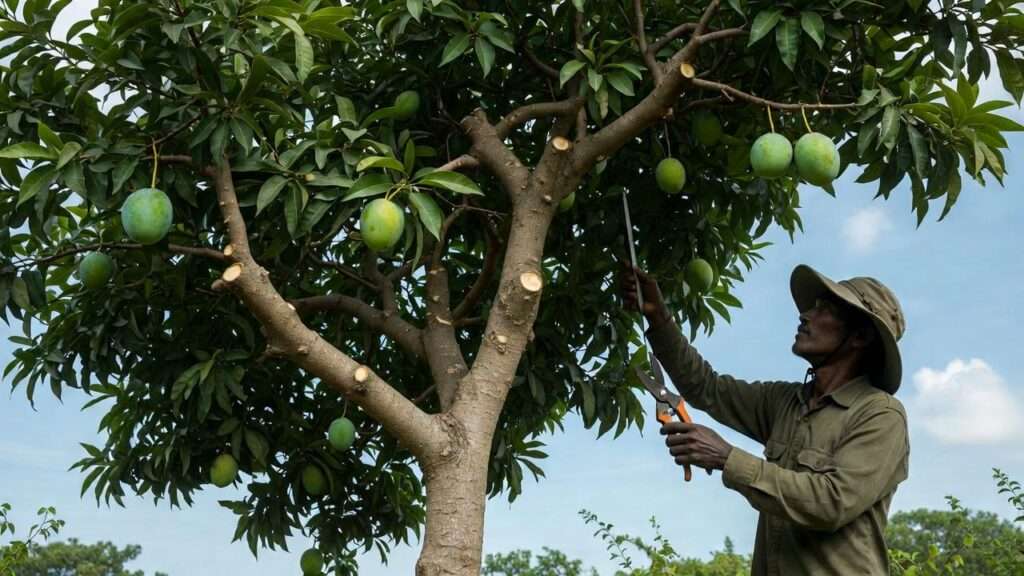
Have you ever stared at your fruit tree, full of leaves and promise, only to harvest a handful of tiny, underwhelming fruits? 😩 You’re not alone. Many home gardeners in places like Barisal, Bangladesh, face this frustration year after year. The tree looks healthy, but the yield stays disappointing — small fruits, sparse crops, or branches breaking under their own weight.
The good news? Pruning basics for higher fruit yield can transform that. Proper pruning isn’t just about cutting branches; it’s a science-backed way to redirect your tree’s energy from wild growth to producing larger, sweeter, more abundant fruits. Studies and real-world experience show that thoughtful pruning can improve fruit size, quality, and overall production significantly — often leading to 20-50% better harvests in well-managed trees 🍇✨.
In this in-depth guide, we’ll walk you through everything beginners need to know: why pruning boosts yields, the best timing (especially in our humid tropical climate), essential tools, step-by-step techniques, and tailored advice for popular fruits like mango, guava, and citrus. Whether you’re tending a backyard mango tree or starting a small home orchard, these proven basics will help you unlock bigger, better harvests. Let’s get your trees thriving! 🌱
Why Pruning Leads to Higher Fruit Yield (The Science Behind It) 🔬🍏
Pruning is one of the most powerful tools in fruit tree care because it controls how your tree uses its energy. Unpruned trees often pour resources into excessive vegetative growth — long shoots, dense canopies, and lots of leaves — leaving little for fruit development.
Here’s how smart pruning changes that:
- Redirects energy to fruit production — Removing non-productive branches (like water sprouts or suckers) channels nutrients and carbohydrates toward flower buds and developing fruit.
- Improves light penetration 🌞 — A more open canopy lets sunlight reach inner branches and buds, promoting better flowering, fruit set, and ripening. Shaded areas often produce small or poorly colored fruit.
- Enhances air circulation 🍃 — Better airflow reduces humidity around leaves and fruit, lowering risks of fungal diseases common in humid areas like Bangladesh (think anthracnose on mango or guava).
- Results in larger, higher-quality fruits ⭐ — With fewer fruits competing for resources, each one grows bigger, sweeter, and more flavorful. Quality often improves even if total number stays similar or slightly drops.
- Encourages consistent bearing — Regular pruning prevents alternate bearing (heavy crop one year, light the next) in trees like mangoes.
Before-and-after comparison: An unpruned mature mango tree might be a tangled mess with small, spotty fruits hidden in shade. After proper pruning, the same tree opens up, fruits swell noticeably, and yields can increase dramatically through better light and energy balance.
Understanding Fruit Tree Basics Before You Start 🧠🌳
Success starts with knowing your tree’s fruiting habits — different species produce fruit on different types of wood.
- Spur-bearing trees (apples, pears): Fruit forms on short, stubby spurs along older branches. Light pruning preserves these spurs.
- One-year-old wood bearers (peaches, plums, nectarines): Fruit grows on last year’s new shoots. These need more aggressive pruning to renew fruiting wood.
- Mixed bearers (many tropicals like guava, citrus): Fruit on both old and new wood — moderate pruning works best.
Key tree parts to recognize:
- Trunk and scaffold branches — Permanent framework.
- Water sprouts — Vigorous upright shoots (remove them!).
- Suckers — Growth from roots or base (always remove).
- Spurs — Short fruiting branches.
- Terminals — Tips of branches.
Young trees focus on building strong structure; mature trees emphasize renewal and yield optimization.
Best Time to Prune for Maximum Yield ⏰✂️
Timing matters hugely — wrong timing can reduce next year’s crop or invite disease.
- Dormant season pruning (late winter/early spring): Primary time for most structural and renewal cuts. In Barisal’s mild winters, aim for January–February (before new growth). Wounds heal fast, buds are visible, and you avoid cold damage.
- Summer pruning: Great for controlling vigor, improving light, and in warm climates like ours. Do light cuts after harvest or mid-summer (June–August) to slow growth and promote fruiting wood. Avoid heavy summer cuts on stone fruits to prevent sunburn.
- Avoid mistakes: Never prune during active growth (spring flush) or heavy rain — increases disease risk in humid tropics. Skip extreme cold or wet periods.
Local tip: In Bangladesh’s humid conditions, prune during drier spells and sanitize tools to prevent fungal entry.
Essential Tools and Safety Tips 🛠️🧤
Good tools make clean cuts that heal fast.
Must-haves:
- Sharp bypass pruners (for branches up to ¾ inch)
- Loppers (for 1–2 inch branches)
- Pruning saw (curved blade for larger limbs)
- Pole pruner/saw (for high branches)
Sharpen blades regularly and disinfect with alcohol between trees to stop disease spread 🦠.
Safety first:
- Wear gloves, eye protection, and sturdy shoes.
- Use stable ladders; never overreach.
- Prune on dry, calm days.
Step-by-Step Pruning Basics for Beginners (Core Techniques) 📋🌿
Pruning Cuts 101:
- Thinning cuts — Remove entire branch at origin. Use for opening canopy, removing dead/diseased wood.
- Heading cuts — Cut back to a bud. Encourages branching; use sparingly on fruit trees.
- Proper placement: Cut just outside the branch collar (swollen area where branch meets trunk). No stubs, no flush cuts — both slow healing.
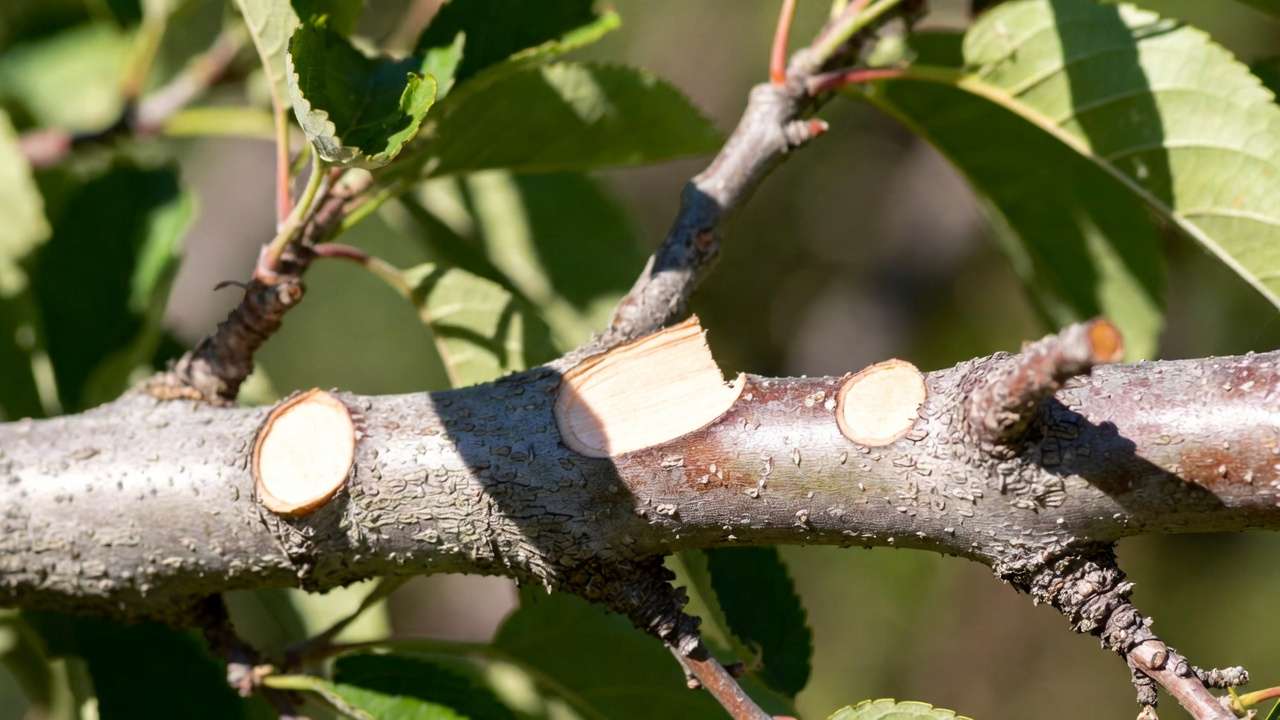
Year-by-Year Guide:
- At planting: Cut back to 24–36 inches; remove side branches below 18 inches for strong trunk.
- Years 1–3: Select 3–5 scaffold branches (wide angles, evenly spaced). Use open center (vase shape) for stone fruits or modified central leader for apples/pears.
- Mature trees: Annual renewal — remove 20–30% oldest wood, thin crowded areas, maintain open shape.
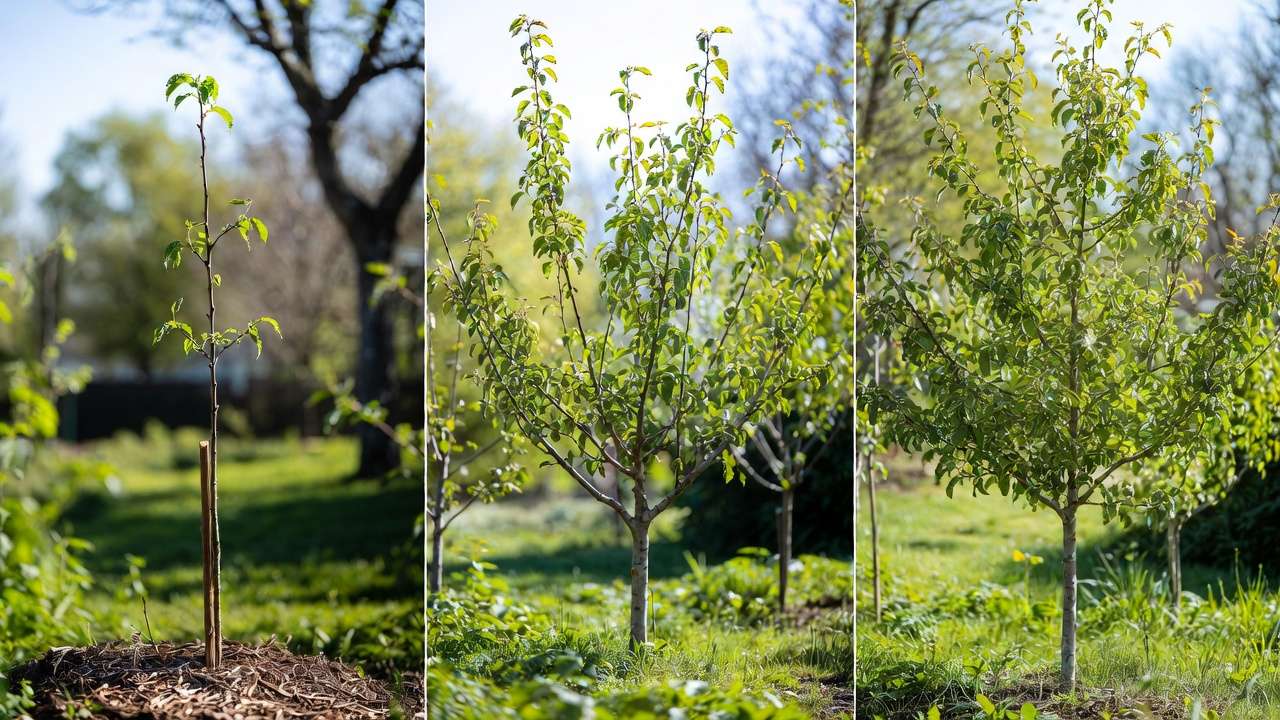
Branch Selection Rules:
- Remove: Dead, diseased, damaged, crossing/rubbing, downward-growing, narrow-angled (<45°), water sprouts.
- Keep: Strong, well-angled branches with good spacing.
Pruning Specific Fruit Trees for Higher Yields (Tailored Advice) 🍑🍐
Different fruits need slightly different approaches:
- Mango (common in BD): Light to moderate pruning after harvest. Remove water sprouts, open center for light. Tip young shoots to encourage branching.
- Guava: Prune after picking — head back to 20–30 cm for new growth. Can handle heavier cuts for multiple crops.
- Citrus (lemon, orange): Very light pruning — remove suckers, dead wood. Avoid heavy cuts as they dislike it.
- Jackfruit/others: Similar to mango — post-harvest light shaping.
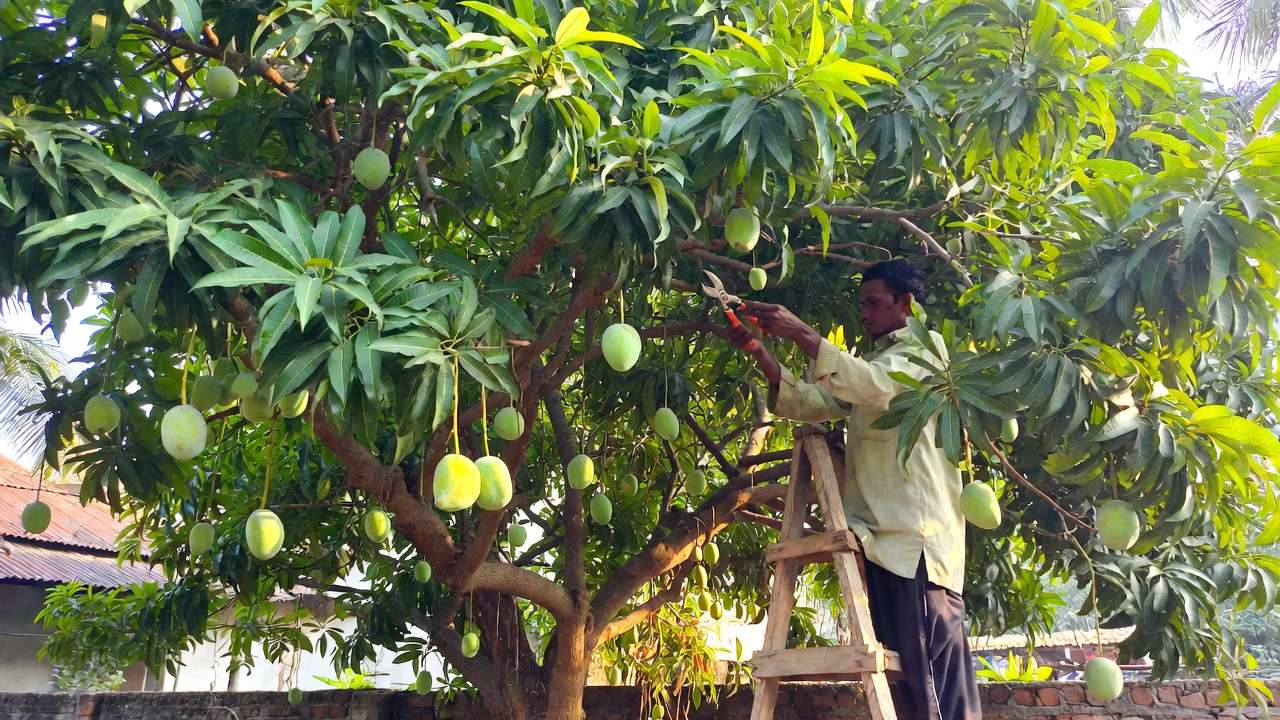
Quick table idea (in full article): Fruit | Best System | Key Pruning Tip | Expected Yield Boost
Common Mistakes to Avoid (And How to Fix Them) ⚠️❌
- Over-pruning: Never remove >25–30% in one season — shocks tree, reduces next crop.
- Flush cuts or stubs: Slow healing, invite rot.
- Wrong timing: Summer heavy pruning on some can burn fruit.
- Ignoring sanitation: Spreads disease.
- Not thinning enough: Leads to small fruits.
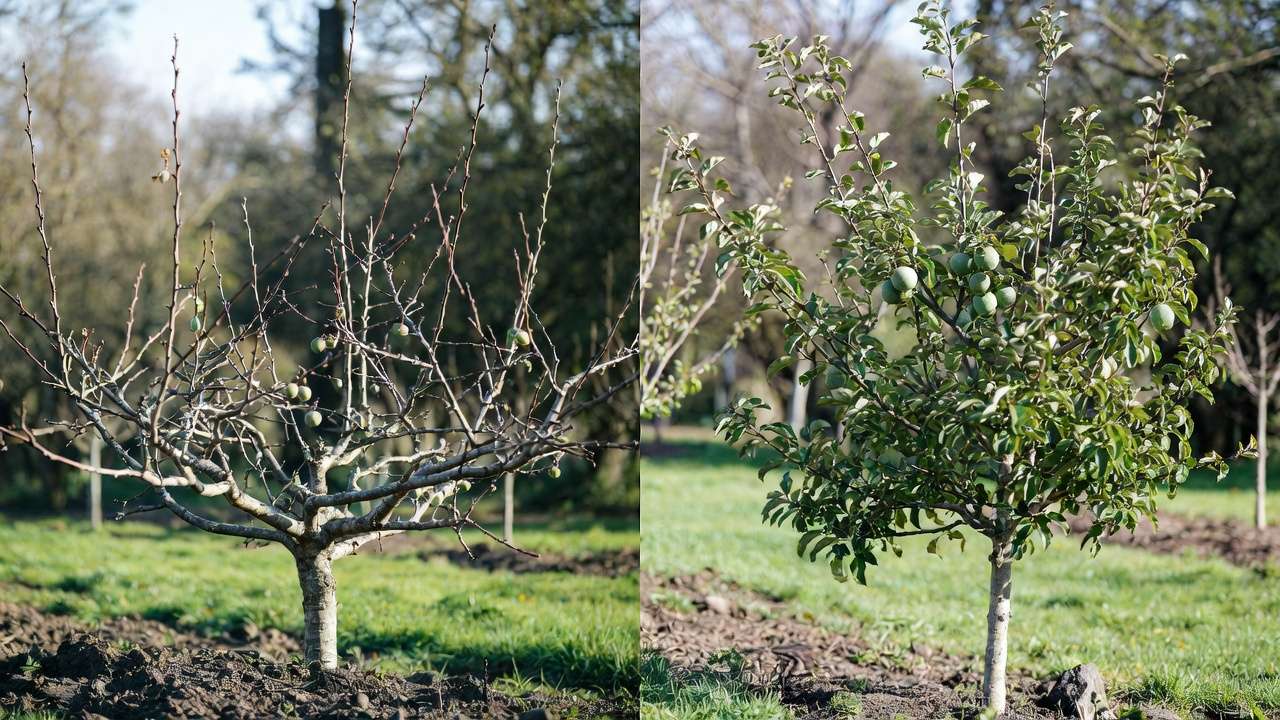
Fix: Start conservative, observe tree response.
Advanced Tips for Even Higher Yields (Skyscraper Extras) 🚀📈
Once you’ve mastered the basics, these proven techniques can push your fruit production even further — especially useful in small backyard spaces or humid tropical climates like Barisal.
- Fruit thinning after pruning 🍑 Pruning sets the stage, but hand-thinning young fruitlets (remove excess when they’re marble-sized) prevents over-cropping. This lets the tree put more energy into fewer fruits → noticeably larger size and better flavor. For mangoes, thin clusters to 1–2 fruits per panicle; for guava, leave 3–4 per branch tip.
- Summer pinching and tipping ✂️ In June–August, pinch or lightly head back vigorous new shoots to 4–6 leaves. This encourages side branching and more fruiting wood for next season without heavy structural cuts. Especially helpful for guava and citrus, which respond well to repeated light summer work.
- Size control for urban/backyard orchards 🏡 Keep trees manageable (8–12 ft tall) by annual summer heading of leaders and selective thinning. Smaller trees are easier to net against birds, harvest, and spray — and often produce more fruit per square meter than overgrown giants.
- Pruning + integrated care synergy 🌱 Pruning works best when combined with:
- Balanced fertilization (higher potassium/phosphorus post-pruning for fruit set)
- Consistent deep watering (especially during fruit swell)
- Mulching to retain moisture and suppress weeds
- Monitoring pests/diseases early (pruned trees are easier to inspect)
Expert insight: In humid regions, the biggest yield gains often come from combining open-canopy pruning with good airflow + preventive copper-based fungicide sprays right after major cuts.
Maintenance After Pruning: Next Steps for Success 🌱💚
Proper follow-up turns a good pruning job into a great harvest.
- Wound care In most cases, modern pruning science says do nothing — healthy trees compartmentalize wounds naturally if cuts are made properly (outside the collar). Avoid wound paints/sealants; they can trap moisture and encourage rot in humid climates.
- Post-prune feeding Apply a balanced organic fertilizer (e.g., compost, well-rotted manure, or NPK 10-10-10) 2–4 weeks after dormant pruning. For fruit-heavy trees, follow with a potassium-rich feed during fruit development.
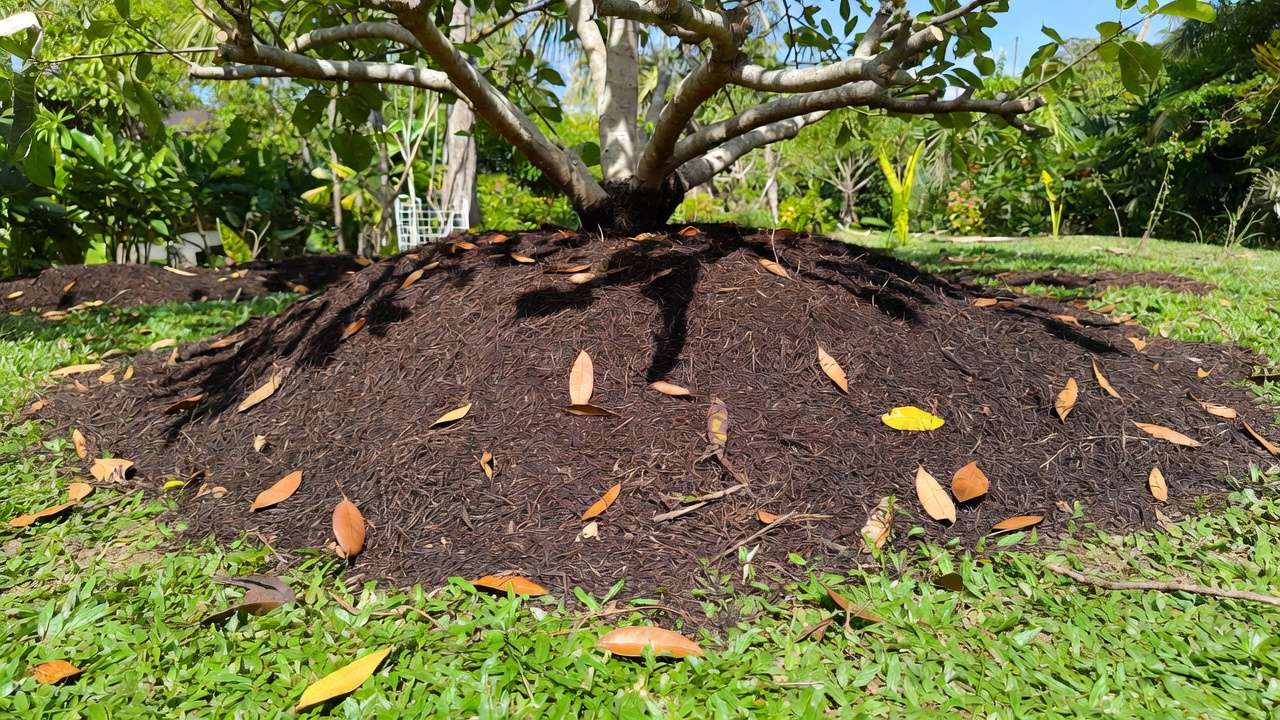
- Mulching Add 2–4 inches of organic mulch (rice straw, dried leaves, coconut coir) in a wide ring around the tree — keep it away from the trunk to prevent rot. Mulch conserves water, moderates soil temperature, and slowly feeds the tree.
- Monitor regrowth Check 4–6 weeks later for water sprouts or excessive regrowth. Remove promptly. Watch for signs of stress (wilting, dieback) and adjust watering/feeding if needed.
Real-Life Examples and Case Studies 📖🍎
Here are simplified but realistic stories from gardeners in similar climates:
- The Overgrown Mango Tree Turnaround A 15-year-old Barisal mango tree produced only 30–40 small fruits annually. After one dormant-season renewal prune (removed ~25% old interior wood, opened center, eliminated water sprouts), the next season yielded 120+ fruits — many noticeably larger. Light summer pinching the following year pushed production even higher.
- Guava Double-Cropping Success A homeowner pruned guava heavily after the rainy-season harvest, cutting back to 20–30 cm. Combined with thinning and fertilizing, the tree gave a strong early dry-season crop and a second smaller crop — total yield nearly doubled compared to unpruned neighbors.
- Small-Space Citrus Win A potted lemon tree was leggy and low-yielding. Annual light pruning (suckers removed, tips headed), summer pinching, and container root pruning kept it compact and pushed it to produce 40–50 quality lemons instead of 10–15.
These examples show that consistent, thoughtful pruning — even on older or space-limited trees — delivers reliable results.
Frequently Asked Questions (FAQs) ❓
Does pruning really increase fruit yield? Yes — consistently. By improving light, air, and energy distribution, most gardeners see larger fruit size and better overall production within 1–2 seasons.
Can I prune in summer in hot, humid climates like Bangladesh? Yes, but keep it light (no more than 10–15% removal). Summer pruning controls vigor and improves light — perfect after harvest for guava or mango.
What if my tree is very overgrown and neglected? Don’t remove more than 25–30% in year one. Spread major renewal over 2–3 years to avoid shocking the tree. Focus first on dead/diseased wood and opening the center.
How much can I safely cut off in one season? Rule of thumb: 20–30% of the canopy for mature trees; less for young or stressed ones. Always prioritize quality of cuts over quantity.
Is pruning different for fruit trees in containers? Yes — more frequent light pruning + root pruning every 2–3 years. Keep canopy in balance with root mass for best fruiting.
Will pruning make my tree produce fruit sooner? Not immediately — but proper early training (years 1–3) often brings the first heavy crop 1–2 years earlier than untrained trees.
Conclusion: Start Pruning Today for Your Best Harvest Ever! 🎉🍓
Pruning basics for higher fruit yield aren’t complicated — they’re powerful. By understanding your tree’s fruiting habit, making clean cuts at the right time, and following up with good care, you can turn average trees into generous producers of bigger, tastier fruit.
This dormant season (or next summer for light work), grab your sanitized tools and give your trees the attention they deserve. Your future self (and your family’s dessert plate) will thank you 🍰✨.
Have you tried any of these techniques? Which fruit tree are you planning to prune first? Drop your questions, wins, or photos in the comments — I love hearing from fellow gardeners in Barisal and beyond! 🌴











