
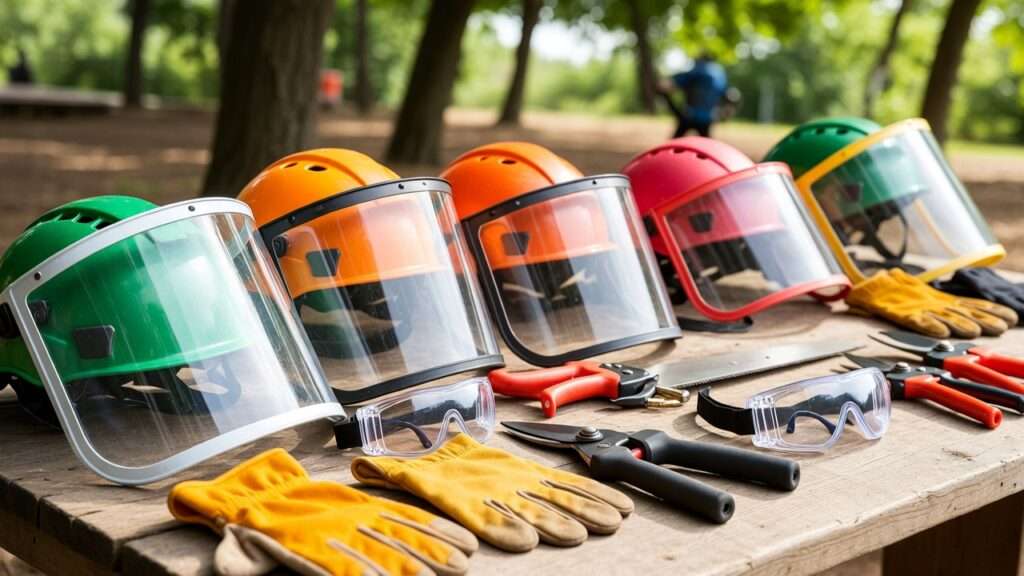
Have you ever reached up to clip a high branch, felt the satisfying snip… and then winced as a sharp twig whipped straight toward your eye? 😬 That single moment of carelessness is all it takes to turn a peaceful afternoon of tree pruning into an urgent trip to the doctor.
Pruning safety gear essentials aren’t just a “nice-to-have” list for professional arborists—they are the difference between coming home with healthy plants and coming home with stitches, eye patches, or worse. As someone who has spent over 15 years helping homeowners, small-scale orchard keepers, and hobby gardeners maintain beautiful, thriving trees without injury, I can tell you this with certainty: most pruning accidents are completely preventable when you wear the right protective equipment.
In this in-depth guide, we’ll cover every piece of pruning safety gear essentials that responsible home gardeners should own, why each item matters, how to choose quality pieces that actually fit and protect you, common (and costly) mistakes people still make in 2026, and realistic ways to build a smart, budget-friendly safety kit step by step.
Whether you’re shaping young fruit trees, taming an overgrown ornamental, using a pole pruner on tall shrubs, or occasionally firing up a small chainsaw, this article will help you prune confidently, comfortably, and—most importantly—safely. 🌳✂️
Let’s make sure your next pruning session ends with beautiful results… and zero bandages.
Why Pruning Safety Gear Is Non-Negotiable for Home Gardeners 🛑
Tree pruning might look gentle and low-risk from the outside—after all, you’re just cutting branches, right?
Yet every year thousands of homeowners visit emergency rooms for surprisingly common pruning-related injuries:
- Eye injuries from flying wood chips, twigs, or sawdust
- Deep lacerations to hands, forearms, and legs
- Puncture wounds from thorns, broken stubs, or tool slips
- Ankle sprains and fractures from slipping off unstable ladders
- Hearing loss from repeated exposure to power equipment noise
- Head trauma from falling limbs (even small ones hurt when they hit from height)
According to safety data compiled from hospital reports and arborist organizations, ladder-related falls and cuts from hand tools remain two of the top causes of DIY tree-care injuries. Power-tool incidents (especially chainsaws and pole saws) add another serious layer of risk.
The good news? Nearly every one of these injuries can be dramatically reduced—or completely avoided—by consistently using proper pruning safety gear essentials.
When you gear up correctly, you gain something even more valuable than protection: confidence. You stop hesitating, second-guessing every cut, and worrying about “what if.” Instead, you focus on making precise, healthy pruning cuts that benefit your trees long-term.
Understanding the Most Common Pruning Hazards (and How Gear Stops Them) ⚠️
Before we jump into shopping lists, it helps to understand exactly what we’re protecting against. Here are the primary hazard categories home gardeners face:
- Projectile Debris Twigs snap back, wood chips fly, dried leaves and dust become airborne missiles. → Primary defense: impact-rated eye protection + face shield when needed
- Sharp Tool & Branch Contact Pruners, loppers, saws, and even jagged branch stubs can slice skin quickly. → Primary defense: cut-resistant gloves, long sleeves, protective chaps/pants
- Falling Objects Even a 2–3 kg branch dropped from 4–5 meters can cause concussion or broken bones. → Primary defense: climbing-style helmet with chin strap
- Noise-Induced Hearing Damage Chainsaws, battery-powered pole saws, and gas trimmers easily exceed 85–100 dB. → Primary defense: hearing protection rated NRR 25 or higher
- Slips, Trips & Ladder Falls Uneven soil, wet grass, tangled roots, and reaching too far are constant risks. → Primary defense: high-traction, supportive boots + ladder stabilizers
- Vibration & Fatigue Injuries Extended use of vibrating tools can cause hand-arm vibration syndrome. → Secondary help: anti-vibration gloves, frequent breaks, ergonomic tool choice
Understanding these risks helps you prioritize gear purchases intelligently instead of buying everything at once.
Core Pruning Safety Gear Essentials: The Non-Negotiable Seven 🛠️
Here’s the realistic, home-gardener-focused list of pruning safety gear essentials that should live in your garden shed:
1. Eye & Face Protection 👓🪖
The single most important piece of gear—and sadly the one most often skipped.
Must-have features:
- ANSI Z87.1 (or higher) impact rating
- Wraparound design or side shields
- Anti-fog coating
- UV protection (bonus for sunny days)
Recommended options:
- Clear safety glasses for light pruning
- Clear or tinted goggles for dusty conditions
- Full-face shield (worn over glasses) when using pole saws or chainsaws
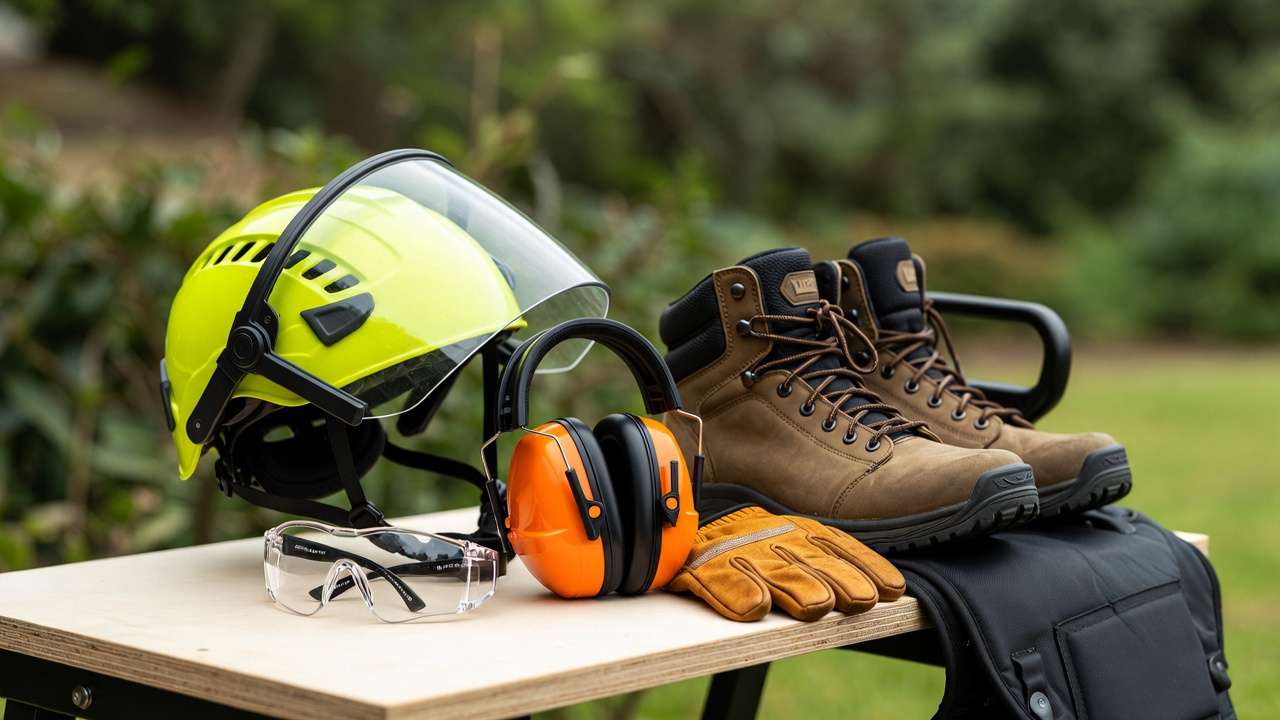
Pro tip: Keep 2–3 pairs in different spots (shed, garage, toolbox) so you’re never tempted to “just do it without.”
2. Head Protection: Modern Climbing-Style Helmets ⛑️
Gone are the days of heavy construction hard hats for tree work. Today’s best home-gardener helmets are lightweight, ventilated, and multi-functional.
Look for:
- EN 12492 or ANSI Z89.1 Type I certification
- Built-in visor or slots for attaching earmuffs
- Adjustable chin strap (critical—loose helmets are useless)
- Mounting points for headlamp or face shield
Popular models in 2026 often combine helmet + earmuffs + visor in one unit, making them incredibly convenient.
3. Hearing Protection: Protect What You Can’t Regrow 🎧
Any power tool that hums, buzzes, or roars needs serious ear defense.
Best choices:
- Over-the-ear muffs (NRR 25–33) — easiest to put on/take off
- Foam earplugs (NRR 29–33) — compact, great under helmets
- Electronic muffs that amplify conversation but cut dangerous peaks (great for working with helpers)
Rule of thumb: If you’re using anything louder than a cordless hedge trimmer for more than 10–15 minutes, ears need protection.
4. Hand & Arm Protection: Serious Gloves Matter 🧤
Thin cotton or basic garden gloves offer almost zero cut or puncture resistance.
Upgrade to:
- Leather arborist gloves with reinforced palms
- Level 5 or higher cut-resistant gloves (synthetic Kevlar-style palms)
- Gauntlet-style cuffs that cover forearms
Best all-rounder in my experience: split-leather gloves with cut-resistant liners—breathable enough for warm days, protective enough for thorny or splintery work.
5. Leg & Lower-Body Protection 🦵
For hand tools and pole pruners:
- Heavy-duty work pants (canvas or ripstop)
- Long socks to prevent scratches
When chainsaws enter the picture (even small battery models):
- Chainsaw chaps or protective bib-style pants (Class 1 or higher)
- Look for UL or ASTM-rated leg protection
Many homeowners never need full chainsaw chaps—but if you own or borrow a chainsaw even once a year, get them. One kickback can change your life.
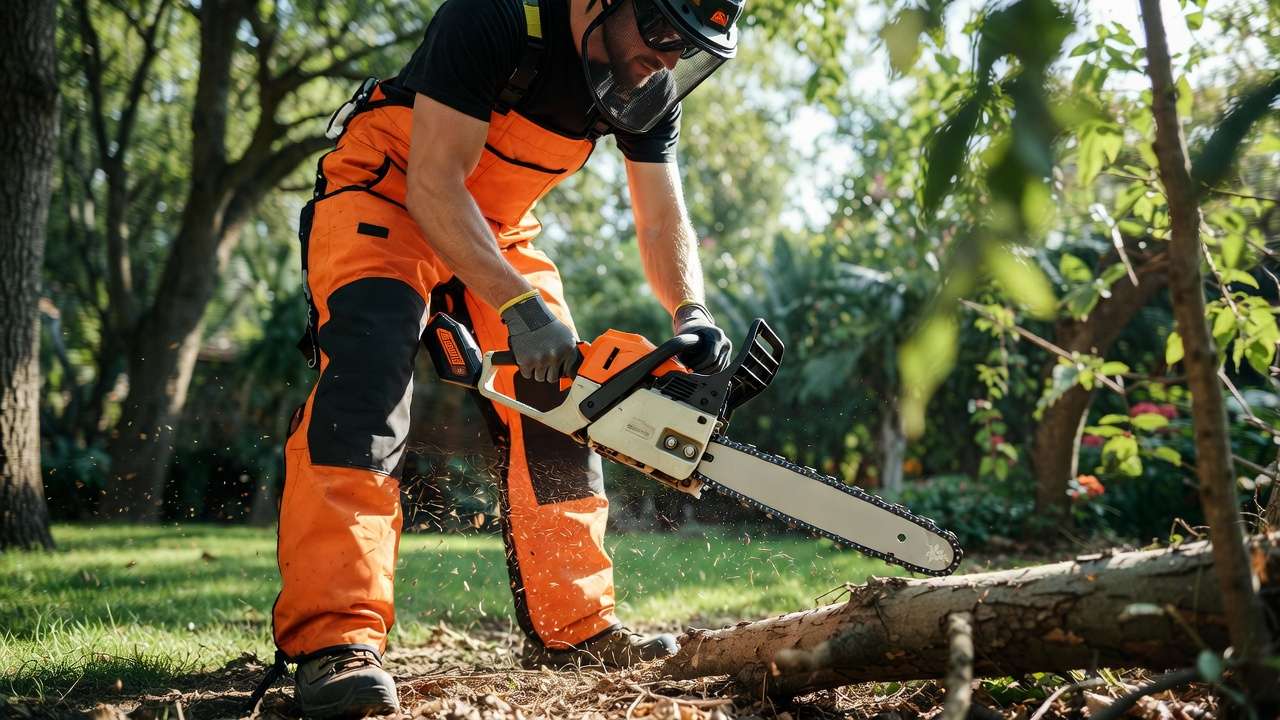
6. Footwear: Boots That Grip and Guard 👷♂️
Sneakers, sandals, and even regular tennis shoes have no place in serious pruning.
Essential features:
- Slip-resistant, oil-resistant outsole
- Composite or steel toe (composite is lighter and non-metallic)
- Mid-ankle support
- Waterproof membrane (keeps feet dry in morning dew)
My personal favorite style: lightweight hiker-style safety boots—comfortable for all-day wear yet protective enough for stepping over brush piles.
7. High-Visibility & Protective Clothing 👕
Bright long-sleeve shirts and pants serve multiple purposes:
- Shield skin from scratches, sun, and sap
- Make you visible if neighbors or family are nearby
- Reduce chance of loose fabric catching in moving parts
Quick-dry, UPF-rated outdoor work shirts have become incredibly popular and affordable in recent years.
Advanced Gear for Taller Trees and Power Tools 🔗⚡
Once your pruning projects move beyond waist-height shrubs and low fruit trees, the safety equation changes quickly. Reaching higher means more momentum in falling branches, greater risk of tool drops, unstable footing, and—most critically—the temptation to over-reach on a ladder.
Here’s the gear upgrade tier most responsible homeowners eventually add:
Ladder Stabilizers & Levelers
A wobbly ladder on soft soil or uneven ground is responsible for more serious falls than almost any other factor in home tree care.
Recommended:
- Stand-off stabilizers (the “V” shaped bars that create a wider, more stable base)
- Ladder levelers (adjustable feet for sloped ground)
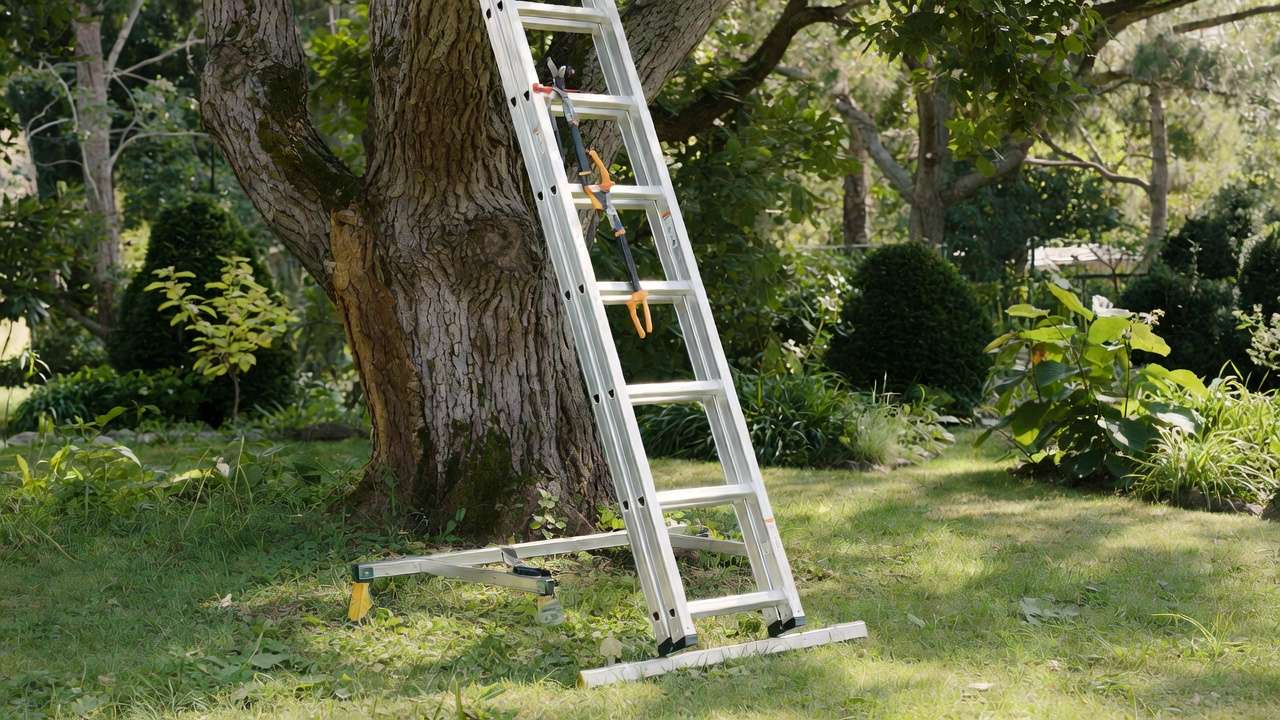
These simple accessories can increase ladder stability by 2–3× and are inexpensive compared to hospital bills.
Tool Tethers & Lanyards
Nothing is more dangerous than a dropped pair of bypass pruners or a pole saw head plummeting from 4–5 meters.
Modern solutions:
- Retractable tool tethers clipped to your belt or harness
- Elastic lanyards with carabiners for pole tools
- Wrist straps for smaller hand tools
Many arborist suppliers now sell lightweight, homeowner-friendly versions that don’t feel bulky.
Fall Protection Systems (When You’re Ready for Heights)
If you regularly prune trees taller than ~4–5 meters (about the height of a single-story roofline), consider investing in basic personal fall arrest gear—even if you never actually climb the tree itself.
Core components:
- Full-body harness (comfortable, padded versions exist)
- Shock-absorbing lanyard (6 ft max)
- Rope grab or prusik loop for work-positioning
- Anchor strap wrapped around a sturdy branch or trunk
Important reality check: Most homeowners should not climb trees without professional training. If the job requires ascending into the canopy, hiring a certified arborist is usually the safest (and smartest) choice. Fall protection gear is powerful—but only when used correctly.
Battery-Powered vs Gas: Noise & Vibration Considerations
In 2026, cordless battery pole saws and chainsaws dominate home use because they’re quieter and produce far less vibration than gas models.
Still:
- Any saw over ~30–40 minutes of cumulative use deserves anti-vibration gloves (gel-padded palms)
- Keep hearing protection handy even with battery tools—modern brushless motors can still hit 90+ dB under load
How to Choose High-Quality Pruning Safety Gear in 2026: A Practical Buying Guide 🛒
With so many brands and price points, here’s how to shop smart:
- Certifications matter — Always look for ANSI Z87.1 (eyes), EN 12492 (helmets), ASTM F1414 or UL (chainsaw chaps), NRR rating (hearing).
- Fit is everything — Gear that’s too loose, too tight, foggy, or uncomfortable ends up on the shelf instead of on your body. Try before buying when possible.
- Start small, upgrade gradually — Begin with eye protection + gloves + boots (under $100 total investment). Add helmet and hearing next.
- Read real-user reviews — Focus on long-term comfort and durability comments from gardeners and arborists, not just sponsored influencer posts.
- Maintenance checklist — Inspect gear before each season: cracks in plastic, stretched straps, worn cut-resistant layers, degraded foam in earmuffs. Replace anything questionable.
Current sweet-spot brands for homeowners (based on 2025–2026 feedback):
- Eyes: Dewalt DPG82, NoCry, Pyramex
- Helmets: Petzl Vent, 3M SecureFit X5000 series, KASK Zenith
- Gloves: Wells Lamont Hi-Dexterity, Mechanix Wear M-Pact, Showa Atlas
- Boots: Timberland PRO, Keen Utility, Wolverine
Bonus: Smart Safety Habits That Multiply the Value of Your Gear 🌟
Gear alone isn’t magic. Pair it with these expert-level routines:
- Pre-pruning inspection ritual — Check ladder feet, tool sharpness, branch tension (look for “barber-chair” splits), and weather forecast.
- The 3-cut method — Always use proper technique to prevent branches from tearing and whipping back.
- Buddy system — For anything requiring a ladder over ~8 ft, have someone spot you.
- Hydration & pacing — Heat exhaustion + fatigue = poor decisions. Take breaks.
- Emergency prep — Keep a fully stocked first-aid kit (including eye wash, trauma pads, antiseptic) within reach. Know the location of the nearest urgent care.
- Post-pruning clean-up — Remove all debris before stepping down—tripping over brush piles is shockingly common.
Common (and Dangerous) Mistakes Home Gardeners Still Make in 2026 🚫
Even experienced DIYers fall into these traps:
- “It’s just a quick cut” → skipping eye protection for one small branch
- Using dull tools → requires more force → higher chance of slip
- “My old work gloves are fine” → thin fabric offers zero cut resistance
- Reaching too far on a ladder → losing balance instead of moving the ladder
- Forgetting ear protection with “quiet” battery tools → still damaging over time
- Wearing flip-flops or sneakers → zero protection against dropped tools or thorns
- Storing gear in direct sun → UV degrades plastic helmets, straps, and lenses
Avoid these by building a simple mental checklist: Eyes → Ears → Head → Hands → Feet → Ladder stable → Buddy if needed.
Frequently Asked Questions About Pruning Safety Gear Essentials ❓
Q: Do I need chainsaw chaps if I only use a small battery chainsaw once a year? A: Yes—chainsaw kickback doesn’t care if it’s battery or gas. One incident can sever arteries. Chaps are relatively inexpensive life insurance.
Q: Are $20 safety glasses from the hardware store good enough? A: Only if they clearly state ANSI Z87.1 impact rating. Cheap no-name glasses often fail high-velocity impact tests.
Q: Can I use a bike helmet instead of a climbing helmet? A: No. Bike helmets are designed for single low-speed impacts; tree helmets must withstand repeated small hits and have proper chin straps.
Q: What if I only prune small ornamental shrubs and roses? A: Eye protection, cut-resistant gloves, and sturdy closed-toe shoes are still non-negotiable. Thorns, wire supports, and snapping twigs cause plenty of injuries.
Q: How often should I replace my safety helmet? A: Every 3–5 years even if it looks fine—UV, sweat, and minor impacts degrade the shell. Replace immediately after any significant hit.
Final Thoughts: Prune with Confidence and Zero Regrets 🌳💚
Your trees deserve thoughtful care. You deserve to go home uninjured, every single time.
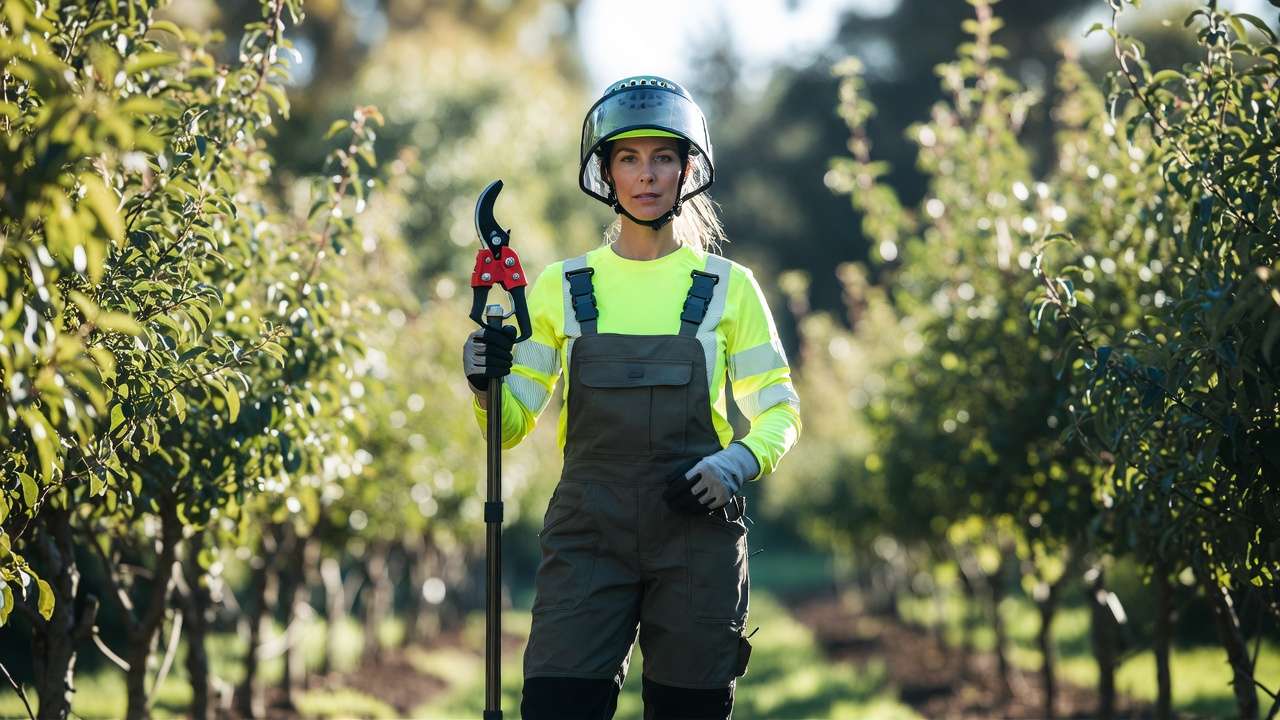
By investing in—and consistently using—the pruning safety gear essentials outlined here, you’re not just protecting your body; you’re protecting your ability to keep enjoying gardening for decades to come.
Start today: Grab a quality pair of impact-rated glasses and a solid pair of cut-resistant gloves if you don’t already own them. They’ll deliver the biggest safety improvement for the smallest effort.
Then build from there—one smart purchase at a time.
Your garden will look better, your trees will stay healthier, and you’ll finish every pruning session with a smile instead of an ice pack.
Happy (and safe) pruning, friends! ✂️🌱











