
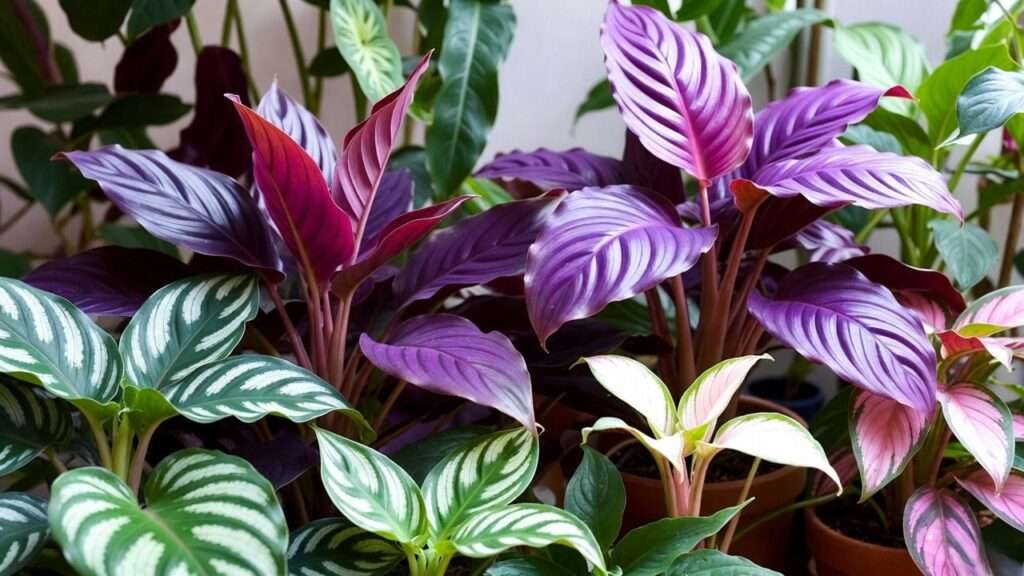
Imagine walking into your living room and being greeted by a cascade of rich purple leaves edged in emerald green, shimmering like jewels under soft light ✨. These purple green plants aren’t just beautiful—they’re living art that transforms ordinary spaces into vibrant, mood-boosting oases. In 2026, with biophilic design trends at an all-time high, more home gardeners are seeking out these colorful foliage houseplants to add drama and sophistication without much fuss.
As a certified horticulturist with over 15 years of hands-on experience cultivating tropical and foliage plants in both greenhouse and home settings, I’ve grown hundreds of these beauties. I’ve seen firsthand how the right purple green plant can elevate your indoor jungle while purifying the air and reducing stress. In this comprehensive guide, I’ll share my top 10 most stunning varieties, backed by science and real-world tips, to help you achieve that vibrant, eye-catching foliage you’ve been dreaming of 🌱.
Whether you’re a beginner wondering how to keep those purple hues from fading or an experienced plant parent looking for new additions, this article has you covered. We’ll dive deep into identification, care secrets, troubleshooting, and styling—everything you need for success.
What Makes Purple Green Plants So Special? 🌟
Purple and green foliage plants captivate because of their unique pigmentation. The purple tones come from anthocyanins, water-soluble pigments that act as a natural sunscreen in plants, protecting them from intense light and environmental stress.
The Science Behind Purple Pigments (Anthocyanins)
Anthocyanins accumulate in leaf cells, creating shades from deep plum to iridescent violet, often contrasted beautifully with chlorophyll-rich green. This combination not only looks stunning but also indicates a healthy, adaptive plant. Studies from botanical research show that higher light exposure boosts anthocyanin production, intensifying colors—just one reason proper placement is key.
Benefits of Adding Purple Foliage to Your Home
- Aesthetic Impact: These plants align perfectly with current interior trends, adding bold color to minimalist or boho spaces.
- Air-Purifying Qualities: Many, like Tradescantia varieties, feature in NASA’s Clean Air Study for removing toxins like benzene and formaldehyde.
- Psychological Benefits: Vibrant colors like purple are known to promote creativity and calm, making them ideal for home offices or bedrooms.
Are Purple Green Plants Harder to Care For? (Spoiler: Most Aren’t!)
Contrary to myth, most purple foliage houseplants are low to moderate maintenance. With the right light and humidity, they thrive indoors just as well as plain green varieties—and often forgive minor mistakes!
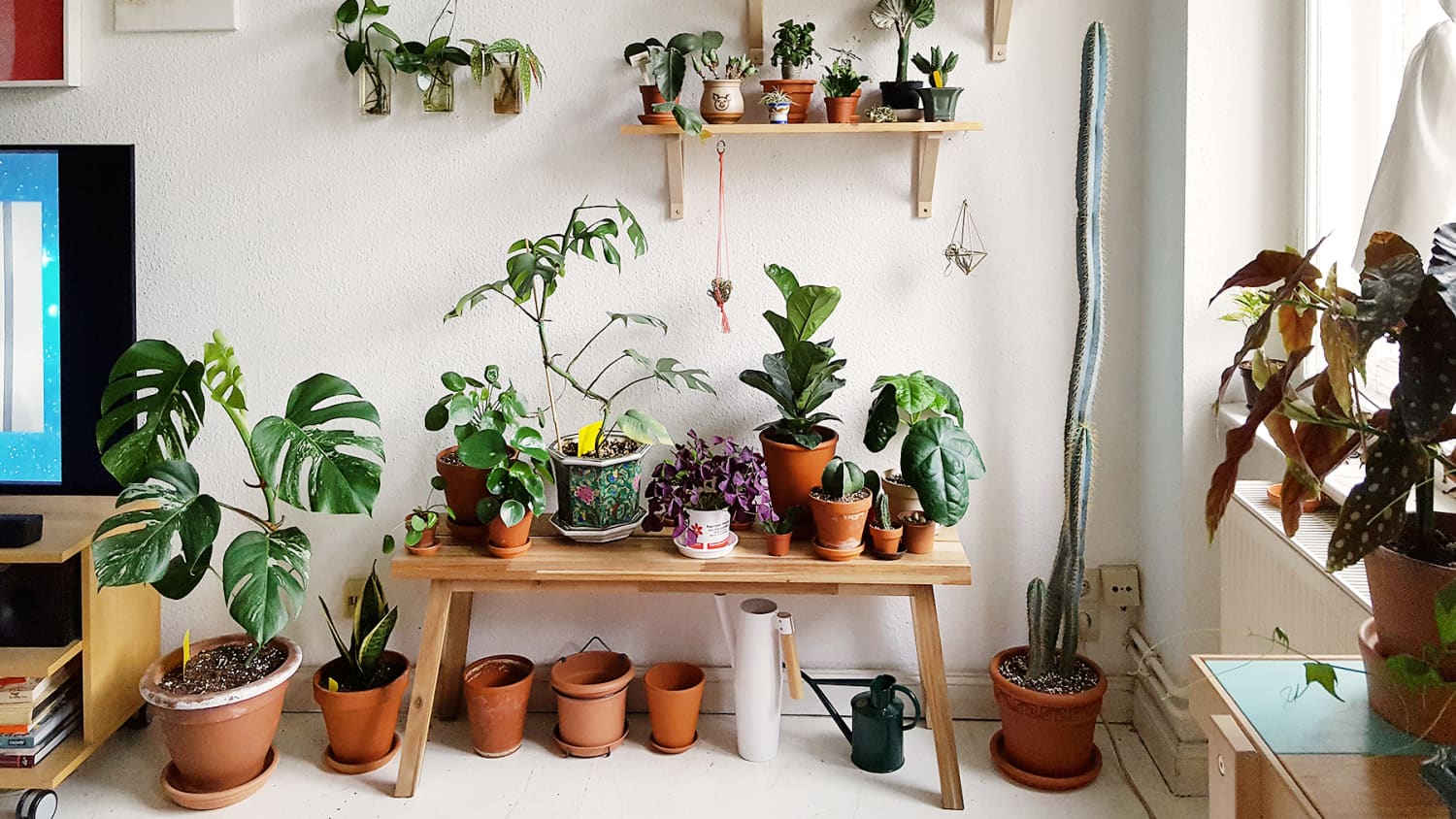
Top 10 Most Stunning Purple Green Plants for Your Home 🏆
Here are my carefully curated favorites, selected for their reliable color, ease of growth, and wow-factor. Each thrives as a houseplant and offers that perfect purple-green contrast.
1. Tradescantia Zebrina (Wandering Jew/Inch Plant) 🍃
This trailing beauty features striped leaves with silvery-green tops and deep purple undersides. Native to Mexico, it’s incredibly forgiving and grows quickly.
- Why Stunning: The zebra-like stripes and purple reverse make it a hanging basket star.
- Difficulty: Beginner-friendly.
- Quick Care: Bright indirect light, moderate water, high humidity.
2. Coleus (Plectranthus scutellarioides) 🎨
Coleus offers endless varieties with ruffled leaves in electric purple edged or veined in green. Originally from Southeast Asia, modern hybrids are bred for foliage over flowers.
- Why Stunning: Bold patterns rival any flowering plant.
- Difficulty: Beginner to intermediate.
- Quick Care: Bright light for best color, consistent moisture.

3. Purple Passion Plant (Gynura aurantiaca) 💜
Known for its velvety, hairy purple leaves with green edges, this “velvet plant” feels as soft as it looks vibrant.
- Why Stunning: The fuzzy texture catches light beautifully.
- Difficulty: Intermediate (prone to legginess).
- Quick Care: Bright indirect light, moderate water—pinch tips regularly.
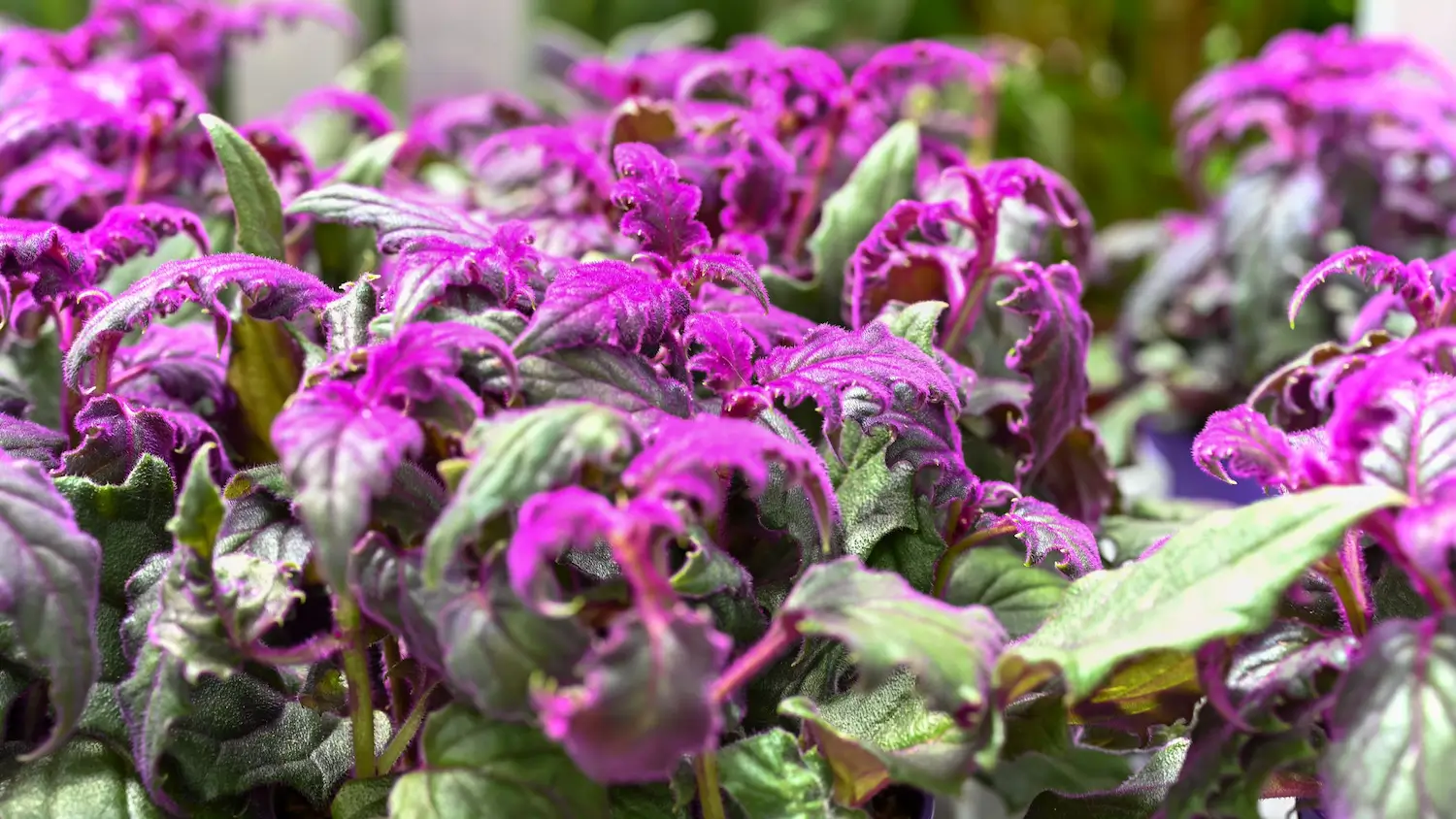
4. Persian Shield (Strobilanthes dyerianus) ✨
Iridescent purple leaves with metallic green veins make this one shimmer like a shield.
- Why Stunning: Color shifts with light angles—truly mesmerizing.
- Difficulty: Intermediate.
- Quick Care: High humidity, bright filtered light.

5. Purple Heart (Tradescantia pallida) ❤️
Deep purple lance-shaped leaves on trailing stems—perfect for ground cover or baskets.
- Why Stunning: Intense, uniform purple with subtle green hints.
- Difficulty: Beginner.
- Quick Care: Full sun to part shade, drought-tolerant once established.
:max_bytes(150000):strip_icc()/Tradescantiapallida-02-1624ce484f394900a60ad054db804164.jpg)
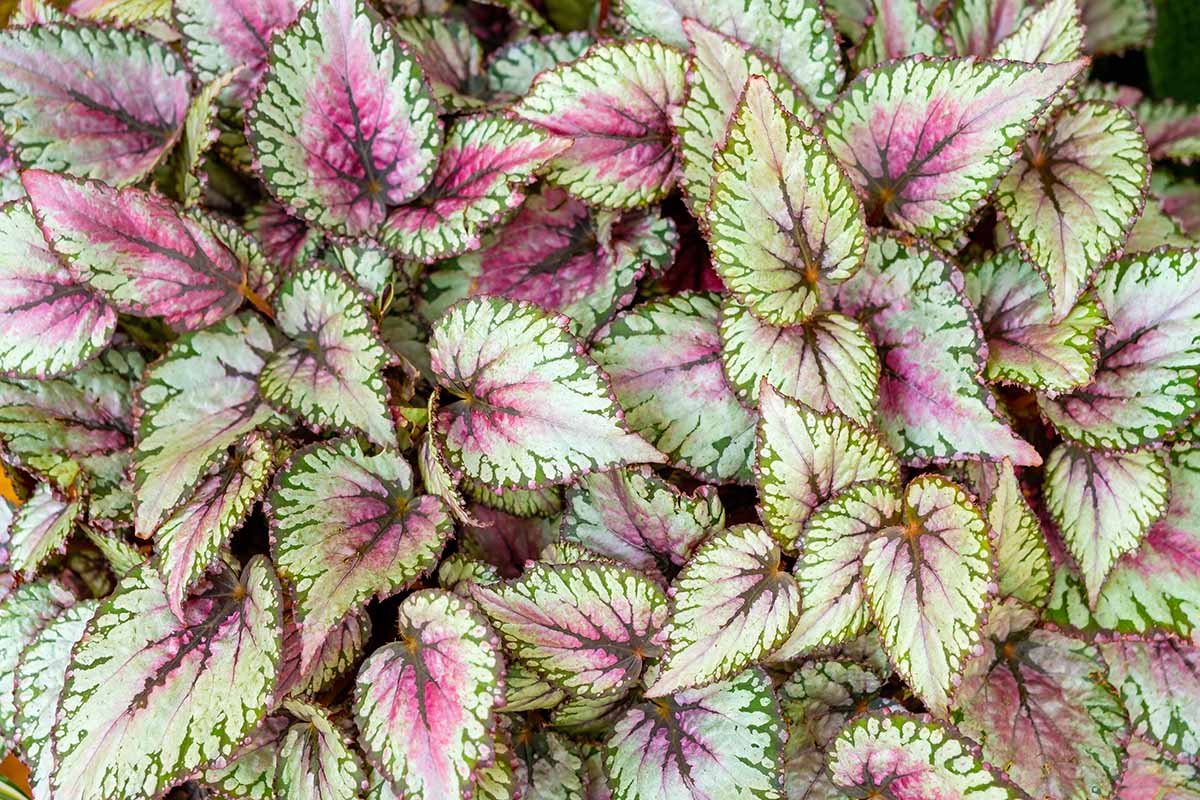
6. Rex Begonia Varieties 👑
Spiral-patterned leaves in swirling purple, silver, and green—each leaf a masterpiece.
- Why Stunning: Artistic patterns and textures.
- Difficulty: Intermediate.
- Quick Care: Indirect light, high humidity, well-draining soil.
7. Prayer Plant ‘Red Maranta’ or Calathea Rattlesnake 🐍
Dark green tops with patterned undersides in burgundy-purple; leaves fold at night.
- Why Stunning: Dynamic movement and contrasting colors.
- Difficulty: Intermediate (humidity-sensitive).
- Quick Care: Low to medium light, consistent moisture.
:max_bytes(150000):strip_icc()/grow-maranta-inside-1902647-02-de777eb8e7804c3d86d658cd242583d6.jpg)
8. Oxalis Triangularis (Purple Shamrock) ☘️
Butterfly-shaped purple leaves that close at night, with delicate flowers.
- Why Stunning: Triangular foliage and rhythmic movement.
- Difficulty: Beginner.
- Quick Care: Bright indirect light, allow soil to dry slightly.

9. Hypoestes Phyllostachya (Polka Dot Plant) 🎉
Green leaves splashed with purple-pink dots—like confetti!
- Why Stunning: Playful, speckled pattern.
- Difficulty: Beginner.
- Quick Care: Bright light for vivid spots, keep moist.

10. Fittonia Nerve Plant (Mosaic Plant) 🖼️
Intricate vein networks in white/pink on purple-green backgrounds.
- Why Stunning: Nerve-like patterns up close.
- Difficulty: Intermediate (loves humidity).
- Quick Care: Low light tolerant, terrarium favorite.
:strip_icc()/nerve-plant-care-fittonia-8557e4e1c71d416b9e40e135a45a1a32.jpg)
Essential Care Guide for Vibrant Purple Green Foliage 🌱
Keeping the purple hues in your purple green plants vibrant requires understanding their core needs. Most of these foliage stars thrive under similar conditions, making group care easy once you master the basics.
Light Requirements – How to Prevent Fading Purple Colors ☀️
Light is the #1 factor for intense coloration. Anthocyanins (those purple pigments) produce more under bright conditions, while low light causes plants to “revert” to green for better photosynthesis.
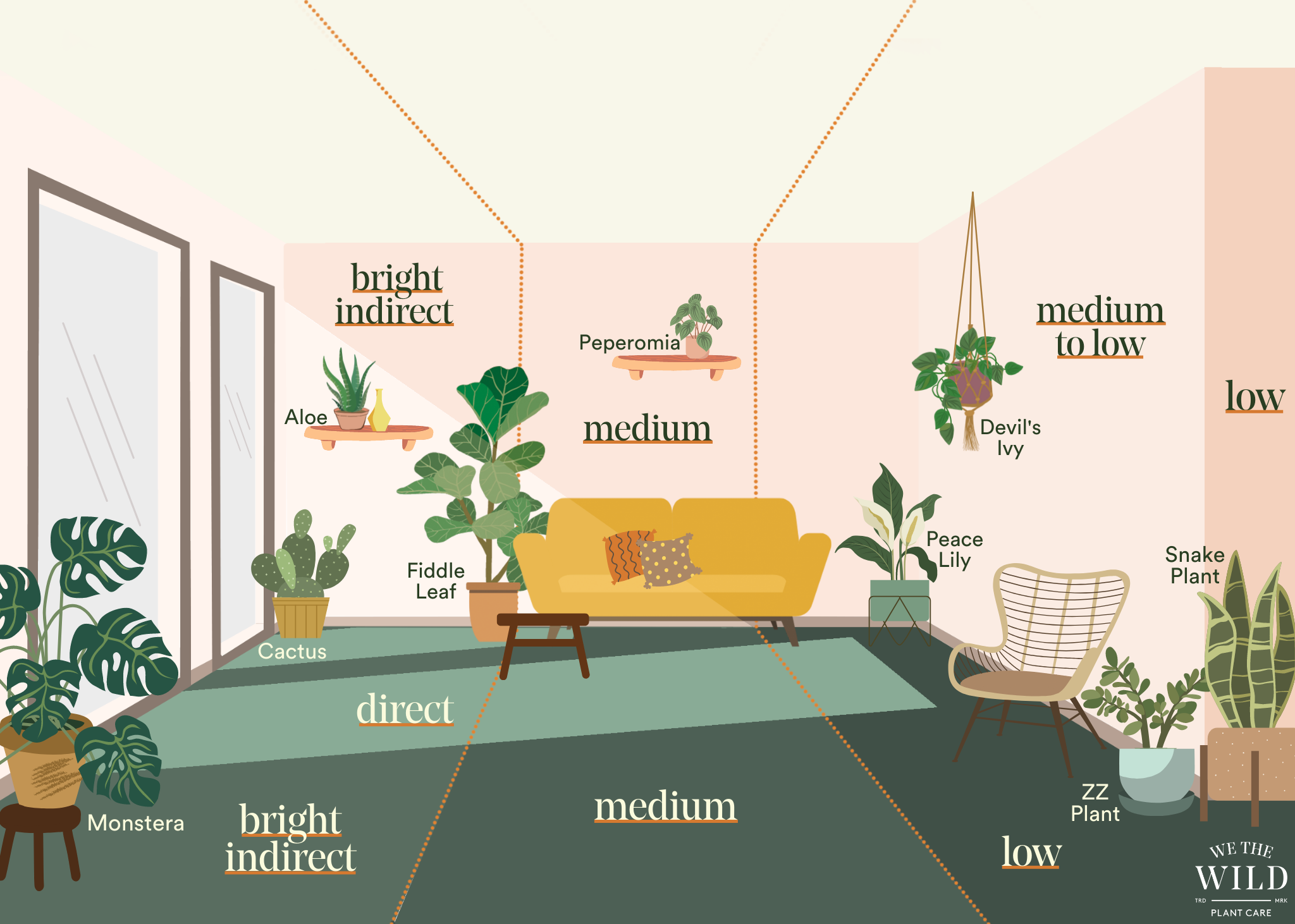
- Ideal Setup: Bright, indirect light—think east-facing windows or a few feet back from south/west windows. Direct sun can scorch delicate leaves (especially on Rex Begonias or Fittonia).
- Signs of Insufficient Light: Leggy stems, faded purple, smaller new leaves.
- Pro Tip: In winter or dark homes, supplement with full-spectrum LED grow lights (10-12 hours daily). I’ve had clients double color intensity this way!
- Best Window Directions: East for gentle morning sun; filtered south for maximum brightness without burn.
Watering Best Practices 💧
Overwatering is the top killer of purple foliage plants—root rot turns vibrant leaves dull fast.
- Rule of Thumb: Water when the top 1-2 inches of soil feels dry. Most prefer even moisture but hate soggy roots.
- Overwatering Signs: Yellowing lower leaves, mushy stems, fungal gnats.
- Underwatering Signs: Crispy edges, wilting (especially dramatic in Fittonia—they “faint” quickly!).
- Expert Hack: Use bottom watering for plants like Purple Heart or Tradescantia—place pots in a tray of water for 20-30 minutes to encourage deep roots and prevent leaf spots.
Humidity & Temperature Needs 🌡️
Many purple green houseplants hail from tropical understories, craving humidity above 50%.
/SPR-how-to-make-a-pebble-tray-7371481-Hero-C-5d303cbb85744594b59e9839a63d5abd.jpg)
- Ideal Humidity: 60-80% for Persian Shield, Fittonia, and Rex Begonias; 40-60% suffices for hardier ones like Purple Heart.
- Easy Boosts: Pebble trays (as shown above), grouping plants, or a humidifier. Misting works short-term but can invite fungal issues.
- Temperature Range: 65-80°F (18-27°C) day; avoid below 55°F (13°C). Cold drafts fade colors quickly.
Soil and Fertilizer Secrets 🌿
Well-draining soil prevents rot while delivering nutrients for bold pigmentation.
- Recommended Mix: 50% potting soil, 30% perlite/pumice, 20% orchid bark or coco coir. Add charcoal for extra drainage.
- Fertilizing: During growing season (spring-summer), use balanced liquid fertilizer (e.g., 10-10-10) diluted to half strength every 4-6 weeks. Higher phosphorus boosts color in some (like Coleus).
- Caution: Over-fertilizing causes salt buildup—flush soil monthly.
Pruning & Propagation Tips ✂️
Regular maintenance keeps plants bushy and colorful.
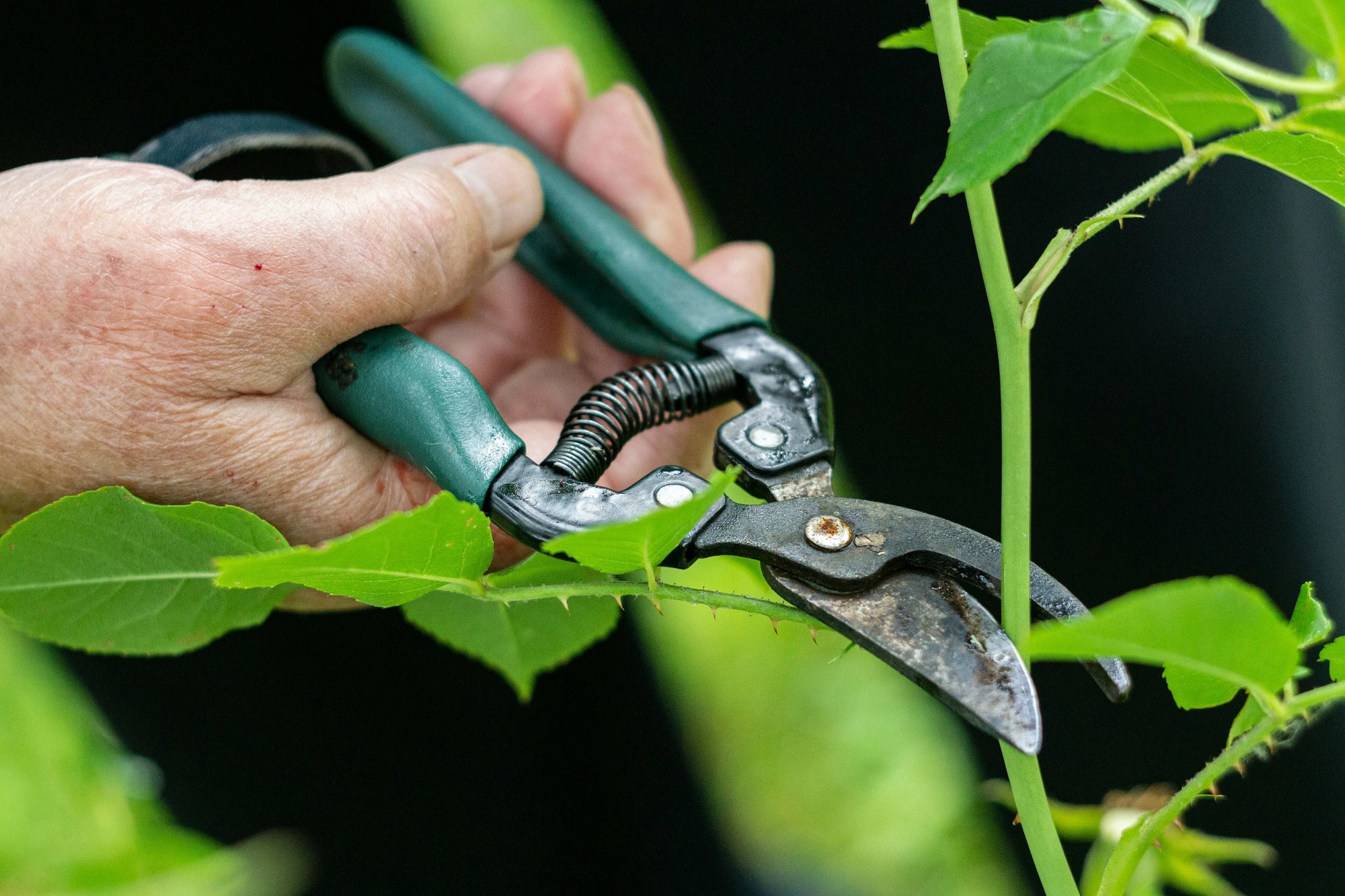
- Pruning: Pinch tips on leggy plants (Coleus, Purple Passion) to encourage branching—new growth often shows the richest purple.
- Propagation: Most root easily in water or soil. Take 4-6 inch stem cuttings, remove lower leaves, and place in bright indirect light. Success rate: 90%+ for Tradescantia varieties in my experience!
Common Problems & Expert Troubleshooting 🛠️
Even with perfect care, issues arise. Here’s how to diagnose and fix them fast.
Why Is My Purple Plant Turning Green? (And How to Fix It)
The most common complaint! Reversion happens when light is too low—plants prioritize chlorophyll over anthocyanins.
- Fixes: Move to brighter spot, add grow lights, prune leggy sections to redirect energy.
Leggy Growth, Fading Colors, or Leaf Drop
- Causes: Low light, inconsistent watering, low humidity.
- Solutions: Increase light gradually (avoid shock), stabilize moisture, boost humidity.
Pests Common to Purple Foliage Plants
Spider mites love dry conditions and can web up undersides, causing stippling.
- Common Culprits: Spider mites, mealybugs, aphids.
- Treatment: Rinse leaves, apply neem oil or insecticidal soap weekly. Isolate affected plants!
Seasonal Care Adjustments (Winter vs. Summer)
- Winter: Reduce watering, stop fertilizing, watch for drafts.
- Summer: Increase humidity, monitor for pests, provide shade from intense sun.
Styling & Display Ideas for Purple Green Plants 🏡
These dramatic foliage plants deserve spotlight treatment!
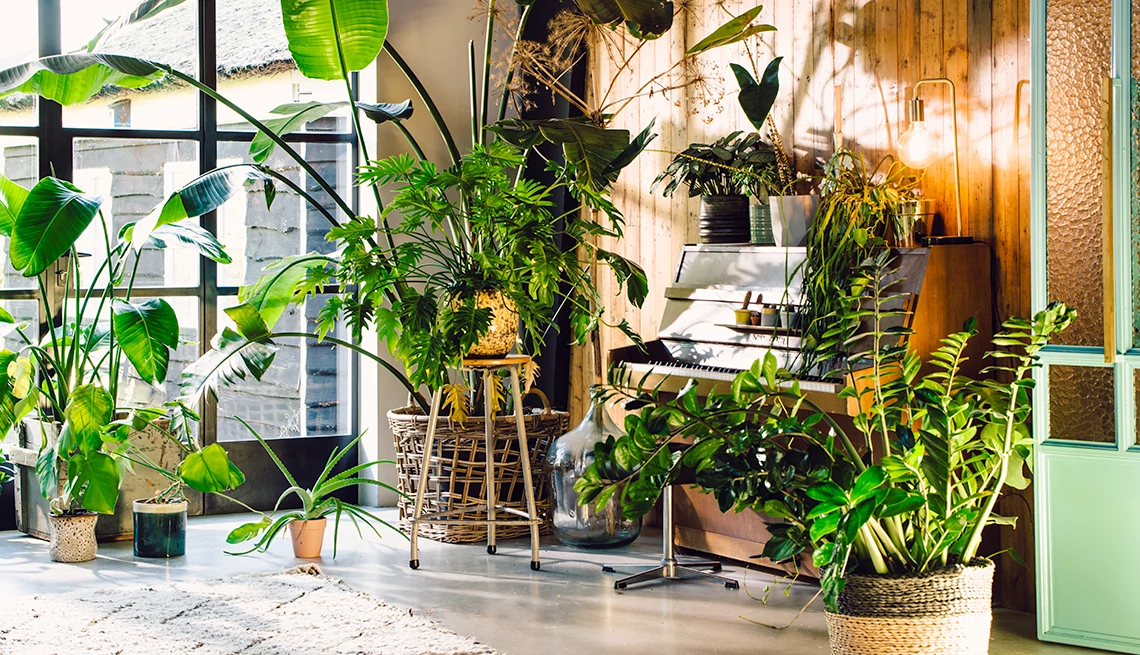
- Hanging Baskets: Perfect for trailing varieties like Tradescantia Zebrina or Purple Heart.
- Shelves & Macramé: Layer with neutral pots to let purple pop.
- Companion Planting: Pair with silver Pilea or pink Anthurium for contrast; avoid overcrowding airflow.
- Pot Choices: Terracotta for drainage lovers; glossy ceramic in white/gold to enhance iridescence.
Expert Tips from a Horticulturist 🌟
From years in greenhouses and client consultations:
- Intensify Purple: Stress plants slightly (brighter light, cooler nights) to boost anthocyanins—never starve them!
- Rotate Pots: Every 1-2 weeks for even growth and color.
- Clean Leaves: Dust blocks light—wipe gently with damp cloth monthly.
- Go Sustainable: Propagate your own or choose ethically sourced plants.
- Seasonal Calendar: Spring—repot/prune; Summer—max growth; Fall—reduce water; Winter—rest mode.
Frequently Asked Questions (FAQ) ❓
Are purple green plants toxic to pets? 🐱🐶 Most are mildly toxic (e.g., Oxalis, Tradescantia cause stomach upset). Rex Begonias and Calatheas are safer alternatives—always check ASPCA listings.
Can these plants survive in low light? Some tolerate (Fittonia, Prayer Plants), but colors fade. Bright indirect is best for vibrancy.
How often should I repot purple foliage plants? Every 1-2 years or when roots circle the pot. Spring is ideal.
Why do some purple plants revert to green? Low light or genetics—pinch green sections to encourage purple regrowth.
Best beginner purple green plant recommendation? Tradescantia Zebrina or Purple Heart—forgiving and fast-growing!
How to bring back faded purple color? Gradually increase light, fertilize lightly, prune faded parts.
Conclusion 🌿
Purple green plants bring unmatched drama and joy to indoor spaces, blending exotic beauty with proven air-purifying and mood-enhancing benefits. With the care tips in this guide—drawn from 15+ years of professional experience—you’re equipped to keep those jewel-toned leaves vibrant year-round.
Start with one easy variety like Purple Heart, watch it thrive, and soon your home will burst with colorful foliage magic ✨. Have questions or success stories? Share in the comments—I love hearing from fellow plant enthusiasts!











