
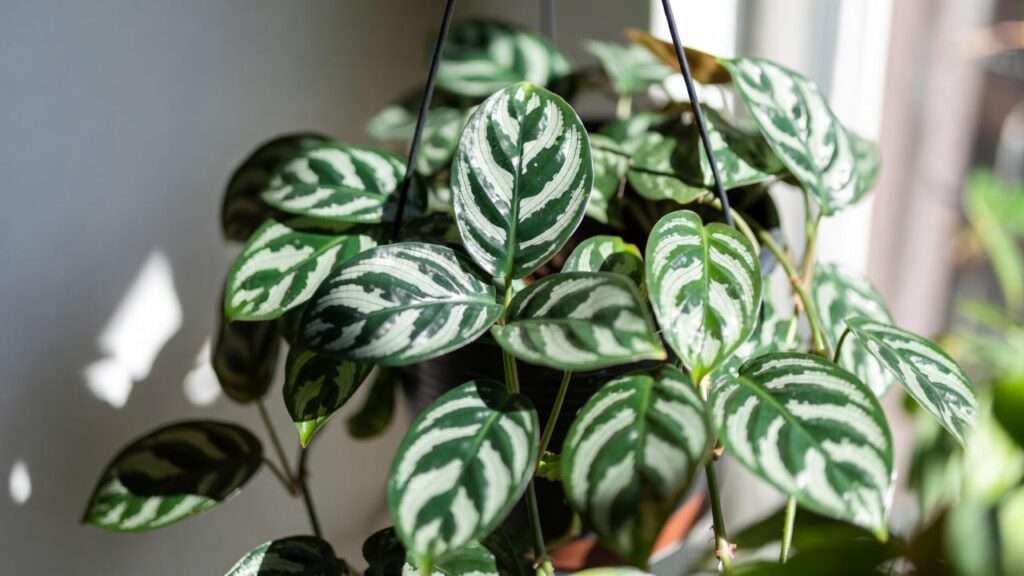
Imagine a trailing houseplant with shimmering silver-white stripes dancing across lush green leaves, cascading elegantly from a hanging basket like a living waterfall. That’s the magic of the Quicksilver plant (Tradescantia fluminensis ‘Quicksilver’)! 😍 This fast-growing beauty, also known as inch plant or spiderwort ‘Quicksilver’, is perfect for beginners and seasoned plant parents alike. Its striking variegated foliage adds instant wow-factor to any room, brightening even dim spaces while purifying the air. But to keep those stunning stripes vibrant and prevent common issues like legginess or fading colors, it needs the right care. In this ultimate guide, we’ll dive deep into everything you need—from light and watering to propagation and troubleshooting—helping you grow a thriving, lush Quicksilver plant that steals the show in your indoor jungle. 💚
What Is the Quicksilver Plant? A Quick Overview 🌱
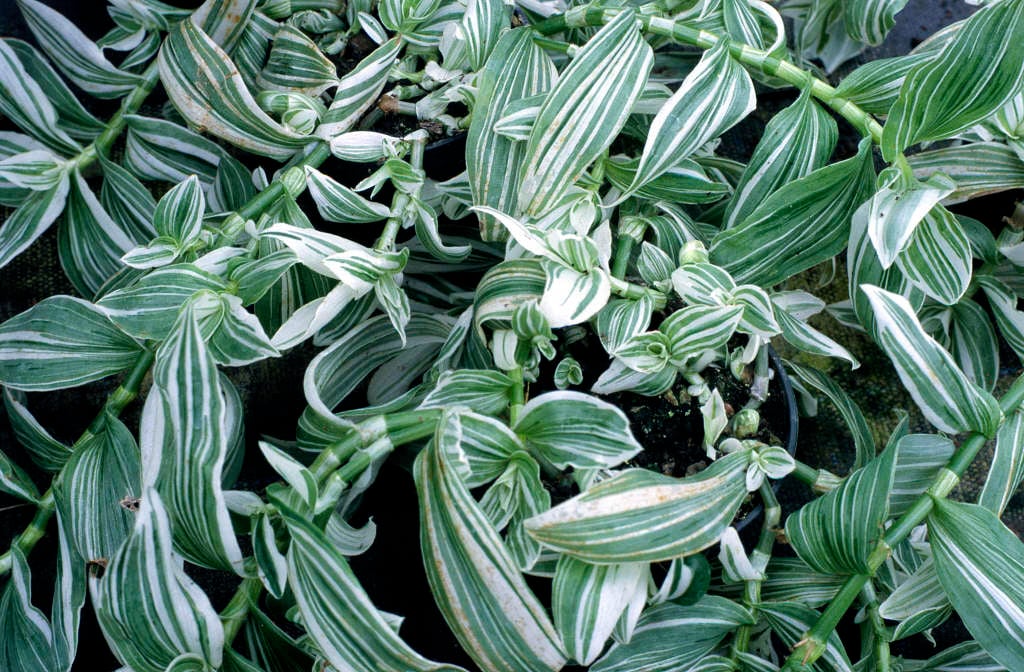
The Quicksilver plant is a captivating cultivar of Tradescantia fluminensis, a species native to the tropical rainforests of South America, particularly Brazil and Argentina. Commonly referred to as inch plant, spiderwort, or wandering dude (a modern, preferred name over older terms), ‘Quicksilver’ stands out for its unique variegation.
Botanical Background and Origins
Belonging to the Commelinaceae family, Tradescantia fluminensis has been cultivated as a houseplant for decades due to its easy-going nature and rapid growth. The ‘Quicksilver’ variety was selected for its bold, metallic silver-white stripes that run longitudinally along the oval-shaped leaves, creating a shimmering effect that lives up to its name. In its natural habitat, it grows as a creeping groundcover, but indoors, it’s prized as a trailing specimen.
Key Characteristics
- Growth Habit: Vigorous trailing or creeping stems, making it ideal for hanging baskets, shelves, or as a spiller in mixed planters 🪴
- Size: Indoor trails can easily reach 2-3 feet (60-90 cm) or more, with rapid growth of several inches per month under optimal conditions
- Leaves: Elliptic to ovate, 1-2 inches long, with pale green bases striped in bright white-silver; the undersides often have a subtle purple tint
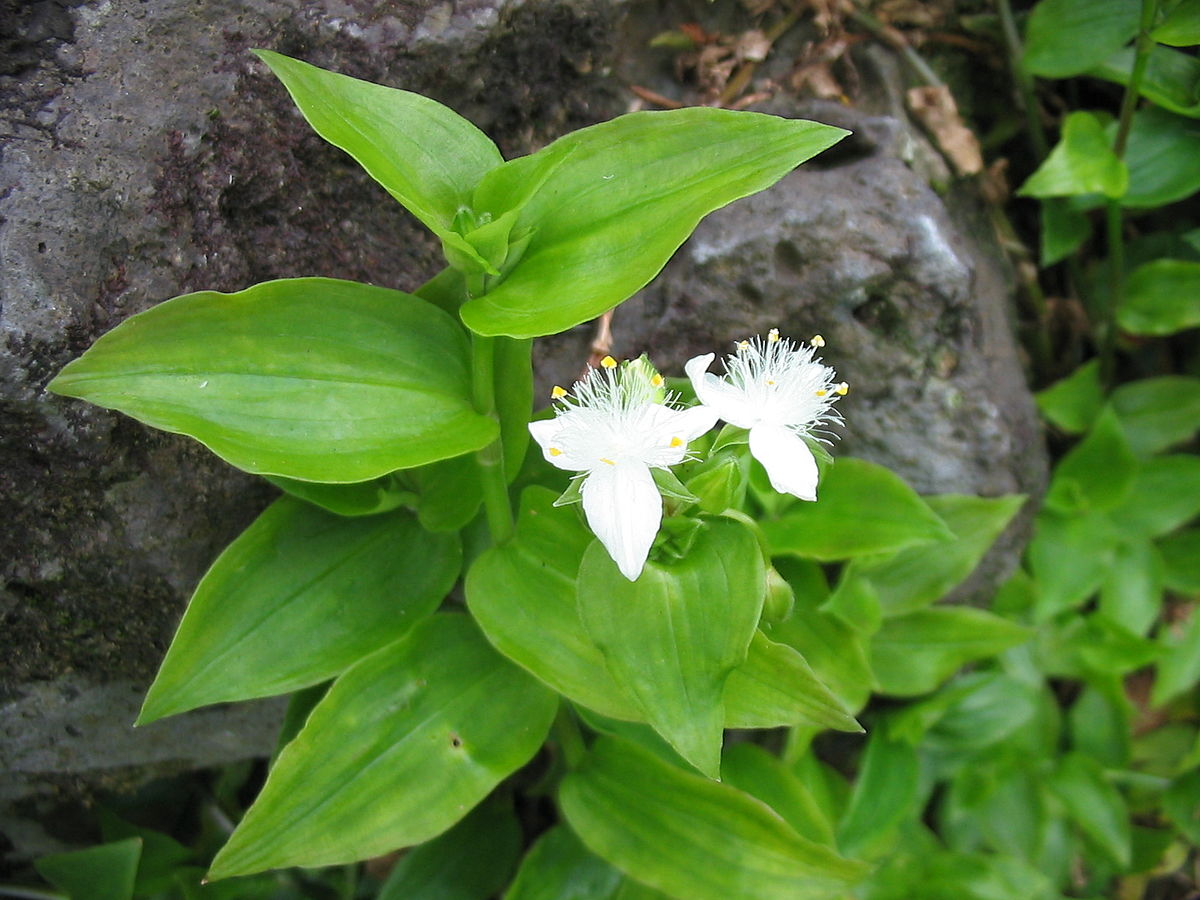
- Flowers: Small, delicate three-petaled white blooms appear sporadically, especially in bright light— a delightful surprise! 🌸
- Why It’s Popular: Beyond its low-maintenance appeal, Quicksilver is an excellent air purifier, removing toxins like formaldehyde. Its fast growth and easy propagation make it a favorite for plant enthusiasts looking to expand their collection quickly.
As an expert in houseplant care with years of hands-on experience growing dozens of Tradescantia varieties, I’ve found Quicksilver to be one of the most forgiving yet rewarding—perfect for adding texture and movement to your home.
Ideal Light Requirements for Vibrant Stripes ☀️
Light is the most critical factor for maintaining the Quicksilver plant’s signature variegation. Without enough brightness, those beautiful silver stripes fade, and the plant reverts to plain green.
Best Lighting Conditions
Quicksilver thrives in bright, indirect light. Aim for a spot near an east- or west-facing window where it receives several hours of filtered sunlight daily. It can tolerate some morning direct sun, but avoid harsh afternoon rays, which can scorch the leaves.
In lower light, it survives but grows slowly and loses its stunning stripes—variegated plants like this need more light to produce the pigments responsible for the white-silver patterns.
Signs of Incorrect Lighting & Fixes
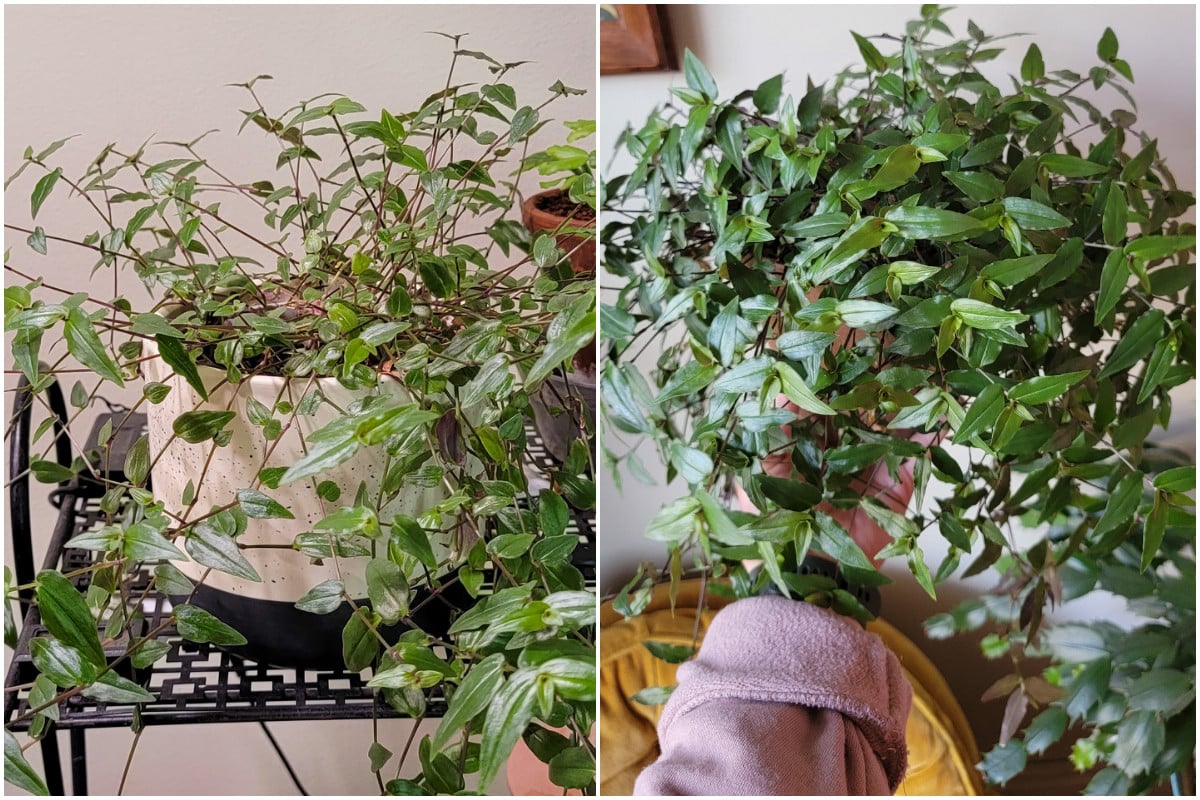
- Leggy stems with long spaces between leaves: Classic sign of insufficient light—stems stretch toward the nearest source.
- Faded or lost variegation (reversion to green): Too little light; the plant prioritizes chlorophyll production for survival.
- Burnt, crispy, or bleached leaves: Too much direct sun.
Pro Tip: If natural light is limited (common in winter), supplement with a full-spectrum LED grow light for 12-14 hours daily. I’ve rescued many fading Quicksilvers this way! 💡 In my experience, placing it 2-3 feet from a south-facing window (with sheer curtains) yields the best results.
Watering Your Quicksilver Plant: The Golden Rule 🚰
Proper watering prevents the #1 killer of Tradescantia: root rot. Quicksilver likes consistent moisture but hates soggy soil.
How Often to Water
Keep the soil evenly moist but not waterlogged. Water thoroughly when the top 1-2 inches (2-5 cm) of soil feels dry—typically every 7-10 days in average home conditions. Factors like humidity, pot size, and season affect this.
Use room-temperature water, and always ensure excess drains out.
Seasonal Adjustments
- Spring/Summer (Active Growth): Water more frequently as the plant grows rapidly and evaporates more.
- Fall/Winter (Dormancy): Reduce to every 10-14 days; overwatering in low light is risky.
Expert Insight
From propagating hundreds of cuttings, I’ve learned that Quicksilver forgives slight underwatering better than overwatering. If leaves turn yellow or mushy at the base, it’s likely too wet—let it dry out and trim affected parts. Always use pots with drainage holes to avoid water buildup!
Soil and Potting Mix Recommendations 🪴
Good drainage is non-negotiable for healthy roots.
Best Soil Blend
Opt for a light, airy, well-draining potting mix. A standard houseplant soil amended with perlite or pumice works wonders. Avoid heavy garden soil, which compacts and retains too much water.
DIY Mix Recipe (my go-to for Tradescantia):
- 50% peat-free potting soil or coco coir (for moisture retention)
- 30% perlite (for aeration and drainage)
- 20% orchid bark or pumice (extra drainage boost) 🌟
This mix mimics the loose, humid forest floor of its native habitat.
Repotting Guide
Repot every 1-2 years in spring when roots fill the pot or growth slows. Choose a pot 1-2 inches larger with drainage. Refreshing soil replenishes nutrients naturally—no heavy fertilizing needed initially.
Signs it’s time: Roots circling the bottom, slow growth, or soil drying too quickly.
Temperature, Humidity, and Placement Tips 🌡️
Quicksilver originates from humid tropical regions, so replicating those conditions indoors keeps it happiest and healthiest.
Optimal Temperature Range
Maintain temperatures between 60-75°F (15-24°C) year-round. It tolerates brief dips to 50°F (10°C) but suffers below that—leaves may drop or growth stalls. Avoid cold drafts from windows or doors in winter, and keep away from hot air vents or radiators that dry the air.
In my experience growing Tradescantia in various homes, consistent warmth encourages faster trailing and better variegation.
Humidity Needs
Quicksilver loves moderate to high humidity (50-70%). Average home levels (30-40%) work, but boosting humidity enhances leaf shine and prevents crispy tips.
Easy Ways to Increase Humidity:
- Mist leaves 2-3 times weekly with room-temperature water 💦
- Place on a pebble tray filled with water (pot above water line)
- Group with other plants for a microclimate
- Use a humidifier in dry winters or air-conditioned rooms
Best Indoor Spots
- Bathrooms or kitchens — Natural steam provides ideal humidity
- Hanging baskets near east/west windows — Bright light + airflow
- High shelves or bookcases — Trails cascade beautifully without taking floor space
Avoid direct heat sources—Quicksilver dislikes dry, stagnant air. Here’s how stunning it looks trailing from a hanging basket: 🪴

Fertilizing for Lush Growth 🍽️
While Quicksilver grows vigorously without much feeding, occasional fertilizer promotes denser foliage and brighter stripes.
When and How to Feed
Fertilize monthly during the growing season (spring through summer) with a balanced, water-soluble houseplant fertilizer diluted to half strength (e.g., 10-10-10 or 20-20-20).
Apply after watering to avoid root burn. In fall and winter, skip fertilizing entirely—growth slows, and excess nutrients cause leggy stems or salt buildup.
Signs of Nutrient Deficiency
- Slow growth despite good light/water
- Pale new leaves or yellowing older ones (not from overwatering)
- Smaller leaves overall
Expert Tip: I’ve had great success with organic options like diluted fish emulsion or worm castings tea—they provide gentle, steady nutrients without overload. For variegated Tradescantia like Quicksilver, avoid high-nitrogen formulas that push green growth over stripes.
Pruning and Maintenance: Keep It Bushy and Beautiful ✂️
One of Quicksilver’s best features is how responsive it is to pruning—regular trims prevent legginess and create a fuller, more compact plant.
Why Prune?
Left unpruned, stems become long and sparse (leggy), especially in lower light. Pinching encourages branching, resulting in bushier growth and more trails.
Step-by-Step Pruning Tips
- Use clean, sharp scissors or fingers to pinch/cut just above a leaf node (where leaves meet stem)
- Remove any reverted plain green sections—these grow faster and overtake variegation
- In spring, cut back up to half the plant for a fresh start
- Trim yellow or damaged leaves at the base
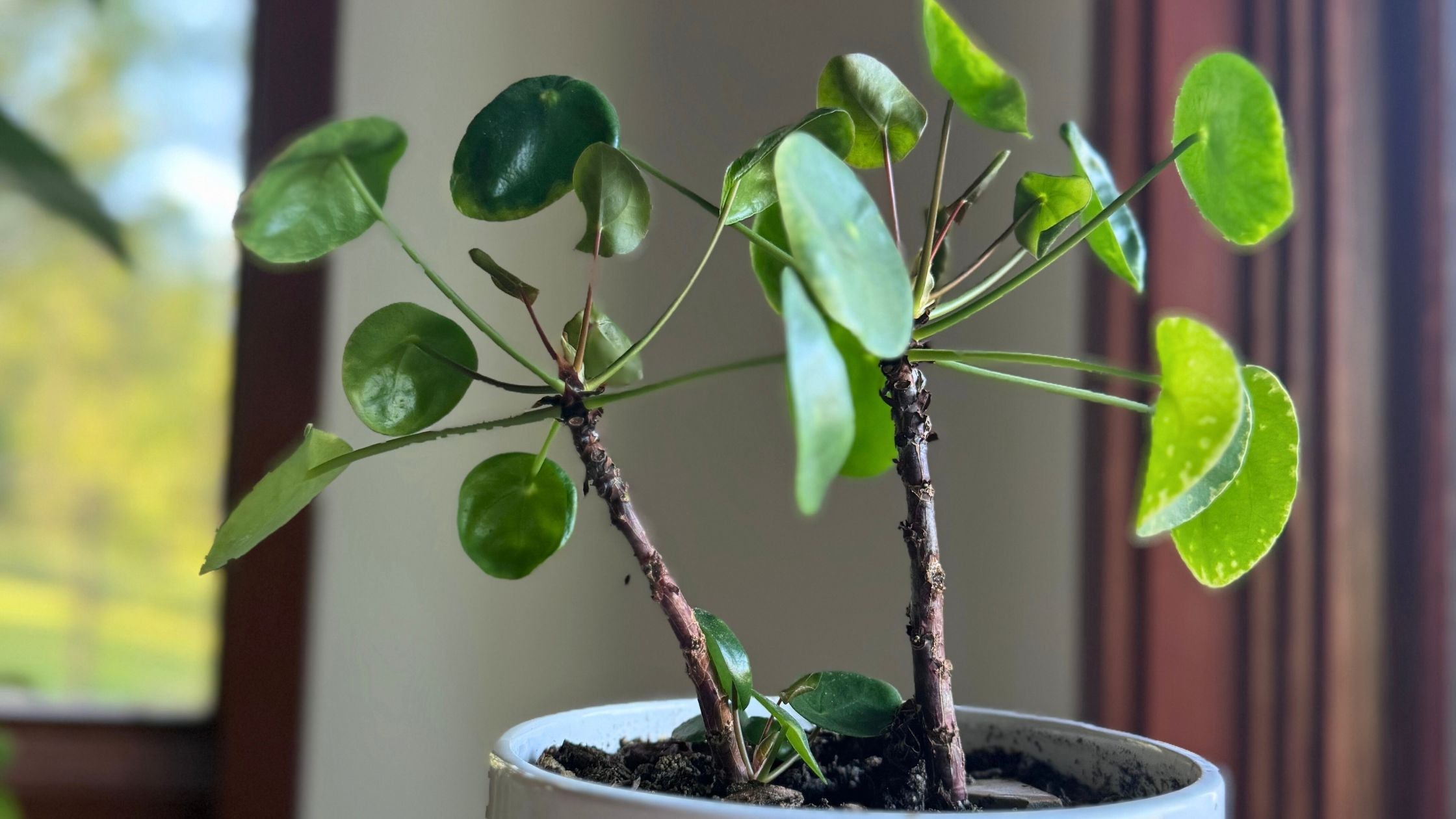
Pro Insight: Don’t toss cuttings—propagate them! Pruning every 4-6 weeks during growth season keeps Quicksilver looking lush. Compare leggy vs. pruned bushy growth:
Propagation: Multiply Your Quicksilver Collection for Free! 🌱🍼
Tradescantia varieties, including Quicksilver, are among the easiest houseplants to propagate—success rates near 100% for beginners.
Easiest Methods
- Water Propagation (My favorite—visible roots!):
- Take 4-6 inch stem cuttings below a node
- Remove lower leaves
- Place in a jar of room-temperature water
- Roots appear in 1-3 weeks; change water weekly
- Pot into soil once roots are 2-3 inches long
- Soil Propagation:
- Plant cuttings directly into moist potting mix
- Cover with a plastic bag for humidity
- Roots in 2-4 weeks
Pro Tips for Success
Use rooting hormone (optional) for faster results. Bright indirect light speeds rooting—avoid direct sun. Spring/summer is best, but it works year-round.
Here’s the satisfying sight of Quicksilver cuttings developing roots in water: 😍

Common Problems and Solutions 🛠️
Even with perfect care, issues arise—here’s how to diagnose and fix them quickly.
Leggy or Sparse Growth
Cause: Low light. Solution: Move to brighter spot, prune back, and pinch tips regularly.
Yellow Leaves or Root Rot
Cause: Overwatering/soggy soil. Solution: Allow soil to dry, repot in fresh mix if severe, trim mushy roots.
Faded Variegation
Cause: Insufficient light. Solution: Increase brightness gradually.
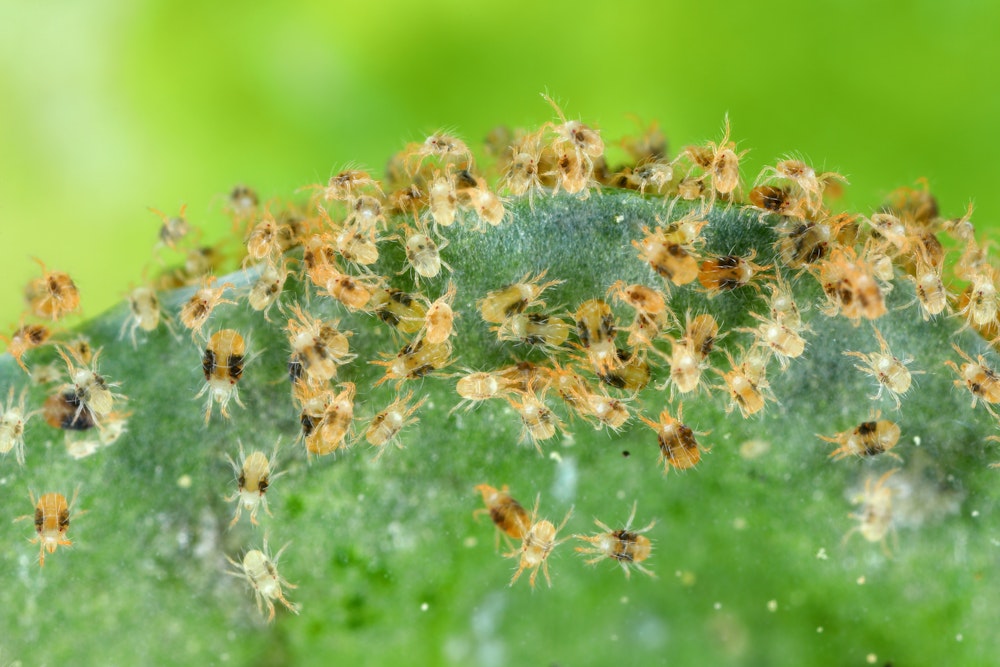
Pests (Spider Mites, Aphids, Mealybugs)
Quicksilver attracts sap-suckers in dry conditions. Signs: Webbing (mites), sticky residue (aphids), or cottony spots.
Solution:
- Rinse leaves under lukewarm shower
- Wipe with neem oil or insecticidal soap weekly until clear
- Increase humidity to deter mites
Close-up of common pests on houseplant leaves:
Toxicity Warning
Quicksilver is mildly toxic to pets—sap causes mouth irritation in cats/dogs if chewed. Keep elevated or out of reach 🐱🐶
Bonus: Those delicate white flowers are a treat when they appear!
Styling Ideas: How to Display Your Quicksilver Plant 🖼️
Quicksilver’s trailing habit shines in creative displays.
Creative Display Options
- Classic hanging baskets for dramatic cascades
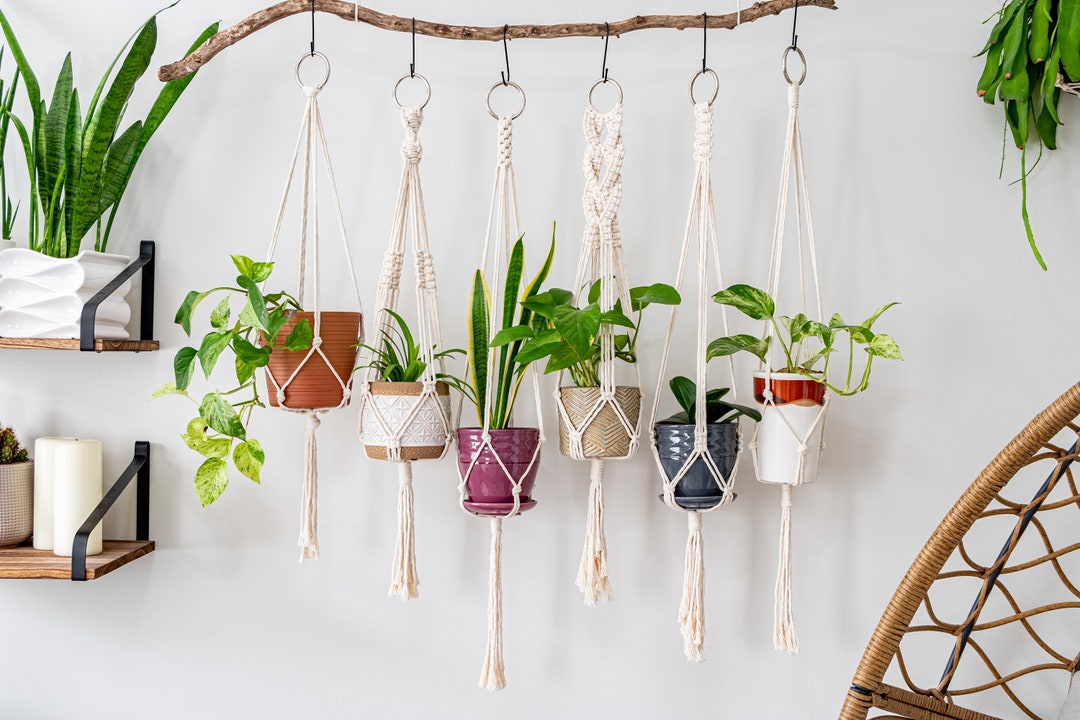
- Macramé or rope hangers for boho vibe
- High shelves or plant stands to let trails spill over
- Mixed arrangements with pothos, philodendrons, or other Tradescantia (e.g., Nanouk or Zebrina)
Inspiration for stylish setups:
Frequently Asked Questions (FAQs) ❓
Q: Is the Quicksilver plant pet-safe? A: No, mildly toxic to cats and dogs—keep hanging high.
Q: Why is my Quicksilver plant losing its silver stripes? A: Low light causes reversion to green. Move to brighter indirect light.
Q: How fast does Quicksilver grow? A: Very fast—up to 6-12 inches per month in ideal conditions!
Q: Can I grow Quicksilver outdoors? A: Yes, in USDA zones 9-12 as groundcover. Protect from frost; it’s invasive in some warm regions.
Q: Does it flower indoors? A: Yes, sporadically—small white blooms with sufficient light.
Q: What’s the difference between Quicksilver and other Tradescantia? A: Quicksilver has bolder silver-white stripes than varieties like ‘Tricolor’ or ‘Nanouk’.
Conclusion: Start Your Quicksilver Journey Today! 🌟
The Quicksilver plant truly lives up to its name—shimmering, quick-growing, and effortlessly elegant. With bright indirect light, consistent moisture, occasional pruning, and a humid spot, you’ll enjoy cascades of striped foliage that elevate any space. As someone who’s grown and gifted countless Quicksilvers, I promise: this is one houseplant that rewards minimal effort with maximum beauty. Follow these tips, watch it thrive, and soon you’ll be propagating babies to share! Happy growing—your stunning striped houseplant adventure begins now. 💕🌿











