
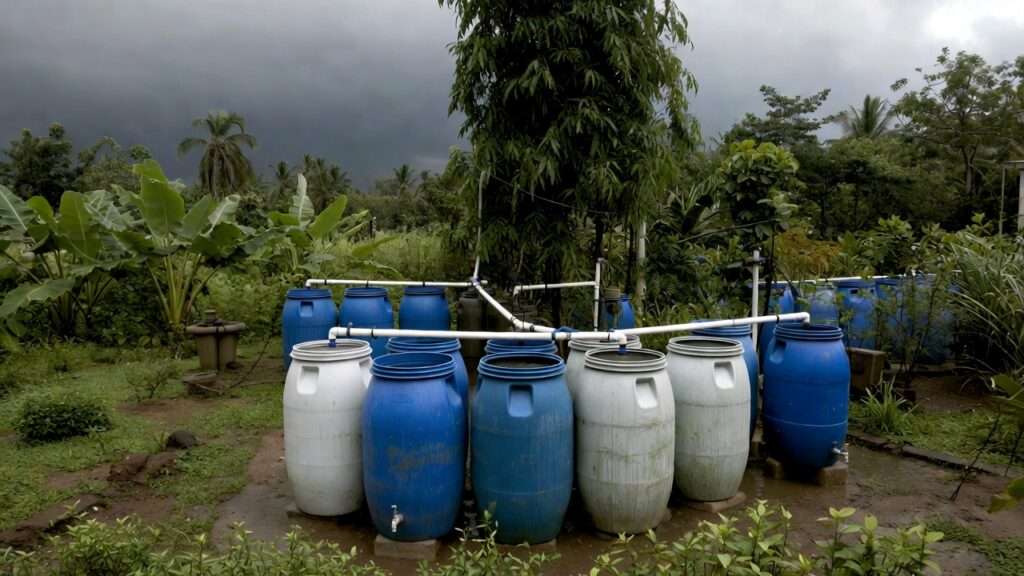
Imagine this: It’s the peak of a scorching dry spell in Khulna, your favorite mango tree is wilting despite your best efforts with the hose, your water bill is skyrocketing, and you’re worried about chemical-laden tap water harming your soil and plants. Then the monsoon arrives—pouring buckets of free, pure water from the sky. What if you could capture thousands of gallons of that life-giving rain, store it safely, and use it to keep your garden lush and your trees thriving all year round? 🌱💧
That’s the power of rainwater harvesting and storage—a simple, sustainable practice that’s transforming how gardeners and tree lovers care for their green spaces. In regions like Bangladesh, where heavy monsoon rains alternate with dry periods, harvesting rainwater isn’t just eco-friendly; it’s a game-changer for plant health, water conservation, and your wallet. This ultimate guide dives deep into why rainwater is superior for plants and trees, how to calculate and set up your system, practical storage options, usage tips, and real-world strategies to make your garden more resilient. By the end, you’ll have everything you need to start harvesting rainwater today and watch your plants flourish like never before! 🚀
Why Rainwater Is Superior for Plants and Trees: The Science Behind the Magic 🔬🌿
Rainwater stands out as the gold standard for irrigation because it’s naturally tailored to what plants crave. Unlike municipal tap water (often treated with chlorine, fluoride, and adjusted to alkaline pH levels of 7.5–8.5 to protect pipes), rainwater is soft, slightly acidic, and packed with plant-friendly elements.
Here’s a quick comparison:
- pH Level: Rainwater typically has a pH around 5.6–6.5 (mildly acidic from dissolved carbon dioxide), which matches the preferred range for most plants (5.5–6.5). This acidity helps unlock essential nutrients like iron, zinc, and manganese in the soil, preventing deficiencies that cause yellowing leaves or stunted growth. Tap water’s higher alkalinity can lock these up, especially in pots where salts build up over time.
- Softness (Low Minerals/Salts): Rainwater contains almost no dissolved salts, calcium, or magnesium—preventing harmful buildup that leads to root burn, tip browning, or poor nutrient uptake. Tap water often leaves white crusts on soil surfaces.
- Nitrates and Nitrogen Boost: Lightning in storms converts atmospheric nitrogen into nitrates, delivering a free, bioavailable form of nitrogen fertilizer. This promotes lush green foliage without synthetic inputs—perfect for leafy veggies, fruit trees, and ornamentals.
- No Chemicals: Free from chlorine (which can harm beneficial soil microbes) and other treatments, rainwater supports a thriving soil ecosystem with earthworms, fungi, and bacteria that break down organics for better nutrient cycling.
- Higher Oxygen Content: Fresh rainwater is aerated, boosting root respiration and overall vigor.
Scientific studies and extension services (like those from Cornell and Rutgers) confirm these perks: Rainwater improves nutrient availability, reduces salt stress, and enhances root development. In arid or semi-arid orchards, systems like ridge-furrow rainwater harvesting have increased soil moisture, raised temperatures slightly for better growth, and improved water-use efficiency in trees like apricots. For your garden in Khulna, this means healthier roses, vigorous tomatoes, and stronger fruit trees that withstand dry months better. 🌺🍅
Real gardeners report explosive growth in acid-loving plants (azaleas, blueberries, camellias) and deeper-rooted trees that resist drought—turning rainwater into a natural superpower for sustainable plant care.
Benefits of Rainwater Harvesting and Storage for Your Garden & Trees 🌟
Beyond superior water quality, rainwater harvesting and storage delivers massive wins:
- Environmental Impact: It reduces stormwater runoff (which carries pollutants into rivers and the Bay of Bengal near Khulna), recharges groundwater, and cuts urban flooding. Trees and plants absorb more water when irrigated deeply with stored rain, further curbing erosion.
- Plant and Tree Health: Deeper, infrequent watering encourages strong roots; natural nitrates act as gentle fertilizer; soft water flushes salts for better blooms, fruits, and foliage.
- Cost Savings: Slash your water bills—especially during dry seasons when municipal supplies may be restricted. In monsoon-heavy areas, one good rain can fill barrels for weeks of free irrigation.
- Drought Resilience: Store excess monsoon water (Khulna averages around 1,800–2,000 mm annually, mostly May–October) for the drier months, keeping trees alive without expensive pumping.
- Bonus Perks: Attract birds and pollinators with clean water sources; control mosquitoes with proper screens; and enjoy chemical-free watering for edibles.
In short: Healthier plants, lower costs, and a greener planet—all from rain you already get! 🌍
How Much Rainwater Can You Actually Harvest? (Calculations + Examples) 📊
The potential is huge—let’s crunch the numbers using the standard formula:
Gallons harvested = Roof area (sq ft) × Rainfall (inches) × 0.623
(Or in metric: Liters = Roof area (m²) × Rainfall (mm) × 0.8 for efficiency losses.)
The 0.623 factor accounts for 1 inch of rain on 1 sq ft yielding about 0.623 gallons (accounting for some loss).
Example for a typical Khulna home:
- Average roof: 1,000 sq ft (about 93 m²)
- Annual rainfall: ~74 inches (1,878 mm, per local data)
- Potential: 1,000 × 74 × 0.623 ≈ 46,300 gallons per year!
Even capturing 50–75% (after first-flush diversion, evaporation, and inefficiencies) gives 23,000–35,000 gallons—enough to deeply water dozens of trees and a large garden through dry spells.
Step-by-step:
- Measure your roof’s footprint (length × width).
- Check local rainfall data (Khulna: July peaks at ~14–15 inches/month).
- Subtract 10–20% for losses.
- Match to needs: A young fruit tree might need 10–20 gallons/week in dry periods; veggies 1–2 inches/week.
This calculation helps size your storage realistically—start small and scale up! 🔢
Types of Rainwater Harvesting Systems for Home Gardens & Tree Care 🏠
Rainwater harvesting systems come in many shapes and sizes—perfectly scalable for a small balcony garden in Khulna or a spacious backyard with fruit trees. The key is matching the system to your space, rainfall patterns, budget, and watering needs.
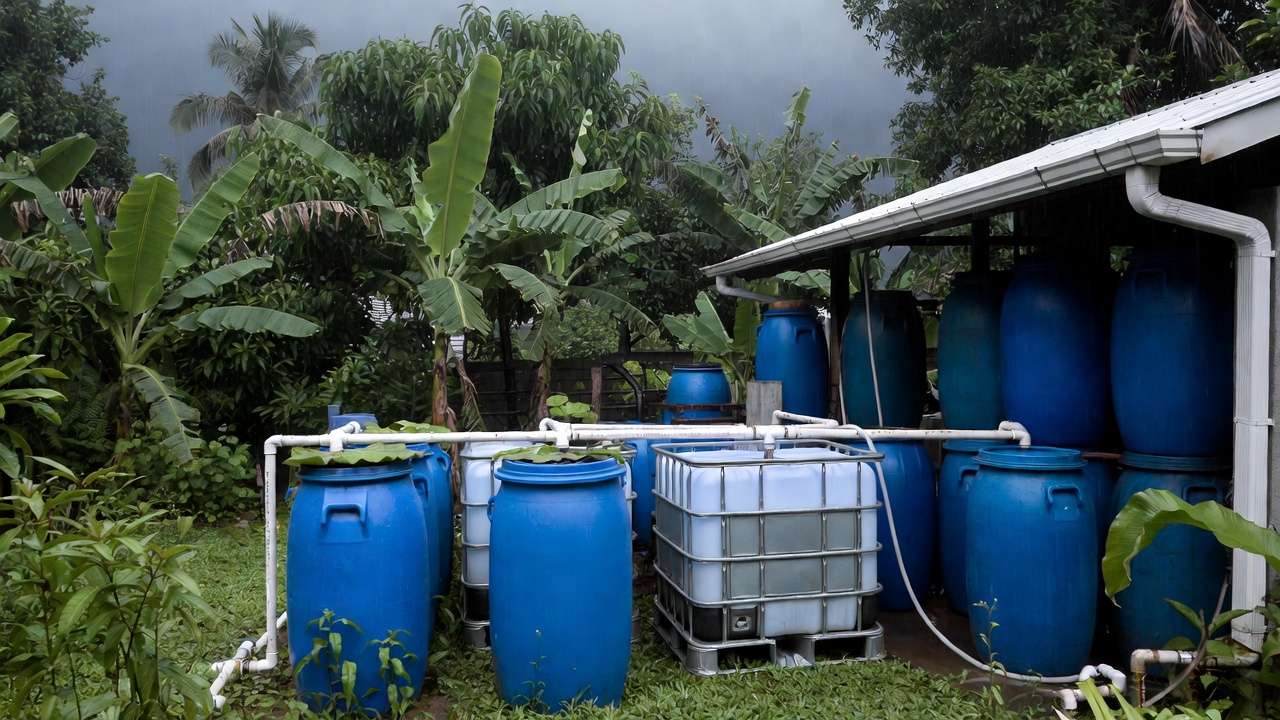
Here are the main types, with pros/cons tailored to plant and tree care:
- Passive / Low-Tech Systems (No Storage Tanks)
- Examples: Rain gardens, swales, contour trenches, mulched basins around trees.
- How it works: Direct roof runoff or surface runoff into planted depressions or berms that slowly infiltrate the soil.
- Pros: Zero maintenance, no cost for storage, excellent for tree roots (deep percolation encourages drought-resistant roots), great for clay-heavy soils common in Khulna.
- Cons: No control over timing or quantity; excess water may run off during heavy monsoons.
- Best for: Large trees, orchard-style planting, permaculture gardens.
- Rain Barrels (Small-Scale Active Storage)
- Typical size: 50–100 gallons (200–400 liters), often food-grade plastic or repurposed barrels.
- Setup: Connected directly to one or more downspouts.
- Pros: Affordable (BDT 2,000–8,000), easy DIY install, gravity-fed for drip hoses or watering cans, perfect starter system.
- Cons: Limited capacity—fills quickly in monsoon, may overflow without diverter.
- Best for: Container gardens, small flower beds, young saplings, urban homes.
- Medium-Scale Systems (Multiple Barrels or IBC Totes)
- IBC (Intermediate Bulk Container) totes: 275–330 gallons (1,000–1,250 liters), often blue food-grade plastic.
- Setup: Link 2–4 barrels/totes in series with overflow pipes.
- Pros: Much higher storage (enough for 1–2 months of dry-season watering for a medium garden), still relatively low-cost (BDT 10,000–30,000 total).
- Cons: Needs more space and stable, level ground; requires basic plumbing knowledge.
- Best for: Backyard vegetable patches, 5–15 fruit trees, families wanting serious water independence.
- Advanced / Large-Scale Systems
- Examples: Underground cisterns (1,000–10,000+ gallons), slimline above-ground tanks, ferro-cement or concrete tanks.
- Setup: Often includes pumps, filters, first-flush diverters, and automatic irrigation connections.
- Pros: Massive capacity for year-round use, hidden aesthetics, can supply drip systems for entire landscapes.
- Cons: Higher cost (BDT 50,000+), professional installation recommended, more complex maintenance.
- Best for: Large properties, commercial nurseries, serious tree farmers, or homes with very high water demand.
Quick Comparison Table:
| Type | Capacity | Cost Range (BDT) | Ease of Install | Best For Plant/Tree Use |
|---|---|---|---|---|
| Passive | Unlimited (soil) | Free–5,000 | Very easy | Deep tree roots, erosion control |
| Rain Barrels | 200–400 L | 2,000–8,000 | Easy DIY | Small gardens, containers, young trees |
| IBC Totes / Multi | 1,000–5,000 L | 10,000–40,000 | Moderate | Medium gardens, fruit orchards |
| Large Cisterns | 5,000+ L | 50,000+ | Professional | Full landscape, year-round reliability |
Choose based on your roof size, average monthly rainfall (Khulna: 300–500 mm in peak monsoon months), and how many plants/trees you’re watering. Most beginners start with 2–3 rain barrels and add passive features around trees—then expand as they see the results! 🌿
Step-by-Step Guide: Setting Up Your Rainwater Harvesting System 🛠️
Ready to build? Here’s a detailed, foolproof process that thousands of gardeners in monsoon climates have used successfully.
Step 1: Assess Your Site
- Measure roof catchment area (exclude overhangs).
- Check roof material: Metal, tile, or concrete = excellent. Avoid asphalt shingles (may leach hydrocarbons).
- Evaluate space for tanks: Level, shaded spot (direct sun promotes algae).
- Note local rainfall patterns and dry-season length.
Step 2: Install or Upgrade Gutters & Downspouts
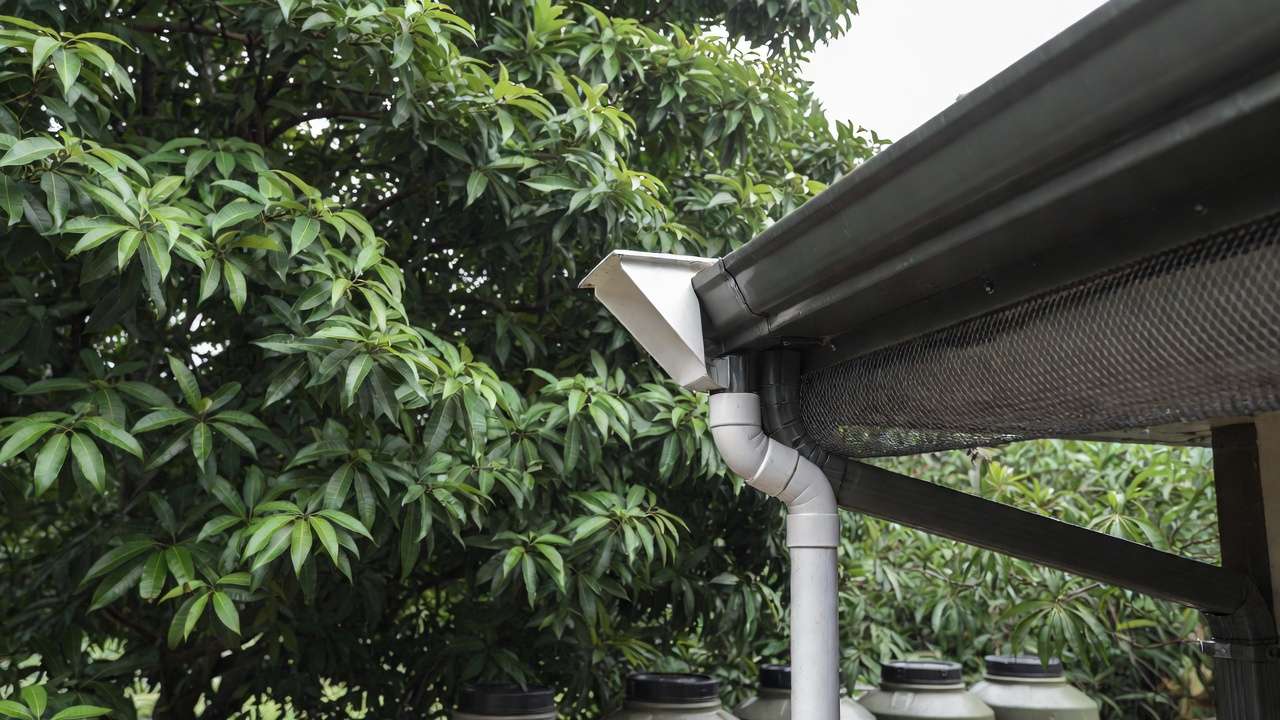
- Clean existing gutters thoroughly.
- Add leaf guards/screens (essential in Khulna—mango leaves and dust are everywhere!).
- Direct downspouts to your planned storage location.
Step 3: Add a First-Flush Diverter (The Most Important Feature!)
- Why? The first 0.1–0.2 inches of rain washes dust, bird droppings, leaves, and pollutants off the roof.
- Simple DIY: Use a standpipe or commercial diverter that discards the first flush, then routes clean water to storage.
- Rule of thumb: Divert ~10 gallons per 1,000 sq ft of roof.
Step 4: Choose & Position Storage
- Start small: One or two 200-liter barrels.
- Elevate on bricks/cinder blocks for gravity flow (minimum 1–2 ft height).
- Place in shade or paint light colors to reduce heat/algae.
- Secure against wind (monsoon storms can be fierce).
Step 5: Add Safety & Overflow Features
- Mosquito-proof fine mesh screens on inlets/outlets.
- Overflow pipe directed to rain garden or soakaway (never let water pool near foundations).
- Child/pet-proof lids or locks.
Step 6: Connect to Your Plants & Trees
- Gravity options: Soaker hoses, drip lines, or simple spigot + watering can.
- For larger systems: Add a small submersible pump (12V solar optional) for distant trees or uphill beds.
- Install a shut-off valve and optional inline filter for extra cleanliness.
Step 7: Test & Monitor
- After first rain, check for leaks, flow rate, and water clarity.
- Taste/smell test (should be clean and neutral).
Budget Example (Starter Setup in Khulna, 2026 prices approx.)
- 2 × 200 L barrels: BDT 5,000
- Leaf screens + first-flush kit: BDT 3,000
- Gutters/downspout extensions: BDT 2,000
- Hoses & fittings: BDT 2,000
- Total: ~BDT 12,000 — pays for itself in 1–2 dry seasons!
Common Mistakes to Avoid
- Skipping the first-flush diverter → dirty, smelly water.
- Placing tanks in full sun → algae blooms.
- No overflow plan → flooding around home.
- Using non-food-grade containers → potential leaching into water.
Follow these steps and you’ll have clean, plant-ready water flowing in no time! 💪
Best Storage Options for Plant & Tree Watering (With Recommendations) 🪣
Choosing the right storage container is crucial for keeping your harvested rainwater clean, accessible, and safe for plants. Here are the most practical, widely available options in places like Khulna (as of 2026), with recommendations focused on garden and tree irrigation.
- Plastic Rain Barrels (Most Popular Starter Choice)
- Sizes: 200–500 liters (common local models 200 L or 250 L)
- Material: Food-grade HDPE or UV-stabilized plastic (dark colors preferred to limit algae)
- Pros: Lightweight, affordable, easy to find at local hardware shops or online (e.g., Daraz, local markets in Shiromoni or Gollamari). Many come with built-in spigots and overflow ports.
- Cons: Can develop algae if not shaded; limited single-unit capacity.
- Recommendation: Start with 2–3 × 200 L barrels linked together. Brands like “RFL” or “Navana” are reliable and widely used in Bangladesh. Cost: BDT 2,500–5,000 each.
- Plant/tree tip: Gravity flow works perfectly for soaker hoses laid around tree drip lines or raised beds.
- IBC Totes (Best Mid-Range Upgrade)
- Sizes: 1,000–1,250 liters (standard blue food-grade)
- Material: HDPE with metal cage for stability
- Pros: Excellent value per liter, stackable when empty, durable for outdoor use, large capacity means fewer refills needed during dry spells.
- Cons: Heavier when full (~1 ton), needs flat ground and possibly a platform. Must source food-grade only (avoid chemical transport totes).
- Recommendation: Ideal for medium gardens or 10+ trees. Buy used food-grade totes from industrial suppliers in Khulna (check for certification). Cost: BDT 8,000–15,000 each. Add a brass spigot and shade cloth cover.
- Plant/tree tip: Pair with a small 12V solar pump for distant orchard areas or uphill planting.
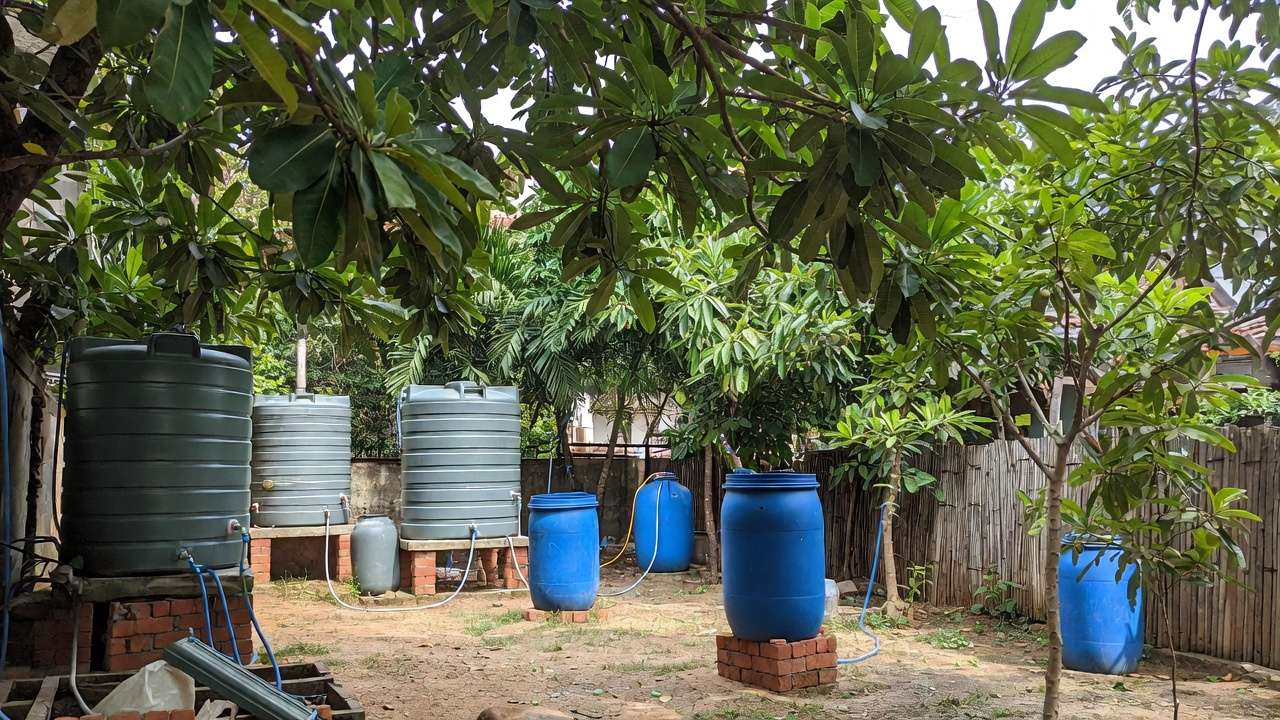
- Slimline or Vertical Tanks
- Sizes: 500–3,000 liters
- Material: Rotomolded plastic, often slim (fits against walls/fences)
- Pros: Space-saving for urban homes, higher capacity without taking backyard space, many have built-in level gauges.
- Cons: Slightly more expensive per liter than barrels.
- Recommendation: Great if space is limited (common in Khulna city areas). Look for brands like “Sintex” or “Plasto” with UV protection. Cost: BDT 10,000–35,000 depending on size.
- Plant/tree tip: Excellent for gravity-fed drip irrigation systems covering flower beds and young fruit trees.
- Underground Cisterns / Fiberglass or Concrete Tanks
- Sizes: 5,000–20,000+ liters
- Material: Fiberglass, ferro-cement, or precast concrete
- Pros: Hidden, large volume, cooler water (less algae), very long lifespan.
- Cons: High upfront cost, excavation required, harder to clean/inspect.
- Recommendation: Only for serious users with larger properties or long-term plans. Consult local masons or suppliers in Daulatpur/Khulna for custom builds. Cost: BDT 60,000+.
- Plant/tree tip: Perfect for whole-property irrigation via buried drip lines—keeps trees hydrated even in March–April heat.
Maintenance Tips for All Storage Types
- Shade tanks to reduce heat and algae (use shade nets, plant climbers, or paint white/light colors).
- Clean annually: Drain, scrub with mild vinegar solution, rinse thoroughly.
- Add floating “blue dye” algae tablets only if non-edible plants (avoid for veggies/fruit trees).
- Install a fine mesh screen on inlets and a leaf eater on downspouts.
- Check for cracks/leaks before monsoon season.
With the right storage, your rainwater stays fresh and ready to nourish roots whenever needed! 🌧️
How to Use Harvested Rainwater Effectively for Plants and Trees 💦
Harvesting is only half the battle—delivering it smartly maximizes benefits for your plants and trees.
- Watering Depth & Frequency Trees (especially fruit varieties like mango, jackfruit, guava common in Khulna): Deep, infrequent watering (20–50 gallons per mature tree every 7–14 days in dry season) encourages deep roots and drought tolerance. Shrubs, flowers, veggies: 1–2 inches per week, applied slowly to avoid runoff.
- Best Delivery Methods
- Drip Irrigation / Soaker Hoses: Most efficient—delivers water directly to root zones, minimizes evaporation and leaf diseases. Run lines from elevated barrels or use a timer/pump for larger systems.
- Watering Cans with Rose Attachment: Gentle for seedlings and potted plants—mimics soft rain.
- Mulch + Basin Watering: Build small basins around tree bases, fill with rainwater, then cover with 3–4 inches of organic mulch (coconut coir, rice straw) to retain moisture longer.
- Seasonal Strategies for Khulna/Bangladesh
- Monsoon (May–Oct): Capture and store as much as possible; use passive rain gardens to recharge soil.
- Dry season (Nov–Apr): Rely on stored water; prioritize young trees and edibles first.
- Pre-monsoon heat (March–April): Supplement with stored rainwater to prevent stress before rains arrive.
- Combining Methods Use gravity drip for daily needs + occasional deep basin soaks for trees. Add compost tea or diluted organic liquid fertilizer to barrels occasionally for extra nutrition (rainwater’s low mineral content makes it an excellent carrier).
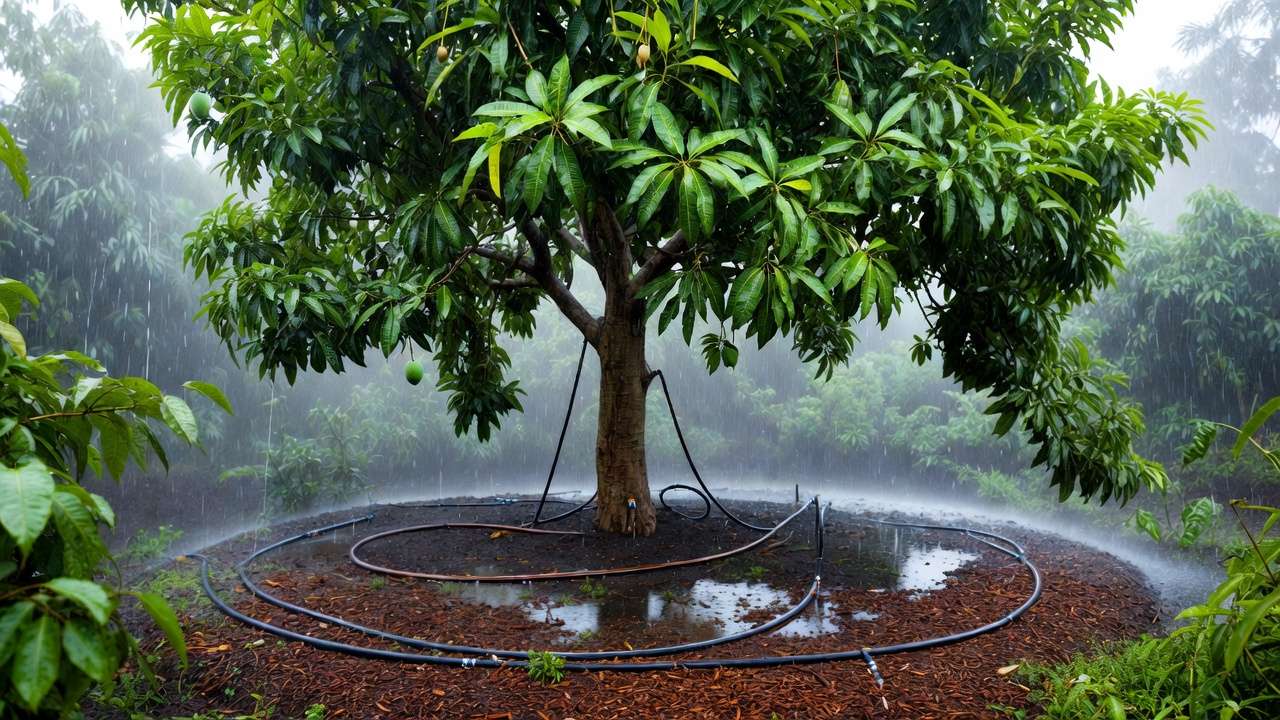
Expert insight: Studies from ICAR and local agricultural universities show that consistent rainwater irrigation can increase fruit yield by 15–30% in mango orchards while reducing fertilizer needs—thanks to natural nitrates and better soil biology. 🌴🍋
Maintenance, Safety, and Troubleshooting Tips ⚠️
Once your rainwater harvesting system is up and running, keeping it in top shape ensures years of clean, reliable water for your plants and trees. Here’s a practical maintenance routine, safety checklist, and fixes for common issues—especially relevant in Khulna’s humid, dusty, and monsoon-heavy climate.
Routine Maintenance Schedule
- Weekly (during rainy season):
- Check gutters and leaf screens for clogs (mango leaves, dust, and bird droppings build up fast).
- Inspect overflow pipes—make sure they’re directing water away from foundations.
- Glance at tank water level and clarity.
- Monthly:
- Clean first-flush diverter (empty collected flush water if manual).
- Wipe down external tank surfaces to remove dust/algae.
- Test spigot flow and check hoses for leaks/cracks.
- Annually (before monsoon, around April–May):
- Full tank clean: Drain completely (use water on thirsty trees!), scrub interior with mild vinegar solution (1:10 vinegar:water), rinse thoroughly, refill.
- Inspect screens, lids, and fittings for wear; replace cracked parts.
- Winterize if needed (rare in Khulna, but drain pipes if frost ever occurs).
- Every 2–3 years: Deep clean or replace filters/screens; consider professional inspection for large cisterns.
Safety First – Keep It Plant-Safe and Family-Safe
- Mosquito Prevention: Essential in Bangladesh! Cover every opening with fine-mesh stainless steel or nylon screens (100–150 micron). Add Bacillus thuringiensis israelensis (BTI) dunks (mosquito larvicide safe for plants) if needed—available at local agri shops. Never let water stagnate uncovered.
- Child & Pet Proofing: Secure lids with locks or heavy weights; elevate barrels so small children can’t reach in.
- Non-Potable Warning: Clearly label all tanks and taps: “Rainwater – Not for Drinking.” While safe for plants, it’s not treated for human consumption unless further filtered/treated.
- Structural Safety: Ensure tanks are on stable, level platforms (concrete blocks or brick base). Secure against wind—use straps or tie-downs during cyclones.
- Legal Note: In Bangladesh, household rainwater harvesting is encouraged and generally unrestricted for non-potable use. Large commercial systems may need local authority notification—check with Khulna City Corporation or DPHE if scaling up significantly.
Troubleshooting Common Problems
- Low Water Yield: Roof too small? Add more downspouts. Clogged gutters/screens? Clean them. First-flush not diverting? Adjust or replace diverter.
- Algae Growth (Green Water): Too much sunlight. Solution: Shade tanks, add floating barley straw bundles (natural algaecide), or use opaque/dark tanks.
- Bad Smell (Rotten Egg or Musty): Anaerobic bacteria from debris. Drain, deep clean, improve aeration (add small fountain pump occasionally or leave lid cracked during dry periods).
- Leaks: Check fittings, seals, cracks. Use silicone sealant or replace gaskets.
- Water Too Dirty/Cloudy: First-flush failed or no pre-filter. Install/add better leaf eater + sediment filter before tank inlet.
- Slow Gravity Flow: Tank not elevated enough. Raise on sturdy platform or add small pump.
Pro tip from experienced gardeners in Khulna: Keep a simple logbook (even on your phone) noting rainfall dates, water used, and plant response. You’ll quickly see patterns—like how one good July downpour can supply your entire garden through April!
Case Studies & Real-Life Examples 🌍
Case 1: Small Urban Balcony + Rooftop Garden (Khulna City Apartment) Shuvo’s neighbor installed two 200 L barrels under a 400 sq ft rooftop. With first-flush diverter and shade netting, they collect ~4,000–6,000 liters per monsoon season. Used for potted veggies (tomatoes, chilies, brinjal) and ornamental plants via drip lines. Result: Cut tap water use by 60% in dry months, plants noticeably healthier (no leaf tip burn), and saved ~BDT 1,500–2,000 on bills annually.
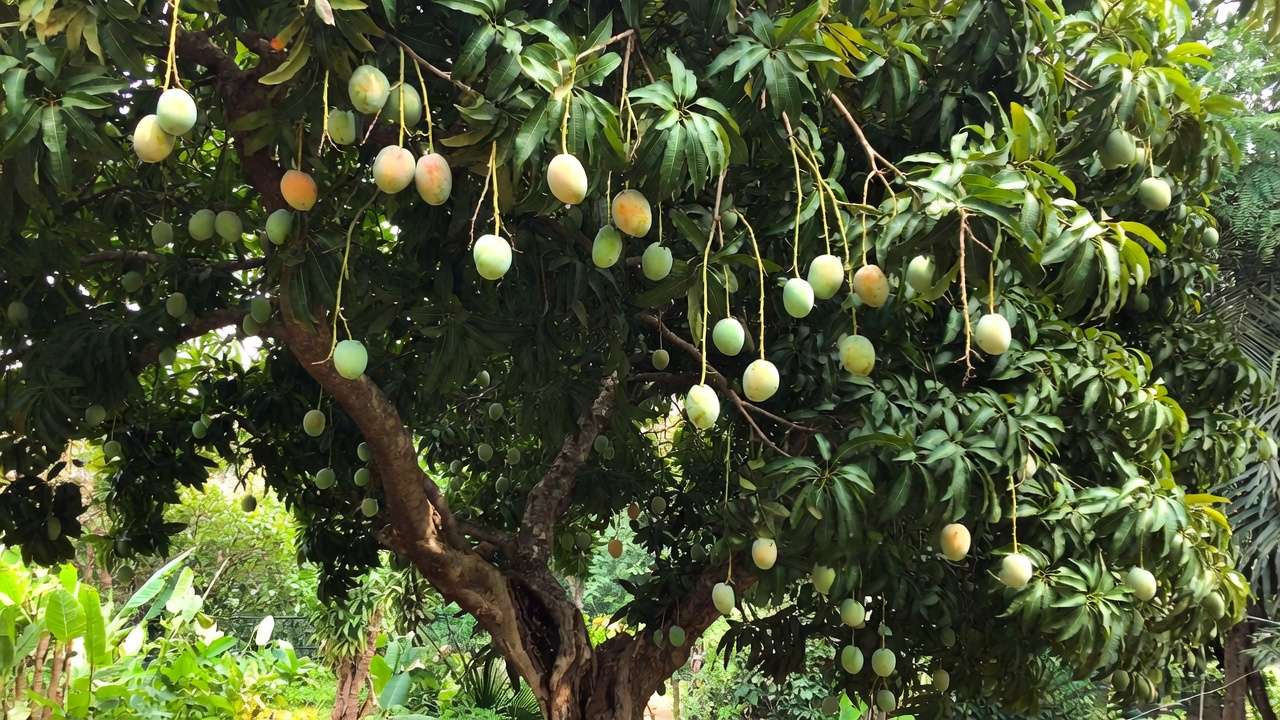
Case 2: Medium Backyard with Fruit Trees (Rural Khulna Outskirts) A family with 12 mango, guava, and coconut trees linked four 1,000 L IBC totes (total 4,000 L) to a 1,200 sq ft tin roof. Added solar-powered drip system for young trees. During 2024–25 dry season, stored water kept trees alive without municipal supply. Mango yield up ~20% (better flowering from consistent moisture + natural nitrates). Total setup cost recovered in 2 years via lower bills and higher fruit sales.
Case 3: Passive + Active Combo for Large Garden A permaculture enthusiast dug swales and rain gardens around mature jackfruit and banana trees, supplemented with two 500 L slimline tanks for hand-watering veggies. During heavy 2025 monsoon, excess runoff recharged soil deeply—trees showed zero drought stress the following dry spell. Zero electricity use and minimal maintenance.
These real setups prove: Start small, observe, scale what works for your space!
Frequently Asked Questions (FAQs) ❓
Is rainwater completely safe for all plants and trees? Yes—almost all! It’s especially excellent for acid-loving species (hibiscus, gardenia, citrus) and most edibles. Very alkaline-loving desert plants (rare in Khulna) may need occasional pH adjustment, but 95%+ of common garden plants thrive on it.
How much can I realistically save on water bills? Depends on roof size and usage. A typical 1,000 sq ft roof system capturing 20,000–30,000 gallons/year can save BDT 5,000–15,000 annually in Khulna (based on current WASA rates and typical garden/tree watering).
Do I need any permits in Bangladesh? For small household systems—no. Larger underground tanks or commercial-scale may need simple notification to local authorities. Rainwater harvesting is promoted under national water policies.
Which plants/trees benefit the most? Acid-lovers (azaleas, blueberries if you grow them), fruit trees (mango, guava, papaya), veggies (tomatoes, spinach, okra), and young saplings establishing roots.
Can I use rainwater for hydroponics or indoor plants? Absolutely—its low mineral content and natural pH make it ideal. Just monitor EC if using in closed systems.
Conclusion & Next Steps 🌱
Rainwater harvesting and storage isn’t just a trendy eco-project—it’s one of the smartest, most rewarding decisions you can make for your plants, trees, garden, and the planet we all share.
By capturing free, naturally soft, nutrient-rich rainwater instead of relying on increasingly expensive and chemically treated municipal supplies, you give your mango trees, guava saplings, hibiscus bushes, tomato plants, and every other green friend in your Khulna yard exactly what they crave: clean water that supports deeper roots, richer blooms, healthier fruit, and greater resilience through the long dry months.
The benefits stack up quickly:
- Lush, vibrant growth with fewer nutrient deficiencies or salt issues
- Significant savings on water bills (often paying back your setup in 1–3 years)
- Reduced runoff pollution and contribution to local groundwater recharge
- Peace of mind knowing your garden can thrive even when taps run low or restrictions hit
- The quiet pride of turning every monsoon downpour into lasting plant power 🌧️→🌳
You don’t need a huge property, fancy equipment, or expert engineering skills to start. A couple of food-grade barrels, basic gutter cleaning, a simple first-flush diverter, and some shade netting can deliver hundreds or thousands of liters of premium irrigation water—enough to make a noticeable difference this very dry season.
Your Simple Action Plan – Start Today
- This week: Measure your roof area and check local rainfall averages (easy online or from BMD data for Khulna).
- Next weekend: Clean gutters, install leaf screens if missing, and buy 1–2 rain barrels (or repurpose a clean drum).
- First rain: Add a basic first-flush diverter (DIY with PVC pipe or buy affordable local version), position barrels in shade, and connect a soaker hose to test.
- Observe & expand: Watch how your plants respond after a few deep waterings with rainwater. Feeling the difference? Add more storage or passive features like rain gardens around trees.
- Share & learn: Join local gardening groups (Facebook “Khulna Gardening” communities or WhatsApp farmer networks) to swap tips and see what works best in our humid, monsoon-driven climate.
Every raindrop you catch is one less drop pulled from overstressed aquifers or treated at high cost. Start small, stay consistent, and watch your garden transform.
Your trees will thank you with deeper shade and sweeter fruit. Your plants will reward you with brighter flowers and healthier leaves. And you’ll sleep better knowing you’re part of the solution—one barrel, one rain garden, one sustainable watering at a time. 💚











