
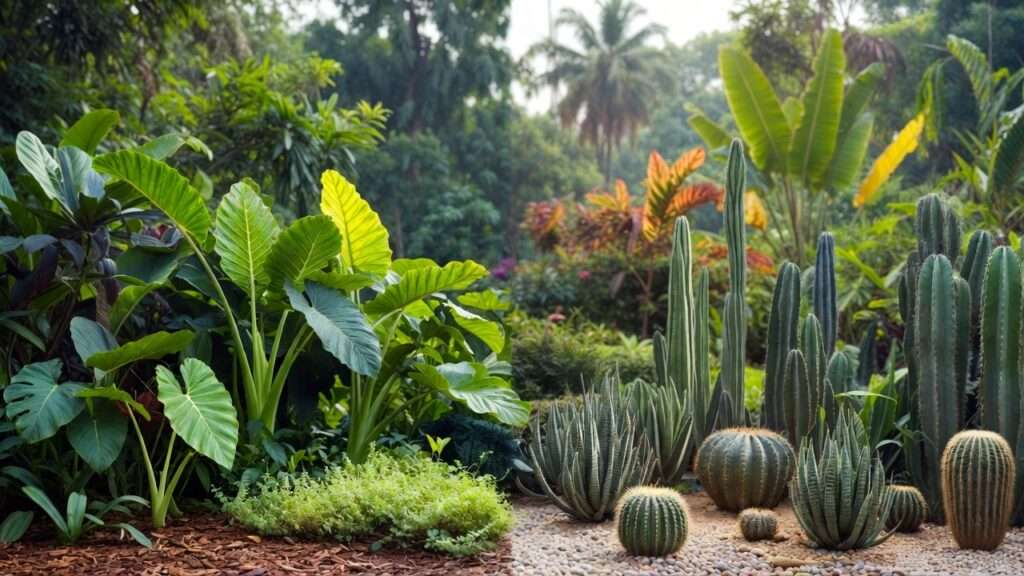
Picture this: Your garden bursting with vibrant greens during the heavy downpours of monsoon, then standing tall and lush through the scorching heat of the dry months — without constant replanting, wilting, or disappointment. For gardeners in places like Phuljhuri, Barisal Division, Bangladesh, where the tropical monsoon climate brings intense rainy seasons (June–October) and pronounced dry periods (November–May), rainy season vs. dry season plant selection is the single most important decision you can make for a resilient, year-round beautiful garden. 🌱
In Barisal Division, annual rainfall averages around 1900–2200 mm, with 70–80% falling during the monsoon months, leading to waterlogging, high humidity, and fungal challenges. The dry season, meanwhile, brings high temperatures, low humidity, and occasional salinity intrusion near coastal areas — stressing plants with drought and heat. Mismatched choices lead to root rot in the wet months or crispy leaves in the dry ones. But the good news? With smart, climate-adapted selections, you can create a low-maintenance, productive garden that thrives through both extremes. In this in-depth guide, we’ll compare the seasons head-to-head, recommend proven plants (tailored to Bangladeshi conditions), share expert tips, and help you plan seamless transitions. Let’s build that evergreen oasis you’ve always wanted! ✨
Understanding Rainy Season vs. Dry Season: Key Environmental Differences ⚖️
What Defines the Rainy Season (Monsoon/Wet Season)? 🌧️
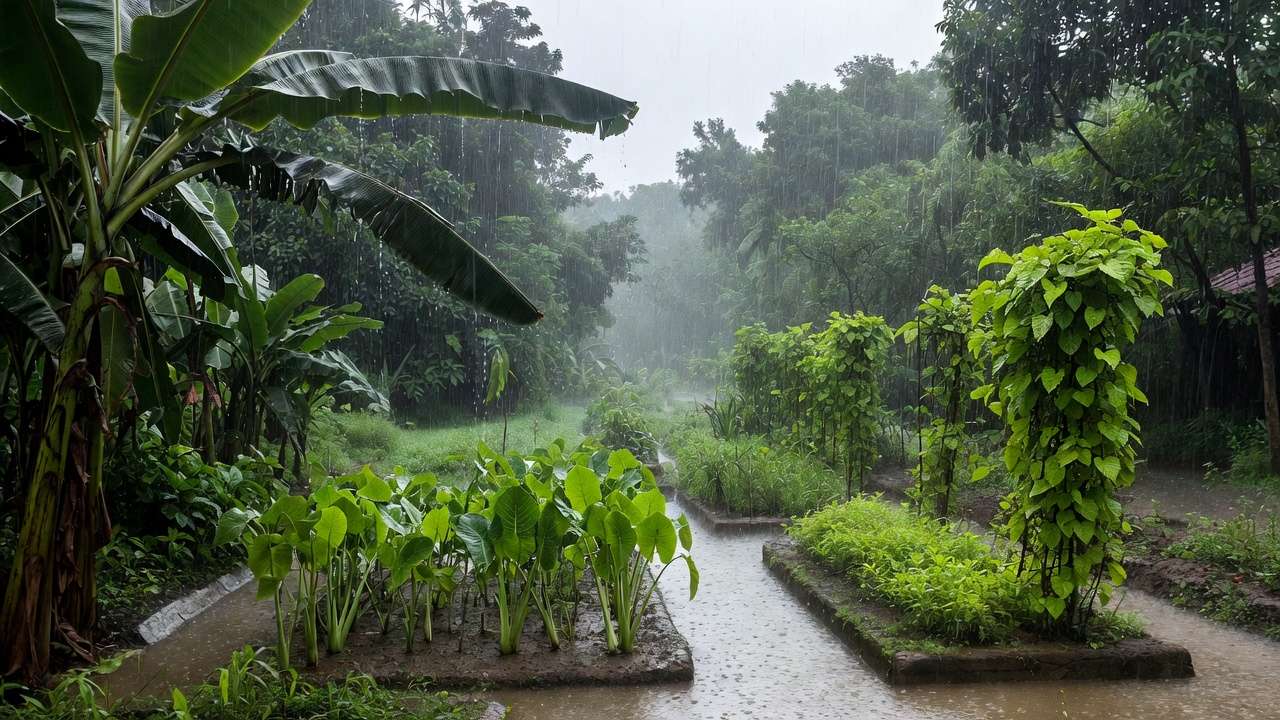
The rainy season in Bangladesh, peaking from June to September/October, delivers heavy, frequent showers — often 1300–1700 mm in Barisal Division alone. High humidity (80–90%), overcast skies, and occasional cyclones create saturated soils, poor oxygen in roots, and ideal conditions for pests like snails and diseases such as root rot, leaf spot, and damping-off. Winds can be strong, snapping weak stems. This season favors moisture-loving, fast-growing, disease-resistant plants that handle flooding and thrive in humid warmth.
What Defines the Dry Season? ☀️
From November to May (with the hottest months March–May), rainfall drops dramatically — often below 100 mm total — while temperatures soar to 30–38°C. Soils dry out, crack, and lose nutrients quickly. Coastal areas like parts of Barisal face salinity buildup from reduced freshwater flow. Plants here need deep roots, waxy or succulent leaves to reduce water loss, and heat tolerance. Irrigation becomes essential, but smart choices minimize it.
How These Seasons Impact Plant Health and Growth
Excess water in rainy season suffocates roots and promotes fungal growth, while dry season dehydration causes wilting, leaf drop, and stunted fruiting. Temperature swings affect pollination and flowering — many plants bloom best post-rainy or in cooler dry months. Understanding these helps select species naturally adapted to Bangladesh’s tropical monsoon climate, reducing failures and chemical use.
Rainy Season Plant Selection: Thriving in Wet, Humid Conditions 🌧️💚
Top Characteristics to Look For
- High tolerance to waterlogging and poor drainage
- Resistance to fungal diseases and rot
- Vigorous growth to compete with weeds
- Sturdy stems against wind and rain
- Preference for acidic to neutral, organic-rich soils
Best Plants for Rainy Season Success
Vegetables & Edibles 🥬:
- Kangkong (water spinach) — loves flooding, grows super fast in wet ditches or raised beds.
- Malabar spinach (poi saag) — climbing vine that thrives in humidity.
- Taro (mukhi kochu/colocasia) — perfect for soggy soils, edible tubers and leaves.
- Okra, yardlong beans, amaranth (data shaak), and perennial greens like katuk — quick-harvest winners.
Flowering Plants & Shrubs 🌺:
- Hibiscus (joba) — vibrant blooms, handles heavy rain well.
- Canna lilies, ginger lilies (hedychium), heliconia — dramatic tropical flair.
- Ixora, marigold (genda) — colorful and resilient.
Trees & Large Plants 🌳:
- Banana (kola) — provides structure and windbreak.
- Bamboo — fast-growing, excellent erosion control.
- Established mango (aam), coconut (narikel), and guava (peyara) — handle monsoon deluges once rooted.
Groundcovers & Climbers 🍃:
- Sweet potato vines — cover soil quickly.
- Passionfruit — vigorous in wet warmth.
- Vetiver grass — superb for preventing soil erosion on slopes.
Expert Tips for Rainy Season Planting
- Use raised beds (at least 20–30 cm high) to improve drainage and avoid root rot.
- Apply thick organic mulch (rice straw or coconut husk) to prevent soil compaction from pounding rain.
- Space plants wider for airflow to reduce fungal issues; use neem-based sprays for natural pest control.
- Plant early in the season (May–June) for strong establishment before peak floods.
Dry Season Plant Selection: Surviving (and Thriving) in Heat and Drought ☀️🏜️
Top Characteristics to Prioritize
In the dry season (November–May in Barisal Division), plants face intense sun, temperatures often exceeding 35°C, minimal rainfall, and sometimes saline soils near rivers or coast. Look for:
- Deep taproots or extensive root systems to reach groundwater
- Thick, waxy, or succulent leaves that minimize water loss
- Low transpiration rates and heat-resistant foliage
- Ability to go semi-dormant or store water efficiently
- Tolerance to occasional salinity (important in parts of Phuljhuri and coastal Barisal)
Best Plants for Dry Season Resilience
Vegetables & Edibles 🥕:
- Sweet potatoes (misti alu) — drought-hardy tubers, vines cover soil to reduce evaporation.
- Cassava (shimul alu) — deep roots, thrives in poor, dry soils.
- Moringa (sajna/drumstick tree) — fast-growing “miracle tree” with edible leaves, pods, and seeds; highly drought-tolerant once established.
- Pigeon peas (arhar dal) — perennial legume, fixes nitrogen, produces in dry heat.
- Roselle (sorrel) — tangy calyces for tea/jam, handles heat well.
- Heat-tolerant varieties of tomatoes, chilies, and eggplants (with mulch and shade).
Flowering Plants & Shrubs 🌸:
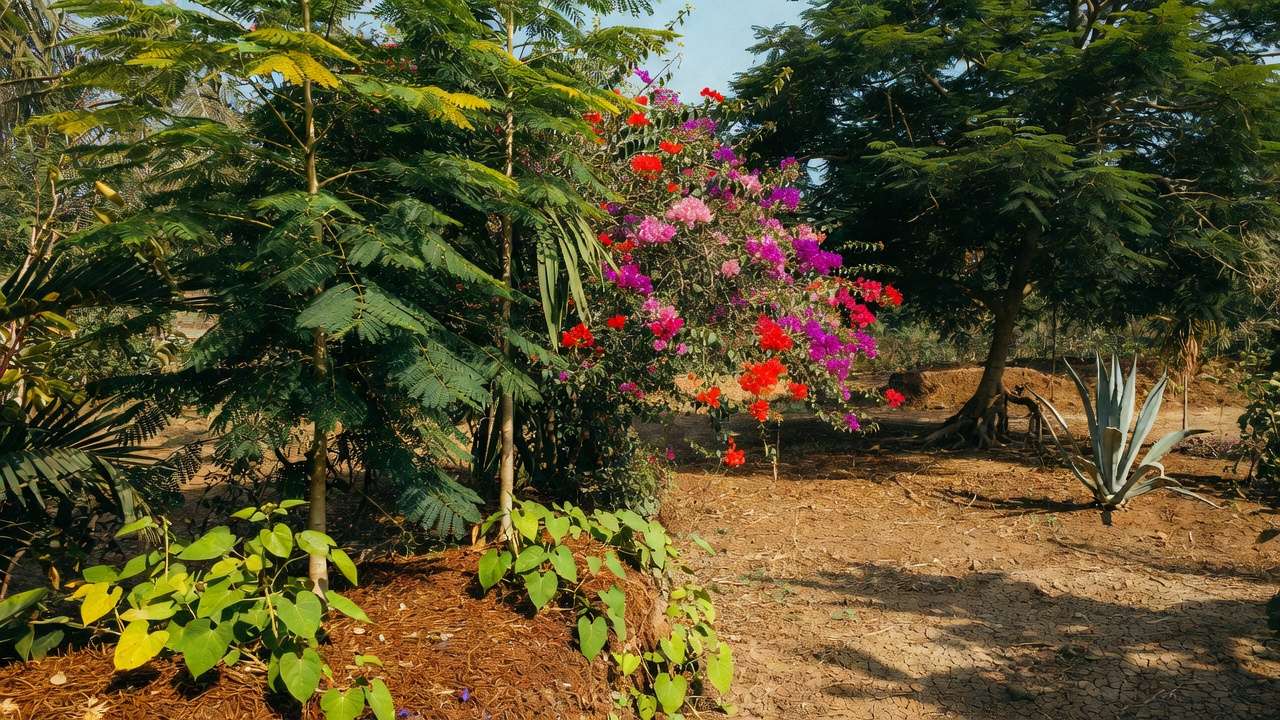
- Bougainvillea — explosive color, thrives in full sun and dry conditions; very popular in Bangladesh.
- Plumeria (frangipani/champa) — fragrant blooms, drops leaves in extreme dry to conserve water.
- Lantana — colorful clusters, attracts butterflies, extremely tough.
- Portulaca (moss rose) — succulent-like, blooms brightly in heat.
- Aloe vera and agave — low-water succulents for edges or pots.
Trees & Large Plants 🌴:
- Neem (azadirachta) — medicinal, shade-providing, highly drought-resistant.
- Tamarind (tetul) — deep roots, long-lived, tolerates dry spells.
- Date palm (khejur) — classic for Barisal, handles salinity and drought.
- Teak (segun) — once established, very resilient (though slow-growing).
- Acacia species or local babla — nitrogen-fixing, tough in dry areas.
Groundcovers & Succulents 🌵:
- Sedum varieties — low-growing, water-storing.
- Elephant bush (portulacaria) — succulent alternative to jade plant.
- Snake plant (outdoor hardy types) — tough and architectural.
Expert Tips for Dry Season Success
- Water deeply but infrequently (every 5–7 days for established plants) to encourage deep roots — avoid shallow daily sprinkling.
- Apply 5–10 cm thick mulch (dry leaves, rice husk, or coconut coir) around bases to lock in moisture and cool soil.
- Use shade nets or companion tall plants during peak March–May heat to protect young seedlings.
- Incorporate drip irrigation or ollas (buried clay pots) for efficient water delivery.
- Fertilize sparingly with organic compost in early dry season; avoid excess nitrogen that promotes weak growth.
Year-Round Winners: Plants That Excel in Both Seasons (or Transition Seamlessly) 🌿🔄
Some superstar plants bridge the gap beautifully in Bangladesh’s climate:
- Moringa — Grows vigorously in rain, survives dry with minimal water; harvest leaves year-round.
- Papaya (pepe) — Loves monsoon humidity for fruit set, but established plants handle dry spells if mulched.
- Lemongrass (gondho lebu) — Perennial grass, aromatic, repels pests, tolerates wet-to-dry shifts.
- Vetiver grass — Erosion control in rain, drought-tolerant roots reach deep.
- Guava (peyara) — Fruits in both seasons with proper pruning; resilient overall.
- Citrus (lebu, malta) — Hardy varieties like lemon or sweet lime do well with good drainage in wet and mulch in dry.
- Hibiscus — Blooms heavily in rain, continues in dry with occasional water.
- Banana — Provides shade and structure; mulch heavily in dry to retain soil moisture.
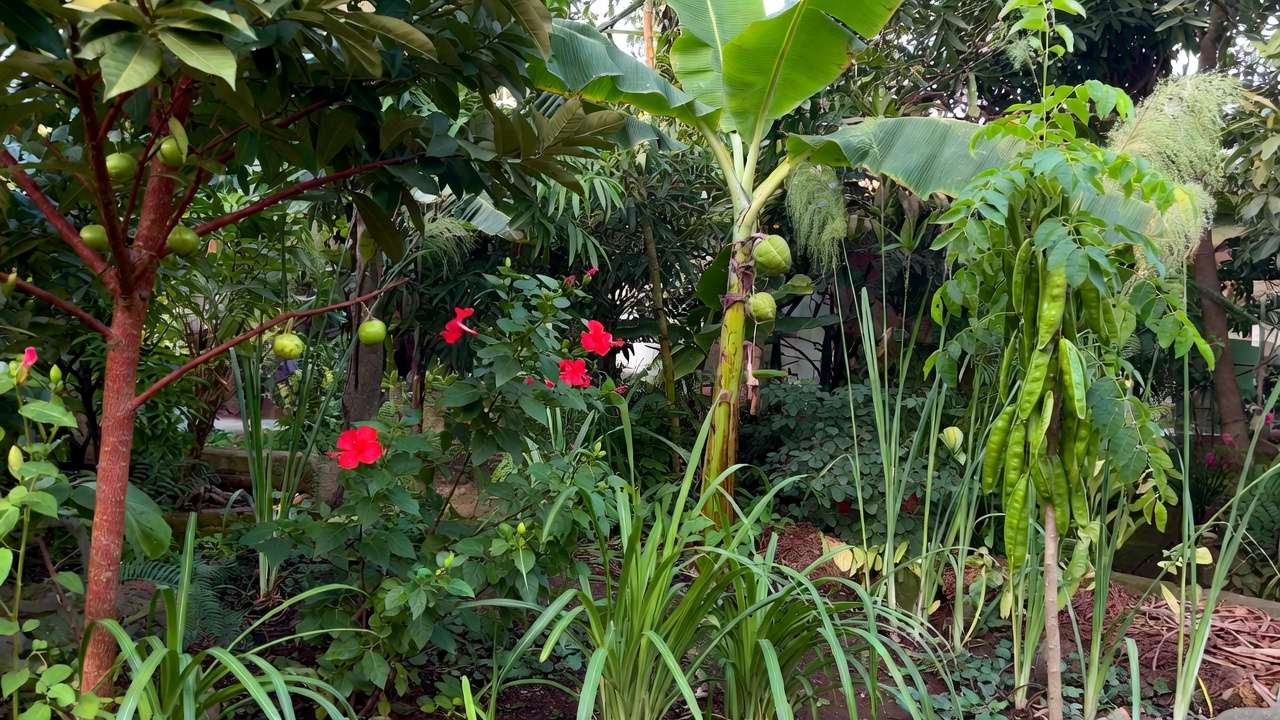
Strategies for transitional planting: Use containers for mobility (move thirsty plants under cover in dry extremes). Practice succession planting — sow quick crops like amaranth at rainy end, then drought-hardy pigeon pea for dry. Perennials reduce replanting hassle.
How to Plan Your Garden for Seamless Seasonal Transitions 📅
Timing Your Planting
- Pre-rainy (April–May): Establish drought-tolerant trees/shrubs so roots deepen before floods.
- Early rainy (May–June): Plant moisture-lovers like taro, kangkong for quick growth.
- Late rainy (September–October): Sow/plant dry-season crops like moringa, sweet potato as rains taper.
- Early dry (November–December): Focus on maintenance, mulching, and deep watering setup.
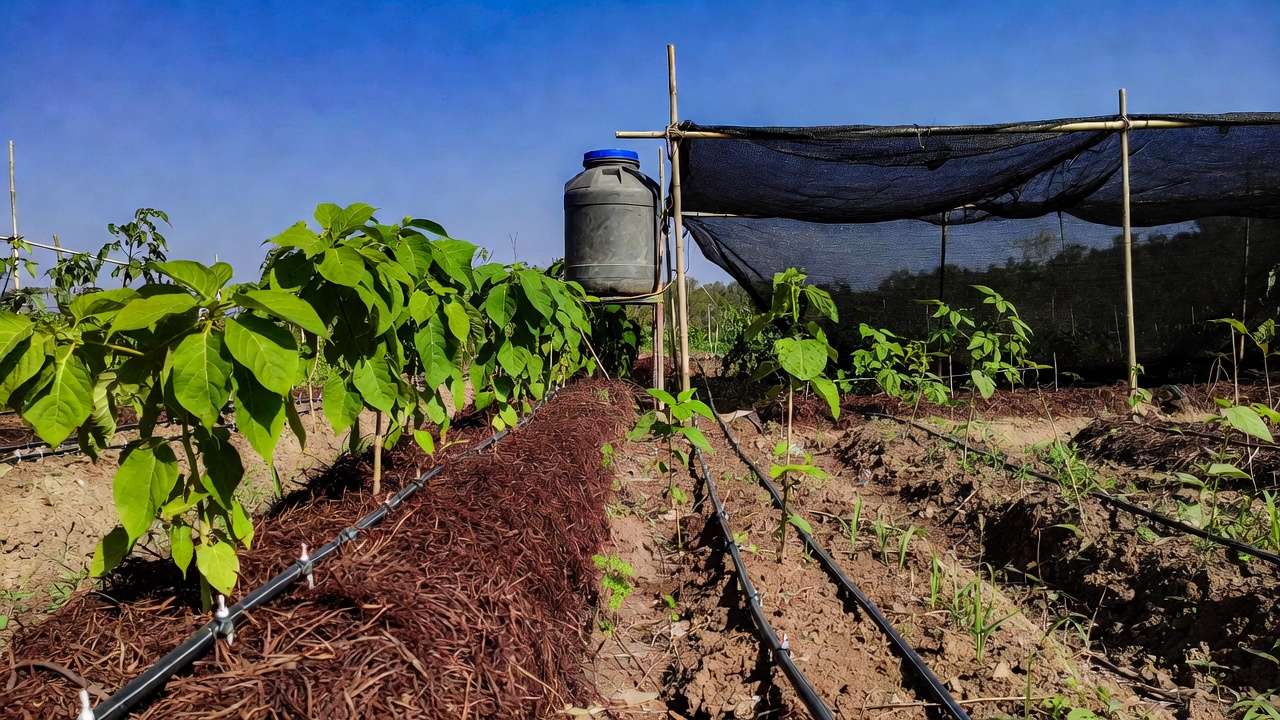
Soil Preparation & Amendment Strategies
- Rainy prep: Add sand, compost, or raised beds to improve drainage and prevent compaction.
- Dry prep: Incorporate organic matter (cow dung compost) and mulch to boost water retention. Test pH — most tropical plants prefer slightly acidic (5.5–6.5).
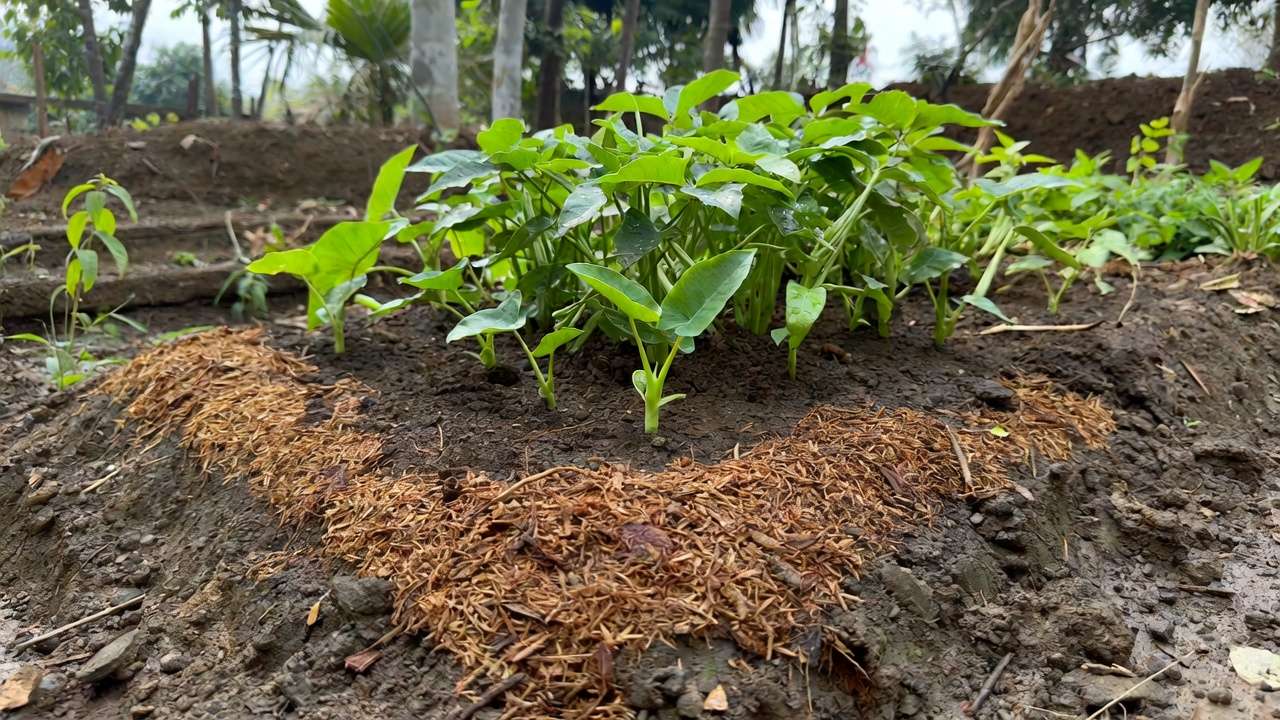
Irrigation, Mulching, and Maintenance Calendar
Use this simple seasonal checklist:
| Season | Watering | Mulching | Key Tasks |
|---|---|---|---|
| Rainy | Minimal/natural | Light, to prevent splash | Prune for airflow, neem sprays |
| Dry | Deep 1–2x/week | Heavy 8–10 cm | Shade young plants, compost apply |
| Transition | Adjust gradually | Refresh | Transplant, succession sow |
Tools like rain barrels (rainy harvest) and drip systems (dry efficiency) save time and water.
Common Mistakes to Avoid in Seasonal Plant Selection ❌
Even experienced gardeners in tropical regions like Barisal Division fall into these traps — avoid them to save time, money, and heartbreak:
- Planting high-water-needing exotics in the dry season — Many imported ornamentals (e.g., roses, hydrangeas) demand constant moisture and quickly suffer in March–May heat without heavy irrigation.
- Ignoring drainage in rainy-prone lowlands — Planting directly in clay-heavy or flood-prone soil without raised beds leads to root rot in kangkong alternatives or even hardy taro.
- Overlooking microclimate variations — Coastal areas near the Bay of Bengal (including parts of Phuljhuri) experience dry-season salinity buildup; avoid salt-sensitive plants like papaya or citrus unless you amend soil heavily or choose tolerant varieties.
- Neglecting establishment phase — Planting drought-tolerant species like neem or moringa during peak rainy season without protection can cause rot before roots deepen. Conversely, starting moisture-lovers too late in dry season means weak establishment.
- Skipping succession and rotation — Growing the same crop family year after year depletes soil and invites pests/diseases that peak in one season.
- Underestimating mulch importance — Bare soil in dry season cracks and loses moisture rapidly; in rainy season, heavy rain compacts unprotected soil and splashes soil-borne fungi onto leaves.
Quick fix mindset: Always ask, “Will this plant survive the opposite season with minimal intervention?” If not, consider it seasonal or container-grown.
Real-Life Examples & Case Studies from Tropical Gardeners 🌍
Case Study 1: A Small Homestead in Barisal Division A local family in a nearby village transformed their 0.2-acre plot. Rainy season stars included kangkong grown in shallow ditches, Malabar spinach climbing bamboo trellises, and taro in low-lying spots. For dry season, they relied on a mature moringa hedge (leaves harvested continuously), sweet potato groundcover, and bougainvillea along the fence for color. Result: Year-round greens, reduced market dependency, and almost no irrigation after the first year thanks to deep mulching and vetiver contour planting on slight slopes.
Case Study 2: Urban Rooftop Garden in Barisal City A teacher used large pots and grow bags for mobility. Hibiscus and lantana provided flowers in both seasons, lemongrass and pigeon pea added edibles and pest repulsion, while aloe vera and portulaca handled dry extremes effortlessly. During heavy July floods, pots were moved under a simple tin shelter; in April heat, shade cloth was draped. Yield: Fresh herbs, occasional fruit, and a beautiful space with very low water bills.
Expert Insight Drawing from permaculture practices promoted by organizations like ECHO (Educational Concerns for Hunger Organization) and local agricultural extension services in Bangladesh, the most successful gardens combine perennials (moringa, vetiver, guava) with quick annuals (amaranth, kangkong) and nitrogen-fixers (pigeon pea, acacia). This creates a living, self-regulating system that builds soil fertility over time.
FAQs: Your Rainy vs. Dry Season Plant Questions Answered ❓
Q: What if my area has irregular or changing seasons due to climate shifts? A: Focus on ultra-adaptable plants (moringa, lemongrass, vetiver) and use containers for flexibility. Monitor local weather patterns via BMD (Bangladesh Meteorological Department) apps and adjust planting windows by 2–3 weeks as needed.
Q: Can I grow the same plants in pots and move them between seasons? A: Absolutely — especially for borderline plants like papaya, citrus, or hibiscus. Use large 30–50 L pots with excellent drainage holes and casters for easy relocation during extreme wet or dry spells.
Q: What are the best low-maintenance trees for beginners in Barisal? A: Start with moringa (fast, multi-use), neem (pest-repellent shade), guava (productive fruit), and date palm (if you have space and can handle initial watering). All are drought-tolerant once established and handle monsoon well.
Q: How do I handle pests unique to each season? A: Rainy — snails/slugs (hand-pick + crushed eggshells), fungal issues (neem oil + better airflow). Dry — aphids/mites (strong water spray + ladybugs), fruit flies on guava/mango (traps with vinegar + soap). Avoid broad-spectrum chemicals to protect pollinators.
Q: Is raised-bed gardening worth the effort in rainy areas? A: Yes — especially in low-lying Phuljhuri zones. Even 20–30 cm height dramatically reduces waterlogging and makes soil warmer earlier in the season.
Conclusion: Build a Resilient, Beautiful Garden That Never Sleeps 🌟
Choosing the right plants for rainy season vs. dry season isn’t just about survival — it’s about creating a garden that actively works with your local climate, not against it. By prioritizing waterlogging-tolerant, fast-growing species during the monsoon and deep-rooted, heat-loving plants during the dry months — and leaning on versatile all-stars like moringa, vetiver, and guava — you can enjoy green abundance, fresh food, and beauty every single month of the year.
Start small: Walk your space this week, note wet spots and sunny/dry zones, then pick just 5 rainy-season and 5 dry-season plants from the lists above. Add generous mulch, improve drainage where needed, and watch your garden become more resilient with every season that passes.
Your thriving, year-round oasis is closer than you think. Happy planting, Shuvo — may your garden in Phuljhuri be lush and productive all year long! 🌱✨











