
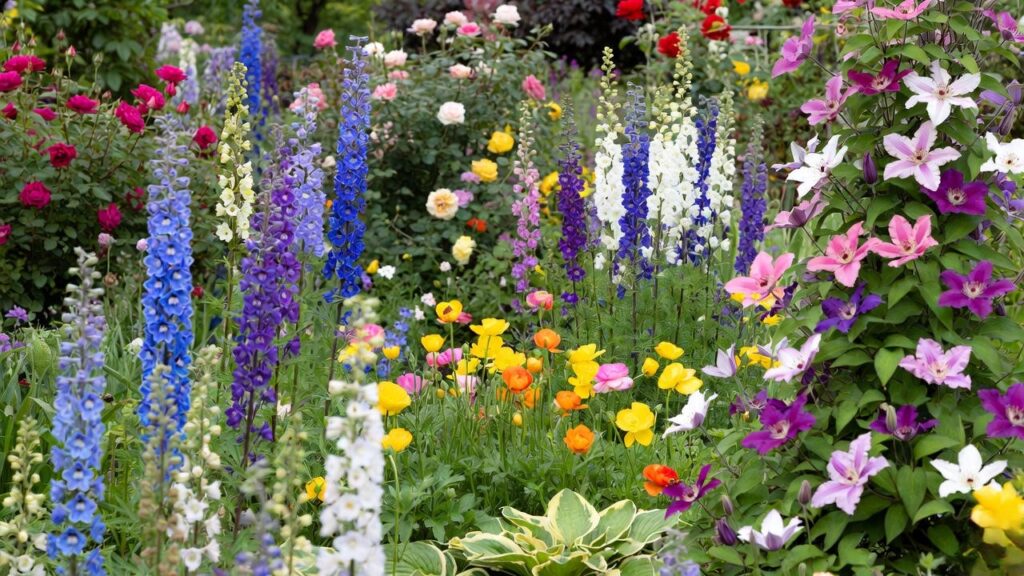
Imagine stepping into your garden on a crisp spring morning, greeted by towering spires of vibrant blue delphiniums swaying gently in the breeze, delicate columbines nodding gracefully in the shade, and clusters of luxurious ranunculus blooms unfurling like tissue-paper roses. These captivating flowers all belong to the Ranunculaceae family plants, a diverse and enchanting group that can elevate any landscape from ordinary to extraordinary. Yet, many gardeners hesitate to grow them, worried about their reputed finicky nature or potential toxicity. The good news? With the right knowledge, these stunning perennials, annuals, and climbers thrive beautifully and reward you with seasons of color.
As a horticulturist with over 15 years of hands-on experience cultivating perennials in temperate gardens—from cottage-style borders to modern shade plantings—I’ve grown dozens of Ranunculaceae species and hybrids. I’ve learned firsthand how to unlock their full potential while avoiding common pitfalls. This comprehensive guide draws on botanical expertise, practical trials, and insights from trusted sources like the Royal Horticultural Society (RHS) and Missouri Botanical Garden to help you succeed.
Whether you’re a beginner dreaming of a pollinator-friendly paradise or an experienced gardener seeking advanced tips, this ultimate resource covers everything: identification, popular varieties, site preparation, planting, ongoing care, propagation, troubleshooting, and inspirational design ideas. By the end, you’ll have the confidence to incorporate Ranunculaceae family plants into your garden safely and successfully. Let’s dive in! 🌿
Understanding the Ranunculaceae Family 🌼
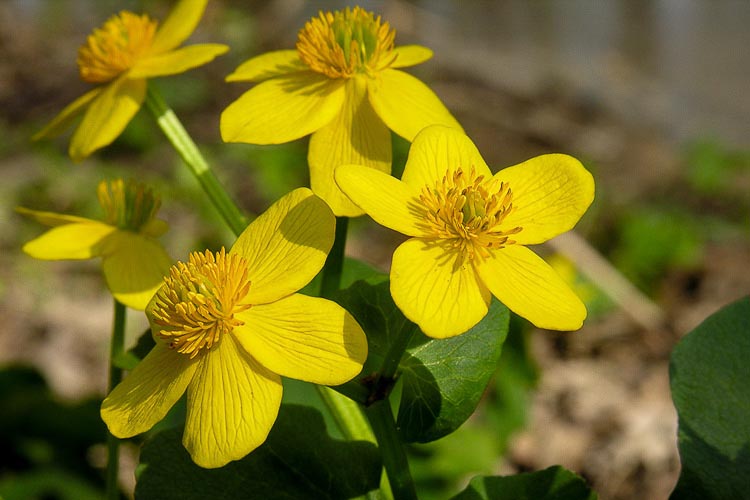
The Ranunculaceae, commonly known as the buttercup or crowfoot family, is one of the most primitive and diverse families of flowering plants, with over 2,000 species across approximately 50-60 genera. Distributed worldwide but most abundant in temperate and cool regions of the Northern Hemisphere, these plants often prefer moist, woodland edges or mountainous habitats—clues to their cultural needs in our gardens.
Botanical Characteristics and Unique Features
Ranunculaceae plants are mostly herbaceous perennials, though some are annuals, biennials, climbers (like Clematis), or even aquatics. Key traits include:
- Leaves: Alternate or basal, often deeply lobed, divided, or palmate, with sheathing bases.
- Flowers: Typically showy with colored sepals (petals are often modified into nectar spurs or absent). Structures vary from simple buttercup-like cups to complex spurred blooms in Aquilegia or hooded flowers in Aconitum.
- Growth habits: Range from low-groundcover hellebores to tall delphiniums reaching 6-8 feet.
Many feature glossy petals and nectar-producing spurs that attract bees, butterflies, and hummingbirds 🐝.
Why Grow Ranunculaceae Plants? Benefits for Your Garden
These plants offer unparalleled aesthetic and ecological value:
- Extended bloom times: From early spring (hellebores) through summer (delphiniums, clematis) to fall (Japanese anemones).
- Pollinator magnets: Nectar-rich flowers support biodiversity.
- Versatility: Shade-tolerant options (hellebores, aquilegia) complement sun-lovers (ranunculus, delphinium).
- Cut flower excellence: Long-lasting stems for bouquets.
In my experience, incorporating Ranunculaceae creates dynamic, layered gardens with seasonal interest year-round.
Important Safety Note: Toxicity in the Family ⚠️
A common concern with Ranunculaceae family plants is toxicity. Most contain ranunculin, which converts to protoanemonin when damaged—causing skin irritation, blisters, or mouth burning. Ingestion can lead to vomiting or more severe symptoms, especially in genera like Aconitum (monkshood, highly toxic) and Helleborus.
- Most toxic: Aconitum, Helleborus, some Ranunculus.
- Milder: Clematis, Anemone (sap irritant).
- Safe handling tips: Wear gloves when pruning or dividing. Wash hands thoroughly. Keep away from children and pets. Dried plants (e.g., in hay) lose toxicity as protoanemonin dimerizes to non-toxic anemonin.
With precautions, these plants are safe for most gardens. Always consult reliable sources like poison control for specific concerns.
Most Popular Ranunculaceae Plants for Home Gardens 🌺
Here are the standout stars—proven performers with practical care notes. I’ve included a quick-reference table for easy comparison.
| Plant | Common Name | Hardiness Zones | Height | Bloom Time | Light Needs | Pro Tip |
|---|---|---|---|---|---|---|
| Delphinium | Larkspur | 3-7 | 4-8 ft | Summer | Full sun | Stake early for wind protection |
| Clematis | Queen of Climbers | 4-9 | 6-20 ft | Spring-Fall | Sun on tops, shade on roots | Prune by group for best blooms 👑 |
| Ranunculus asiaticus | Persian Buttercup | 8-10 (annual elsewhere) | 12-24 in | Spring | Full sun | Soak corms before planting |
| Aquilegia | Columbine | 3-9 | 1-3 ft | Late spring-early summer | Part shade | Self-seeds freely |
| Helleborus | Lenten Rose | 4-9 | 12-18 in | Winter-early spring | Shade | Evergreen foliage year-round ❄️ |
| Anemone | Windflower | 4-8 | 1-4 ft | Spring or fall | Part sun/shade | Spreads gently |
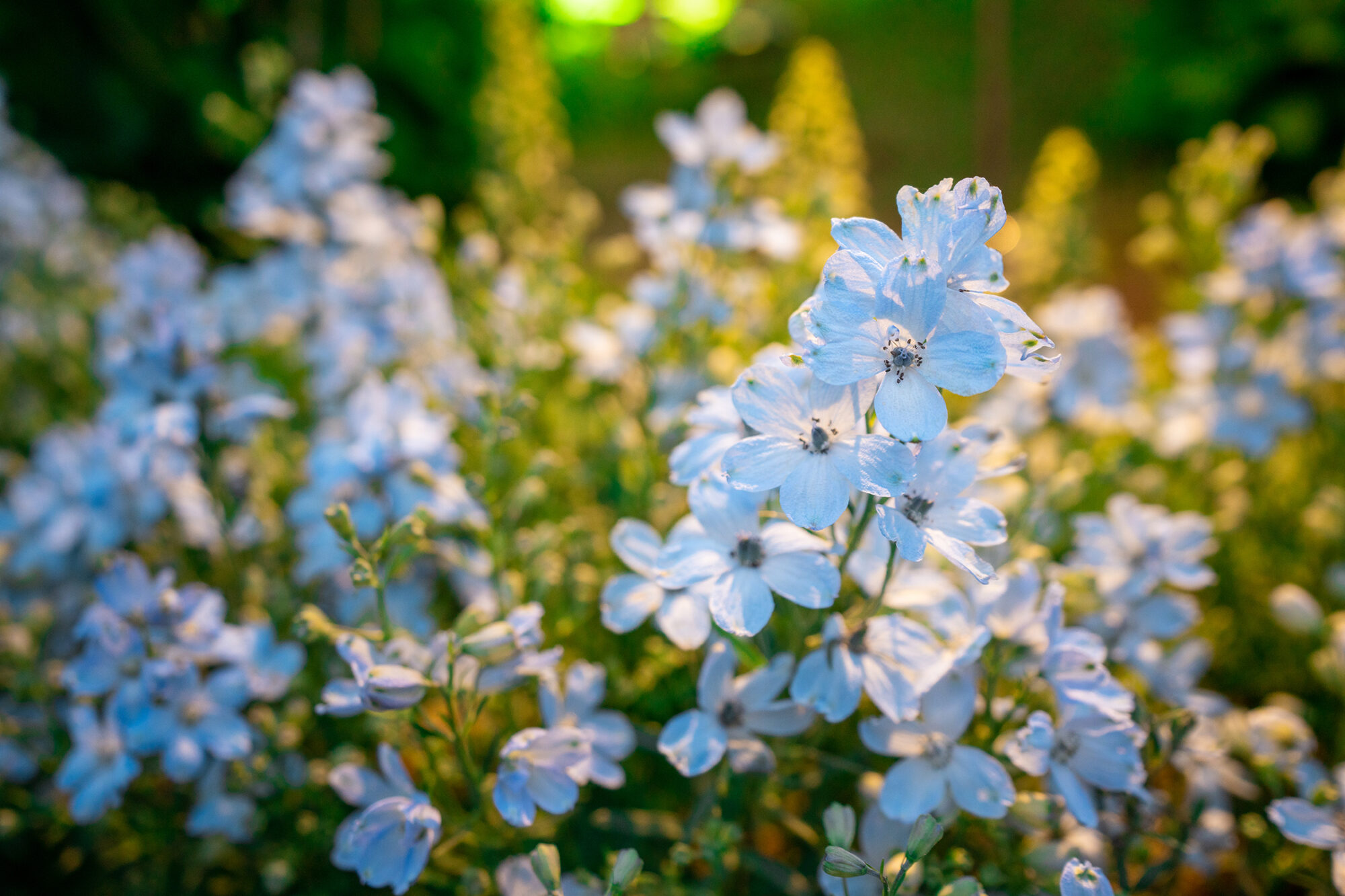
Delphinium (Larkspur) – Towering Spires of Color
Delphiniums deliver dramatic vertical accents with dense spikes of blue, purple, pink, or white flowers.
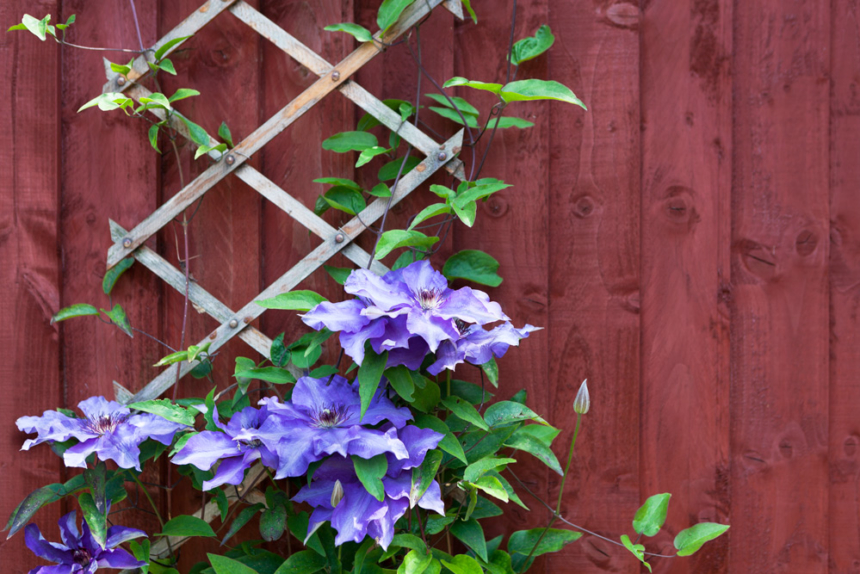
Clematis – The Queen of Climbers 👑
No vine rivals clematis for sheer flower power and versatility on trellises, arbors, or walls.
Ranunculus – Luxurious Buttercup Blooms
Persian ranunculus produce rose-like double flowers in jewel tones—perfect for borders or containers.

Aquilegia (Columbine) – Graceful and Shade-Loving
Nodding spurred flowers in bicolor combinations make columbines cottage-garden favorites.
:max_bytes(150000):strip_icc()/how-to-grow-and-care-for-columbines-1402831_02-5b8c08ca0a114dc6b92d99f89b01b0be.jpg)
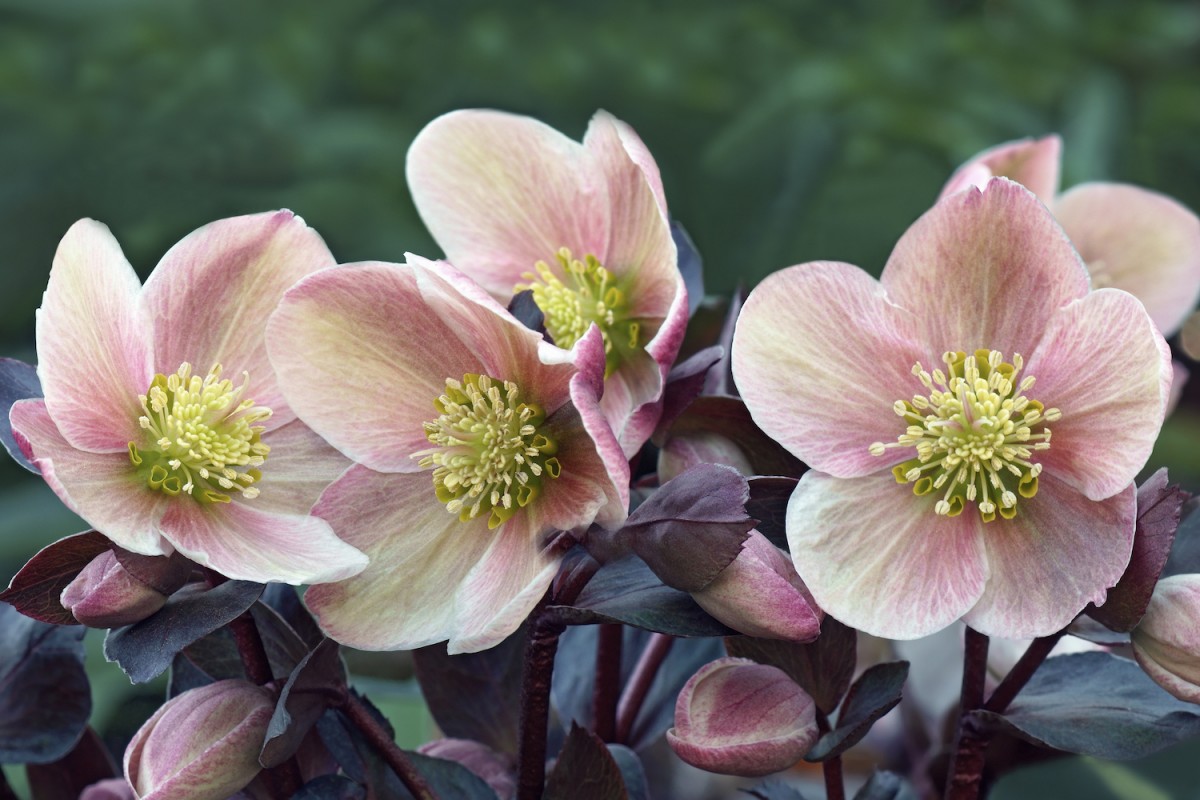
Helleborus (Lenten Rose) – Winter and Early Spring Stars ❄️
Evergreen foliage and downward-facing blooms brighten dreary winters.
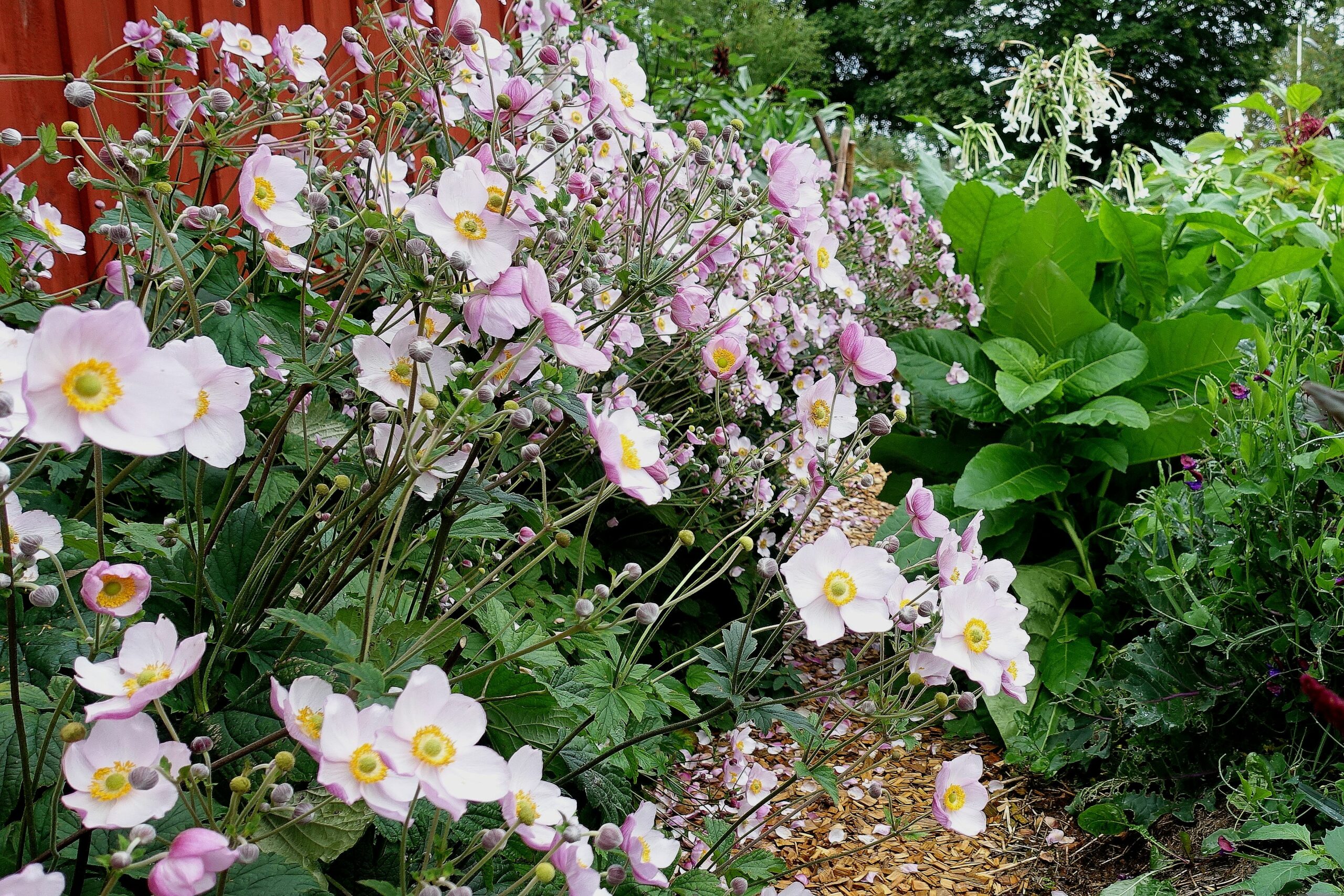
Anemone – Windflowers for Every Season
From spring wood anemones to fall Japanese types, these spread charm.
Lesser-Known Gems
Don’t overlook Nigella (love-in-a-mist) for airy annuals, Trollius (globeflower) for boggy spots, or Pulsatilla (pasqueflower) for rock gardens.
Site Selection and Soil Preparation 🏡
Success with Ranunculaceae family plants starts long before planting—choosing the right location and preparing excellent soil are foundational steps. In my years of trialing these plants across various climates, I’ve found that mimicking their native cool, moist habitats yields the healthiest growth and most prolific blooms.
:strip_icc()/hand-trowel-dirt-scoop-476cd200-a911791819aa48e784b9d6b2a2679cb0.jpg)
Ideal Light and Temperature Requirements
- Full sun lovers: Delphinium, Ranunculus, and many Anemone species thrive with 6–8 hours of direct sunlight daily. In hotter zones (8+), afternoon shade prevents scorching.
- Part shade/part sun: Aquilegia, Helleborus, and Clematis perform best with morning sun and dappled afternoon light or filtered shade.
- Temperature: Most are hardy in USDA zones 3–9, preferring cool summers (below 85°F/29°C ideal). Mulch roots to keep them cool in warmer regions.
Pro insight: In my Pacific Northwest trials, delphiniums reached 7 feet in full sun with cool nights, while southern gardeners often grow them as annuals or provide shade cloth.
Perfect Soil Conditions (Drainage is Key!)
Ranunculaceae plants demand well-drained, humus-rich soil—poor drainage is the #1 killer, leading to crown rot and fungal issues.
- pH: Slightly acidic to neutral (6.0–7.0).
- Texture: Loamy, enriched with organic matter (compost, leaf mold).
- Amendments: Incorporate 2–4 inches of compost or well-rotted manure. Add grit or perlite if soil is heavy clay.
- Test tip: Dig a 12-inch hole, fill with water—if it doesn’t drain within 2–3 hours, raise beds or amend heavily.
Companion Planting Ideas to Boost Success
Pair Ranunculaceae with plants that share similar needs while providing mutual benefits:
- Foxgloves, lupines, and peonies for height and structure.
- Hostas, ferns, or astilbes for shade-tolerant underplantings.
- Roses with Clematis (classic “queen and climber” duo).
- Alliums or nepeta to deter pests naturally.
Planting Guide Step-by-Step 🌱
Timing and technique make all the difference. Follow these expert steps for strong establishment.
:strip_icc()/7000671-33006-284_preview-03461b9a9cf1452192b6a69f4eeb5b61.jpg)
When and How to Plant (Spring vs. Fall)
- Fall planting (6–8 weeks before frost): Best for perennials like Helleborus, Aquilegia, and Delphinium—allows root development over winter.
- Spring planting: Ideal for Ranunculus corms (after last frost) and tender Clematis hybrids.
- Avoid summer heat stress.
Starting from Seed vs. Nursery Plants
- Seeds: Cost-effective but slower. Many require cold stratification (e.g., 4–6 weeks in fridge for Aquilegia).
- Nursery plants/corms: Faster results, disease-free stock. Choose robust, green specimens.
Proper Spacing and Depth for Different Genera
- Delphinium: 18–24 inches apart, crown at soil level.
- Clematis: 3–6 feet, plant 2–3 inches deeper to encourage basal shoots.
- Ranunculus corms: 4–6 inches apart, “claws” down, 2 inches deep.
- Helleborus: 18 inches, barely cover crown.
Water thoroughly after planting and mulch to retain moisture.
Essential Care and Maintenance Routine 💧
Consistent care keeps Ranunculaceae vibrant and healthy season after season.
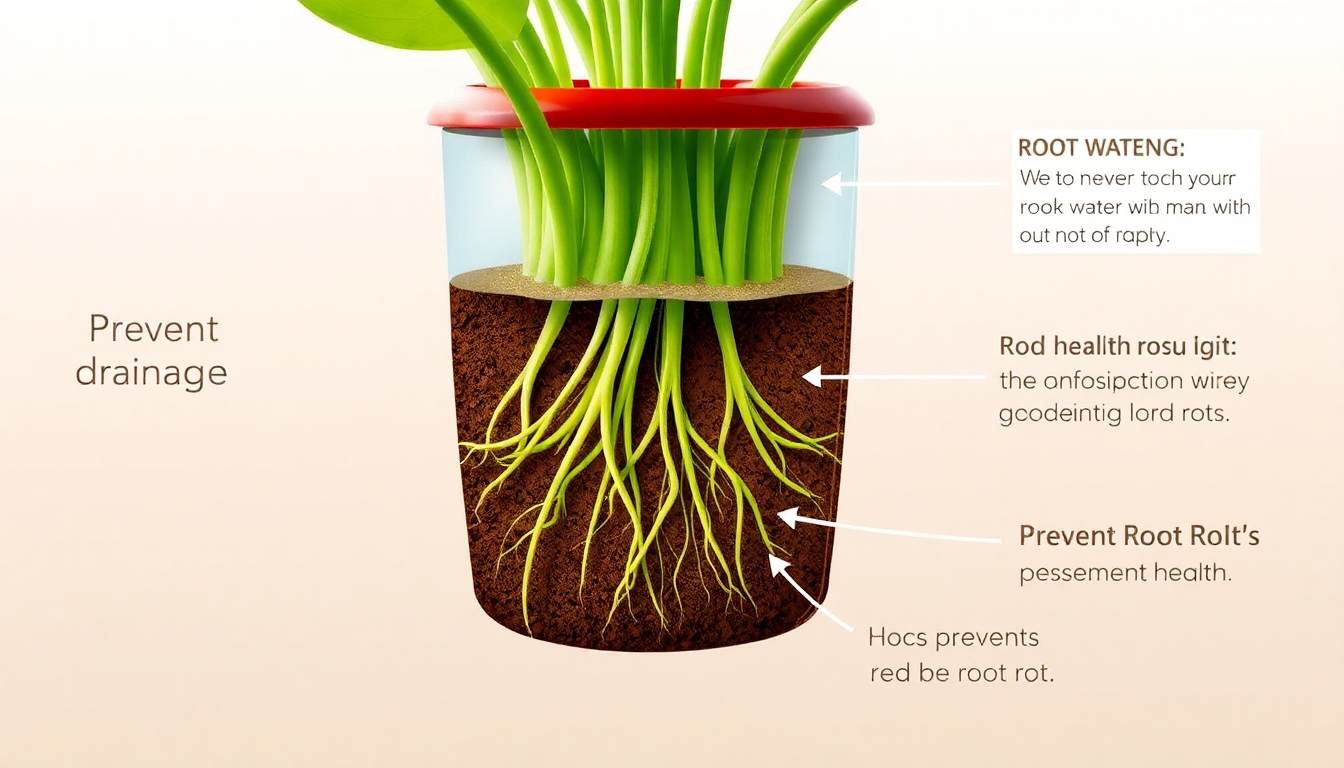
Watering Needs – Avoiding Root Rot
Keep soil evenly moist but never soggy—deep, infrequent watering encourages strong roots.
- Established plants: 1 inch per week.
- Check soil 2 inches down; water only if dry.
- Mulch with organic material to conserve moisture.
Fertilizing Strategies for Abundant Blooms
- Spring: Balanced slow-release fertilizer (e.g., 10-10-10) or compost top-dressing.
- Bloom boost: High-potash feed (tomato fertilizer) mid-season for delphiniums and clematis.
- Avoid excess nitrogen—promotes weak, leggy growth.
Pruning and Deadheading Techniques
- Deadhead spent flowers to encourage rebloom (especially delphiniums—cut to basal leaves for second flush).
- Clematis: Prune according to group (1: light, 2: moderate, 3: hard in late winter).
- Fall cleanup: Remove yellow foliage but leave hellebore leaves for winter protection.
Supporting Tall Varieties (Staking Delphiniums & Clematis)
Tall spires flop without support—stake early!
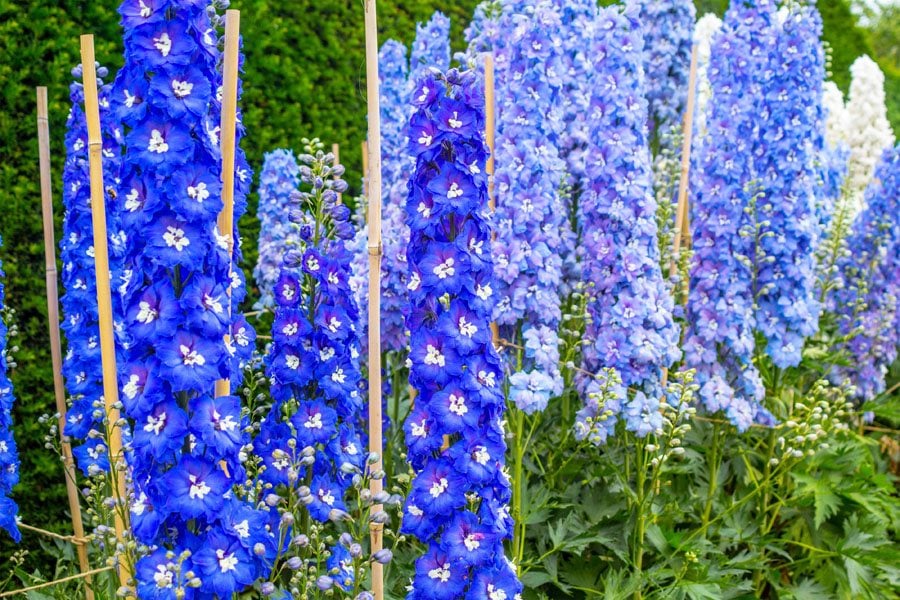
Use bamboo canes, link stakes, or grow-through grids. Tie loosely with soft twine.
Overwintering Tips for Perennials
- Mulch crowns with 2–3 inches of straw or leaves after ground freezes.
- Protect ranunculus corms: Dig and store in cool, dry place (zones below 8).
- Clematis: Pile soil/mulch around base for extra protection.
Propagation Methods for More Plants (Free!) ✂️
One of the most rewarding aspects of growing Ranunculaceae family plants is how easily many can be multiplied—saving money and expanding your display. Over the years, I’ve propagated hundreds of delphiniums, clematis, and hellebores for clients and my own gardens using these reliable techniques.
Division of Established Clumps
Best for: Helleborus, Aquilegia, Anemone, Delphinium (after 3–4 years).
- Timing: Early spring or fall when dormant.
- Method: Dig up the clump, gently tease apart crowns with healthy roots and buds. Replant immediately at the same depth.
- Pro tip: Dust cuts with fungicide powder to prevent rot.
Seed Sowing (Including Cold Stratification)
Many Ranunculaceae self-seed freely, but controlled sowing gives better results.
- Collect fresh seed in summer/fall.
- Most require cold stratification: Mix with moist sand, refrigerate 4–8 weeks (mimics winter).
- Sow in trays with seed compost, barely cover, keep moist.
- Germination: Spring warmth triggers sprouting.
Popular easy-from-seed: Aquilegia, Nigella, Pulsatilla.
Taking Cuttings (Clematis-Specific Tips)
- Semi-ripe nodal cuttings in midsummer: 4–6 inches, strip lower leaves, dip in rooting hormone, insert into gritty compost.
- Bottom heat and mist greatly improve success.
- Expect roots in 4–6 weeks.
Layering for Climbers
Simple layering works wonders for Clematis:
- Bend a flexible stem to the ground, bury a node under soil, peg down.
- Roots form by next season—sever and transplant.
Common Problems and Solutions 🔍
Even with perfect care, issues arise. Here’s how to diagnose and fix the most frequent challenges I’ve encountered.
Pests (Slugs, Aphids, Powdery Mildew)
- Slugs/snails: Devastate young shoots (especially delphiniums and hellebores). Use beer traps, copper tape, or organic pellets (iron phosphate).
- Aphids: Cluster on new growth. Blast with water or use insecticidal soap.
- Powdery mildew: White coating on leaves in humid conditions. Improve air circulation, avoid overhead watering, apply neem or sulfur spray early.
Diseases and Prevention
- Crown rot/fusarium wilt: Caused by wet soil. Ensure excellent drainage, avoid wounding crowns.
- Black spot on delphiniums: Remove affected leaves, fungicide if severe.
- Prevention: Rotate planting sites, sterilize tools.
Environmental Stress (Wilting, Yellow Leaves)
- Sudden wilt: Often over- or underwatering—check soil moisture.
- Yellow lower leaves: Natural aging or nutrient deficiency (feed balanced fertilizer).
- Leggy growth: Insufficient light—relocate or prune back.
Toxicity Management in Family Gardens
Reiterate safe practices: Gloves always, supervise children/pets, plant toxic species (Aconitum) in less-trafficked areas.
Designing with Ranunculaceae Plants 🎨
These plants shine in thoughtful compositions—here are proven schemes I’ve implemented successfully.
Cottage Garden Classics
Layer tall delphiniums behind mid-height aquilegias and low hellebores, interplanted with roses, foxgloves, and lupines for romantic abundance.
Modern and Container Displays
Compact varieties (e.g., dwarf delphiniums, ranunculus) thrive in large pots with good drainage. Combine with trailing ivy or calibrachoa.
Shade Garden Combinations
Helleborus + Aquilegia + Anemone nemorosa under deciduous trees with hostas and ferns—elegant and low-maintenance.
Cut Flower Arrangements and Bouquet Tips
Harvest in early morning when buds are just opening. Sear clematis and ranunculus stems in boiling water 10 seconds for longer vase life.
Expert Insights and Pro Tips from the Field 🌟
- Seasonal checklist:
- Spring: Divide, fertilize, stake.
- Summer: Deadhead, water deeply, monitor pests.
- Fall: Plant new, mulch.
- Winter: Enjoy hellebores, plan next year.
- Beginner-friendly: Start with Helleborus orientalis, Aquilegia vulgaris, or Clematis ‘Jackmanii’.
- Advanced hybrids: Try New Millennium delphiniums or double-flowered hellebores for wow factor.
- Sustainable practices: Use rainwater, compost, encourage beneficial insects.
Frequently Asked Questions (FAQ) ❓
Are all Ranunculaceae plants poisonous? Most contain irritants or toxins to some degree, but severity varies. Aconitum is highly dangerous; Clematis causes mild skin irritation. Always handle with care and keep out of reach of children/pets.
Can I grow Ranunculaceae in pots/containers? Yes! Choose compact cultivars, use deep pots with excellent drainage, and refresh soil annually.
Why are my delphiniums flopping over? Lack of staking, wind exposure, or weak stems from excess nitrogen. Stake early and feed high-potash fertilizer.
How do I get bigger ranunculus blooms? Pre-soak corms, plant in rich soil, full sun, and disbud side shoots for larger central flowers.
Best Ranunculaceae for shade? Helleborus, Aquilegia, and Anemone sylvestris excel in part to full shade.
When should I divide hellebores? After flowering (late spring) or in early fall—every 4–5 years to rejuvenate.
Conclusion 🌻
The Ranunculaceae family plants offer some of the most breathtaking beauty available to gardeners—from winter-blooming hellebores to summer-stunning delphiniums and luxurious ranunculus. While they require thoughtful site selection, good drainage, and mindful handling due to toxicity, the rewards far outweigh the effort.
With the detailed guidance in this essential growing guide, you now have everything needed to confidently cultivate these gems and achieve garden success. Start small—perhaps with a hardy hellebore or self-seeding aquilegia—and watch your space transform into a pollinator paradise bursting with color.
I’d love to hear about your experiences! Which Ranunculaceae are you planning to grow? Share in the comments below, pin your favorite varieties, or subscribe for more expert plant care tips. Happy gardening! 🌿✨











