
Record-keeping tips for long-term orchard success aren’t just a nice-to-have—they’re the foundation that separates struggling orchards from thriving ones. Imagine this: You spot a strange leaf curl on your favorite apple tree, but you can’t remember when it started or what you sprayed last season. By the time you figure it out, half your harvest is lost. Sound familiar? 🍎😩
For over a decade, I’ve consulted with backyard growers and small commercial orchardists across climates—from humid subtropical zones to cooler temperate regions—and the one thing every successful operation shares is a simple yet powerful habit: consistent, detailed records. In this comprehensive guide, you’ll discover practical record-keeping tips for long-term orchard success that turn scattered notes into actionable insights. Expect healthier trees, 20–40% potential yield boosts through better decisions, fewer costly mistakes, and the peace of mind that comes from knowing exactly what works on your land.
Whether you’re tending 10 fruit trees in your backyard or managing a multi-acre plot, these strategies will help you prevent repeat pest outbreaks, optimize soil health, and maximize harvests year after year. Let’s dig in! 🌱
Why Record-Keeping Matters More Than You Think 📈🌱
The Hidden Costs of “I’ll Remember That”
We’ve all been there—relying on memory for pruning dates, fertilizer applications, or the first signs of aphids. But poor record-keeping quietly drains orchards. Forgotten details lead to repeated pest problems, nutrient imbalances, and declining tree vigor. According to farm management experts, growers who skip detailed logs often face higher input costs and lower profitability because they can’t track what actually moves the needle.
In my experience working with hundreds of orchardists, the most common regret is realizing too late that a simple log could have prevented a season-ending issue. Without records, you’re essentially flying blind in orchard management.
Long-Term Benefits: Healthier Trees, Bigger Harvests, and Peace of Mind
Here’s the good news: Consistent records deliver real ROI. Harvest yield tracking helps compare seasons and refine practices, often leading to measurable improvements in tree health and output. Precision-style data use in orchards has shown systemic benefits, including cost reductions and efficiency gains that compound over years.
Growers using detailed logs frequently report stronger trees that resist stress better and produce sweeter, more abundant fruit. Think bigger, juicier apples or cherries—because you know exactly when and how to intervene. 😊🍒
How Records Build Resilience Against Climate Change and Pests
With unpredictable weather and evolving pest pressures, historical data is your crystal ball. Weather logs paired with disease timelines let you predict frost risks or spray timing more accurately. This resilience is why modern orchard management increasingly relies on data-driven approaches.
Essential Records Every Orchardist Must Keep 📋✍️
Master these seven core record types, and your orchard will thank you with consistent success. Each one includes cute, easy-to-use tips and examples tailored for both beginners and seasoned growers.
1. Tree Inventory & Planting History 🌳
Start here! Track every tree’s variety, rootstock, planting date, exact location (use a simple grid or app map), and age. Why? Different rootstocks respond differently to soil and weather—your records prevent planting the wrong variety twice.
Quick-Start Checklist 🗒️:
- 🌳 Tree ID / Variety
- 📍 GPS or row/column location
- 📅 Planting date & source
- 📏 Initial size & health notes
Pro tip: Create a “Tree Passport” folder (digital or paper) for each planting—super satisfying and lifesaving during sales or insurance claims!
2. Health & Disease Logs 🩺🍂
Document symptoms, dates, photos, and any lab tests. This turns vague “my tree looks sick” into precise timelines that help identify patterns (e.g., recurring leaf spot after wet springs).
H3: How to Create a Simple “Tree Passport” Snap a photo weekly during growing season and note changes. Over time, you’ll spot early warning signs before problems explode.
3. Pest, Weed & Beneficial Insect Monitoring 🐞🌿
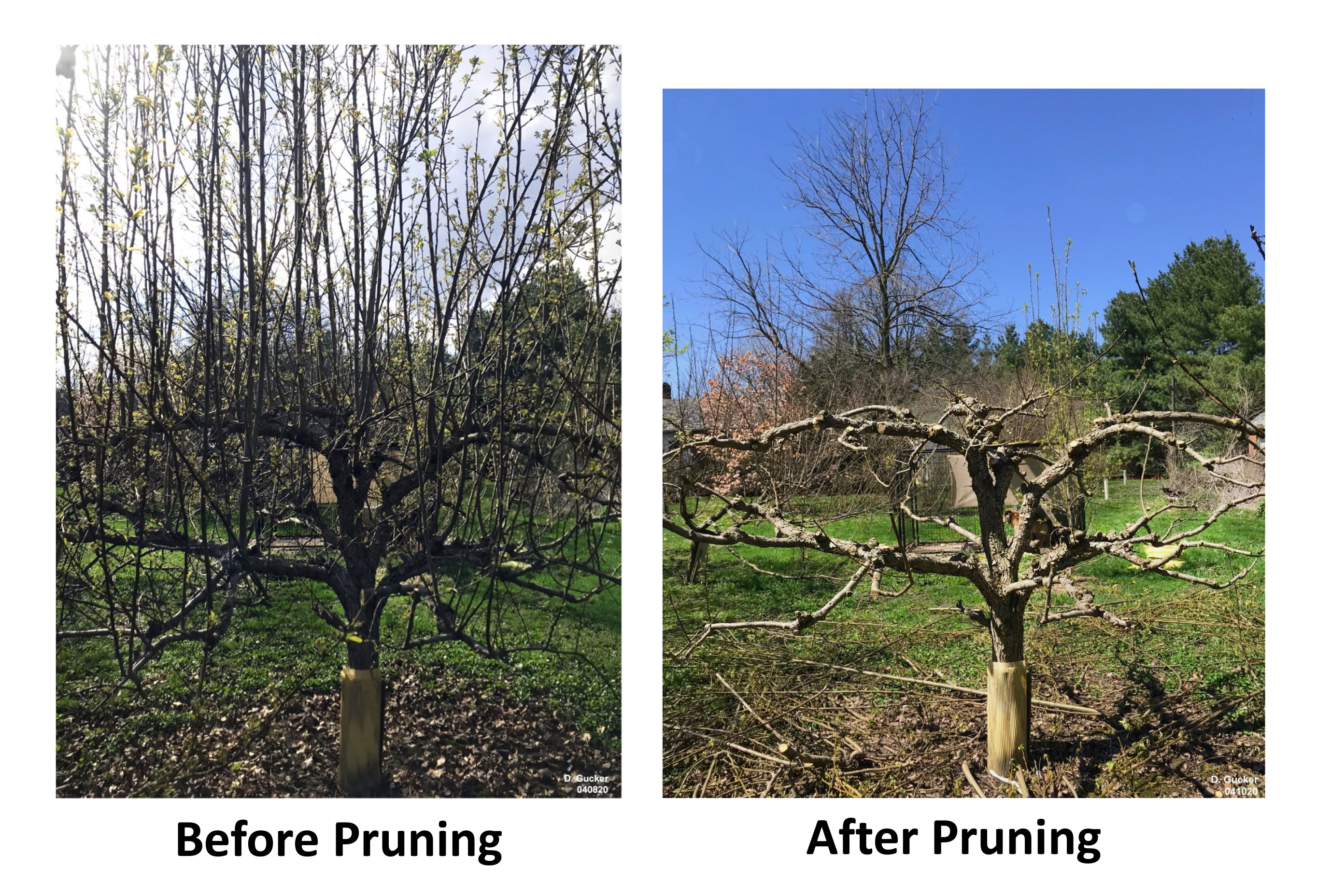
Weekly scouting is gold! Record trap counts, pest sightings, beneficial insects (hello, ladybugs! 🐞), and weather conditions. Include a seasonal pest calendar to stay ahead.
Example Entry 📝:
| Date | Pest | Count | Action Taken | Notes |
|---|---|---|---|---|
| April 10 | Aphids | 15/tree | Released ladybugs | Rainy week—monitor closely! |
This data helps you reduce chemical use and support natural predators for eco-friendly orchard success.
4. Pruning, Training & Maintenance Records ✂️🌳
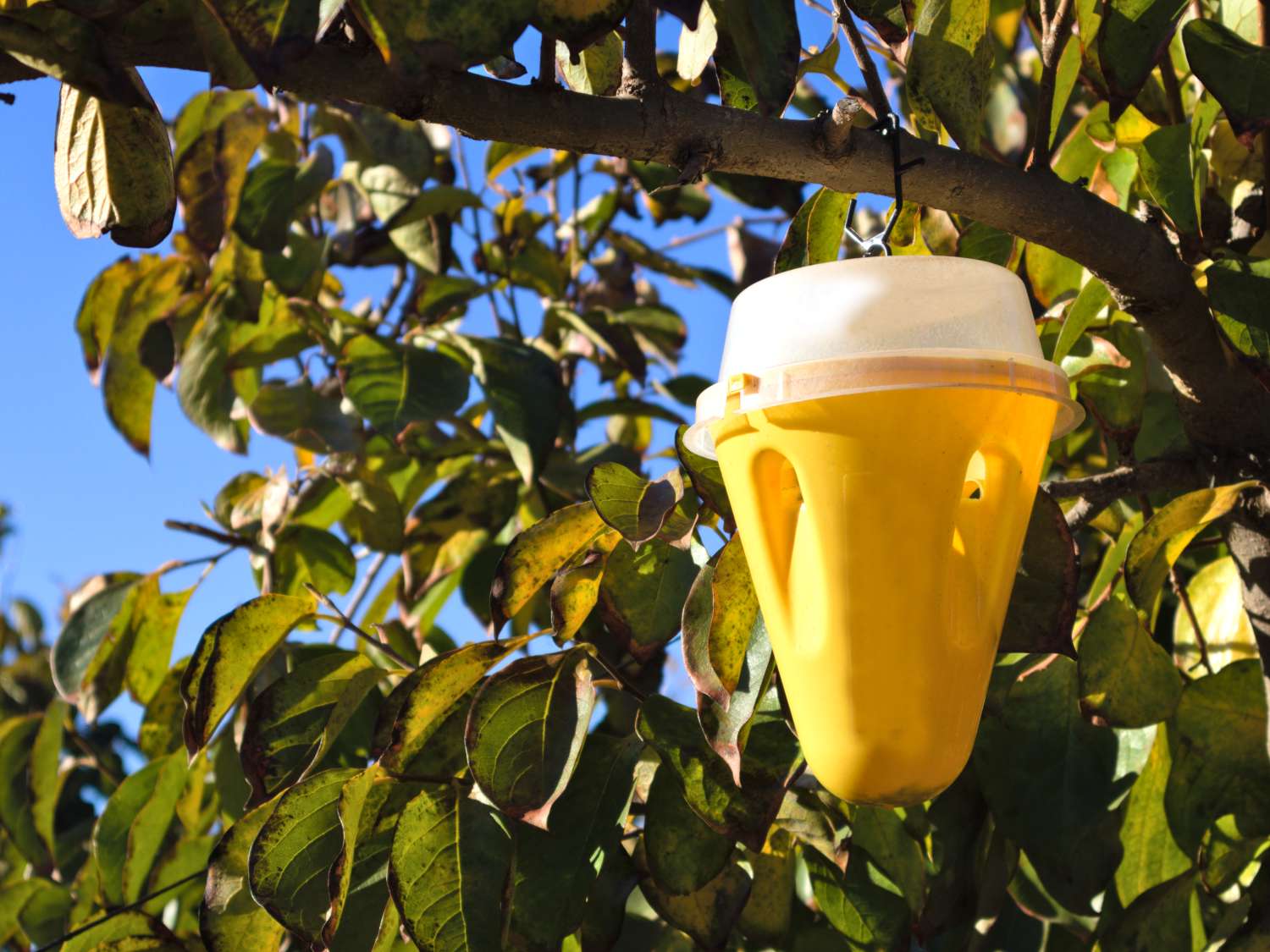
Pruning is one of the most impactful practices in orchard management, yet many growers forget what worked last season. Keep detailed notes on pruning dates, techniques used (central leader, open vase, espalier, etc.), branches removed, and before/after photos.
Why timing records prevent disasters: Pruning at the wrong time can invite disease or reduce next year’s fruit set. Your logs help you refine timing based on your local microclimate and tree response.
Pro Tip: Add a simple rating (1–5) for tree response after each pruning session. Over 3–5 years, you’ll develop a personalized pruning calendar that delivers stronger structure and higher fruit quality. 😊
5. Soil, Fertilizer & Water Logs 💧🌍
Healthy soil is the backbone of any successful orchard. Record soil test results (pH, NPK, micronutrients), amendment types and quantities, application dates, and irrigation schedules.
Track trends year-over-year: Is your soil becoming more acidic? Are potassium levels dropping after heavy cropping? These insights prevent over-fertilizing (which wastes money and harms the environment) and under-fertilizing (which weakens trees).
H3: Tracking pH and Nutrient Trends Year-Over-Year Create a simple line chart in your spreadsheet showing pH movement. Many growers see dramatic improvements in tree vigor simply by correcting imbalances early. Include compost applications, cover crop performance, and mulch thickness for regenerative orchard practices. 🌱
6. Harvest & Yield Data 📊🍏
This is where the magic happens! Record picking dates, total yield per tree or per variety, fruit quality (size, sweetness, blemishes), and storage performance.
How yield maps reveal your most productive trees: After a few seasons, you’ll clearly see which trees thrive in your specific soil pockets and which need extra care. This data guides future grafting, replanting, or thinning decisions for bigger, sweeter harvests.
Bonus: Note weather during bloom and fruit set—patterns often explain why one year produced a bumper crop while another was average. 🍒📈
7. Weather & Microclimate Observations ☀️🌧️
Don’t rely solely on the nearest weather station—your orchard may have unique frost pockets or wind patterns. Log local rainfall, temperature extremes, frost events, and humidity.
Integrate free weather apps or a simple rain gauge with your notes. Over time, this builds a hyper-local climate profile that helps you time sprays, pruning, and harvest more accurately than generic advice ever could.
Choosing the Right Record-Keeping System for Your Orchard 🖥️📓
Paper Journals vs. Digital Apps: Pros, Cons & Hybrid Solutions
Paper feels satisfying and requires no electricity, but it’s harder to search and backup. Digital apps offer searchability, photo integration, and reminders—but can feel overwhelming for beginners.
Recommended Hybrid Approach: Use a simple notebook for quick field notes + a digital spreadsheet or app for long-term analysis. This combination gives you the best of both worlds.
Here’s a quick comparison:
| System | Pros | Cons | Best For |
|---|---|---|---|
| Paper Journal | Simple, tactile, no tech | Hard to search, no backups | Beginners, small orchards |
| Digital App | Searchable, photos, reminders | Learning curve, battery needed | Larger orchards, data lovers |
| Hybrid | Flexibility + reliability | Requires discipline | Most growers (recommended) |
Top 5 Beginner-Friendly Tools (2026 Updated)
- Google Sheets – Free, customizable templates, easy sharing
- FarmLogs or Orchard Management Apps – Specialized features for fruit trees
- Notion – Beautiful databases with photos and checklists
- Evernote / OneNote – Great for photo-heavy records
- Simple Paper Planner – For those who love writing by hand
Building Your Own Custom Spreadsheet (Step-by-Step Tutorial)
- Create tabs for each record type (Inventory, Health, Harvest, etc.)
- Add columns for Date, Tree ID, Observation, Action, Notes, Photo link
- Use conditional formatting for quick visual alerts (red for pest spikes)
- Add a Dashboard tab with yearly summaries
I’ve helped dozens of growers set this up in under an hour—it pays for itself in the first season!
Step-by-Step Guide: Set Up a Sustainable Record-Keeping Routine in One Weekend ⏰🌟
You don’t need months to get started. Follow these five simple steps and you’ll have a working system by Sunday evening:
- Gather your baseline data – Walk your orchard and note what you already know about each tree.
- Create your master template – Choose paper, spreadsheet, or app and set up the core categories.
- Schedule weekly 10-minute check-ins – Tie it to a pleasant routine (morning coffee works wonders ☕).
- Build the habit with cute visual reminders – Use colorful stickers or emoji calendars in your planner.
- Review & refine quarterly – Spend one relaxed afternoon comparing seasons and adjusting your approach.
Consistency beats perfection. Even imperfect records are far better than none!
Turning Raw Records Into Actionable Insights 🔍📈
Spotting Patterns That Save Your Trees
Example: You notice leaf yellowing always appears two weeks after heavy spring rains. Your records reveal a manganese deficiency pattern—easy to correct with targeted foliar spray next season.
Predictive Record-Keeping: Forecast Problems Before They Happen
After three years, you’ll predict pest pressure based on previous weather + bloom timing. This allows preventive (instead of reactive) orchard management, reducing chemical use and stress on trees.
Data-Driven Decisions for Bigger, Sweeter Harvests
Use yield data to decide which varieties to expand and which to replace. Many growers report 20–40% yield improvements simply by repeating what worked and stopping what didn’t.
Real-Life Orchard Success Stories 🌟🍒
Case Study 1: Backyard Apple Grower in Temperate Climate Sarah started with messy notes and inconsistent yields. After implementing simple digital logs, she identified a pruning timing issue and adjusted. Result: Yield doubled in three years, with noticeably healthier trees and fewer disease problems.
Case Study 2: Small Commercial Cherry Orchard A 3-acre grower faced a devastating aphid outbreak. His detailed pest and weather logs helped him understand the exact conditions that triggered it. The following year, he released beneficial insects at the perfect time and saved 85% of the crop.
These stories aren’t exceptions—they’re repeatable when you treat record-keeping as a core orchard practice.
Common Record-Keeping Mistakes (And How to Avoid Them Forever) ⚠️🚫
- “Too much detail” burnout → Start small. Focus on 3–4 key records first.
- Inconsistent timing → Set phone reminders or link it to existing chores.
- Ignoring photos and visual proof → Take quick snaps— they’re worth a thousand words later.
- Failing to back up digital records → Use cloud storage (Google Drive, Dropbox) automatically.
Avoid these pitfalls and your system will serve you for decades.
Expert Pro Tips from Veteran Orchardists 👨🌾🌳
- Keep a “Lessons Learned” section at the end of each season.
- Integrate records with regenerative practices: track cover crop performance and soil organic matter.
- Use seasonal record-keeping calendar: Spring (bloom & pest), Summer (water & harvest), Fall (soil & pruning), Winter (planning).
- Photograph everything—tree canopy, fruit clusters, soil texture. Visuals make patterns obvious.
These advanced shortcuts come from growers with 20+ years of experience and can accelerate your success dramatically.
Conclusion: Your Orchard’s Future Starts in Your Notebook (or App) 🌈🍎
Record-keeping tips for long-term orchard success are truly transformative. When you document planting history, tree health, pest activity, soil conditions, pruning, and harvests, you stop guessing and start growing with confidence.
Your trees will be healthier, your harvests more abundant, and your orchard more resilient to whatever the seasons bring. Start today with just one category—perhaps a simple tree inventory or harvest log. Small consistent steps create massive long-term results.
I’d love to hear how you implement these record-keeping tips for long-term orchard success in your own orchard. Share your favorite system or biggest “aha” moment in the comments below!
Happy growing, and may your trees thrive for generations! 🌳🍏✨
Frequently Asked Questions ❓
Q: How often should I update my orchard records? A: Weekly during the growing season (10–15 minutes) and monthly in dormant seasons is ideal. Consistency matters more than volume.
Q: What’s the easiest free tool for beginners? A: Google Sheets combined with a simple notebook. It’s flexible, free, and grows with your orchard.
Q: Can record-keeping help with organic certification? A: Absolutely! Detailed logs of inputs, practices, and observations make certification audits much smoother and demonstrate your commitment to best practices.
Q: How do I keep records when I have hundreds of trees? A: Use tree IDs, batch similar varieties, and focus on block-level data with spot checks on individual trees. Digital tools with search functions make this manageable.
Q: Do photos really make a difference in long-term success? A: Yes! Photos provide objective visual evidence of changes over time and help identify subtle problems early.
Q: Should I track beneficial insects too? A: Definitely. Noting ladybugs, lacewings, and birds helps you measure the success of your ecological balance efforts.
Q: How long should I keep old records? A: At least 5–7 years. Many patterns only become clear after several seasons.











