
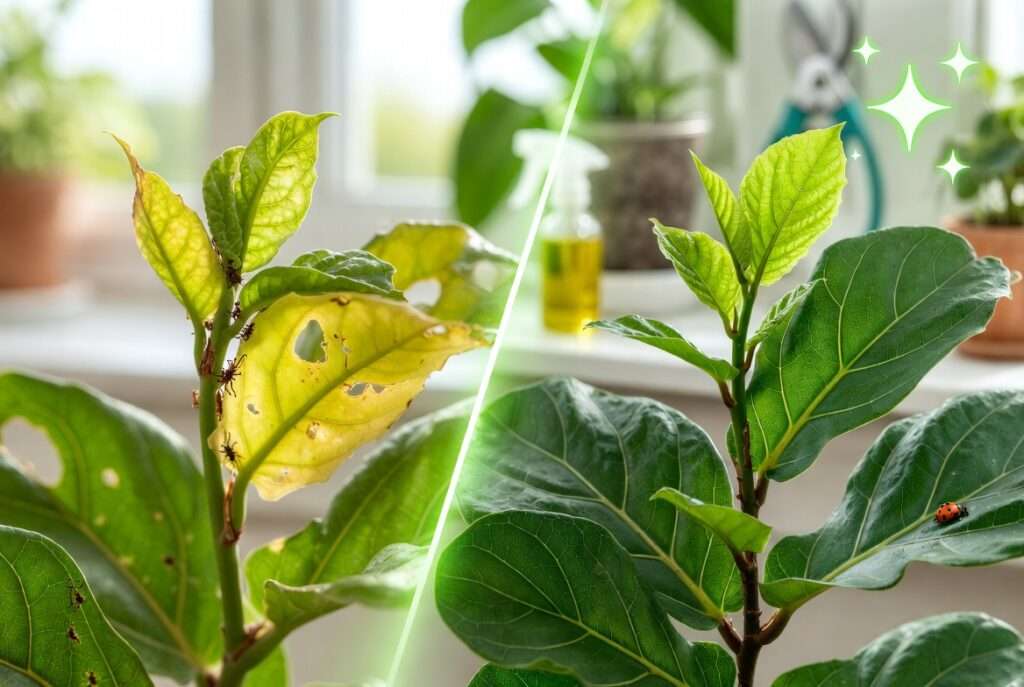
Imagine walking into your garden or indoor plant corner only to find your once-vibrant monstera or cherished citrus tree looking sad and defeated — leaves curled, yellowed, or covered in sticky honeydew, with tiny pests still lurking underneath. 😔 The recovery process after pest infestation can feel overwhelming, but here’s the good news: with patience, the right steps, and expert-guided care, most plants and trees can bounce back stronger than before.
Pests like aphids, spider mites, scale insects, or borers drain sap, chew foliage, and sometimes spread diseases, leaving your green friends stressed and vulnerable. Yet many beloved houseplants and landscape trees recover fully when you address the damage systematically. This comprehensive guide walks you through a proven, step-by-step recovery process after pest infestation tailored for home gardeners and tree enthusiasts. You’ll learn how to assess damage, safely eliminate remaining threats, prune strategically, restore soil and roots, provide gentle nutrition, optimize growing conditions, and prevent future outbreaks.
Whether you’re dealing with a houseplant ravaged by spider mites or a backyard tree hit by scale, this skyscraper-level resource offers deeper insights, practical examples, and eco-friendly tips than typical articles. Let’s give your plants the second chance they deserve! ✨💚
Understanding the Impact of Pest Infestation on Plants and Trees 🐛
Pest infestations weaken plants in multiple ways. Sap-sucking insects (aphids, mealybugs, scale, spider mites) remove vital fluids, causing leaves to yellow, wilt, or drop. Leaf-chewers create holes and ragged edges, while root-damaging pests or borers compromise the plant’s foundation. Many pests also transmit viruses or create entry points for fungal and bacterial diseases.
Common signs of damage include:
- Sticky residue (honeydew) on leaves or surfaces below
- Webbing, sooty mold, or distorted new growth
- Speckled or bronzed foliage (typical of spider mites)
- Wilting despite adequate water
- Stunted growth or dieback on branches
Recovery potential varies widely. Houseplants often rebound faster because you control their environment more easily. Outdoor trees, especially mature ones, have greater reserves but face additional stresses like weather extremes. Young or recently transplanted specimens are more vulnerable, while healthy perennials usually recover better than annuals. Key influencing factors include the plant species, infestation severity and duration, pre-infestation health, soil quality, and current season/climate.
In tropical or humid regions (like many areas in Bangladesh), pests can multiply quickly, making prompt action essential. Early intervention during the recovery process after pest infestation dramatically improves outcomes.
Step 1: Assess the Damage and Identify Remaining Threats 🔍
The first critical step in any recovery process after pest infestation is a thorough assessment. Rushing into treatments without understanding the full picture can waste time or cause more harm.
How to inspect properly:
- Examine leaves (tops and undersides), stems, new growth, and soil surface.
- Use a magnifying glass or phone macro lens for tiny pests like spider mites or thrips.
- Check for active pests versus old damage (empty scale covers or webbing without live mites).
- Gently shake a branch over white paper to dislodge and identify moving insects.
Distinguish pest damage from other issues: Overwatering often causes soft, mushy roots and uniform yellowing, while nutrient deficiencies show specific patterns (e.g., interveinal chlorosis). Sunburn appears as bleached patches on exposed leaves. Take clear photos from multiple angles — these help when consulting local extension services or online plant communities.
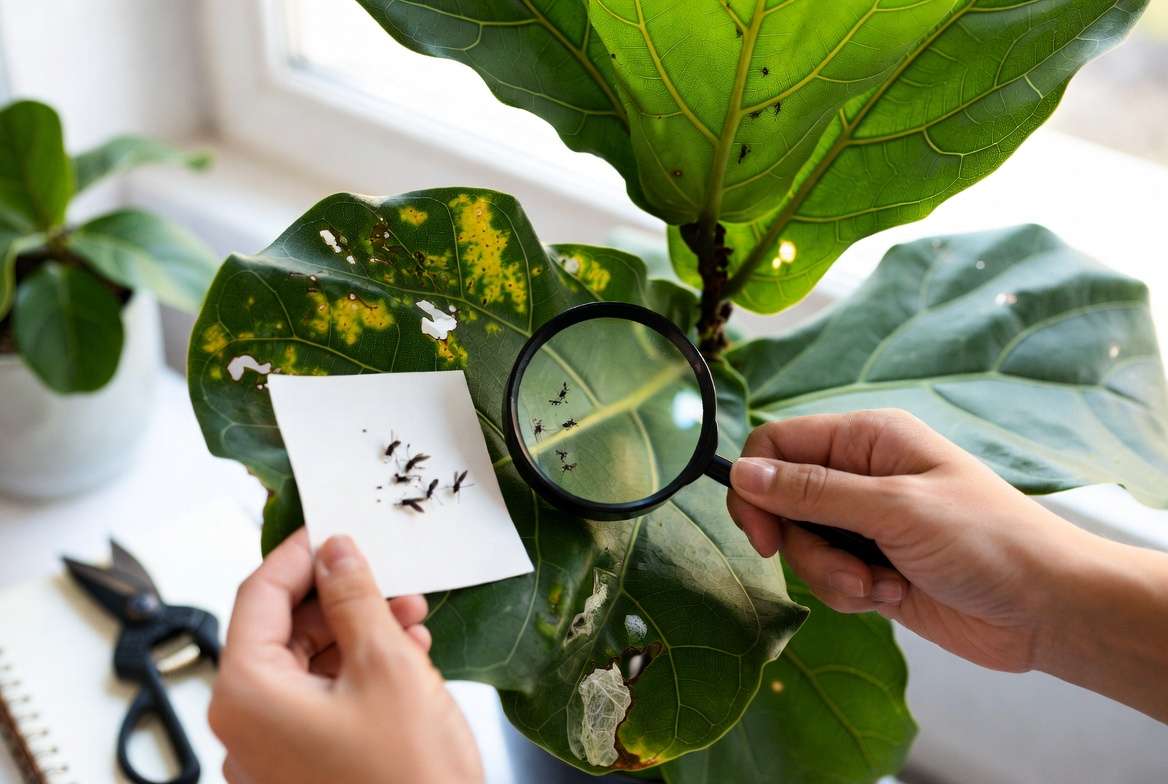
Tools you’ll need for proper assessment:
- Magnifying glass or hand lens
- White paper or tray
- Pruning shears (sterilized)
- Notebook or phone for notes and photos
- Soil moisture meter (optional but helpful)
Red flags — when to seek professional help:
- Extensive dieback on large trees (over 30-50% canopy loss)
- Signs of borers (sawdust-like frass or D-shaped exit holes)
- Suspected vascular diseases or root rot combined with pests
- Uncertainty about the pest identity in severe cases
Contact a certified arborist or local agricultural extension office if these apply. In many regions, university extension services offer free or low-cost diagnostics.
Step 2: Safely Remove Remaining Pests and Clean the Plant 🧼
Once you’ve assessed the situation, focus on eliminating active pests without adding extra stress.
Gentle physical removal techniques:
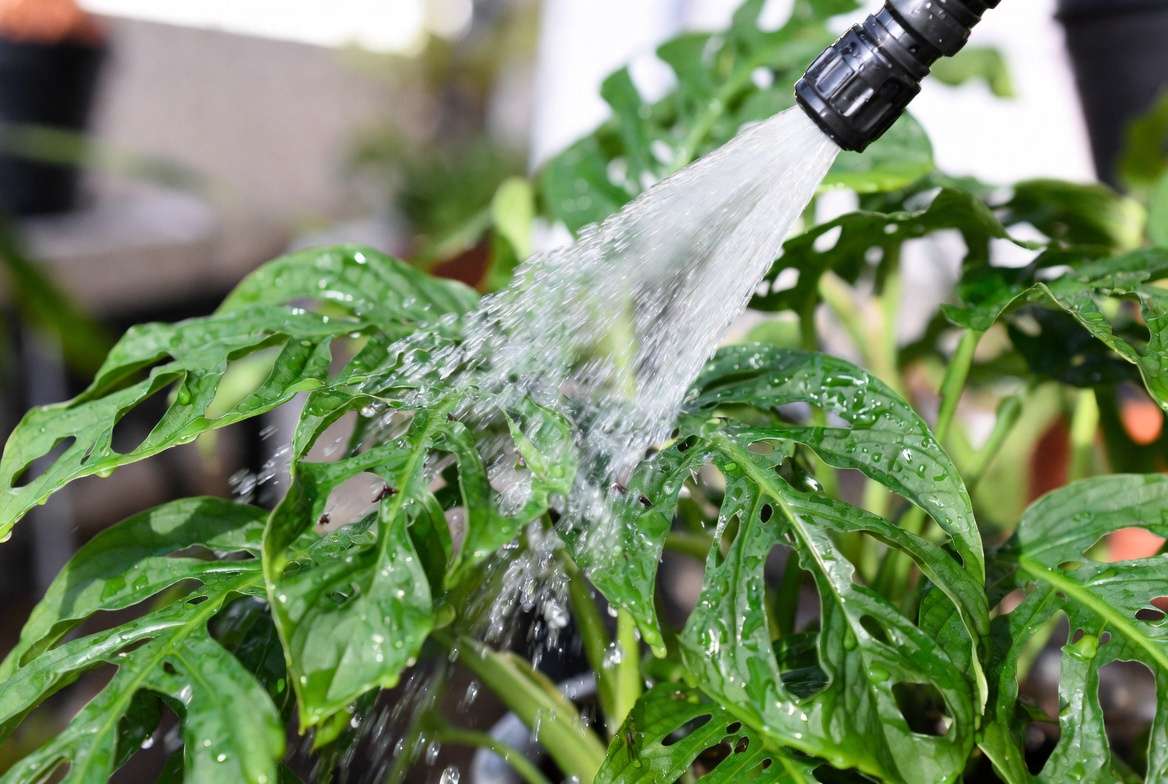
- Strong water spray: Use a hose (outdoors) or shower (indoors) to dislodge aphids, spider mites, and thrips. Repeat every few days. This is highly effective and chemical-free.
- Hand-picking or wiping: For larger pests like caterpillars or visible scale, remove manually with gloved hands or a soft cloth dipped in soapy water.
- Insecticidal soap or neem oil: These are safer options for moderate infestations. Mix according to label instructions and apply in the evening to avoid leaf burn. Neem oil also has some systemic properties and disrupts pest life cycles.
For thorough cleaning:
- Wipe leaves gently with a damp cloth to remove honeydew and sooty mold (which blocks photosynthesis).
- Avoid harsh chemicals immediately after heavy infestation, as stressed plants are more sensitive.
For trees: Prune heavily infested small branches rather than spraying the entire canopy. Always follow proper pruning cuts to promote healing.
Important safety notes: Protect beneficial insects like ladybugs and lacewings whenever possible — they are your natural allies in long-term control. Test any spray on a small leaf area first. In humid climates, ensure good airflow after treatment to prevent fungal issues. 🐞
Step 3: Prune Damaged Parts Strategically ✂️
Strategic pruning redirects the plant’s energy from damaged tissue to healthy growth — a key part of the recovery process after pest infestation.
Rules for pruning after pest damage:
- Remove dead, heavily infested, or diseased parts first. Cut back to healthy tissue just above a node or bud.
- For trees, use the “three-cut method” for larger branches to prevent tearing.
- Limit removal to no more than 20-25% of the canopy at once for stressed plants to avoid shock.
- Best timing: Prune during the plant’s active growing season when recovery is faster, or in dormancy for deciduous trees.
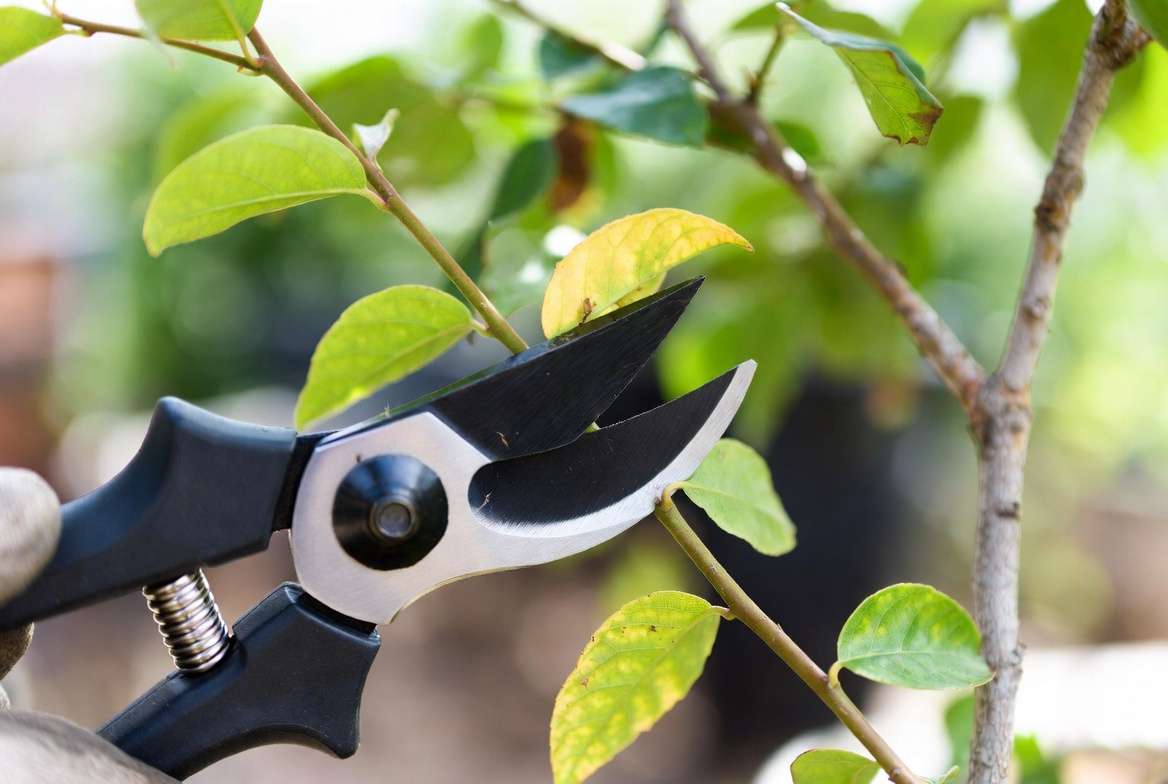
Sterilize tools between cuts with rubbing alcohol or a 10% bleach solution to avoid spreading pathogens.
Pruning dos and don’ts for stressed plants:
- Do: Make clean, angled cuts; remove crossing or inward-growing branches for better airflow.
- Don’t: Top the tree or remove too much foliage at once; use dull tools that crush tissue.
Proper pruning improves light penetration and air circulation, reducing future pest habitats. Many plants respond with vigorous new growth within weeks when combined with good care.
Step 4: Optimize Watering, Soil, and Root Care for Recovery 💧
Stressed plants are particularly sensitive to watering mistakes. Inconsistent moisture is one of the biggest reasons recoveries fail.
Adjusting watering routines:
- Water deeply but less frequently to encourage deep root growth. Check soil moisture by inserting a finger 1-2 inches deep — water only when it feels dry.
- Avoid overhead watering on recovering foliage to minimize disease risk. Water at the base early in the morning.
- For severely stressed plants, a bottom-soak (placing the pot in a tray of water for 30-60 minutes) can rehydrate roots gently.
Checking and improving soil:
- Poor drainage often worsens pest damage by stressing roots. Ensure pots have drainage holes and use well-aerated mixes.
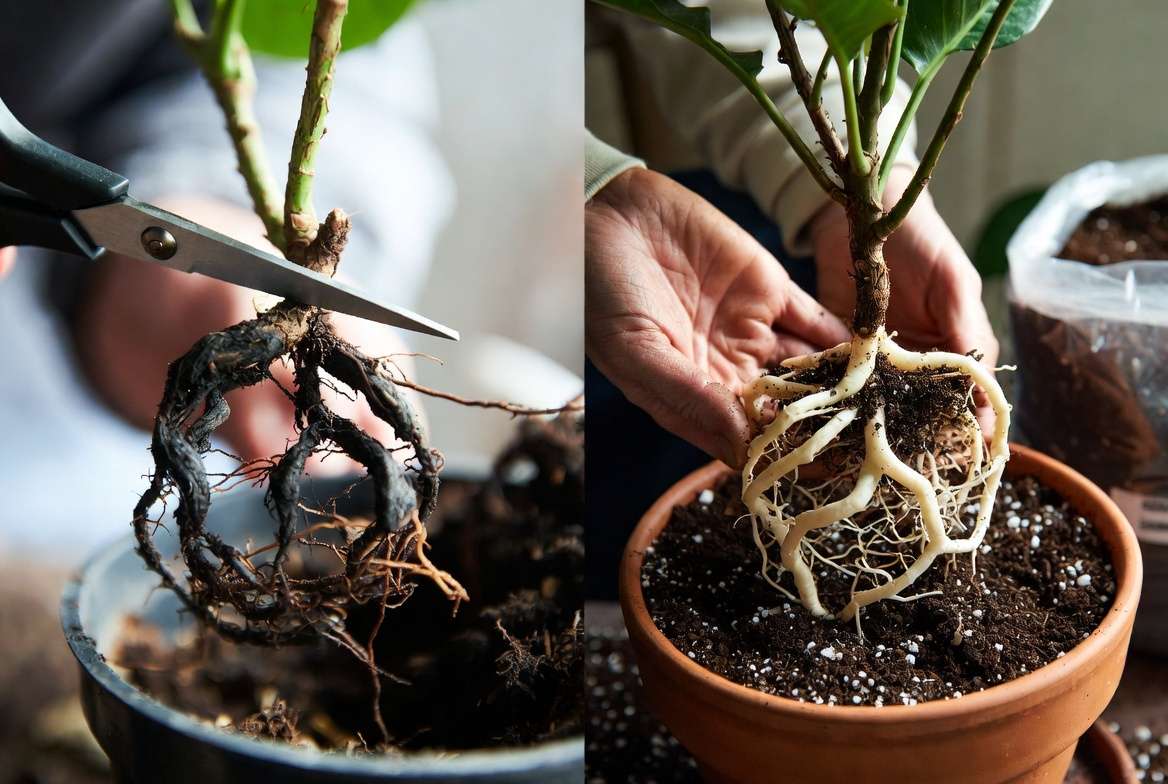
- Gently remove the plant from its pot (if potted) to inspect roots. Healthy roots are white or light-colored and firm; trim away dark, mushy, or rotten sections with sterilized shears.
Repotting or root recovery techniques:
- Repot only if roots are circling tightly, soil is compacted, or root rot is present. Use fresh, sterile potting mix amended with perlite or orchid bark for better drainage.
- For in-ground trees, improve soil around the drip line with compost — avoid piling mulch against the trunk (volcano mulching).
Natural soil amendments like compost, worm castings, or mycorrhizal fungi help restore beneficial microbes and support root revival. These additions improve nutrient uptake and plant resilience during recovery.
Step 5: Provide Gentle Nutrition and Boost Plant Immunity 🌿🍵
Stressed plants after a pest infestation have reduced ability to take up nutrients, so harsh synthetic fertilizers can actually burn roots or cause further imbalance. The key is gentle, organic nutrition that supports recovery without overwhelming the plant.
Why wait before feeding? Immediately after heavy pest damage or treatment, plants need time to stabilize. Start nutrition support 7–14 days after pest removal and initial cleaning, once new signs of stability appear (e.g., no further wilting).
Recommended gentle options:
- Diluted compost tea: Brew aerated compost tea by steeping high-quality compost in water for 24–48 hours with aeration (or use a simple bucket method). This delivers beneficial microbes, mild nutrients, and helps suppress diseases. Apply as a soil drench or light foliar spray every 10–14 days. Compost tea is particularly effective because its microbes improve soil biology and help plants resist future stress.
- Seaweed/kelp extracts: These provide natural growth hormones (auxins, cytokinins), trace minerals, and help with stress recovery. Dilute to half strength for recovering plants.
- Worm castings or vermicompost tea: Rich in beneficial bacteria and gentle nutrients.
- Vitamin B1 supplements (root stimulators): Often recommended for transplant shock or stressed roots, though evidence is mixed — they won’t hurt and may help root regrowth.
Foliar feeding vs. soil application: During early recovery, light foliar sprays (early morning or evening) can deliver nutrients directly to leaves while roots recover. Once the plant shows new growth, shift primarily to soil applications.
Timeline for feeding:
- Weeks 1–2: Focus on hydration and pest removal only.
- Weeks 2–4: Introduce very diluted organic feeds.
- After 4–6 weeks: Gradually return to normal feeding schedule as vigorous new growth appears.
Avoid high-nitrogen fertilizers early on, as they encourage soft, succulent growth that attracts pests again. In humid climates, balanced or slightly phosphorus-rich feeds support root and overall resilience.
Step 6: Create Ideal Environmental Conditions for Healing ☀️💨
Environmental stress compounds pest damage, so optimizing conditions is crucial in the recovery process after pest infestation.
Light management: Move the plant to bright, indirect light. Too much direct sun can scorch weakened leaves; too little slows recovery. For trees, ensure pruned areas receive adequate light for new shoots. Gradually reintroduce to normal light levels over 1–2 weeks.
Temperature and humidity: Most tropical houseplants prefer 65–80°F (18–27°C) during recovery. Avoid cold drafts or sudden temperature swings. Increase humidity with a pebble tray, humidifier, or grouping plants together — but ensure good airflow to prevent fungal diseases. Spider mite damage often occurs in dry conditions, so raising humidity helps prevent recurrence.
Quarantine and isolation best practices 🛡️:
- Keep the recovering plant separate from your healthy collection for at least 2–4 weeks.
- Inspect daily for any returning pests.
- Use a dedicated watering can or tools for the quarantined plant to avoid cross-contamination.
For outdoor trees, protect from extreme wind, heavy rain, or frost during recovery. Mulch around the base (keeping it away from the trunk) to conserve moisture and moderate soil temperature.
Monitoring Progress and Timeline for Recovery 📈🌱
Patience is essential — recovery doesn’t happen overnight. Here’s a realistic timeline based on horticultural experience:
- First 1–7 days: Focus on pest removal and stabilization. Leaves may look worse before better as the plant sheds damaged tissue.
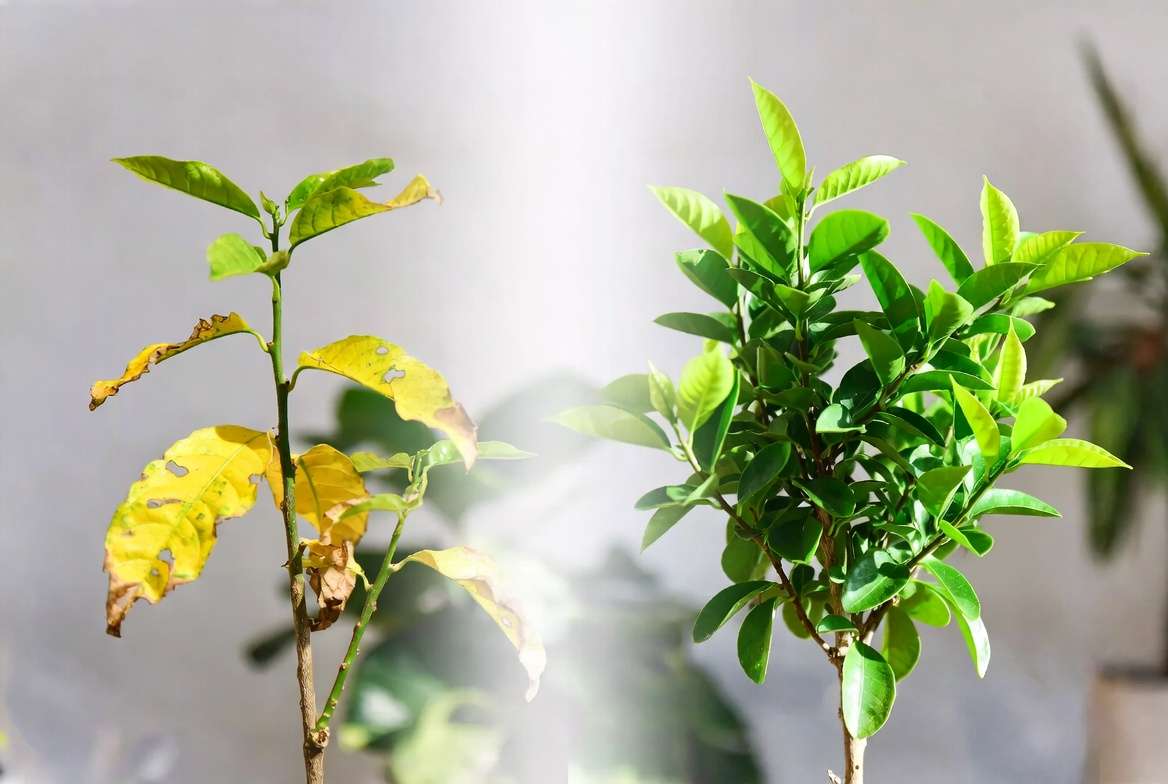
- Weeks 2–4: New growth often begins at growing tips. Perked-up leaves and firmer stems indicate progress. For many houseplants, visible improvement appears within 2–4 weeks after pests are eliminated.
- 1–3 months: Significant foliage recovery and stronger structure. Full return to pre-infestation appearance can take 2–3 months or longer for severe cases.
- Trees: Larger specimens may show slower visible recovery (new leaves the following season), but root and vascular health improves gradually.
Signs of successful recovery:
- Bright, healthy new leaves (often smaller at first)
- Stronger stems and increased vigor
- No new pest activity
- Improved color and turgor (firmness) in existing leaves
Real-life recovery examples:
- Aphids on roses or hibiscus: After washing and pruning, new buds often emerge within 10–14 days with proper care.
- Scale on citrus trees: Manual removal + neem + improved nutrition can lead to clean new flushes in 4–6 weeks.
- Spider mites on monstera or fiddle leaf fig: Humidity increase + repeated water sprays often show clean new growth in 3–4 weeks.
- Borers on landscape trees: Early detection and pruning combined with soil care can save the tree, though canopy recovery may take a full growing season.
Track progress with weekly photos — this helps you stay motivated and spot subtle improvements.
Preventing Future Pest Infestations – Long-Term Plant and Tree Health Strategies 🛡️🌳
The best recovery process after pest infestation ends with strong prevention. Healthy, resilient plants resist pests better.
Build resilience through cultural care:
- “Right plant, right place” — match species to your light, soil, and climate conditions.
- Maintain consistent (but not excessive) watering and proper fertilization.
- Ensure excellent soil health with organic matter and good drainage.
Integrated Pest Management (IPM) principles for home gardeners:
- Prevention first: Inspect new plants thoroughly and quarantine them for 2–4 weeks.
- Monitoring: Weekly checks of leaf undersides and stems.
- Cultural controls: Good airflow, proper spacing, and removing debris.
- Mechanical controls: Hand-picking, water sprays, sticky traps.
- Biological controls: Encourage beneficial insects (ladybugs, predatory mites) by avoiding broad-spectrum sprays.
- Targeted treatments: Use neem oil, insecticidal soap, or horticultural oils only when needed.
Companion planting and natural deterrents: Marigolds, garlic, or basil near susceptible plants can help repel certain pests. Neem-based products serve dual roles as mild treatment and preventive.
Regular monitoring routine: Make plant inspection part of your weekly care ritual. Early detection prevents small problems from becoming major infestations.
Organic and eco-friendly prevention methods 🌿:
- Horticultural oils for dormant season on trees.
- Beneficial nematodes for soil-dwelling pests.
- Diatomaceous earth (food-grade) as a barrier.
- Maintaining biodiversity in your garden or indoor collection.
Common Mistakes to Avoid During the Recovery Process ⚠️
Even well-intentioned gardeners make these errors, which can set back recovery:
- Over-fertilizing — High-dose synthetic fertilizers burn stressed roots.
- Excessive pruning — Removing more than 25% of foliage at once shocks the plant.
- Ignoring root health — Focusing only on leaves while roots remain damaged.
- Rushing back to “normal” care — Returning to full sun or heavy watering too soon.
- Using harsh chemicals — These can further weaken already compromised plants.
- Poor quarantine — Allowing pests to spread to your entire collection.
- Overwatering — One of the most common issues that attracts pests and causes root rot.
- Neglecting airflow and humidity balance — Leading to secondary fungal problems.
Avoid these by following the gradual, step-by-step approach outlined here.
Expert Insights and Real-World Case Studies 👩🌾
As a plant care specialist with years of experience helping gardeners revive infested specimens, I’ve seen that consistent, gentle care yields the best results. University extension services (such as those from agricultural universities) consistently emphasize Integrated Pest Management and soil biology over quick chemical fixes.
In one common case, a severe mealybug infestation on a collection of indoor citrus plants was resolved by combining thorough cleaning, strategic pruning, compost tea applications, and improved humidity — resulting in full recovery within 8 weeks. Another example: a young mango tree in a tropical setting recovered from scale after soil amendments with mycorrhizae and targeted neem applications, producing healthy new flushes the following season.
Sustainable approaches prioritize long-term plant health over instant results. Always cross-reference with local extension resources for region-specific advice (e.g., humidity management in Dhaka’s climate).
Conclusion 💚✨
The recovery process after pest infestation doesn’t have to end in plant loss. By assessing damage thoroughly, safely removing pests, pruning strategically, optimizing water and soil care, providing gentle nutrition, creating supportive environments, and committing to prevention, you can nurse most plants and trees back to vibrant health.
Remember: New growth is the ultimate sign of success. With patience and these expert-backed steps, your green companions often emerge stronger, with improved resilience against future challenges. Many gardeners report their plants thriving more beautifully after recovery than before the infestation.
Start today by giving your affected plants a gentle inspection and quarantine if needed. Your efforts will reward you with lush foliage and the satisfaction of saving what matters.
Bookmark this guide, share your own recovery stories in the comments, and explore more plant care resources on our site. Your garden (or indoor jungle) can thrive again! 🌱🪴
Frequently Asked Questions About Plant Recovery After Pests ❓
Can a plant fully recover from a severe pest infestation? Yes, in most cases — especially if the roots remain healthy and you act promptly. Severe cases may lose some foliage permanently, but new growth can restore beauty over time.
How long does it take for a tree to recover after pest damage? Houseplants often show improvement in 2–6 weeks. Larger trees may take one full growing season for noticeable canopy recovery, though root health improves sooner with proper care.
Is it safe to use fertilizer immediately after treating pests? No — wait 1–2 weeks until the plant stabilizes. Start with very diluted organic options like compost tea to avoid burning stressed roots.
What are the best natural remedies for post-infestation recovery? Neem oil (for residual pests), insecticidal soap, strong water sprays, compost tea, seaweed extracts, and improved humidity/airflow rank among the most effective and gentle methods.
Should I repot my plant right after removing pests? Only if roots show rot, compaction, or circling. Otherwise, wait until the plant shows new growth to minimize additional stress.
How can I prevent pests from returning after recovery? Implement IPM: regular inspections, proper cultural care, quarantine new plants, encourage beneficial insects, and maintain healthy soil biology.











