
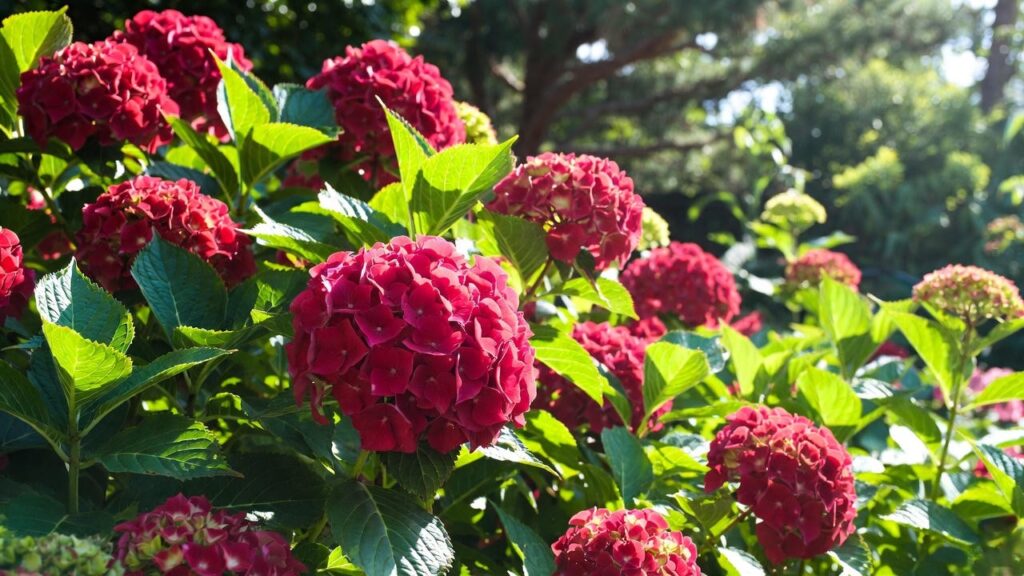
Imagine stepping into your garden on a warm summer morning and being greeted by massive clusters of vibrant red hydrangea plants in full, fiery bloom—bold, romantic, and turning heads from every angle. These showstoppers evoke passion and add dramatic flair to any landscape. Yet many gardeners face the heartbreak of pale pink flowers, sparse blooms, or colors fading to purple. The good secret? With the right knowledge, you can reliably grow and maintain true, intense red hydrangeas that bloom profusely all season long.
Red hydrangea plants captivate gardeners for good reason: their rich crimson hues symbolize love and heartfelt emotion, while their large mophead or lacecap blooms create a luxurious, cottage-garden vibe. As a horticulturist with over 15 years of hands-on experience cultivating hydrangeas across various climates—from coastal zones to colder inland regions—I’ve guided countless clients to achieve those envy-worthy red displays. In this comprehensive guide, we’ll dive deep into proven strategies for selecting varieties, mastering soil conditions, planting correctly, and ongoing care to ensure your red hydrangeas thrive with stunning, season-long color.
Whether you’re a beginner dreaming of your first red bloom or an experienced gardener troubleshooting fading colors, this article delivers actionable, expert-backed advice aligned with the latest horticultural insights as of 2025.
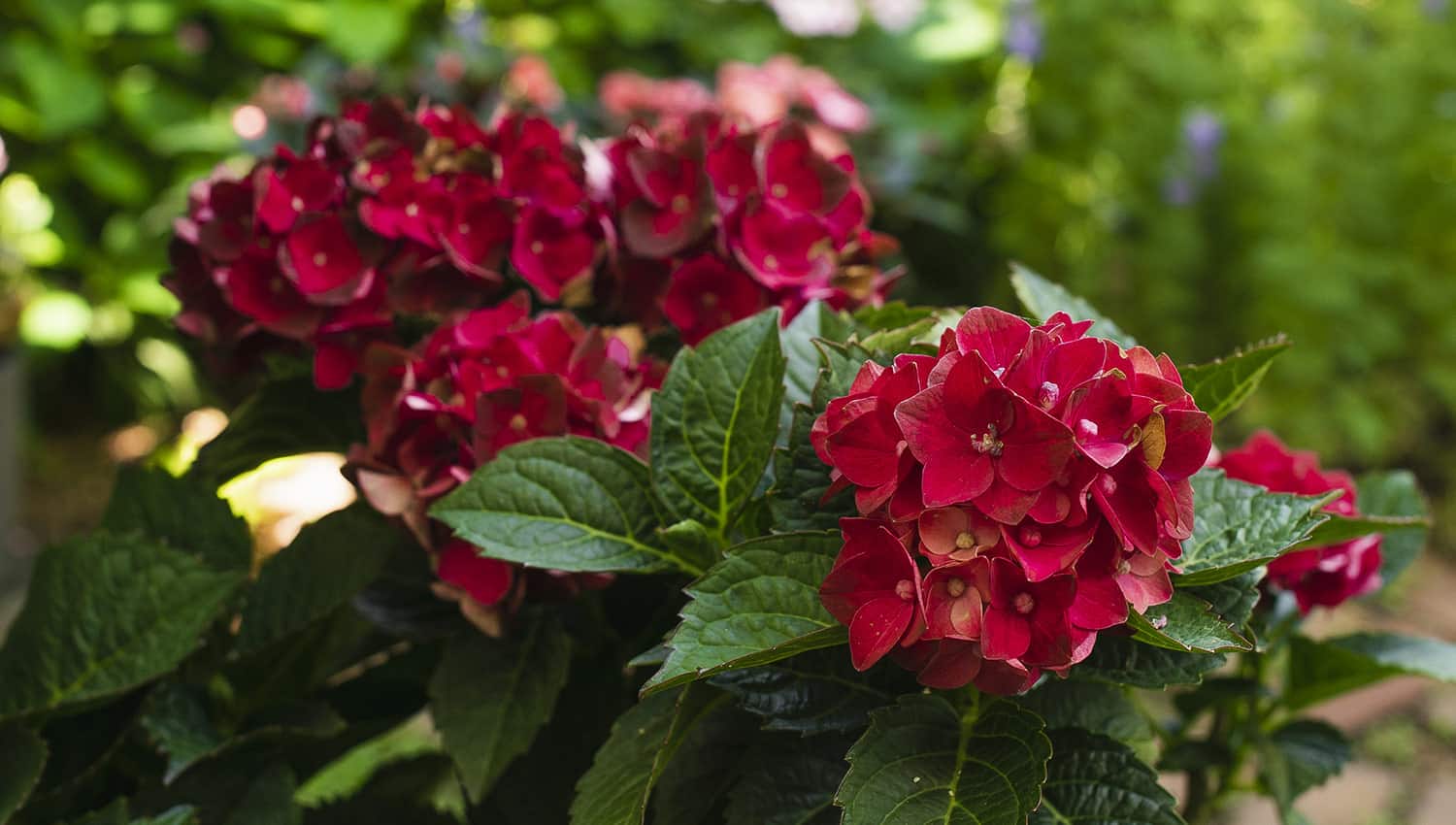
Understanding Red Hydrangea Plants: Varieties That Deliver True Red Blooms 🔴
Choosing the right variety is the foundation for success with red hydrangea plants. Not all hydrangeas produce reliable red tones—some shift dramatically based on soil pH, while others hold their color naturally.
Best Red Hydrangea Cultivars for Vibrant Color
Here are some of the top-performing red varieties in 2025, selected for color intensity, bloom reliability, and adaptability:
- Summer Crush® (Hydrangea macrophylla): One of the reddest bigleaf hydrangeas, with compact growth (3-4 feet) and massive raspberry-red mopheads. Reblooms reliably; zones 4-9. 🌟
- Tuff Stuff™ Red (Hydrangea serrata): A mountain hydrangea with deep pink-red lacecap blooms that rebloom from early summer to fall. Excellent cold hardiness (zones 5-9) and bud reliability.
- Fire Light® and Fire Light Tidbit® (Hydrangea paniculata): Panicle types starting white and aging to vivid pomegranate red. Extremely hardy (zones 3-8), with Tidbit being dwarf (2-3 feet) for smaller spaces.
- Invincibelle Ruby® (Hydrangea arborescens): Smooth hydrangea with rich ruby-red snowball blooms on new wood—guaranteed flowering even after harsh winters (zones 3-9).
- Magical® Ruby Red: Large, intense red mopheads on a reblooming bigleaf; holds color well in slightly acidic to neutral soils.
- Grateful Red®: Deep red-purple blooms aging to lavender; strong stems and burgundy fall foliage.
- Newer 2025 introductions like Heart Throb® offer even bolder crimson tones on compact plants.
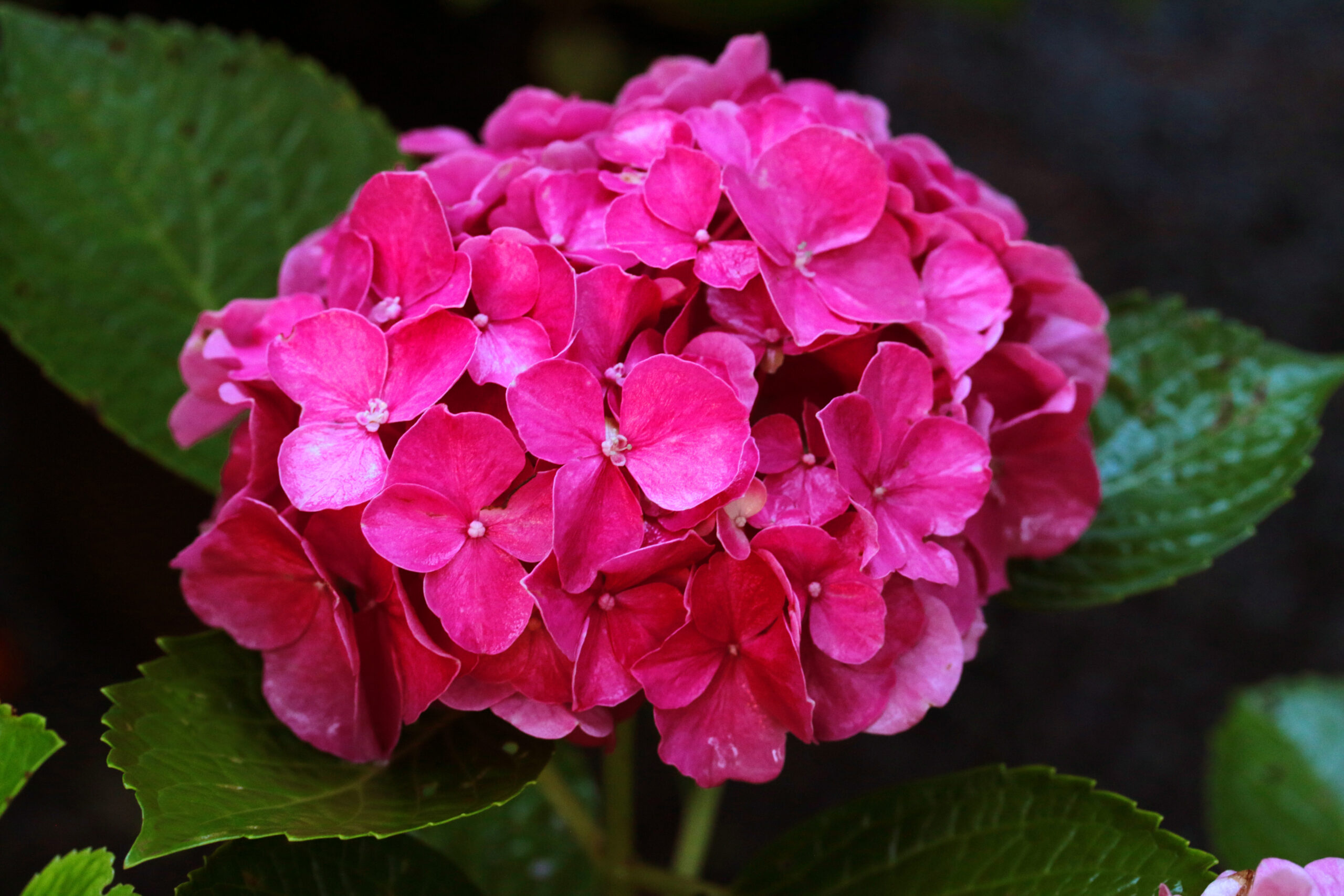
Bigleaf vs. Panicle Hydrangeas: Which Ones Stay Red?
- Bigleaf (H. macrophylla) and Mountain (H. serrata): Most color-changeable; red/pink in higher pH (6.0+), but can shift purple if aluminum is available.
- Panicle (H. paniculata) and Smooth (H. arborescens): Naturally age to red regardless of pH—ideal for consistent color without constant adjustments.
Expert Comparison Table:
| Variety Type | Color Reliability | Hardiness Zones | Bloom Time | Mature Size | Best For |
|---|---|---|---|---|---|
| Bigleaf/Mountain | pH-dependent | 5-9 | Summer-Fall | 3-6 ft | Dramatic mopheads/lacecaps |
| Panicle | High (ages to red) | 3-8 | Mid-Late Summer | 3-8 ft | Low-maintenance, sunny spots |
| Smooth | High | 3-9 | Summer | 3-5 ft | Native, reliable reblooming |
Ideal Growing Conditions for Red Hydrangeas 🌤️
Red hydrangeas thrive when their basic needs are met consistently.
Sunlight Requirements
Most prefer morning sun and afternoon shade (4-6 hours direct light). In hotter climates (zones 8-9), provide dappled shade to prevent scorch. Panicle types tolerate full sun better, rewarding with stronger stems and more intense red aging.
Soil Type and Preparation
Rich, well-draining loamy soil is ideal. Amend clay with organic matter (compost, pine bark) for drainage; lighten sandy soils with humus for moisture retention.
The Secret to True Red Color: Mastering Soil pH 🧪
For bigleaf and mountain varieties, soil pH controls aluminum availability—the key to color:
- Acidic soil (pH 5.0-5.5): More aluminum → blue/purple blooms.
- Neutral to slightly alkaline (pH 6.0-6.5): Less aluminum → pink/red blooms.
To encourage vivid red:
- Test soil annually (kits or lab tests recommended).
- Raise pH with garden lime (dolomite for magnesium boost) applied in fall/spring.
- Avoid over-acidifying; panicle/smooth types stay red naturally.
Changes may take 6-12 months; patience pays off!
Planting Red Hydrangeas: Step-by-Step Guide 🌱
Getting your red hydrangea plants off to a strong start is crucial for years of vibrant blooms. Poor planting is one of the most common reasons for failure to thrive.
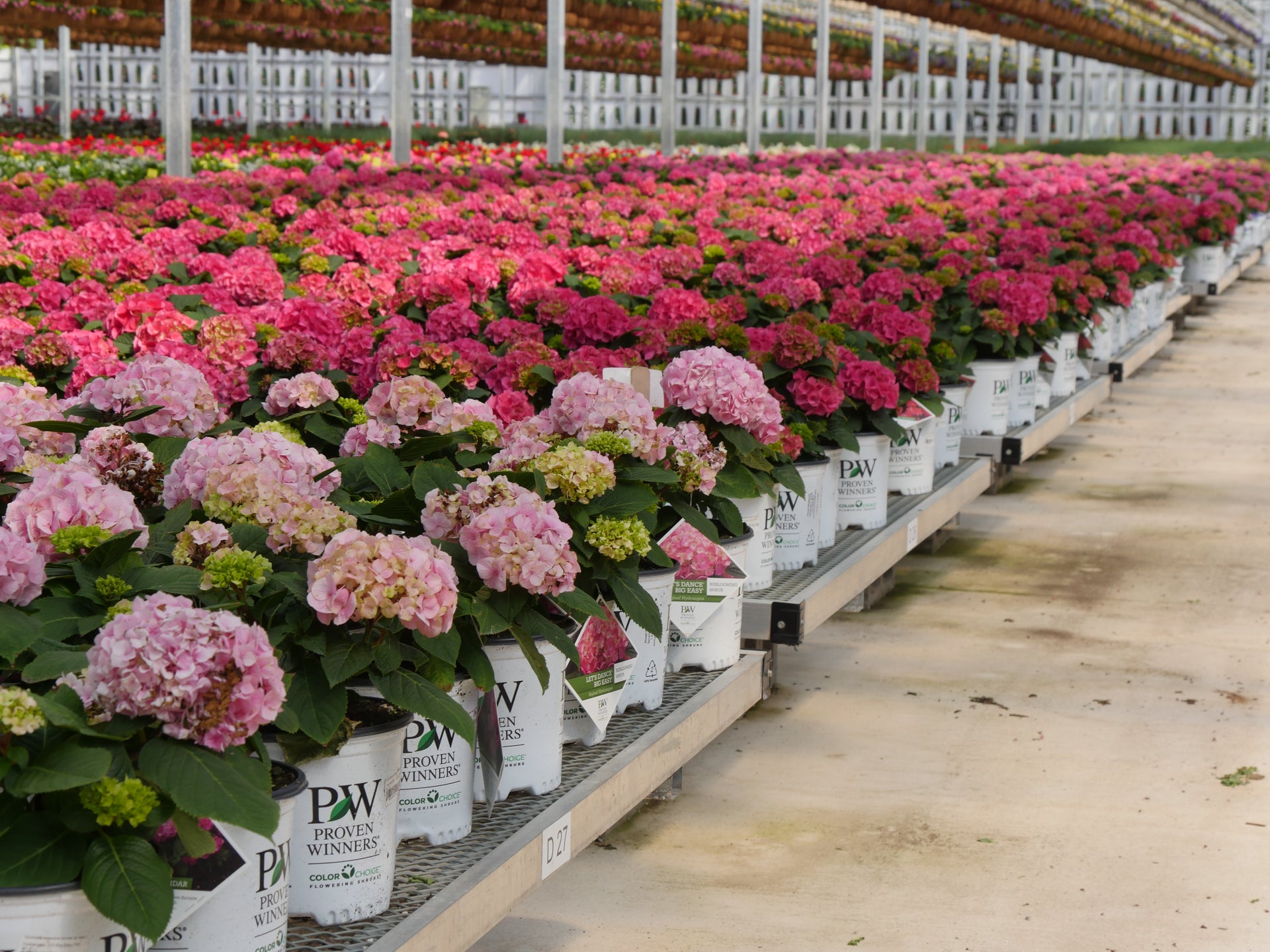
When to Plant (Spring vs. Fall)
- Spring: Ideal in colder zones (after last frost) for root establishment before summer heat.
- Fall: Best in milder climates (6-8 weeks before first frost) to allow roots to settle without transplant shock.
- Container-grown hydrangeas can be planted anytime, but avoid extreme heat or freeze.
Choosing and Preparing the Planting Site
Select a spot with morning sun and afternoon shade. Dig a test hole to check drainage—water should percolate within a few hours. Amend soil with 30-50% organic matter (compost, aged manure) for nutrient-rich, aerated roots.
Proper Planting Technique
- Dig a hole twice as wide and as deep as the root ball.
- Gently tease roots if pot-bound; don’t bury the crown (where stem meets roots).
- Backfill with amended soil, water deeply to settle.
- Apply 2-3 inches of organic mulch (pine bark or shredded leaves) to retain moisture and moderate soil temperature.
Container Growing Red Hydrangeas
Perfect for patios or pH control. Use pots at least 18-24 inches wide with drainage holes. Mix: 50% potting soil, 30% pine bark, 20% compost. Repot every 2-3 years; overwinter in garages for zones below 6.
Essential Care Routine for Thriving Red Hydrangeas 💧
Consistent care turns good plants into spectacular ones.
Watering Best Practices
Hydrangeas are thirsty—aim for 1-2 inches weekly, more in heat. Water at base to prevent fungal issues; drooping leaves signal thirst, but yellowing means overwatering. Use soaker hoses for deep rooting.
Fertilizing for Maximum Blooms
Use acid-loving plant fertilizers (e.g., Holly-tone or slow-release 10-10-10). Apply in early spring and midsummer. Avoid high-phosphorus for color stability; excess nitrogen causes leafy growth over flowers.
Pruning Red Hydrangeas Correctly ✂️
Pruning mistakes cause no blooms—know your type!
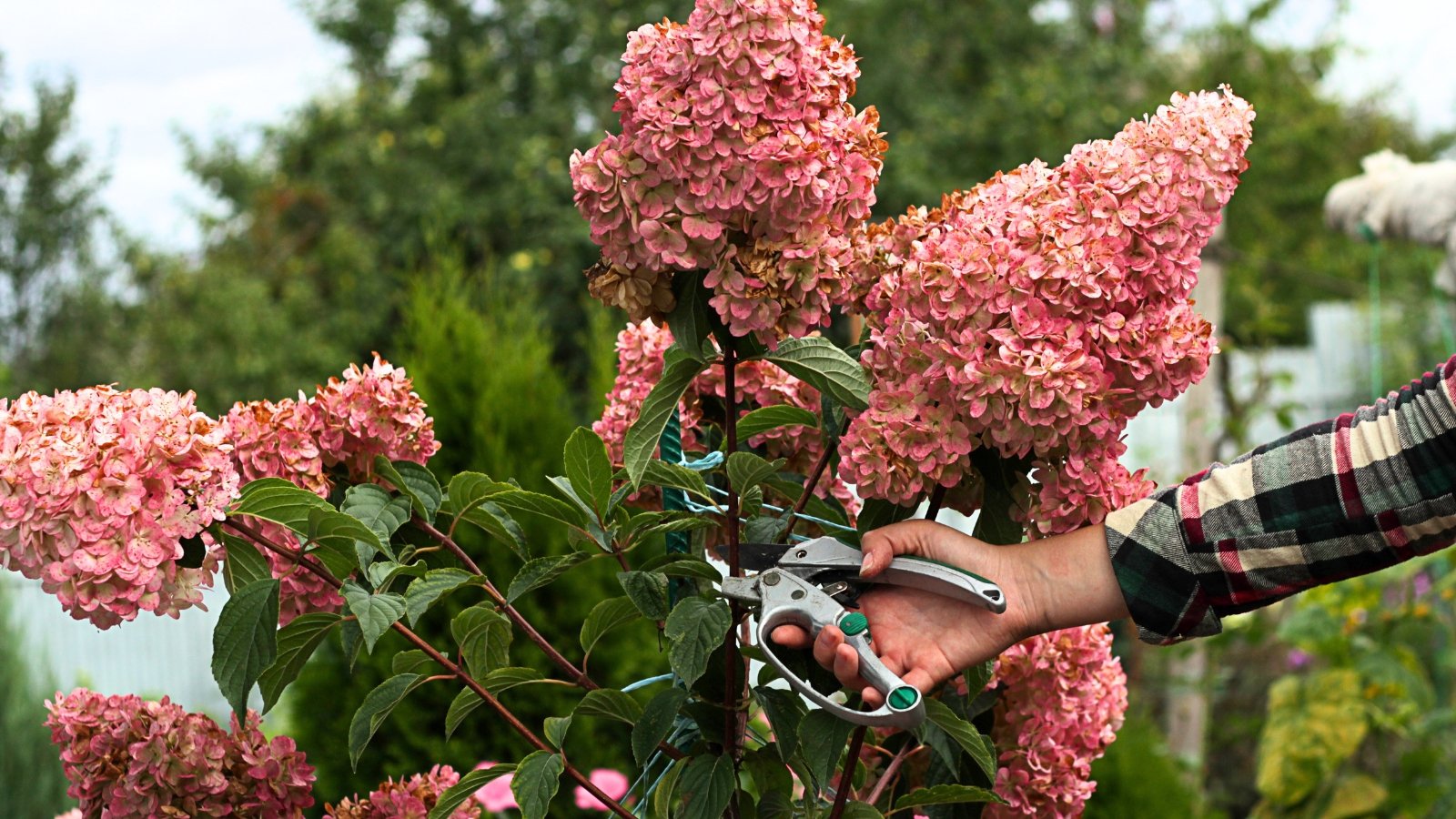
- Bigleaf/Mountain: Bloom on old wood—prune lightly right after flowering (remove spent blooms to first healthy buds).
- Panicle/Smooth: Bloom on new wood—prune hard in late winter/early spring (cut back to 12-18 inches for larger blooms).
- Always use clean, sharp tools; remove dead/damaged wood anytime.
Mulching and Winter Protection
Renew mulch annually. In zones 5 and below, pile leaves or wrap in burlap for protection. Panicle types need minimal winter care.
Troubleshooting Common Problems with Red Hydrangeas 🚨
Even experts face issues—here’s how to diagnose and fix.
Why Are My Hydrangeas Not Red? (Turning Pink or Purple)
For pH-sensitive types: Test soil—if too acidic, add garden lime (1 lb per 100 sq ft). Results show next season.
No Blooms or Weak Blooms
Causes: Wrong pruning, insufficient sun, nutrient imbalance, winter bud kill. Solution: Correct pruning, fertilize balanced, protect buds.
Pests and Diseases
- Aphids/Spider Mites: Hose off or use insecticidal soap.
- Powdery Mildew: Improve air circulation; neem oil.
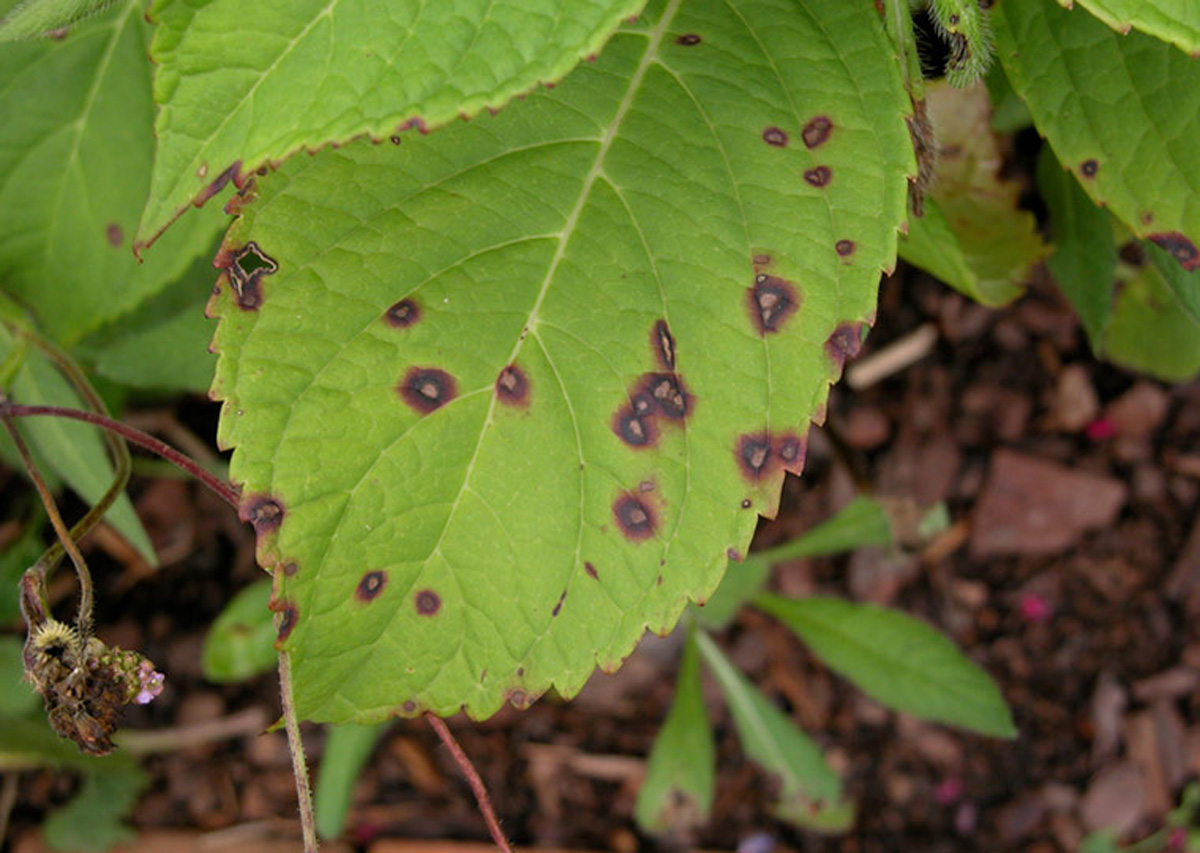
- Leaf Spot: Remove affected leaves; copper fungicide if severe.
Quick Symptom Chart:
| Symptom | Likely Cause | Fix |
|---|---|---|
| Fading to pink | Low pH (too acidic) | Apply lime |
| No flowers | Pruned old wood type late | Prune post-bloom |
| Wilting leaves | Under/over watering | Adjust schedule |
| White powder on leaves | Powdery mildew | Neem/fungicide + airflow |
Advanced Tips for Show-Stopping Red Blooms 🌟
Go beyond basics for professional results.

Boosting Color Intensity Naturally
Coffee grounds/acidifiers for blue—avoid for red! Use eggshells or wood ash sparingly for alkalinity.
Companion Planting Ideas
Enhance beauty and health:
:strip_icc()/GettyImages-1622275532-9db51029ee73428f9ae5f0f1c0c5f66b.jpg)
- Hostas/Ferns: Shade-loving foliage contrast.
- Astilbe/Coral Bells: Similar conditions, colorful accents.
- Boxwood/Evergreens: Structure year-round.
Forcing Red Blooms in Challenging Climates
Zones 4-5: Choose hardy rebloomers. Zones 8-9: Extra shade/mulch against heat stress.
Propagating Your Own Red Hydrangeas
Take 4-6 inch softwood cuttings in summer; dip in rooting hormone, pot in moist mix. Success rate 70-80% with bottom heat.
Seasonal Care Calendar for Red Hydrangeas 📅
A year-round schedule keeps your red hydrangea plants healthy and blooming reliably. Tailor to your USDA zone, but this general calendar works for most.
Early Spring (March–April)
- Prune panicle and smooth types hard (late winter/early spring).
- Lightly deadhead bigleaf types if needed.
- Apply slow-release fertilizer for acid-loving plants.
- Test and adjust soil pH (lime now for red blooms next season).
- Remove winter mulch gradually as temperatures rise.
Late Spring (May)
- Watch for new growth; water deeply if dry.
- Mulch with 2–3 inches of pine bark or shredded leaves.
- Monitor for pests—treat early with insecticidal soap.
Summer (June–August)
- Water consistently (1–2 inches weekly); more during heat waves.
- Deadhead spent blooms on reblooming varieties to encourage new flowers.
- Second light fertilizer application mid-summer.
- Provide afternoon shade in hot climates to prevent wilting.
Fall (September–October)
- Reduce watering as plants prepare for dormancy.
- Apply lime in fall if pH needs raising (effects show next year).
- Plant new hydrangeas 6–8 weeks before first frost.
- Enjoy fall color—many red varieties develop burgundy foliage.
Winter (November–February)
- Protect in zones 5 and colder: mound leaves or wrap with burlap.
- Minimal watering for container plants stored in garages.
- Plan next year’s garden—order new cultivars!
Real Gardener Success Stories & Before/After Examples 📸
Over my 15+ years as a horticulturist, I’ve seen incredible transformations.
One client in Zone 6 started with pale pink mopheads that refused to turn red. After soil testing revealed pH 5.0 (too acidic), we applied garden lime twice over one year and switched to a balanced fertilizer. The following summer? Explosive raspberry-red blooms on the same plants. She sent photos of her garden becoming the neighborhood highlight.
Another gardener in a hot Zone 8 struggled with wilting and weak color. Switching to panicle ‘Fire Light®’ in partial shade, adding thick mulch, and deep watering produced massive red cones that held color through September heat.
These stories prove: with targeted adjustments, anyone can achieve stunning red hydrangeas. Share your own journey in the comments—I love seeing reader photos!
Frequently Asked Questions (FAQ) ❓
Can I turn pink hydrangeas red? Yes, if it’s a bigleaf or mountain variety and soil pH is too low. Gradually raise pH to 6.0–6.5 with garden lime. Changes appear the following season.
How long do red hydrangeas bloom? Most bloom 8–12 weeks, but reblooming cultivars like Summer Crush® or Tuff Stuff™ can flower from early summer to frost.
Do red hydrangeas need full sun? No—partial shade (morning sun, afternoon protection) produces the best color and prevents leaf scorch. Panicle types handle more sun.
Are red hydrangeas toxic to pets? Yes, all hydrangeas contain cyanogenic glycosides. Keep away from dogs and cats; ingestion can cause vomiting or worse. Consult a vet immediately if suspected.
What’s the best fertilizer for red hydrangeas? Organic options like Espoma Holly-tone or slow-release formulas for acid-loving plants. Avoid high-aluminum products if aiming for red.
Do red hydrangeas come back every year? Yes, they’re perennial in zones 3–9 (variety-dependent). Proper winter protection ensures reliable return.
Why are my red hydrangea leaves turning yellow? Usually overwatering or nutrient deficiency (iron chlorosis in alkaline soil). Improve drainage and test soil.
Can I grow red hydrangeas in pots? Absolutely—use large containers with good drainage and acid/neutral potting mix. Easier pH control too.
How big do red hydrangea plants get? 3–8 feet depending on variety; dwarf options like Fire Light Tidbit® stay 2–3 feet.
Do deer eat red hydrangeas? Yes, they’re deer favorites. Use repellents, fencing, or deer-resistant companions.
When should I stop watering in fall? Taper off as leaves drop; established plants need little winter water except in dry climates.
Can coffee grounds make hydrangeas red? No—coffee grounds acidify soil, pushing colors toward blue/purple. Skip them for red blooms.
Conclusion 🌺
Growing vibrant red hydrangea plants that deliver stunning, season-long blooms is entirely achievable with the right knowledge and care. From selecting pH-stable varieties and mastering soil conditions to consistent watering, proper pruning, and seasonal attention, these steps will transform your garden into a fiery showcase of crimson beauty.
Remember: patience is key—color adjustments and establishment take time, but the reward is years of breathtaking displays. Your red hydrangeas can become the envy of every passerby.
Have questions or success stories? Drop them in the comments below—I read every one and love helping fellow gardeners. Happy planting! 🌿











