
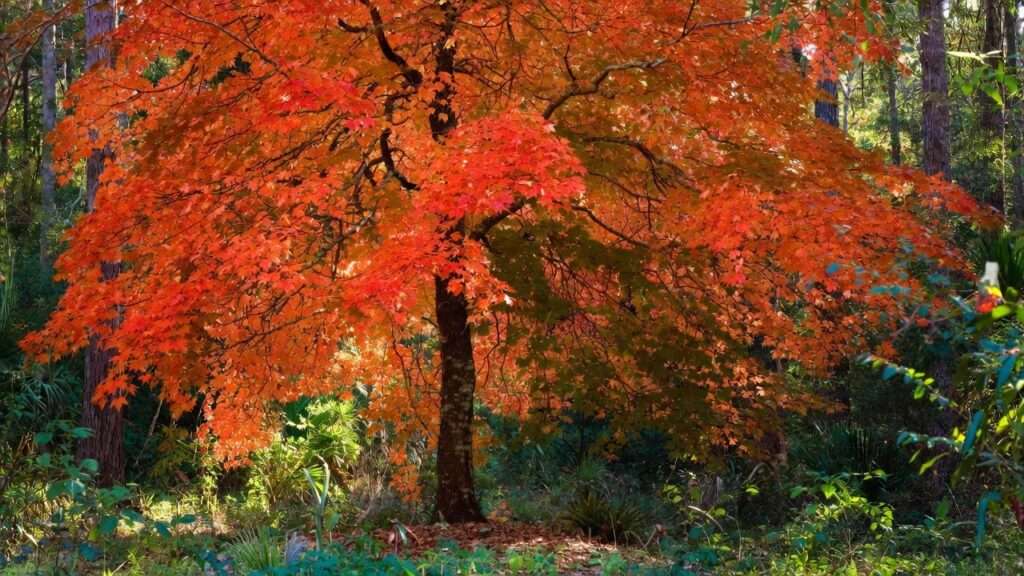
Imagine transforming your Florida yard into a spectacle of fiery reds and oranges every winter, even without the crisp northern chills—yes, it’s entirely possible with the right red maple tree in Florida! As a horticulturist with over 15 years of experience specializing in native and Florida-adapted trees through UF/IFAS Extension collaborations and hands-on landscaping in the Sunshine State, I’ve guided countless homeowners to successfully grow Acer rubrum, our native swamp maple, for stunning seasonal displays. This comprehensive guide, backed by University of Florida research and real-world observations across Zones 8–10, will equip you with everything needed to select, plant, and maintain a red maple tree in Florida for reliable, vibrant fall color that rivals northern landscapes—while addressing our unique heat, sandy soils, and humidity challenges.
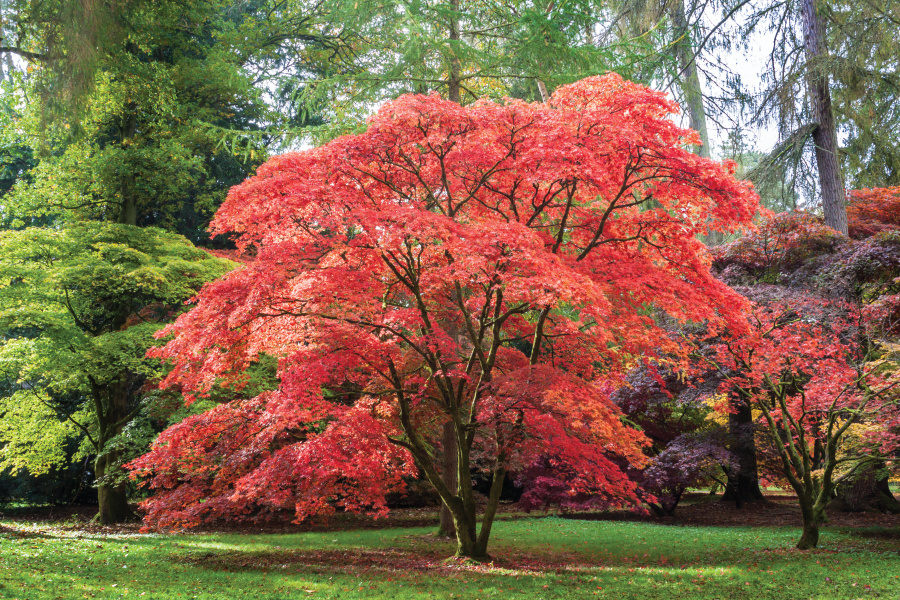
Is a Red Maple Tree Right for Your Florida Yard? 🗺️
The red maple (Acer rubrum), also known as swamp maple or soft maple, is a native Florida treasure that brings multi-season interest to landscapes where few trees dare to shine with autumn hues.
Suitability Across Florida Zones
Red maple thrives natively across most of Florida in USDA Hardiness Zones 8b through 10a, from the Panhandle’s wetlands to Central Florida’s hammocks. It’s particularly reliable in North and Central Florida for intense fall color triggered by cooler nights, while in South Florida (Zone 10), selected cultivars still deliver rewarding orange-red tones with proper irrigation. According to UF/IFAS, it tolerates our subtropical conditions far better than non-native maples like sugar or Norway, avoiding common failures in heat and sand.
Benefits of Planting Red Maple
- Spectacular seasonal drama: Red spring flowers and samaras (winged seeds), lush green summer canopy, and fall colors from yellow-orange to brilliant scarlet lasting weeks 🍂.
- Fast-growing shade provider: Reaches 40–60 feet tall with 25–40 foot spread, offering quick cooling for homes and patios—growth rates of 2–3 feet per year in ideal conditions.
- Wildlife magnet: Larval host for moths like the rosy maple moth; seeds attract birds and squirrels; supports pollinators with early winter blooms.
- Florida-Friendly choice: Native status means low pesticide needs and excellent adaptation to wet-dry cycles.
Potential Drawbacks to Consider
- Shallow, aggressive surface roots can lift sidewalks or lawns—always plant 30+ feet from hardscapes.
- Brittle branches may drop twigs in storms; select strong-structured cultivars for hurricane-prone areas.
- Susceptible to leaf scorch in prolonged drought without supplemental water.
- Chlorosis (yellowing) in highly alkaline soils (pH >7.2)—common in coastal areas.
Overall, with thoughtful siting, red maple solves the common problem of lacking fall color in Florida yards while providing eco-friendly shade.
Best Red Maple Cultivars for Florida’s Climate 🔥
Not all red maples perform equally in our heat—UF/IFAS trials emphasize Florida-proven cultivars bred for heat tolerance, disease resistance, and consistent pigmentation.
Top Recommendations
- ‘Florida Flame’: The gold standard for Florida; brilliant, reliable red fall color; heat-tolerant; matures 45–50 feet tall with upright-oval form. New growth emerges red for added spring interest 🌶️.
- ‘Red Sunset’: Excellent orange-red hues; strong branch structure for coastal winds; 45–50 feet; preferred for South Florida.
- ‘Summer Red’: Burgundy-red new leaves in spring, shifting to multi-colored fall display; compact at 40 feet; urban-tolerant.
- ‘Gerling’: Pyramidal, dense canopy; 35 feet tall—ideal for smaller yards; medium fall color.
Avoid northern-sourced seedlings; always choose nursery stock propagated from southern seed for best adaptation.
Comparison Table of Popular Cultivars
| Cultivar | Fall Color Intensity | Mature Height | Spread | Best Regions in Florida | Key Notes |
|---|---|---|---|---|---|
| Florida Flame | High (brilliant scarlet red) | 45–50 ft | 20–30 ft | Statewide, esp. Central/South | Reliable heat tolerance; red new growth |
| Red Sunset | High (orange-red) | 45–50 ft | 30–40 ft | Coastal South | Storm-resistant; consistent performer |
| Summer Red | Medium-High (yellow-orange-purple) | 40 ft | 25 ft | Urban/North-Central | Burgundy spring leaves |
| Gerling | Medium (yellow-orange) | 35 ft | 25–35 ft | Small yards statewide | Compact, dense form |
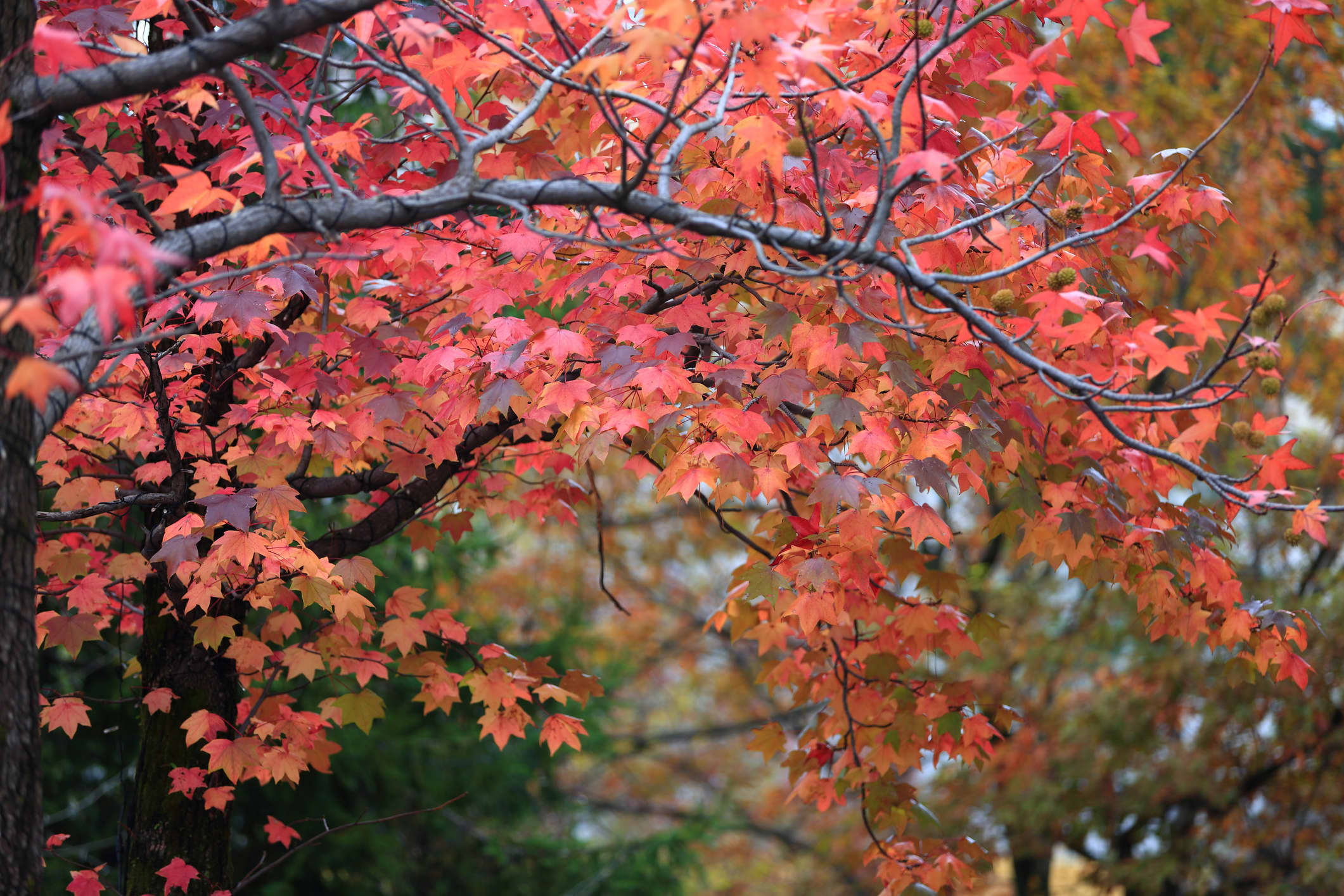
Step-by-Step Planting Guide for Success 🛠️
Proper planting is critical—many failures stem from deep planting or poor soil prep in our sandy conditions.
Choosing the Right Location
- Full sun (6+ hours) for best color; tolerates partial shade but with reduced vibrancy.
- Minimum spacing: 30–40 feet from structures, utilities, or pavement to accommodate roots.
- Ideal sites: Moist lowlands, rain gardens, or areas with natural irrigation.
Soil Preparation and Planting Tips
- Red maples prefer moist, acidic (pH 5.5–6.5), well-drained soil rich in organic matter—amend Florida’s sandy soils with compost or pine bark.
- Dig hole twice as wide as root ball, same depth; expose root flare (where trunk widens)—never plant too deep! ⚠️
- Best time: Fall or winter (October–February) for root establishment before summer heat.
- Water deeply after planting; mulch 2–3 inches deep in a wide ring (keep 3 inches from trunk).
Expert Tip: Source trees from local Florida nurseries—northern stock often struggles with our prolonged warmth and may lack fall color triggers.
Essential Care and Maintenance Routine 💧
Ongoing care is where many red maple owners in Florida see the biggest difference between mediocre growth and a breathtaking specimen tree. Drawing from years of observing these natives in diverse conditions—from soggy Panhandle wetlands to dry South Florida uplands—consistent moisture, thoughtful nutrition, and strategic pruning are the pillars of success.
Watering Strategies
Red maples earned their “swamp maple” nickname for good reason: they thrive in moist conditions but adapt well to typical Florida landscapes with proper irrigation.
- Establishment phase (first 2–3 years): Provide deep watering 1–2 times weekly, delivering 10–15 gallons per session to encourage deep roots. Soaker hoses or drip irrigation work best in our sandy soils to avoid runoff.
- Mature trees: Supplemental water during dry periods (especially November–May in South Florida). Aim for 1 inch weekly if rainfall is insufficient—use a rain gauge to track.
- Wet tolerance: They handle periodic flooding beautifully, making them ideal for low spots or rain gardens, but avoid constant saturation in poorly drained clay.
In my experience, underwatering is the #1 cause of stress in Florida red maples, leading to scorched leaves and muted fall color. Consistent moisture, especially in late summer and fall, directly boosts anthocyanin production for those vibrant reds 🍁.
Fertilizing and Soil Health
Florida’s naturally nutrient-poor, acidic sands suit red maples well, but targeted feeding enhances vigor and color.
- Use a slow-release, acid-loving fertilizer (e.g., formulated for azaleas, camellias, or hollies) in early spring (March) and optionally again in June.
- Application rate: Follow label for trunk diameter—typically 1–2 pounds per inch of trunk.
- Incorporate organic matter annually: Top-dress with compost or pine bark fines to improve water retention and microbial activity.
Mulching best practices: Apply 2–4 inches of organic mulch (pine bark, eucalyptus, or leaves) in a wide donut shape extending to the drip line. Keep mulch 3–6 inches away from the trunk to prevent rot—never create “mulch volcanoes”! 🌋❌ This conserves moisture, moderates soil temperature, and suppresses weeds.
Pruning for Structure and Health
Pruning is essential for wind resistance in hurricane country and long-term health.
- Timing: Late winter (January–February) when dormant—minimizes sap bleed and disease entry.
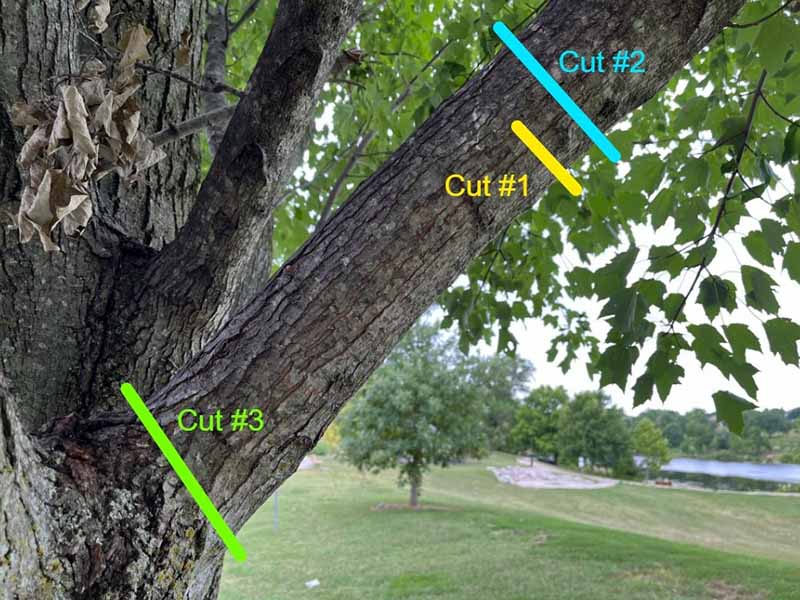
- Young trees (first 10–15 years): Formative pruning to develop strong structure. Remove narrow-angled branches, co-dominant leaders, and any crossing/rubbing limbs.
- Mature trees: Remove dead, damaged, or diseased wood; thin canopy for light/air penetration; avoid topping.
- Use the three-cut method for large branches to prevent bark tearing.
From field trials and storm aftermath assessments, properly pruned red maples suffer far less damage in high winds.
Achieving Vibrant Fall Color in Florida’s Mild Climate 🍁✨
One of the most common questions I get: “Will my red maple actually turn red in Florida?” The answer is a resounding yes—with the right strategies.
Fall coloration in Acer rubrum relies on cool nights (below 55°F), shortening days, and low stress. In North Florida, colors often rival New England; Central Florida sees reliable orange-reds; South Florida delivers subtler but beautiful yellow-orange to scarlet with irrigation and cultivar choice.
Keys to maximizing color:
- Maintain even moisture through summer and fall—drought stress causes early leaf drop without color change.
- Avoid late-season nitrogen fertilizer, which promotes green growth over pigmentation.
- Plant Florida-proven cultivars like ‘Florida Flame’ that genetically prioritize anthocyanins even in warmth.
- Expect peak display December–January in most areas; colors last 2–4 weeks.
Pro Insight: In warmer zones, a light frost isn’t necessary—consistent 40–50°F nights trigger the process. I’ve seen spectacular displays in Miami-Dade with diligent care!
Common Problems and Solutions 🐛
While red maples are relatively low-maintenance natives, certain issues arise in Florida conditions.
Pests and Diseases
Fortunately, serious problems are rare in healthy trees.
- Scales and aphids: Minor; beneficial insects usually control.
- Verticillium wilt: Rare in Florida; avoid planting in known infected sites.
- Tar spot fungus: Cosmetic leaf spots; rake fallen leaves.
Environmental Challenges
- Leaf scorch: Brown, crispy leaf margins from drought or salt—increase watering and mulch.
- Iron chlorosis: Yellow leaves with green veins in high-pH soils; apply chelated iron or sulfur.
- Storm damage: Prevent with early structural pruning.
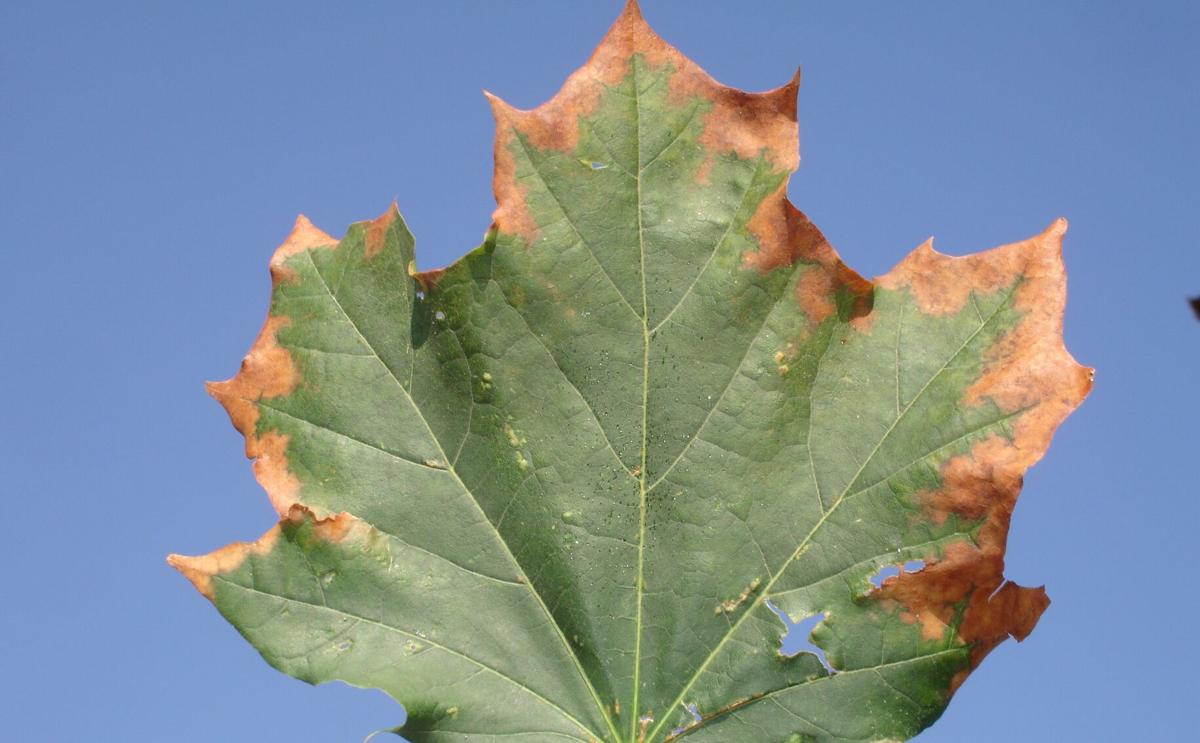
Troubleshooting Table
| Issue | Likely Cause | Prevention/Solution |
|---|---|---|
| Leaf Scorch | Drought, heat, or wind | Deep, consistent watering; mulch heavily |
| Poor or No Fall Color | Stress, wrong cultivar, excess N | Choose proven varieties; reduce late fertilizer |
| Yellow Leaves (Chlorosis) | Alkaline soil, poor drainage | Soil test; apply acidifiers and chelated iron |
| Surface Roots | Shallow planting, compaction | Plant correctly; use root barriers if needed |
| Branch Dieback | Girdling roots or borers | Inspect root flare; consult arborist if severe |
| Twig Drop | Normal in wind; or stress | Prune for structure; ensure health |
Expert Insights and Advanced Tips from Years in the Field 🔍
After decades of working with red maples across Florida—from consulting on large estate plantings in Orlando to restoring native wetlands in the Panhandle—I’ve gathered some advanced strategies that go beyond basic care and truly elevate your tree’s performance.
- Companion planting for layered beauty: Pair your red maple with native understory plants like beautyberry (Callicarpa americana), firebush (Hamelia patens), or Simpson’s stopper (Myrcianthes fragrans). These create a multi-layered habitat, enhance biodiversity, and make your fall color pop against evergreen backdrops 🌺.
- Rain garden superstar: Red maples excel in bioswales or rain gardens due to their tolerance of wet-dry cycles. Plant in low areas to manage stormwater naturally while enjoying seasonal drama.
- Long-term root management: Periodically check for girdling roots (especially on container-grown trees). If found early, carefully expose and remove them with a certified arborist.
- Climate resilience: In a warming Florida, red maples remain adaptable. Their native range extends into Zone 10, and ongoing UF/IFAS breeding focuses on even more heat-tolerant selections.
- Photography tip: For the best fall color photos, shoot in soft morning or late afternoon light when colors appear most saturated—your neighbors will be jealous! 📸
One of my favorite success stories: A client in Tampa planted three ‘Florida Flame’ red maples 12 years ago. Today, they form a stunning canopy that cools the home, hosts dozens of bird species, and delivers reliable crimson foliage every winter despite occasional droughts.
Frequently Asked Questions (FAQs) ❓
Here are the questions I hear most often from Florida homeowners considering or growing red maples:
Q: Will a red maple tree get good fall color in South Florida? A: Absolutely! While not as intense as in North Florida, cultivars like ‘Florida Flame’ and ‘Red Sunset’ consistently produce vibrant red to orange-red foliage, especially with consistent moisture and cooler winter nights. Peak color often occurs in late December to early January in Zone 10 🍁.
Q: Are red maples invasive in Florida? A: No—they’re native to Florida and considered Florida-Friendly when properly sited. They don’t spread aggressively like non-natives such as Brazilian pepper or Australian pine.
Q: How fast do red maples grow in Florida? A: Quite fast! Expect 2–3 feet of height growth per year under good conditions during the first 10–15 years, then slowing as they mature. This makes them excellent for quickly establishing shade.
Q: Can I grow a red maple in a container or small yard? A: Dwarf cultivars like ‘Gerling’ can work in large containers for a few years, but red maples ultimately prefer in-ground planting for full maturity. For small yards, choose compact varieties and plan for 30+ foot spacing.
Q: Do red maples drop a lot of leaves or make a mess? A: They are deciduous, so yes—expect leaf drop over several weeks in winter. The bonus? Beautiful natural mulch that acidifies soil. Rake if needed for lawns, or let decompose under the canopy.
Q: Are red maples prone to hurricane damage? A: Brittle wood can lead to branch breakage, but proper early pruning for strong structure significantly reduces risk. Cultivars like ‘Red Sunset’ have better wind resistance.
Q: When should I fertilize for best fall color? A: Early spring (March) with a slow-release acid fertilizer. Avoid late summer feeding, which can delay color development.
Conclusion: Start Your Red Maple Journey Today! 🚀
Bringing the magic of vibrant fall color to your Florida landscape is not a dream—it’s an achievable reality with the native red maple. By choosing Florida-proven cultivars like ‘Florida Flame’, planting correctly in our sandy soils, providing consistent care, and managing stress, you’ll enjoy decades of seasonal beauty, cooling shade, and ecological benefits.
Whether you’re in the cooler Panhandle, bustling Central Florida, or subtropical South, a well-grown red maple tree in Florida becomes a living centerpiece that evolves with the seasons. Plant one this winter, follow these expert tips, and prepare to be amazed when those leaves ignite in crimson and scarlet—proof that Florida yards can have spectacular autumn drama after all 🌳❤️🍁.
Thank you for reading this comprehensive guide. If you have questions about your specific site or tree, feel free to consult your local UF/IFAS Extension office or a certified arborist. Happy planting!











