
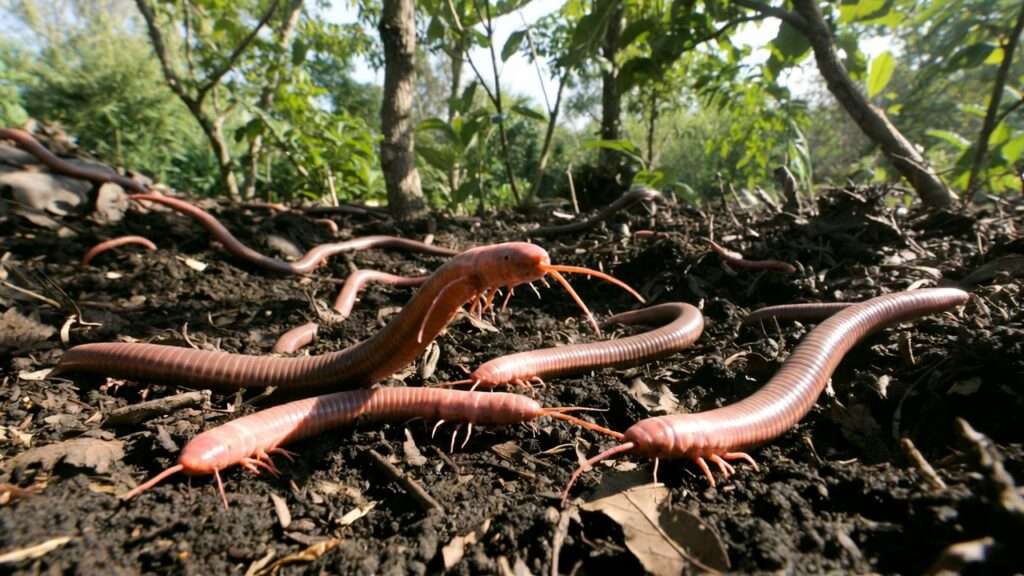
Imagine this: Your kitchen scraps pile up week after week, your garden soil feels compacted and lifeless, and your fruit trees or vegetable beds aren’t thriving like they should. 😩 The fix? A team of tiny, wriggling superheroes that turn waste into black gold while aerating soil and boosting nutrient availability for healthier plants and trees. But which team should you recruit—red wigglers (Eisenia fetida) or European nightcrawlers (Eisenia hortensis)?
These two popular composting worms often top searches for vermicomposting and garden soil improvement, yet they excel in different ways. Red wigglers are speedy surface feeders ideal for fast indoor composting, while European nightcrawlers offer versatility in cooler climates and deeper soil work. In this in-depth guide, we’ll compare them head-to-head so you can choose (or even mix!) the best worms for your setup—whether you’re a balcony gardener, raised-bed enthusiast, or tree-care pro aiming for nutrient-rich, well-aerated soil. By the end, you’ll have the knowledge to supercharge your compost and watch your plants flourish! 🚀
Quick Comparison Table 📊✨
Here’s a snapshot to help you decide at a glance:
| Feature | Red Wigglers (Eisenia fetida) | European Nightcrawlers (Eisenia hortensis) |
|---|---|---|
| Size & Appearance | 2–4 inches, bright red with yellow bands 🐯 | 3–7 inches, chunkier, pinkish-gray to red |
| Temperature Tolerance | 55–77°F (13–25°C); sensitive to extremes | 45–85°F (7–29°C); more cold-hardy ❄️ |
| Reproduction Rate | Fast: Double population in 60–90 days | Slower: Double in 90–180 days |
| Composting Speed | Very fast; process up to ½ body weight daily | Steady but 20–30% slower |
| Best For | Indoor bins, quick vermicompost | Outdoor beds, variable climates, aeration |
| Pros | Prolific, beginner-friendly, fine castings | Hardy, larger castings, dual-purpose (bait) |
| Cons | Escape if too wet/hot, less cold-tolerant | Slower buildup, need deeper systems |
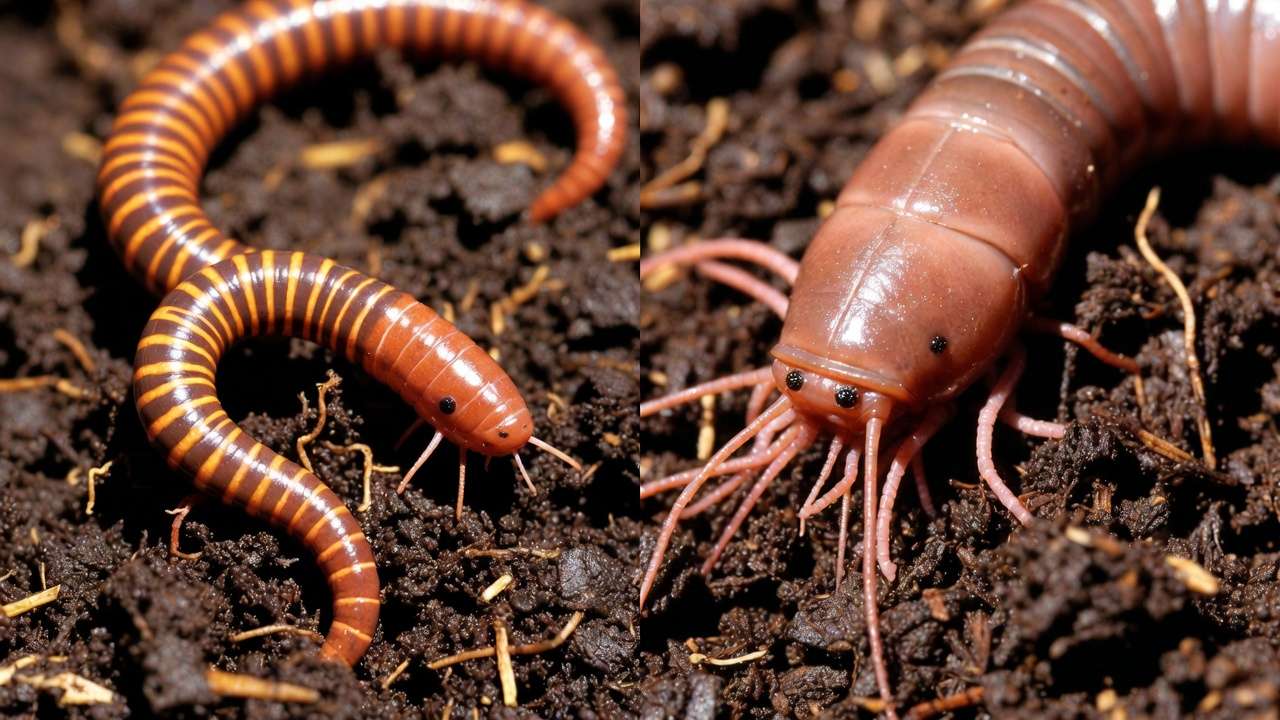
1. Understanding the Two Worm Species 🔬
1.1 What Are Red Wigglers? (Eisenia fetida)
Red wigglers, often called tiger worms or brandling worms due to their striped appearance, are epigeic (surface-dwelling) composters native to rich organic matter like manure piles and decaying leaves. These small dynamos thrive in confined spaces, making them the gold standard for home vermicomposting bins according to university extension services like Oregon State and Penn State. Their thin skin and voracious appetite let them process kitchen scraps rapidly, producing fine, nutrient-dense castings perfect for potting mixes or top-dressing plants. 🌿
1.2 What Are European Nightcrawlers? (Eisenia hortensis)
Also known as Euros, Super Reds, or Dendrobaena veneta (an older name), European nightcrawlers are larger cousins with a more intermediate burrowing style. Originating from temperate European soils, they handle a wider temperature range and create deeper tunnels, improving soil structure in gardens and raised beds. While not as hyper-efficient at pure composting as reds, they excel in outdoor systems and are popular as fishing bait too! 🎣
1.3 Key Biological & Behavioral Differences
- Habitat style: Red wigglers stay near the surface, swarming fresh food; Euros burrow a bit deeper for better material mixing.
- Feeding: Both love veggie scraps, coffee grounds, and manure, but reds handle softer waste faster, while Euros tackle coarser bits.
- Tolerance: Reds prefer stable warmth and moisture (60–80% humidity); Euros forgive cooler temps and slight fluctuations better.
2. Head-to-Head Comparison: Red Wigglers vs. European Nightcrawlers ⚔️
2.1 Composting Efficiency & Speed
Red wigglers are composting speed demons—they can consume up to half their body weight daily, turning scraps into finished vermicompost in weeks under ideal conditions. European nightcrawlers are reliable but slower (about 20–30% less efficient), making them better for steady, long-term processing rather than rapid turnaround.
2.2 Temperature & Climate Tolerance
Reds thrive in 55–77°F but slow dramatically below 50°F or above 85°F—perfect for indoor or heated setups. Euros shine in 45–85°F, handling cold winters better (great for unheated garages or outdoor bins in temperate zones like parts of Bangladesh or similar climates).
2.3 Reproduction & Population Growth
Red wigglers win here: They produce 2–3 cocoons weekly (each with 2–20 babies), doubling populations quickly for scaling up. Euros reproduce slower (90–180 days to double), so colonies build gradually but stay stable.
2.4 Worm Bin Suitability (Indoor Vermicomposting)
Reds are escape artists only if conditions go wrong (too wet/hot); they love shallow totes or flow-through bins. Euros need deeper bedding to burrow and may not swarm food as aggressively in small indoor systems.
2.5 Garden & Soil Aeration Benefits
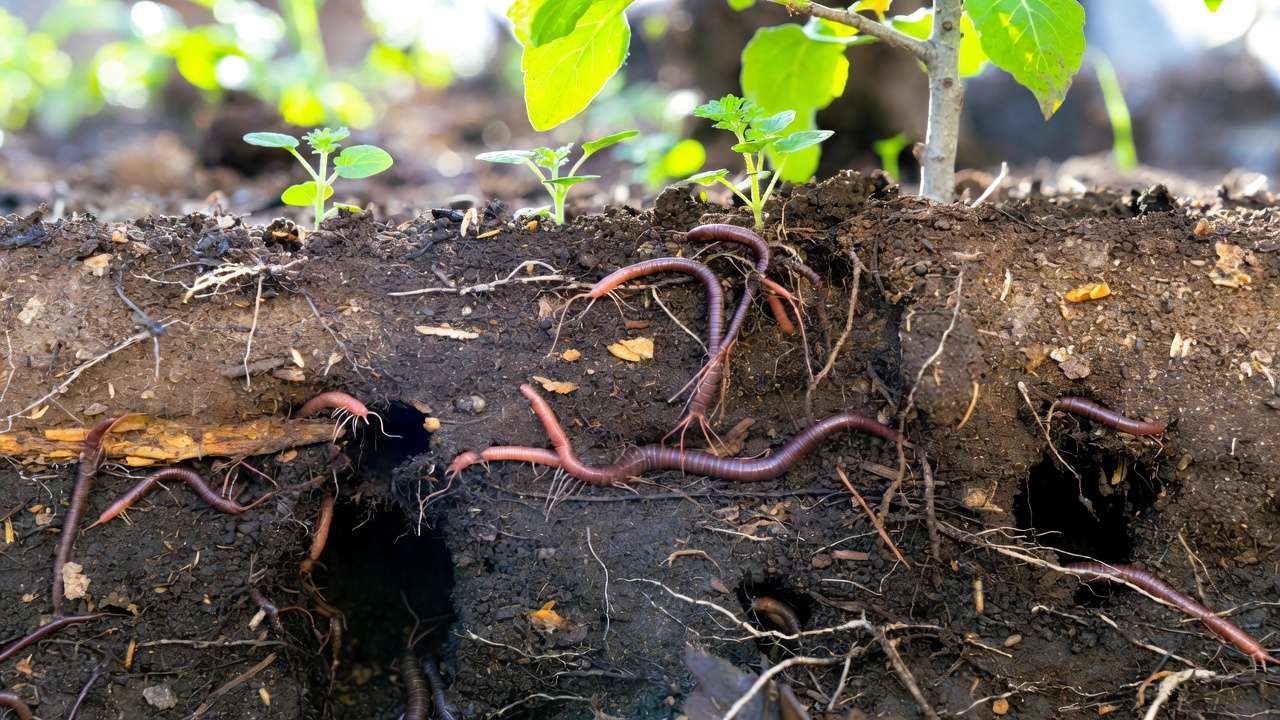
Euros pull ahead for outdoor use—their deeper tunnels aerate compacted soil, improving drainage and root growth for trees and veggies. Reds excel at surface enrichment but don’t burrow as deeply.
2.6 Castings Quality & Nutrient Profile
Both produce premium vermicompost rich in NPK, microbes, and enzymes. Reds yield finer, more uniform castings ideal for seedlings; Euros create larger, granular ones that release nutrients steadily—excellent for long-term soil health in orchards or beds.
3. Pros and Cons: Real-World Breakdown 📈📉
Red Wigglers Pros: Lightning-fast composting, explosive reproduction, beginner-friendly, fine-textured castings for pots/plants. Cons: Sensitive to temperature extremes, may escape in soggy bins, less effective in cold outdoor setups.
European Nightcrawlers Pros: Cold-hardy, versatile for indoor/outdoor, deeper aeration, larger castings, great dual-use (compost + bait). Cons: Slower processing and breeding, need more space/depth, slightly less voracious on soft scraps.
From hands-on experience shared across vermiculture communities and extension research, reds dominate pure speed, while Euros offer resilience in variable conditions. 💡
4. Which Worm Should You Choose? Decision Guide 🎯
- Indoor/small-scale vermicomposting (kitchen scraps, apartment-friendly): Go with red wigglers for quick results.
- Outdoor gardens, raised beds, cooler climates: Choose European nightcrawlers for better tolerance and aeration.
- Both composting + soil improvement: Mix them! Start with reds for volume, add Euros for depth (they cohabitate well with proper space).
- Scenarios: Balcony dwellers → reds; homesteaders/tree owners in variable weather → Euros; fishing gardeners → Euros.
Quick checklist:
- Need fast compost? ✅ Reds
- Cold winters or outdoor bins? ✅ Euros
- Want to experiment? ✅ Try both!
5. Setting Up Your Worm System for Success 🛠️
Whether you choose red wigglers for rapid vermicomposting or European nightcrawlers for versatile garden work, proper setup is key to success. A well-maintained system prevents common issues like escapes, odors, or slow processing—and turns your kitchen waste into premium fertilizer for plants and trees.
5.1 Worm Bin or Garden Bed Setup Tips
For indoor vermicomposting (ideal with red wigglers):
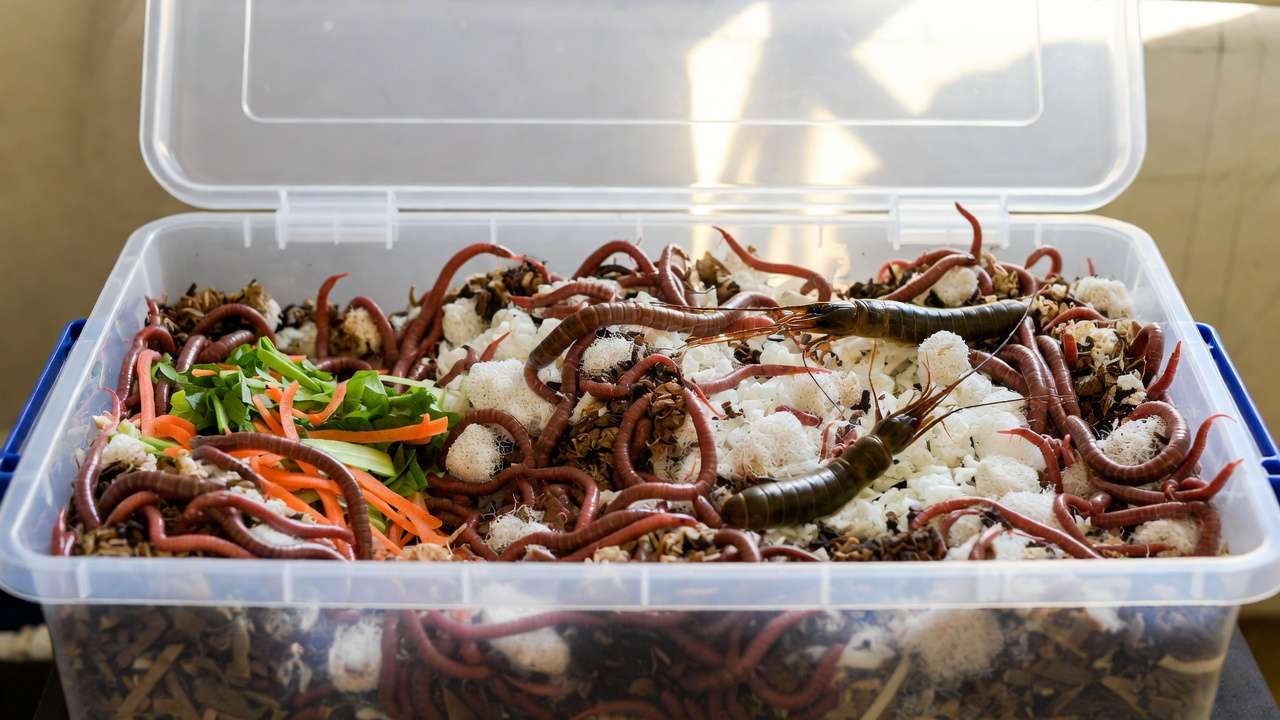
- Use a plastic tote (18–20 gallons), flow-through bin, or stacked tray system like Worm Factory. Drill ventilation holes in the lid and drainage holes at the bottom (cover with mesh to prevent escapes).
- Start with 6–8 inches of moist bedding—shredded newspaper, cardboard, coconut coir, or aged horse manure work best. Aim for the texture of a wrung-out sponge (60–80% moisture).
- Add ½–1 lb of worms per square foot of surface area for a healthy starter colony. Red wigglers love shallow, surface-focused bins; Euros prefer deeper setups (10–12 inches) to burrow.
For outdoor garden integration (great with European nightcrawlers):
- Add them directly to raised beds, orchards, or compost piles. Euros burrow deeper (up to 8–12 inches), improving drainage and root penetration for fruit trees and veggies.
- Create “worm towers” (buried PVC pipes with holes) filled with kitchen scraps—worms migrate in naturally, enriching soil over time.
- In tropical/subtropical areas like parts of Bangladesh, Euros handle humidity well, but shade bins during hot spells to avoid overheating. 🌞
Pro tip: Start small! A single tote with 1 lb of red wigglers can process ½ lb of scraps daily once established. 🪴
5.2 Feeding Guide & What to Avoid
Both species are voracious, but reds handle softer scraps faster. Favorites (chop for quicker breakdown):
- Vegetable peels, fruit scraps (no excess citrus), coffee grounds, tea bags, crushed eggshells, wilted greens, aged manure.
- Euros tolerate coarser materials like leaves or cardboard better.
Avoid:
- Meat, dairy, oily foods (cause odors/mites)
- Spicy/acidic items in excess (citrus, onions)
- Diseased plants or weeds with seeds
Bury food 2–4 inches deep and rotate spots to prevent hotspots. Feed 1–2 times weekly—worms eat roughly half their weight daily under ideal conditions. Overfeeding leads to sour smells; underfeeding slows growth. 🍎
5.3 Maintenance & Troubleshooting
- Moisture: Keep bedding damp but not soggy. Add dry bedding if too wet; mist if dry.
- Temperature monitoring: Use a cheap soil thermometer. Reds slow below 55°F; Euros keep going down to ~45°F. In hot weather (>85°F), move bins to shade or add frozen water bottles.
- Common issues & fixes:
- Escapes → Too wet/hot/acidic—adjust conditions and add dry bedding.
- Sour smell → Overfed/anaerobic—reduce food, aerate, add dry material.
- Fruit flies → Cover food scraps with bedding; use apple cider vinegar traps.
- Slow activity → Check pH (aim 6.0–8.0), temperature, or food quality.
Regular checks (weekly) keep your colony thriving—happy worms mean faster compost and healthier garden soil! 🔍
6. Using Worm Castings to Supercharge Plant & Tree Care 🌿
Worm castings (vermicompost) are nature’s slow-release fertilizer—rich in nitrogen (1–2%), phosphorus, potassium, plus beneficial microbes, enzymes, and growth hormones. Unlike raw manure, they’re odor-free, pathogen-low, and won’t burn roots.
- Harvesting castings:
- For reds: Bright light drives worms down; scoop top layer. Or use migration method—push finished material aside, add fresh bedding/food.
- For Euros: Deeper burrowing means more even processing; harvest from bottom in flow-through systems.
- Application rates:
- Potted plants/seedlings: Mix 10–20% castings into soil.
- Vegetable gardens/raised beds: Top-dress ½–1 inch in spring/fall.
- Fruit trees/orchards: Apply 2–4 inches around drip line annually—boosts root development, drought resistance, and fruit quality.
- Make worm tea: Soak 1 cup castings in 1 gallon water (aerate 24–48 hrs) for liquid fertilizer.
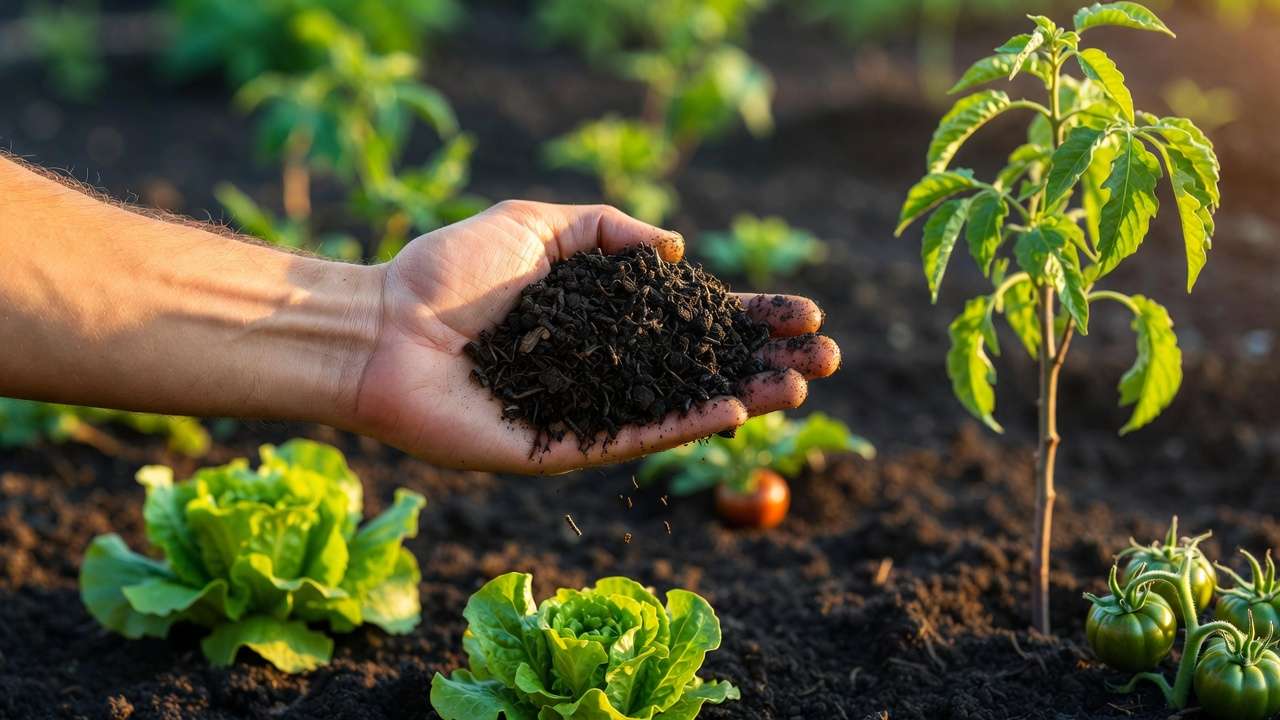
Real-world results: Gardeners report 20–50% better yields, healthier foliage, and fewer pests thanks to improved microbial life and soil structure. In tree care, castings enhance mycorrhizal associations for better nutrient uptake. Your plants will thank you with vibrant growth! 🌳🍅
7. Expert Tips & Advanced Strategies 🌟
- Mixing species: Yes—reds for top-layer speed, Euros for depth/aeration. Start separate, then combine in larger systems. Cohabitation works well with space and monitoring. Many pros use hybrids for balanced output.
- Scaling up: Once established, reds double fast—expand to multiple bins or outdoor piles. Euros suit larger outdoor windrows or pet-waste systems.
- Sustainable sourcing: Buy from reputable farms (avoid bait-shop “mixed” bags that may include invasives). In regions like Barisal, source locally adapted Euros for better climate match. Never release non-native worms into wild soil.
- Bonus: Euros double as premium fishing bait—larger, livelier than reds for panfish/trout. Dual-purpose wins! 🎣
7. Expert Tips & Advanced Strategies 🌟
- Mixing red wigglers and European nightcrawlers in the same system Many experienced vermicomposters successfully run hybrid colonies. The red wigglers dominate the top layers and quickly break down fresh kitchen waste, while the Euros work the middle and lower zones, creating better overall material turnover and aeration. Best practice: Start separate bins for 2–3 months until both populations are strong, then combine in a larger outdoor bed or deep flow-through system. Maintain at least 10–12 inches of bedding depth so Euros can burrow comfortably without stressing the reds. Monitor for competition—feed generously at first. In humid tropical/subtropical areas, this combo often outperforms single-species setups because reds handle rapid decomposition of mango peels, banana leaves, and vegetable trimmings, while Euros provide resilience during the hot, wet monsoon season.
- Scaling up for homestead or small-farm use Once your initial 1 lb of worms has multiplied (reds can reach 4–8 lbs in 6–9 months under good conditions), expand to:
- Multiple stacked trays for reds (easy indoor harvest).
- Long outdoor windrows or trench composting for Euros (ideal for tree-line enrichment around mango, jackfruit, or coconut groves).
- Pet-waste or market-vegetable scrap systems—Euros are especially tolerant of slightly higher nitrogen loads.
- Sustainable and ethical sourcing Purchase from reputable local or regional suppliers who breed worms in similar climates—avoid generic “mixed bait worms” that may include invasive species like Perionyx excavatus in some markets. In Bangladesh, look for vendors in Barisal, Dhaka, or Chittagong agricultural networks who offer locally adapted stock. Never dump excess worms into natural soil; non-native species can disrupt local ecosystems over time.
- Bonus dual-purpose use European nightcrawlers are one of the best “dual-purpose” composting worms: they produce excellent castings and are highly prized as fishing bait (larger, tougher, and more active in water than red wigglers). If you or family members fish in local rivers or ponds, Euros become a money-saving, sustainable side benefit. 🎣
8. Frequently Asked Questions (FAQ) ❓
Can you mix red wigglers and European nightcrawlers in the same bin? Yes, with enough depth (10+ inches) and food supply. Reds stay near the surface; Euros burrow lower. Many gardeners report excellent results with this combination for balanced speed + aeration.
Do European nightcrawlers eat plant roots like earthworms sometimes do? No—neither species is a root eater. Both are detritivores that feed on decaying organic matter. In fact, their castings and burrowing improve root health by increasing oxygen and microbial activity.
Which worms are better for hot, humid climates like Barisal or coastal Bangladesh? Red wigglers perform very well in consistent warmth (25–30°C), but they can overheat above 32–35°C without shade and ventilation. European nightcrawlers are slightly more forgiving of temperature swings and high humidity, making them a safer all-season choice for outdoor or semi-outdoor systems in the region. Many local composters use Euros successfully during the monsoon.
How many worms should I start with for a family of four? Start with ½–1 lb (≈500–1,000 worms) in a 18–20 gallon tote. Red wigglers are usually the better beginner choice here—they multiply faster and process typical household scraps (vegetable trimmings, rice wash water sediment, fruit peels) within weeks.
Are red wigglers good for fishing bait? They work in a pinch for small fish, but they’re smaller, softer, and die faster on the hook. European nightcrawlers are far superior for most freshwater fishing.
How long until I get my first harvest of castings? With red wigglers under ideal conditions: 3–5 months for the first significant harvest. European nightcrawlers: 4–7 months. Patience pays off—finished castings are worth the wait!
Conclusion – Time to Choose Your Worms & Get Composting! 🔥
After comparing speed, temperature tolerance, reproduction, bin suitability, soil aeration benefits, and real-world performance, the verdict is clear:
- Choose red wigglers if your priority is fast, high-volume vermicompost from kitchen scraps in a compact indoor or semi-controlled setup. They’re the undisputed champions of rapid processing and explosive population growth—perfect for apartment dwellers, small patios, or anyone who wants finished compost in the shortest time.
- Choose European nightcrawlers if you want a more resilient, versatile worm that thrives in variable outdoor conditions, provides deeper soil aeration for raised beds, orchards, or tree roots, and handles cooler nights or monsoon humidity better. They’re especially valuable in regions with seasonal temperature swings or when you want larger, longer-lasting castings.
- Best of both worlds? Start with red wigglers for quick wins, then add European nightcrawlers once your system matures. The hybrid approach often gives the most impressive long-term results: fast surface composting + deep soil engineering.
No matter which (or both!) you pick, vermicomposting with these incredible creatures is one of the simplest, most sustainable ways to close the nutrient loop, reduce kitchen waste, and give your plants, vegetables, fruit trees, and ornamentals the microbial-rich, living soil they crave.
Start small, observe your worms, adjust conditions as needed, and within a few months you’ll have black gold that transforms your garden. Your trees will grow stronger roots, your veggies will taste sweeter, and you’ll feel the satisfaction of turning “waste” into wealth—naturally. 🌳🪱











