
Have you ever stepped into a brand-new home, freshly painted office, or room filled with new furniture and felt that sharp, chemical “new smell” hit you right away? 😷 That unmistakable odor is often formaldehyde — a sneaky, colorless gas quietly off-gassing from everyday items like pressed-wood cabinets, carpets, glues, paints, and even some textiles. While it might seem harmless at first, prolonged exposure can lead to irritated eyes, throat discomfort, headaches, and more serious long-term health concerns according to agencies like the EPA and WHO.
The good news? You don’t need expensive air purifiers or major renovations to start fighting back. Removing formaldehyde with houseplants offers a natural, beautiful, and surprisingly effective way to improve your indoor air quality. Backed by NASA’s iconic 1989 Clean Air Study and supported by decades of follow-up research, certain houseplants act as living filters, absorbing volatile organic compounds (VOCs) like formaldehyde through their leaves and roots — with helpful soil microbes playing a key role too! 🌱
In this ultimate guide, we’ll dive deep into the science, spotlight the top air-purifying plants proven to tackle formaldehyde, share realistic expectations, expert care tips, and practical strategies to create a fresher, healthier home environment. Whether you’re a beginner plant parent or a seasoned green thumb, you’ll walk away with actionable steps to breathe easier — naturally.
What Is Formaldehyde and Why Should You Care? 🔍
Formaldehyde is a volatile organic compound (VOC) widely used in manufacturing household products. Common sources in modern homes include:
- Pressed-wood products (plywood, particleboard, MDF in furniture and cabinets)
- Adhesives, glues, and urea-formaldehyde resins
- Insulation materials, carpets, and upholstery
- Paints, varnishes, and cleaning products
- Even some personal care items like certain shampoos or nail polishes
According to the EPA, indoor formaldehyde levels can be 2–5 times higher than outdoors — especially in energy-efficient, tightly sealed homes where ventilation is limited. Short-term exposure often causes watery eyes, burning sensations in the nose and throat, coughing, wheezing, and skin irritation. For sensitive individuals (like those with asthma), it can trigger attacks. Long-term or chronic exposure has been linked to increased risks of certain cancers (such as nasopharyngeal cancer and leukemia) and respiratory issues, as classified by the EPA, WHO, and IARC (formaldehyde is carcinogenic to humans via inhalation).
The problem is real: Many people experience “sick building syndrome” symptoms without realizing the culprit. That’s where houseplants shine — they provide phytoremediation, a natural process where plants uptake pollutants, break them down, or store them harmlessly.
The Science Behind Removing Formaldehyde with Houseplants 📊
NASA’s groundbreaking 1989 Clean Air Study, led by Dr. B.C. Wolverton, tested common houseplants in sealed chambers to simulate spacecraft environments. The goal? Find low-tech ways to remove VOCs like formaldehyde, benzene, and trichloroethylene.
Key highlights:
- Plants removed significant amounts of formaldehyde in controlled tests — for example, spider plants achieved up to 95% removal in some short-term experiments.
- Mechanisms include stomatal uptake (through leaf pores during transpiration) and microbial activity in the root zone (rhizosphere bacteria degrade pollutants).
- Wolverton noted that plants like Boston ferns and peace lilies ranked high for formaldehyde filtration.
Modern research (including meta-analyses and studies up to 2025) confirms plants can absorb formaldehyde, though real-world impact depends on factors like room size, plant density, light, and airflow. While some reviews (e.g., a 2019 analysis) suggest you’d need dozens to hundreds of plants per square meter for dramatic VOC reductions comparable to mechanical filters, plants still contribute meaningfully — especially when combined with good ventilation. Recent studies on species like pothos show high removal efficiencies (up to 70–99% for certain VOCs in optimized setups).
Bottom line from plant experts: Houseplants aren’t magic standalone solutions, but they’re proven allies in a multi-strategy approach to healthier indoor air. Plus, they boost humidity, reduce stress, and add natural beauty! 💚
Top 10 Best Houseplants for Removing Formaldehyde 🌟
Here are the standout performers, ranked roughly by effectiveness in formaldehyde removal (drawing from NASA data, removal rates in studies, ease of care, and versatility). These are pet-safe where noted — always double-check for your household.
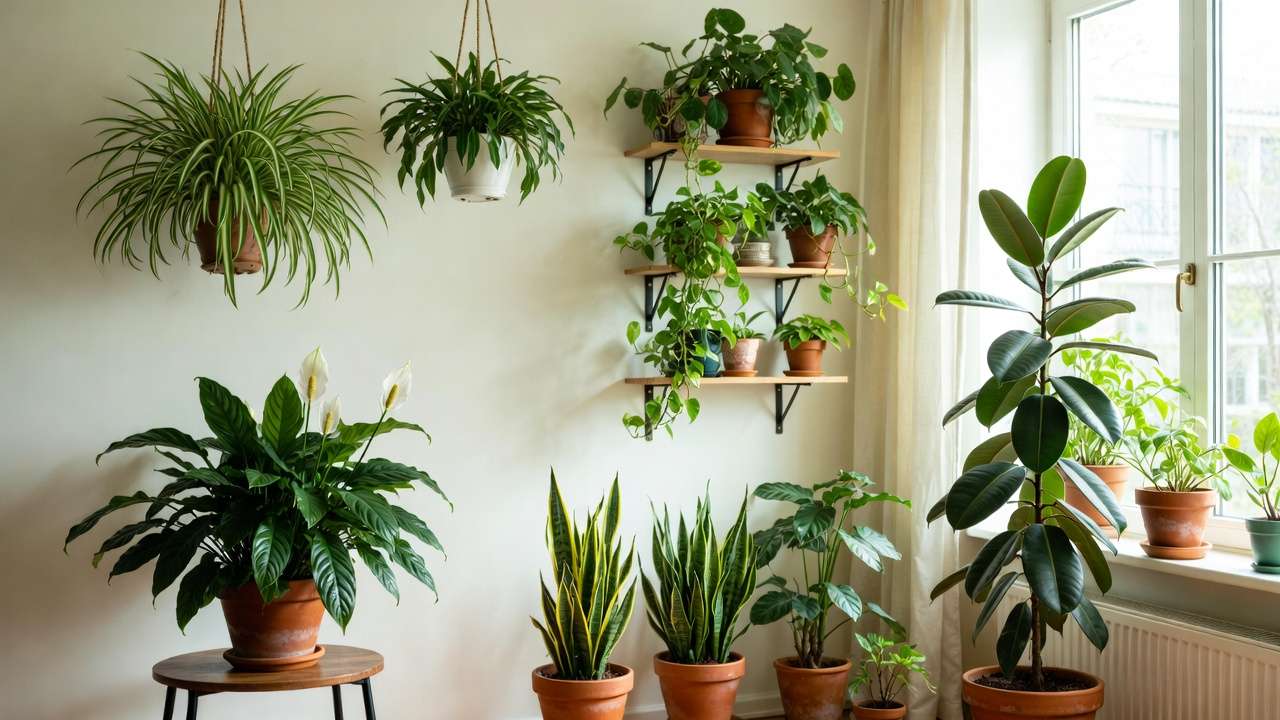
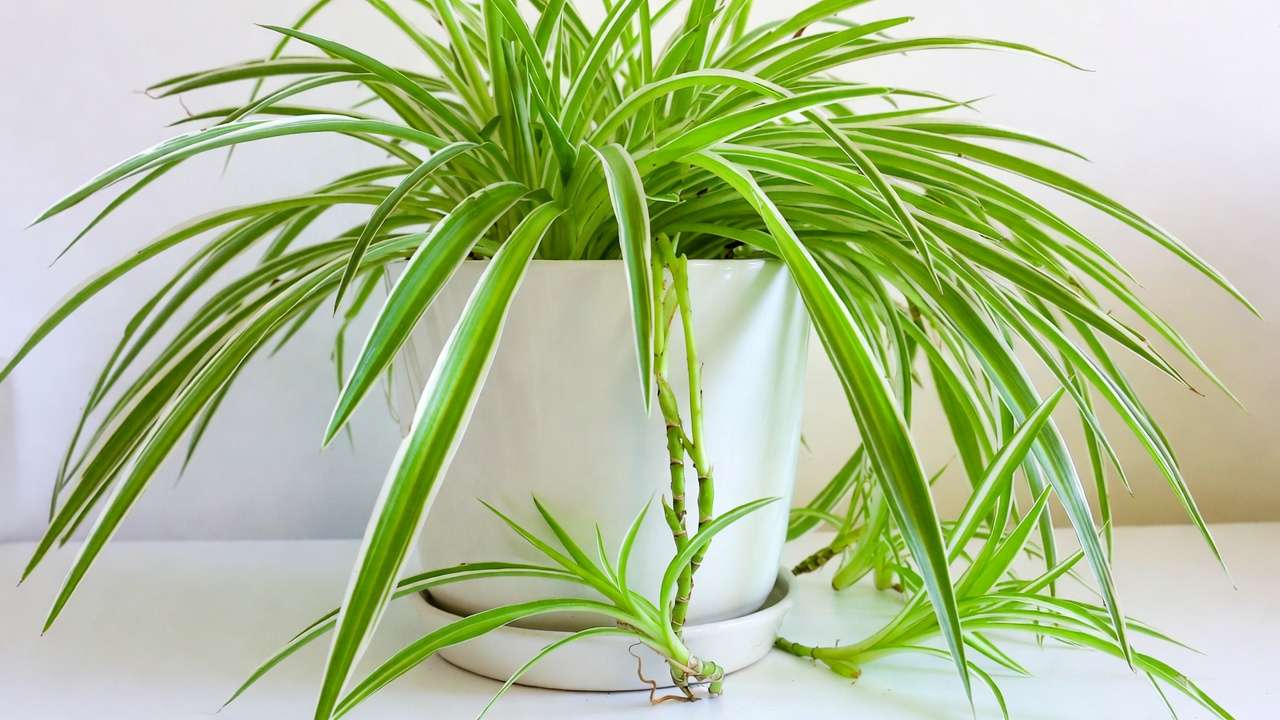
Spider Plant (Chlorophytum comosum) 🕷️ Often called NASA’s top formaldehyde fighter — in the original sealed-chamber tests, it removed significant amounts (up to high percentages in short exposures), plus xylene and toluene. It’s incredibly resilient and propagates easily with baby “spiderettes.” Care Guide: Thrives in bright indirect to moderate light; water when the top 1-2 inches of soil dry out (every 1-2 weeks); use well-draining potting mix. Fertilize monthly in spring/summer with balanced liquid fertilizer. Propagate by rooting pups in water. Why great for beginners: Forgiving of neglect, pet-safe (non-toxic to cats and dogs), and purifies while adding cascading green vibes to shelves or hanging baskets.
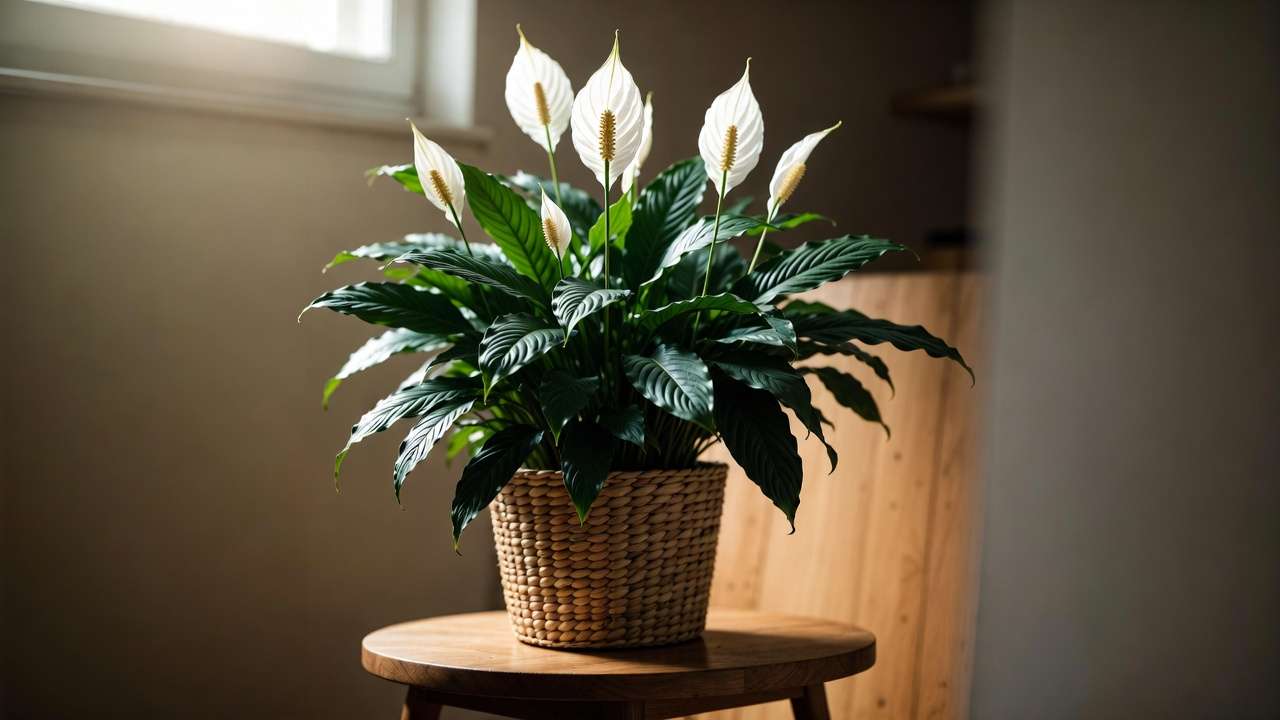
Peace Lily (Spathiphyllum) ☮️ A standout for removing formaldehyde, benzene, ammonia, and more — elegant white spathes bloom reliably indoors. Care Guide: Prefers medium to low indirect light; keep soil consistently moist (but not waterlogged); mist leaves for humidity. Toxic to pets if ingested (can cause mouth irritation), so place out of reach. Pro tip: It droops dramatically when thirsty — a perfect natural reminder to water!
Snake Plant (Sansevieria trifasciata) 🌙 Removes formaldehyde and benzene effectively; unique for producing oxygen at night (ideal for bedrooms). Extremely hardy. Care Guide: Tolerates low light; water sparingly (every 2-6 weeks, let soil dry completely); overwatering is the main killer. Pet-safe in small amounts (mildly toxic if large quantities eaten). Bonus: Architectural upright leaves add modern style with minimal effort.
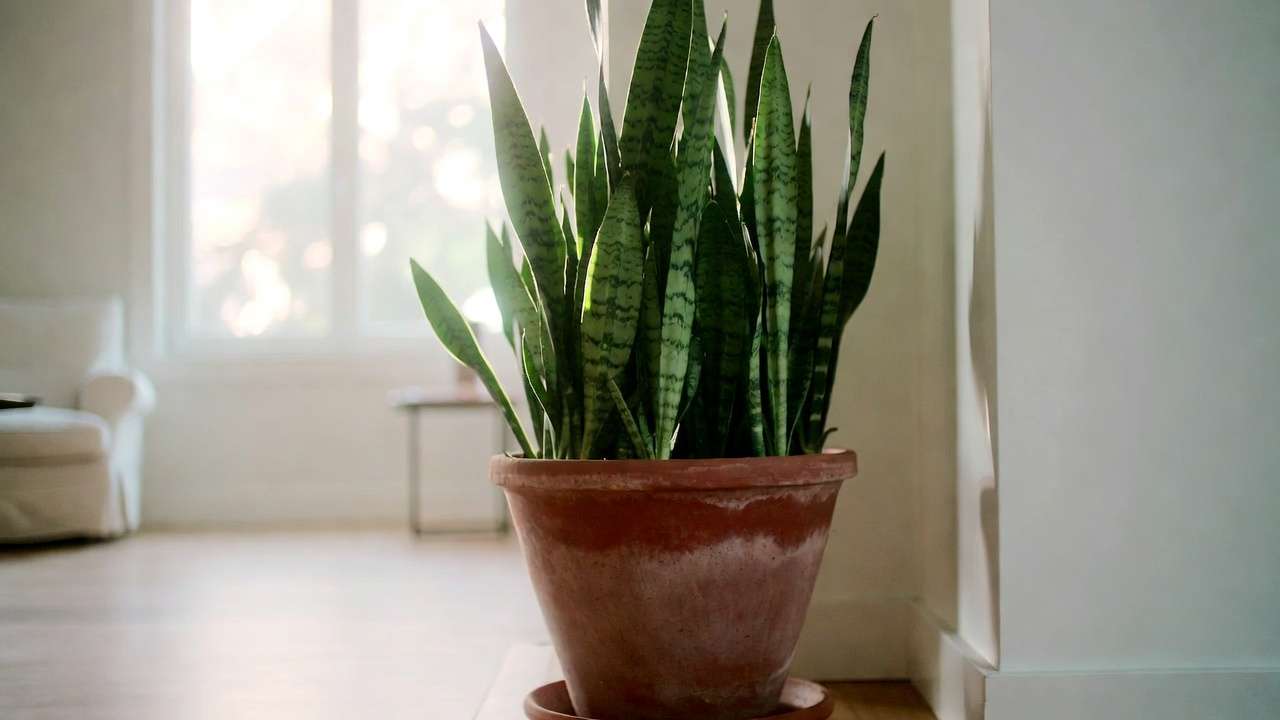
Rubber Plant (Ficus elastica) 🌿 Large, glossy leaves make it a strong formaldehyde remover per NASA and follow-up studies; bold tropical statement plant. Care Guide: Bright indirect light; allow top soil to dry between waterings; wipe leaves monthly to remove dust (boosts photosynthesis). Toxic to pets. Pro tip: Prune for bushier growth.
Boston Fern (Nephrolepis exaltata) 🌱 Ranked highly for formaldehyde absorption in tests; excellent natural humidifier for dry indoor air. Lush, feathery fronds. Care Guide: High humidity and indirect light; keep soil evenly moist; mist frequently. Pet-safe. Best for: Bathrooms or kitchens where humidity is higher.
Golden Pothos (Epipremnum aureum) 💛 Versatile and forgiving; removes formaldehyde and other VOCs well (studies show strong performance). Trailing habit perfect for high shelves. Care Guide: Low to bright indirect light; water when soil is dry; easy to propagate in water. Toxic to pets. Nickname: “Devil’s Ivy” for its near-indestructible nature.
Bamboo Palm (Chamaedorea seifrizii) 🏝️ Filters formaldehyde, benzene, and trichloroethylene; graceful, feathery fronds bring resort-like calm. Care Guide: Medium indirect light; keep soil moist but not soggy; pet-safe. Ideal for: Larger floor spaces.
Dracaena varieties (e.g., Janet Craig, Marginata) 🪴 Excellent at VOC removal including formaldehyde; tall, elegant forms. Care Guide: Bright indirect light; moderate watering (let top dry); toxic to pets. Variety tip: Janet Craig has dark green leaves for a sleek look.
Philodendron (Heartleaf or Selloum) ❤️ Reliable formaldehyde target; easy vining or bushy growth. Care Guide: Low to medium light; water when top inch dry; toxic to pets. Fun fact: Heartleaf is one of the easiest climbers.
Areca Palm (Dypsis lutescens) 🌴 Good all-around VOC filter with airy, tropical fronds; grows tall. Care Guide: Bright indirect light; regular watering; pet-safe. Best for: Filling empty corners with height.
These plants were selected for their proven track record in formaldehyde removal (NASA benchmarks + recent confirmations), ease, and home appeal. Start with 3-5 favorites!
How Many Plants Do You Really Need? Realistic Expectations 📏
The classic NASA suggestion was roughly 1 well-sized plant per 100 square feet for noticeable benefits in sealed environments. In practice, for an average home, aim for 10-20+ medium-to-large plants to contribute meaningfully to air quality.
Recent analyses (including reviews of chamber studies scaled to real rooms) indicate that while plants do absorb formaldehyde, you’d need quite a few (sometimes 10-100+ per 10 sq ft in extreme estimates) for air-purifier-level impact. Ventilation and source reduction still do most of the heavy lifting.
That said, clusters of plants create a measurable, cumulative effect — especially over time as soil microbes adapt. Combine with open windows, exhaust fans, and low-VOC choices for best results. Plants offer bonus perks: increased humidity, stress reduction, and biophilic beauty!
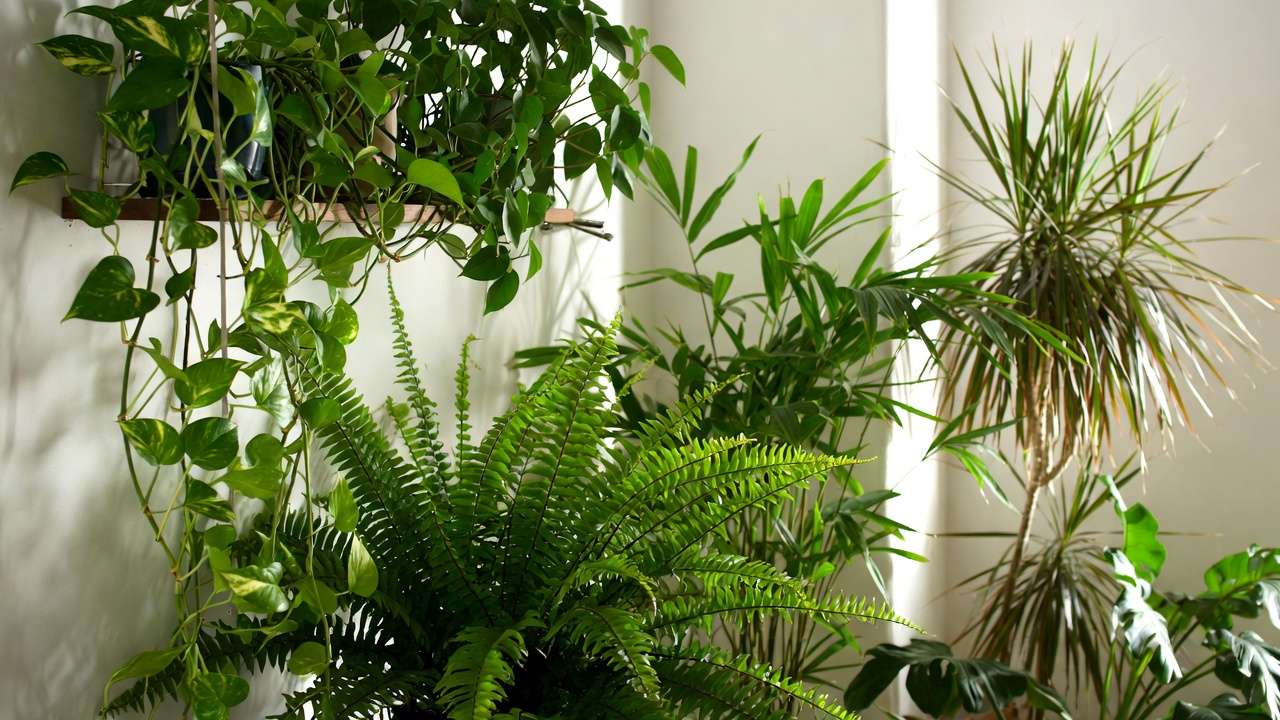
Practical Tips to Enhance Air-Purifying Power 🛠️
- Strategic placement: Position near new furniture, carpets, or paint sources where off-gassing is highest.
- Maximize efficiency: Wipe dusty leaves regularly (dust blocks stomata); use activated charcoal in soil mixes for extra absorption.
- Boost with numbers: Create a “clean air zone” — group 5-7 plants in one room for synergy.
- Complementary habits: Open windows daily, use exhaust fans, choose low-formaldehyde products (look for Greenguard or FSC certifications), and consider a HEPA air purifier for high-pollution days.
- Maintenance hack: Bottom-water to encourage root-zone microbe activity that breaks down pollutants.
Common Mistakes to Avoid When Using Houseplants for Air Purification ⚠️
- Overwatering → leads to root rot and mold growth (counterproductive for air quality 😖).
- Wrong light → weak, leggy plants filter less effectively.
- Unrealistic expectations → plants help, but don’t replace ventilation or remove sources.
- Ignoring pet safety → avoid toxic ones (peace lily, pothos) around curious cats/dogs.
- Neglecting repotting → fresh soil with microbes enhances purification over time.
Conclusion: Breathe Easier with Greenery 🌱💚
Removing formaldehyde with houseplants is one of the most enjoyable, natural ways to combat indoor air pollution. While not a miracle cure, these NASA-backed and research-supported plants — from the indestructible spider plant to the elegant peace lily — actively absorb toxins, release oxygen, and transform your space into a healthier, more vibrant home.
Start small: Pick 2-3 easy winners like spider plant, snake plant, or pothos. Watch them thrive, propagate more, and enjoy the fresher air and calmer vibes. Your lungs, family, and even your stress levels will thank you!
Ready to green your space? Grab a few today and join the growing movement toward natural, plant-powered wellness. 🏡🌿
FAQs: Your Top Questions Answered ❓
Do houseplants really remove formaldehyde? Yes — chamber studies (NASA and beyond) show they absorb it via leaves and roots. Real-world impact is supportive rather than primary.
Which plant removes the most formaldehyde? Top contenders include Boston fern, spider plant, and peace lily based on removal rates in tests.
Are these plants safe for pets/kids? Many are (spider plant, snake plant, bamboo palm); others like peace lily and pothos are toxic if ingested — research per pet.
How long until I notice cleaner air? Subtle benefits (less irritation) may appear in weeks with good density; full effects build over months.
Can I use houseplants in low-light rooms? Absolutely — snake plant, pothos, and ZZ plant (bonus mention) excel in low light while still helping with VOCs.
What’s better: Plants or air purifiers? Both! Plants add natural, ongoing benefits + aesthetics; purifiers handle faster/heavier loads.
How to propagate air-purifying plants? Easy cuttings in water (pothos, spider plants) or division (snake plant pups) — free new plants!











