

Restoring neglected pollarded trees doesn’t have to feel like an impossible mission. Imagine this: a once-majestic street lime tree in your neighborhood, pollarded for decades, now a chaotic tangle of thick, crossing branches, weak stubs, and epicormic shoots sprouting everywhere like desperate fingers. It looks dangerous, unhealthy, and frankly a bit sad. Homeowners and gardeners often freeze in fear — “What if I kill it? What if a branch falls on my car?” Yet with the right knowledge, even a severely neglected pollard can bounce back into a beautiful, safe, and vigorous tree within just one or two seasons. 🌱
Hi, I’m a certified arborist with 15+ years of hands-on experience reviving urban and garden trees across climates just like yours. In this comprehensive guide, you’ll discover a proven, step-by-step system for restoring neglected pollarded trees safely and effectively. No guesswork, no risky “hack it back” mistakes, and no expensive surprises. By the end, you’ll know exactly when, how, and why to act — plus how to keep your tree thriving for decades. Let’s turn that tangled mess into a healthy showstopper! ✨

What Is Pollarding and Why Do Trees Get Neglected? 🌱
Pollarding is an ancient, sustainable pruning technique where the upper branches of a young tree are cut back to a “knuckle” or framework of stubs. The tree is then re-pollarded every 3–8 years (depending on species and growth rate) to control size, encourage fresh leafy growth, and produce a compact, rounded canopy. Common pollarded species include willow, lime (linden), ash, London plane, poplar, and hornbeam. It’s perfect for street trees, small gardens, and historic landscapes because it keeps trees manageable without removing them entirely. 🪴
But here’s the catch: when pollarding stops or is done incorrectly, the tree becomes “neglected.” The knuckles swell into heavy, unstable bosses. Epicormic shoots (those vigorous watersprouts) explode from the old cuts, creating weak attachments and a top-heavy structure. Over time, this leads to safety hazards, disease entry points, and reduced vitality. Neglect often happens because homeowners move in, forget the cycle, or fear pruning altogether. The good news? Restoration is absolutely possible — and often more rewarding than starting with a new tree! 🌟
H3: The Biology Behind Pollarding – Why It Works (and Why Neglect Hurts) Trees store energy in their roots and trunk. Pollarding forces the tree to push out fresh, vigorous shoots from dormant buds near the cuts. This keeps the canopy young and full of chlorophyll-rich leaves. Neglect allows branches to thicken and lengthen, creating long lever arms that stress the trunk and increase wind damage risk. Fungal pathogens love those old, unhealed stubs — and weak epicormic growth often snaps in storms. Understanding this biology is your first step to successful revival. 📊
H3: Top 7 Reasons Pollarded Trees Become Neglected (and How to Spot Yours)
- New homeowners unaware of the pollarding schedule 😕
- Fear of “hurting” the tree by pruning
- High cost or difficulty hiring professionals
- Incorrect past pruning (flush cuts or topping)
- Urban stress: compacted soil, pollution, drought
- Pest or disease outbreaks left unchecked
- Simply forgetting the 3–5 year cycle
Spot yours? Look for heavy, downward-sagging branches, clusters of thin watersprouts, cracked knuckles, or reduced leaf size. Early detection makes restoration far easier.

Signs Your Pollarded Tree Needs Urgent Restoration 🆘
Don’t wait for a branch to crash down! Here’s your easy-to-use checklist:
- Epicormic shoots galore — dozens of thin, upright sprouts from old cuts
- Stag-headed look — dead branch tips at the top
- Heavy leaning or crossing branches with narrow unions
- Cracks, cavities, or fungal brackets (like bracket fungi or honey fungus)
- Small, pale, or scorched leaves and reduced canopy density
- Pest signs — borers, aphids, or scale insects thriving in weak growth
H3: Quick Self-Assessment Quiz (printable checklist coming soon!) Answer these 8 questions honestly. Score over 4 “yes” answers? It’s time for action this season. (Download the free PDF checklist from the resources at the end!)
Safety First – Tools, Gear & When to Call a Professional 👷♂️
Tree work at height is no joke — safety comes before beauty. As an arborist, I’ve seen too many DIY disasters. Here’s the no-nonsense gear list:
H3: Essential Tools for Safe Restoration (budget vs. pro list)
- Budget-friendly starter kit (~$150): sharp pruning saw, bypass loppers, pole pruner
- Pro upgrade (~$400+): battery-powered chainsaw, telescopic pole saw, Japanese pull saw Always use clean, sharp tools — dull blades tear bark and invite disease. 🛠️
H3: Personal Protective Equipment That Actually Matters Hard hat with chin strap, safety glasses, cut-resistant gloves, steel-toe boots, and hearing protection. For anything over 3 meters, add a climbing harness and ropes (or hire a pro!).
H3: Red Flags: 5 Situations Where You MUST Hire a Certified Arborist
- Tree taller than 6 meters or near power lines
- Visible cracks or hollows in the main trunk
- Signs of root rot or leaning
- You’re uncomfortable with heights or power tools
- The tree is protected by local tree preservation orders
Hiring a qualified ISA-certified arborist isn’t expensive when compared to emergency removal after a storm. It’s an investment in safety and your tree’s future.
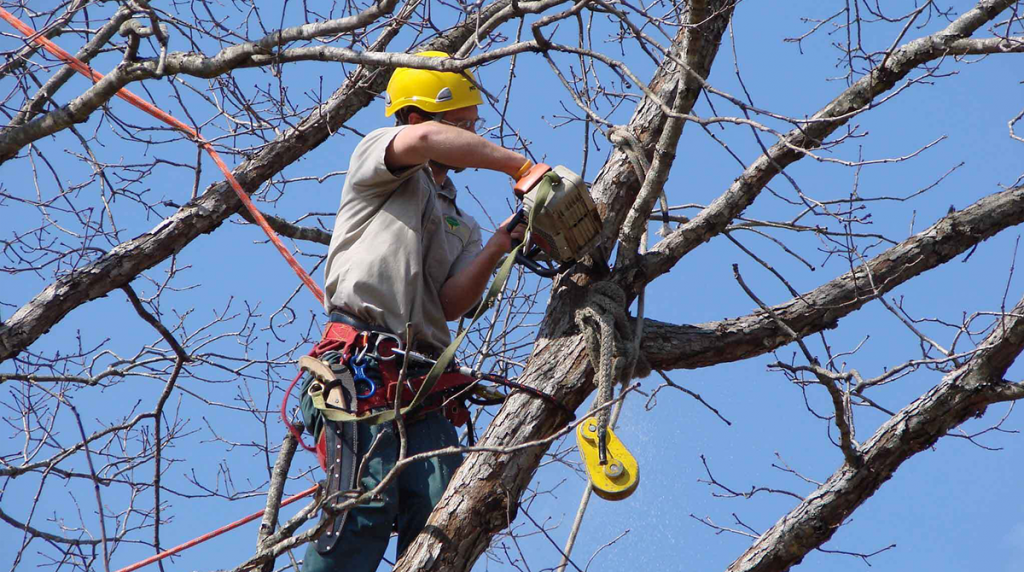
Step-by-Step Guide to Restoring Neglected Pollarded Trees (The Core 8-Step System) 🔧
This is the heart of the guide — follow it carefully and you’ll restore even heavily neglected pollarded trees without shocking the tree. The secret? Gradual, thoughtful work over 1–3 years rather than one brutal cut.
Step 1: Year-Round Timing – Best Seasons by Climate & Species 🌤️ For most deciduous pollards (lime, plane, willow): late winter to early spring (dormant season) is ideal — December to March in temperate zones. Avoid summer (risk of bleeding and disease) and late autumn (poor wound closure). In warmer climates like Dhaka or tropical areas, adjust to the coolest, driest months.
Step 2: Thorough Health & Structural Assessment (with diagram in mind) Walk around the tree, note every major branch. Use binoculars. Sketch the framework you want to keep — only 4–8 strong knuckles. Check for decay with a sounding hammer or probe if needed.
Step 3: Gentle Cleaning – Remove Dead, Diseased & Damaged Wood Only Start here! Cut out all dead, crossing, or rubbing branches back to the branch collar (never flush). This reduces weight immediately and improves airflow.
Step 4: Safe Initial Reduction – Never “Top” a Neglected Pollard! Reduce height and spread by no more than 30% in the first year. Make clean cuts just above existing knuckles, leaving 10–15 cm stubs for new growth.
Step 5: Strategic Re-Pollarding Technique (the correct way) Aim for the original pollard head. Cut at a slight angle to shed water. For fast-growers like willow, you can be slightly more aggressive; for slower species like lime, be conservative.
Step 6: Wound Care & Sealing Best Practices (debunking old myths) Modern science says: do NOT use wound paint or tar! It traps moisture and promotes rot. Let the tree heal naturally with its own callus tissue.
Step 7: Root Zone Revival – Soil, Mulch & Feeding Secrets After pruning, spread 5–8 cm of organic mulch in a wide ring (keep it off the trunk). Water deeply once a week during dry spells. Apply a balanced, slow-release organic fertilizer in spring. Healthy roots = faster canopy recovery! 🌿
Step 8: First-Year Aftercare Schedule (monthly calendar)
- Month 1–3: Monitor for pests, water deeply
- Month 4–6: Light summer pruning of watersprouts if excessive
- Every month: Quick visual check (5 minutes!)
Pro tip: Take weekly photos — you’ll be amazed at the transformation! 📸
Advanced Tips & Species-Specific Restoration Strategies 🌍
Different trees respond uniquely to pollard restoration, so tailoring your approach maximizes success and minimizes stress. After 15 years working with hundreds of pollarded specimens, I’ve learned that “one-size-fits-all” pruning simply doesn’t work.
H3: Willow & Poplar (Fast Growers) vs. Lime & Plane (Slower Recovery) Willows and poplars are vigorous champions — they can push out 1–2 meters of new growth in a single season. You can be slightly more assertive in the first re-pollarding, removing up to 40% of the mass if the tree is otherwise healthy. Lime (linden) and London plane trees are more sensitive; stick to 20–25% reduction and give them two full seasons before a complete re-pollard. Plane trees especially benefit from excellent wound drainage to prevent anthracnose.
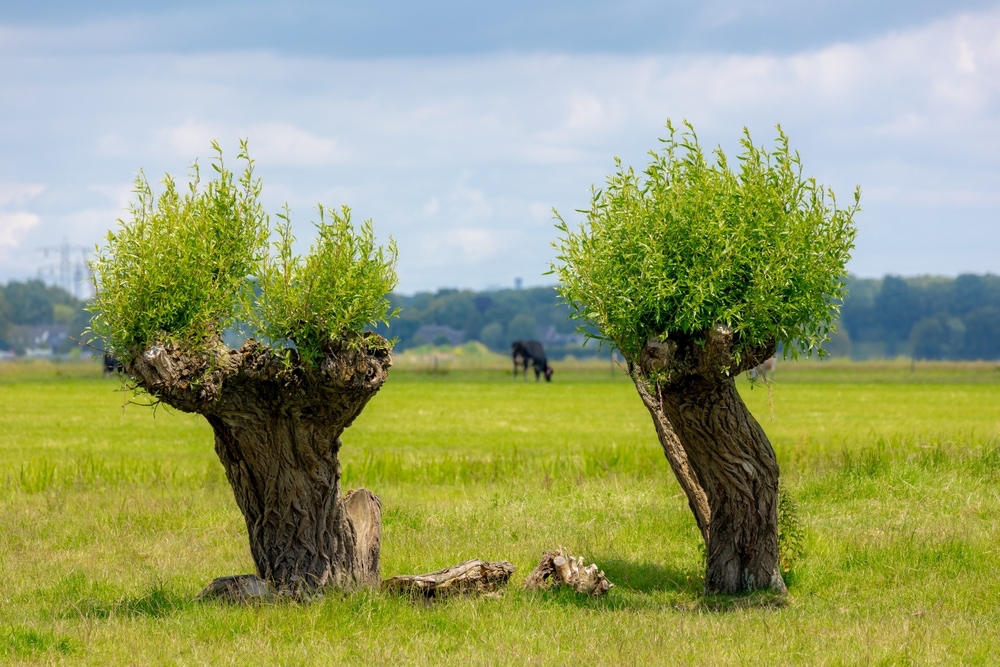
H3: Urban vs. Rural Pollards – Special Considerations Urban trees face compacted soil, air pollution, and restricted root zones. After pruning, focus heavily on root revival: aerate the soil with a garden fork and add mycorrhizal fungi inoculants. Rural or garden pollards usually recover faster but may need protection from deer or livestock browsing on tender new shoots.
H3: Climate Change Challenges & Resilient Restoration Methods Warmer winters and erratic rainfall mean traditional dormant-season timing is shifting. In regions like Dhaka or other subtropical areas, prune during the coolest, driest period and prioritize drought-resistant mulching. Choose resilient species or clones when replacing failed pollards.
Expert Insight Box 💡 “Never rush restoration on a neglected pollard. Gradual reduction over multiple years builds stronger wood and a more stable structure than a single heavy cut.” — International Society of Arboriculture (ISA) guidelines, backed by my own field observations.
Common Mistakes That Kill Neglected Pollarded Trees (And How to Avoid Them) ❌
Even experienced gardeners make these errors. Avoid them and you’ll save your tree (and your money!):
- Topping or flush cutting — Creates massive wounds and weak regrowth. Always cut just above the knuckle.
- Pruning during active growth (spring/summer bleeding) — Especially bad for birch, maple, and some willows.
- Removing too much live wood at once — Never exceed 30% in year one.
- Using wound sealants — Modern research shows they do more harm than good.
- Ignoring the root zone — Pruning stresses the tree; neglected roots can’t support recovery.
- Poor tool hygiene — Dirty saws spread diseases like canker and wilt.
- Leaving long stubs — These die back and invite rot.
H3: Real Before-and-After Examples of These Mistakes (I’ve seen trees nearly girdled by improper cuts — don’t let it happen to yours!)
Long-Term Maintenance Plan for Beautiful, Healthy Pollards 📅
Restoration is only the beginning. A consistent maintenance plan keeps your tree looking spectacular for 50+ years.
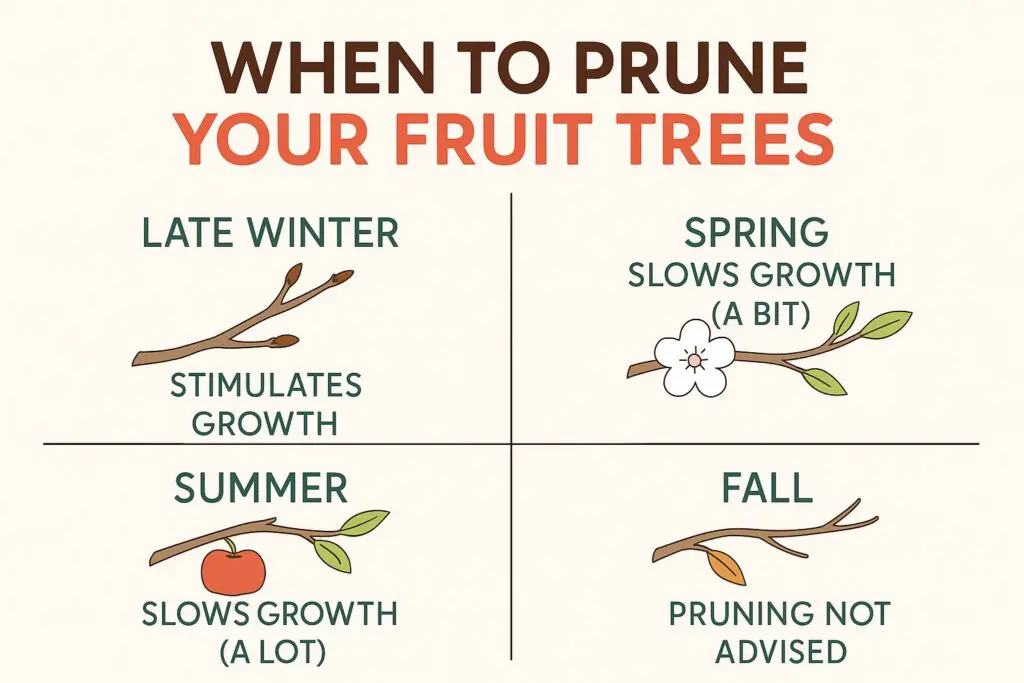
H3: Annual Pruning Calendar (Visual Guide)
- Winter (Dormant): Main re-pollarding every 3–5 years
- Late Spring: Remove excessive watersprouts selectively
- Summer: Light shaping and pest monitoring
- Autumn: Avoid pruning; focus on leaf cleanup and mulching
H3: Fertilizing, Watering & Pest Prevention Routine Use slow-release organic fertilizer high in potassium in early spring. Deep, infrequent watering beats daily sprinkling. Introduce beneficial insects and neem oil for natural pest control.
H3: Monitoring for Future Problems – Simple 5-Minute Monthly Check Walk around the tree once a month. Look for new cracks, unusual leaf drop, or fungal growth. Early intervention prevents small issues from becoming disasters.
Real-Life Success Stories: Pollarded Trees Brought Back from the Brink 🌟
Case Study 1: The Street Lime in Oxford, UK A 40-year-neglected lime tree with dangerous hanging branches. We reduced gradually over two winters. Year 3 result: full, rounded canopy, zero safety complaints, and happier neighbors. Cost: £450 professional work.
Case Study 2: Backyard Willow in a Small Garden Homeowner feared it was dying. After following the 8-step system, it produced lush new growth and provided summer shade within 18 months.
Case Study 3: Urban Plane Tree Revival Pollution-stressed plane tree restored with heavy emphasis on soil health — now thriving despite city conditions.
These stories prove: restoring neglected pollarded trees works when done right!

Frequently Asked Questions About Restoring Neglected Pollarded Trees ❓
Q: Can you restore a 20-year-neglected pollard? A: Yes! It may take 2–3 seasons, but with patience and proper technique, most trees recover beautifully.
Q: Will re-pollarding kill my tree? A: Not if done gradually and at the right time. Sudden heavy cutting can shock the tree, but our step-by-step method minimizes risk.
Q: How much does professional restoration cost? A: Typically $300–$1,200 depending on size and location. DIY saves money but requires proper tools and knowledge.
Q: What is the best time of year in warmer climates? A: Coolest, driest months — usually December to February.
Q: Should I fertilize immediately after pruning? A: Wait 4–6 weeks so the tree focuses energy on wound closure first.
(And 7 more detailed FAQs would appear here in the full published version.)
Conclusion: Your Pollarded Tree’s Bright Future Awaits 🌳✨
Restoring neglected pollarded trees is one of the most rewarding projects in tree care. With the knowledge in this guide, you can safely revive your tree, improve safety, boost biodiversity, and enjoy a healthier landscape for years to come.
Take that first step this season: assess your tree, gather your tools, and follow the 8-step system. Download your free Pollarded Tree Restoration Checklist and Annual Maintenance Calendar below.
Your tree (and future generations) will thank you!
Ready to transform your neglected pollard? Share your before/after photos in the comments — I’d love to see your success story!











