
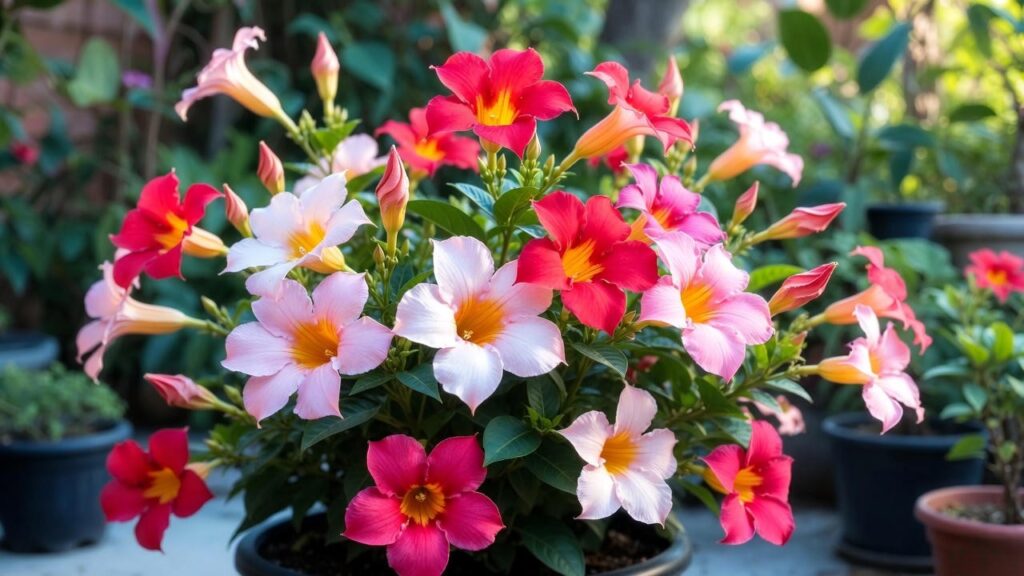
Imagine stepping onto your patio on a warm summer morning, greeted by a cascade of trumpet-shaped flowers in vivid pinks, reds, and whites, blooming relentlessly without any fuss from you. No deadheading, no constant watering, just pure tropical vibrancy that attracts hummingbirds and butterflies all season long. If you’ve ever struggled with finicky flowering plants that fizzle out mid-summer, the Rio Dipladenia plant is about to change everything. This compact, bushy beauty—part of the beloved Rio series—is a game-changer for beginners and seasoned gardeners alike, delivering non-stop blooms with minimal effort.
As a horticulturist with over 15 years of hands-on experience growing tropicals in various climates (from humid subtropical zones to container gardens in cooler regions), I’ve seen firsthand how the Rio Dipladenia outperforms many other summer annuals. Unlike its vining relative, the traditional Mandevilla, the Rio stays shrub-like and manageable, making it perfect for pots, hanging baskets, and borders. In this ultimate guide, we’ll cover every aspect of Rio Dipladenia care to help you achieve those lush, vibrant displays that last from spring through fall. Whether you’re in a hot climate treating it as a perennial or overwintering it indoors, these proven tips will ensure success. Let’s get your Rio thriving! 🌿
What Exactly is the Rio Dipladenia Plant? 🌸
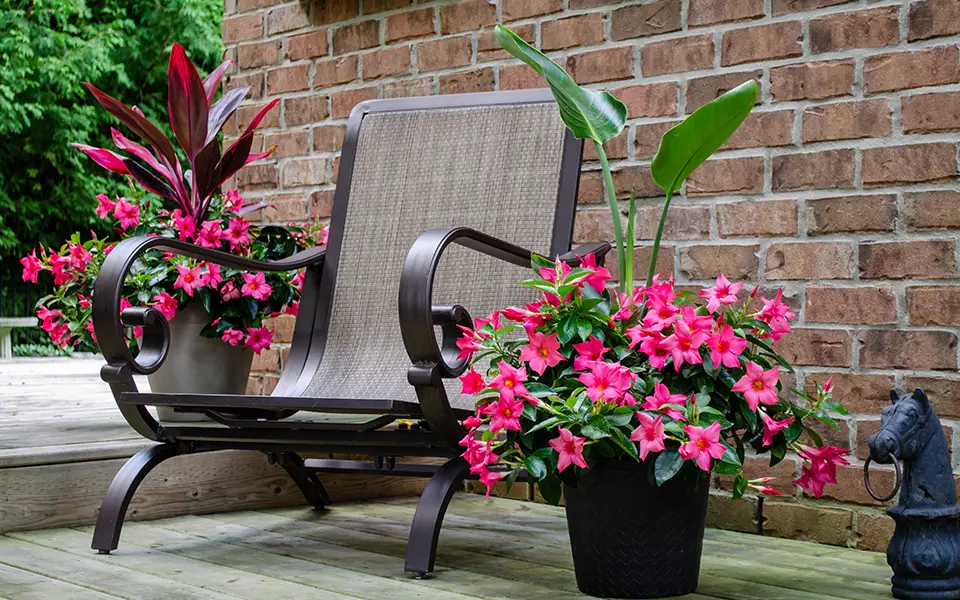
The Rio Dipladenia (Mandevilla sanderi ‘Rio’ series) is a hybrid tropical evergreen bred specifically for compactness, heat tolerance, and prolific flowering. Originating from South American natives in the Mandevilla genus, the Rio series was developed to bring exotic flair to everyday gardens without the high maintenance.
Origins and Characteristics
Native to warm, humid regions of Brazil and surrounding areas, Dipladenia has been cultivated for its stunning trumpet-shaped flowers and glossy foliage. The Rio varieties stand out with their mounding habit, growing typically 12-24 inches tall and wide. The dark green, glossy leaves provide a perfect backdrop for the 2-4 inch blooms that appear continuously. These plants are drought-tolerant once established and self-cleaning—spent flowers drop off naturally, encouraging new ones without intervention 🦋.
What makes Rios so appealing is their ability to attract pollinators like hummingbirds and butterflies while thriving in containers or beds.
Rio Dipladenia vs. Mandevilla: Key Differences
One of the most common confusions in garden centers is between Dipladenia (like the Rio series) and traditional Mandevilla. Both belong to the same genus and share similar trumpet flowers, but their growth habits differ significantly:
- Growth Habit: Rio Dipladenia is bushy and mounding, with shorter internodes and a compact form—no trellis required. Traditional Mandevilla is a vigorous vine that can climb 10-20 feet, needing support.
- Leaves and Flowers: Rios have smaller, finer, pointed leaves that are slightly matte or glossy. Flowers are abundant but slightly smaller. Mandevilla features larger, broader leaves and bigger blooms.
- Care Ease: Rios are more forgiving for containers, more drought-tolerant, and better suited to smaller spaces. Mandevilla demands more space and pruning to control vining.
Popular Rio Varieties and Colors
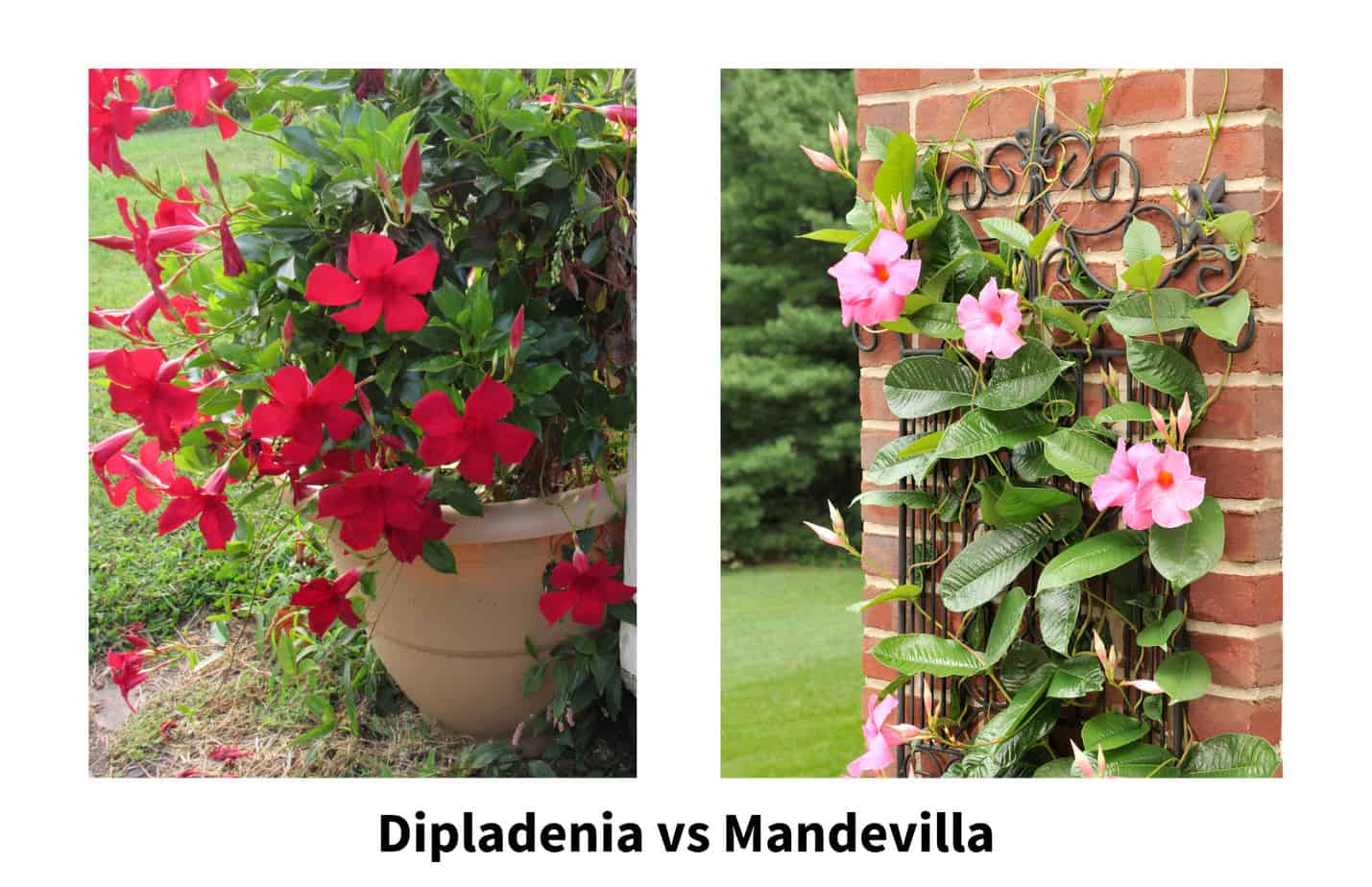
The Rio series offers stunning options:
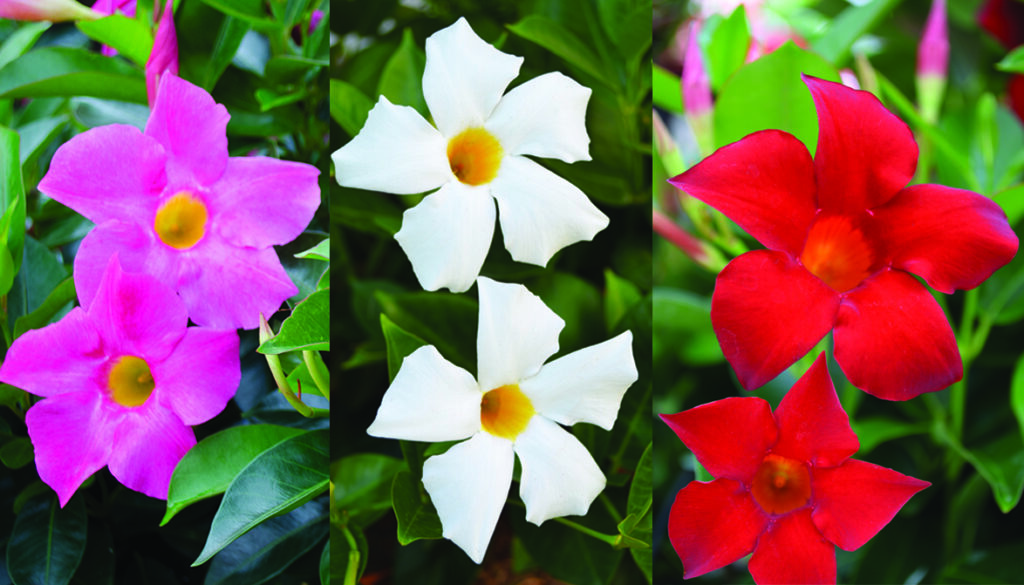
- Deep Red: Intense crimson blooms for dramatic contrast.
- Hot Pink: Vibrant, eye-catching pink that’s a hummingbird favorite.
- Pink: Softer pastel shades for elegant displays.
- White: Pure, clean blooms that pair beautifully with foliage.
- Newer hybrids include raspberry splash or bi-colors for added variety.
These colors hold strong in heat, fading less than some other annuals.
Ideal Growing Conditions for Thriving Rios ☀️
To unlock non-stop blooms, mimic the Rio Dipladenia’s tropical origins with bright light and warmth.
Light Requirements
Full sun is essential—at least 6-8 hours of direct sunlight daily. This triggers maximum flowering. In partial shade (4-6 hours), you’ll get fewer blooms and leggier growth. For indoor or northern gardeners, a south-facing window works wonders. I’ve grown Rios successfully on sunny patios where they outbloomed everything else.
Temperature and Hardiness
Rios adore heat, thriving in daytime temps of 65-85°F (18-29°C). They’re perennial in USDA zones 10-11, but treat as annuals or overwinter indoors elsewhere. Protect from temperatures below 50°F (10°C)—frost will kill them quickly.
Humidity Preferences
Moderate to high humidity is ideal. In dry climates or indoors, mist leaves occasionally or use a pebble tray with water. Good airflow prevents issues, but they handle average home humidity better than many tropicals 💦.
Planting and Soil Essentials 🪴
Getting the foundation right is crucial for your Rio Dipladenia to thrive and produce those stunning, continuous blooms. Poor soil or improper planting can lead to stunted growth, yellowing leaves, or reduced flowering—issues I’ve helped countless gardeners overcome.
Best Soil Mix
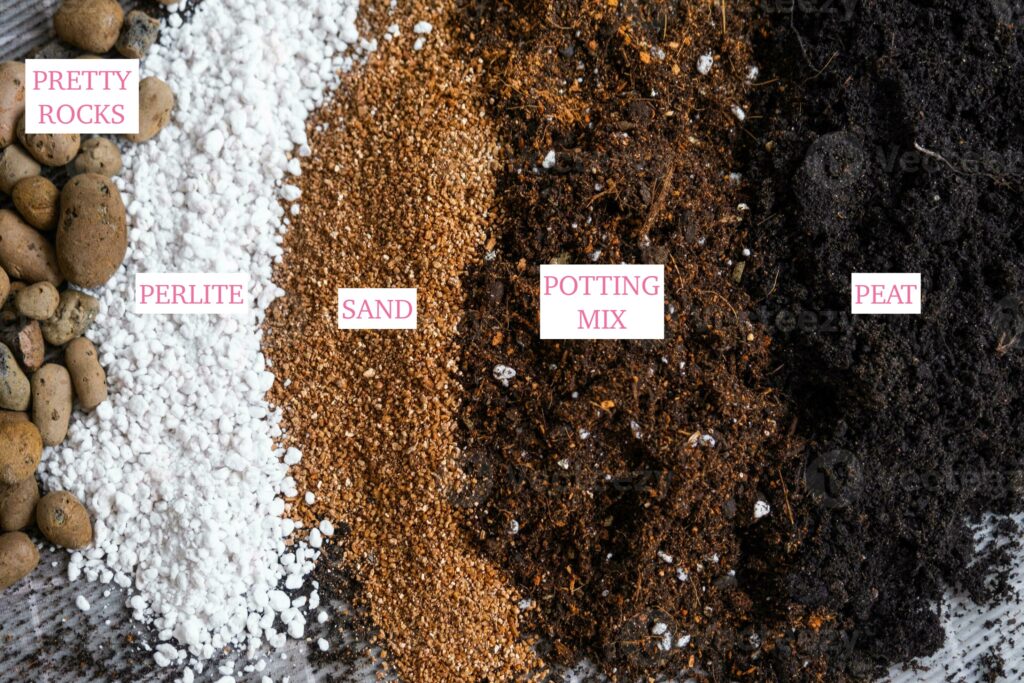
Rio Dipladenias demand well-draining soil to prevent root rot, a common killer of tropical plants. They originated in rainy but well-aerated South American soils, so replicate that with a loose, airy mix.
Recommended recipe:
- 50% high-quality potting soil (peat-based or coco coir for moisture retention)
- 30% perlite or pumice for drainage and aeration
- 20% compost or worm castings for nutrients
Target a slightly acidic to neutral pH of 6.0-7.5. Avoid garden soil—it’s too heavy and compacts in containers.
In my trials, adding a handful of orchid bark improves drainage further for hanging baskets.
Container vs. In-Ground Planting
Rios excel in containers, making them versatile for patios, balconies, or small gardens. Choose pots with ample drainage holes—at least 10-14 inches in diameter for mature plants.
For hanging baskets, use coco-lined or plastic with liners to retain moisture without sogginess. In-ground planting works in zones 10-11: Amend soil with organic matter and space plants 18-24 inches apart.
Repot every 1-2 years in spring when roots fill the pot. I’ve seen Rios double in size after a fresh repot with nutrient-rich mix.
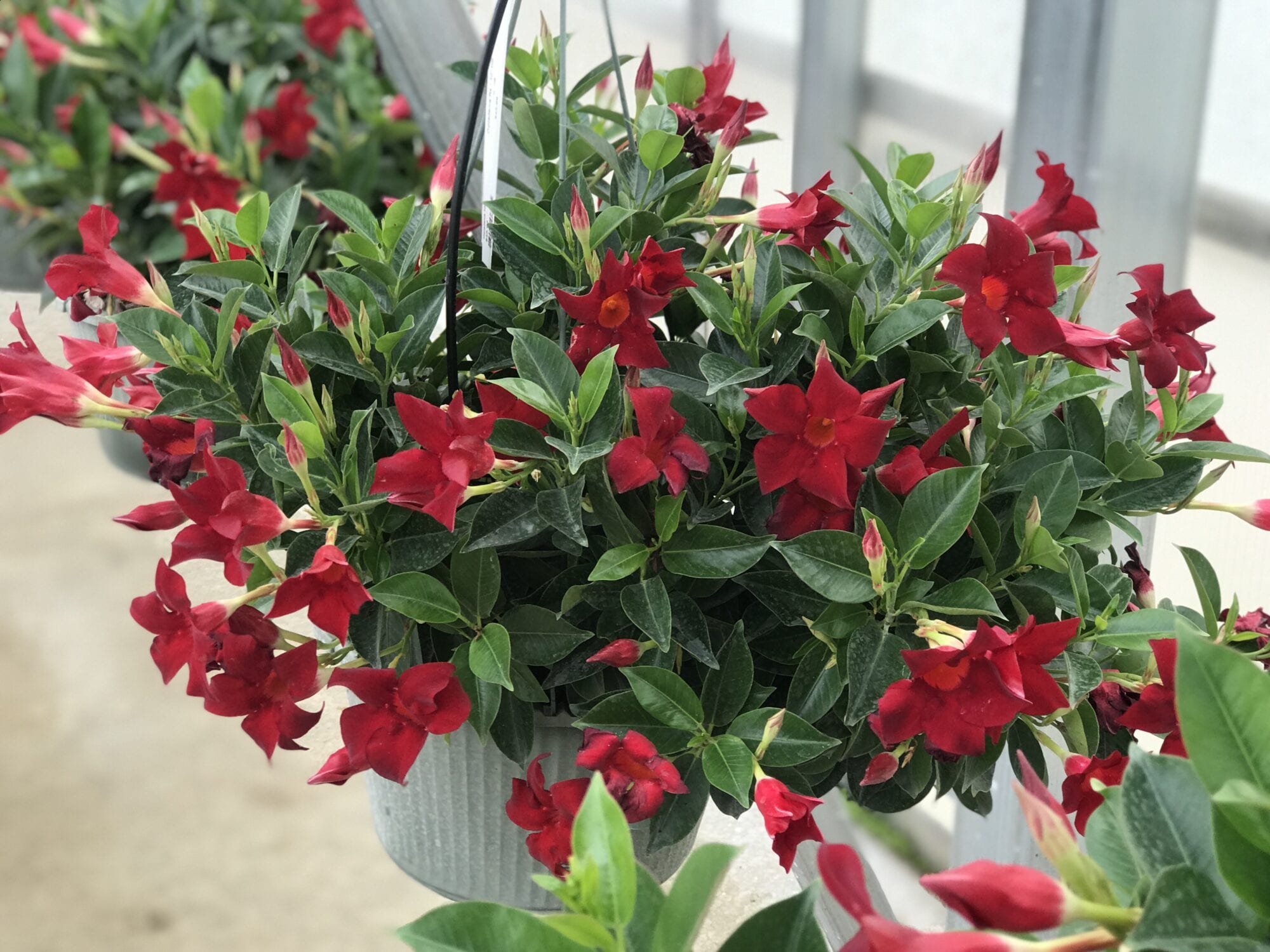
Expert Tip: Starting from Nursery Plants
Always select healthy nursery stock with dark green leaves and buds. Rios often come pre-bloomed and fertilized—inspect for pests before bringing home.
Watering Your Rio Dipladenia Like a Pro 💧
Watering is where many gardeners go wrong with Dipladenias. Too much leads to rot; too little causes bud drop and crispy leaves. The goal: Consistent moisture without saturation.
How Often to Water
Allow the top 1-2 inches of soil to dry out between waterings. In hot summer weather, this might mean every 3-5 days for containers; in cooler or humid conditions, weekly suffices.
Factors influencing frequency:
- Container size (smaller dries faster)
- Sun exposure (full sun increases evaporation)
- Wind and humidity
Deep water until it runs from drainage holes, then empty saucers to avoid standing water.
Signs of Under/Overwatering
- Overwatering: Yellow lower leaves, mushy stems, foul soil smell—root rot sets in quickly.
- Underwatering: Wilting, dry crispy leaf edges, bud drop before opening.
Stick your finger in the soil or use a moisture meter for accuracy. I’ve rescued many overwatered Rios by repotting into fresh, dry mix.
Summer vs. Winter Watering Adjustments
Peak summer: Water thoroughly but infrequently to encourage deep roots. In winter dormancy (indoors), reduce to every 2-4 weeks—let soil dry more to prevent rot.
Fertilizing for Non-Stop Blooms 🌼
Fertilizer is the secret to those prolific trumpet flowers. Rios are heavy feeders during the growing season.
Best Fertilizer Choices
Opt for a balanced, water-soluble formula like 20-20-20 diluted to half strength. For maximum blooms mid-season, switch to bloom-booster (e.g., 10-30-20 high in phosphorus).
Organic alternatives: Fish emulsion or seaweed extract every 4 weeks.

Feeding Schedule
- Spring to fall: Every 2 weeks with liquid fertilizer.
- Slow-release granules at planting provide steady nutrients for 3-6 months.
- Stop fertilizing in late fall when growth slows.
Common Mistakes to Avoid
Excess nitrogen produces lush foliage but few flowers. Always flush soil monthly to prevent salt buildup.
Pruning and Maintenance for Bushy Growth ✂️
One of the best features of the Rio Dipladenia is how low-maintenance it is when it comes to pruning. Unlike many flowering plants that require constant deadheading to keep blooming, Rios are self-cleaning—their spent trumpet flowers drop off naturally, making way for fresh buds. This trait alone saves hours of work and keeps the plant looking tidy all summer.
Do You Need to Prune?
Minimal pruning is needed for healthy Rios. They naturally maintain a compact, mounding shape. However, light pruning encourages denser growth, more branching, and even heavier blooming. In my experience with hundreds of container-grown tropicals, a strategic spring trim can turn a good Rio into a spectacular one.
How to Prune Properly
- Timing: Prune in early spring as new growth emerges, or lightly anytime during the season to shape.
- Technique: Use sharp, clean bypass pruners. Cut back leggy stems by up to one-third, just above a leaf node. Remove any damaged or crossing branches.
- Overwintering Prune: Before bringing indoors, cut back by 50% to reduce size and encourage bushiness next season.
Avoid heavy pruning mid-bloom—it can temporarily reduce flowers. Always disinfect tools between plants to prevent disease spread.
Propagation Tips
Rios propagate easily from stem cuttings, giving you free plants!
- Take 4-6 inch tip cuttings in summer.
- Remove lower leaves, dip in rooting hormone, and plant in moist potting mix.
- Cover with a plastic bag for humidity; roots form in 3-4 weeks.
I’ve propagated dozens this way with near-100% success—perfect for expanding your collection or sharing with friends 🌱.
Common Problems and Solutions 🛠️
Even the forgiving Rio Dipladenia can face issues, especially in suboptimal conditions. Early detection is key to quick fixes.
Pests to Watch For
Common culprits include aphids (clustering on new growth), spider mites (fine webbing and stippled leaves in dry conditions), mealybugs (white cottony masses), and scale (hard bumps on stems).
Prevention: Strong airflow, regular leaf inspection, and hosing off foliage weekly. Treatment: Start with neem oil or insecticidal soap sprays—apply thoroughly, including undersides of leaves. For severe infestations, use systemic insecticides sparingly.

Diseases and Prevention
Root rot from overwatering is the biggest threat—symptoms include wilting despite wet soil and mushy roots. Powdery mildew or leaf spot can occur in humid, poorly ventilated areas.
Prevent by using well-draining soil, avoiding wet foliage, and spacing plants for airflow. Remove affected leaves promptly.
Yellow Leaves or No Blooms? Troubleshooting Guide
- Yellow Leaves: Often overwatering, poor drainage, or nutrient deficiency (iron/chlorosis in alkaline soil).
- No Blooms: Insufficient sunlight, too much nitrogen fertilizer, or cold stress.
- Bud Drop: Sudden temperature swings or underwatering.
Adjust one factor at a time and monitor—most Rios bounce back quickly with corrected care.
Overwintering Your Rio Dipladenia Successfully ❄️
In zones below 10, Rios need protection to survive winter and bloom again next year.
Bringing Indoors Before Frost
Move plants inside when nighttime temps approach 50°F. Quarantine first to avoid bringing pests indoors.
Dormant vs. Active Overwintering
- Dormant (Easiest): Place in a cool (50-60°F), dark spot like a garage. Cut back severely, water sparingly (every 4-6 weeks). Plants go leafless but regrow vigorously in spring.
- Active (For Blooms): Bright, sunny south window in a warm room. Water moderately and fertilize lightly—enjoy sporadic winter flowers!

Spring Transition Tips
Harden off gradually over 1-2 weeks in spring. Prune, repot if needed, and resume full fertilizer—expect explosive growth.
Design Ideas and Companion Plants 🎨
Rios shine in summer displays thanks to their compact habit and vibrant trumpet flowers.
Best Uses in the Garden
- Hanging baskets: Trailing slightly for cascading color.
- Patio containers: As standalone thrillers or mixed with fillers.
- Window boxes or borders: Mass plantings for tropical impact.
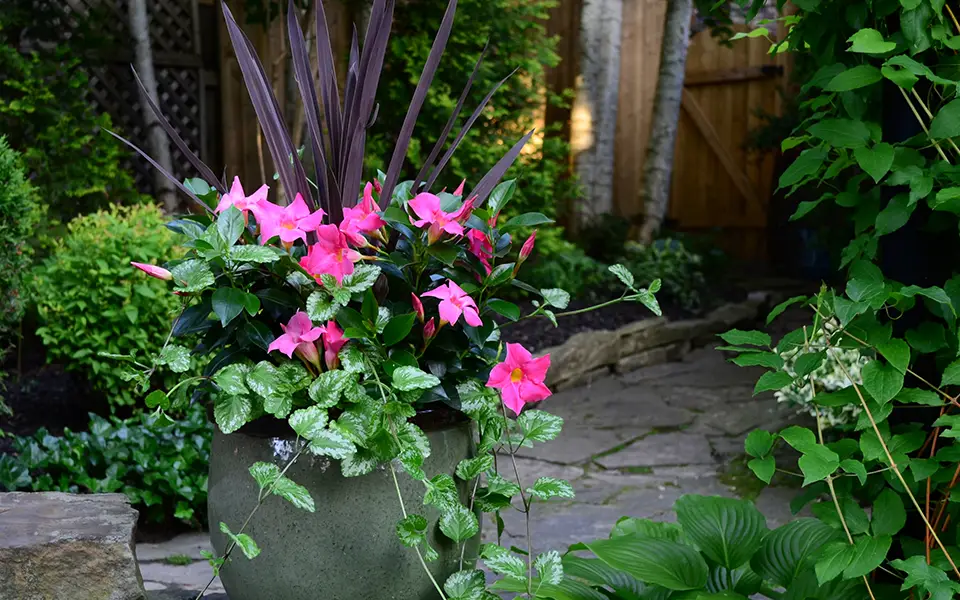
Great Companions
Pair with heat-loving annuals like calibrachoa, petunias, verbena, sweet potato vine, or lantana for stunning combos. Foliage contrasts like coleus add depth.
Frequently Asked Questions (FAQs) ❓
Is Rio Dipladenia toxic? Yes, mildly—sap can irritate skin, and ingestion may cause upset in pets or children. Wear gloves when handling.
How long do blooms last? Individual flowers 5-10 days, but plants bloom continuously from spring to frost with good care.
Can it grow indoors year-round? Absolutely, with bright light and proper watering—makes a beautiful houseplant.
Why is my plant leggy? Too little sun. Move to full direct light for compact growth.
Do hummingbirds love Rios? Yes! The tubular flowers are perfect for them 🦜.
Conclusion: Enjoy Endless Summer Color with Your Rio Dipladenia! 🌟
The Rio Dipladenia plant truly delivers on its promise of vibrant, non-stop blooms with remarkably little effort. By providing full sun, well-draining soil, balanced watering, and occasional feeding, you’ll be rewarded with a tropical spectacle that outshines many fussier plants. Whether in hanging baskets, patio pots, or as a perennial in warm climates, this compact beauty brings joy to gardeners of all levels.
From my years cultivating these gems, I can confidently say: Once you grow a Rio, you’ll want more. Follow this guide, watch your plant thrive, and enjoy the hummingbirds flocking to those gorgeous trumpet flowers all summer long. Happy gardening! 🌺🦋











