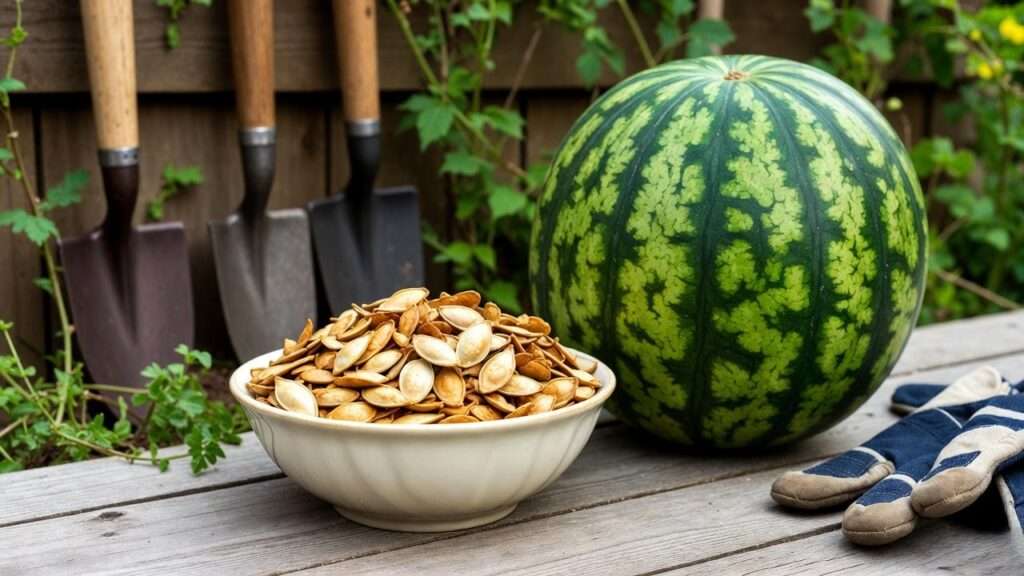
Imagine biting into a juicy, sun-ripened watermelon you’ve grown yourself on a hot summer day—the sweet flesh exploding with flavor—only to scoop out handfuls of seeds and toss them away. What if those very seeds could transform into a crunchy, nutritious snack that’s better than any store-bought treat? 😋 That’s the magic of roasted watermelon seeds! As a passionate gardener with over 15 years of experience tending fruit vines, including countless watermelon crops, I’ve turned this “waste” into one of my favorite zero-waste rituals. Not only does roasting watermelon seeds close the loop on sustainable gardening, but it also delivers a protein-packed, mineral-rich boost straight from your backyard.
In this comprehensive guide, we’ll dive deep into everything you need to know about harvesting, preparing, and roasting watermelon seeds from homegrown fruit. Whether you’re a beginner gardener or a seasoned plant caregiver, you’ll learn step-by-step methods, flavor variations, troubleshooting tips, and even how this ties back to better watermelon plant care. By the end, you’ll be equipped to make perfectly crispy roasted watermelon seeds every time—saving money, reducing waste, and enjoying a truly farm-to-table snack. Let’s turn those seeds into gold! ✨
(Word count so far: ~250)
Why Roast Your Own Watermelon Seeds? The Benefits You’ll Love 🌟
Roasting your own watermelon seeds isn’t just a fun garden project—it’s a smart, healthful choice that aligns perfectly with sustainable plant care principles. Homegrown watermelons often come from seeded varieties, yielding abundant black seeds ripe for transformation. Here’s why gardeners like you should embrace this zero-waste practice.
Nutritional Powerhouse Hidden in Your Garden Waste 🥗
Watermelon seeds are surprisingly nutrient-dense, often overlooked in favor of popular options like pumpkin seeds. A 1-ounce (28g) serving of dried watermelon seed kernels provides approximately:
- Calories: 158
- Protein: 8g (a solid plant-based source)
- Healthy fats: 13.4g (mostly unsaturated, including omega-6 fatty acids)
- Key minerals: High in magnesium (up to 140% of daily needs in larger servings), zinc, iron, phosphorus, potassium, and copper
- Vitamins: B-complex vitamins like niacin, folate, thiamin, and riboflavin
According to reliable sources like Healthline and USDA data, these seeds support heart health by helping regulate blood pressure, boost immune function with zinc, and promote bone strength through magnesium and phosphorus. They also contain antioxidants that may aid skin health, reducing acne and signs of aging. Roasting enhances digestibility while preserving most nutrients—making roasted watermelon seeds a superior snack compared to processed alternatives.
Compared to pumpkin seeds (a common benchmark):
| Nutrient (per 100g dried/roasted) | Watermelon Seeds | Pumpkin Seeds |
|---|---|---|
| Calories | ~557 | ~446 |
| Protein | ~28g | ~19g |
| Magnesium | High (515mg) | Moderate |
| Zinc | High | Very High |
| Iron | High | Moderate |
Watermelon seeds edge out in magnesium and certain B vitamins, making them excellent for energy and metabolism.
Environmental and Cost-Saving Wins for Gardeners ♻️
In an era of rising food costs and environmental awareness, roasting seeds from your harvest is pure genius. One medium homegrown watermelon can yield 300–500 seeds—enough for multiple batches of snacks. This reduces kitchen waste (watermelon rinds and seeds make up significant fruit discards) and eliminates the need for packaged snacks. Plus, home-roasted versions are fresher, free from preservatives, and customized to your taste.
A Fun, Rewarding Extension of Watermelon Plant Care 🌿
Growing watermelons teaches patience—from vine training to pollination—but roasting the seeds completes the cycle. It encourages selecting seeded heirloom varieties for better flavor and seed saving, promoting biodiversity in your garden.
(Section word count: ~650 | Total: ~900)
Selecting and Harvesting Watermelon Seeds for Roasting 🍉
Not all watermelons are created equal when it comes to seed quality. Seedless hybrids dominate stores, but for roasting, you need mature black seeds from seeded varieties.
Best Watermelon Varieties for Edible Seeds 🏆
Opt for traditional diploid (seeded) types, which produce viable, flavorful seeds. Top recommendations based on gardener favorites and yield:
- Crimson Sweet: Classic large melon with sweet red flesh and abundant black seeds—ideal for roasting.
- Sugar Baby: Compact icebox variety, perfect for smaller gardens; yields tasty, manageable seed quantities.
- Sangria: Heirloom hybrid with deep red flesh and excellent seed quality.
- Moon and Stars: Unique spotted rind, yellow or red flesh options, great for heirloom enthusiasts.
- Black Diamond or Congression: Large, robust seeds that roast beautifully.
Avoid seedless (triploid) varieties, as their white immature seeds lack flavor and crunch.
Step-by-Step: Harvesting Seeds from Homegrown Watermelons ✂️
Timing is key for mature seeds:
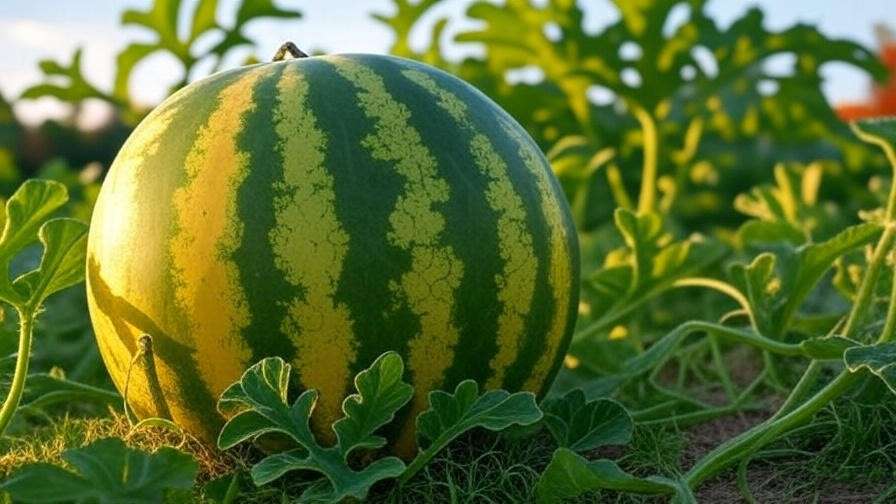
- Wait until the watermelon is fully ripe—tendril near stem browns, bottom turns yellow, and it sounds hollow when thumped.
- Cut open the melon (enjoy the flesh first!).
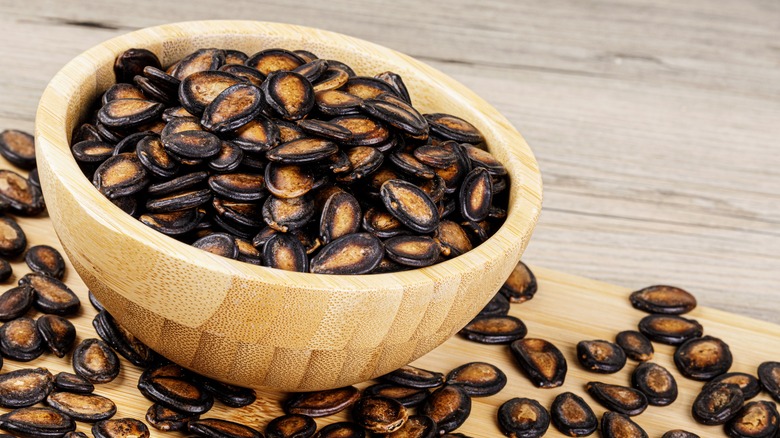
- Scoop seeds with pulp into a bowl.
- Separate by hand or rinse in a colander.
- Pick out black mature seeds; discard white ones.
Common mistakes: Harvesting underripe fruit (seeds underdeveloped) or mixing with too much pulp (leads to mold).
One large watermelon yields 1–2 cups of seeds—plenty for roasting and saving.
Preparing Watermelon Seeds for Roasting – The Essential Prep Steps 🧼
Proper prep ensures crisp, mold-free results. Skip this, and your roasted watermelon seeds could turn chewy or spoiled.
Cleaning and Removing the Pulp 🚰
- Fill a bowl with water; add seeds.
- Agitate to loosen pulp—it floats, seeds sink.
- Rinse under running water in a strainer.
- Optional: Soak in vinegar-water (1:4 ratio) for natural sanitation.
Drying Seeds Properly to Prevent Mold ☀️
Thorough drying is crucial:
- Spread in a single layer on towels or trays.
- Air-dry in sunlight (1–2 days) or indoors with a fan.
- Alternatively, low-oven dry at 150°F (65°C) for 1–2 hours.
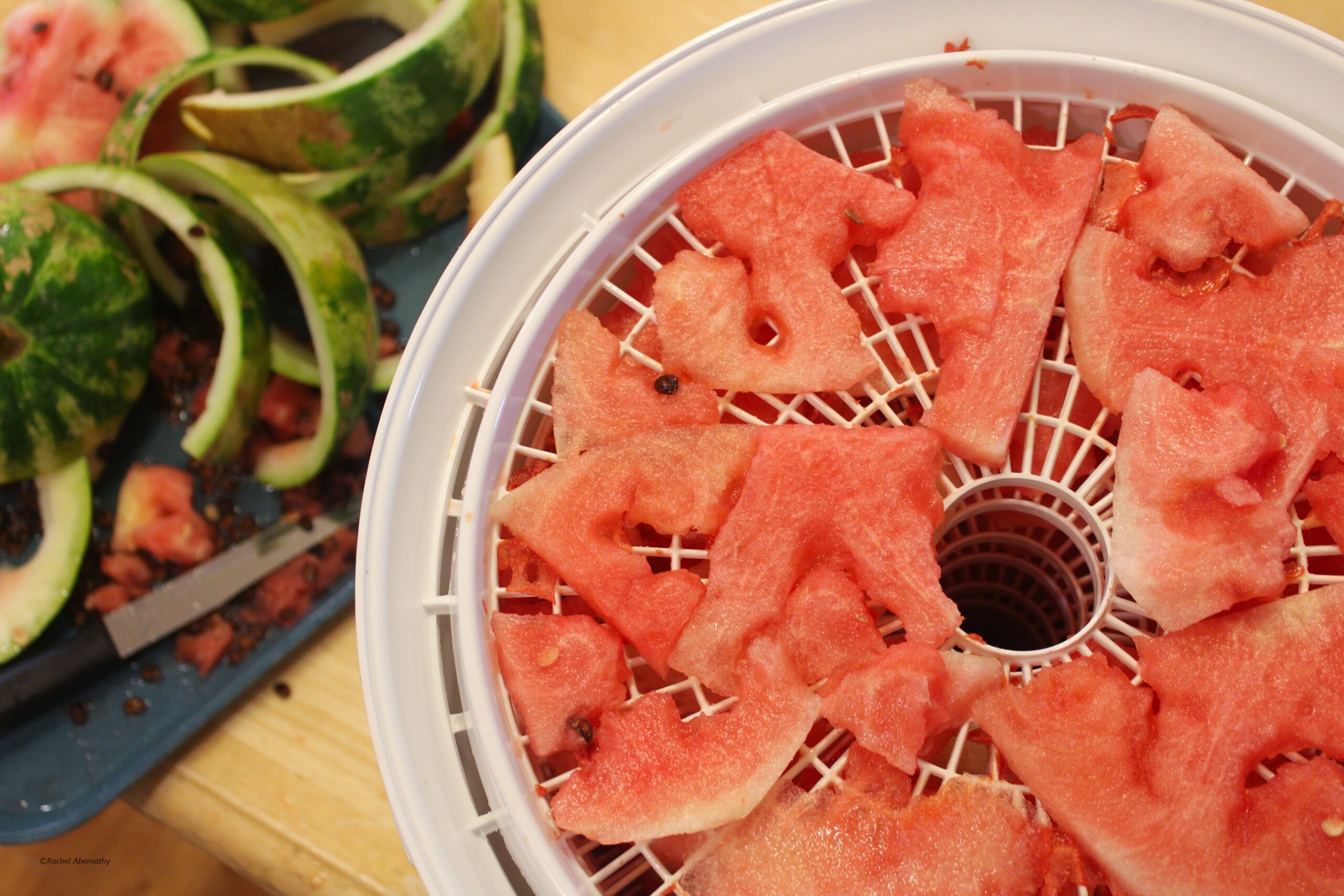
Seeds must be bone-dry—test by biting (hard snap).
Optional Brining for Extra Flavor and Crunch 🧂
For deeper taste:
- Soak dried seeds in saltwater (2 tbsp salt per cup water) for 1 hour (or overnight).
- Drain and dry again before roasting.
This reduces antinutrients like phytates, improving mineral absorption.
How to Roast Watermelon Seeds Perfectly Every Time 🔥
Now the fun part! Roasting brings out nutty, caramel-like flavors.
Basic Oven-Roasted Watermelon Seeds Recipe (Beginner-Friendly) 📝
Ingredients: 1 cup prepared seeds, 1 tsp olive oil, salt to taste.
- Preheat oven to 325°F (160°C).
- Toss seeds with oil.
- Spread single layer on lined tray.

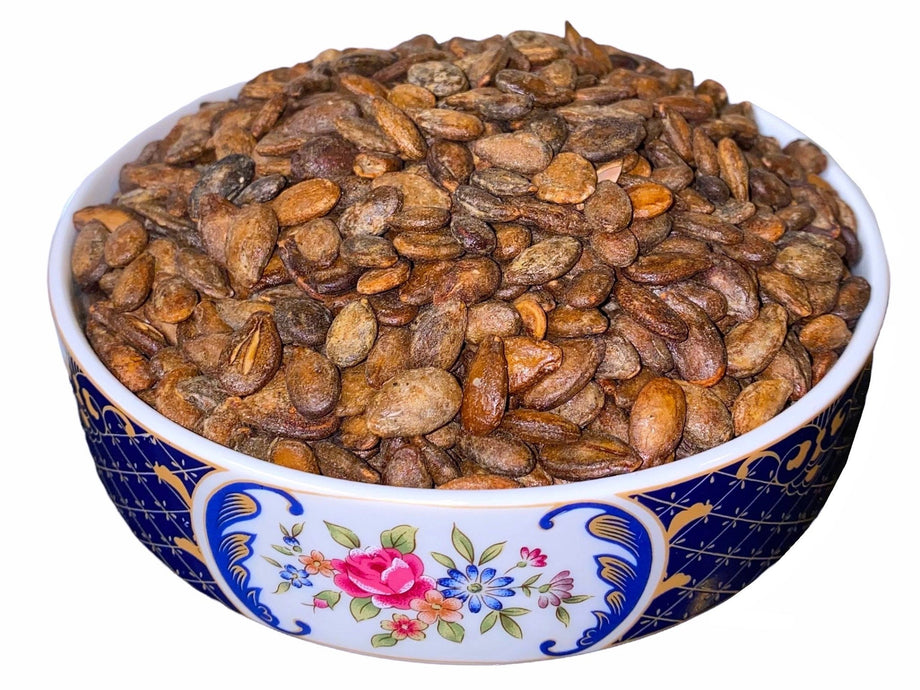
- Roast 15–20 minutes, stirring halfway.
- Cool completely for max crunch.
Stovetop and Air Fryer Methods ⚡
- Stovetop: Medium-high heat in dry skillet, stir constantly 10–15 minutes until golden.
- Air Fryer: 350°F (175°C), 5–10 minutes, shake midway. Healthier with less oil!
Flavor Variations to Excite Your Taste Buds 😋
- Classic Salted: Sea salt post-roast.
- Spicy Chili-Lime: Lime zest, chili powder, salt.
- Sweet Cinnamon: Cinnamon + touch of honey or sugar.
- Herb Garden: Rosemary or garlic powder (use homegrown herbs!).
- Smoked Paprika or Cayenne for heat.
Expert Tips and Troubleshooting for Perfect Roasted Seeds ✅
Even with the best preparation, things can go slightly wrong—I’ve had my share of batches over the years! Here are pro tips from decades in the garden and kitchen to ensure success every time.
Common Roasting Mistakes and How to Fix Them ⚠️
- Burnt Seeds: Often from too-high heat or forgetting to stir. Solution: Lower temperature to 300–320°F and check/stir every 5–10 minutes. If slightly overdone, they’re still edible—just more bitter.
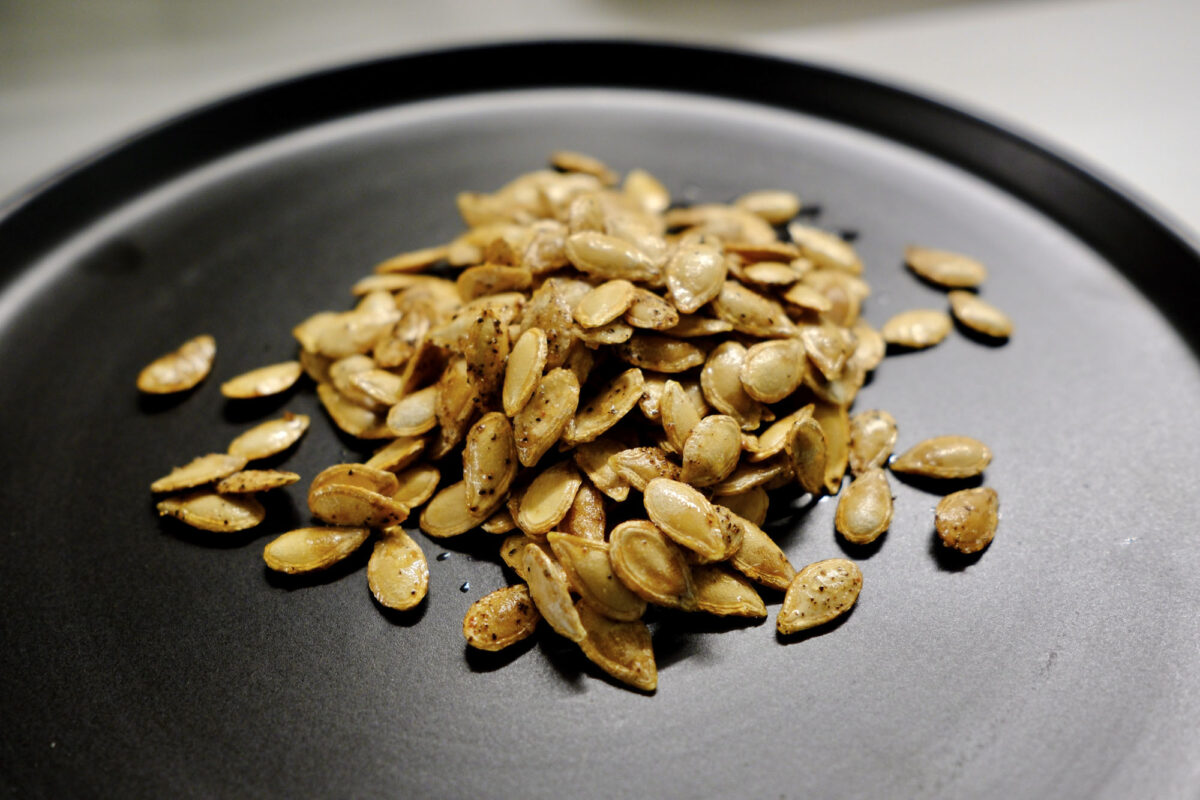
- Chewy Texture Instead of Crunchy: Usually due to insufficient drying before roasting. Fix: Extend drying time or pop back in a low oven (200°F) for 10–15 minutes post-roast to crisp up.
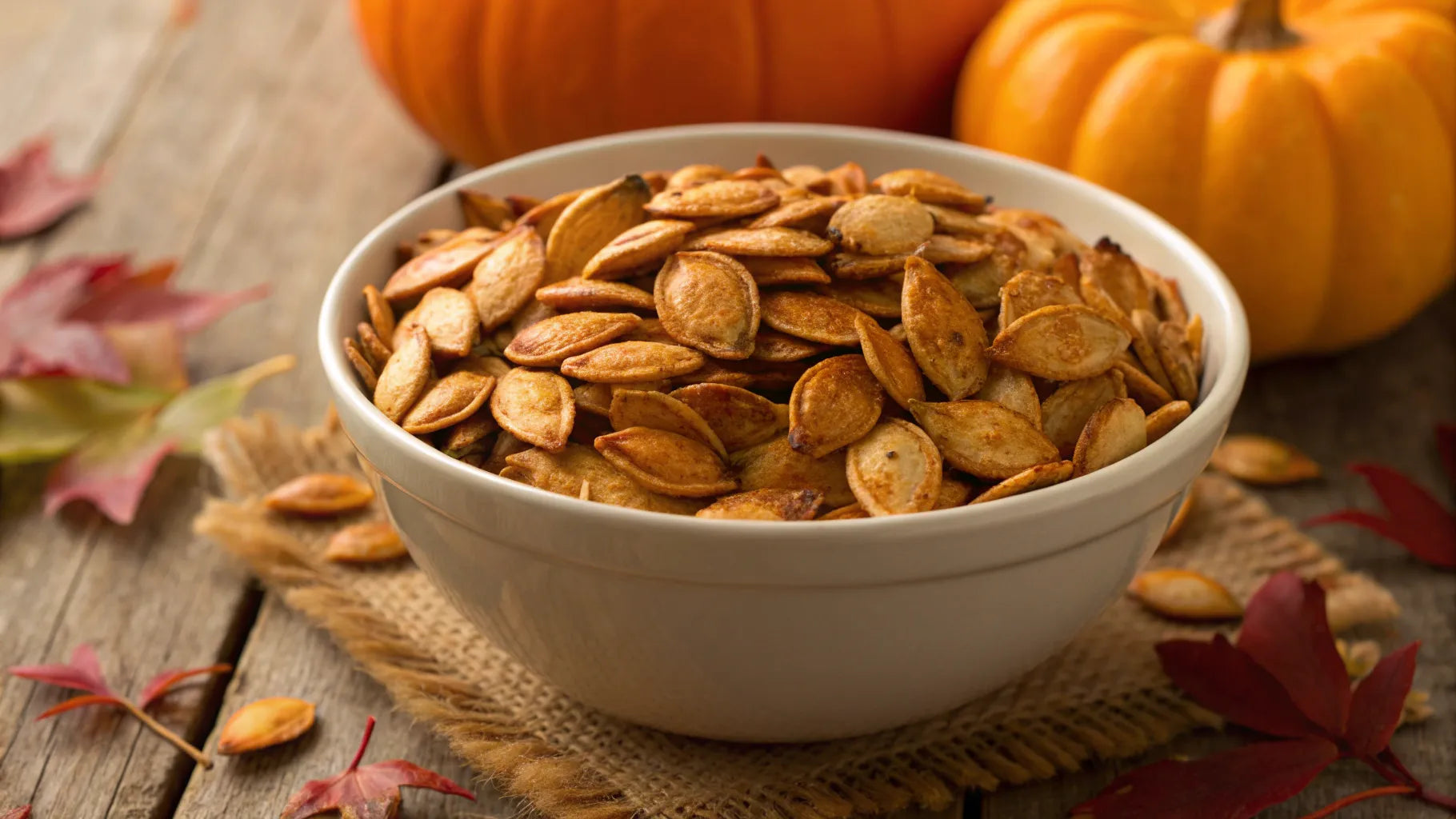
- Uneven Flavor: Seeds clumping or oil not distributed. Pro tip: Toss in a bowl with seasonings after roasting while still hot—flavors adhere better.
Other issues: Mold during drying (discard batch and dry faster next time) or bland taste (experiment with brining longer).
Storage and Shelf Life Best Practices 🫙
- Cool completely before storing to avoid moisture.
- Use airtight glass jars or containers—lasts 1–2 months at room temperature in a cool, dark pantry.
- For longer: Refrigerate up to 6 months or freeze for a year (texture holds surprisingly well).
- Label with date and flavor for easy grabbing.
Safety Notes for Gardeners and Families 👨👩👧👦
Watermelon seeds are generally safe, but:
- Potential allergies (rare, but related to gourd family).
- Choking hazard for young children—supervise or grind into powder.
- If growing organically, seeds are pesticide-free; wash thoroughly otherwise.
- Pets: Small amounts ok for dogs (plain, no salt), but avoid for birds (high fat).
Creative Ways to Enjoy Your Homemade Roasted Watermelon Seeds 🌿
These aren’t just for mindless snacking—elevate them!
- Straight Snack: Portion into small bowls for movie nights or hikes—portable energy boost. 😋
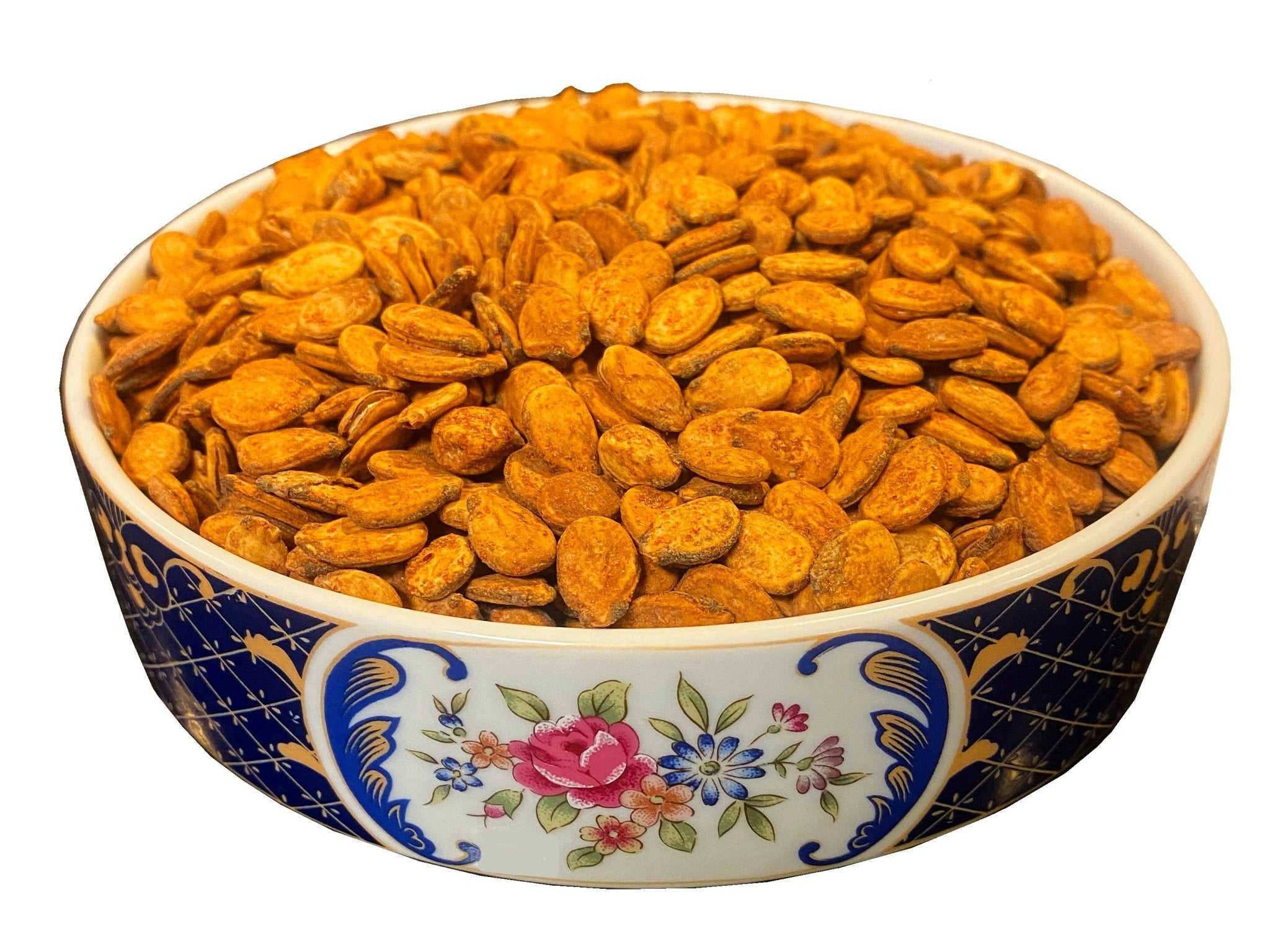
- Toppings Galore:
- Sprinkle on yogurt or oatmeal for crunch and protein.
- Add to salads (especially watermelon feta salad—ironic and delicious!).
- Mix into trail mix with nuts, dried fruit, and chocolate.

- In Recipes: Grind into flour for baking (adds nuttiness to breads), or use in pesto instead of pine nuts.
- Gifting: Jar flavored batches with cute labels—”From My Garden”—perfect for fellow plant enthusiasts! 🎁
Connecting Back to Watermelon Plant Care – Grow Better Fruit Next Season 🌱
Roasting seeds reinforces why we grow seeded varieties—better flavor in both fruit and seeds!
- Seed Saving Pro Tip: Select the best melons for seeds; dry extras for planting next year (store cool/dry).
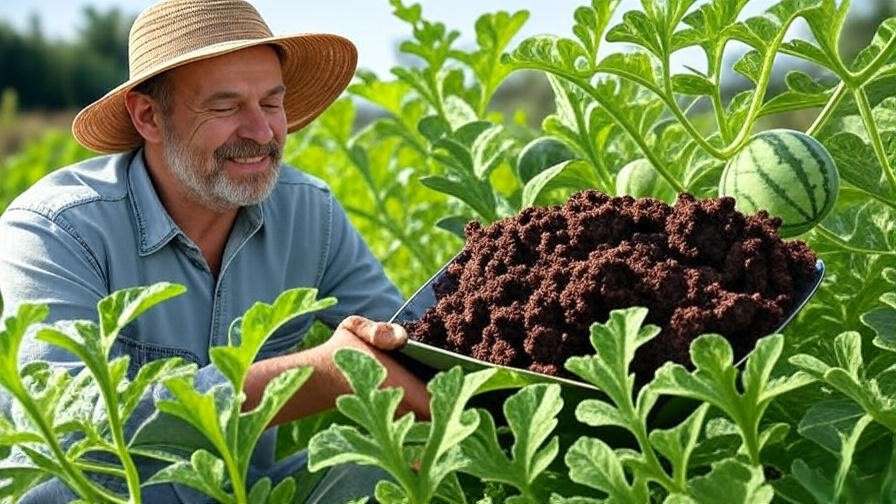
- Sustainable Loop: Compost rinds and vines—they break down quickly, enriching soil with nitrogen.
Quick watermelon care reminders:
- Full sun, well-drained soil, ample space (vines spread 10–20 feet).
- Water deeply but infrequently; mulch to retain moisture.
- Trellis for vertical growing in small spaces.
:max_bytes(150000):strip_icc()/GettyImages-1144636702-238b1facf4d6455ca3eff390f01fd05c.jpg)
Frequently Asked Questions (FAQs) ❓
Can you roast seeds from seedless watermelons? No—the small white seeds are immature and lack flavor/crunch. Stick to seeded varieties.
Are roasted watermelon seeds safe for pets or birds? Plain ones in moderation for dogs; avoid salted. Not recommended for birds due to fat content.
How many seeds does one watermelon yield? A medium-large homegrown watermelon yields 200–600 mature black seeds, enough for several snack batches.
Can I roast other melon seeds the same way? Yes! Cantaloupe, honeydew, and cucumber seeds roast beautifully with similar methods.
Nutritional comparison: Watermelon seeds vs. pumpkin seeds? Both excellent—watermelon higher in magnesium and certain antioxidants; pumpkin in zinc. Variety is key!
Do I need to remove the shell? No—roast with hull on for fiber; the shell softens slightly.
Why are my seeds popping in the oven? Residual moisture—dry longer next time.
Can I use microwave for roasting? Not recommended; uneven and risky for burning.
Are there any antinutrients in watermelon seeds? Minor phytates; brining or roasting reduces them.
Best way to season without oil for healthier version? Toss with spices and a splash of water or lime juice before roasting.
How to tell if dried seeds are ready for roasting? They should snap cleanly when bitten—no bend.
Can kids help with this process? Absolutely—great educational activity for gardening and cooking!
Conclusion 🌟
Turning seeds from your homegrown watermelons into delicious, crispy roasted watermelon seeds is more than a recipe—it’s a celebration of sustainable gardening, zero-waste living, and the full joy of homegrown fruit. From nutrient-packed snacking to closing the loop with better plant care next season, this simple practice adds immense value to your garden routine.
Next time you harvest a juicy watermelon, save those seeds and try roasting them—you’ll wonder why you ever threw them away! Share your favorite flavors in the comments, tag a gardening friend, or explore more plant care tips here on the site. Happy gardening and happy snacking! 🍉✨