
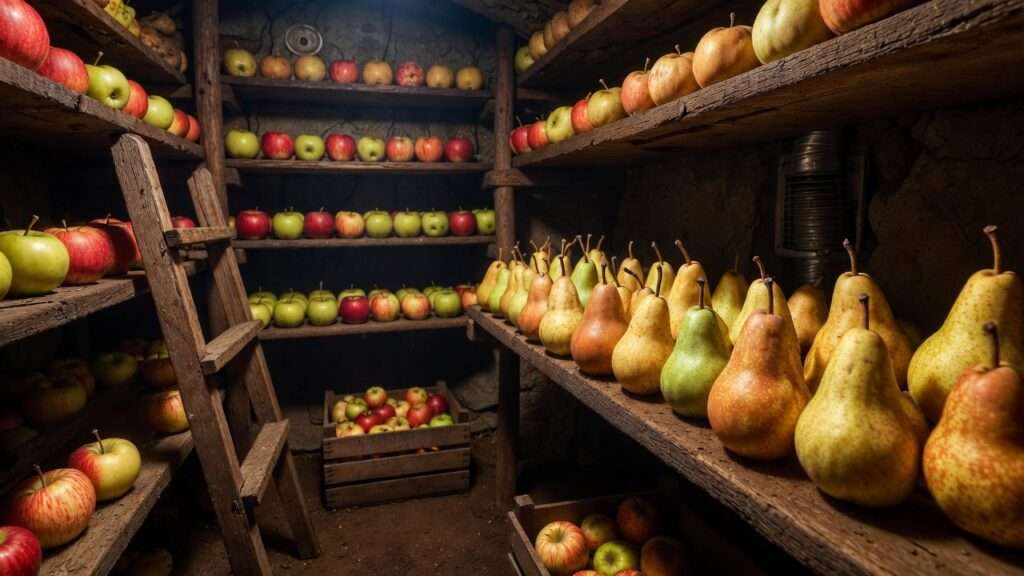
Imagine sinking your teeth into a crisp, juicy apple or a buttery-smooth pear in the depths of winter—months after your last harvest—when the trees are bare and the grocery aisles feel uninspiring. No artificial coatings, no months-old shipments, just that pure, homegrown flavor bursting with freshness! 🍂❄️
For gardeners, homesteaders, and backyard orchard enthusiasts who lovingly tend fruit trees year-round, root cellar storage for apples and pears offers the perfect natural solution to extend your harvest well into spring. This age-old method—backed by university extension services, experienced orchardists, and generations of self-sufficient families—slows ripening, prevents spoilage, and keeps fruit remarkably crisp without electricity. Yet many struggle with wrinkling, rot, or rapid softening due to improper setup, variety selection, or monitoring.
In this in-depth guide, we’ll walk you through every step to master root cellar storage successfully. Drawing from reliable horticultural research (like OSU Extension, Purdue University, and Missouri Extension recommendations), real-world homesteading practices, and proven techniques, you’ll learn how to minimize waste, maximize flavor retention, and enjoy your orchard’s bounty sustainably all year long. Whether you’re building your first root cellar or optimizing an existing one, these expert tips will help you achieve results that outperform typical home storage methods. Let’s turn your fall harvest into winter treasure! 🌱🍏
Why Root Cellar Storage Works So Well for Apples and Pears
Apples and pears are among the few fruits that thrive in cold, humid environments, making them ideal candidates for root cellaring. The key lies in controlling the natural processes that cause decay: respiration (the fruit “breathing” and using up its sugars), ethylene production (a ripening hormone), and moisture loss.
At low temperatures (around 32–40°F), respiration slows dramatically, preserving texture and nutrients. High humidity (85–95%) prevents shriveling by reducing transpiration, while gentle ventilation removes excess ethylene and CO₂ to avoid off-flavors or accelerated ripening. Unlike refrigeration—which can be too dry and energy-intensive—root cellars provide stable, natural conditions that often yield better long-term flavor for storage varieties.
This approach aligns perfectly with sustainable tree care: it reduces food waste (post-harvest losses can reach 30–50% without proper storage), saves energy, and lets you savor homegrown fruit without relying on commercial supply chains. For anyone growing fruit trees, it’s a game-changer for self-sufficiency! 🌍💚
Ideal Conditions for Root Cellar Storage
Getting the environment right is non-negotiable—small tweaks make the difference between months of crisp fruit and quick spoilage.
Optimal Temperature and Humidity Levels
Apples store best at 30–40°F (ideally 32°F near freezing but not below to avoid chilling injury in sensitive varieties) with 85–95% relative humidity. Pears prefer a similar range, often 32–38°F, as some (like Bartlett) suffer chilling injury below 30°F.
These ranges slow ethylene production and respiration while keeping cells plump. Too warm (>40°F), and fruit ripens quickly; too cold (<30°F for some), and you risk internal browning or pitting.
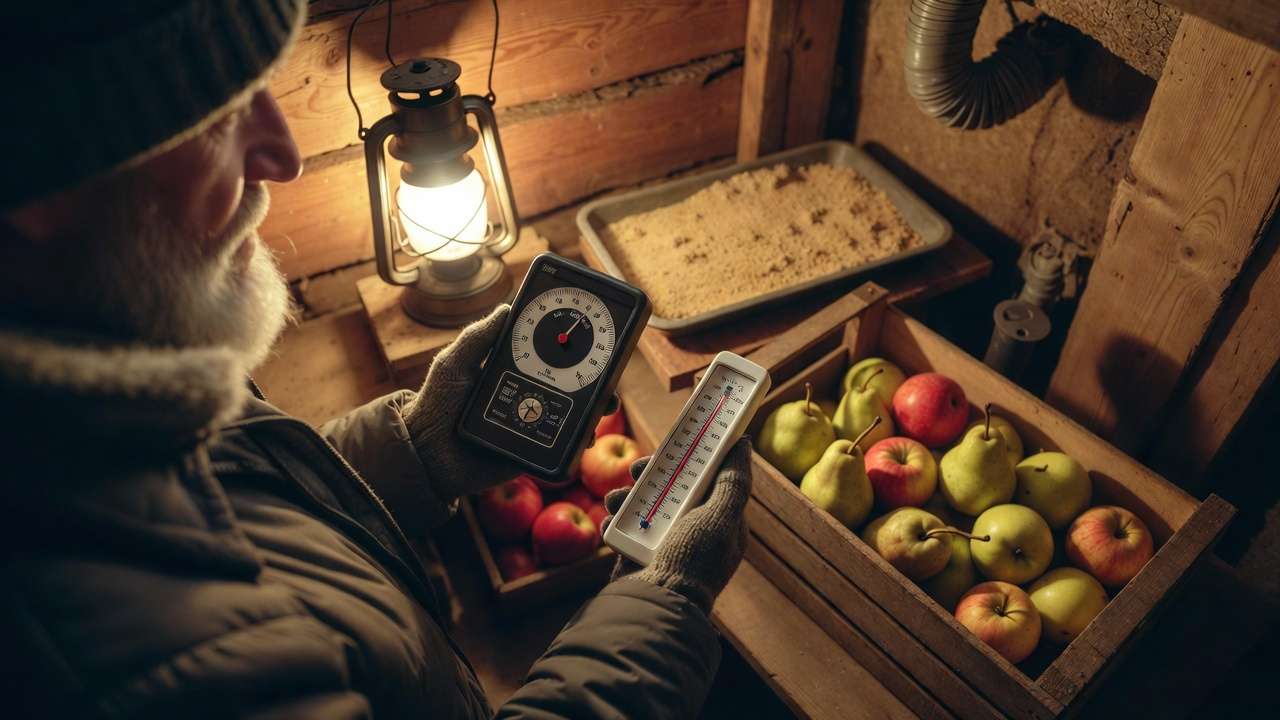
Use a reliable thermometer and hygrometer (digital combo units are affordable and accurate). Place them at fruit level for true readings. To boost humidity: add damp (not wet) sand trays, wet burlap, or shallow water pans; mist shelves occasionally if needed. For lower humidity tweaks: increase ventilation slightly. ❄️💧
Ventilation and Airflow Essentials
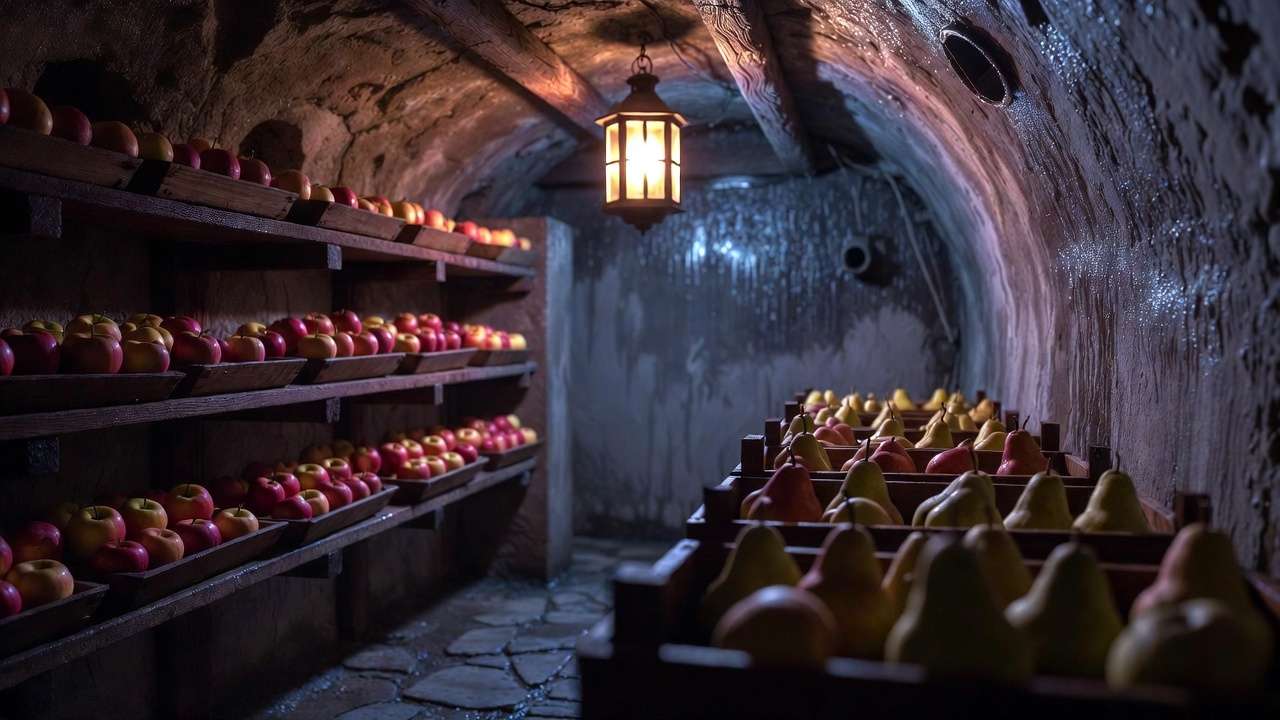
Gentle, consistent airflow is crucial—it expels ethylene gas (which speeds ripening) and prevents mold from stagnant air. Install high and low vents (or pipes) for natural convection: cool air enters low, warm air exits high.
Avoid strong drafts that dry fruit; a slow exchange (like a slightly open vent on cold nights) works best. In humid setups, this also helps control excess moisture. Monitor for condensation—if excessive, ventilate more.
Light and Darkness Factors
Keep the space completely dark 🌑—light triggers sprouting or greening in some fruits and accelerates aging. Use opaque coverings or paint walls if needed. Darkness is a free, powerful preservation tool!
Choosing the Best Varieties for Long-Term Storage
Variety selection is the #1 factor in success—some apples and pears are bred to hold firm texture, resist rot, and retain flavor for months.
Top Apple Varieties That Excel in Root Cellars
Focus on late-season, thick-skinned, firm-fleshed types:
- Long-keepers (5–8+ months): Granny Smith, Fuji, Pink Lady, Braeburn, Rome Beauty, Arkansas Black, Goldrush, Enterprise 🌟
- Mid-range (3–6 months): Honeycrisp (store at 36–38°F to avoid chilling injury), Jonagold, Golden Delicious, Winesap, Northern Spy
- Shorter but still good: McIntosh, Gala (best used earlier)
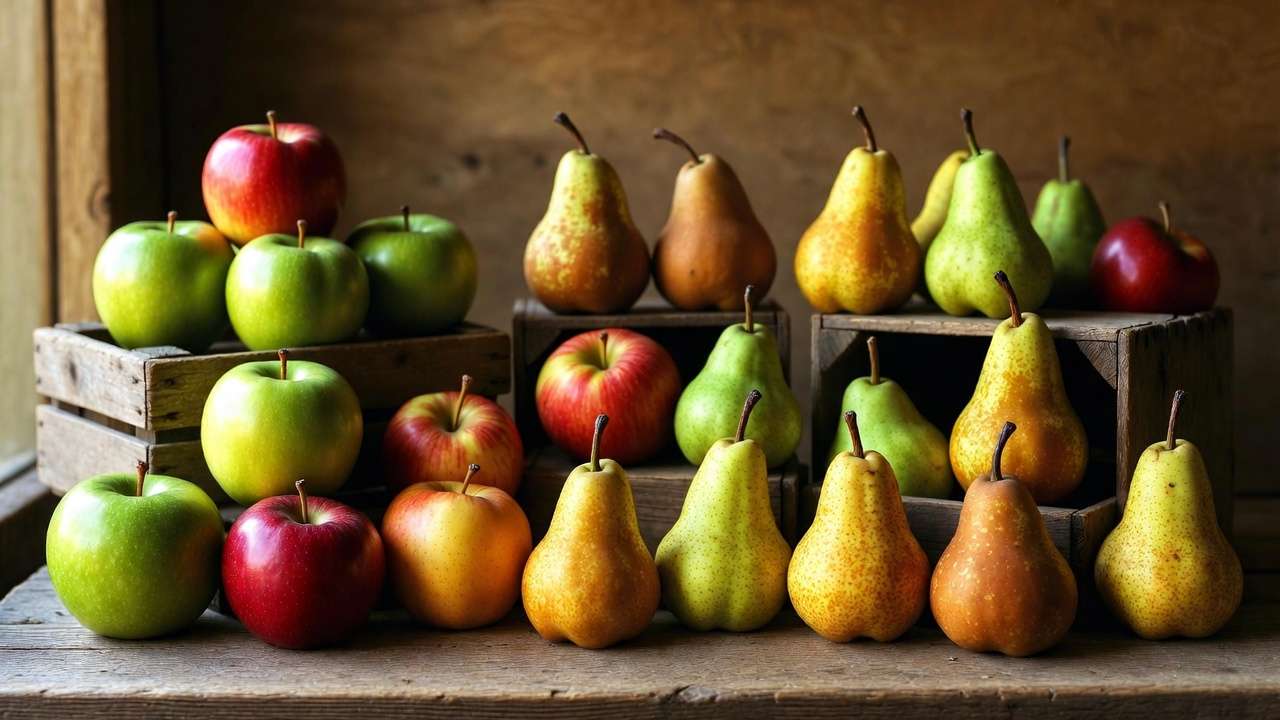
Heirloom varieties like Ashmead’s Kernel or Stayman Winesap often outperform modern ones in flavor after storage. Always prioritize disease-resistant, late-ripening cultivars from your climate zone.
Best Pear Varieties for Root Cellar Success
European pears generally store longer than Asian types:
- Excellent keepers (4–7+ months): Anjou (green/red), Bosc, Winter Nelis, Kieffer, Seckel, Beurré d’Anjou, Comice (after cold induction)
- Moderate (2–5 months): Bartlett (harvest immature), Conference, Doyenne d’Hiver
- Pro tip: Many pears need 4–8 weeks of cold storage before ripening properly—root cellars provide this naturally!
Choose varieties suited to your region; consult local nurseries or extension services for best performers.
Harvesting at the Perfect Time for Maximum Storage Life
Timing is everything—pick too early, and fruit lacks flavor; too late, and it softens quickly.
For apples: Harvest when mature (full color, seeds brown, starch tests show readiness) but firm. Lift gently; if the stem separates easily, it’s ready. Avoid rainy days to minimize moisture-related rot.
For pears: Most store best picked mature-green (full size, but hard). Check stem end for slight swelling—pears should snap off cleanly. European types like Anjou benefit from early picking for longest storage.
Handle gently to prevent bruising (a major spoilage cause). Allow 1–2 days of “field heat” cooling in a shaded, cool spot before moving to the cellar. This prevents condensation and internal issues. 👐🍐
Preparing Apples and Pears for Storage
Prevention beats cure—proper prep stops “one bad apple” from ruining the batch!
- Inspection and sorting: Examine each fruit; discard bruised, cut, wormy, or diseased ones. Store only perfect specimens.
- Cleaning: Don’t wash unless necessary (removes natural protective bloom). Wipe dirt gently with a dry cloth if needed.
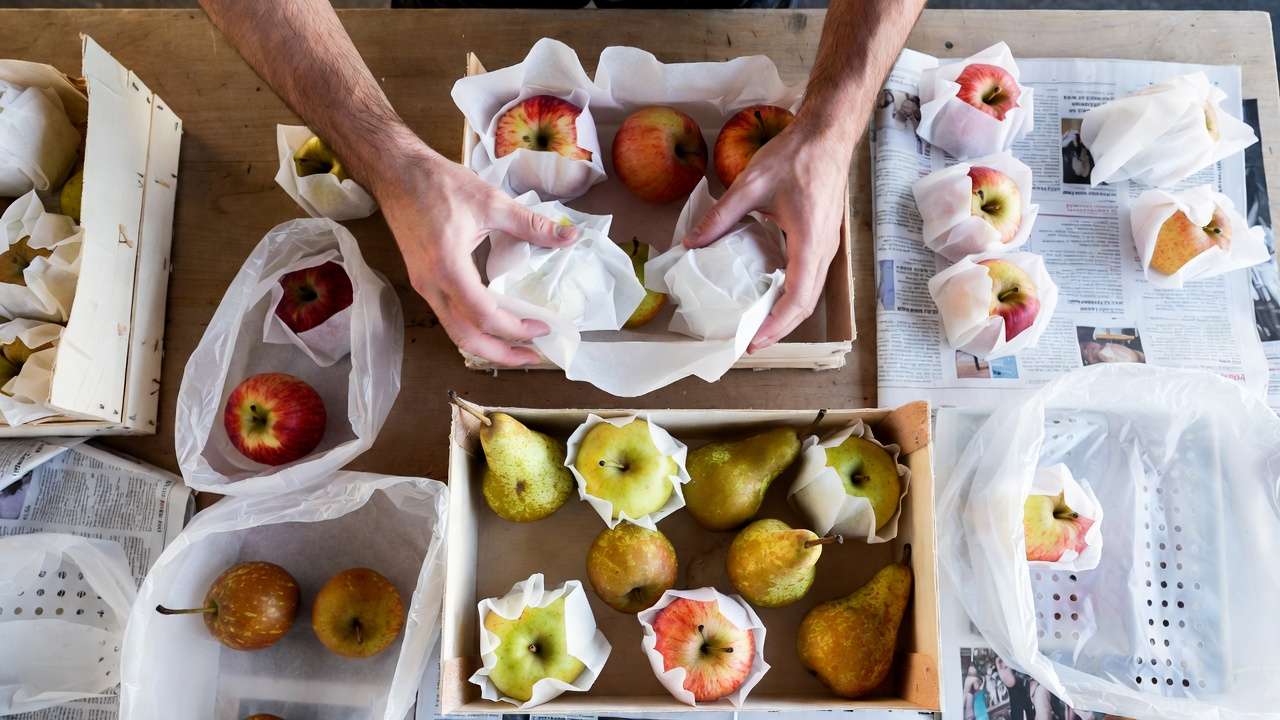
- Wrapping and packing: Wrap individually in newspaper, tissue, or kraft paper to contain ethylene and prevent contact rot. Pack in shallow crates, perforated plastic bags (for humidity control), or nest in clean straw/shredded paper. Avoid deep piles—keep layers single or double for airflow.
- Ethylene management: Store apples and pears separate from potatoes, onions, or other high-ethylene producers. If possible, keep varieties apart (early-ripening ones can affect late ones).
These steps dramatically extend shelf life and maintain quality. 📦🚫
Setting Up Your Root Cellar or Alternative Space
A dedicated root cellar is ideal, but alternatives work well too.
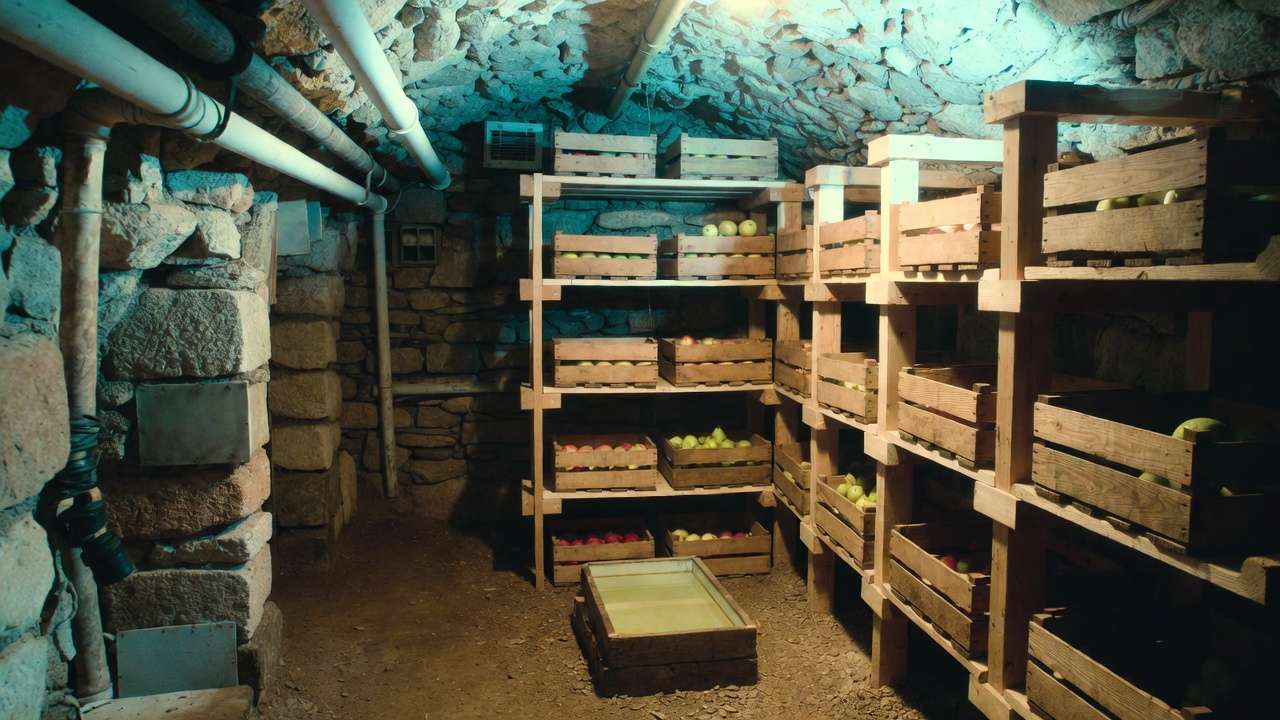
Traditional Root Cellar Design Tips
- Location: North-facing slope or buried under a hill/basement for earth insulation.
- Construction: Concrete or block walls, insulated ceiling, dirt floor for humidity. Include vents (2–4″ pipes) for air exchange.
- Organization: Sturdy shelves or bins at easy reach; elevate off floor to avoid moisture wicking.
Modern Alternatives if No Root Cellar
- Unheated basement corner, attached garage, or insulated shed (aim for 32–40°F zone).
- DIY options: Buried garbage cans/barrels, old chest freezers (unplugged), or cool closets with ice packs for small quantities.
- Humidity hacks: Place near a damp wall, use wet sand beds, or add humidifiers if too dry.
Monitor consistently—small adjustments keep conditions stable. 🏠❄️
Step-by-Step Storage Process
- Harvest on a cool, dry day and cool fruit quickly.
- Sort, inspect, and prepare (wrap if desired).
- Pack in ventilated containers with spacing.
- Place in cellar: lower shelves for longer keepers, separate fruits/veggies.
- Label with variety and date for tracking. 📅
Maintenance and Monitoring Throughout Winter
Check weekly: Remove any soft, moldy, or shriveled fruit immediately (spoilage spreads fast).
Adjust vents seasonally—more air in mild spells, less in deep freezes. Maintain humidity with water trays or misting. Watch for:
- Wrinkling → increase humidity
- Freezing → insulate or raise temp slightly
- Mold → improve airflow
- Rapid ripening → separate ethylene producers
With diligence, you’ll catch issues early and enjoy peak quality longer. 🔍🍎
How Long Can You Expect Them to Last? ⏳🍏🍐
With proper variety selection, ideal conditions, and attentive care, here are realistic storage timelines based on university extension trials (e.g., Oregon State, Cornell, University of Minnesota) and experienced home orchardists:
- Apples
- Excellent long-keepers (Granny Smith, Fuji, Pink Lady, Goldrush, Arkansas Black): 5–8 months (sometimes into May–June from October harvest)
- Very good keepers (Braeburn, Rome, Enterprise, Honeycrisp at 36–38°F): 4–6 months
- Good mid-range (Golden Delicious, Jonagold, Winesap): 3–5 months
- Shorter-storage varieties (McIntosh, Gala, Cortland): 1–3 months max
- Pears
- Top performers (Anjou, Bosc, Winter Nelis, Kieffer): 4–7 months (often best flavor develops after 2–3 months of cold storage)
- Solid keepers (Comice, Seckel, Conference): 3–6 months
- Bartlett and similar summer pears: 2–4 months (if picked very mature-green)
Peak flavor windows often arrive 1–3 months into storage for many varieties—early on they can taste “green” or starchy, then reach perfect eating ripeness.
Signs they’re still excellent: Firm, heavy for size, no shriveling, bright skin color, pleasant aroma when sniffed at stem end. Signs they’re past prime: Soft spots, internal browning, fermented smell, excessive wrinkling. Use those for cooking, sauces, or cider right away.
Regular checks (every 7–10 days) let you enjoy fruit at its best and catch issues before they spread.
Expert Insights and Pro Tips
Here are battle-tested recommendations gathered from horticulturists, Master Gardeners, and longtime homesteaders:
- Separate high-ethylene producers: Never store apples or pears near potatoes, onions, garlic, cabbage, or ripening tomatoes—the ethylene crossover causes faster spoilage and sprouting. 🥔🚫🍎
- Layer smartly: Place longest-keeping varieties on lower, cooler shelves; use shorter keepers higher up or in a “use-first” bin.
- Humidity hero: If your space runs dry (common in modern basements), create a “humidity trench”—line the bottom of crates with slightly damp (not soaking) sand or sphagnum moss. Mist lightly every few weeks if humidity drops below 85%.
- Chilling injury prevention: Certain varieties (Honeycrisp, some Asian pears) develop core browning below 36°F. Store them slightly warmer and check early.
- Natural ethylene absorbers: Some experienced storers place a few activated charcoal briquettes or small bowls of baking soda in the cellar to help neutralize excess gas—small but measurable benefit.
- Combine methods: For variety, can, dehydrate, or freeze surplus fruit that won’t last the full season. Root cellaring pairs beautifully with other preservation techniques.
- Climate adaptation: In warmer regions (like parts of the southern U.S. or subtropical areas), use heavily insulated coolers with ice blocks or an unheated north-facing room. Nighttime venting during cold snaps helps drop temperatures.
These small refinements often double usable storage life compared to basic setups.
FAQs About Root Cellar Storage for Apples and Pears
Q: Can I store apples and pears together safely? A: Yes, in most cases—they produce similar ethylene levels and like nearly identical conditions. Just keep them separate from potatoes and other vegetables.
Q: What if my cellar gets too cold (below freezing)? A: Insulate vulnerable bins with blankets, straw, or cardboard. Raise crates off the floor. If freezes are frequent, consider a slightly warmer corner or alternative space.
Q: How do I revive slightly shriveled fruit? A: Place wrinkly (but not rotten) apples or pears in a perforated plastic bag with a damp paper towel at room temperature for 1–3 days. Many will plump up nicely for eating or cooking.
Q: Do organic vs. conventional fruits store differently? A: Organic fruit often stores equally well or better if grown with good airflow and low disease pressure—fewer chemical residues can sometimes mean less surface mold risk. The biggest factors remain variety, harvest timing, and storage conditions.
Q: Is root cellaring possible in warmer climates? 🌡️ A: Absolutely, though more challenging. Use super-insulated spaces, bury containers, leverage night cooling, or build a shaded outdoor pit/root cellar. Many gardeners in USDA zones 8–10 succeed with creative adaptations.
Q: How often should I check my stored fruit? A: Weekly checks are ideal—remove any spoilage immediately. Bi-weekly is acceptable once conditions stabilize in deep winter.
Conclusion: Reap the Rewards of Your Orchard All Year Long
Mastering root cellar storage for apples and pears transforms the fleeting joy of harvest season into a steady supply of homegrown goodness through the coldest, grayest months. It’s more than preservation—it’s a celebration of your trees’ hard work, a step toward greater self-reliance, and a delicious way to reduce food waste while savoring peak flavor without electricity or plastic packaging. 🌳❄️🍏
Start small: pick a few of the best-keeping varieties next season, set up a simple cool-humid corner, and track what works in your unique space. Each year you’ll refine your system and enjoy even better results.
Your orchard’s bounty doesn’t have to end when the leaves fall—it can nourish and delight you until the blossoms return.
Have you tried root cellaring before? What varieties last longest for you? Drop your experiences, successes, or questions in the comments—we love swapping tips with fellow tree stewards! Happy harvesting and happy storing! 😊🌱











