
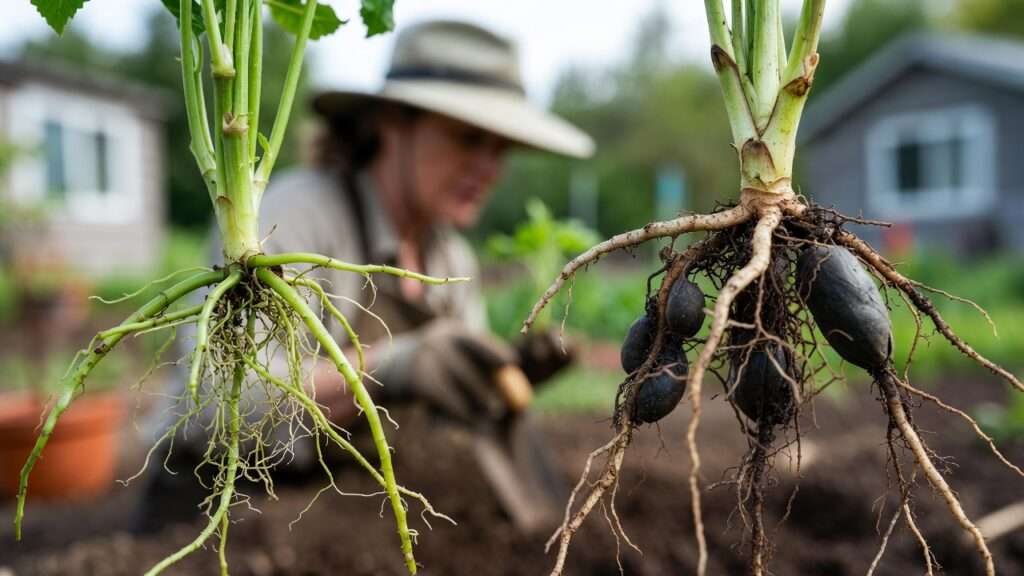
Picture this: Your once-vibrant monstera, with its glossy leaves proudly unfurling, starts looking a little droopy. You water it more, thinking it’s thirsty… only to watch it wilt further, yellow, and drop leaves despite the soil staying constantly moist. 😢 Sound familiar? This heartbreaking scenario is all too common, and the culprit is often root rot — a silent, devastating condition that attacks the roots of houseplants, garden shrubs, and even mature landscape trees.
Root rot occurs when roots sit in waterlogged soil for too long, depriving them of oxygen and creating the perfect breeding ground for harmful fungi and water molds. By the time above-ground symptoms appear, the damage is often advanced, and many gardeners lose precious plants unnecessarily. But here’s the hopeful truth: with early root rot diagnosis and prevention, most plants can be saved — and future outbreaks avoided entirely! 🌱
In this comprehensive guide, we’ll dive deep into everything you need to know: the sneaky causes, tell-tale signs, step-by-step diagnosis, proven treatments, and foolproof prevention strategies. Backed by insights from university extension services (like Wisconsin Horticulture and RHS Gardening Advice) and real-world plant care experience, this article goes beyond basic tips to deliver skyscraper-level value. Whether you’re a new houseplant parent or a seasoned tree caretaker, you’ll walk away equipped to protect your green friends for years to come. Let’s save those plants! 💪
What Is Root Rot? Understanding the Enemy 🦠
Root rot isn’t a single disease — it’s a general term for root system decay caused primarily by soil-borne pathogens that thrive in overly wet conditions. The most common culprits include:
- Pythium spp. — water molds that cause soft, mushy, dark brown to black roots
- Phytophthora spp. — notorious for attacking both roots and stems, often leading to crown rot and wilting
- Rhizoctonia solani — creates drier, reddish-brown lesions, common in warmer soils
- Fusarium spp. — leads to stunted growth and vascular discoloration
These organisms are naturally present in many soils, but they only become problematic when excess moisture reduces oxygen availability to roots. Healthy roots need air pockets in the soil to “breathe” — without it, they suffocate, weaken, and become vulnerable to infection. Once infected, the roots turn soft, brown or black, and often emit a foul, rotten smell. 😷
Unlike underwatering (where soil is bone-dry), root rot tricks gardeners because the plant wilts despite wet soil — the damaged roots can’t uptake water properly. Understanding this distinction is key to early intervention!
Common Causes of Root Rot – Know Your Risk Factors ⚠️
Overwatering tops the list, but it’s rarely the only factor. Here are the biggest triggers:
- Overwatering — The #1 cause! Constantly soggy soil starves roots of oxygen. Many beginners water on a schedule rather than checking soil moisture.
- Poor Drainage — Pots without holes, compacted garden soil, or heavy clay trap water.
- Inappropriate Potting Mix — Dense, moisture-retaining mixes (especially for succulents or cacti) are a recipe for disaster.
- Planting Too Deep — Burying the stem base invites rot.
- Environmental Stress — High humidity, low light, cold drafts, or transplant shock weaken plants’ defenses.
- For Trees & Outdoor Plants — Poor site drainage, mulch piled against trunks (“mulch volcanoes”), or damage from construction/compaction.
Recognizing these risk factors early lets you prevent issues before they start. 🌧️➡️🚫
Plants Most Vulnerable to Root Rot – Are Yours at Risk? 🌳🪴
Some plants are more prone due to their love of moisture or intolerance of wet feet:
High Risk Houseplants
- Peace lilies
- Pothos
- Monstera
- Peperomia
- Fiddle leaf fig
- Dracaena
- Succulents & cacti (ironically — they hate soggy soil!)
High Risk Landscape Trees & Shrubs
- Oaks, maples, yews
- Rhododendrons & azaleas
- Citrus & fruit trees
- Christmas trees (fir, spruce)
Here’s a quick susceptibility table for quick reference:
| Susceptibility | Houseplants Examples | Outdoor Trees/Shrubs Examples |
|---|---|---|
| High | Peace lily, Monstera, Peperomia, Succulents | Yew, Rhododendron, Citrus |
| Medium | Pothos, Fiddle leaf fig, Dracaena | Maple, Oak, Fruit trees |
| Lower | Snake plant, ZZ plant (very tolerant) | Some pines, junipers (if well-drained) |
If your favorites are on the high-risk list, pay extra attention to drainage and watering habits! 📊
Here are some real-life visuals of what healthy vs. rotten roots look like:

These close-ups show the stark difference: white, firm healthy roots vs. brown, mushy rotten ones. Spotting this early is life-saving! 🔍
Early Signs & Symptoms: How to Spot Root Rot Before It’s Too Late 🔍
Above-ground clues often mimic other issues, so don’t ignore them:
- Wilting leaves despite wet soil
- Yellowing or browning lower leaves
- Stunted growth or no new leaves
- Leaf drop
- Mushy, black stems at soil level
- Foul odor from soil
For comparison, here’s a common overwatering symptom in houseplants:

And another classic sign — wilting + yellow leaves:

Below-ground: Roots brown/black, mushy, sloughing off when touched. Healthy roots = white/cream, firm.
Pro Tip: Symptoms in trees may include branch dieback, sparse canopy, or oozing sap — often mistaken for drought.
Step-by-Step Root Rot Diagnosis – Become a Plant Detective! 🕵️♂️
Diagnosing root rot early can mean the difference between a full recovery and losing your plant. Don’t wait for severe wilting — act on the first suspicions!
Tools You’ll Need:
- Gloves
- Clean scissors or pruners
- Trowel (for in-ground plants)
- Newspaper or tray for inspection
For Potted Houseplants:
- Gently remove the plant from its pot by tipping it sideways and supporting the base.
- Shake off excess soil to expose the roots.
- Examine: Healthy roots are white or light-colored, firm, and springy. Rotten roots are dark brown to black, soft/mushy, and may smell foul.
- Gently rinse under lukewarm water if needed for clearer view.
For In-Ground Plants or Trees:
- Dig a small test hole 6–12 inches away from the trunk/base.
- Look for discolored, mushy roots near the surface.
- For trees, check for girdling roots or poor drainage signs.
Quick Home Test: Pour a diluted hydrogen peroxide solution (1 part 3% H2O2 to 2 parts water) over suspicious roots. Active fungal infection causes fizzing/bubbling as it reacts with pathogens.
Here are clear visual comparisons to help you identify:
If more than 50% of roots are affected, recovery is tougher but still possible with prompt action. For confirmation in valuable trees, send samples to a local extension lab.
Effective Root Rot Treatment & Recovery Strategies 💪
Caught early? Great — many plants bounce back beautifully! Success rates can reach 70–90% if less than half the roots are damaged (per horticultural studies).
Step-by-Step Rescue for Houseplants:
- Unpot and remove all old soil.
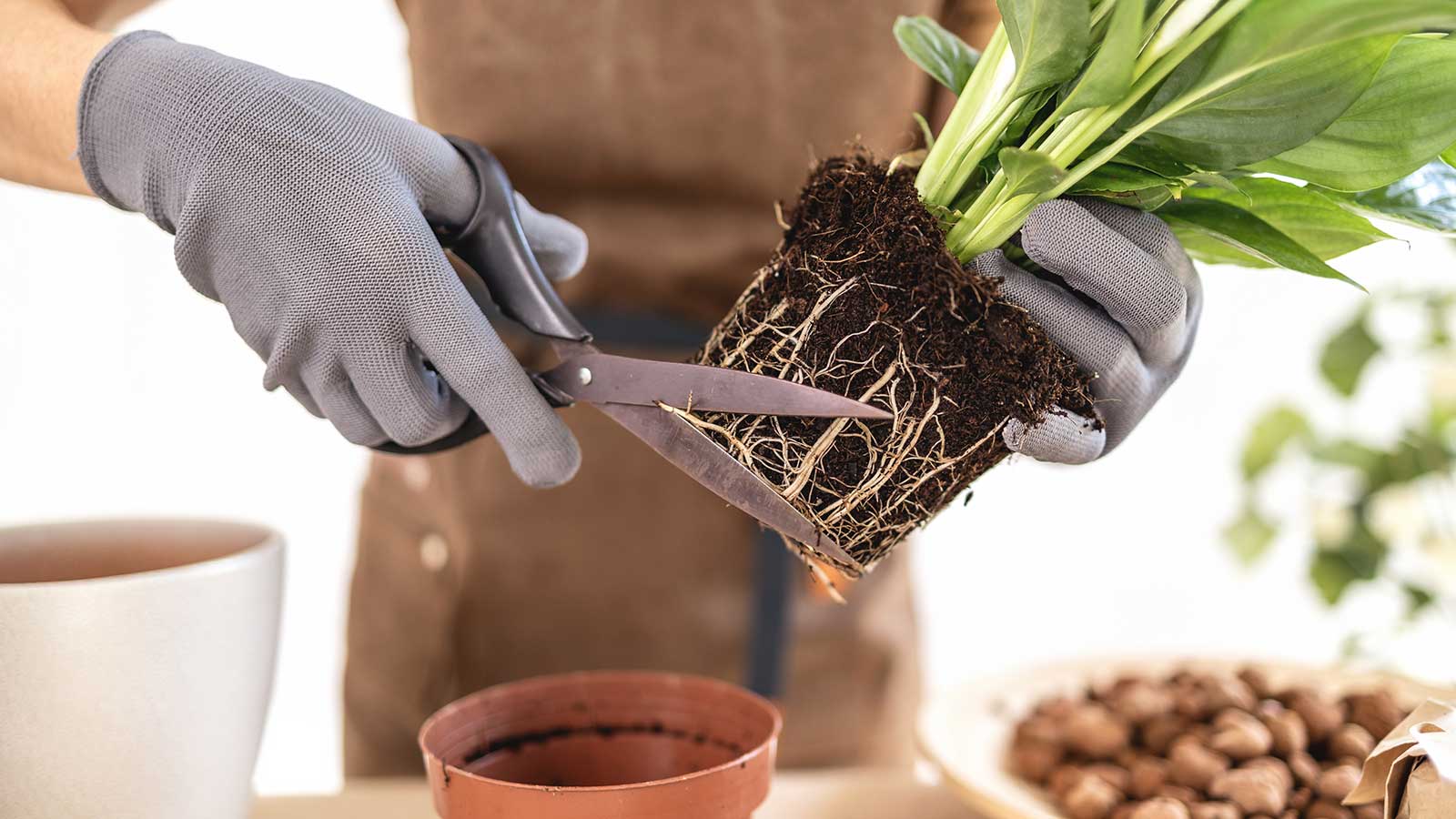
- Trim away rotten roots with sterilized scissors — cut back to healthy white tissue.
- Soak remaining roots in a fungicide solution or hydrogen peroxide mix for 10–30 minutes (optional but helpful).
- Let roots air-dry for 1–2 hours.
- Repot in fresh, well-draining mix (more on this below).
- Water sparingly at first and place in bright, indirect light.
Visual guide to trimming and repotting:
Chemical Options (Use Sparingly):
- Biological controls like Mycostop or RootShield (contain beneficial microbes).
- Chemical fungicides: Look for those labeled for Pythium/Phytophthora (e.g., Subdue Maxx for pros). Always follow labels — many aren’t safe for edibles.
For Trees & Outdoor Plants:
- Improve drainage (aerate soil, add organic matter).
- Apply soil drenches with phosphonate-based products.
- Remove severely affected branches. Recovery may take 1–2 seasons.
Recovery Timeline: New growth in 2–6 weeks; full recovery in months. Be patient — over-coddling can re-invite rot! Real example: Many fiddle leaf figs recover dramatically after root pruning.
Above-ground symptoms like yellowing leaves often appear first:
Yes, plants can fully recover — I’ve seen peace lilies triple in size post-treatment! 🌟
Prevention Is Better Than Cure: Long-Term Protection Tips 🛡️
Prevention beats treatment every time. Build habits now:
Water Wisely:
- Check soil 2 inches down — water only when dry (finger test!).
- Use moisture meters for accuracy.
Here’s a moisture meter in action:
:max_bytes(150000):strip_icc()/spr-moistenland-store-soil-moisture-meter-after-alyssa-biondo-04c-cac3e99a1aac43f5b8e19ee817497c75.jpeg)
Choose the Right Medium:
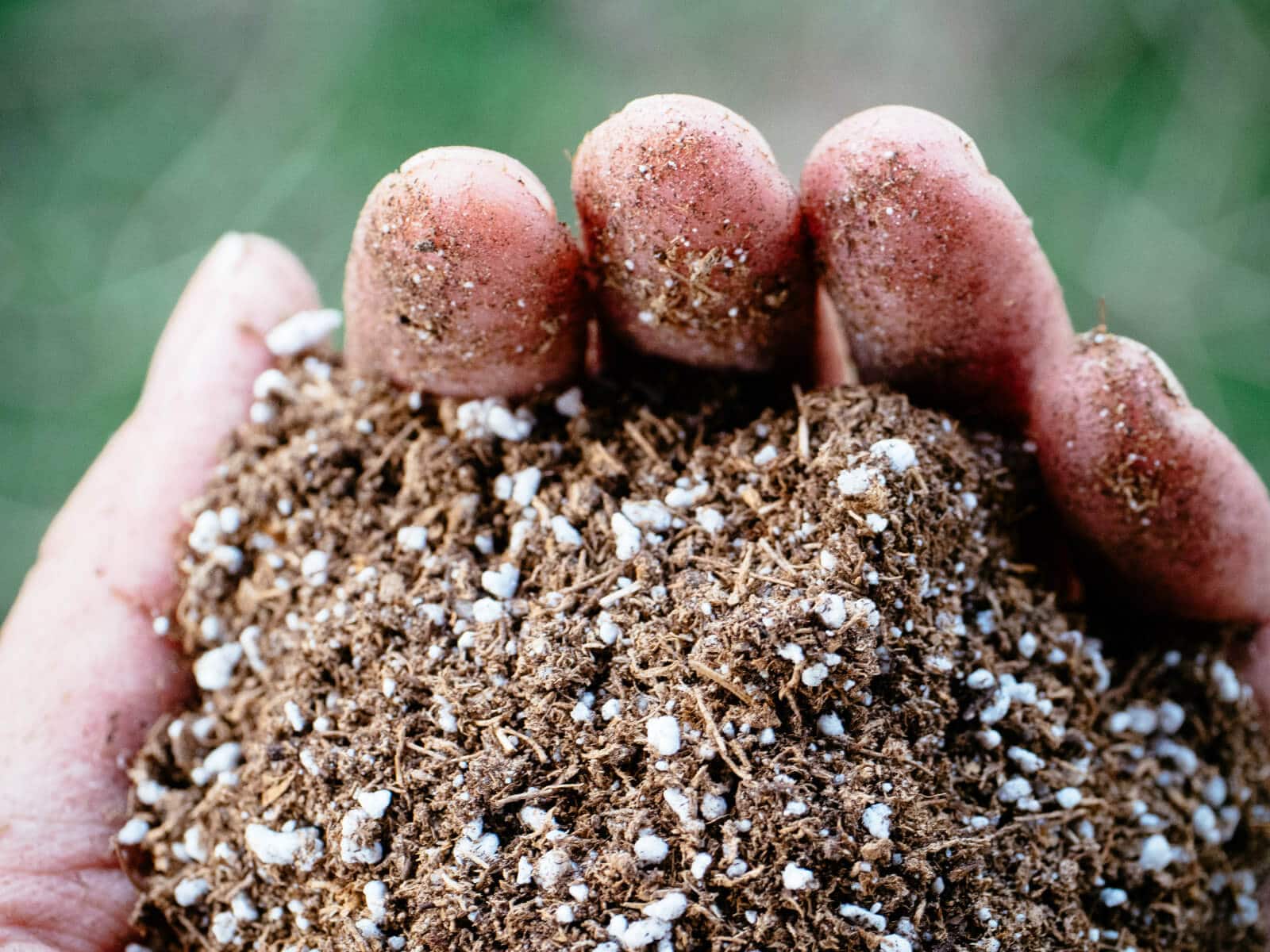
- Add perlite, vermiculite, or pumice for aeration.
Well-draining mixes look like this:
Pots & Drainage: Always with holes! Elevate for air flow.
For Trees: Avoid mulch volcanoes — keep mulch 3–6 inches from trunk.
Proper vs. improper mulching:
Boost Defenses: Incorporate beneficial fungi (e.g., Trichoderma) via products like Great White.
Checklist:
- Seasonal watering adjustments
- Annual repotting for houseplants
- Soil tests for pH/drainage
Expert Insights & Common Mistakes to Avoid 🚫
From extension experts (e.g., University of Minnesota, RHS): “Root rot is environmental first, pathogenic second.”
Top Mistakes:
- Watering schedule over soil checks
- Reusing infected soil
- Ignoring drainage holes
- Mulch volcanoes on trees
- Over-fertilizing stressed plants
Advanced Tip: Plant resistant varieties (e.g., ‘Emerald Green’ arborvitae for wet areas).
FAQs About Root Rot Diagnosis and Prevention ❓
Can root rot spread to other plants? Yes — via contaminated tools, water, or soil. Sterilize everything!
Is root rot contagious through tools/water? Absolutely. Always clean pruners with 10% bleach or alcohol.
How long does recovery take? 2–8 weeks for new roots; months for full vigor.
Best fungicides for home use? Biologicals like Serenade or Actinovate — safer than chemicals.
Can overwatered plants recover without root trimming? Mild cases yes; advanced no — trimming is essential.
Conclusion: Keep Your Green Friends Thriving for Years! 🎉
Root rot doesn’t have to spell doom. With vigilant root rot diagnosis and prevention, early action, and smart habits, you can protect your houseplants and trees from this common threat. Recap: Spot symptoms fast, treat decisively, and prioritize drainage and mindful watering.
Your plants will thank you with lush growth! Share your rescue stories below — let’s inspire each other. 💚🌿











