
Imagine walking into your living room after a long day, only to be greeted by stale air, lingering odors from furniture or cooking, and a space that feels a bit lifeless despite your best efforts. 😩 In today’s sealed modern homes and offices—with energy-efficient windows, central heating, and limited ventilation—indoor air quality (IAQ) often suffers, leading to headaches, fatigue, allergies, or even reduced focus.
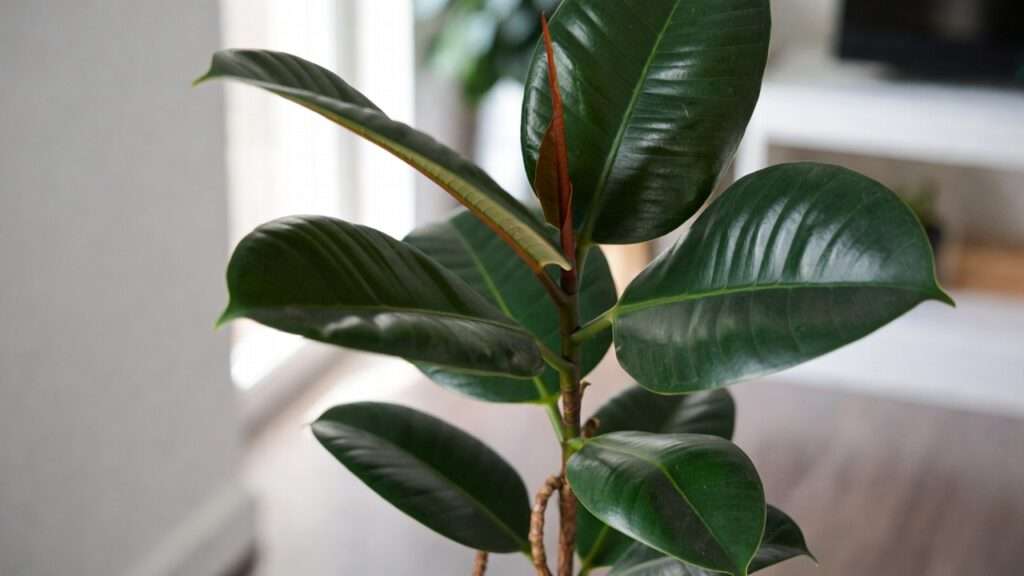
Enter the rubber plant (Ficus elastica), a classic houseplant that’s experiencing a massive resurgence. This resilient beauty, with its glossy, oversized leaves and upright growth, isn’t just another pretty plant—it’s a powerhouse for improving your indoor environment. Famous from the iconic NASA Clean Air Study, the rubber plant excels at removing common toxins like formaldehyde while adding bold tropical style and effortless greenery.
Whether you’re in a compact apartment, a bustling home office, or a cozy bedroom, this low-maintenance marvel delivers real, tangible benefits: cleaner air, balanced humidity, stress-reducing aesthetics, and more. As a plant care expert with years of hands-on experience growing and recommending Ficus elastica for countless indoor spaces, I can confidently say it’s one of the most rewarding choices for anyone seeking healthier, more vibrant living areas. Ready to discover why this timeless favorite is more relevant than ever? Let’s dive in! 🌟
What Is a Rubber Plant? Quick Overview and Varieties 🍃
The rubber plant, scientifically known as Ficus elastica, hails from the tropical rainforests of Southeast Asia, where it grows as a towering tree. Indoors, it stays manageable—typically reaching 6–10 feet over time—thanks to its contained root system and slow-to-moderate growth rate.
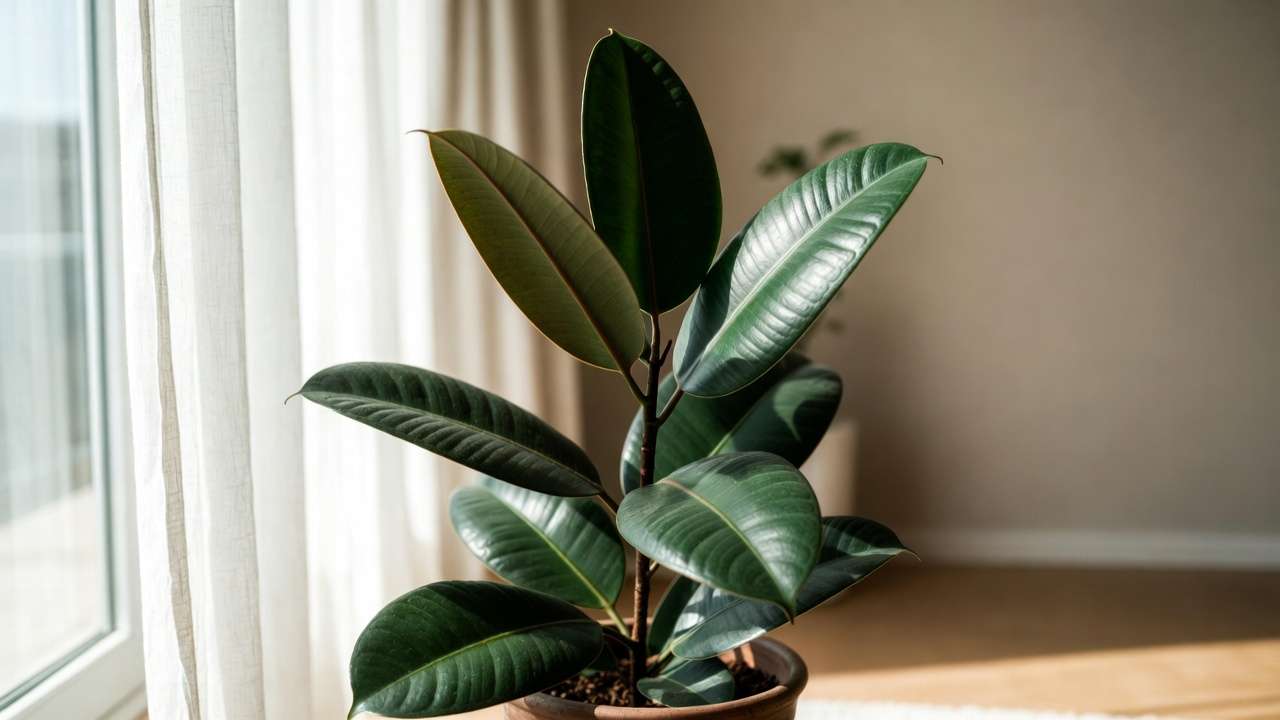
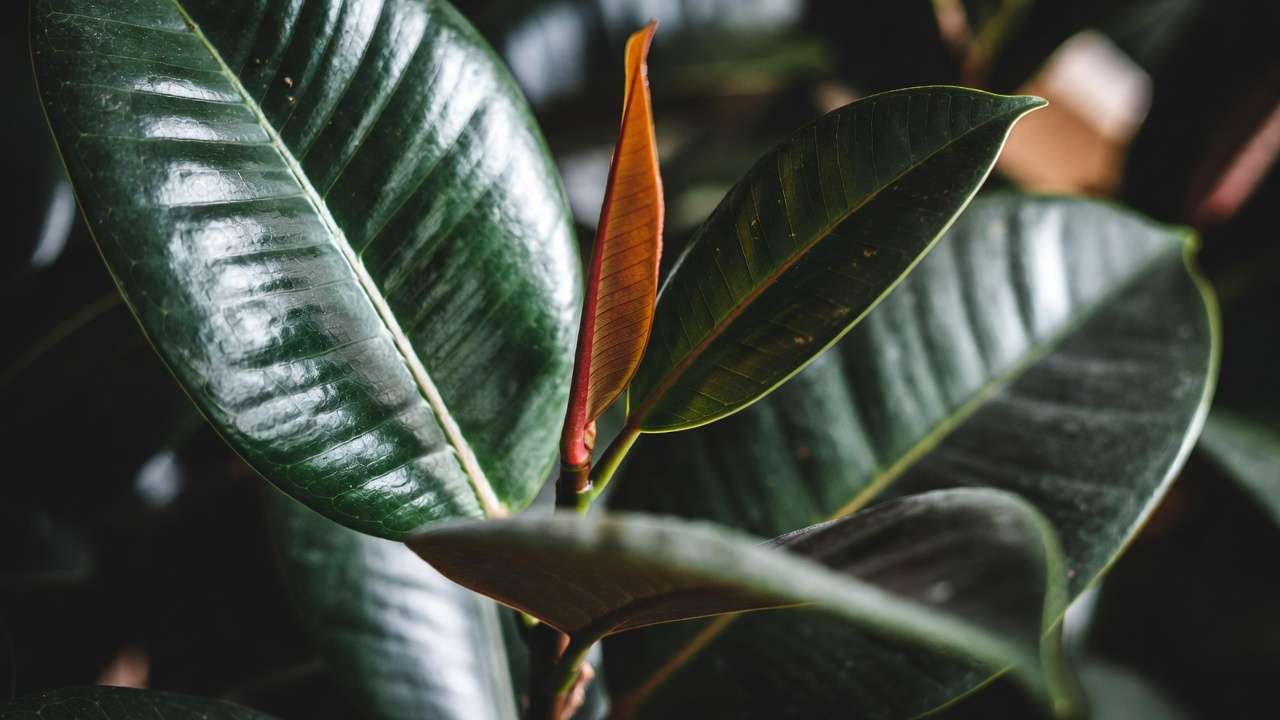
Its signature feature? Large, leathery, oval-shaped leaves that emerge from a reddish sheath (called a stipule) and unfurl into glossy perfection. The leaves act like natural filters, capturing dust and pollutants on their broad surfaces.
Popular indoor varieties include:
- Classic Green (Robusta): Deep emerald leaves; the most common and hardy choice. 🌿
- Burgundy: Rich, dark reddish-purple foliage for dramatic contrast. 🍷
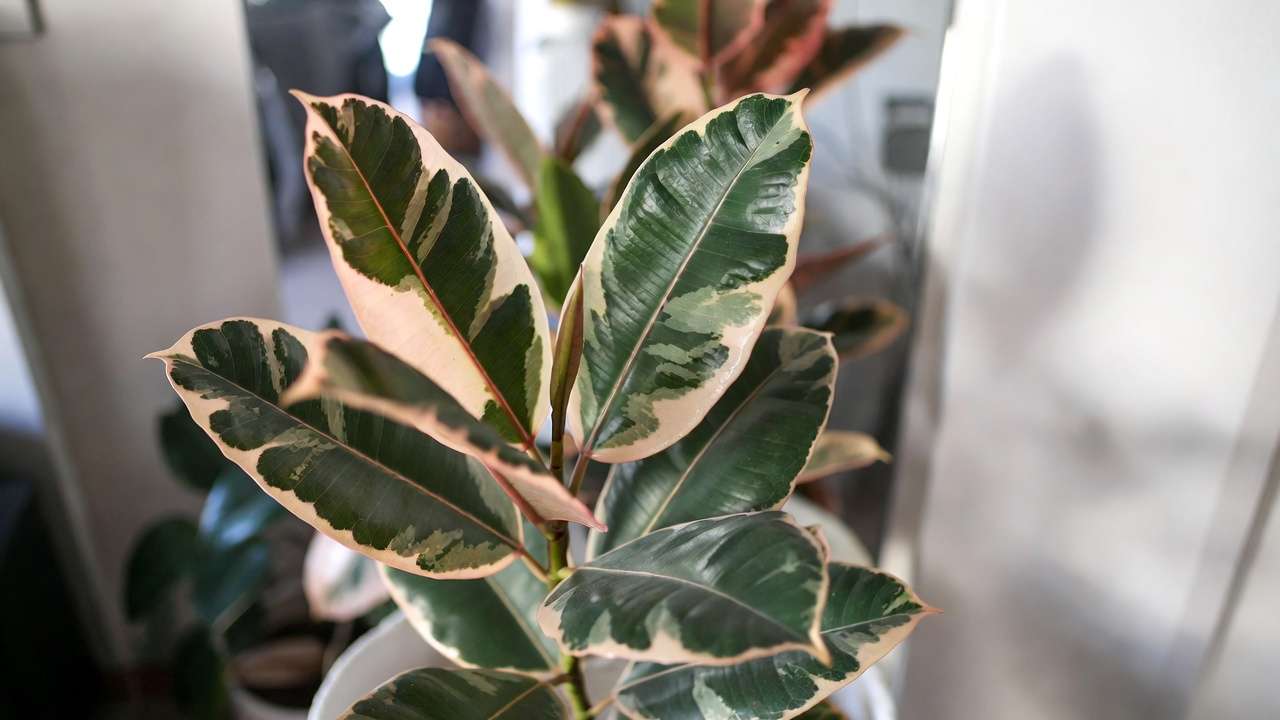
- Tineke (variegated): Creamy white and green patterns—stunning and modern! 🎨
- Ruby: Pinkish-red variegation for a softer, feminine vibe.
- Decora or Tricolor: Unique patterns that add artistic flair to any room.
These varieties thrive indoors because they’re adaptable, forgiving of minor neglect, and bring instant architectural interest. Note: The milky latex sap can irritate skin or be mildly toxic if ingested, so keep it away from curious pets and little hands. 🐶👶
Top Rubber Plant Benefits for Indoor Environment (The Core Value) 🌬️💚
1. Powerful Natural Air Purification (NASA-Approved!) 🚀
The rubber plant’s star benefit is its proven ability to improve indoor air quality. The groundbreaking NASA Clean Air Study (1989, with ongoing relevance in modern IAQ discussions) highlighted Ficus elastica for effectively removing formaldehyde—a sneaky VOC emitted from pressed-wood furniture, carpets, paints, and cleaning products.
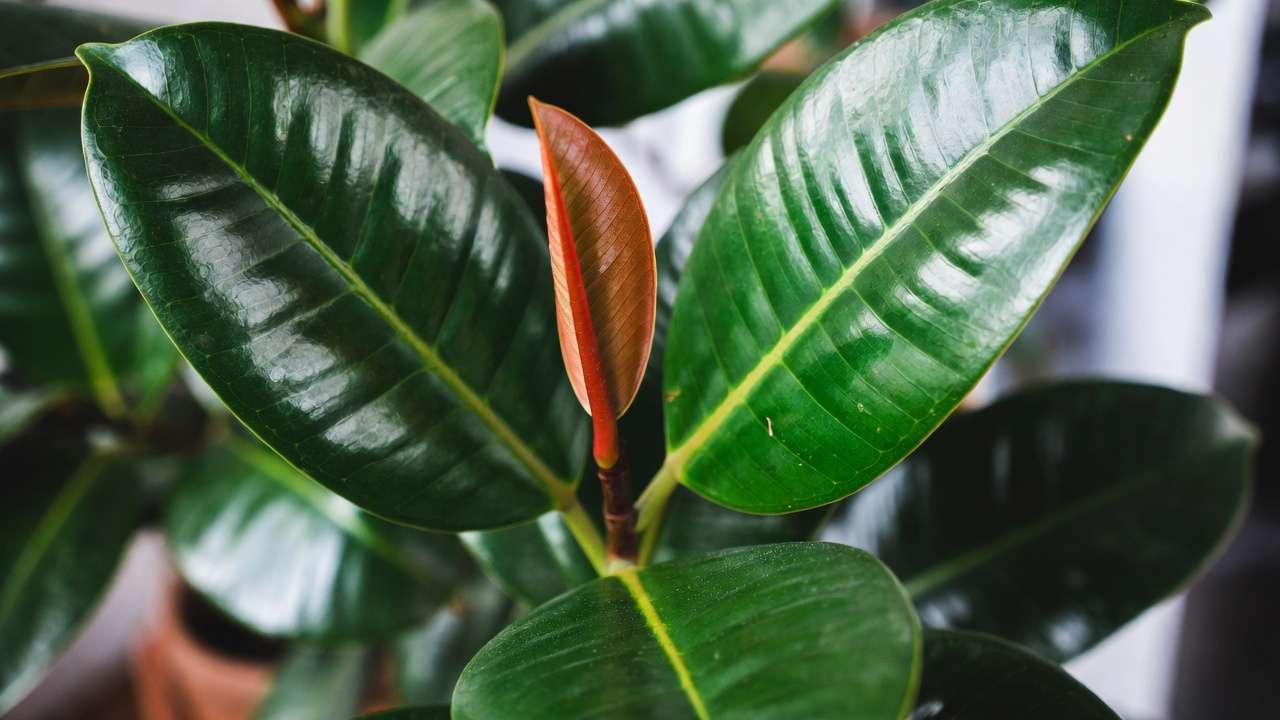
Follow-up research and reviews confirm it also tackles other pollutants like benzene, xylene, trichloroethylene, and even some carbon monoxide traces. How? The plant’s large leaf surface absorbs toxins through stomata, while soil microbes and roots help break them down. It boosts oxygen levels during photosynthesis and may reduce airborne mold spores and bacteria.
In real life, this means fewer allergy flare-ups, fewer headaches from “sick building syndrome,” and fresher air in sealed spaces like apartments or offices. Studies suggest noticeable benefits with 1–2 medium/large plants per 100–200 sq ft. Pair it with good ventilation for best results! 😌
2. Boosts Humidity and Creates a Healthier Microclimate 💧
Dry indoor air from heating or AC can cause dry skin, irritated sinuses, and even cracked furniture. Rubber plants naturally transpire (release water vapor), gently increasing room humidity—ideal for 40–60% levels that feel comfortable year-round.
This added moisture helps trap dust particles (preventing them from becoming airborne irritants) and supports respiratory health. In drier climates or winter months, it’s like having a subtle, living humidifier that works 24/7. 🌡️
3. Stunning Aesthetic and Psychological Benefits 🎨🧘
Beyond function, the rubber plant is a design superstar. Its bold, upright form and shiny leaves create an instant tropical oasis, perfect for biophilic design trends that connect us to nature indoors.
Research on houseplants shows they reduce stress, lower blood pressure, improve mood, and even boost productivity—benefits amplified by this statement plant’s presence in living rooms, offices, or entryways. In feng shui, it’s linked to abundance and positive energy flow. Who knew one plant could elevate both your space and your vibe? ✨
4. Low-Maintenance Champion for Busy Lifestyles ⏰
Unlike finicky ferns or high-drama fiddle-leaf figs, the rubber plant is incredibly forgiving. It tolerates occasional missed waterings, lower light than many think, and infrequent feeding. With proper basics, it lives for decades—making it a sustainable, long-term investment in your home’s greenery.
It’s cost-effective too—no need for constant replacements or fancy gadgets.
5. Other Surprising Perks 🌟
- Noise reduction: Thick leaves absorb sound waves for a quieter environment.
- Decor versatility: Fits modern minimalist, boho, or Scandinavian styles seamlessly.
- Eco-friendly: A living plant that sequesters CO₂ and reduces the need for artificial air fresheners or purifiers.
How to Maximize Rubber Plant Benefits: Essential Care Guide for Indoor Success 🛠️🌿
To unlock all these perks, give your rubber plant the right conditions—it’s easier than you think!
Light Requirements: Getting It Just Right ☀️
Bright, indirect light is ideal—think east- or west-facing windows, or a few feet from south-facing ones (use sheer curtains to diffuse harsh rays). Too little light causes leggy growth and leaf drop; too much direct sun scorches leaves. Aim for 4–6 hours of filtered brightness daily.
Watering and Soil Tips 💦
Water when the top 1–2 inches of soil feel dry (stick your finger in to check). Use room-temperature water and ensure excellent drainage—root rot is the #1 killer. A well-draining potting mix (add perlite or orchid bark) prevents soggy roots. In winter, water less as growth slows.
Humidity, Temperature, and Feeding 🌡️
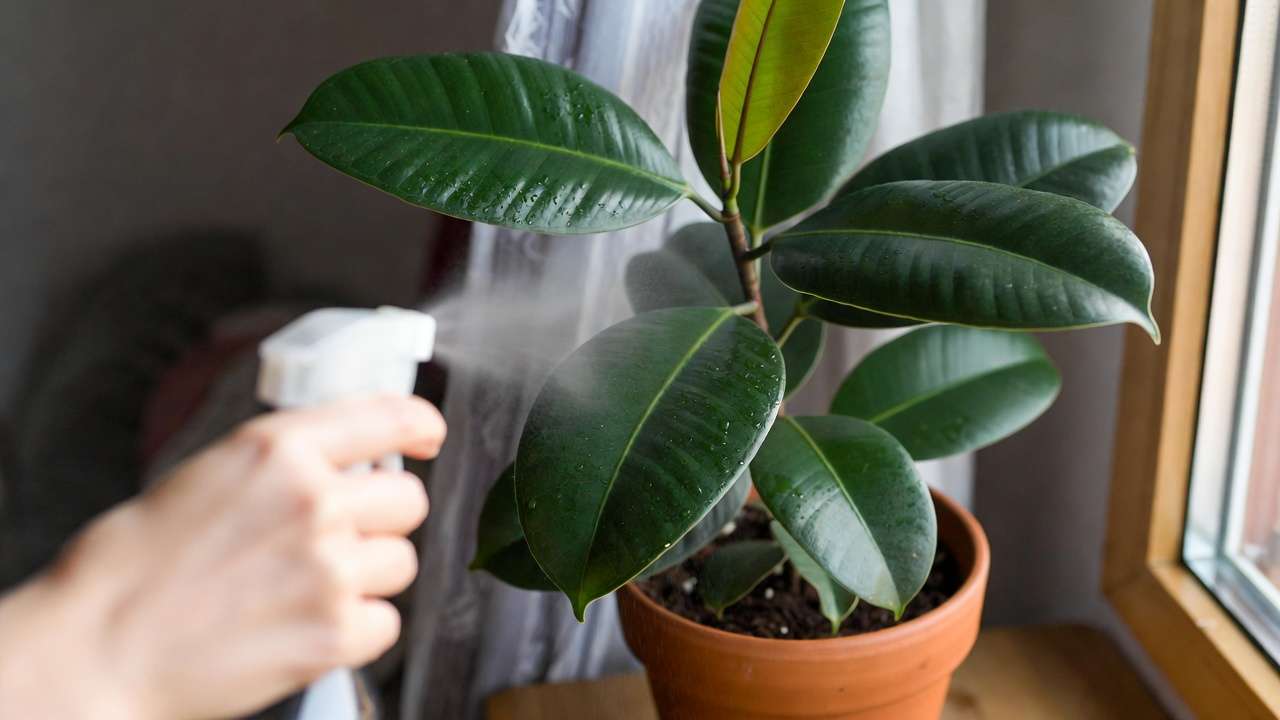
40–60% humidity keeps leaves happy—mist occasionally, use a pebble tray, or run a humidifier nearby. Keep temps 60–80°F (15–27°C); avoid cold drafts or heaters. Fertilize monthly in spring/summer with balanced liquid houseplant fertilizer (diluted to half strength).
Pruning, Repotting, and Propagation Secrets ✂️
Regular pruning not only keeps your rubber plant looking full and compact, but it also encourages branching for a bushier appearance—perfect for smaller rooms. Use clean, sharp pruning shears and always cut just above a leaf node. The fresh cut will ooze milky latex sap, so have paper towels ready and wear gloves if you’re sensitive to it. Wipe the sap off leaves immediately to prevent sticky residue buildup.
Repotting is straightforward: every 1–2 years (or when roots start circling the pot), move to a container 1–2 inches larger. Spring is the best time, when the plant is actively growing. Refresh with a high-quality, well-draining houseplant mix (avoid heavy garden soil). Adding a layer of pebbles or lava rocks at the bottom improves drainage even more.
Want more plants for free? Propagation is surprisingly easy with rubber plants. Take a 4–6 inch stem cutting with at least 2–3 nodes, remove the lower leaves, and dip the cut end in rooting hormone (optional but speeds things up). Place it in water or directly into moist potting mix, keep it warm and in bright indirect light, and roots should appear in 3–6 weeks. Many plant lovers successfully root multiple cuttings at once to create a fuller display over time. 🌱✨
Common Problems and Fixes (Troubleshooting) ⚠️ (continued)
Here’s a quick-reference table of the most frequent issues indoor growers face with rubber plants:
- Yellowing lower leaves → Usually overwatering or poor drainage. Solution: Let soil dry out more between waterings, check for root rot (trim affected roots if needed), and repot if necessary.
- Sudden leaf drop → Often caused by cold drafts, sudden temperature changes, or moving the plant to a new spot. Solution: Keep it in a stable location away from vents, doors, and heaters.
- Brown, crispy leaf edges/tips → Low humidity or fluoride/chlorine in tap water. Solution: Use filtered or rainwater, increase ambient humidity with misting or a tray, and trim damaged tips.
- Pests (scale insects, spider mites, mealybugs) → Common in dry conditions. Solution: Inspect regularly, wipe leaves with neem oil solution or insecticidal soap weekly until clear, and isolate the plant during treatment.
- Leggy, stretched-out growth → Insufficient light. Solution: Move closer to a brighter window (still indirect) or supplement with a grow light during darker months.
With these proactive steps, most problems are easily reversible—rubber plants are famously resilient!
Real-Life Examples: How People Use Rubber Plants Indoors 🏠📸
One of the best ways to see the true power of rubber plant benefits for indoor environment is through real setups:
- Living Room Statement Piece — Place a tall Burgundy rubber plant in a large ceramic pot next to the sofa. Its dark, glossy leaves contrast beautifully with light walls and neutral furniture, instantly making the room feel warmer and more luxurious. Many homeowners report that guests always comment on how “alive” and inviting the space feels.
- Home Office Productivity Booster — A medium-sized Tineke variegated rubber plant on a side table or plant stand filters air while adding soft color pops. Studies on biophilic design show that having greenery nearby can improve concentration by up to 15%—and the rubber plant’s low-maintenance nature means it won’t distract you from work.
- Bedroom Air Freshener — Position a classic green rubber plant near a window (but not directly in the path of morning sun). Its gentle humidity boost and toxin-filtering ability create a calmer, more restful atmosphere—ideal for people sensitive to dry air or chemical off-gassing from mattresses and bedding.
- Small Apartment Corner Transformation — In tight spaces, a single 4–5 ft rubber plant can turn a bland, empty corner into a lush focal point. Pair it with trailing pothos or a small peace lily underneath for layered greenery without overwhelming the room.
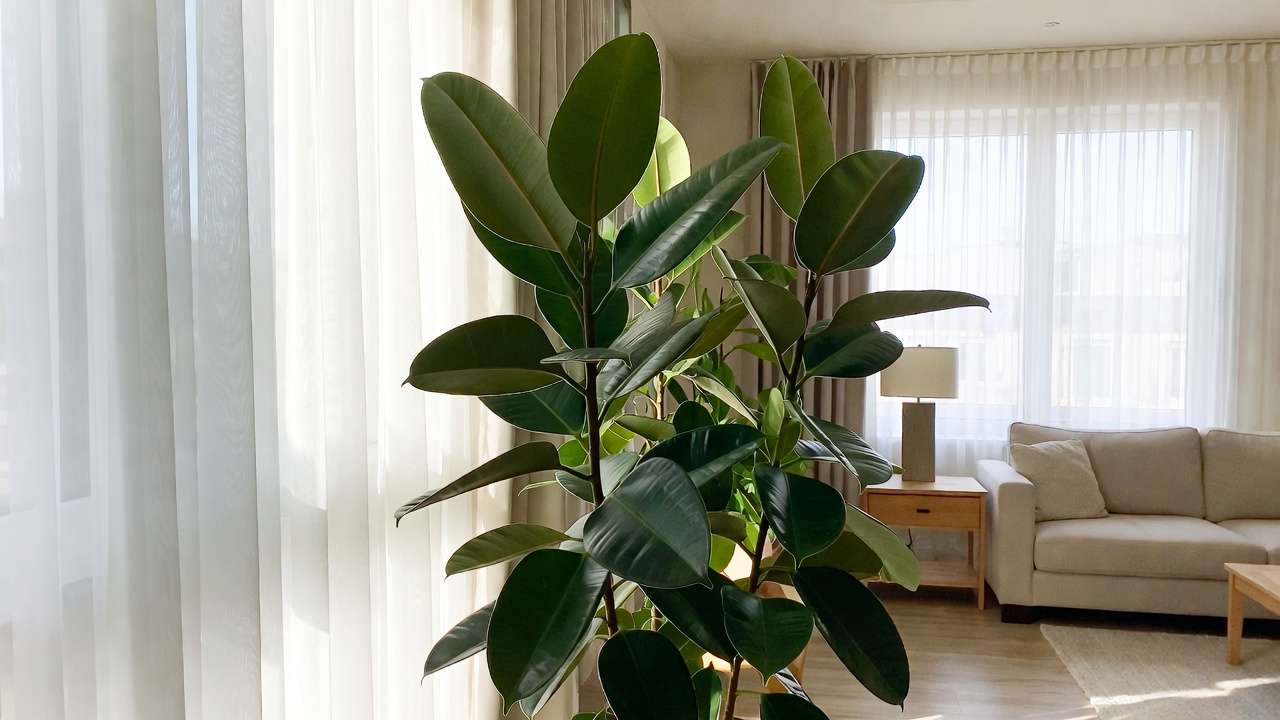
Before-and-after photos from plant enthusiasts often show dramatic improvements: dull, dusty rooms become vibrant, fresher-feeling sanctuaries with just one or two well-placed rubber plants.
(Pro tip: Rotate the pot every few weeks so all sides get even light—this keeps growth symmetrical and maximizes leaf surface for air purification!)
Expert Insights and FAQs (Build Authority & Engagement) ❓
As someone who has grown, propagated, and recommended rubber plants for over a decade (and seen them thrive in everything from humid coastal apartments to dry high-rise offices), here are answers to the questions I hear most often:
Q: Is the NASA Clean Air Study still relevant in 2025/2026? Yes—while newer studies have refined the numbers, the core finding holds: rubber plants are among the top performers for removing formaldehyde and other VOCs in typical indoor settings. Modern research continues to support houseplants as a complementary (and beautiful) part of improving IAQ.
Q: How many rubber plants do I need for noticeable air quality benefits? A good rule of thumb is 1–2 medium-to-large plants (at least 3–5 ft tall) per 100–200 square feet. More is better, especially in newer, tightly sealed homes.
Q: Are rubber plants safe around kids and pets? The sap is mildly toxic and can cause mouth irritation or skin rash if ingested or touched in large amounts. Place the plant out of reach of toddlers and curious cats/dogs. For pet-friendly alternatives, consider parlor palm or bird’s nest fern.
Q: Which variety is best for beginners? The classic green Robusta is the toughest and most forgiving. Once you master it, try Burgundy or Tineke for more personality.
Q: Can a rubber plant live forever indoors? With consistent care, yes—many reach 20+ years and 10+ feet indoors. They slow down as they age but remain stunning focal points.
Q: Does it really reduce noise? Yes, modestly. The large, thick leaves absorb and diffuse sound waves better than smaller-leaved plants, creating a slightly quieter corner—great in open-plan homes or near windows facing busy streets.
Conclusion: Bring Home Your Rubber Plant Today! 🌿❤️
The rubber plant isn’t just another houseplant trend—it’s a proven, timeless solution for healthier, more beautiful indoor environments. From powerfully filtering out formaldehyde and other toxins (backed by decades of air-quality research) to gently boosting humidity, reducing stress through biophilic beauty, and thriving with minimal fuss, Ficus elastica checks every box for modern living.
In a world full of fast-changing decor fads and expensive gadgets, this classic delivers lasting value: cleaner air you can actually breathe easier in, a space that feels more alive and welcoming, and greenery that grows with you for years to come.
Ready to experience the rubber plant benefits for indoor environment firsthand? Start with one healthy specimen from a trusted local nursery or online seller, give it the bright indirect light and moderate watering it craves, and watch your home transform—one glossy leaf at a time. 🌱✨
Your indoor sanctuary is waiting. Happy growing!











