
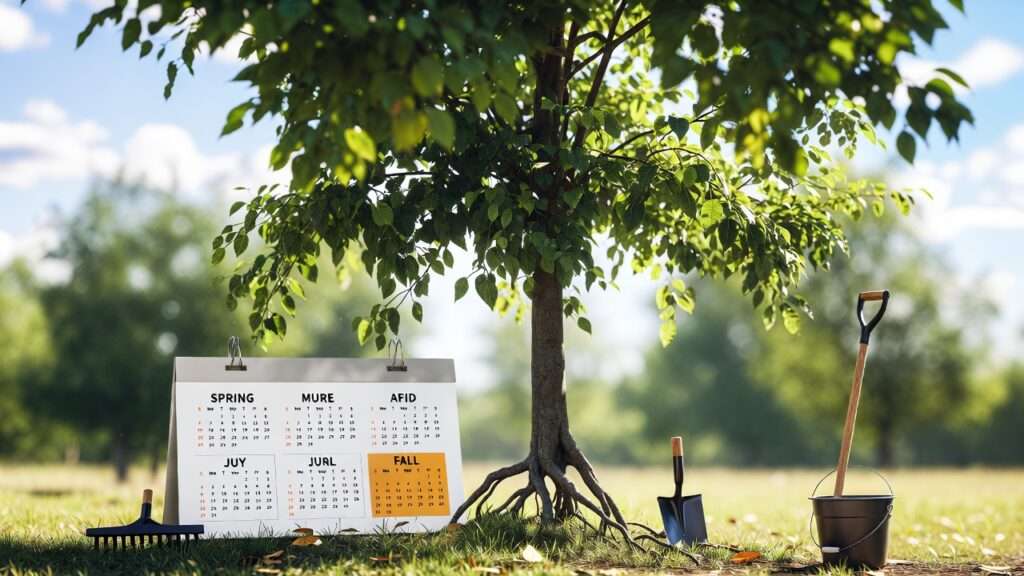
Imagine stepping into your yard next spring to find your favorite maple or oak bursting with vibrant, deep-green leaves, strong new shoots, and that unmistakable healthy glow—only to realize you’ve been fertilizing at the wrong time for years. 😔
Many homeowners and gardeners unknowingly stress their deciduous trees by applying fertilizer too late in the season, too heavily, or not at all. The result? Pale foliage, stunted growth, weak branch structure, increased pest susceptibility, and disappointing fall color.
The good news? Seasonal fertilizing guidelines for deciduous trees are surprisingly straightforward once you understand the natural growth cycles of these beautiful, leaf-shedding giants. Timing is everything—feed them when their roots are most active and hungry, and you’ll see dramatic improvements in vigor, disease resistance, and longevity.
In this in-depth, expert-level guide, we’ll walk you through the complete year-round fertilizing schedule trusted by professional arborists, university extension services (including Cornell, Purdue, and Oregon State), and leading tree-care organizations such as The Morton Arboretum and the International Society of Arboriculture.
Whether you’re caring for a young red maple in a suburban lawn, a mature oak anchoring your backyard, or a collection of birches and elms, you’ll finish this article knowing exactly when, how much, what type, and—most importantly—when NOT to fertilize your deciduous trees. Let’s give your trees the seasonal nutrition they deserve! 🌿💚
Why Fertilize Deciduous Trees? (And When You Shouldn’t) ❓
Deciduous trees lose their leaves each autumn, recycling some nutrients back into the soil—but not all. Over years (especially in mowed lawns, compacted urban soils, or landscapes with competing grass roots), essential elements become depleted. Nitrogen (N), phosphorus (P), and potassium (K)—the famous NPK trio—are the most commonly deficient, along with micronutrients like iron, manganese, and zinc in certain soil types.
Signs your deciduous tree may benefit from fertilization include:
- Smaller-than-normal leaves
- Pale green or yellow foliage (chlorosis), especially between veins
- Reduced twig elongation and canopy density
- Premature fall color or leaf drop
- Increased susceptibility to insects, fungal diseases, or drought stress
However—and this is crucial—not every tree needs fertilizer every year.
Over-fertilization is one of the most common mistakes made by well-meaning homeowners. Excess nitrogen can:
- Stimulate soft, lush growth that’s highly attractive to aphids, Japanese beetles, and other pests 🐞
- Make new shoots vulnerable to early frost damage
- Cause root burn or salt buildup in the soil
- Contribute to nutrient runoff and environmental harm
Always start here: Get a professional soil test (costing $15–40 from your local cooperative extension or private lab). It reveals pH, organic matter percentage, and exact nutrient levels—giving you a personalized roadmap instead of guesswork.
Skip fertilizing if:
- Your soil test shows adequate or high levels of N, P, and K
- The tree was planted within the last 1–2 years (focus on root establishment first) 🌱
- The tree is showing signs of severe stress (drought, girdling roots, construction damage, etc.)—fix the underlying issue before adding nutrients
- You live in a nutrient-rich floodplain or recently amended soil
Pro tip from arborists: Healthy, established trees in good soil often thrive with fertilization only every 2–4 years rather than annually.
Understanding Deciduous Tree Nutrient Needs 🔬
Deciduous trees have distinct nutrient demands tied to their annual cycle:
- Nitrogen (N) — Drives leaf size, color, and overall shoot growth. Most trees respond dramatically to moderate nitrogen.
- Phosphorus (P) — Supports strong root development and energy transfer (especially important for flowering and fruiting species like crabapples, serviceberries, and cherries).
- Potassium (K) — Enhances stress tolerance (drought, cold, disease), improves water regulation, and contributes to vivid fall coloration.
- Secondary & micronutrients — Calcium, magnesium, sulfur, iron, manganese, zinc, boron, copper. Deficiencies often appear as interveinal chlorosis (yellowing between veins) on younger leaves (iron) or older leaves (magnesium).
Ideal fertilizer ratios for most deciduous trees (unless soil test shows otherwise):
- Spring: Balanced or higher-nitrogen slow-release (e.g., 16-4-8, 20-10-10, 12-4-8)
- Fall: Lower-nitrogen, higher-potassium (e.g., 10-10-20, 5-10-30, or organic blends)
Slow-release vs. quick-release: Slow-release (polymer-coated or sulfur-coated urea, methylene urea, IBDU) is strongly preferred for trees because it reduces burn risk, provides steady nutrition over 2–12 months, and minimizes leaching. Quick-release is acceptable only for severe, confirmed deficiencies and should be watered in deeply.
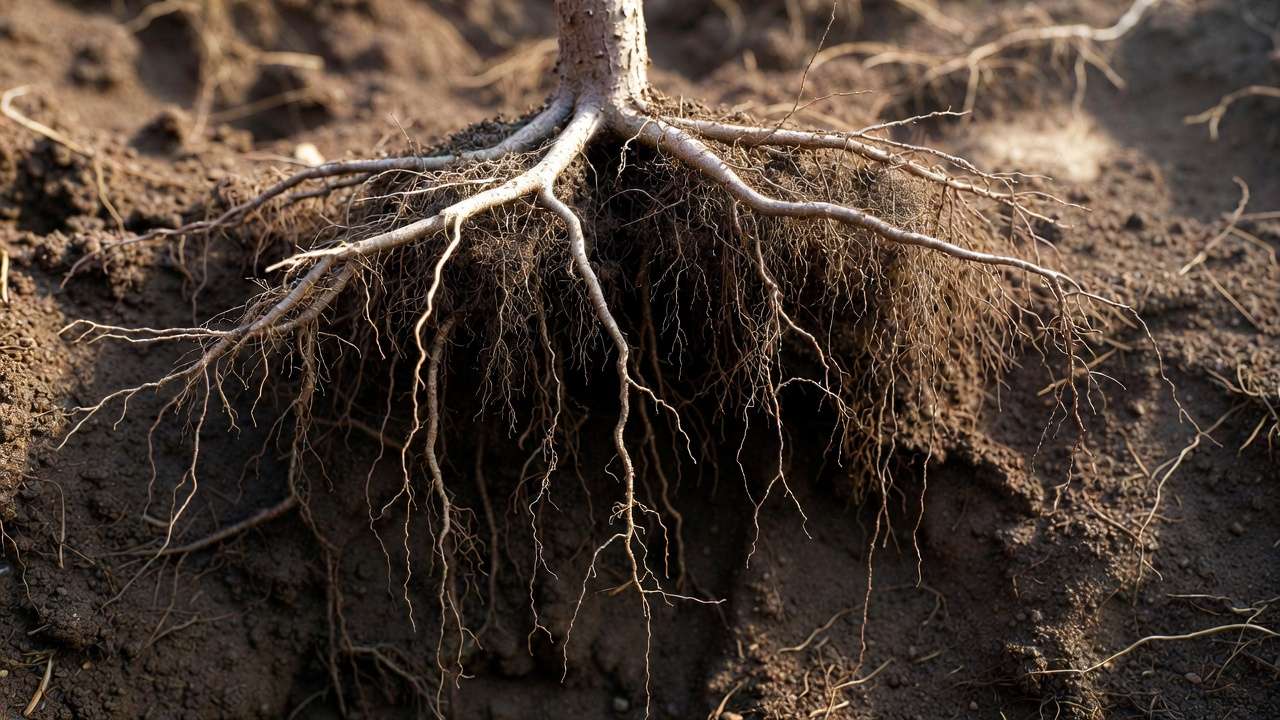
Organic options remain popular and sustainable:
- Composted manure (aged 6+ months)
- Leaf mold / shredded leaves
- Worm castings
- Blood meal, feather meal, or fish emulsion (for nitrogen)
- Bone meal or rock phosphate (for phosphorus)
- Greensand or kelp meal (for potassium and micronutrients)
Organic fertilizers release nutrients more slowly and improve soil structure and microbial life—ideal for long-term tree health 🌍.
The Complete Year-Round Fertilizing Schedule for Deciduous Trees 📅
This timeline is designed for temperate climates (USDA Zones 4–8), which cover most of North America, Europe, and similar regions. Adjust by 2–4 weeks earlier in warmer zones (9–10) or 2–4 weeks later in cooler zones (3–4).
Spring: Fuel New Growth (Late March – Early May) 🌷🌱
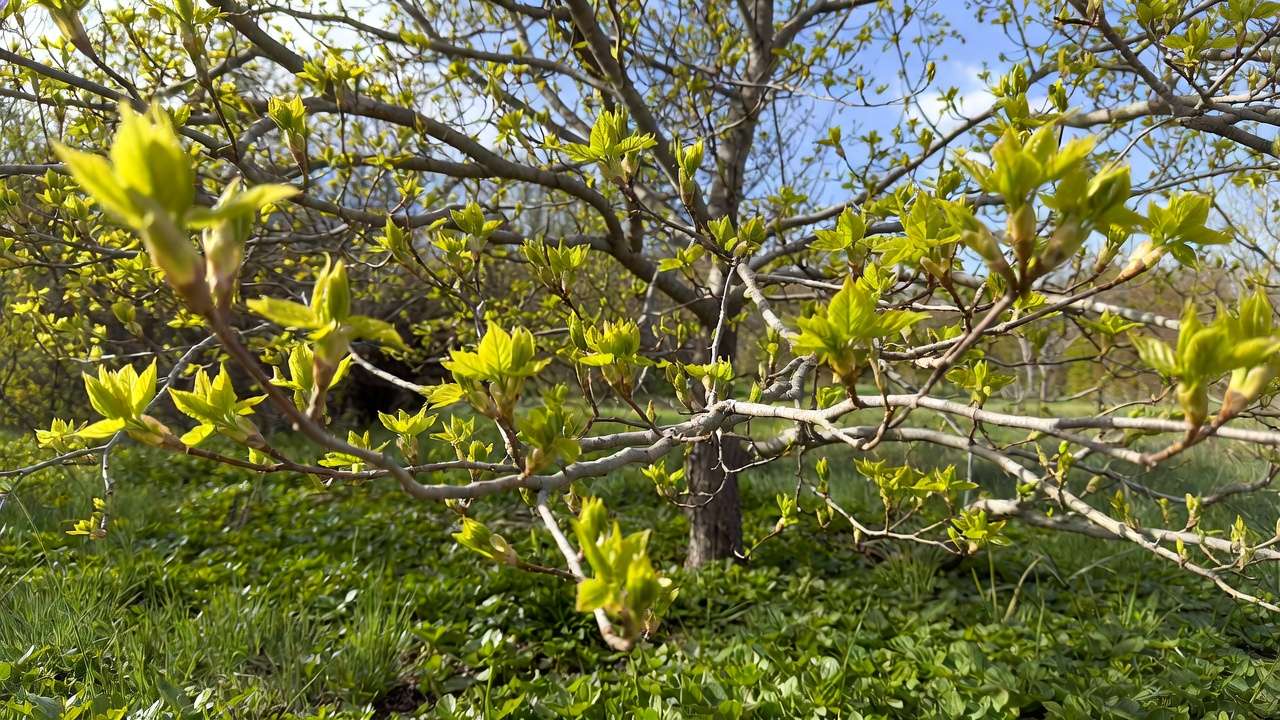
Optimal window: When soil temperatures reach 50–55°F (10–13°C) and buds begin to swell, typically late March through early May depending on your location.
Why this timing works so well:
- Roots become active weeks before visible bud break
- Trees use stored carbohydrates plus fresh nutrients to produce large, healthy leaves
- Early feeding supports strong canopy development for maximum photosynthesis all summer
How to fertilize in spring:
- Perform or reference your recent soil test.
- Calculate the root zone area: Measure the diameter of the drip line (outer edge of branches), multiply by 1.5 to get the fertilizing radius. Example: 20 ft drip-line diameter → 30 ft fertilizing diameter → ≈700 sq ft area.
- Apply 2–4 pounds of actual nitrogen per 1,000 sq ft (adjust down for young trees, up slightly if soil is very poor). → For a 10-10-10 fertilizer, that’s roughly 20–40 lbs total product per 1,000 sq ft.
- Spread evenly under the canopy (never against the trunk).
- Water thoroughly to move nutrients into the root zone.
- Refresh 2–3 inches of organic mulch afterward (keeps soil moist and cool).
Best spring fertilizers:
- 16-4-8 or 18-6-12 slow-release
- Organic: Compost + blood meal or feather meal
Summer: Maintenance & Extreme Caution (June – August) ☀️⚠️
General recommendation: Avoid routine fertilization during peak summer heat and drought.
Why summer feeding is risky:
- High soil temperatures reduce root uptake efficiency
- New growth stimulated by nitrogen is soft and succulent → prone to sunburn, drought stress, and early frost injury in fall
- Excess nutrients can build up and cause salt injury during dry periods
Exceptions when light summer feeding may be justified:
- Confirmed severe nutrient deficiency (via leaf tissue analysis or visible chlorosis)
- Tree is in a high-rainfall area with leaching soils
- Using very low-dose, slow-release or foliar application
Better summer priorities: Deep, infrequent watering • Mulch maintenance • Pest & disease scouting • Avoid root disturbanc
Seasonal Fertilizing Guidelines for Deciduous Trees: The Complete Year-Round Schedule for Healthier Growth 🌳✨
Introduction
Imagine stepping into your yard next spring to find your favorite maple or oak bursting with vibrant, deep-green leaves, strong new shoots, and that unmistakable healthy glow—only to realize you’ve been fertilizing at the wrong time for years. 😔
Many homeowners and gardeners unknowingly stress their deciduous trees by applying fertilizer too late in the season, too heavily, or not at all. The result? Pale foliage, stunted growth, weak branch structure, increased pest susceptibility, and disappointing fall color.
The good news? Seasonal fertilizing guidelines for deciduous trees are surprisingly straightforward once you understand the natural growth cycles of these beautiful, leaf-shedding giants. Timing is everything—feed them when their roots are most active and hungry, and you’ll see dramatic improvements in vigor, disease resistance, and longevity.
In this in-depth, expert-level guide, we’ll walk you through the complete year-round fertilizing schedule trusted by professional arborists, university extension services (including Cornell, Purdue, and Oregon State), and leading tree-care organizations such as The Morton Arboretum and the International Society of Arboriculture.
Whether you’re caring for a young red maple in a suburban lawn, a mature oak anchoring your backyard, or a collection of birches and elms, you’ll finish this article knowing exactly when, how much, what type, and—most importantly—when NOT to fertilize your deciduous trees. Let’s give your trees the seasonal nutrition they deserve! 🌿💚
Why Fertilize Deciduous Trees? (And When You Shouldn’t) ❓
Deciduous trees lose their leaves each autumn, recycling some nutrients back into the soil—but not all. Over years (especially in mowed lawns, compacted urban soils, or landscapes with competing grass roots), essential elements become depleted. Nitrogen (N), phosphorus (P), and potassium (K)—the famous NPK trio—are the most commonly deficient, along with micronutrients like iron, manganese, and zinc in certain soil types.
Signs your deciduous tree may benefit from fertilization include:
- Smaller-than-normal leaves
- Pale green or yellow foliage (chlorosis), especially between veins
- Reduced twig elongation and canopy density
- Premature fall color or leaf drop
- Increased susceptibility to insects, fungal diseases, or drought stress
However—and this is crucial—not every tree needs fertilizer every year.
Over-fertilization is one of the most common mistakes made by well-meaning homeowners. Excess nitrogen can:
- Stimulate soft, lush growth that’s highly attractive to aphids, Japanese beetles, and other pests 🐞
- Make new shoots vulnerable to early frost damage
- Cause root burn or salt buildup in the soil
- Contribute to nutrient runoff and environmental harm
Always start here: Get a professional soil test (costing $15–40 from your local cooperative extension or private lab). It reveals pH, organic matter percentage, and exact nutrient levels—giving you a personalized roadmap instead of guesswork.
Skip fertilizing if:
- Your soil test shows adequate or high levels of N, P, and K
- The tree was planted within the last 1–2 years (focus on root establishment first) 🌱
- The tree is showing signs of severe stress (drought, girdling roots, construction damage, etc.)—fix the underlying issue before adding nutrients
- You live in a nutrient-rich floodplain or recently amended soil
Pro tip from arborists: Healthy, established trees in good soil often thrive with fertilization only every 2–4 years rather than annually.
Understanding Deciduous Tree Nutrient Needs 🔬
Deciduous trees have distinct nutrient demands tied to their annual cycle:
- Nitrogen (N) — Drives leaf size, color, and overall shoot growth. Most trees respond dramatically to moderate nitrogen.
- Phosphorus (P) — Supports strong root development and energy transfer (especially important for flowering and fruiting species like crabapples, serviceberries, and cherries).
- Potassium (K) — Enhances stress tolerance (drought, cold, disease), improves water regulation, and contributes to vivid fall coloration.
- Secondary & micronutrients — Calcium, magnesium, sulfur, iron, manganese, zinc, boron, copper. Deficiencies often appear as interveinal chlorosis (yellowing between veins) on younger leaves (iron) or older leaves (magnesium).
Ideal fertilizer ratios for most deciduous trees (unless soil test shows otherwise):
- Spring: Balanced or higher-nitrogen slow-release (e.g., 16-4-8, 20-10-10, 12-4-8)
- Fall: Lower-nitrogen, higher-potassium (e.g., 10-10-20, 5-10-30, or organic blends)
Slow-release vs. quick-release: Slow-release (polymer-coated or sulfur-coated urea, methylene urea, IBDU) is strongly preferred for trees because it reduces burn risk, provides steady nutrition over 2–12 months, and minimizes leaching. Quick-release is acceptable only for severe, confirmed deficiencies and should be watered in deeply.
Organic options remain popular and sustainable:
- Composted manure (aged 6+ months)
- Leaf mold / shredded leaves
- Worm castings
- Blood meal, feather meal, or fish emulsion (for nitrogen)
- Bone meal or rock phosphate (for phosphorus)
- Greensand or kelp meal (for potassium and micronutrients)
Organic fertilizers release nutrients more slowly and improve soil structure and microbial life—ideal for long-term tree health 🌍.
The Complete Year-Round Fertilizing Schedule for Deciduous Trees 📅
This timeline is designed for temperate climates (USDA Zones 4–8), which cover most of North America, Europe, and similar regions. Adjust by 2–4 weeks earlier in warmer zones (9–10) or 2–4 weeks later in cooler zones (3–4).
Spring: Fuel New Growth (Late March – Early May) 🌷🌱
Optimal window: When soil temperatures reach 50–55°F (10–13°C) and buds begin to swell, typically late March through early May depending on your location.
Why this timing works so well:
- Roots become active weeks before visible bud break
- Trees use stored carbohydrates plus fresh nutrients to produce large, healthy leaves
- Early feeding supports strong canopy development for maximum photosynthesis all summer
How to fertilize in spring:
- Perform or reference your recent soil test.
- Calculate the root zone area: Measure the diameter of the drip line (outer edge of branches), multiply by 1.5 to get the fertilizing radius. Example: 20 ft drip-line diameter → 30 ft fertilizing diameter → ≈700 sq ft area.
- Apply 2–4 pounds of actual nitrogen per 1,000 sq ft (adjust down for young trees, up slightly if soil is very poor). → For a 10-10-10 fertilizer, that’s roughly 20–40 lbs total product per 1,000 sq ft.
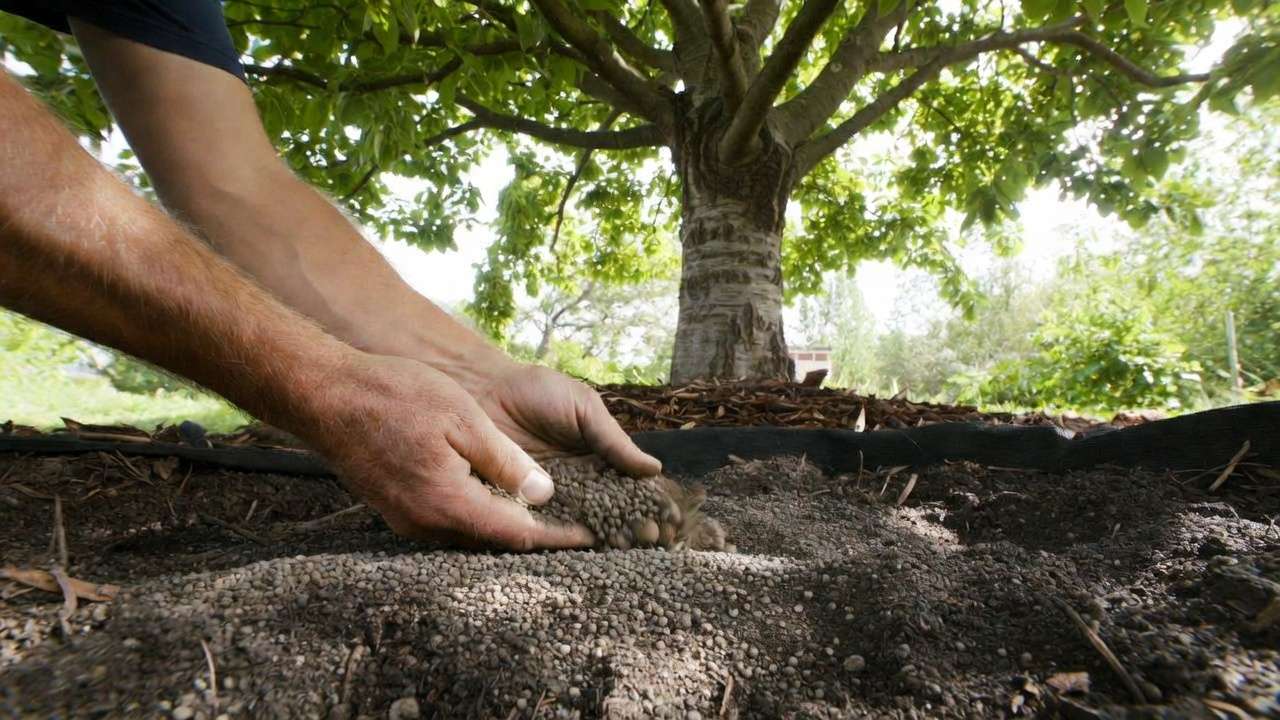
- Spread evenly under the canopy (never against the trunk).
- Water thoroughly to move nutrients into the root zone.
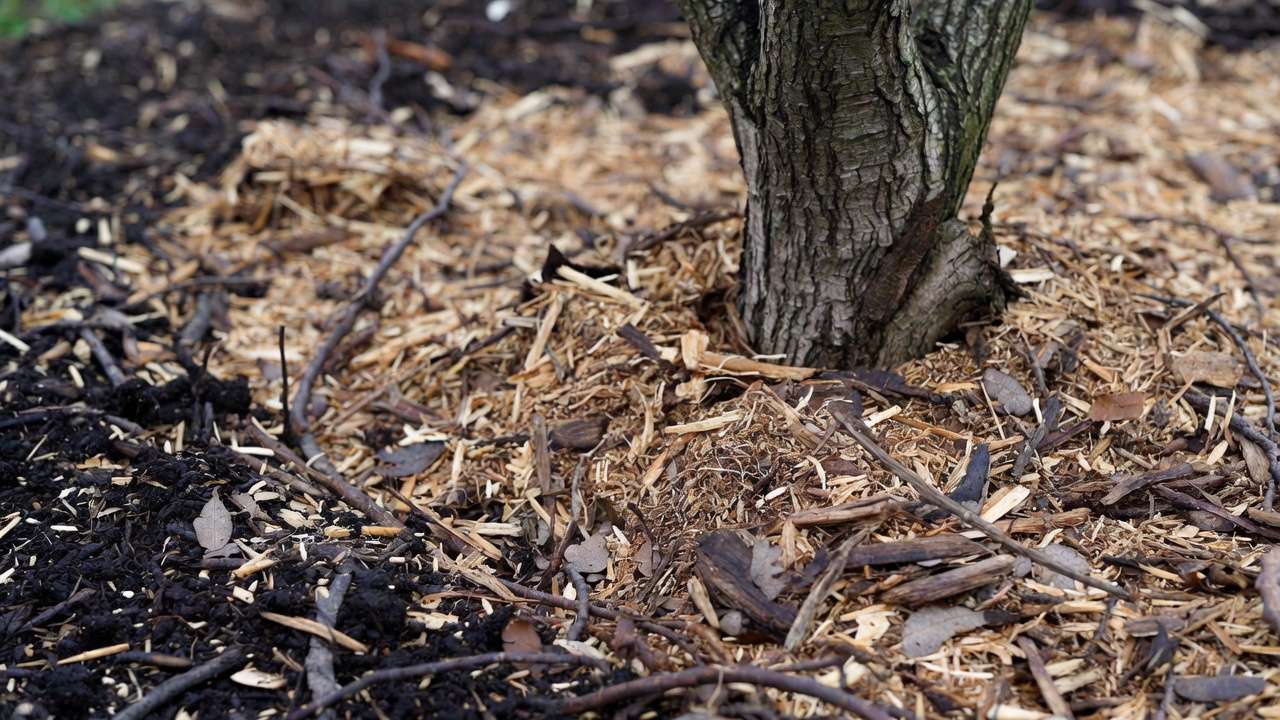
- Refresh 2–3 inches of organic mulch afterward (keeps soil moist and cool).
Best spring fertilizers:
- 16-4-8 or 18-6-12 slow-release
- Organic: Compost + blood meal or feather meal
Summer: Maintenance & Extreme Caution (June – August) ☀️⚠️
General recommendation: Avoid routine fertilization during peak summer heat and drought.
Why summer feeding is risky:
- High soil temperatures reduce root uptake efficiency
- New growth stimulated by nitrogen is soft and succulent → prone to sunburn, drought stress, and early frost injury in fall
- Excess nutrients can build up and cause salt injury during dry periods
Exceptions when light summer feeding may be justified:
- Confirmed severe nutrient deficiency (via leaf tissue analysis or visible chlorosis)
- Tree is in a high-rainfall area with leaching soils
- Using very low-dose, slow-release or foliar application
Better summer priorities: Deep, infrequent watering • Mulch maintenance • Pest & disease scouting • Avoid root disturbance
Fall: The Secret to Stronger Roots & Winter Hardiness (Late September – Early December) 🍁❄️
Many modern arborists and extension services now consider late fall the premier window for fertilizing most deciduous trees—often even better than spring in many climates. Here’s why this timing has gained strong expert support:
- After leaf drop (typically mid-to-late autumn), trees shift energy from shoot growth to root development. Roots remain active and continue growing as long as soil temperatures stay above about 40°F (4°C), often for weeks or months after the canopy is bare.
- Nutrients absorbed in fall are stored in the root system and woody tissues rather than fueling immediate top growth. This stored energy powers a vigorous spring flush of leaves and shoots—leading to larger, healthier foliage the following year.
- Fall applications help trees recover from summer stresses (drought, heat, compaction, insect pressure) and build resilience against winter cold, desiccation, and early-spring diseases.
- Lower risk of creating tender new growth that could be damaged by an early freeze (a common issue with late-summer or early-fall feeding).
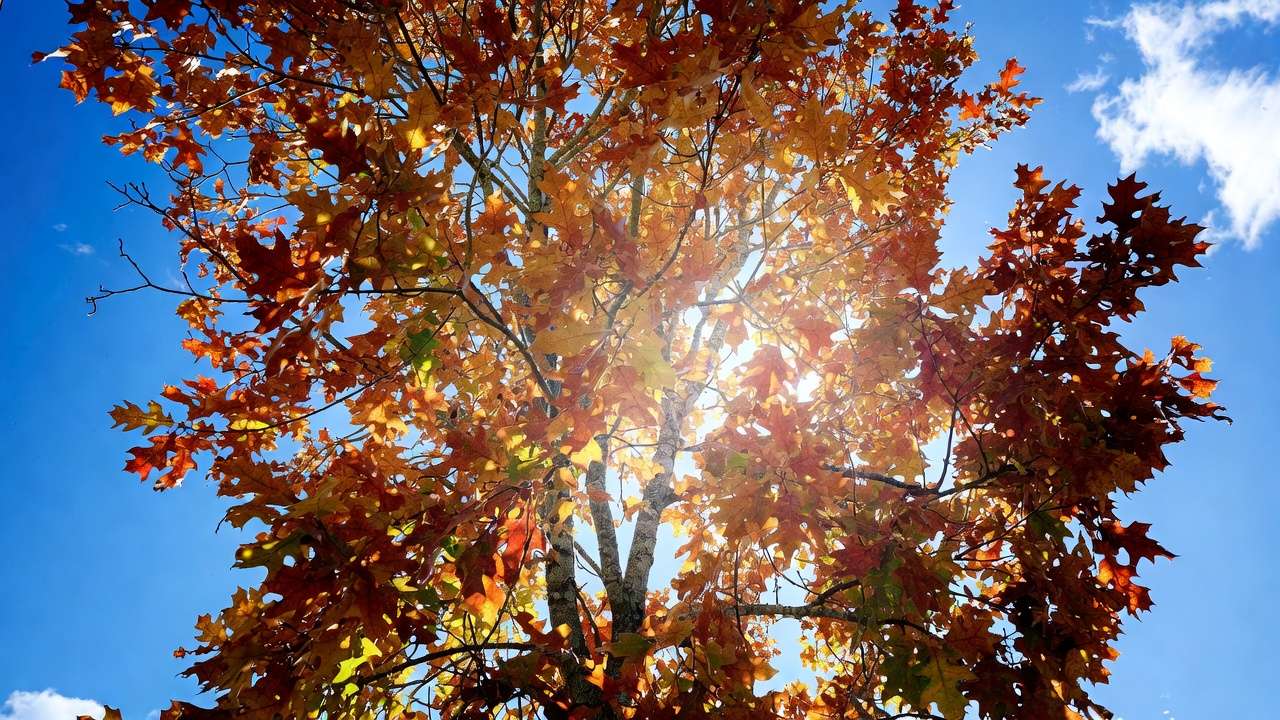
Optimal fall window: About 4–6 weeks after peak leaf color / first killing frost, but before the ground freezes—usually late October through November in Zones 5–7, extending into early December in milder areas. Apply when the tree is dormant but the soil is still workable and moist.
How to fertilize in fall:
- Use a lower-nitrogen, higher-potassium formula to emphasize root strength and stress tolerance rather than leafy growth (examples: 10-10-20, 5-10-30, 8-12-16, or organic equivalents).
- Apply at a similar rate to spring: 2–4 lbs actual nitrogen per 1,000 sq ft of root zone, but lean toward the lower end if using higher-K blends.
- Broadcast evenly across the soil surface under the canopy (extend to 1.5× the drip line). Lightly rake in or water deeply to help incorporation.
- Avoid piling fertilizer against the trunk—keep it 6–12 inches away from the bark to prevent burn or rot.
Expert insight: The Morton Arboretum and many university extensions list late fall (once dormant) as one of the two best times alongside early spring. Recent arborist consensus often ranks fall slightly higher for established trees because it supports long-term root health and cold hardiness without risking soft summer/fall growth.
Winter: Dormancy & No Feeding (December – February/March) ❄️🛌
During true winter dormancy—when soil is frozen or consistently below 40°F—do not fertilize. Roots cannot absorb nutrients effectively, and any applied fertilizer simply sits unused, potentially leaching away with spring snowmelt or causing salt stress.
Instead, use winter wisely:
- Inspect trees for winter damage (sunscald cracks, rodent chewing, broken branches).
- Protect young trunks with tree guards if needed.
- Plan your next soil test for early spring.
- Refresh mulch to insulate roots from freeze-thaw cycles.
How to Apply Fertilizer Properly (Step-by-Step Expert Guide) 🛠️
Follow this foolproof process every time to maximize uptake and minimize waste or harm:
- Soil & Foliage Testing First — Essential for precision. Collect samples from multiple spots under the canopy (avoid near trunk or fertilized lawn areas). Send to a reputable lab.
- Measure the Fertilizing Area — Drip-line diameter × 1.5 = fertilizing diameter. Calculate square footage (π × radius²).
- Select the Right Product — Slow-release nitrogen (at least 40–50% slow-release) is safest for trees. Avoid “weed-and-feed” products—they contain herbicides harmful to trees.
- Calculate Dosage — Convert label rates to actual nitrogen. Example: For 3 lbs N/1,000 sq ft using 18-6-12 fertilizer → divide 3 by 0.18 = ~16.7 lbs of product needed per 1,000 sq ft.
- Apply Correctly — Use a broadcast spreader for even coverage. Never dump in piles. Keep away from trunk and major surface roots.
- Water In — Apply ½–1 inch of water immediately after to activate and carry nutrients downward.
- Mulch Refresh — Top with 2–3 inches of organic mulch (shredded bark, wood chips, or leaves) to conserve moisture and moderate soil temperature.
Application Methods Compared
- Surface broadcast — Most recommended (simple, effective).
- Granular spikes/drills — Convenient but often uneven distribution; many experts now discourage them.
- Liquid soil drench — Good for quick correction of deficiencies.
- Foliar spray — Only for micronutrient issues (e.g., iron chelate for chlorosis).
Common Mistakes to Avoid (Lessons from Arborists) 🚫
- Fertilizing too late in the growing season → Encourages frost-tender new shoots.
- Applying too much nitrogen → Excessive soft growth, pest attraction, root burn.
- Skipping soil tests → Blind guessing leads to imbalances.
- Fertilizing near the trunk (“volcano mulching/fertilizing”) → Invites rot, insects, girdling roots.
- Using lawn fertilizer with herbicides on trees → Can cause severe damage or death.
- Fertilizing drought-stressed or newly transplanted trees → Adds osmotic stress when roots are struggling.
Special Considerations for Popular Deciduous Trees 🌲
- Maples (especially Norway, silver, red): Often show iron/manganese chlorosis on high-pH soils. Use acidifying fertilizers or chelated micronutrients in spring.
- Oaks: Slow-growing; usually need less frequent feeding. Watch for potassium deficiency (scorch).
- Birch & Dogwood: Prefer slightly acidic soil; fall potassium helps winter hardiness.
- Flowering/Fruiting types (crabapple, cherry, serviceberry): Boost phosphorus in spring for better blooms/fruit set.
- Young vs. Mature Trees — Young trees (under 10 years) benefit from light annual feeding; mature, established trees often need it only every 2–4 years if soil is healthy.
Organic & Sustainable Fertilizing Options 🌱♻️
For eco-conscious gardeners:
- Top-dress with compost (2–3 inches in fall) — Slow nutrient release + soil biology boost.
- Shredded fall leaves as mulch — Mimics nature’s cycle, recycles nutrients.
- Well-aged manure or worm castings — Excellent for nitrogen and microbes.
- Cover crops (clover, vetch) around tree bases in off-seasons to fix nitrogen naturally.
These methods build long-term soil fertility, support beneficial fungi and bacteria, and reduce reliance on synthetic products.
FAQs About Seasonal Fertilizing for Deciduous Trees ❓
Q: Do all deciduous trees need fertilizer every year? A: No—many healthy, mature trees in decent soil thrive without annual feeding. Soil tests are the gold standard.
Q: Is fall really better than spring? A: For established trees, yes—many experts (including recent arborist recommendations) favor late fall for root storage and hardiness, while spring works well for kickstarting growth. Both are valid; some people split applications.
Q: What if my tree is growing in a lawn? A: Tree roots compete with grass. Fertilize the tree’s extended root zone separately with a tree-specific or low-phosphorus product to avoid overfeeding turf.
Q: Can I use my lawn fertilizer on trees? A: Only if it’s plain (no herbicides) and the ratio suits the tree’s needs. Avoid “weed-and-feed” at all costs.
Q: My tree has yellow leaves—should I fertilize immediately? A: Yellowing can stem from many causes (pH, compaction, drought, pests). Diagnose first (soil test, leaf analysis) before adding fertilizer.
Final Thoughts & Expert Tips 🌟
Mastering seasonal fertilizing guidelines for deciduous trees isn’t about feeding more—it’s about feeding smarter. By aligning applications with natural root activity cycles (early spring for canopy development, late fall for root reserves), using soil tests to guide decisions, and choosing slow-release or organic options, you’ll cultivate stronger, more resilient trees that reward you with lush foliage, brilliant autumn color, and decades of beauty.
Start small: Get that soil test this season, observe your tree’s current health, and pick one feeding window (fall is a great place to begin). You’ll likely see noticeable improvements within 1–2 growing seasons.











