
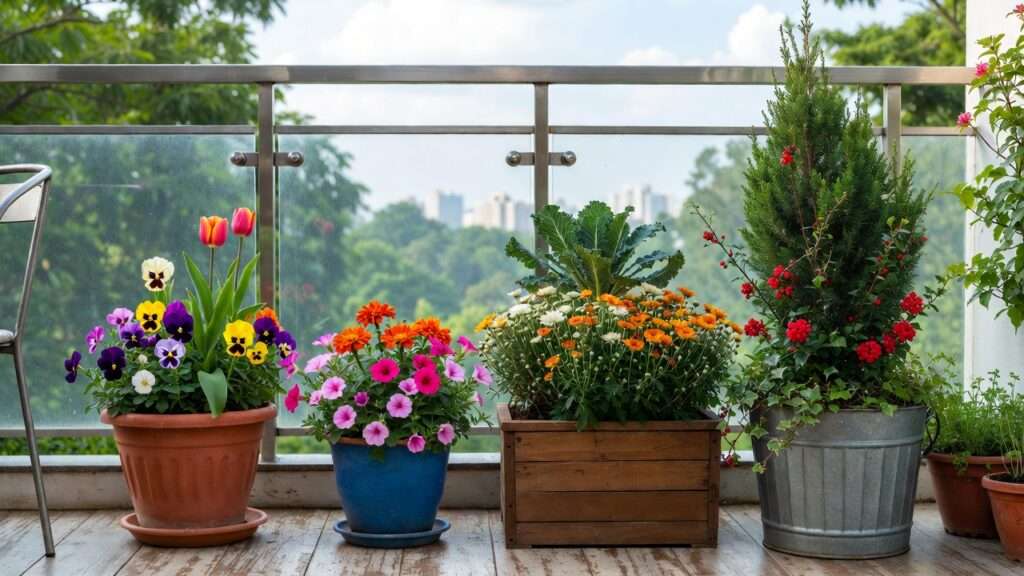
Imagine stepping onto your balcony or patio in Dhaka’s humid spring, greeted by vibrant blooms… only to watch them wilt under the relentless summer heat, or fade as the monsoon arrives. If you’re tired of replanting entire containers every few months and want pots that stay lush and colorful no matter the season, you’re in the right place! 🌸🍂
Seasonal transitions in container gardens are essential for small-space gardeners, urban dwellers, and anyone relying on pots for beauty and even fresh herbs or veggies. Unlike in-ground beds, containers face faster soil temperature swings, quicker nutrient depletion, and intense drying (or waterlogging during rains). But the upside? Mobility lets you move pots to shade, sun, or indoors as needed—perfect for Dhaka’s tropical climate with hot summers, heavy monsoons, and mild “winters.”
In this comprehensive guide, I’ll share expert strategies drawn from years of hands-on container gardening in similar humid, warm zones. You’ll learn how to plan year-round displays, choose resilient plants, make seamless swaps, and avoid common pitfalls. By the end, you’ll have thriving pots that save time, money, and effort while delivering non-stop interest. Let’s turn your containers into four-season stars! 🪴💚
Why Seasonal Transitions Matter More in Containers Than In-Ground Gardens 🌱
Containers aren’t just portable—they’re mini ecosystems with unique demands.
The Unique Challenges of Pots Across Seasons ❄️🔥 Limited soil volume means roots heat up or freeze faster than ground soil. In Dhaka’s 30–35°C summers, pots can become ovens, stressing plants and evaporating water rapidly. Monsoon rains bring waterlogging risks if drainage isn’t perfect. Nutrient levels drop quicker, leading to yellow leaves or weak blooms if not refreshed seasonally.
The Big Advantages You Can Leverage 🏆 Pots are movable! Shift them under eaves during heavy rains or to sunnier spots in cooler months. Easy plant swaps mean no digging—just lift out spent annuals and drop in fresh ones. Ideal for balconies, rooftops, or tiny patios common in urban Bangladesh.
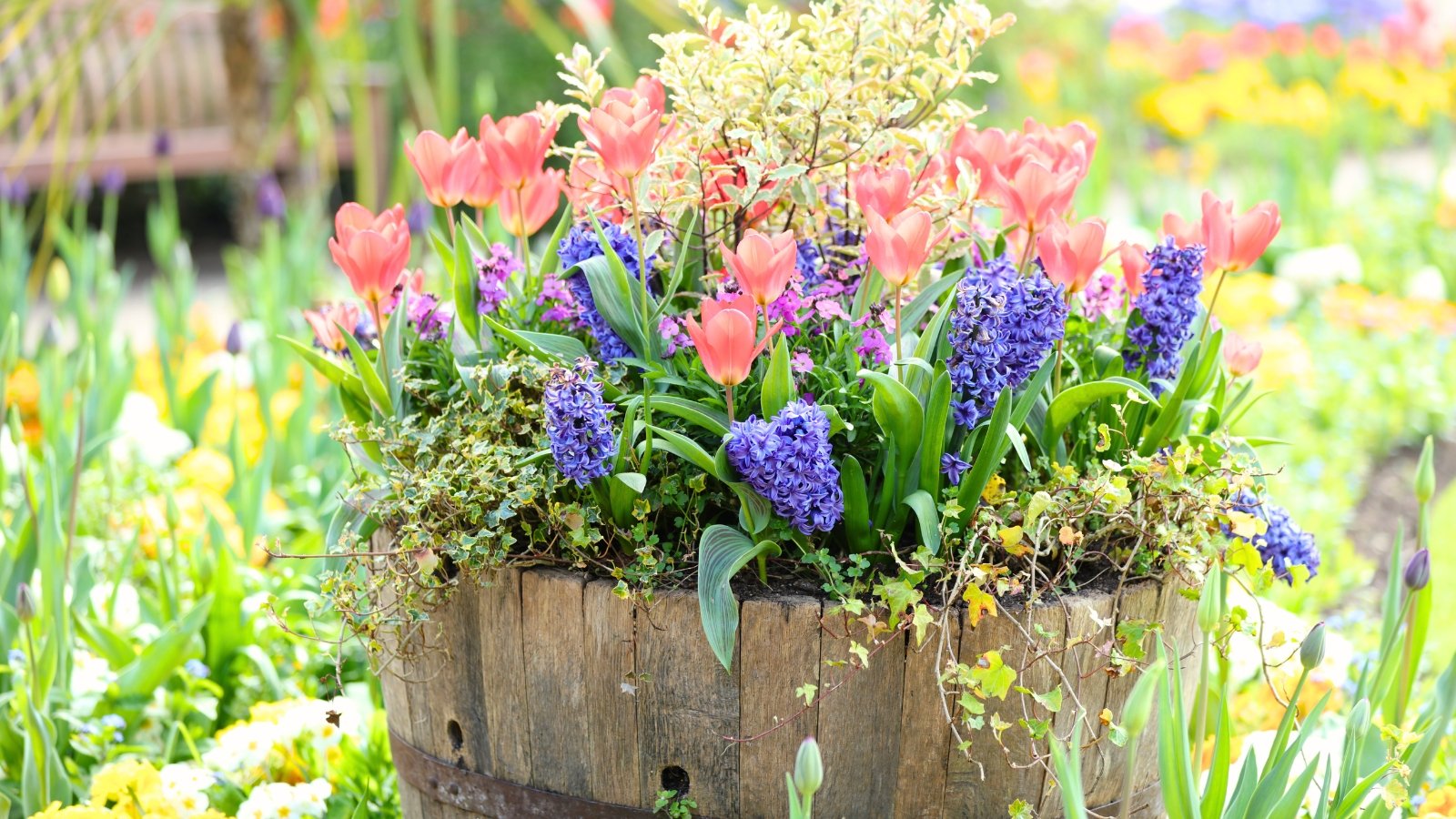
Planning Your Year-Round Container Strategy 📅
Success starts with preparation.
Assess Your Space, Climate, and Sun Exposure First ☀️ Dhaka’s tropical setup means consistent warmth (rarely below 15°C), high humidity, and intense sun with seasonal rain. Track light: most balconies get 4–8 hours of direct sun, shifting with building shadows. Check drainage—add holes if needed to prevent root rot during monsoons.
Choose the Right Containers and Potting Mix for Longevity 🪴 Opt for lightweight plastic or fabric pots in hot climates—they stay cooler than dark terracotta. Use well-draining mix: 50% potting soil, 30% coco coir or compost, 20% perlite/vermiculite for aeration. Refresh top 5–10 cm of soil seasonally to replenish nutrients.
Core Design Principle – Thriller, Filler, Spiller (with Year-Round Twists) 🎭 Build layers: tall “thriller” for structure (e.g., dwarf ornamental grass), mid-height “filler” for color (flowers/herbs), trailing “spiller” for softness (sweet potato vine or ivy). Choose multi-season anchors like hardy foliage plants to minimize full replants.
Spring Awakening: Transitioning from Winter to Vibrant Growth 🌷
Even in mild Dhaka winters, refresh for lush spring.
Late Winter/Early Spring Refresh Steps Inspect survivors: prune dead parts, fertilize with balanced slow-release (e.g., 10-10-10), top-dress with compost. Remove spent winter plants gently.
Best Plants to Add for Fresh Spring Color Pansies, violas, petunias, marigolds, and cool-season herbs like coriander or mint thrive. Add bulbs like tulips or hyacinths forced earlier for pops of color.
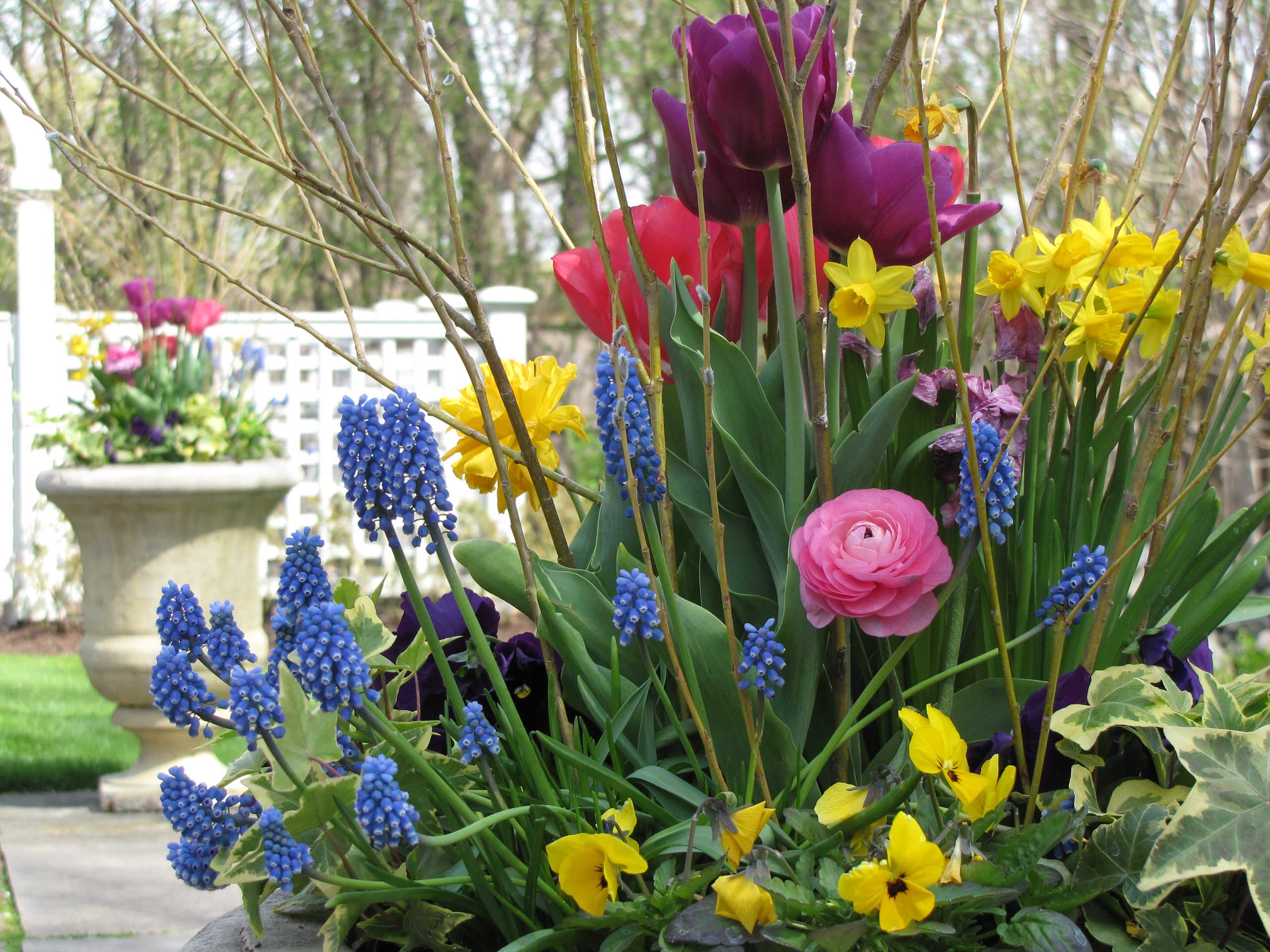
Pro Tip: Plant Cool-Season Crops Under Summer Thrillers 🌱 Layer fast-growing lettuce or radishes under taller plants—they’ll harvest before heat arrives.
Summer Heat Survival: Keeping Pots Lush Through the Hottest Months ☀️🔥
Dhaka’s summer (March–June) brings scorching temperatures often exceeding 35°C, high humidity, and intense sunlight that can fry delicate plants in containers within days. The key to thriving pots during this period is proactive heat management and choosing heat-loving, drought-tolerant varieties that actually perform better as the mercury rises.
Mid-Season Tweaks to Beat Heat Stress
- Mulch generously — Apply 3–5 cm of organic mulch (coconut coir, dry leaves, or bark chips) on top of the soil to retain moisture, moderate soil temperature, and reduce evaporation.
- Water deeply and smartly — Water early in the morning or late evening to minimize loss to evaporation. Check soil moisture by sticking your finger 5 cm deep—if dry, water thoroughly until it drains out the bottom.
- Provide temporary shade — Move pots to partial shade during the hottest 11 am–3 pm window, or use 30–50% shade cloth draped over a simple frame.
- Deadhead and prune lightly — Remove faded flowers and leggy growth weekly to redirect energy and improve air circulation, reducing fungal risks in humid conditions.
- Boost humidity-loving plants — Mist foliage in the evenings if humidity drops below 60% (rare in Dhaka, but useful during heatwaves).
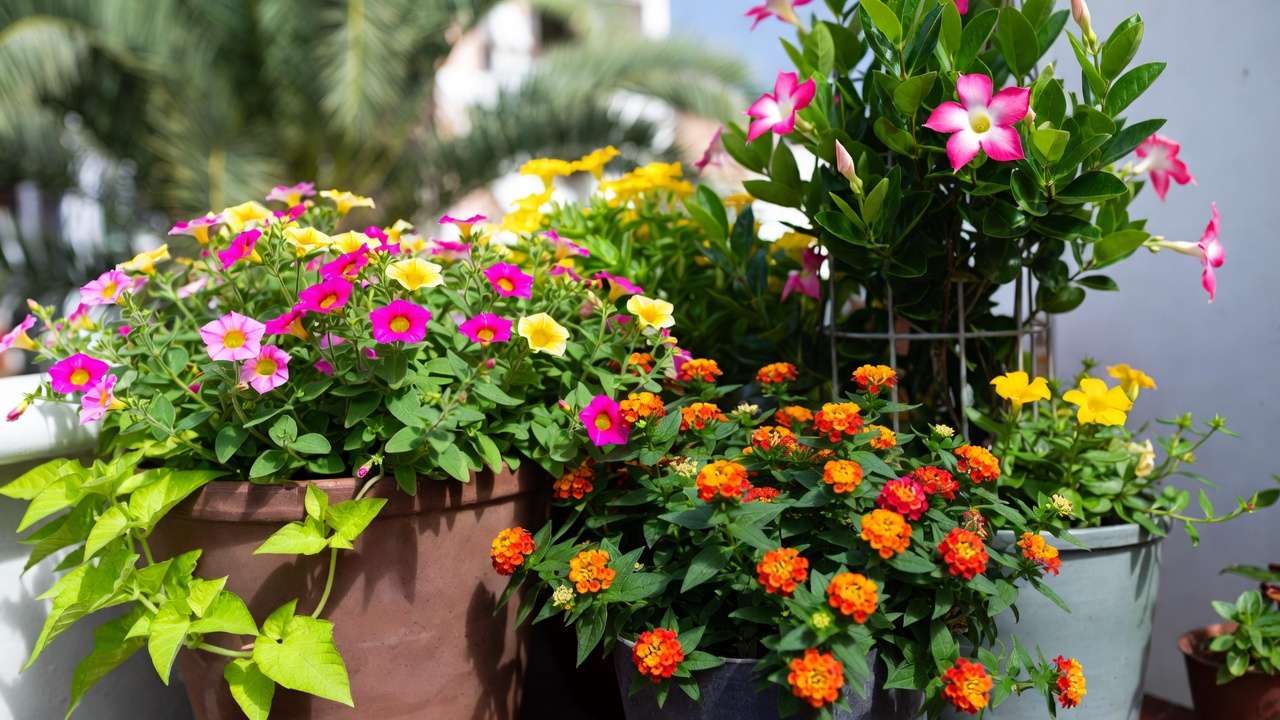
Heat-Tolerant Stars for Non-Stop Bloom 🌺 These plants laugh at Dhaka summers and keep containers colorful:
- Calibrachoa (Million Bells) — cascading, petunia-like flowers in every color, blooms relentlessly.
- Lantana — tough, butterfly-attracting clusters in orange, pink, yellow; drought-tolerant once established.
- Portulaca (Purslane/Moss Rose) — succulent foliage, vivid blooms that open in full sun.
- Zonal geraniums — classic red/pink/white clusters, excellent heat performance.
- Mandevilla or Dipladenia — vining tropical showstoppers with trumpet flowers.
- Vinca (Madagascar Periwinkle) — bulletproof in heat and humidity.
- Coleus — foliage plants in stunning patterns; pinch tips for bushiness.
Edible Transitions: Swap in Veggies/Herbs That Thrive in Warmth 🥗🌶️ Replace fading cool-season crops with:
- Okra, eggplant, amaranth greens, Malabar spinach (Basella alba — perfect climber for hot, humid Dhaka).
- Heat-loving herbs: Thai basil, lemongrass, holy basil (tulsi), mint (in partial shade to prevent bolting). These not only survive but produce fresh harvests through the monsoon transition.
Fall Refresh: Transforming Summer Pots into Cozy Autumn Displays 🍁🟠
Even in tropical climates like Dhaka, where true “fall” is more about post-monsoon relief (September–November), you can create a cozy, golden-toned shift by swapping out tired summer annuals and introducing richer textures and deeper colors.
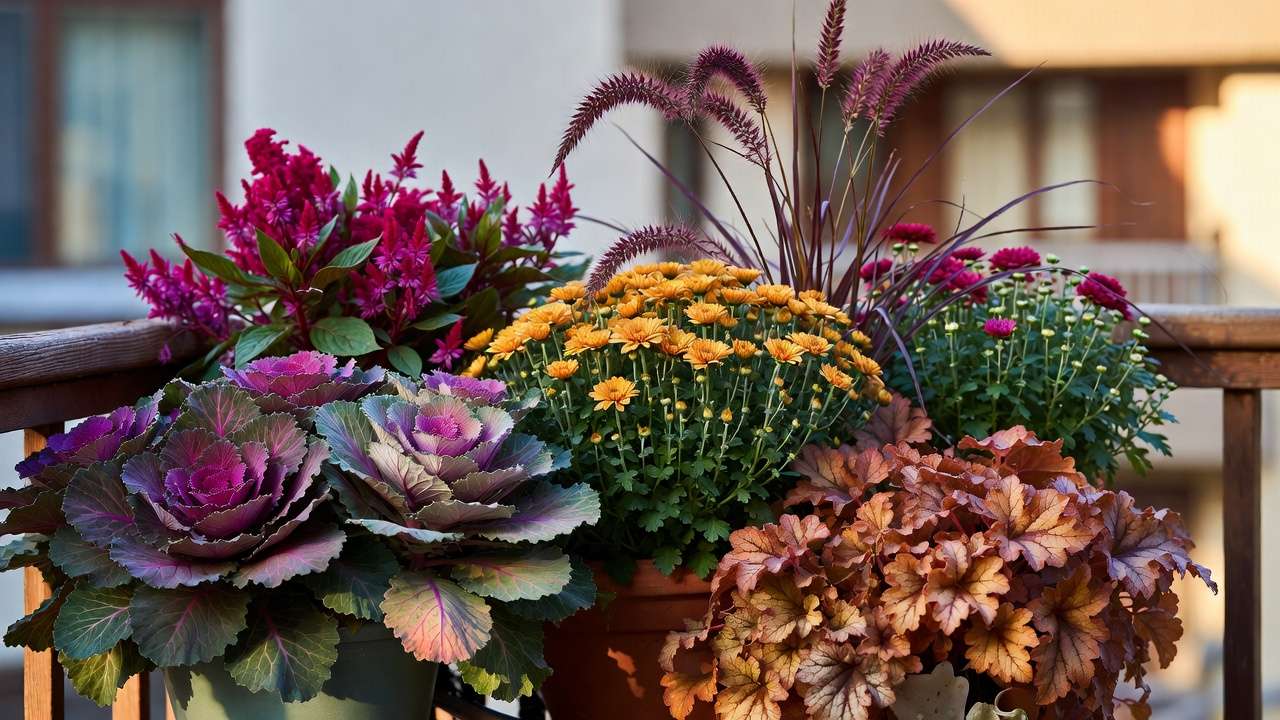
Gradual Transition Tactics (Avoid the Full Rip-Out)
- Remove only spent or leggy annuals, leaving structural perennials, shrubs, or hardy foliage intact.
- Top-dress with fresh compost and slow-release fertilizer (low-nitrogen for stronger roots).
- Introduce cool-season accents slowly over 2–3 weeks to avoid shocking roots.
Iconic Fall Plants & Combinations
- Ornamental kale and cabbage — dramatic purple, white, pink rosettes.
- Chrysanthemums (mums) — classic autumn blooms in gold, bronze, red.
- Asters and celosia — extend flower power into cooler, drier months.
- Heuchera (coral bells) — evergreen foliage in burgundy, caramel, lime.
- Ornamental grasses (e.g., fountain grass, purple fountain grass) — add movement and texture. Beautiful combo example: burgundy heuchera + golden mums + trailing sweet potato vine (still lush from summer).
Expert Insight: How to Extend Summer Plants into Fall Many heat-lovers (lantana, mandevilla, vinca) continue blooming into November if protected from early heavy rains. Trim back by 1/3 in late September for bushier regrowth and prolonged color.
Winter Resilience: Options for Year-Round Interest (Even in Mild Dhaka Winters) ❄️🌲
Dhaka rarely sees frost, but nights can dip to 12–15°C with lower light and occasional dry spells. This is actually prime time for many evergreen and cool-season performers.
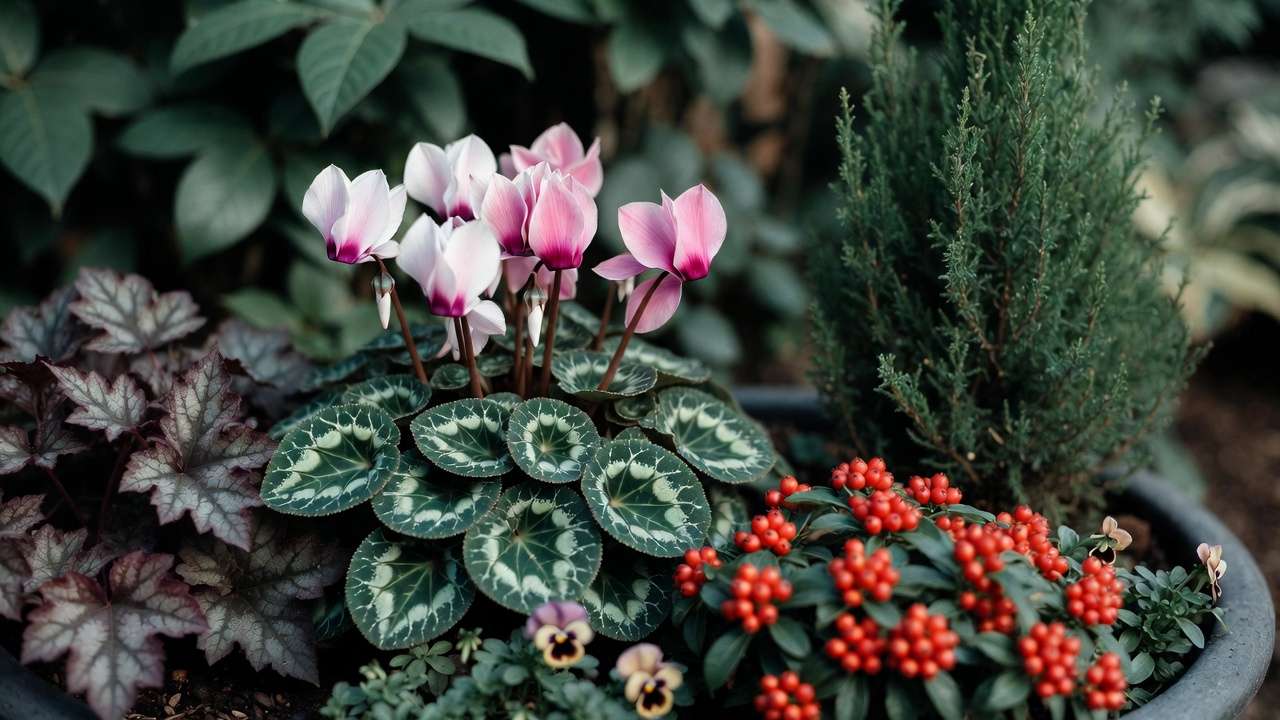
Protecting Pots from Chill & Low Light
- Group pots together against a south-facing wall to create a microclimate.
- Wrap terracotta pots in burlap or bubble wrap if temperatures unexpectedly drop.
- Reduce watering frequency—let soil dry out more between waterings to prevent root rot.
Cold-Hardy & Evergreen Container Stars
- Hellebores (Lenten rose) — winter blooms in shade.
- Cyclamen — delicate upward-facing flowers and marbled leaves.
- Winter-blooming heather or small conifers (e.g., dwarf juniper, miniature pine).
- Dwarf boxwood or euonymus — structured evergreen anchors.
- Nandina (heavenly bamboo) — red berries and foliage color.
- Pansies and violas — bounce back for cheerful winter color.
Indoor-Outdoor Bridge: Bring Favorites Inside 🌿🏠 Move tender tropicals (e.g., coleus, mandevilla) indoors near bright windows for the cooler months. Many rebound beautifully when returned outdoors in spring.
Advanced Strategies for Minimal Effort, Maximum Impact 💡🪴
Once you master the basics, these pro-level techniques make seasonal transitions almost effortless while delivering stunning, long-lasting results.
Convertible & Nesting Container Hacks
- Use drop-in liners or nursery pots inside decorative cachepots. Plant seasonal annuals in cheap plastic liners—you can lift them out and swap in new ones in minutes without disturbing roots or soil.
- Nested pots trick: Keep a permanent thriller (e.g., a small bougainvillea or dwarf frangipani) in the main pot, then nest smaller seasonal pots around or in front for quick color changes.
- Pre-plant two-season combos in separate small pots: grow spring violas in one, summer lantana in another—swap them in as needed.
Perennial & Shrub Foundations for Long-Term Savings Invest in a few reliable, container-hardy perennials or small shrubs as anchors—they reduce replanting costs by 60–80% over time. Top recommendations for Dhaka’s climate:
- Dwarf bougainvillea (prune heavily after monsoon for shape)
- Hibiscus (tropical, evergreen, blooms year-round with care)
- Pentas (butterfly magnet, heat-tolerant)
- Dwarf ixora or yellow bells (Tecoma stans)
- Agave or aloe varieties for structural interest
- Hardy foliage: croton, caladium (summer), coleus (year-round in shade)
Refresh around these anchors by changing only the fillers and spillers each season.
Watering, Feeding & Maintenance Calendar by Season 📆
- Spring (Feb–Apr): Weekly balanced fertilizer (10-10-10), water every 2–3 days.
- Summer (May–Aug): Switch to high-potassium feed (e.g., 5-10-10) every 10–14 days for bloom/fruit power; water daily in peak heat.
- Monsoon/Fall (Sep–Nov): Reduce fertilizer, ensure excellent drainage, water only when top 5 cm is dry.
- Winter (Dec–Jan): Minimal feeding (once a month), water sparingly. Always use slow-release granules at transition points for steady nutrition.
Common Mistakes & Troubleshooting During Transitions ⚠️
Even experienced gardeners slip up—here’s how to avoid and fix the most frequent issues.
Over/Under-Watering Pitfalls Overwatering during cooler, lower-light months causes root rot (yellow lower leaves, mushy stems). Underwatering in summer leads to wilting and leaf scorch. Fix: Use a moisture meter or the finger test religiously. Improve drainage with extra perlite if rot appears.
Pest & Disease Issues in Seasonal Shifts Humidity spikes during monsoon invite fungal problems (powdery mildew, leaf spot) and pests (aphids, spider mites, whiteflies). Prevent with good air circulation and neem oil sprays every 10–14 days during transitions. Treat early—remove affected leaves and apply insecticidal soap.
Nutrient Deficiencies & Fixes Yellowing between veins = iron/magnesium lack (common in alkaline water areas). Pale leaves = nitrogen shortage. Fix: Use chelated micronutrient sprays or Epsom salts (1 tbsp per liter water) monthly. Test soil pH if problems persist (aim for 6.0–6.8).
What to Do When Plants Fail to Thrive Don’t panic—dig gently to check roots. If root-bound, repot into one size larger. If diseased, discard and sterilize the pot. Start fresh with healthy nursery stock rather than forcing recovery.
Real-Life Examples & Container Recipes 🌟
Here are four foolproof, ready-to-copy designs tailored for Dhaka balconies or patios.
Spring Cheer Bowl (Feb–May)
- Thriller: Dwarf bougainvillea or young hibiscus
- Filler: Pansies, violas, petunias, marigolds
- Spiller: Trailing lobelia or sweet alyssum Result: Bright, cheerful pastels that transition easily into summer heat-lovers.
Summer Heatwave Explosion (Jun–Sep)
- Thriller: Lantana or mandevilla on a small trellis
- Filler: Calibrachoa, vinca, portulaca
- Spiller: Sweet potato vine or cascading Million Bells Vivid oranges, pinks, and purples that handle full sun and humidity.
Autumn Harvest Glow (Oct–Nov)
- Thriller: Ornamental grass (Pennisetum) or croton
- Filler: Mums, ornamental kale, celosia
- Spiller: Heuchera or ivy Rich burgundy, gold, and deep green tones for a cozy post-monsoon vibe.
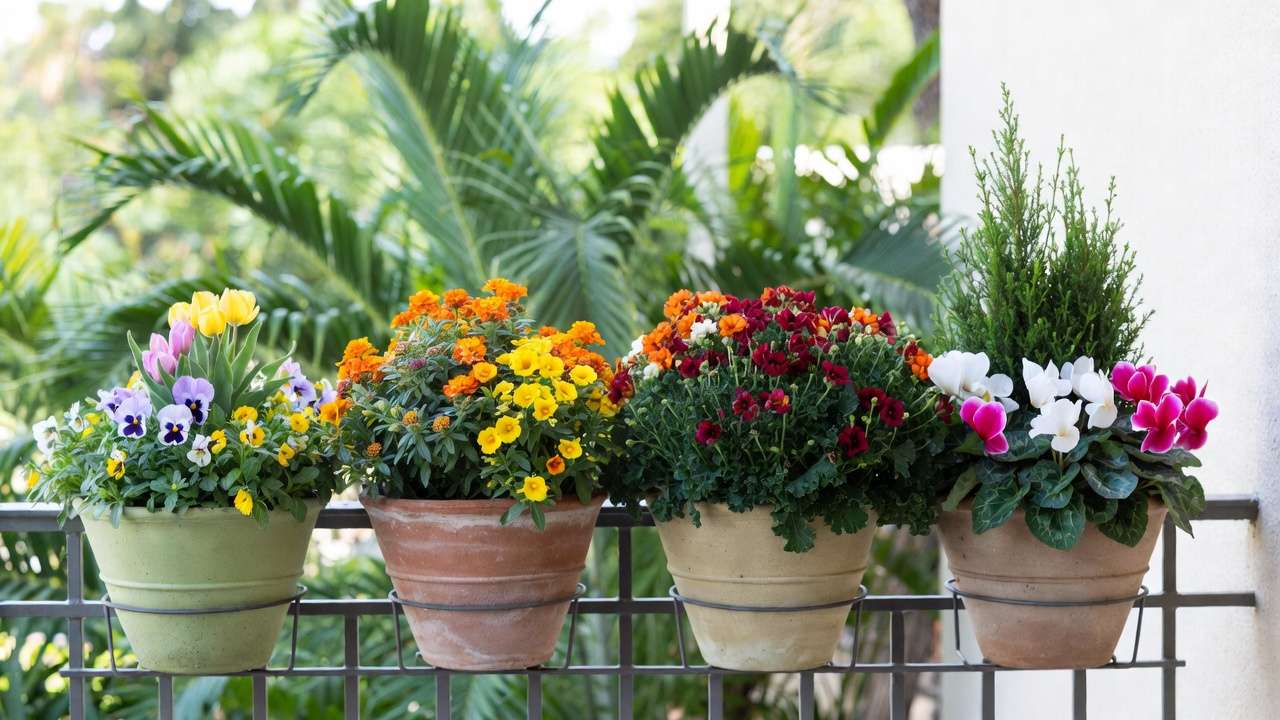
Winter Evergreen Elegance (Dec–Jan)
- Thriller: Dwarf conifer or boxwood
- Filler: Cyclamen, winter pansies, heuchera
- Spiller: Trailing ivy or vinca minor Subtle greens with pops of pink/white and textured foliage.
FAQs: Seasonal Transitions in Container Gardens ❓
Here are the questions I hear most often from gardeners in Dhaka and similar tropical/urban climates when trying to keep pots looking great all year.
How often should I fully replant my containers? Not as often as you think! With good planning, you only need a full replant every 1–2 years for most annual-heavy pots. Use perennial or small-shrub anchors and just swap out 30–50% of the fillers/spillers each season. This saves time, money, and reduces plant waste.
Can I overwinter annuals in Dhaka’s mild winters? Yes, many “annuals” behave like short-lived perennials here. Lantana, vinca, pentas, coleus, and mandevilla often survive December–January with minimal protection (grouping pots, reduced watering). Trim them back in late January/early February for fresh spring growth.
Best budget tips for year-round pots?
- Buy small nursery pots of seasonal color (₹50–150 each) instead of fancy mature plants.
- Reuse and refresh potting mix: discard only the top 10 cm, add compost + slow-release fertilizer.
- Propagate your own: take cuttings of coleus, lantana, or hibiscus in late summer—they root easily in water or soil.
- Shop end-of-season sales at local nurseries (especially after Eid or Puja seasons).
What if I live in a hot/humid tropical climate like Dhaka? Focus on excellent drainage (extra perlite + holes), heat-tolerant species (listed above), and mobility. During monsoon, elevate pots on bricks or feet to prevent waterlogging. Mist foliage in dry spells between rains. Prioritize plants native or adapted to South Asia—they’ll need far less babying.
How do I handle balcony wind exposure? Choose low, wide, heavy pots to prevent tipping. Use wind-tolerant spillers (trailing verbena, portulaca, sweet potato vine) instead of tall, floppy types. Group pots together or place against railings/walls for a wind-break effect. Stake tall thrillers if needed.
Conclusion 🎉🌿
Mastering seasonal transitions in container gardens transforms your balcony, patio, or rooftop from a few months of glory into a year-round source of joy, color, and even fresh herbs or veggies. The secret isn’t constant replanting—it’s smart planning: choosing resilient anchors, leveraging mobility, refreshing strategically, and working with your local climate instead of fighting it.
Start small this season: pick one pot, apply the thriller-filler-spiller method, and make just one intentional transition (summer → fall, for example). You’ll be amazed how much easier and more beautiful it gets with each cycle.
Your thriving containers are waiting—grab some fresh soil, a few nursery favorites, and get started! Share your before-and-after photos or your biggest transition win in the comments below—I’d love to see them and answer any questions. 🌺🍂
For more expert plant care tips tailored to Dhaka and Bangladesh gardens, check out our guides on:
- Best Potting Mixes for Tropical Climates
- Top Heat-Tolerant Container Plants for Urban Balconies
- How to Grow Herbs Year-Round in Pots
Happy gardening, and here’s to pots that never stop shining











