
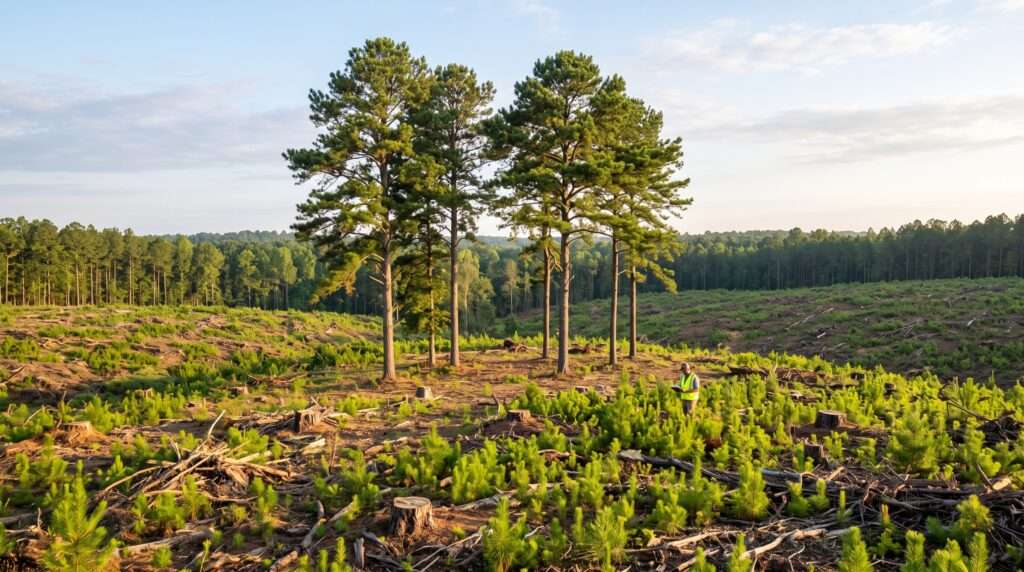
Imagine walking into a recently harvested woodland. Instead of the barren, desolate landscape often associated with commercial timber harvesting, you see a scattering of majestic, mature trees standing tall, their canopies catching the wind. To understand this practice, we must look at the exact seed tree logging definition. In the fields of forestry and tree care, this refers to a sustainable silvicultural system where the majority of the timber is removed, but a carefully selected number of mature, genetically superior trees are left standing. Their sole purpose? To naturally reseed the cleared area and cultivate the next generation of the forest. 🌬️🍃
As a plant care and arboriculture specialist, I’ve spent years analyzing how macro-level forestry practices impact micro-level ecosystems. The seed tree method is a fascinating bridge between the economic realities of timber harvesting and the ecological necessity of environmental preservation. It proves that with the right foresight, we can harvest resources while still prioritizing long-term forest health. 💚
If you are a woodland owner, a conservationist, or simply a plant enthusiast looking to understand large-scale tree cultivation, this comprehensive guide will break down the mechanics, benefits, and long-term impacts of the seed tree method. Let’s dive into why leaving these “mother trees” behind is one of the most vital strategies in modern forest management. ✨
The Core Philosophy Behind the Practice 🌳
At its heart, arboriculture and silviculture share the same goal: fostering healthy, resilient plant life. When standard clearcutting is applied, an ecosystem is essentially reset to zero, requiring manual replanting and years of intensive management to prevent soil degradation.
The seed tree method operates on a philosophy of biological continuity. By retaining 5 to 15 trees per acre (depending on the species and topography), forest managers allow nature to do the heavy lifting. The remaining trees—often referred to as leave trees or mother trees—provide a continuous, natural seed source. This process relies on wind dispersal, gravity, and even local wildlife to distribute seeds across the freshly exposed mineral soil. 🐿️🍂
Key LSI Concepts to Know:
-
Silviculture: The art and science of controlling the establishment, growth, composition, health, and quality of forests and woodlands.
-
Natural Regeneration: The renewal of a tree crop by self-sown seed, or by vegetative means, without human intervention like planting.
-
Understory: The underlying layer of vegetation in a forest, including grasses, shrubs, and young saplings.
The Mechanics: Soil Health and Natural Regeneration 🌱
For those of us obsessed with plant cultivation, we know that the secret to a thriving garden—or a thriving forest—lies beneath the surface. Soil health is the undisputed foundation of any successful ecosystem. The seed tree method plays a massive role in preserving and enriching this foundation. 🪱

Preserving Soil Structure and Microbial Networks 🍄
One of the most devastating impacts of aggressive logging is soil compaction and the destruction of the mycorrhizal networks—the microscopic fungal webs that connect tree roots and facilitate nutrient sharing.
When you leave mature seed trees standing, their extensive, living root systems remain intact. These living roots act as anchors, drastically reducing the risk of topsoil erosion from heavy rains. More importantly, they keep the symbiotic fungal networks alive in the soil. When the seeds from these mother trees fall and begin to germinate, the new saplings can instantly tap into an established, nutrient-rich underground network, accelerating their growth and improving their resilience against drought and disease. 💧
Selecting the Perfect “Mother Trees” 👑
Not just any tree can be a seed tree. Selecting the right specimens requires a trained eye and a deep understanding of tree biology. Foresters look for specific, superior traits, ensuring the genetic vitality of the future forest.
The selection criteria typically include:
-
Wind-Firmness: Because they will be left standing alone without the buffer of the surrounding canopy, seed trees must have deep, sturdy root systems to withstand high winds and severe weather. 🌪️
-
Phenotypic Superiority: The trees must exhibit excellent health, straight trunks, and a lack of disease or pest infestations. We want the absolute best genetics passed down to the new seedlings.
-
Crown Size and Vigor: A tree with a wide, dominant, and highly active canopy will produce the largest volume of high-quality seeds. 🌳
-
Species Specificity: This method works exceptionally well for light-demanding, wind-dispersed species, such as certain pines (like Loblolly or Longleaf pine) and specific hardwoods.
The Cultivation Timeline: From Seed to Sapling ⏱️
The regeneration process isn’t instantaneous; it requires patience and a deep respect for the natural rhythms of plant cultivation.
-
Years 1-2 (The Sprouting Phase): The exposed mineral soil, warmed by the newly increased sunlight, provides the perfect germination bed. Seeds fall from the mother trees, and tiny saplings begin to emerge.
-
Years 3-5 (The Establishment Phase): The understory explodes with life. The saplings compete for sunlight and nutrients, rapidly establishing their taproots. The forest floor becomes a dense thicket of green. 🌿
-
Years 5-10 (The Removal or Retention Phase): Once the new generation of trees is firmly established and robust enough to survive on its own, a critical decision is made. The seed trees can either be harvested in a “removal cut,” or they can be left indefinitely to become legacy trees, providing ongoing habitat for birds of prey and other wildlife. 🦉
Comparing Methods for Long-Term Forest Care 🌳
To truly grasp the value embedded in the seed tree logging definition, we must look at how it stacks up against other common forestry practices. When land managers and arborists evaluate a plot of land, they aren’t just thinking about the timber yield for today; they are calculating the ecological trajectory for the next fifty to one hundred years.
Understanding these alternative methods helps contextualize why leaving select trees behind is often the superior choice for balancing commercial needs with environmental stewardship. ⚖️
The Silvicultural Spectrum: How Seed Tree Compares 📊
When comparing logging methods, we generally look at a spectrum ranging from total removal to highly selective harvesting. Let’s break down the three most common systems:
-
Clearcutting: This is the complete removal of all trees in a given area. While it is the most economically efficient method in the short term, its ecological toll is severe. The sudden loss of canopy causes massive moisture loss in the soil, disrupts local wildlife habitats, and drastically increases the risk of erosion. Because no natural seed source is left, the area must be manually replanted, which is labor-intensive and costly. 🚜
-
The Seed Tree Method: As we’ve established, this method removes the majority of the timber but leaves 5 to 15 mature mother trees per acre. It strikes a brilliant compromise. Landowners still get a significant financial return from the timber harvest, but the ecosystem retains its natural regenerative engine, protecting the soil structure and local microbial life. 🌬️🌱
-
The Shelterwood System: Similar to the seed tree method, shelterwood logging leaves trees behind, but in much higher numbers (often 30 to 60 trees per acre). The goal here isn’t just to provide seeds, but to provide shade and shelter for species of saplings that cannot tolerate direct, harsh sunlight. While excellent for shade-tolerant plants, it is less efficient for species that need full sun to thrive. 🌥️
Here is a quick reference guide to how these methods impact the landscape:
| Silvicultural Method | Ecological Impact on Soil | Visual Landscape Post-Harvest | Primary Regeneration Source | Best Suited For… |
| Seed Tree Logging | High: Roots protect soil ecology | Retains scattered canopy fragments | Natural, wind-blown seed dispersal | Light-demanding, wind-dispersed species (e.g., Pines) |
| Clearcutting | Low: High risk of severe erosion | Completely barren and exposed | Manual, artificial replanting | Fast-growing, highly sun-dependent species |
| Shelterwood | Very High: Canopy buffers weather | Wooded appearance remains | Natural seed + environmental sheltering | Shade-tolerant species (e.g., Oaks, Maples) |
Real-World Application: The Loblolly Pine Success Story 🌲
To see this in action, let’s look at the management of Loblolly Pine forests in the southeastern United States. These fast-growing conifers are highly prized for timber, but they are also incredibly light-demanding. If they are planted in the shade of a dense forest, the saplings will languish and die.
By applying the seed tree logging definition to Loblolly pine management, foresters harvest the mature timber while leaving the straightest, healthiest pines strategically spaced across the acreage. Over the next two years, these mother pines drop thousands of seeds onto the disturbed, sun-baked mineral soil—the exact conditions Loblolly seeds need to thrive. Within five years, the forest floor is a thick, vibrant carpet of green saplings, all boasting the superior genetics of the carefully selected mother trees. ☀️🌿
The Delicate Art of Transitioning Care: The Removal Cut 🪓
A common point of confusion is what happens to the seed trees after the new forest has established itself. Once the fresh carpet of saplings is roughly three to five feet tall and fully capable of surviving on its own, foresters face a critical decision.
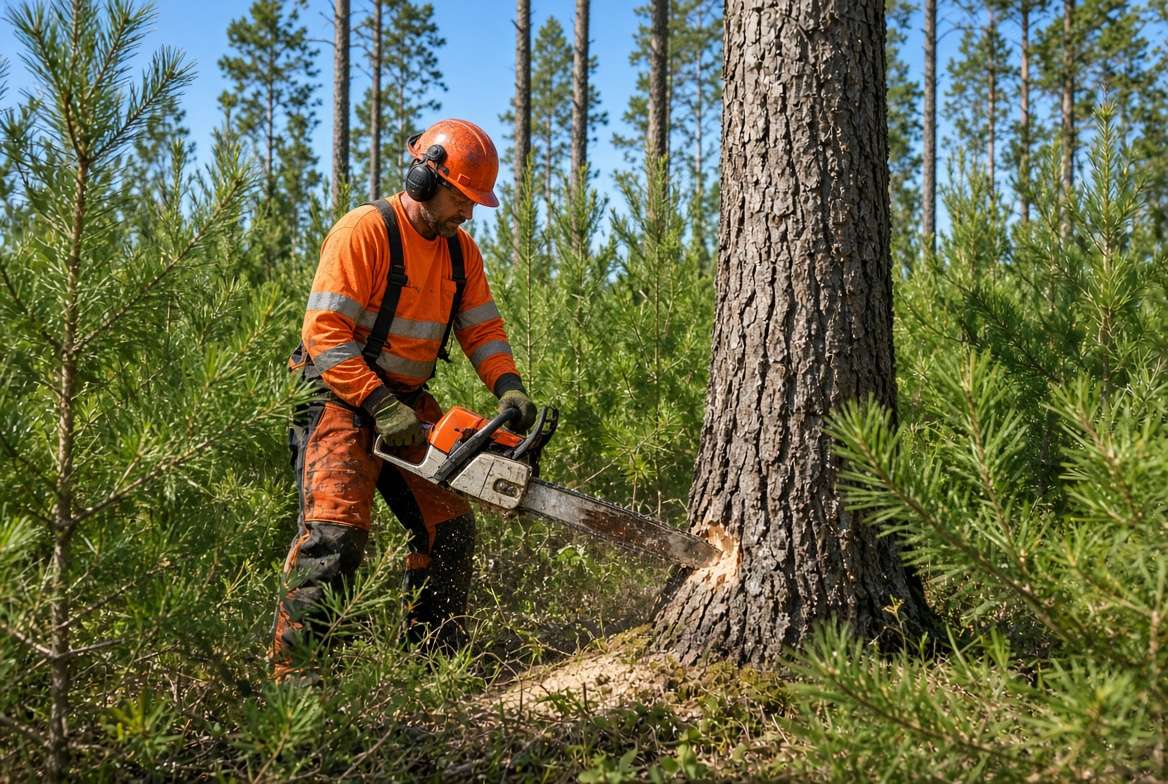
Often, a removal cut is scheduled. This is an incredibly delicate operation. Skilled arborists and loggers must enter the young forest and carefully fell the remaining mature seed trees, extracting the valuable timber without crushing the vulnerable new generation growing beneath them.
However, in many modern, conservation-focused management plans, these mother trees are never removed. Instead, they are left to become legacy trees. These ancient giants continue to grow, eventually dying naturally and becoming “snags” (standing dead trees) that provide essential habitats for woodpeckers, owls, and beneficial wood-boring insects, further enriching the forest’s biodiversity. 🦉🪵
Essential FAQs: Answering Your Top Forestry Questions 🙋♀️
When breaking down complex plant care and forestry topics for a wide audience, addressing common questions head-on is vital for establishing authority and trust. Here are the most frequently asked questions regarding this practice:
Q: How many seed trees are typically left per acre?
A: While it varies by species and local climate, the golden rule is typically between 5 and 15 trees per acre. The exact number is calculated based on the seed dispersal range of the specific tree species. For example, lighter seeds that travel far on the wind require fewer mother trees, while heavier seeds necessitate a denser spacing. 📏
Q: Can any tree species be regenerated this way?
A: No. This method is specifically tailored for species that thrive in full, direct sunlight and have seeds capable of traveling on the wind. Hardwoods that produce heavy nuts (like acorns from oak trees) are poorly suited for this method, as their seeds drop straight down and are often quickly consumed by local wildlife. 🐿️🌰
Q: Does seed tree logging prevent wildfires?
A: While it doesn’t prevent wildfires entirely, it can significantly alter fire behavior. By opening up the canopy and removing dense, mature timber, the immediate fuel load is reduced. Furthermore, maintaining healthy soil moisture through intact root systems can help young forests recover more swiftly if a low-intensity brush fire does occur. 🔥
Sharing the Knowledge: A Discover-Optimized Visual Strategy 🎨
Creating skyscraper content goes beyond just the written word. If you are a digital creator or plant care educator looking to share this knowledge and rank in Google Discover, your visual assets must be as compelling as your text. High-quality imagery stops the scroll and invites the click. 📸
Crafting High-Impact Pinterest Pins 📌
Pinterest is a massive search engine for plant care and environmental education. To capture this audience, focus on creating tall, vertically oriented infographics (ideally 1000 x 1500 pixels).
-
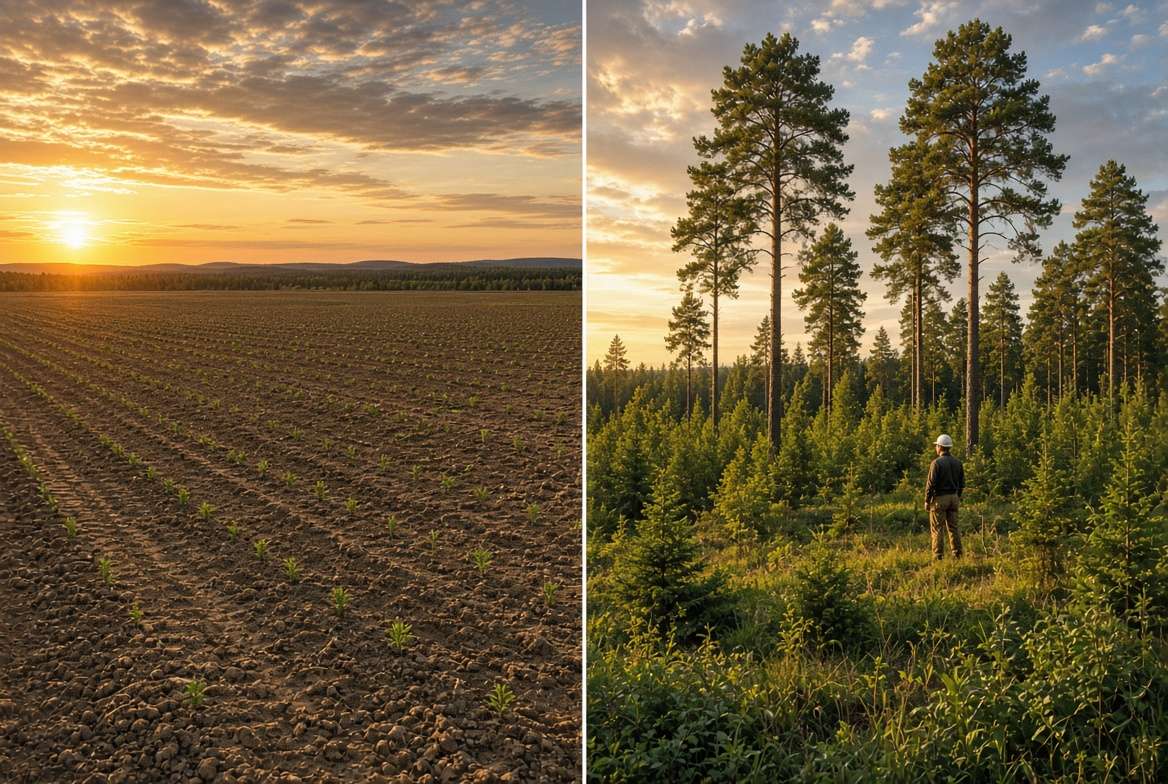
The Design: Use a split-screen layout. The top half should feature a beautiful, mature “mother tree” standing alone, while the bottom half shows a lush, green carpet of new saplings.
-
The Text Overlay: Use bold, easy-to-read typography with titles like “The Secret to Forest Regeneration” or “Seed Tree Logging Explained.” Overlaying simple step-by-step graphics showing the timeline (Seed Drop ➡️ Sprouting ➡️ Established Forest) performs exceptionally well.
Designing Clickable YouTube Thumbnails 🎥
If you are producing video content to accompany this article, the thumbnail is your most critical asset. Google Discover heavily features YouTube videos with high-contrast, emotionally engaging thumbnails.
-
The Design: Avoid cluttered backgrounds. Show a close-up of a person (perhaps yourself in professional outdoor gear) pointing toward a solitary, massive seed tree in a cleared landscape.
-
The Hook: Use minimal text on the thumbnail itself—no more than three or four words. A stark contrast between a bright blue sky and the deep green of the pine needles creates visual pop. Phrases like “Nature’s Reset Button” or “Why Leave This Tree?” build immediate curiosity.
Conclusion: Cultivating the Future 🌍
The seed tree logging definition is much more than a technical forestry term; it is a testament to the incredible resilience of nature when given the proper runway. By carefully selecting and preserving just a handful of mature trees, we harness the power of natural regeneration, protecting fragile soil ecosystems, and ensuring that our woodlands remain vibrant and productive for generations to come. 🌻
Whether you are tending to a small backyard garden, diagnosing soil health issues in your potted plants, or managing hundreds of acres of timberland, the underlying principle remains the same: thoughtful, biologically sound cultivation always yields the best results. By prioritizing the health of the “mother trees,” we secure the health of the entire forest. 🌿✨











