
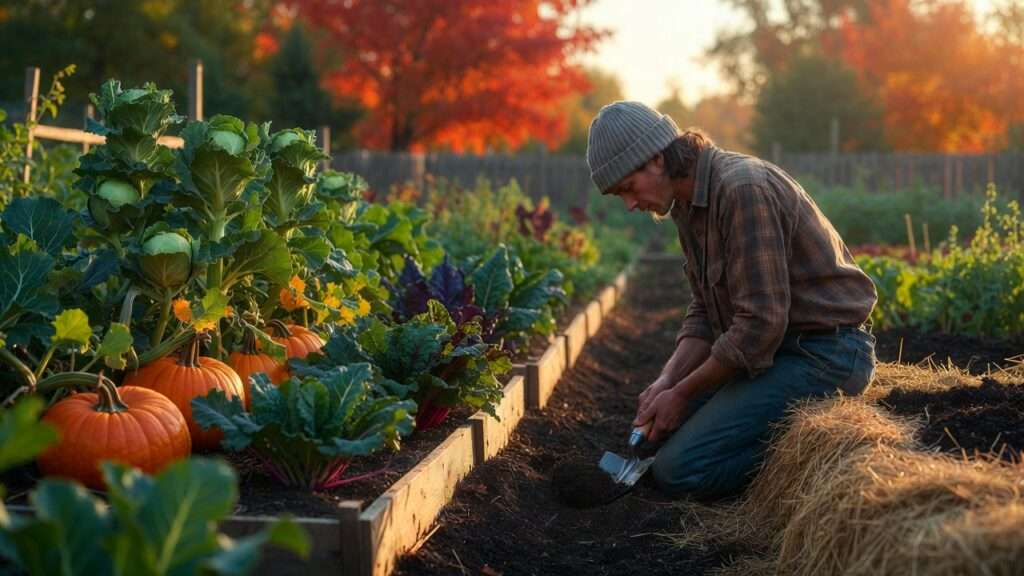
As the summer heat begins to ease and crisp autumn mornings arrive, many gardeners watch their once-vibrant beds start to look tired and sparse. But here’s the exciting truth: September isn’t the end of your gardening season—it’s a powerful turning point! This month offers one of the best opportunities to revive your space, extend fresh harvests well into fall (and sometimes beyond with simple protections), and build healthier soil for next spring. September fall garden transitions are all about smart cleanup, soil revival, strategic planting of cool-season crops, and protective measures that turn potential decline into abundant rewards. 🌱✨
Whether you’re dealing with bolted greens, spent tomato vines, or bare patches from summer crops, this guide draws from university extension recommendations, seasoned horticultural practices, and real-world experience to help you make the most of this transitional window. By following these essential steps, you’ll enjoy sweeter-tasting veggies (many cool-season crops get tastier after light frosts!), vibrant fall displays, reduced weeds next year, and less work come spring. Let’s dive in and transform your garden into a thriving autumn oasis! 🍁
Understanding Your September Garden Transition: Timing & Climate Considerations 📅
September marks the perfect transition because daytime warmth lingers while cooler nights encourage strong root development without the stress of peak summer heat. Soil remains warm enough for quick germination, yet plants face fewer pest pressures and diseases common in midsummer.
Your USDA hardiness zone plays a key role in tailoring your plan. In cooler zones (5–7), focus on fast-maturing crops and frost protection to beat early freezes (often mid-to-late October). In milder zones (8–10), you have more flexibility for extended planting, including some heat-tolerant fall options. Check your average first frost date using tools like the Old Farmer’s Almanac or local extension services—count backward to determine safe planting windows.
Start with a quick garden audit: Walk through your space and note what’s thriving (perhaps late peppers or herbs), what’s spent (bolted lettuce, dying squash vines), soil compaction or nutrient depletion signs, and any lingering pests. This 10-minute check prevents wasted effort and sets you up for success. 🕵️♂️
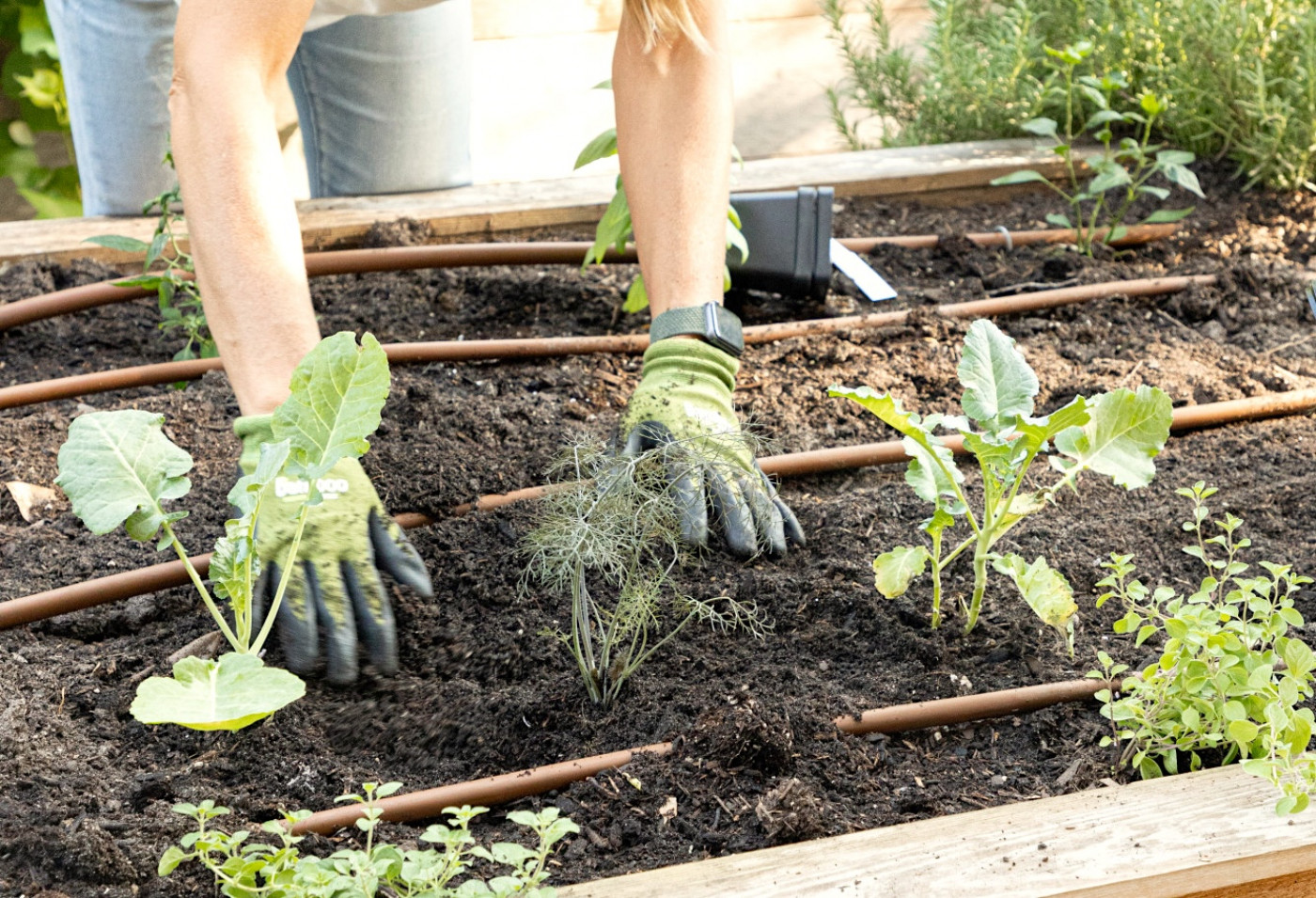
(These images show gardeners preparing beds and transitioning raised gardens—perfect inspiration for your September tasks!)
Step 1: Clear Out & Clean Up the Summer Garden 🧹
A clean slate prevents overwintering pests, diseases, and weeds. Begin by harvesting any remaining summer bounty—pick green tomatoes for ripening indoors, pull mature peppers and squash, and enjoy those last zucchini.
Remove spent annuals, diseased foliage (like powdery mildew on squash), and aggressive weeds by the roots. Compost healthy debris (chop it up for faster breakdown), but bag and discard anything diseased to avoid contamination. Avoid leaving plant debris on beds over winter—it harbors issues like tomato hornworms or fungal spores.
While you’re at it, clean and store supports: Rinse tomato cages, stakes, and trellises with a 10% bleach solution or hydrogen peroxide, dry thoroughly, and store to prevent rust and disease carryover. This simple step saves time and money next season! 🛠️
Step 2: Revitalize Your Soil for Fall & Beyond 🌱💪
Healthy soil is the foundation of every successful garden. Fall is prime time for amendments because winter rains and freezes help incorporate them deeply.
Test your soil pH and nutrients (kits from local extensions or simple home tests work well). Most veggies prefer 6.0–7.0 pH; adjust with lime (to raise) or sulfur (to lower) now for spring availability.
Spread 2–3 inches of organic matter: compost, well-aged manure, leaf mold, or worm castings. This boosts microbial life, improves structure, retains moisture, and slowly releases nutrients.
For bare beds, consider cover crops like winter rye, clover, or hairy vetch—sow in early September for erosion control, nitrogen fixation, and weed suppression. They “grow” your mulch and green manure over winter. If time is short, mulch heavily with shredded leaves or straw (4–6 inches) to protect soil from compaction and nutrient leaching.
Mulching magic really shines here: It moderates soil temperature, suppresses weeds, and conserves water as temps drop. 🍂
(Here’s a gardener actively preparing soil—notice the rich, dark compost being worked in!)
Step 3: Planting Cool-Season Crops for an Extended Autumn Harvest 🥬
This is where the excitement peaks! September’s warm soil + cooling air = ideal conditions for direct sowing or transplanting cool-season stars. Many taste sweeter after light frosts.
Top picks include:
- Leafy greens 🌿: Spinach, kale, Swiss chard, arugula, lettuce mixes, mustard greens. These germinate fast and provide continuous harvests.
- Root crops 🥕: Carrots (try shorter varieties for quicker maturity), beets, radishes (ready in 3–4 weeks!), turnips.
- Brassicas: Broccoli, cauliflower, cabbage, Brussels sprouts (transplant starts for best results).
- Others: Peas (short-season types), cilantro, parsley, green onions.
Use succession planting: Sow every 10–14 days for nonstop salads. Follow spacing guidelines—e.g., kale 18 inches apart, radishes 2–3 inches—and water consistently to avoid bolting.
Zone tweaks: In cooler areas, prioritize quick crops like radishes and spinach; in warmer zones, add broccoli or peas. Always check days-to-maturity against your frost date, and use row covers to add 4–6 weeks of protection. Many gardeners harvest fresh greens into November or December! ❄️
:max_bytes(150000):strip_icc()/GettyImages-2193298625-8528f197fa66483e80f7e2c9d98be6c2.jpg)
(Beautiful fall harvests of kale, carrots, and more—imagine this in your own beds!)

These visuals showcase thriving broccoli and mixed cool-season harvests to motivate your planting!
Step 4: Divide, Transplant & Plant Perennials for Spring Wow-Factor 🌸
Fall is actually one of the best times to work with perennials—cooler air reduces transplant shock, while warm soil promotes excellent root establishment before winter dormancy. This means stronger plants and bigger blooms next spring!
Ideal candidates for division in September include:
- Hostas — Dig up clumps, slice with a sharp spade (keeping at least 3–5 eyes per division), replant at the same depth.
- Daylilies — Similar process; they rebound quickly.
- Irises (bearded types) — Divide rhizomes, trim leaves to 6 inches, replant shallowly.
- Peonies — Divide carefully (avoid too many cuts to prevent rot), plant with eyes 1–2 inches below soil.
Always amend the new planting hole with compost, water deeply, and mulch to retain moisture. Avoid dividing spring bloomers like bleeding hearts if they’re still actively growing—wait until foliage dies back.
Planting new perennials or fall-blooming additions now gives them a head start. Consider asters, goldenrods, sedums, or hardy mums to attract late-season pollinators 🐝 and add instant color. For trees and shrubs (fruit trees, maples, evergreens), fall planting is superior—roots grow until soil freezes, leading to better drought resistance next summer.
Pro tip: Water new plantings weekly if rain is scarce, but avoid overwatering to prevent root rot in cooler conditions. 🌳
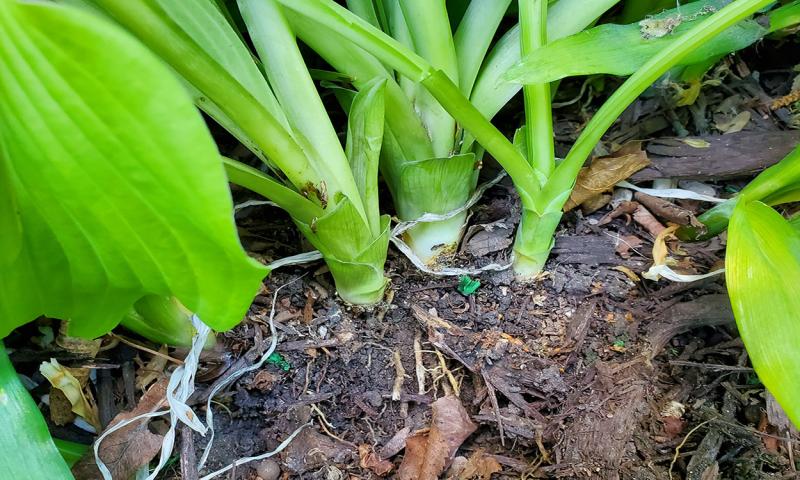
(These show dividing hostas and planting young trees/shrubs—great examples of fall root focus!)
Step 5: Lawn Care & Ornamental Garden Transitions During Fall Shift ⚽🍃
Don’t neglect your lawn during the vegetable transition! Fall is prime time for lawn revival.
- Overseeding: Spread cool-season grass seed (e.g., fescue, ryegrass) after aerating to reduce compaction and improve nutrient uptake.
- Aerating: Use a core aerator to pull plugs, allowing air, water, and nutrients to reach roots—do this before overseeding and top-dressing with compost.
- Fertilizing: Apply a slow-release, high-potassium fall fertilizer to strengthen roots for winter.
For ornamental areas, refresh containers and beds with fall favorites: ornamental kale/cabbage (for texture and color), pansies (cold-hardy blooms), violas, chrysanthemums, and ornamental peppers. These thrive in cooler weather and provide weeks of interest.
Light pruning now: Remove dead or crossing branches on shrubs, deadhead perennials, but save major cuts on roses and hydrangeas until late winter/early spring to avoid stimulating tender growth. Order spring bulbs (tulips, daffodils, crocuses, alliums) soon—they plant best in October/November when soil cools.
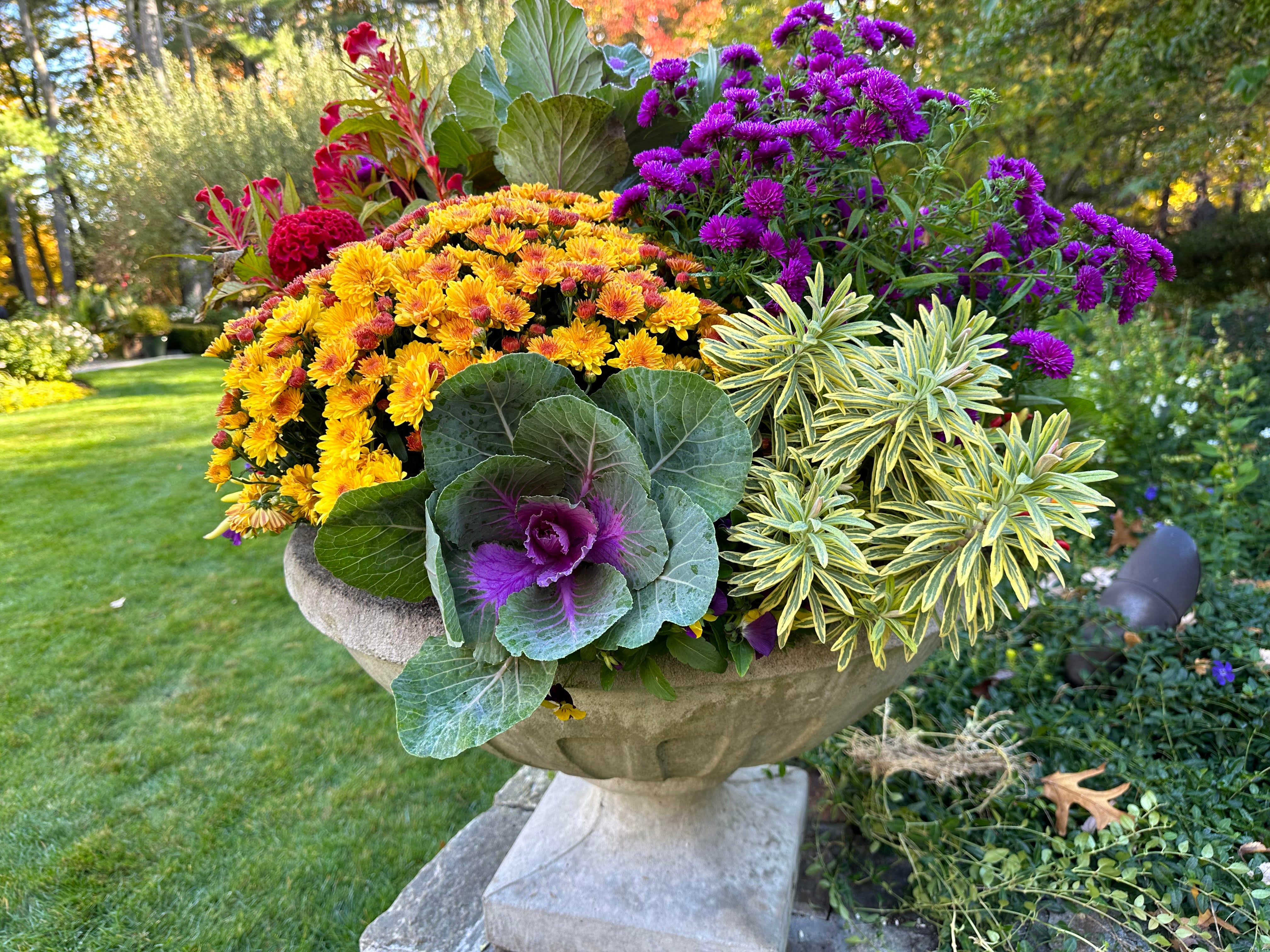
(Aeration plugs, healthy fall lawn, and stunning fall containers full of mums, kale, and pansies—perfect seasonal vibes!)
Step 6: Pest & Disease Management in the Transition Season 🛡️
September can bring lingering summer pests or new fall ones—stay proactive for a clean winter garden.
Common issues:
- Aphids — Often cluster on new growth; blast with strong water hose, use insecticidal soap, or introduce ladybugs.
- Powdery mildew — White coating on leaves (common on squash, phlox); improve air circulation, avoid overhead watering.
- Slugs/snails — Thrive in damp fall mulch; use beer traps, diatomaceous earth, or copper barriers.
Organic prevention: Companion plant marigolds or nasturtiums, encourage beneficial insects with dill or fennel, and maintain good sanitation by removing debris. Neem oil or horticultural oil sprays work well for soft-bodied pests without harming pollinators.
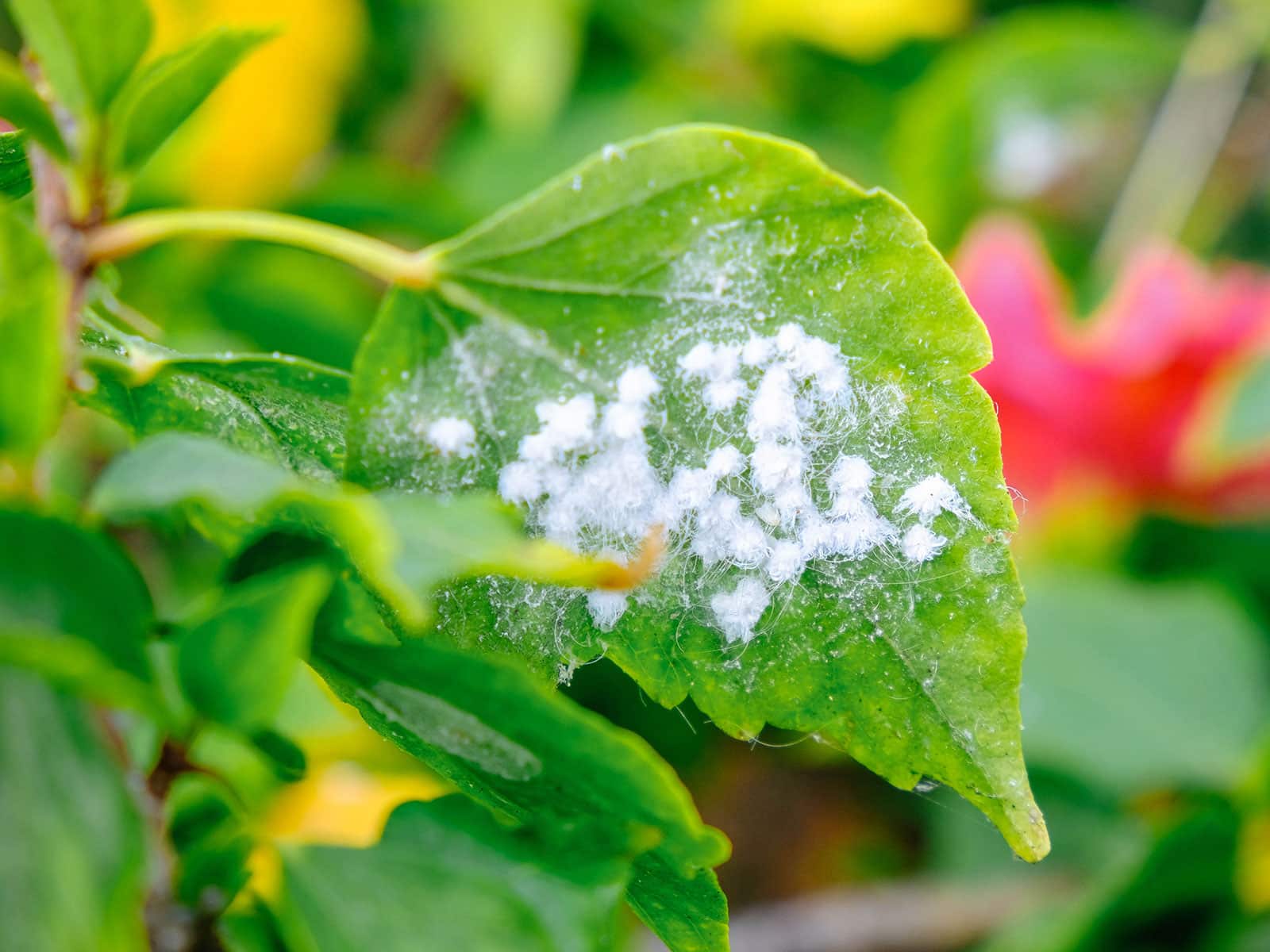
(Close-ups of aphids—catch them early with these natural controls!)
Step 7: Protecting Plants & Extending the Season ❄️🏡
With first frosts approaching, simple protections can add weeks (or months!) of harvests.
- Row covers & cloches: Lightweight fabric row covers (Agribon or similar) let light/water through while adding 4–8°F protection—great for greens, brassicas.
- Mulch depth: Pile 4–6 inches around perennials and over root crops to insulate soil.
- Bring indoors: Pot up tender herbs (basil, rosemary) or move containers to a sunny window.
- Watering tweaks: Reduce frequency as temps drop, but ensure deep watering before freezes to prevent desiccation.
Cold frames or mini hoop houses are game-changers for dedicated fall gardeners—many harvest spinach and kale all winter in mild zones!

(Row covers in action—protecting veggies from early frosts for extended harvests!)
Bonus: Expert Insights & Pro Tips from Seasoned Gardeners 📝
After more than 20 years helping gardeners through seasonal shifts (and countless September garden makeovers myself), here are some battle-tested insights that go beyond the basics:
- The #1 mistake gardeners make in September: Leaving spent summer plants in the ground too long. Once a plant starts yellowing or bolting, it’s pulling nutrients from the soil and inviting pests—remove it promptly to free up space and resources for fall crops.
- Frost date math trick: Take your average first frost date and subtract the “days to maturity” listed on seed packets. Add a 7–10 day buffer for slower germination in cooling soil. This prevents heartbreaking losses.
- Warmer-zone advantage: In zones 8–10, experiment with “shoulder-season” crops like bush beans (quick 50–60 day varieties), okra starts, or even a second round of cucumbers under row cover. Many southern gardeners get two full harvests per year this way!
- Sustainable fall gardening wins:
- Use no-till methods whenever possible—simply layer compost and mulch over beds to preserve soil structure and mycorrhizal fungi.
- Create a small pollinator patch with late-blooming natives (goldenrod, asters, sedum) to support bees preparing for winter.
- Collect and save seeds from open-pollinated varieties (heirloom beans, lettuce, radishes) now for next year—free plants!
- Garden journaling hack: Snap quick phone photos of each bed before and after your September work. Note what you planted, when, and how it performed. Next fall, you’ll have your own personalized cheat sheet. 📸
These small tweaks separate average fall gardens from truly productive, beautiful ones.
Quick-Reference September Fall Garden Checklist ✅
Print or save this prioritized list—tackle in order for maximum impact:
Week 1 (Early September)
- Audit garden & harvest remaining summer crops 🍅
- Clear spent plants, weeds, and debris 🧹
- Clean tools, cages, and supports 🛠️
- Test soil & add 2–3″ compost/manure 🌱
Week 2
- Sow quick cool-season crops: radishes, lettuce, spinach, arugula 🥬
- Plant or divide perennials (hostas, daylilies, irises) 🌸
- Start cover crops on empty beds or mulch heavily 🍂
- Refresh containers with fall annuals (pansies, kale, mums)
Week 3
- Transplant broccoli, cauliflower, kale, Brussels sprouts starts
- Overseed & aerate lawn ⚽
- Order spring bulbs
- Apply light fall fertilizer to lawn & perennials
Week 4 (Late September)
- Direct sow carrots, beets, peas, cilantro
- Install row covers or cold frames on tender crops ❄️
- Deep water before potential early frosts
- Monitor for aphids, mildew, slugs 🛡️
Check off as you go—you’ll feel the momentum build! 🚀
FAQs: Your September Fall Garden Transition Questions Answered ❓
Can I still plant tomatoes in September? In zones 8+, yes—try determinate or fast cherry varieties under protection. In cooler zones, focus energy on ripening existing green tomatoes indoors instead.
How late can I sow seeds for a fall harvest? It depends on your first frost date and the crop’s days to maturity. As a rule: aim to have seeds in the ground at least 50–70 days before your average first frost for most greens and roots. Radishes and spinach can go in as late as 4–6 weeks before frost.
What’s the best mulch for fall gardens? Shredded leaves (free and abundant!), straw (weed-free), or pine needles (great for acid-loving plants). Avoid fresh grass clippings—they mat and can heat up.
Should I fertilize in fall? Yes, but lightly and with low-nitrogen formulas (e.g., 5-10-10 or organic slow-release). High nitrogen encourages tender growth that freezes easily—save heavy feeding for spring.
How do I protect my perennials from early frosts? Mulch heavily (4–6 inches) around the crown after the first light frost kills back tops. For tender new plantings, use floating row cover or burlap windbreaks until the ground freezes.
Conclusion: Embrace the September Magic for Year-Round Gardening Joy 🎉
September fall garden transitions aren’t just about damage control—they’re your chance to rewrite the rest of the growing season and set the stage for an easier, more abundant spring. Imagine stepping outside in late October to pick crisp kale, ruby beets, and peppery arugula while the rest of the neighborhood gardens sit empty. Picture strong, well-established perennials ready to explode with color next year, richer soil feeding everything effortlessly, and a lawn thick and green come April.
The beauty of fall gardening lies in renewal: every cleared bed, every new seedling, every layer of mulch is an investment in future joy. So grab your gloves, step outside this weekend, and let September work its quiet magic. Your thriving autumn harvest—and a head start on next year—is waiting.
Have you started your September transitions yet? Drop a comment below with your favorite fall crop or a photo of your progress—I’d love to cheer you on! 🌻🍂











