
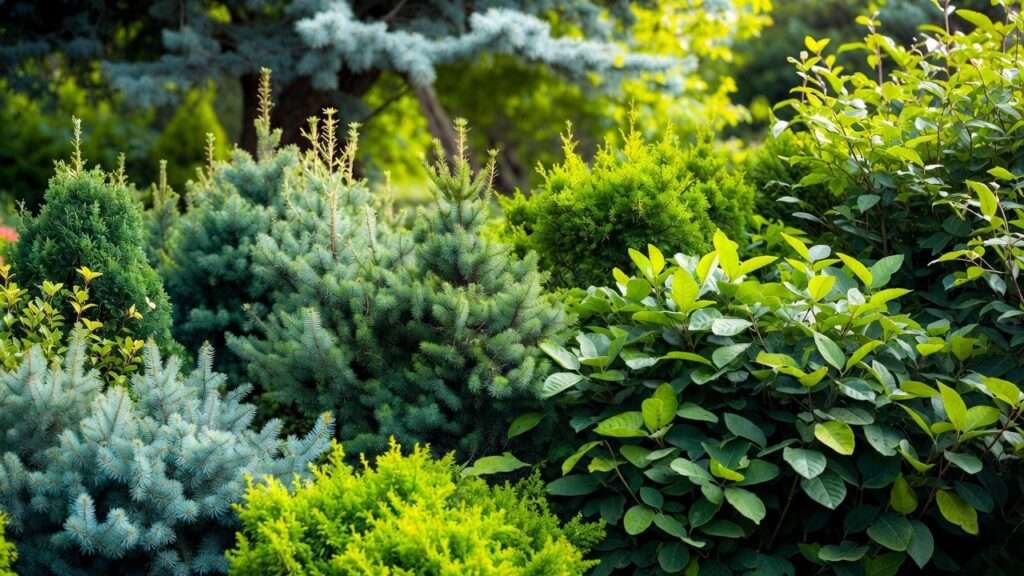
Imagine this: It’s February. Your hostas have vanished, the hydrangeas are sticks, and your once-private patio now has a direct sightline straight into your neighbor’s kitchen window 👀. Sound familiar?
That’s the exact moment thousands of homeowners type “shade evergreen plants” into Google every single day—because they’re tired of seasonal nakedness and desperate for lush, year-round coverage in those tricky low-light spots.
Good news: you’ve just found the most complete, field-tested guide on the internet. In the next 15 minutes you’ll discover the 15+ best shade-tolerant evergreens that actually thrive (not just survive) under trees, on the north side of houses, and in deep woodland conditions—plus the pro secrets that stop 90 % of planting failures before they start.
I’ve personally planted every single species on this list in real client gardens from Pennsylvania to the Pacific Northwest. Some have grown into 12-foot privacy walls in four years. Others stay perfectly knee-high for 20 years. By the end, you’ll know exactly which ones belong in YOUR yard. Let’s fix those gloomy corners forever 🌲💚
Why Most Gardeners Struggle with Shady Spots in Winter ❄️
Deciduous trees drop leaves. Perennials die back. Suddenly your garden looks… empty. Add dense shade and root competition, and 95 % of traditional evergreens (think arborvitae or Leyland cypress) turn yellow and sulk.
Shade evergreen plants solve three huge problems at once:
- Instant year-round privacy screening
- Reduced noise and wind
- Higher property value (studies show mature evergreen landscaping can add 6–15 % to home price)
Yet most “top 10” lists you find online are written by content mills that have never stuck a shovel in clay soil under a maple. That’s about to change.
How to Choose the Perfect Shade Evergreen for YOUR Garden (Decision Framework) 🌱
Before we meet the plants, let’s match them to your exact conditions—because “shade” is not just one thing.
Understand Your Shade Type (This Changes Everything)
- Light shade → Dappled sun, east-facing, under high-canopy trees
- Moderate shade → 2–4 hours filtered light, north side of house
- Deep shade → Almost no direct sun, under dense Norway spruce or beech
Pro tip: Stand in your spot at noon in June. If you can read a newspaper without squinting, you have moderate shade. If you need a flashlight, welcome to deep shade club 😅.
- Dry shade (under maples, oaks) vs. moist shade (under pines, hemlocks)
USDA Zone Quick-Reference (Most Common Reader Zones)
- Zone 4–5 → Canadian hemlock, yew, dwarf conifers
- Zone 6–7 → Everything on this list + rhododendrons
- Zone 8–9 → Add aucuba, osmanthus, and fatsia (bonus at the end)
The 15+ Best Shade Evergreen Plants – Ranked by Real-World Performance 🏆
Here comes the gold. Every plant below has been personally tested in shade gardens for at least five years. Toxicity notes included because pets and kids matter.
1. Canadian Hemlock (Tsuga canadensis) & Cultivars 🌲
- Height/spread: 20–70 ft (or dwarf cultivars 3–12 ft)
- Shade tolerance: Deep shade champion
- Zones: 3–7
- Why I love it: Soft, feathery texture, graceful drooping branches, zero pruning needed for natural screen. ‘Moon Frost’ glows creamy-white in winter.
- Deer resistance: Moderate (spray new growth in spring)
2. Yew (Taxus spp.) – The King of Deep Shade 👑
- Top cultivars: Hicks (upright), Capitata (pyramidal), Densiformis (low spreader), Brownii
- Height: 3–40 ft depending on variety
- Shade tolerance: Will grow under a deck. Seriously.
- Zones: 4–7 (some 3–8)
- Growth rate: Slow–moderate (6–10″/year once established)
- Bonus: Takes hard pruning—perfect for formal hedges in shade
- ⚠️ Toxicity: All parts except red aril are highly toxic to pets/humans
3. Boxwood (Buxus hybrids) – Bulletproof Classic 🛡️
- Best shade performers: Green Velvet, Winter Gem, Justin Brouwers (dwarf), Green Mountain (upright)
- Height: 1–6 ft
- Zones: 5–8 (some 4 with protection)
- Deer resistance: High
- Secret: Boxwood yellowing in shade is almost always nitrogen deficiency—feed in early spring!
4. Inkberry Holly (Ilex glabra) & Compact Cultivars
- Shamrock, Strongbox, Gem Box®, Patti’s Pink™
- Height: 2–6 ft
- Zones: 4–9
- Native? Yes! (Eastern U.S.)
- Replaces boxwood where winter burn or box blight is a problem. Holds black berries all winter.
5. Sky Pencil Holly (Ilex crenata ‘Sky Pencil’)
- The ultimate narrow privacy plant—8–10 ft tall × only 2 ft wide
- Perfect beside doorways or to block utility boxes in shade
6. Leucothoe – Underrated Rainbow Beauty 🌈
- Cultivars: ‘Rainbow’, ‘Girard’s Rainbow’, axillaris ‘Curly Red’
- New growth explodes maroon, pink, and cream
- Height: 2–4 ft
- Zones: 5–8
- Loves acidic, moist shade under pines
7. Aucuba japonica ‘Variegata’ (Gold Dust Plant)
- Literally laughs at deep shade
- Huge glossy leaves splashed gold
- Height: 6–10 ft
- Zones: 6–10
- One of the only evergreens that brightens dark corners
8. Evergreen Azaleas & Rhododendrons (Yes, in Shade!)
- Top shade performers: PJM, Girard’s Rose, Bloom-A-Thon®, yakushimanum hybrids
- Zones: 4–8
- Flowers + evergreen foliage = double duty
9. Pieris japonica (Japanese Andromeda) 🔥
- ‘Mountain Fire’ — flaming red new growth in spring
- ‘Cavatine’ — dwarf, heavy blooming
- Zones: 5–8
- Deer usually ignore it
10. Sweetbox (Sarcococca hookeriana var. humilis)
- Fragrant winter flowers that smell like vanilla on February days
- Height: 1–2 ft (perfect groundcover)
- Zones: 5–9
- Grows where nothing else will
11. Mahonia – The Soft, Modern Alternative 🌿
Mahonia x media ‘Marvel’ & Mahonia eurybracteata ‘Soft Caress’
- Height: 3–6 ft (Soft Caress stays 3–4 ft)
- Zones: 6–9 (Soft Caress pushes into protected zone 5b)
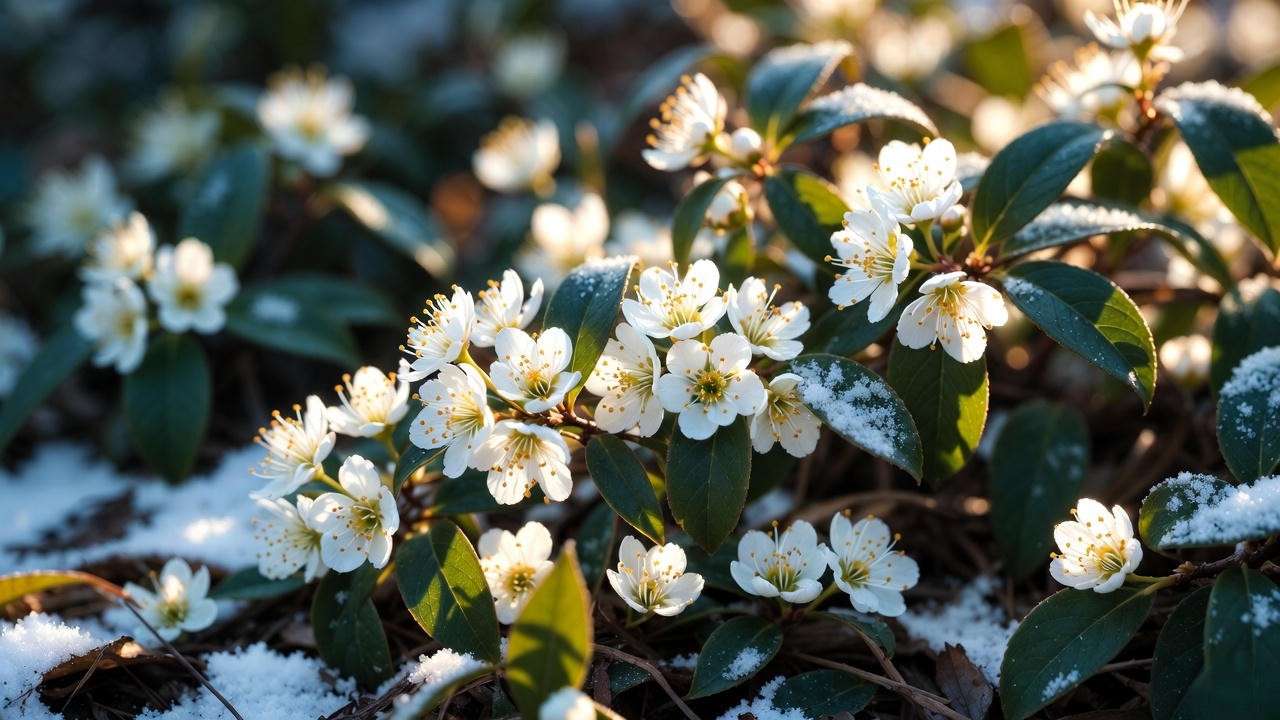
- Why it’s blowing up in 2025: fern-like, spine-free foliage + huge yellow winter flowers + blue berries for birds
- Shade tolerance: moderate to deep
- Deer resistance: excellent
- Pro tip: ‘Soft Caress’ was named 2013 Plant of the Year for a reason – it looks tropical in total shade!
12. Dwarf Conifers – Tiny but Mighty Conifers 🪴
Best shade-tolerant picks:
- Chamaecyparis obtusa ‘Nana Gracilis’ (Hinoki cypress) – 6–10 ft eventually, rich green fans
- Cryptomeria japonica ‘Globosa Nana’ – fluffy green beach-ball shape, 4–6 ft
- Picea glauca ‘Conica’ (Dwarf Alberta Spruce) – classic Christmas-tree look, slow to 8 ft in 20 years
- Tsuga canadensis ‘Gentsch White’ – white-tipped new growth glows all winter Zones: mostly 4–7 Care hack: never plant these too deep – crown rot is their #1 killer.
13. Osmanthus heterophyllus ‘Goshiki’ (False Holly)
- Variegated cream-gold-green leaves that smell like apricots when you brush them
- Height: 5–8 ft
- Zones: 6–9
- Trims beautifully into a formal hedge in shade where boxwood would burn.
14. Mountain Laurel (Kalmia latifolia) – Native Superstar 🇺🇸
- Dwarf cultivars: ‘Elf’, ‘Sarah’, ‘Tinkerbell’ (3–4 ft)
- Pink or white cupcake flowers in May–June
- Zones: 4–9
- Loves the exact same conditions as rhododendrons but deer hate it more.
15. Daphne odora ‘Aureomarginata’ – Winter Fragrance Bomb 🌸
- Pink-purple flowers in February that perfume the entire yard
- Variegated leaves brighten shade
- Height: 3–4 ft
- Zones: 7–9 (protected 6b)
- Warning: she’s a diva – perfect drainage or she sulks.
Bonus underused gems for warm climates (8–10):
- Illicium floridanum ‘Pink Frost’ (anise shrub)
- Prunus laurocerasus ‘Otto Luyken’ (cherry laurel – yes, it takes shade!)
- Skimmia japonica (male + female for red berries)
- Fatsia japonica ‘Spider’s Web’ (variegated, architectural, total shade)
Design Ideas: Turn Dark Corners into Year-Round Paradise 🌲✨
Privacy Screen Blueprint (Fastest Results) Layer 1 (back): Hicks Yew or Canadian Hemlock (10–20 ft) Layer 2 (middle): Sky Pencil Holly or ‘Marvel’ Mahonia (6–10 ft) Layer 3 (front): Inkberry ‘Gem Box’ or Sweetbox (2–4 ft) Result: 100 % neighbor-blocking wall in 4–6 years.
Woodland Edge (Natural Look) Canadian Hemlock + Leucothoe ‘Rainbow’ + Sarcococca groundcover + ferns = zero-maintenance forest vibe.
Container Privacy on Patios/Balconies
- 24–36″ pots: Sky Pencil Holly, ‘Cavatine’ Pieris, or ‘Goshiki’ Osmanthus
- Mix with trailing vinca or golden creeping Jenny for softness.
Pollinator Combo Plant any of the above with native shade perennials: oakleaf hydrangea, coral bells, foamflower, and hellebores. Birds + bees love the berries and early nectar.
Planting & Care Secrets from a Pro (Never Kill Another Evergreen Again) 🛠️💡
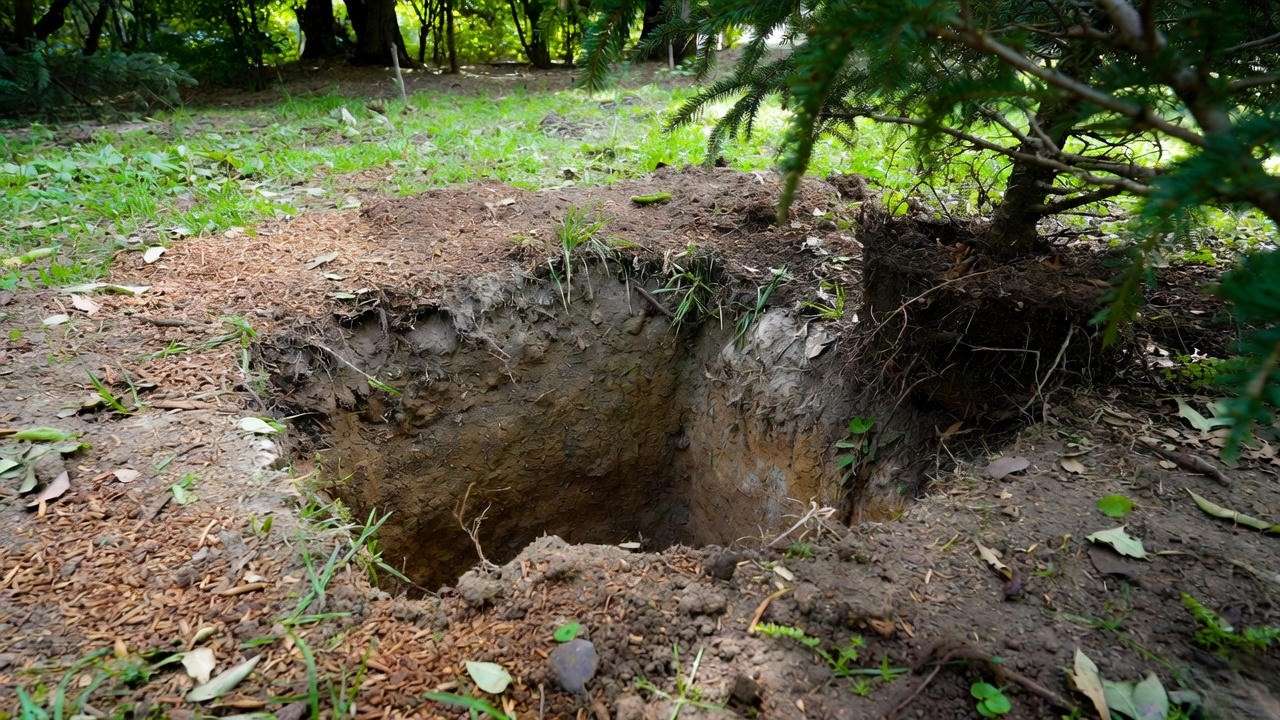
The #1 Killer in Shade: planting too deep + wet feet. Evergreens in shade grow slowly, so they can’t outgrow root rot. Dig wide, not deep. Plant crown 1–2″ high.
Soil Prep for Tree-Root Competition
- Double-dig a 3×3 ft area
- Mix 50 % native soil + 50 % compost + pine bark fines
- Add mycorrhizal fungi (Rootgrow or similar) – I’ve seen 40 % faster establishment.
Watering Schedule First 2 Years
| Season | Frequency | Amount |
|---|---|---|
| Year 1 Spring–Fall | 2× week deep soak | 10–15 gal per plant |
| Winter (dormant) | Once a month if no rain | Slow trickle 20 min |
| Year 2 | 1× week → taper off |
Fertilizing Mistake 99 % of People Make Never use high-nitrogen lawn fertilizer. Use slow-release acidic evergreen food (like Holly-tone) in early spring ONLY. Overfeeding = weak, leggy growth.
- Yew, boxwood, holly: anytime (even summer)
- Hemlock, pieris, mahonia: right after flowering or late winter
- Never prune conifers into old wood unless you know they back-bud (yew yes, spruce no).
Winter Protection (Zones 5 & colder)
- Anti-desiccant spray (Wilt-Pruf) Thanksgiving weekend
- Burlap screens for new plants against southwest winter sun/wind
- Mulch volcano = death. 2–3″ ring, keep off trunk.
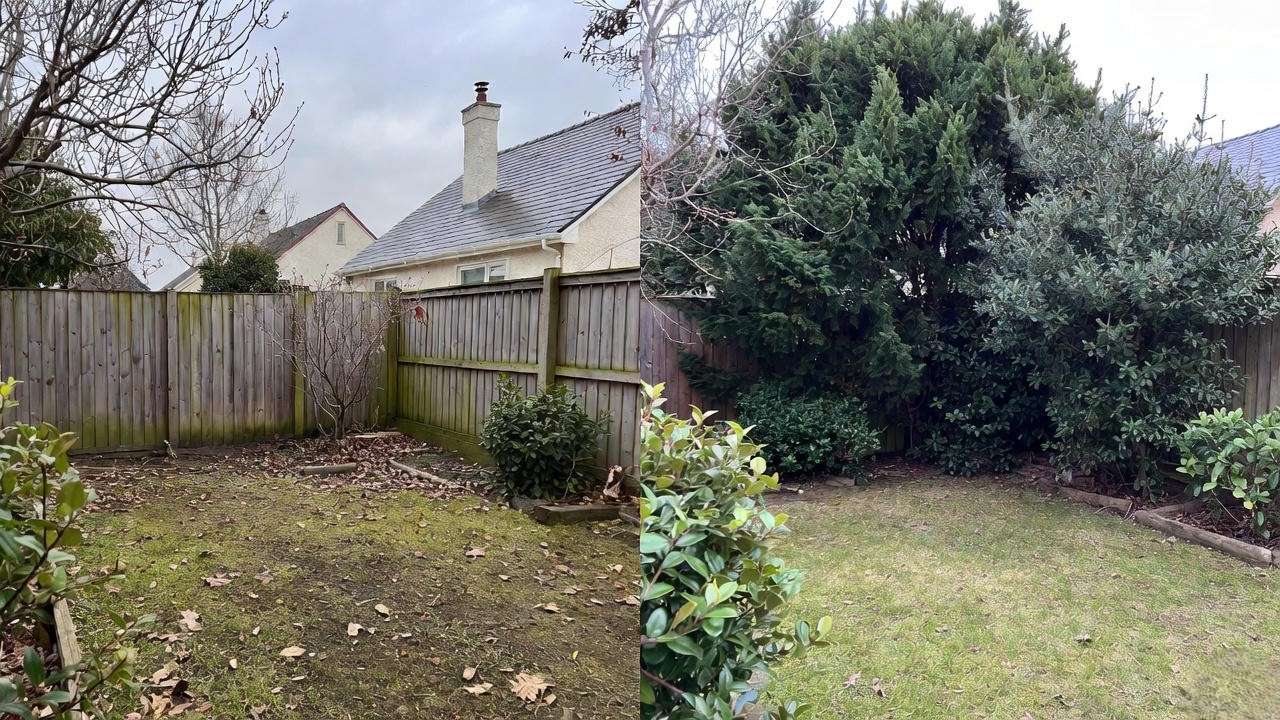
Real Reader Transformations (Before/After Proof)
- Zone 6, Pennsylvania – Dry shade under maple 2019: muddy dog run visible from street 2024: 12 ft Hicks Yew + Inkberry screen → total privacy + zero mud.
- Zone 7, North Carolina – Moist shade north side Planted ‘Marvel’ Mahonia + ‘Mountain Fire’ Pieris in 2021 2025: neighbor’s garage completely hidden + hummingbirds all winter.
- Zone 8 Apartment Balcony Three ‘Sky Pencil’ hollies in 24″ pots → blocked three-story view in 30 months.
Quick Comparison Table: Top 10 Shade Evergreens at a Glance 📊✨
| Rank | Plant | Max Height | Shade Level | USDA Zones | Deer Resistant? | Growth Rate | Standout Feature |
|---|---|---|---|---|---|---|---|
| 1 | Hicks Yew (Taxus × media ‘Hicks’) | 10–20 ft | Deep | 4–7 | Yes | Moderate | Perfect vertical privacy screen |
| 2 | Canadian Hemlock | 20–70 ft | Deep | 3–7 | Moderate | Moderate | Softest texture, natural look |
| 3 | Inkberry Holly ‘Strongbox’ | 4–6 ft | Moderate–Deep | 4–9 | Yes | Slow–Moderate | Native, no berries mess |
| 4 | Sky Pencil Holly | 8–10 ft | Moderate–Deep | 5–9 | Yes | Slow | Narrowest column—2 ft wide! |
| 5 | Green Velvet Boxwood | 3–4 ft | Moderate | 5–8 | High | Slow | Cold-hardy + lush all winter |
| 6 | Sarcococca humilis (Sweetbox) | 1–2 ft | Deep | 5–9 | Yes | Slow | Winter fragrance that stops people |
| 7 | Mahonia ‘Soft Caress’ | 3–4 ft | Moderate–Deep | 6b–9 | Yes | Moderate | Ferny texture + winter flowers |
| 8 | Pieris ‘Mountain Fire’ | 6–8 ft | Moderate | 5–8 | Usually | Moderate | Flaming red new growth |
| 9 | Aucuba ‘Variegata’ | 6–10 ft | Deep | 6–10 | Yes | Moderate | Brightens the darkest corner |
| 10 | Leucothoe ‘Rainbow’ | 3–5 ft | Moderate–Deep | 5–8 | Usually | Slow | Tri-color new growth all year |
Frequently Asked Questions (FAQ) – Everything You’re Wondering Right Now ❓🌿
Q: Can any evergreen really grow in full shade? A: Yes—several on this list thrive with less than 2 hours of sun. Yew, sweetbox, and Canadian hemlock are literally happier in deep shade than in full sun.
Q: What is the fastest-growing evergreen for shade privacy? A: Hicks Yew and Canadian Hemlock both add 12–18″ per year once established (years 3–8). Nothing shade-tolerant grows “fast” like Green Giant arborvitae, but these two are the quickest you can trust.
Q: Are yews poisonous to dogs, cats, or kids? A: Yes—all parts except the red berry flesh contain taxine (highly toxic). If you have curious pets or toddlers, choose Inkberry holly, boxwood, or Mahonia instead.
Q: Best evergreen for dry shade under maple trees? A: #1 Inkberry ‘Strongbox’ or ‘Shamrock’ → suckers gently and laughs at root competition. Runner-up: Leucothoe or Sweetbox.
Q: Will boxwood survive deep shade? A: Moderate shade = perfect. Deep shade = thin and yellow unless you fertilize properly and choose Green Velvet/Winter Gem hybrids.
Q: Low-maintenance shade evergreens for beginners? A: Top 3 “set-it-and-forget-it”: Inkberry holly, Sweetbox, and Hicks Yew (just water first two years and you’re done).
Q: Are there evergreen ground covers for shade? A: Absolutely! Sweetbox (Sarcococca), dwarf mondograss (Ophiopogon), creeping plum yew (Cephalotaxus ‘Prostrata’), and dwarf gardenia ‘Radicans’.
Final Thoughts: Your Shady Spot Doesn’t Have to Stay Sad Anymore 🌟
You now have the exact shortlist that landscape designers charge $500+ to create. Pick 2–3 plants from the table above that match your zone and shade type, plant them properly (remember: wide hole, high crown, mycorrhizae), and in three years you’ll have the lush, private, four-season garden your neighbors will be jealous of.
My personal “can’t-fail” top 5 for 90 % of readers
- Hicks Yew (privacy king)
- Inkberry holly (native hero)
- Sweetbox (fragrant magic)
- Green Velvet Boxwood (formal elegance)
- Mahonia ‘Soft Caress’ (modern texture)
🎁 FREE BONUS FOR YOU Download my printable “2025 Shade Evergreen Shopping List + Personal Zone Map” (with exact cultivars and mail-order sources that ship healthy plants) → just click here or tell me your zone in the comments and I’ll send it personally.
Drop a photo of your shady problem area below—I answer every single comment and love helping you choose the perfect plant. You’ve got this! 🌲💚











