
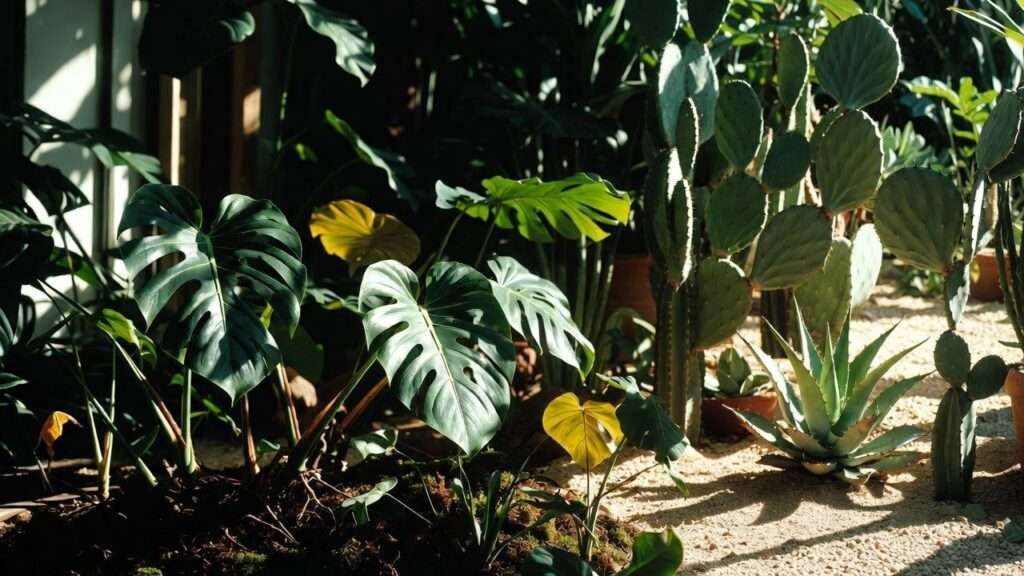
Have you ever excitedly brought home a beautiful new plant, only to watch it dramatically decline in just a few weeks? 😩 Yellowing leaves, leggy stems stretching toward the window, or crispy brown edges that look like they’ve been scorched—sound familiar?
If you’re a plant lover in Khulna or anywhere with our warm, humid tropical climate, you’re not alone. The number one reason houseplants and garden plants struggle or die is incorrect light conditions — specifically, placing shade-loving plants in too much bright direct sun, or forcing bright-light plants into dim corners. Up to 70% of common indoor plant problems trace back to mismatched light, according to widespread horticultural observations and expert consensus.
In this in-depth guide, we’ll break down shade-loving plants vs. bright-light plants head-to-head: their biological adaptations, care needs, telltale signs of stress, and the best picks for your home, balcony, or garden. Whether you’re a beginner filling a shady apartment corner or an enthusiast maximizing sunny rooftops, you’ll learn exactly how to match plants to your space — saving time, money, and heartbreak while creating lush, thriving greenery. 🌱 Let’s turn your light confusion into confident plant parenting!
Understanding Light Levels: The Foundation of Plant Success 📏
What Do “Shade-Loving” and “Bright-Light” Really Mean?
Light is the single most important factor for plant health because it drives photosynthesis — the process where plants convert sunlight, water, and carbon dioxide into energy and oxygen. Without the right amount and quality of light, even perfect watering, soil, and fertilizer won’t save your green friends.
- Bright-light plants (also called full-sun or sun-loving plants): These thrive with 6+ hours of direct sunlight per day ☀️. Think intense, unshaded exposure — perfect for south- or west-facing windows indoors or open garden spots.
- Shade-loving plants (low-light or indirect-light lovers): These prefer low to medium indirect light, typically less than 3–4 hours of direct sun (often filtered or dappled). They do best in north-facing windows, shaded porches, or under tree canopies 🌑.
- Middle ground: Part-shade or part-sun plants handle 3–6 hours of direct light, ideal for transitional spots like east-facing areas with morning sun.
In tropical regions like Khulna, Bangladesh, our year-round high sun intensity (even during monsoon clouds) makes distinctions sharper — many “indoor” shade plants can burn quickly outdoors, while bright-light species explode with color and growth in full exposure.
How to Measure Light in Your Space (Easy DIY Methods) 🔍
No fancy tools needed! Try these simple tests:
- Hand-shadow test: Hold your hand between the plant spot and a window at midday. A sharp, defined shadow = bright/direct light. Fuzzy or weak shadow = medium/indirect. No shadow = low light.
- Observe daily patterns: Track where sun hits from morning to evening over a week — note seasonal shifts (stronger dry-season sun vs. diffused monsoon light).
- Phone light meter apps: Free apps like “Light Meter” give lux readings (shade-loving plants: 500–2,500 lux; bright-light: 10,000+ lux for best results).
For urban Khulna apartments with limited windows, balconies often get intense afternoon sun — perfect for bright-light picks but risky for delicate shade lovers.
:max_bytes(150000):strip_icc()/low-light-conditions-houseplants-1902917-834ee8847a324939b796845a6bc22d36.png)
(These show gorgeous examples of low-light indoor favorites like Snake Plant, Pothos, and Philodendron thriving in shaded home settings 🌿)
Key Differences: Shade-Loving Plants vs. Bright-Light Plants ⚖️
Physical & Biological Differences
Nature has engineered fascinating adaptations based on light availability:
- Leaf structure: Shade-loving plants typically have larger, thinner, darker green leaves to capture as much scattered light as possible. They often feature higher chlorophyll content for efficient low-light photosynthesis. Bright-light plants have smaller, thicker, waxy or leathery leaves to reflect excess sun, reduce water loss, and prevent scorching.
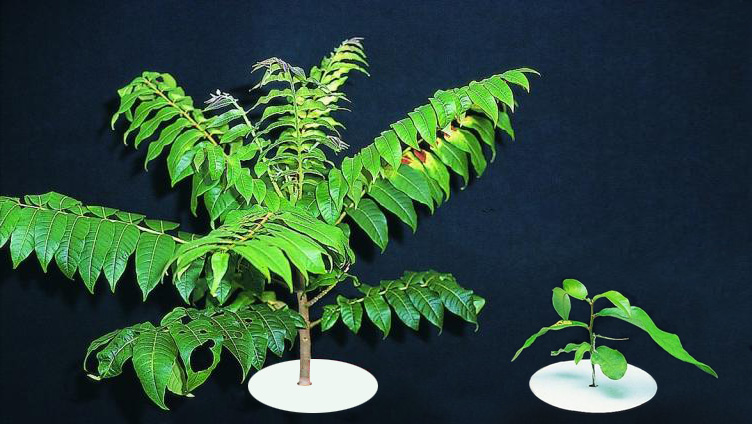
(Notice how shade leaves are often bigger and thinner compared to sun-adapted ones — a clear evolutionary win!)
- Growth habits: Shade lovers tend to grow slower, focusing energy on lush foliage rather than rapid expansion or heavy flowering. Bright-light plants grow faster, produce more blooms/fruits, and often have compact, sturdy forms to withstand wind and heat.
- Photosynthesis style: Shade plants excel at low-light efficiency but saturate quickly (can’t handle excess energy). Bright-light plants use mechanisms like higher respiration rates to dissipate surplus light energy safely.
Care Requirements Side-by-Side Comparison
| Aspect | Shade-Loving Plants 🌑 | Bright-Light Plants ☀️ |
|---|---|---|
| Light | Indirect, low-medium (500–2,500 lux) | Direct, 6+ hours (10,000+ lux) |
| Watering | Consistent moisture; soil stays damp | Allow top soil to dry; drought-tolerant |
| Soil | Rich, moisture-retentive, well-aerated | Well-draining, sandy/ gritty mixes |
| Fertilizer | Lower doses, balanced, during growth | Higher phosphorus for blooms; frequent |
| Humidity | Higher preferred (60%+) | Tolerate lower; many arid-adapted |
| Common Issues | Leggy growth, pale leaves (too dark) | Leaf scorch, wilting (too much sun) |
In our humid Khulna climate, shade plants appreciate the natural moisture, while bright-light ones benefit from excellent drainage to avoid root rot during heavy rains.
Common Mistakes & How to Avoid Them 🚫
- Mistake #1: Putting a shade-lover (like Peace Lily) in a bright south window → scorched, faded leaves. Fix: Acclimate gradually over 7–10 days, starting in partial shade.
- Mistake #2: Hiding a sun-lover (like Croton) in a dim corner → stretched, weak stems with no color. Fix: Rotate pots weekly for even growth.
- Seasonal tip: During monsoon, diffused light helps many plants; in dry season, intense sun demands extra vigilance. Always acclimate new plants!
Best Shade-Loving Plants: Top Picks for Low-Light Spaces 🌑✨
If your home or garden has shady corners, north-facing windows, or tree-covered areas, don’t worry — plenty of stunning plants thrive in low to medium indirect light. These shade-loving champions add lush greenery, purify air, and bring life to dim spaces without demanding constant sun.
Indoor Shade Champions
These reliable houseplants are perfect for apartments in Khulna where direct sunlight can be limited or too intense through glass.
- Peace Lily (Spathiphyllum): Elegant white blooms and glossy dark leaves. Tolerates very low light; signals watering needs by drooping dramatically (then perks up quickly).
- Snake Plant (Sansevieria): Nearly indestructible, upright sword-like leaves. Filters toxins and releases oxygen at night — great for bedrooms.
- ZZ Plant (Zamioculcas zamiifolia): Glossy, waxy leaves store water; survives neglect and low light for months.
- Pothos (Epipremnum aureum): Trailing vines with heart-shaped leaves (golden or marble varieties add color). Easy to propagate in water.
- Philodendron: Heartleaf or Brasil varieties cascade beautifully; adaptable and forgiving.
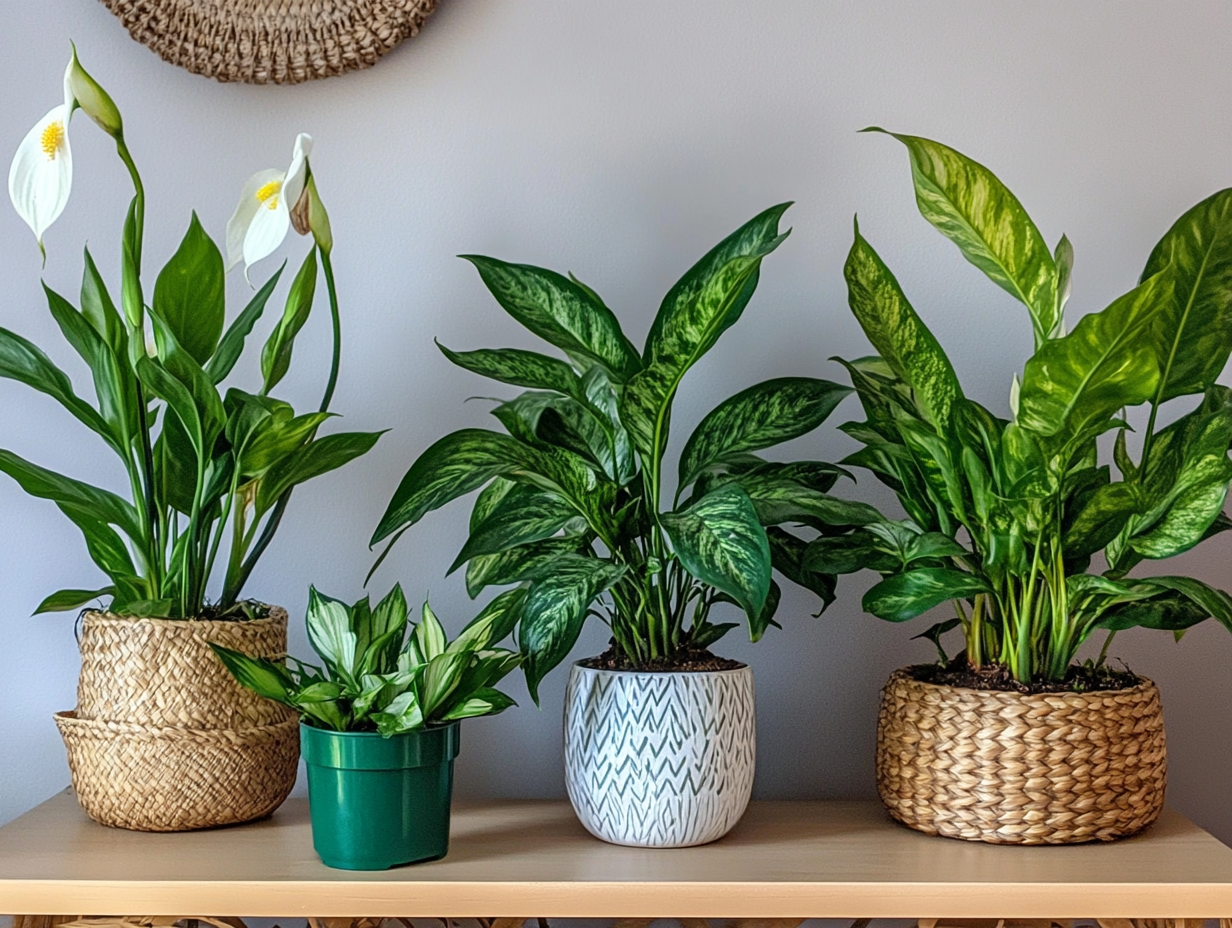
(These beautiful displays show how Snake Plant, ZZ Plant, Pothos, Philodendron, and Peace Lily create lush indoor oases even in low-light rooms 🌿)
Outdoor Shade Beauties (Garden/Balcony)
In tropical Khulna, choose heat- and humidity-tolerant shade plants for porches, under trees, or north-side gardens.
- Hostas: Large, textured leaves in greens, blues, and variegated patterns — classic shade perennial.
- Ferns (Boston, Maidenhair): Feathery fronds love humidity; perfect for monsoon season.
- Impatiens: Bright pops of color (pink, red, white) bloom reliably in shade.
- Begonias: Wax or rex varieties offer foliage interest and flowers.
- Caladiums: Heart-shaped leaves in stunning pink, white, red patterns — tropical flair.
:strip_icc()/white-caladium-orange-new-guinea-impatiens-coleus-73bW5tNK4xQ9DZXCJ7-KRc-1871d3f4156a49ec9495aceef4010217.jpg)
(Layer these colorful foliage plants for a vibrant, low-maintenance shade garden that thrives in our humid climate 🎨)
Pro Tips for Stunning Shade Gardens
- Layer textures: Mix large Hostas with delicate ferns and bold Caladiums for depth.
- Add color contrast: Pair dark green leaves with variegated or brightly veined varieties.
- Mulch well: Retains moisture in our hot dry spells between monsoons.
- Companion planting: Ferns + Impatiens create soft, flowing borders.
Best Bright-Light Plants: Sun-Loving Stars for Maximum Glow ☀️🌸
For sunny balconies, south-facing windows, or open garden beds in Khulna’s intense tropical sun, these plants reward you with vibrant growth, blooms, and even fruits.
Indoor Bright-Light Winners
Place near unshaded windows for best results.
- Succulents (Echeveria, Aloe Vera): Compact, drought-tolerant; colorful rosettes.
- Fiddle Leaf Fig (Ficus lyrata): Dramatic large leaves; statement plant for bright rooms.
- Croton (Codiaeum variegatum): Explosive color in reds, yellows, oranges — needs strong light to keep hues vivid.
- Jade Plant (Crassula ovata): Tree-like succulent; easy bonsai potential.
- Hibiscus: Tropical blooms in reds/pinks; can flower indoors with enough sun.
:max_bytes(150000):strip_icc()/https---www.thespruce.com-best-houseplants-for-sun-4147670-2-8ec2c6cc6c784f80aa1013beadb35a35.jpg)
(These sunny setups showcase how Fiddle Leaf Fig, Croton, Jade, and succulents thrive and glow in bright indoor light ☀️)
Outdoor Full-Sun Favorites
Perfect for rooftops or open plots — heat-tolerant and colorful.
- Roses: Classic blooms; choose heat-resistant varieties.
- Lantana: Clusters of multicolored flowers; attracts butterflies.
- Bougainvillea: Vibrant bracts in pinks/purples; climbs walls beautifully.
- Marigolds: Bright orange/yellow; pest-repellent and easy.
- Tomatoes/veggies: Fruiting plants love full sun for heavy yields.
(Images of Bougainvillea climbing, roses blooming, and marigolds in full sun would go here — imagine vivid tropical gardens exploding with color! 🔥)
Maximizing Blooms & Growth in Bright Spots
- Prune regularly: Encourages bushier growth and more flowers.
- Stake tall plants: Prevents wind damage in open areas.
- Mulch: Keeps roots cool during peak heat.
- Water deeply but infrequently: Builds strong roots.
How to Choose the Right Plants for YOUR Space 🏡
Now that you understand the key differences and have seen some top recommendations, let’s make this practical. Follow this step-by-step guide to confidently select plants that will actually thrive in your specific conditions — whether you live in a small Khulna apartment with limited windows, a balcony that bakes in the afternoon sun, or a garden with dappled shade under mango trees.
Step-by-Step Decision Guide
- Honestly assess your light levels Use the hand-shadow test or light meter app from earlier. Note the strongest light time of day and duration. Be realistic — most people overestimate how much direct sun their space actually gets.
- Consider indoor vs. outdoor + seasonal factors
- Indoors: Glass filters UV and can create hot spots. North-facing = shade haven. South/west-facing = bright opportunity (but watch for heat buildup).
- Outdoors in Khulna: Full sun is very intense (especially March–May). Monsoon clouds diffuse light from June–September, creating temporary “part-shade” conditions. Dry winter sun is strong but cooler.
- Microclimates: Under a tree canopy? Near a reflective wall? These change everything.
- Match to your lifestyle & goals
- Low-maintenance & forgiving → Snake Plant, ZZ Plant, Pothos (shade) or Jade Plant, succulents (bright).
- Want flowers/color → Impatiens, Begonias (shade) or Bougainvillea, Lantana, Hibiscus (bright).
- Air purification priority → Peace Lily, Snake Plant, Philodendron (mostly shade-tolerant).
- Edible/productive → Herbs like mint/basil in part shade; tomatoes, chilies, okra in full sun.
- Consider “hybrid” / part-sun options for tricky spots If your light falls in the awkward 3–5 hour direct range, try these versatile performers:
- Coleus (stunning foliage, shade to part sun)
- Calathea (prefers bright indirect but tolerates some morning sun)
- Dwarf umbrella tree (Schefflera) — bright indirect to part sun
- Geraniums — part sun to full sun
Transitioning Plants Between Light Conditions
Never move a plant from deep shade straight into full sun (or vice versa) — you’ll likely cause shock.
- Acclimate over 7–14 days: Start with 1–2 hours of new light, increase gradually.
- Use sheer curtains or temporary shade cloth outdoors during transition.
- Watch for stress signals (wilting, leaf drop, burn) and move back if needed.
Bonus: Expert Insights & Advanced Tips from a Plant Care Pro 👩🌾
Having cared for thousands of plants in tropical South Asian climates (including many Khulna gardens), here are some pro-level pointers that most articles skip:
- Monsoon magic & dry-season stress During heavy rains, even bright-light plants may need less supplemental watering — but improve drainage drastically to prevent rot. In peak dry heat (April–May), mulch heavily and mist shade plants in the evening to combat low humidity.
- Artificial grow lights — when & how to use them If your space is very low-light year-round (common in modern concrete apartments), full-spectrum LED grow lights (6500K daylight, 20–40 watts) can make a huge difference. Hang 12–18 inches above plants for 12–14 hours/day. Great for reviving leggy Pothos or keeping Calatheas happy.
- Eco-friendly pest & disease prevention by light level
- Shade areas → higher humidity invites spider mites & fungal issues → increase airflow, use neem oil weekly as preventive.
- Bright areas → spider mites & mealybugs love hot, dry conditions → hose plants down weekly, introduce ladybugs outdoors.
Frequently Asked Questions (FAQs) ❓
Can shade-loving plants survive some direct sun? Yes — many can handle 1–2 hours of gentle morning sun (east-facing). But more than that usually causes bleaching or burn, especially in our intense tropical sunlight.
What if my space is “medium” or part-sun light? You have the widest options! Most “part-shade” or “bright indirect” plants (Coleus, Begonia, Ferns, some Philodendrons, even young Crotons) do beautifully here.
What are the most forgiving low-maintenance plants for complete beginners? Top shade: ZZ Plant, Snake Plant, Pothos. Top bright: Jade Plant, Aloe Vera, most succulents.
How do I fix a plant that’s suffering from wrong light?
- Too little light → Move to brighter spot gradually + prune leggy growth.
- Too much light → Move to shadier spot, trim damaged leaves, increase humidity/watering temporarily. Recovery can take 4–8 weeks.
Do all bright-light plants need direct sun all day? No — many (Fiddle Leaf Fig, Croton, most flowering tropicals) thrive with 4–6 strong hours + bright indirect the rest of the day.
Can I grow fruiting plants indoors in bright light? Yes! Dwarf citrus, peppers, cherry tomatoes, and even small eggplants can produce indoors near very sunny windows or with strong grow lights.
Conclusion: Transform Your Space with the Right Light Match 🌟
Light isn’t just “sun or no sun” — it’s the foundation of every healthy, happy plant. By understanding the core differences between shade-loving plants vs. bright-light plants, measuring your actual conditions, and choosing varieties that match your space and lifestyle, you’ll stop killing plants and start growing thriving green sanctuaries — indoors or out.
Your next step is simple:
- Walk around your home/garden today with the hand-shadow test.
- Pick 2–3 plants from the lists above that fit your light reality.
- Bring them home, place them correctly, and watch them reward you with lush growth, color, and joy. 🌱
Have you already matched some plants perfectly (or learned from a mismatch)? Drop your before-and-after stories or photos in the comments — I’d love to see your Khulna green spaces come to life! 💚
Happy planting, and may your leaves always stay vibrant!











