
Imagine stepping into your vegetable garden on a warm summer morning, coffee in hand, excited to check on your thriving tomatoes and crisp cucumbers… only to find entire vines collapsed overnight, leaves still green but limp like they’ve given up on life. 😱 No amount of watering revives them, and within days, your promising harvest turns into a heartbreaking loss.
This nightmare scenario is all too common for home gardeners facing bacterial wilt in vegetables — one of the most destructive and sneaky diseases out there. Caused primarily by bacteria like Ralstonia solanacearum (southern/wilt in nightshades) or Erwinia tracheiphila (cucurbit wilt spread by beetles), it strikes fast in warm, humid conditions and can wipe out crops in a matter of weeks.
The good news? Early detection is your superpower. Spotting the signs of bacterial wilt in vegetables quickly allows you to act, contain the spread, and often save the rest of your garden. In this in-depth guide from years of hands-on experience helping gardeners diagnose and manage plant diseases, we’ll cover everything: exact symptoms, foolproof at-home tests, how to tell it apart from similar issues, and proven prevention strategies to protect your harvest. Let’s turn that wilt worry into confident gardening! 💪🌿
What Is Bacterial Wilt and Why Should Vegetable Gardeners Care? 🤔
Bacterial wilt is a vascular disease where pathogenic bacteria invade the plant’s water-transporting tissues (xylem), multiplying rapidly and forming a slimy blockage that prevents water from reaching leaves and stems. The result? Sudden, irreversible wilting — even when the soil is moist.
There are two primary types affecting vegetables:
- Cucurbit bacterial wilt — Caused by Erwinia tracheiphila, spread by cucumber beetles (striped or spotted). This version hits cucumbers, melons, squash, and pumpkins hardest. 🐞🥒
- Southern bacterial wilt (or bacterial wilt of solanaceous crops) — Caused by Ralstonia solanacearum, a soil-borne pathogen that persists for years. It targets tomatoes, peppers, eggplants, potatoes, and more. 🌶️🍅
Why is this such a big deal for home gardeners? Unlike fungal wilts that progress slowly, bacterial wilt can kill plants in days, especially in temperatures above 25–35°C (77–95°F) with high humidity or poor drainage. Once advanced, there’s no cure — infected plants must be removed to prevent soil contamination that lasts years. Worldwide, it causes major losses in warm climates, including regions like South Asia, the southeastern US, and tropical zones. Early identification saves not just one plant, but your entire season’s yield! 📈
Common Vegetables Affected by Bacterial Wilt 🥗
This disease doesn’t discriminate, but some crops are far more vulnerable:
- Tomatoes 🍅 — One of the most commonly hit, often showing sudden collapse in hot weather.
- Cucumbers, melons, squash, pumpkins (cucurbits) 🥒 — Rapid wilt starting from beetle feeding sites.
- Peppers & eggplants 🌶️🍆 — Wilting begins lower, with vascular browning inside stems.
- Potatoes 🥔 — Tubers may rot, with above-ground wilting and yellowing.
- Others — Occasionally beans, okra, or ornamentals in mixed gardens.
Regional note: Cucurbit type is more common in northern/temperate areas where cucumber beetles thrive, while Ralstonia dominates warmer, humid southern zones. Knowing your local risks helps you stay vigilant!
Early Signs of Bacterial Wilt in Vegetables: What to Look For 👀
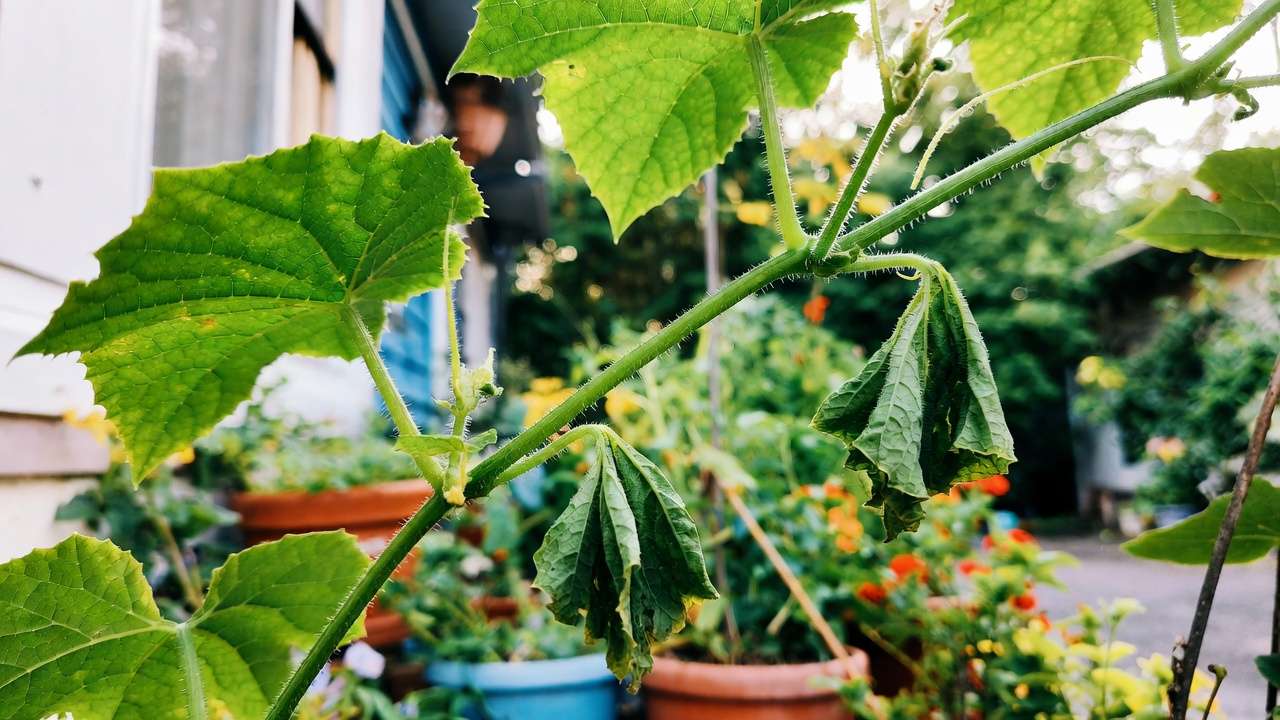
The hallmark of bacterial wilt is sudden wilting while the plant remains green — a key clue that sets it apart from drought or fungal issues. Here’s what to watch for daily, especially during hot afternoons.
General Early Symptoms Across Crops
- Individual leaves or sections of vines wilt suddenly during the day, but may partially recover overnight (at first). 🌞
- Leaves take on a dull, gray-green appearance before full wilt sets in. 😐
- Wilting often starts at leaf tips/edges or one side/vine, progressing inward.
- No yellowing initially — the plant looks healthy but thirsty despite moist soil.
Crop-Specific Signs
- In Cucurbits (Cucumbers, Melons, Squash) 🥒: Wilt begins on one runner after beetle feeding damage. Leaves yellow-brown at margins, then wither completely. Rapid spread — whole vine dies in days, plant follows in 1–2 weeks.
- In Tomatoes & Peppers 🍅🌶️: Lower/younger leaves wilt first, plant may stunt with adventitious roots near base. Sudden full-plant collapse in advanced stages.
- In Eggplants & Potatoes 🍆🥔: Wilting of young leaves, dark vascular streaks visible when cut, eventual soft rot and browning inside stems.
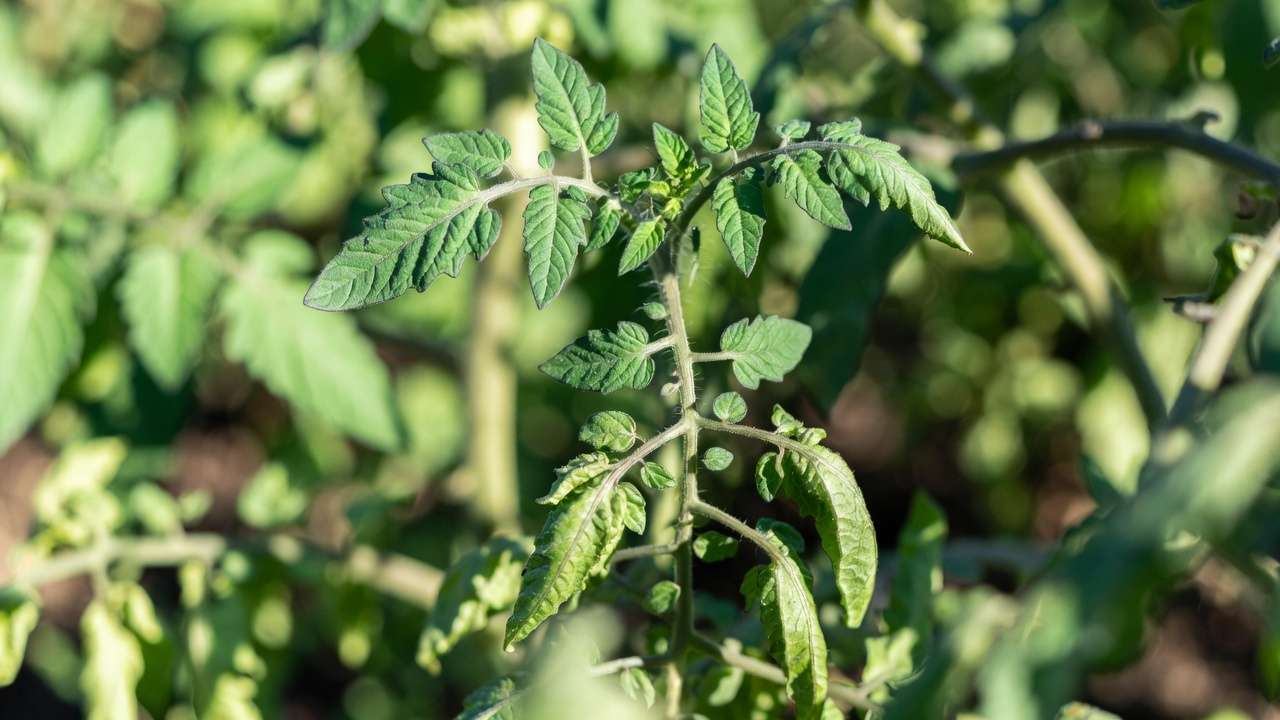
Advanced / Late-Stage Signs Permanent wilt (no nighttime recovery), shriveled brown leaves, plant death, and hollowed/decayed pith in stems. At this point, the disease has fully blocked vascular flow. Act fast when you see early clues!
How to Confirm Bacterial Wilt: Simple At-Home Diagnostic Tests 🔍💧
Suspecting bacterial wilt? Don’t wait — confirm it quickly with these reliable, low-tech tests recommended by university extension services and plant pathologists. These methods work best on freshly wilted (but not completely dead) stems, as bacteria are most active there.
The Famous Ooze / Streaming Test (Best for both Ralstonia and Erwinia types) This is the gold-standard field test! Here’s how to do it step-by-step:
- Use clean, sharp pruners or a knife to cut a 4–6 inch section of a wilted stem near the base (crown area) of the plant.
- Immediately place the cut stem section into a clear glass of room-temperature water (tap water is fine).
- Watch for 3–30 minutes: If bacterial wilt is present, you’ll see milky-white, cloudy threads or a slimy stream oozing from the cut end into the water — like smoke in clear liquid! 🌫️💦
- This is the bacteria + their slimy exudate (polysaccharides) streaming out.
- For Erwinia tracheiphila (cucurbits), it’s often more obvious and stringy.
- For Ralstonia solanacearum (tomatoes/peppers), it may be thinner but still visible as a haze.

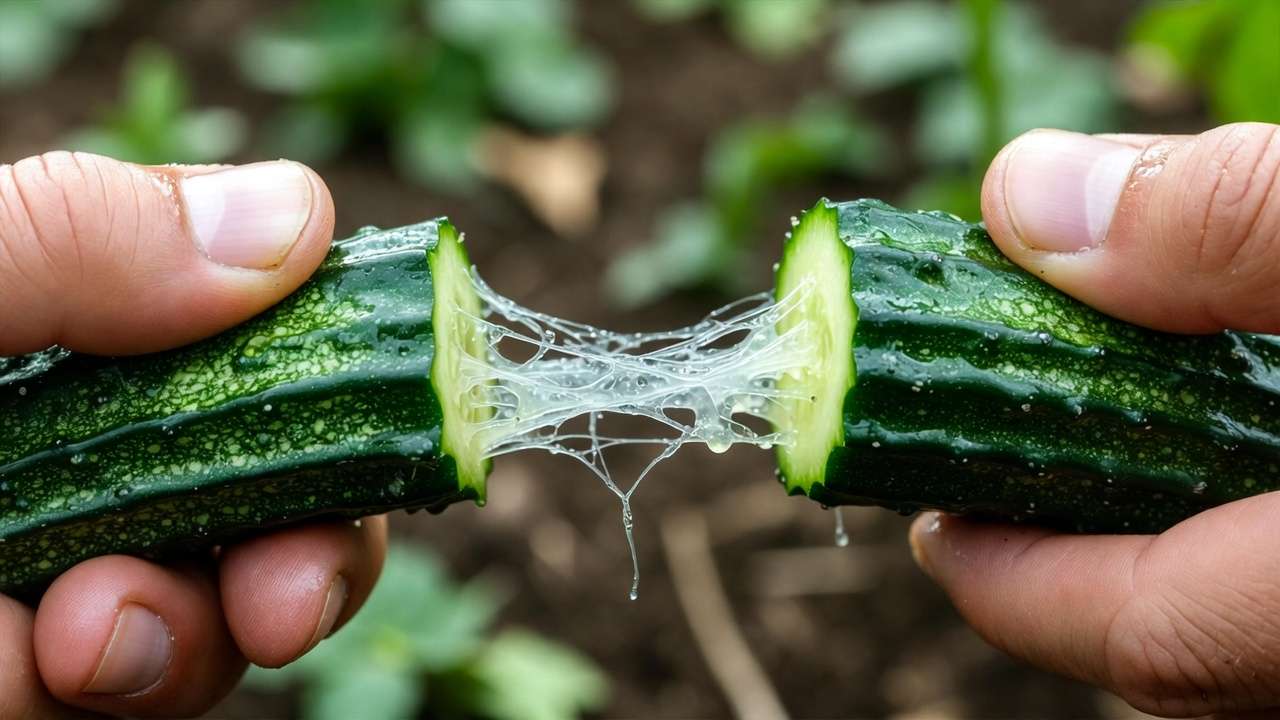
The String Test / Pull-Apart Test (Especially effective for cucurbits like cucumbers & melons)
- Cut a wilted vine or stem near the base.
- Press the two cut ends together firmly for a few seconds.
- Slowly pull them apart — look for thin, sticky, thread-like strands (like spider silk or cheese strings) stretching between the pieces! 🧀🧵
- This test works beautifully on cucumbers and melons but can be harder to see on squash, pumpkins, tomatoes, or peppers (threads may be too fine without magnification).
- Test multiple stems — early infection might not show strong ooze yet.
- Do the test in shade; heat can dry out the sample fast.
- If no ooze appears, it doesn’t 100% rule out wilt (especially in squash), but positive ooze is very reliable!
- Still unsure? Send a sample to your local agricultural extension service or plant diagnostic lab for PCR confirmation. Many universities offer this affordably. 📬🔬
These quick tests can save you from unnecessary panic or wrong treatments — and they’re free!
How to Differentiate Bacterial Wilt from Similar Problems ⚖️
Many issues cause wilting — but getting it wrong means lost time and plants. Use this comparison table to quickly rule things out:
| Issue | Key Signs | Recovery at Night? | Ooze/String Test? | Insect Damage Visible? | Progression Speed |
|---|---|---|---|---|---|
| Bacterial Wilt | Sudden green wilt, dull leaves, ooze present | Early yes, later no | Positive | Often yes (beetles) | Very fast (days) |
| Verticillium/Fusarium Wilt | Gradual yellowing, vascular browning inside stem | No | Negative | No | Slow (weeks) |
| Drought Stress | Even wilt across plant, soil dry | Yes | Negative | No | Depends on water |
| Overwatering/Root Rot | Soft, mushy stems/roots, yellow lower leaves | No | Negative | No | Variable |
| Squash Vine Borer | Wilt on one vine, sawdust frass at base, larvae inside stem | No | Negative | Yes (holes + frass) | Sudden, localized |
Pro tip: Always check for beetle damage (chewed leaves) on cucurbits — that’s a huge clue for Erwinia wilt. For nightshades, look inside stems for brown vascular streaks (fungal wilts) vs. slimy ooze (bacterial).
What Causes & Spreads Bacterial Wilt? 🦠🌡️
Understanding the enemy helps you fight smarter:
- Vectors & Entry: Cucumber beetles (striped/spotted) spread Erwinia tracheiphila by feeding and defecating bacteria into wounds. Ralstonia solanacearum enters through root wounds, transplant shock, or contaminated soil/tools/water.
- Survival: Ralstonia survives in soil for years (even without host plants), in weed roots, or water sources. Erwinia overwinters in beetle guts.
- Favorable Conditions: High soil moisture + warm temps (25–35°C/77–95°F) + poor drainage = perfect storm. Humid, rainy summers accelerate spread.
Avoid spreading it yourself — never compost infected plants, and disinfect tools with 10% bleach between cuts! 🧼
Prevention & Management Strategies to Protect Your Harvest 🛡️🌿
Since there’s no chemical cure once plants are infected, focus on prevention — the best defense!
Cultural Controls
- Crop Rotation — Rotate away from susceptible families (nightshades or cucurbits) for at least 3–4 years.
- Resistant Varieties — Huge game-changer! Examples (based on recent breeding):
- Tomatoes: ‘Mountain Merit’ (strong multi-disease resistance including wilt-related issues), many VFN types (Verticillium/Fusarium/Nematode — note some overlap).
- Cucumbers: ‘County Fair’, ‘Cross Country’ (tolerant to bacterial wilt).
- Peppers: Some new hybrids show improved tolerance to Ralstonia.
- Pumpkins/Squash: ‘Howden’ shows better tolerance. Check seed catalogs for the latest 2025–2026 resistant listings!
Insect Management (Critical for cucurbit wilt) 🐞
- Use floating row covers until flowering.
- Monitor & hand-pick cucumber beetles early.
- Organic options: Neem oil, kaolin clay sprays, or beetle traps.
Soil & Garden Practices
- Improve drainage with raised beds.
- Avoid overhead watering; use drip irrigation.
- Solarize soil in hot summers if history of Ralstonia.
- Sanitation: Remove & destroy (burn/bag) infected plants immediately — don’t compost!
What to Do If You Already Have Bacterial Wilt 😔
Real talk: Once confirmed, pull infected plants (roots and all), bag them, and dispose in trash. Sanitize tools. Avoid replanting susceptible crops in that spot for years. Focus on saving nearby plants with the prevention steps above.
Frequently Asked Questions (FAQs) ❓
Can bacterial wilt spread to other plants? Yes — through soil, water, tools, beetles, or infected transplants. It can affect many solanaceous and cucurbit crops.
Is bacterial wilt in vegetables harmful to humans? No, the bacteria don’t affect people or food safety. But don’t eat severely wilted plants (poor quality).
How long does bacterial wilt survive in soil? Ralstonia solanacearum can persist for 2–10+ years. Erwinia is shorter (tied to beetle hosts).
Best resistant tomato varieties? Look for ‘Mountain Merit’, VFN types, or new multi-resistant hybrids from Cornell/Botanical Interests.
Can I save a partially infected plant? Rarely — early removal is safest to stop spread.
Does it affect all cucumbers equally? No — some varieties like ‘County Fair’ show good tolerance.
More questions? Drop them in the comments! 👇
Final Thoughts & Expert Tips ✨
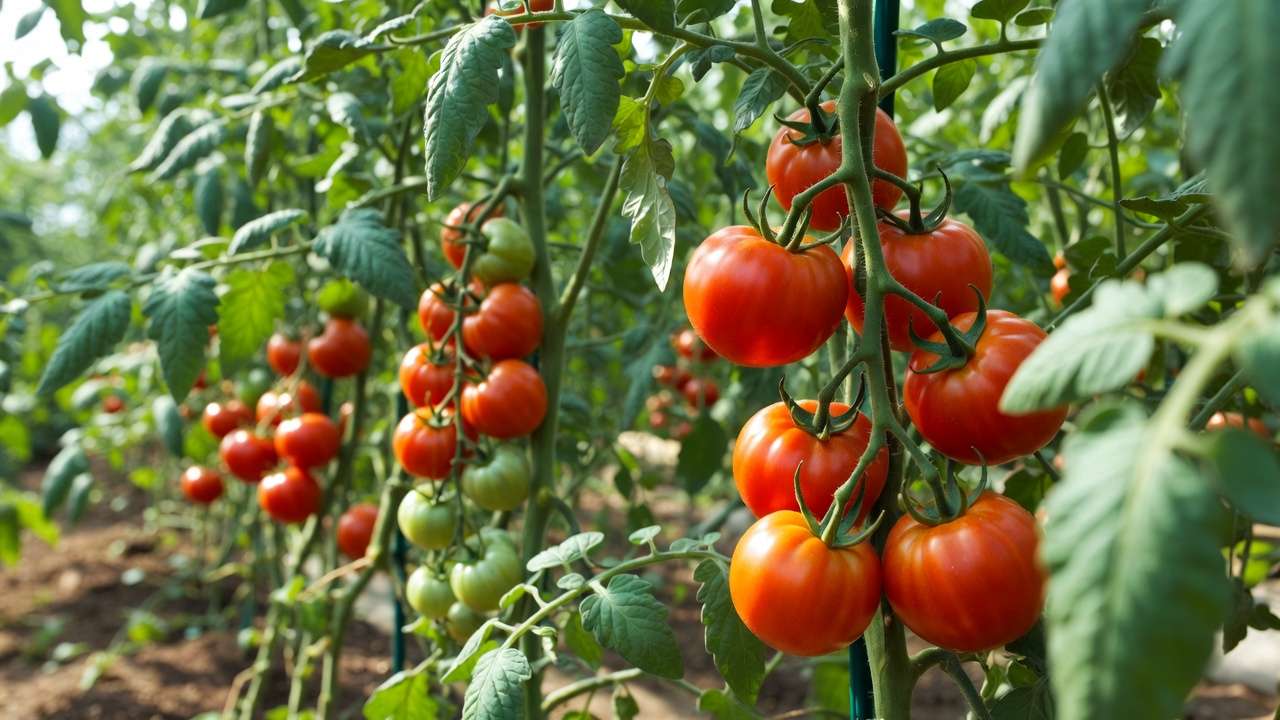
Bacterial wilt is tough, but early spotting through daily checks (especially hot afternoons) + quick confirmation tests + smart prevention = many saved harvests! 🌟 Monitor your garden like a pro, choose resistant varieties, control beetles early, and practice excellent sanitation. Your tomatoes, cukes, and peppers will thank you with abundant, healthy fruit.
Happy gardening & stay wilt-free! 🥗💚 Share your stories or photos of suspected wilt below — we’d love to help diagnose!











