
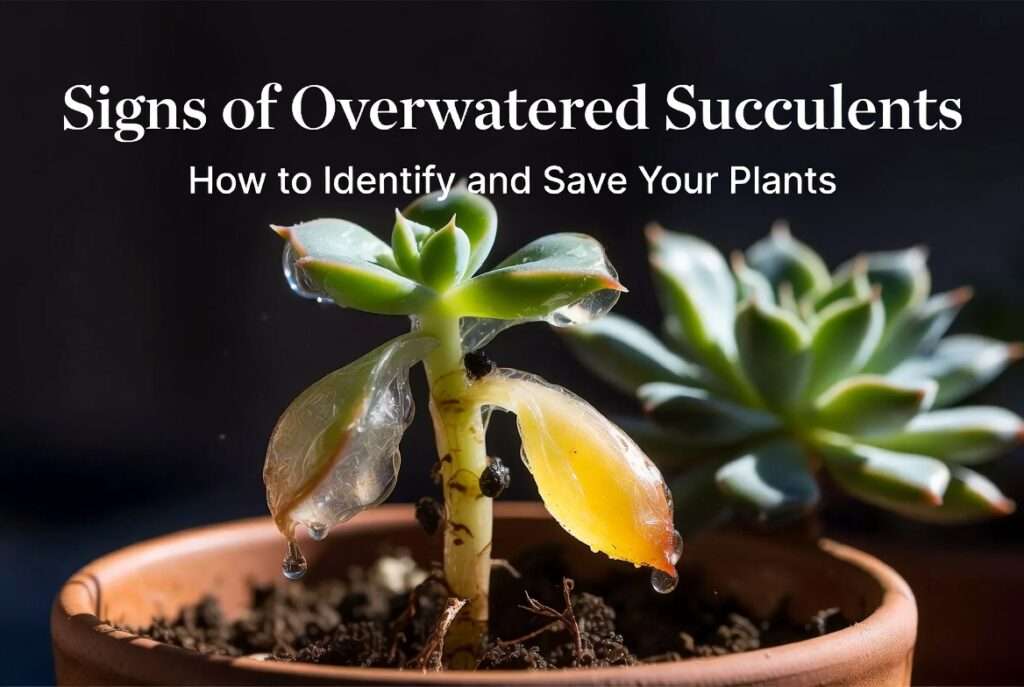
magine this: Your once-plump, vibrant Echeveria or jade plant — the pride of your windowsill — now looks limp, yellow, and suspiciously soft. You’ve been watering it “just to be safe,” but something feels off. If you’re seeing signs of overwatered succulents, you’re not alone. Overwatering is the #1 killer of these desert-adapted beauties, claiming more plants than pests or neglect ever could. 😢
As a succulent specialist with over 12 years of hands-on experience growing and rescuing more than 200 varieties indoors and outdoors, I’ve seen every soggy disaster imaginable — and every triumphant comeback. In this comprehensive guide, you’ll learn exactly how to spot the warning signs early, rescue your plant before it’s too late, and set up a foolproof watering routine so it never happens again. Whether you’re a total beginner or a seasoned plant parent, this article will give you the expert knowledge and step-by-step actions you need to turn panic into confidence. Let’s save that succulent! 🪴❤️
Why Succulents Are So Easy to Overwater (And Why It’s Deadly) 🌵💦
Succulents evolved in arid deserts and rocky cliffs where rain is rare and soil drains instantly. Their thick, fleshy leaves act like built-in water tanks, storing moisture for weeks or even months. This incredible adaptation makes them drought-tolerant superstars — but it also makes them extremely vulnerable to “wet feet.”
When you water too frequently or use soil that stays damp, the roots sit in constant moisture. They quickly suffocate, rot, and stop delivering water and nutrients to the leaves. The result? A vicious cycle of root rot that spreads upward. Left unchecked, even the hardiest succulents like Sedum, Crassula, or Kalanchoe can turn to mush in just days.
Common beginner mistakes that lead straight to trouble include:
- Watering on a fixed schedule instead of checking soil dryness
- Using regular potting soil that holds too much moisture
- Choosing pots without drainage holes
- Ignoring seasonal changes (succulents need far less water in winter dormancy)
Understanding this biology is your first line of defense. Now let’s move to the part every worried plant parent searches for: the visible signs of overwatered succulents.
8 Telltale Signs Your Succulent Is Overwatered 😢
Spotting problems early is everything. Here are the eight most reliable indicators, ranked from most common to more advanced. Catch them at sign #1–3 and your rescue success rate is nearly 100%.
1. Soft, Mushy, or Squishy Leaves 🍃 Healthy succulent leaves are firm and springy when gently squeezed. Overwatered ones feel like a water balloon — soft, translucent, and sometimes even leaking when pressed. The cells have burst from excess water pressure. This is usually the very first sign and appears within 3–7 days of overwatering.
2. Yellowing or Translucent “See-Through” Leaves Leaves that look pale yellow, almost glassy, or see-through are screaming for help. The chlorophyll is breaking down because the roots can no longer function. In severe cases the leaves may appear waterlogged and slightly shiny.
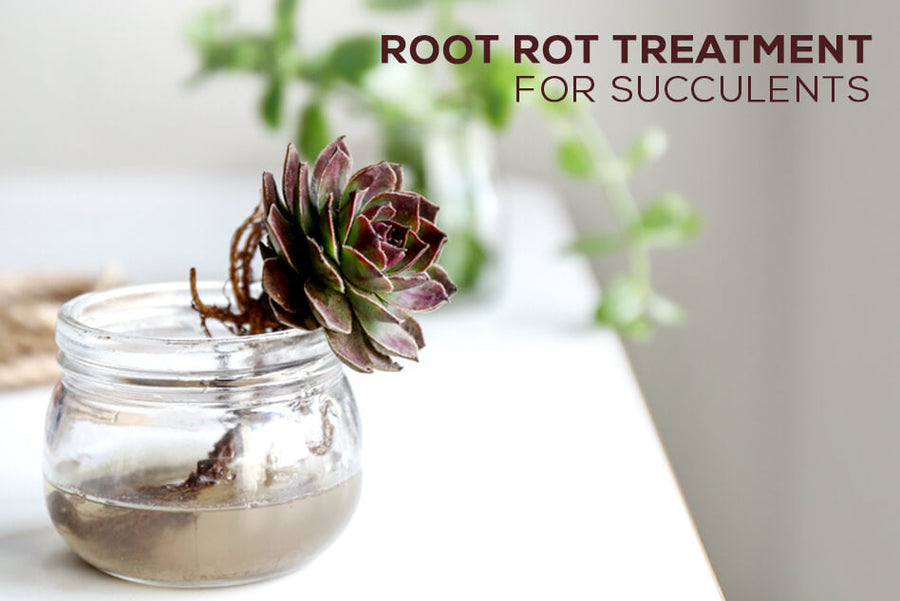
3. Leaves Falling Off at the Slightest Touch If leaves detach with the gentlest brush or fall off in clusters, overwatering is almost certainly the culprit. Healthy leaves stay firmly attached even when the plant is moved. This easy leaf drop is your plant’s way of sacrificing damaged parts to save energy.
Healthy vs. Overwatered Leaf Drop – Quick Comparison Table
| Feature | Healthy Succulent | Overwatered Succulent |
|---|---|---|
| Leaf attachment | Firm, stays on when touched | Falls off easily |
| Leaf texture | Plump and firm | Soft, mushy, or shriveled |
| Color | Vibrant green or natural hue | Yellow, translucent, or pale |
| Drop pattern | Older bottom leaves only | Random or whole clusters |
4. Black Spots, Stem Rot, or Blackened Roots Dark, mushy black spots on leaves or stems are a red flag for advanced rot. When you unpot the plant you’ll often see black, slimy roots instead of the healthy white or light-brown ones. This is the point where immediate action is critical.

5. Mold or Fuzzy White Growth on Soil Surface White, fuzzy mold or a sour-smelling crust on the soil means the top layer has stayed too wet for too long. This often appears alongside poor airflow or overly humid environments.
6. Shriveled Appearance Despite Recent Watering This one confuses many people! The plant looks wilted and wrinkled even though you just watered. That’s because the rotting roots can no longer transport water upward — the leaves are actually drying out from the inside while the soil is still soaked.
7. Foul Smell Coming from the Pot A rotten, earthy, or sour odor is unmistakable. It’s the smell of decaying roots and anaerobic bacteria thriving in waterlogged soil. Trust your nose — if it smells bad, act fast!
8. New Growth Looks Pale or Stretched Even if the older leaves look okay, new leaves may appear etiolated (stretched and weak) or strangely pale. The plant is desperately trying to grow but lacks the healthy root system to support it.
These signs often appear together. The more you see, the more urgent the rescue becomes. But don’t worry — most succulents are incredibly resilient once you intervene correctly.
Overwatering vs. Underwatering vs. Other Problems – Fast Diagnosis Guide 🔍
One of the most common sources of confusion for succulent owners is distinguishing signs of overwatered succulents from underwatering or other issues like sunburn, pests, or nutrient problems. Here’s a clear, side-by-side comparison to help you diagnose quickly:
Quick Diagnosis Table
| Symptom | Overwatered | Underwatered | Other Common Issues |
|---|---|---|---|
| Leaf texture | Soft, mushy, squishy | Wrinkled, shriveled, crispy | Firm but discolored (pests/sun) |
| Leaf color | Yellow, translucent, pale | Brown tips or edges | Black spots (fungal), white powder (mealybugs) |
| Leaf drop | Easy, random clusters | Older bottom leaves only | Sudden from shock or pests |
| Soil feel | Wet or damp even after days | Bone dry, pulls away from pot | Normal but plant still sick |
| Smell | Foul, sour, rotten | None | Musty if mold present |
| Roots (when checked) | Black, slimy, mushy | Dry, brittle, brown | White but chewed (pests) |
| New growth | Pale, stretched, weak | Small and compact | Distorted or sticky |
Pro Tip: Use the chopstick test — insert a clean chopstick deep into the soil. If it comes out damp or with soil clinging after 7–10 days, you’re likely overwatering. If it’s completely dry and the plant still looks unhappy, check for root issues or lighting problems.
Finger test + visual inspection remains the most reliable method for beginners. Combine it with the table above and you’ll rarely misdiagnose.

Emergency Rescue: Step-by-Step Guide to Saving Your Overwatered Succulent 🛠️❤️
Don’t panic! Most succulents can be saved if you act quickly. Follow these steps precisely for the highest success rate.
Step 1: Stop Watering Immediately & Move to Safety Cease all watering right away. Move the plant to a bright spot with good airflow but no direct harsh sunlight for the first few days. Indirect bright light prevents further stress while the plant recovers.
Step 2: Gently Remove the Plant and Inspect the Roots Carefully slide the succulent out of its pot. Shake off excess wet soil. Healthy roots are white, firm, or light tan. Rotten roots are black, brown, slimy, or smell bad.

Step 3: Trim Away All Rotten Roots and Leaves Using clean, sharp scissors or pruning shears (sterilize with alcohol), cut off every mushy or blackened root. Remove any soft, yellow, or translucent leaves. Be aggressive — it’s better to remove too much rot than leave some behind.

Step 4: Let the Plant Callous and Dry (The “Dry Out” Phase) Place the trimmed plant on a clean paper towel or drying rack in a warm, dry area with indirect light. Allow the cut roots and stems to callous over (form a dry scab) for 3–7 days, depending on the size and variety. Larger plants may need up to 10 days. Do not put it in soil yet!
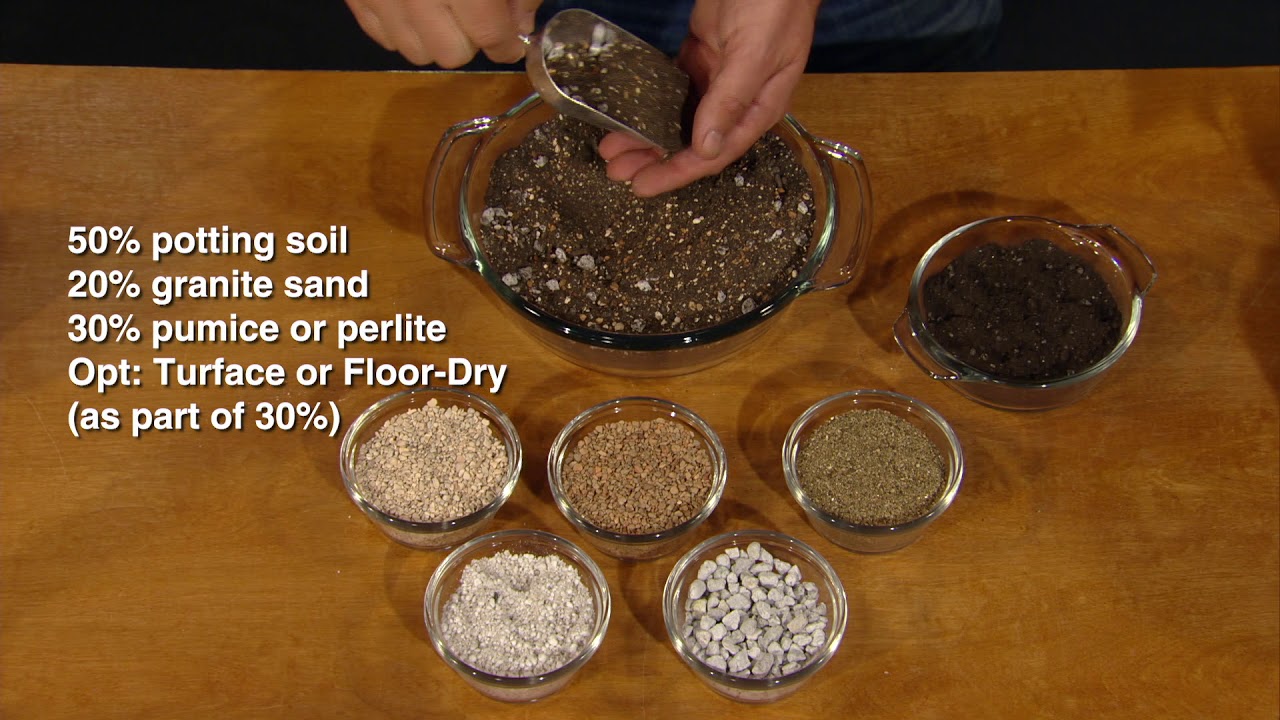
Step 5: Repot in Fresh, Fast-Draining Soil Choose a pot with plenty of drainage holes — terracotta is ideal because it wicks away moisture. Use a well-draining succulent mix.
DIY Succulent Soil Mix Recipe (Highly Recommended):
- 40–50% cactus/succulent potting soil
- 30–40% perlite or pumice
- 10–20% coarse sand or grit
Mix thoroughly for excellent aeration and drainage.
Plant the succulent so the stem sits slightly above the soil line to prevent rot. Gently firm the soil but don’t pack it tightly.
Step 6: First Watering After Rescue – When & How Wait until the soil is completely dry (usually 10–14 days after repotting). Then water thoroughly from the bottom or around the base until water drains out. Allow the soil to dry fully again before the next watering.
Special Cases:
- Echeveria, Sedum, Crassula → Faster recovery (2–4 weeks).
- String of Pearls, Burro’s Tail → More delicate; may need propagation if heavily damaged.
- Completely rootless plant? Lay the stem on dry soil or suspend in air until new roots form — many succulents propagate easily this way.

Long-Term Recovery Care – Helping Your Succulent Bounce Back Strong 🌱✨
During the first 4–6 weeks, keep conditions stable:
- Bright indirect light (east or west window is perfect)
- Temperatures between 65–80°F (18–27°C) daytime
- Good air circulation (small fan on low if indoors)
- No fertilizer until new healthy growth appears (usually after 6–8 weeks)
Signs your rescue is working:
- Firm new leaves emerging from the center
- Roots visible when you gently tug (after 3–4 weeks)
- Overall plant color returning to vibrant green or natural hues
Be patient — full recovery can take 1–3 months depending on severity.
Prevention Masterclass: Water Succulents the Right Way (Never Overwater Again!) 💧✅
The best cure is prevention. Adopt the “Soak and Dry” method:
- Water deeply only when the soil is 100% dry throughout the pot.
- Water until it drains freely from the bottom.
- Empty the saucer immediately — never let the pot sit in water.
Seasonal Watering Guidelines:
- Spring & Summer (Active Growth): Every 7–14 days (adjust for heat and light).
- Fall & Winter (Dormancy): Every 3–6 weeks or even less. Many succulents barely need water in cooler months.
Use a moisture meter or the chopstick test religiously for the first few months until you develop an intuition.
Tools to Help:
- Terracotta pots with drainage holes
- Well-draining soil mix (never regular houseplant soil)
- Optional: Moisture meter for beginners
Avoid self-watering pots for succulents — they keep soil too consistently moist.
- Observe Your Specific Environment: A sunny south-facing window in Dhaka’s humid climate dries soil faster than a shaded balcony. Always let personal observation trump general rules.
- Lift Test: Pick up the pot after watering. When it feels noticeably lighter and the soil is dry, it’s time to water again.
- Winter Dormancy Awareness: Most succulents slow growth dramatically from November to February. Reduce watering to once every 4–6 weeks or even longer if leaves remain plump.
Best Watering Techniques for Succulents:
- Bottom Watering: Place the pot in a shallow tray of water for 15–30 minutes so roots drink from below. This keeps the crown (top of the plant) dry and reduces rot risk.
- Thorough Top Watering: Pour water slowly around the base until it flows out the drainage holes. This flushes salts and ensures even moisture distribution without pooling on leaves.
Avoid misting succulents — they hate high humidity on foliage and it can encourage fungal issues.
The Perfect Setup – Soil, Pots, and Environment That Prevent Overwatering 🪴
The right foundation makes overwatering almost impossible.
Ideal Pot Choices:
- Terracotta or unglazed ceramic (breathes and dries quickly)
- Plastic pots only if you are very disciplined with watering
- Always ensure multiple drainage holes — add more if needed with a drill
Ultimate Succulent Soil Mix (My Go-To Recipe):
- 2 parts cactus/succulent potting mix
- 2 parts perlite or pumice
- 1 part coarse horticultural sand or gravel
- Optional: A handful of activated charcoal to absorb excess moisture and prevent odors
This mix drains within minutes and stays airy, giving roots the oxygen they crave.
Environmental Checklist for Thriving Succulents:
- Light: 6+ hours of bright indirect light or gentle morning sun
- Temperature: 65–85°F (18–29°C) daytime; avoid below 50°F (10°C) at night
- Airflow: Gentle circulation prevents stagnant moist air
- Humidity: Keep below 50% if possible — use a dehumidifier in monsoon season in regions like Dhaka
Top 7 Beginner Mistakes That Cause Overwatering (And How to Fix Them Forever)
- Watering on a Calendar Schedule Fix: Always check soil dryness first — no exceptions.
- Using Heavy, Moisture-Retaining Soil Fix: Switch to the fast-draining mix above immediately.
- Pots Without Drainage Holes Fix: Repot into proper containers or drill holes yourself.
- Watering Too Frequently in Low Light Fix: Reduce watering frequency when light levels drop.
- Leaving Water in Saucers Fix: Empty saucers within 30 minutes after watering.
- Over-fertilizing Fix: Succulents need very little fertilizer. Use a diluted succulent fertilizer only during active growth, once a month max.
- Ignoring Seasonal Changes Fix: Cut watering dramatically during cooler, shorter days.
Avoiding these mistakes will dramatically increase your success rate with succulents.
Expert Insights & Real Reader Success Stories 🌟
In my years of helping plant parents, I’ve rescued hundreds of succulents. One memorable case was a beautiful Graptopetalum that had lost nearly all its roots from overwatering. After trimming, drying, and repotting in the proper mix, it sprouted healthy new roots within three weeks and is now flourishing with multiple offsets.
Another common story: New plant owners in humid climates like Bangladesh often struggle until they switch to terracotta and bottom watering. The transformation is remarkable — plants go from constant struggle to vibrant, happy growth.
My Top Expert Tip: Treat succulents like camels, not goldfish. They are designed to endure long dry periods. When in doubt, underwater rather than overwater. A slightly thirsty succulent bounces back easily; a rotten one often doesn’t.
Frequently Asked Questions About Overwatered Succulents ❓
Can an overwatered succulent recover? Yes! With quick action and proper root trimming plus repotting, most succulents recover fully within 1–3 months.
How long does it take for a succulent to die from overwatering? It can happen surprisingly fast — visible damage in 5–10 days and complete collapse in 2–4 weeks if left untreated.
Should I remove all the soil when rescuing? Remove as much wet soil as possible, especially around rotten roots. Fresh soil is essential for recovery.
Is it possible to save a succulent with no roots left? Absolutely. Many succulents can be propagated from leaves or stems. Let the base callous and place on top of dry soil — new roots often form within weeks.
How often should I water succulents after rescue? Wait until the soil is completely dry (10–21 days typically), then water thoroughly and repeat the dry cycle.
Why is my succulent yellowing even after I stopped watering? It may still be recovering from root damage. Give it time in bright indirect light and resist the urge to water.
Can overwatered succulents be saved in winter? Yes, but recovery is slower. Provide bright light and excellent airflow while keeping the plant very dry.
What’s the difference between overwatering and edema? Edema causes corky, blister-like spots from irregular watering. Overwatering usually involves soft rot and mushy texture.
Conclusion
Recognizing the signs of overwatered succulents early and taking decisive action can save your beloved plants from certain death. By understanding their desert origins, learning the clear visual cues, following the step-by-step rescue process, and implementing smart prevention habits, you can enjoy healthy, thriving succulents for years to come.
Your succulent doesn’t have to stay soggy and sad — with the right care, it can bounce back stronger and more beautiful than ever. 🌱✨ Remember: When in doubt, let it dry out!
If you’re currently dealing with a struggling succulent, drop a comment below with a description or photo — I’m happy to help diagnose it personally. For more expert plant care guides, check out my articles on best succulent soil mixes, how to propagate succulents from leaves, and indoor succulent care for beginners.
Thank you for reading! Share this guide with fellow plant lovers who might be facing the same heartbreak. Happy growing, and may your succulents stay plump and happy forever! 🪴💚











