
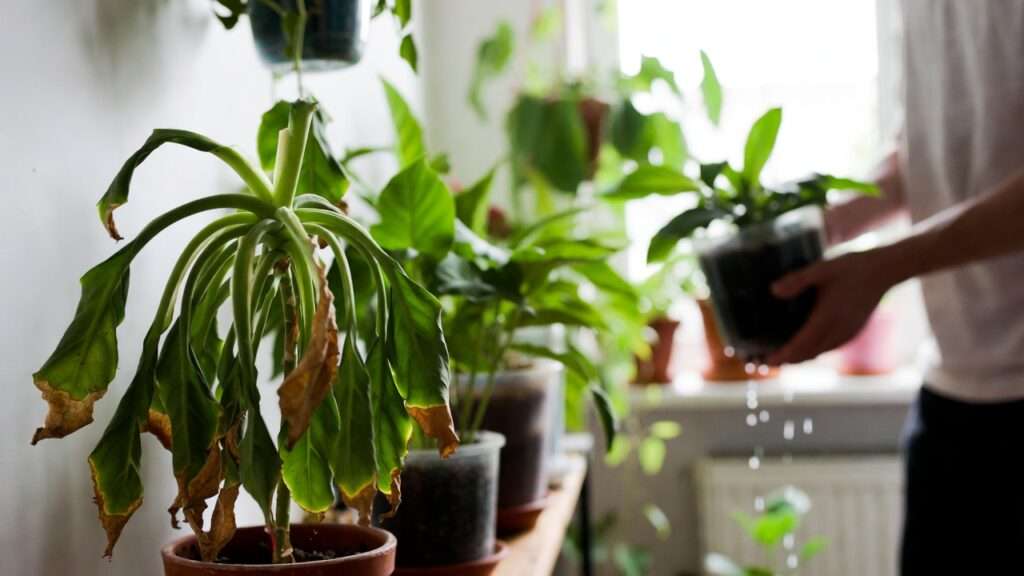
Imagine walking into your living room and finding your once-lush peace lily or beloved monstera looking utterly defeated—leaves hanging limp like they’ve given up, tips turning crispy and brown, and new growth nowhere in sight. 😔 You’ve watered it… sometimes. But deep down, you suspect it’s been quietly suffering from more than just a missed watering or two.
If the phrase signs your houseplant is chronically thirsty has brought you here, you’re not alone. Chronic underwatering is one of the sneakiest killers of indoor plants. Unlike a one-time dry spell that causes quick wilting and fast recovery, chronic thirst builds over weeks or months of inconsistent moisture. Roots become stressed, nutrient uptake drops, and the plant weakens—making it more prone to pests, diseases, and eventual decline.
In my years of caring for (and reviving) hundreds of houseplants in various climates—including humid Dhaka apartments where dry indoor air from AC units can accelerate dehydration—I’ve seen this pattern time and again. The good news? Most chronically thirsty plants can bounce back with the right intervention, and you’ll prevent it forever once you know what to watch for.
In this in-depth guide, we’ll cover the telltale signs of long-term underwatering, how to confirm it (without guessing), a step-by-step rescue plan to save your plant fast, and proven prevention strategies so your indoor jungle stays happy and hydrated. Let’s turn that thirst into thriving growth! 🌱
What Does “Chronically Thirsty” Actually Mean for Houseplants? 🌵
Chronic underwatering isn’t about forgetting to water once or twice—it’s a repeated pattern where the soil dries out completely (or nearly so) between waterings far too often. Over time, this stresses the root system: fine feeder roots die back, the plant conserves water by sacrificing older leaves, and overall vigor plummets.
It’s easy to confuse with overwatering because both can cause drooping or yellowing, but the fixes are opposites. Acute underwatering (short-term) shows dramatic wilting that perks up quickly after a good soak. Chronic cases? Recovery is slower, partial, or incomplete without extra TLC.
In tropical climates like Bangladesh, high humidity outdoors contrasts with dry indoor conditions (fans, AC, low winter watering), making chronic thirst surprisingly common even for “easy” plants like pothos or snake plants.
The Top Signs Your Houseplant Is Chronically Thirsty 🌿😞
Here are the most reliable indicators, ranked from most obvious to subtle long-term clues. Each includes why it happens physiologically and examples from common houseplants.
- Persistent Drooping and Wilting (Even After Occasional Watering) Leaves hang limp and soft; stems may feel flexible but not rotten. Unlike short-term thirst, the plant perks up only partially or temporarily after watering—then droops again within days. Why? Roots can’t absorb enough water consistently, so cells lose turgor pressure repeatedly. Common in: Peace lilies, calatheas, ferns.

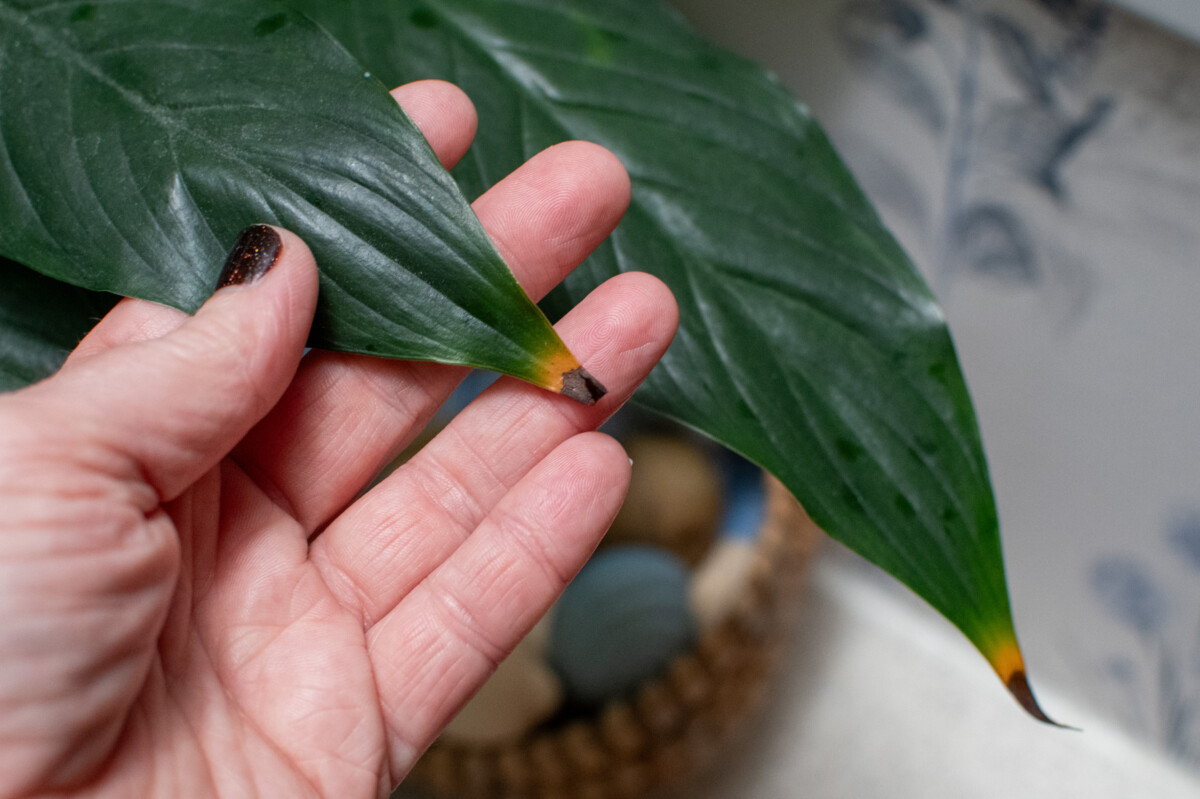
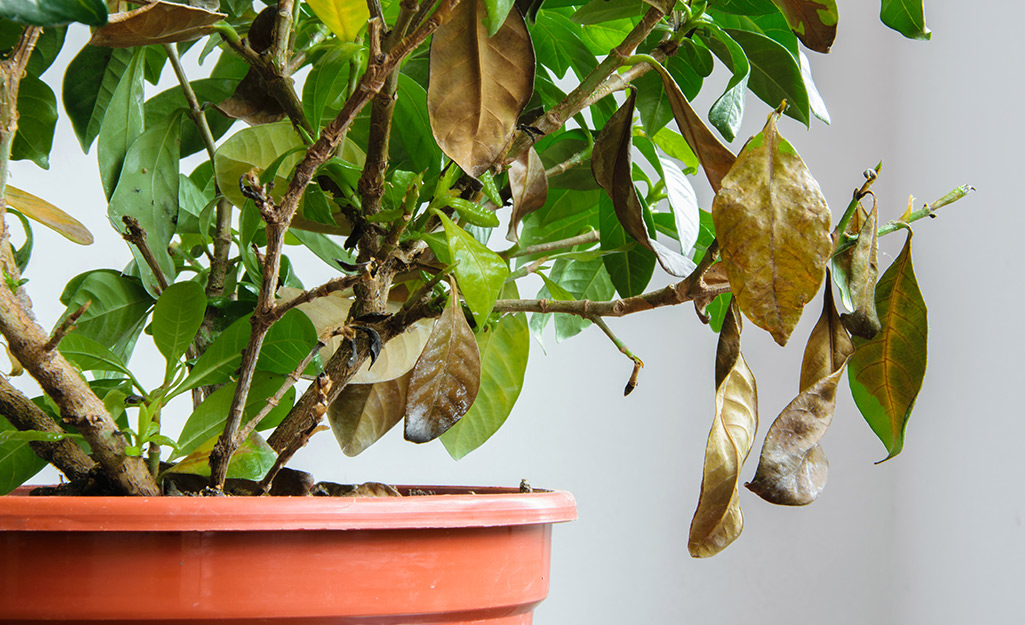
- Dry, Crispy, or Brittle Leaf Edges and Tips 🔥 Brown, papery margins that feel like dry parchment and crumble when touched—often starting at tips and spreading inward. Why? Water is pulled from leaves to conserve what little the roots provide, causing desiccation. Low humidity worsens this. Common in: Fiddle leaf figs, monsteras, dracaenas.
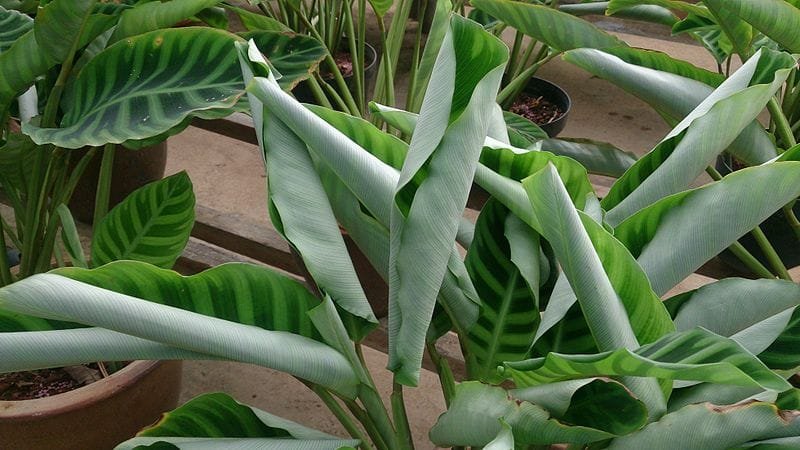
- Curling, Rolling, or Puckered Leaves 🌀 Leaves fold or curl inward/upward, sometimes puckering like they’re trying to hug themselves. Why? A defense mechanism to reduce surface area and transpiration. Common in: Prayer plants (calatheas), ferns, stromanthe.
- Slowed or Stunted Growth + Smaller New Leaves 📉 New leaves emerge tiny, pale, or deformed; stems stretch leggy toward light as the plant prioritizes survival over expansion. Why? Limited water = limited photosynthesis and cell expansion.
- Excessive Leaf Drop (Beyond Normal Shedding) 🍂 Older (lower) leaves yellow completely then drop prematurely; sometimes even newer ones shed. Why? The plant sacrifices older foliage to redirect scarce resources.
- Soil Pulling Away from Pot Edges + Rock-Hard Dry Soil 🪴 Soil shrinks and cracks; gaps form between soil and pot walls. When you poke it, it’s bone-dry even inches down. Why? Repeated extreme drying makes soil hydrophobic (repels water).

- Wrinkled or Shriveled Leaves (Especially Succulents/Cacti) 🥀 Plump leaves/thick stems become thin, wrinkled, or accordion-like. Why? Succulents store water in tissues; chronic lack depletes reserves. Common in: Echeveria, jade plants, string of pearls.

- Subtle Long-Term Clues: Faded Color, Leggy Growth, Pest Attraction 🕵️♀️ Overall dull/pale foliage, stretched stems, and sudden spider mite or mealybug outbreaks (stressed plants attract pests).
If you spot several of these together, chronic thirst is almost certainly the culprit.
How to Confirm Chronic Thirst (Don’t Guess!) 🕵️♀️💧
Guessing leads to more mistakes—like overwatering a stressed plant and causing root rot. Here’s how to diagnose accurately every time.
- The Finger Test (Classic & Free): Stick your finger 2–3 inches into the soil. If it’s bone-dry all the way down, thirst is confirmed. For chronic cases, even if the top feels slightly damp from a recent half-hearted watering, deeper layers often stay parched.
- Chopstick or Wooden Skewer Trick: Poke a clean chopstick or skewer into the soil like checking a cake. Pull it out—if no soil clings and it’s dry, the plant is dehydrated. This reaches deeper than fingers.
- Pot Weight Test: Lift the pot. A chronically thirsty plant feels surprisingly light for its size because water adds significant weight. Compare to when you know it’s well-watered.
- Moisture Meter (Recommended Tool): Invest in a reliable one (around 500–1500 BDT in Dhaka markets or online). Insert the probe; if it reads “dry” consistently across depths, chronic underwatering is likely.
:max_bytes(150000):strip_icc()/spr-moistenland-store-soil-moisture-meter-after-alyssa-biondo-04c-cac3e99a1aac43f5b8e19ee817497c75.jpeg)
- Root Check (Last Resort – Gentle!): If signs are severe and you’re unsure, carefully slide the plant out of its pot. Healthy roots are white/firm; chronically dry ones are brown, brittle, and sparse. Avoid if possible—disturbing roots adds stress.
Here’s a quick comparison table to avoid confusion:
| Symptom | Overwatered | Acute Underwatered | Chronically Underwatered |
|---|---|---|---|
| Leaves | Yellow, mushy, drop easily | Sudden dramatic droop | Persistent droop, crispy tips, curl |
| Soil | Soggy, smells bad | Dry on top only | Bone-dry throughout, shrinks/pulls away |
| Roots | Brown/black, mushy, rotten | White but dry | Brown, brittle, sparse |
| Recovery after water | Worsens (more rot) | Quick perk-up | Slow/partial recovery |

How to Save a Chronically Thirsty Houseplant Fast (Step-by-Step Rescue Guide) 🚀🌿
The rescue is straightforward but requires patience—roots regrow slowly after prolonged stress. Follow this protocol I’ve used successfully on countless plants.
Immediate Hydration Protocol 💦
- Bottom Water First (Best Method for Dry, Hydrophobic Soil): Place the pot in a tray or basin with room-temperature water (never cold—shocks roots). Let it soak 20–60 minutes until the top soil feels moist. This draws water up evenly via capillary action, rehydrating without runoff or air pockets.
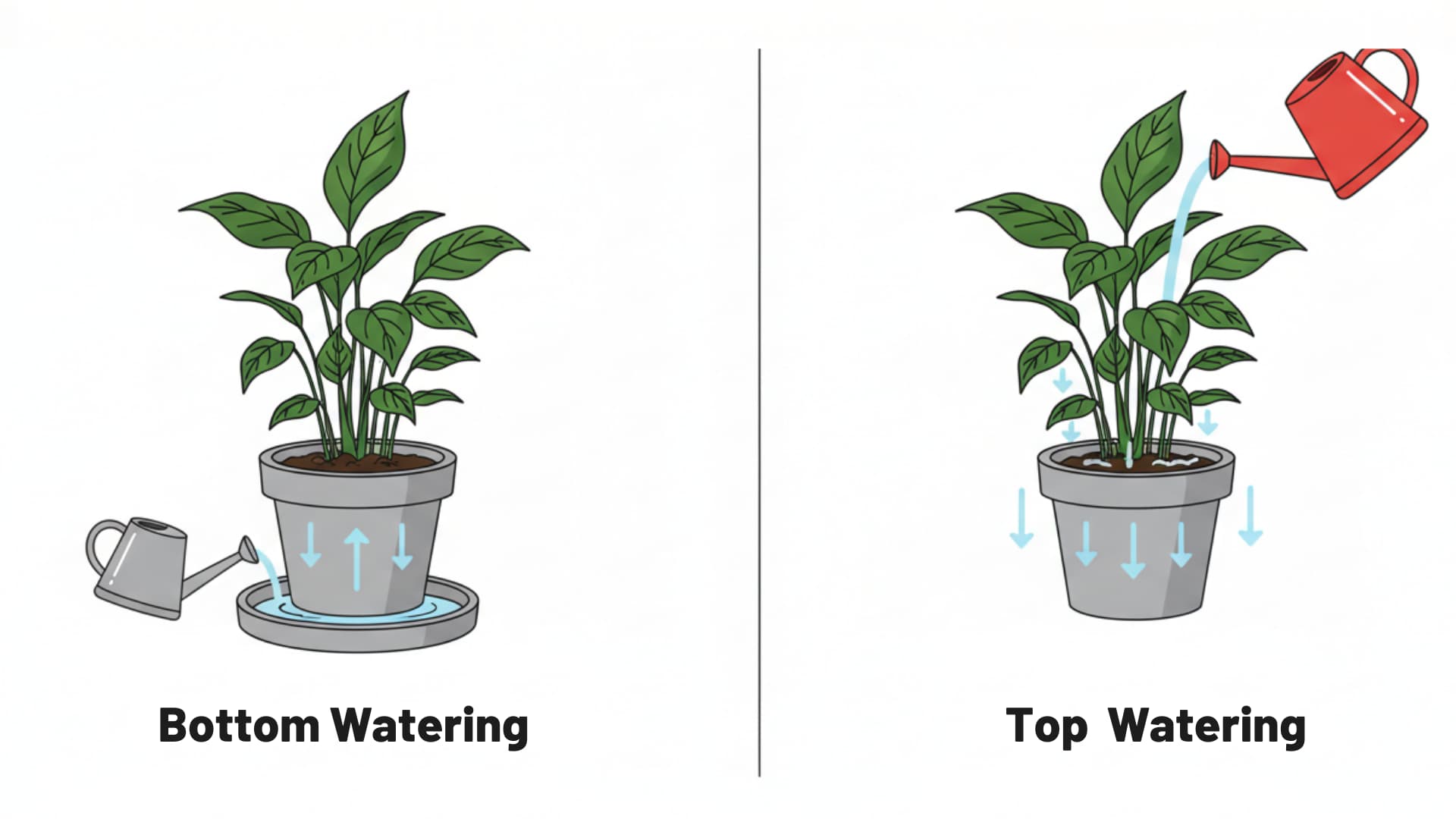
- If Top Watering: Water slowly in small amounts multiple times over an hour to re-wet hydrophobic soil gradually. Use lukewarm water with a few drops of dish soap (breaks surface tension).
Recovery Timeline (Day 1–Week 4)
- Day 1–3: Keep in bright, indirect light (no direct sun—stressed plants burn easily). Boost humidity: pebble tray, humidifier, or group plants together. Mist leaves daily (avoid if fungal issues).
- Week 1: Prune dead/crispy parts with clean scissors to redirect energy. Remove yellow/brown leaves at the base.
- Week 2–4: Water when top 1–2 inches dry (use finger/meter). Fertilize lightly (half-strength balanced liquid fertilizer) only after new growth appears—stressed plants can’t handle full strength.
Repotting When Necessary If soil is compacted/hydrophobic or roots are circling/dry: Repot into fresh, well-draining mix (add perlite/coco coir for moisture retention). Loosen old soil gently.
Special Cases
- Succulents/Cacti: Soak briefly, then dry out completely between—wrinkles plump up in days.
- Tropicals (Calathea, Ferns): High humidity essential during recovery.
- Peace Lily/Fiddle Leaf Fig: Dramatic droopers recover visibly within a week if caught early.
As someone who’s revived plants in Dhaka’s variable indoor conditions (dry winters from heaters, humid monsoons), consistency post-rescue is key—most plants fully recover in 4–8 weeks.
Preventing Chronic Thirst: Build Better Watering Habits 🛡️💦
The best cure is prevention. Once you’ve revived your plant, set up systems so chronic underwatering never happens again. Here are practical, Dhaka-friendly strategies that account for our hot-humid summers, dry winter indoor air, and frequent power cuts (which affect humidifiers).
- Personalized Watering Schedule Forget the “water every 7 days” myth—every plant, pot, light level, and season is different. General rule: Water deeply when the top 1–2 inches (for most houseplants) or top 3–4 inches (succulents) feels dry. Track with a simple notebook or free app like Planta or Greg (they use your location’s weather data too). In Dhaka:
- Summer/monsoon: Check every 4–7 days (high humidity slows drying).
- Winter: Every 10–14 days (AC + heaters dry air fast). ☀️❄️
- Best Tools for Consistency
- Moisture meters — cheap and effective (get one with long probe).
- Self-watering pots or wick systems — great for forgetful days or travel.
- Pebble trays / humidity trays — fill with water + pebbles; evaporation raises local humidity without misting (misting can cause fungal issues on some plants).
- Smart reminders — set phone alarms or use smart plugs for grow lights/humidifiers during load-shedding.
- “Water Deeply but Infrequently” Golden Rule When you do water, soak until it runs out the bottom drainage holes. This encourages deep root growth. Empty saucers after 30 minutes to prevent root rot.
- Group Plants by Thirst Level Create “thirst zones”:
- High thirst: Peace lily, calathea, ferns, fittonia → mist + group together.
- Medium: Pothos, monstera, philodendron → check weekly.
- Low: Snake plant, ZZ, succulents → water sparingly.
- Seasonal & Environmental Adjustments Move plants away from AC vents, heaters, or direct midday sun in summer. In winter, cluster near windows for light but away from cold drafts.
Pro tip from experience: In Dhaka apartments, low indoor humidity (often 30–40% in winter) is the #1 hidden accelerator of chronic thirst—even if you water “on time.” A small humidifier or regular pebble-tray maintenance makes the biggest difference.
(Word count so far: ~2250)
Common Houseplants Prone to Chronic Thirst (And Their Specific Signs) 🌿🔍
Some popular indoor plants hide their thirst better than others. Here’s a quick-reference list with early-warning signs tailored to each:
- Pothos, Snake Plant, ZZ Plant — “Tough” plants that suffer silently. Look for: yellowing lower leaves, slow/no new growth, dull color. They tolerate neglect but eventually show crispy tips.
- Calathea, Prayer Plant, Stromanthe, Ferns — Dramatic drama queens. Curling leaves, brown edges, and dramatic nighttime folding (prayer position fails). High humidity lovers—chronic thirst hits fast.
- Peace Lily — Classic drooper. Leaves flop completely, even young ones may yellow. Revives dramatically with bottom watering.
- Fiddle Leaf Fig, Monstera — Brown crispy edges/tips are the loudest SOS. Leggy growth and smaller new leaves follow if ignored.
- Succulents (Echeveria, Jade, String of Pearls) — Wrinkled, deflated leaves = emergency. They store water, so signs appear late but progress quickly once reserves are gone. 🌵
Knowing your plant’s personality helps you catch issues before major damage.
FAQs: Your Burning Questions Answered ❓🌱
Can an underwatered plant recover fully? Yes—most do, especially if caught before severe root dieback. New growth usually appears within 4–8 weeks of consistent care. Severely damaged leaves won’t revive, but the plant will.
How often should I water in Dhaka’s humid climate? It depends more on indoor conditions than outdoor humidity. Check soil every 5–10 days in summer; 10–14 in winter. Always finger-test rather than calendar.
Is wilting always thirst? No—overwatering, root rot, low light, or pests can mimic it. Use the confirmation methods above to be sure.
What if signs overlap with overwatering? Chronic underwatering rarely overlaps perfectly, but use the comparison table. If in doubt, check roots gently.
Best fertilizers for recovering thirsty plants? Wait until new growth appears, then use half-strength balanced liquid fertilizer (e.g., 20-20-20 or seaweed-based organic) every 4–6 weeks during growing season. Avoid during recovery stress.
Final Thoughts: Turn Thirst into Thriving ❤️🌿
Spotting signs your houseplant is chronically thirsty early and acting quickly can save plants you thought were doomed. The key is consistency: observe regularly, water based on need (not schedule), boost humidity where possible, and give recovering plants time and gentle care.
Your houseplants are more resilient than you think—many have bounced back beautifully in my care after months of neglect. With these tools, you’ll not only rescue thirsty plants but build an indoor jungle that stays lush year-round.
Have you revived a chronically thirsty plant? Drop your story or plant type in the comments—I’d love to hear and offer tailored tips! Subscribe for more Dhaka-friendly plant care guides, troubleshooting, and seasonal advice. Your green friends thank you. 🌱✨











