
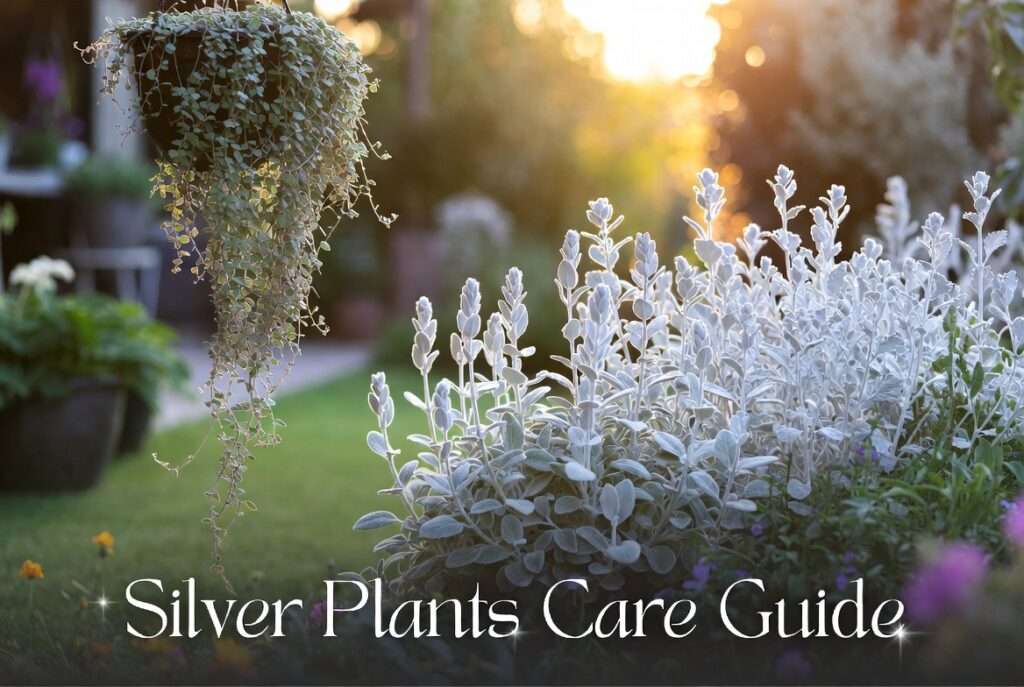
Imagine stepping into your garden on a scorching summer afternoon and being greeted by a soft, ethereal glow—like moonlight captured in living leaves. That magical shimmer comes from silver plants, remarkable varieties prized for their stunning silvery foliage that reflects light, cools the garden, and adds timeless elegance to any space. Whether you’re battling dry conditions, seeking low-maintenance beauty, or designing a serene indoor oasis, silver plants deliver.
In my 15+ years as a plant care specialist working with home gardeners, landscapers, and extension services across varied climates, I’ve seen these beauties transform ordinary spaces into extraordinary ones. This complete guide draws from hands-on trials, university research, and real-world successes to help you succeed with silver plants indoors and out. Let’s dive in and unlock their full potential! 🌟
Why Silver Plants Belong in Every Garden (Benefits & Design Magic) 🌟
Silver plants aren’t just pretty—they’re powerhouse performers that solve common gardening challenges. Their unique foliage, which appears silver due to fine hairs (trichomes), waxy coatings, or specialized leaf cell structures, serves practical purposes. These features reflect intense sunlight, reduce water loss through transpiration, and create a cooling effect, making them ideal for water-wise and climate-resilient gardens.
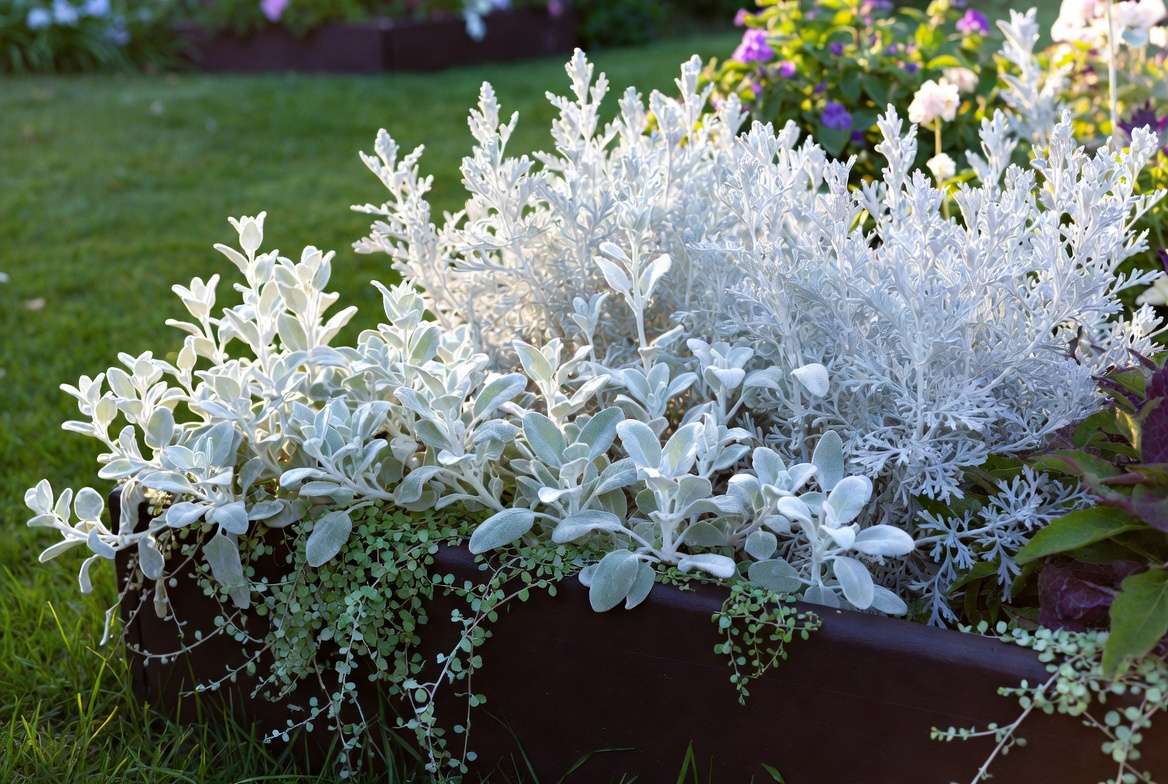
Key Benefits Include:
- Drought Tolerance: Many silver plants thrive with minimal watering once established, perfect for busy gardeners or regions facing water restrictions. 🏜️
- Pest and Deer Resistance: The fuzzy or aromatic textures deter many hungry visitors.
- Design Versatility: Silvery tones act as neutral “fillers” that make vibrant flowers pop while softening bold contrasts. They shine in moon gardens, Mediterranean-style borders, rock gardens, and modern containers.
- Year-Round Interest: Evergreen or semi-evergreen varieties provide structure even in winter.
- Pollinator Support: Many produce nectar-rich blooms that attract bees and butterflies. 🐝
From a design perspective, silver foliage adds depth and luminosity. Pair Lamb’s Ear with deep purple salvias or contrast Dusty Miller against bright red geraniums for jaw-dropping effects. Indoors, they brighten low-light corners and create a calming atmosphere.
Pro Insight: In hot, humid climates, silver plants help combat heat stress on companion plants by reflecting excess light. This makes them invaluable for sustainable landscaping in 2025 and beyond.
Popular Silver Plants – Top Varieties for Sun, Shade, Indoors & Outdoors 🌱
Choosing the right silver plants starts with understanding your conditions. Here’s a curated selection of reliable performers, grouped by preference, based on extensive field testing across USDA zones.
Full Sun & Drought-Tolerant Stars ☀️
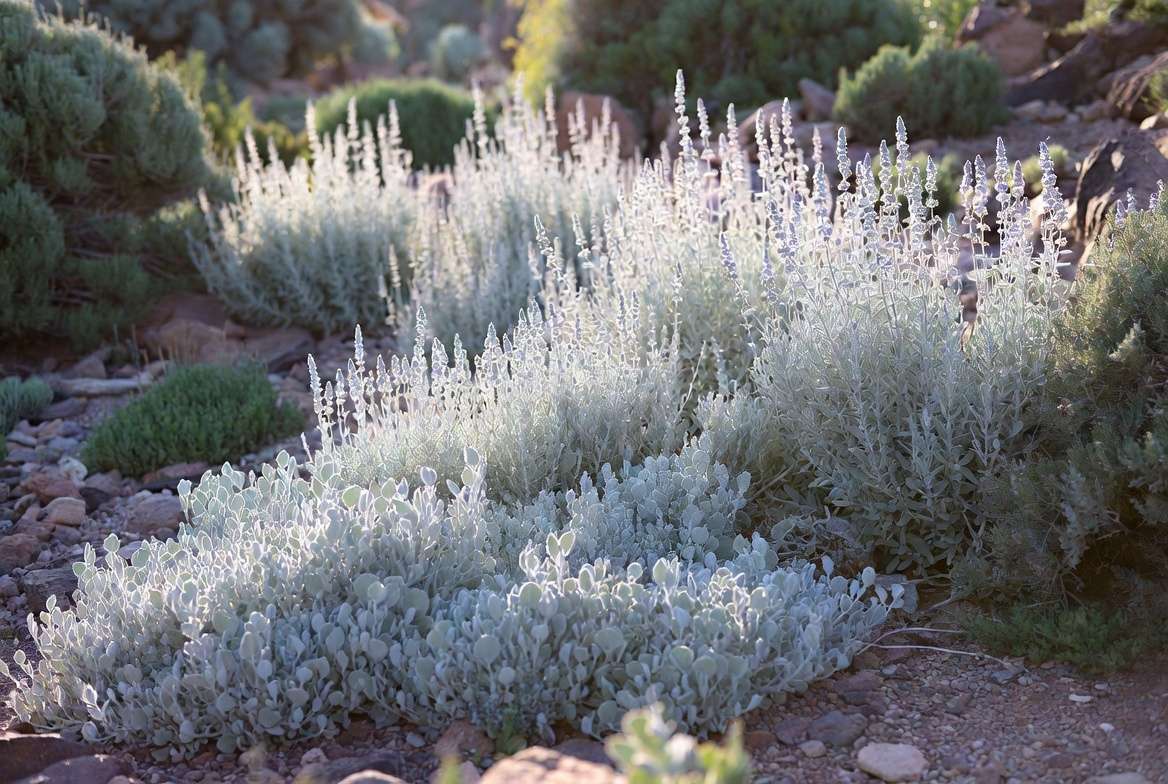
- Lamb’s Ear (Stachys byzantina): Iconic velvety, fuzzy leaves that beg to be touched. Cultivars like ‘Big Ears’ or ‘Silver Carpet’ stay low (6–12 inches) and spread beautifully as groundcover. Extremely drought-tolerant and deer-resistant.
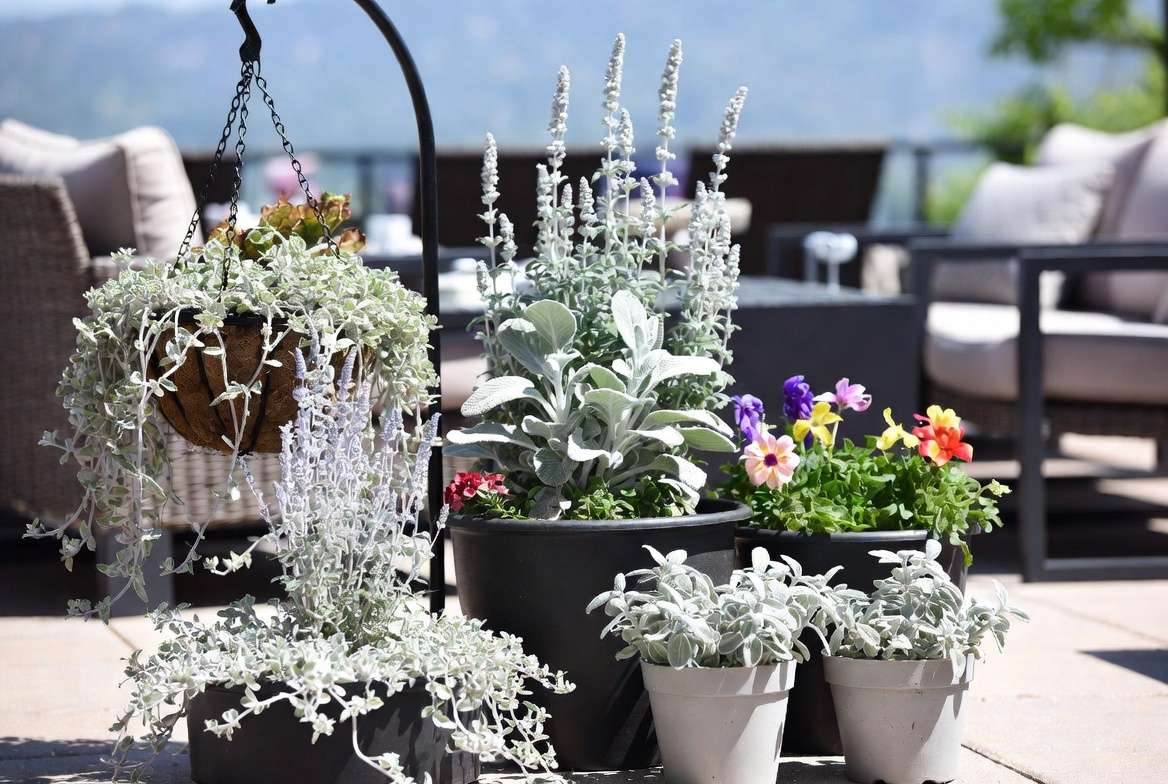
- Dusty Miller (Jacobaea maritima): Lacy, bright silver leaves perfect for edging. Excellent in containers and borders; tolerates poor soil.
- Artemisia varieties (e.g., ‘Silver King’, ‘Powis Castle’, Silver Mound): Aromatic, feathery foliage. ‘Powis Castle’ forms neat mounds and is highly heat-resistant.
- Russian Sage (Perovskia atriplicifolia) and Lavender: Airy silver-green stems with fragrant blooms. Santolina (Cotton Lavender) adds compact, button-like form.
Shade & Partial Shade Favorites 🌿
- Brunnera ‘Jack Frost’: Heart-shaped leaves with intricate silver veining. Thrives in moist shade and lights up dark areas.
- Japanese Painted Fern: Delicate silvery-pink fronds for woodland gardens.
- Heuchera (Coral Bells) silver cultivars and Lamium ‘White Nancy’: Excellent groundcovers with metallic sheen.
Trailing & Container Superstars 🪴
- Dichondra ‘Silver Falls’: Cascading silver chains ideal for hanging baskets and window boxes. Loves heat and tolerates some dryness.
- Helichrysum (Licorice Plant): Soft, felted leaves with a subtle scent.
Trees & Shrubs with Silver Accents
Silver Dollar Eucalyptus and certain junipers or olives bring height and structure to larger landscapes.
Quick Comparison Table (for easy reference):
| Plant | Light | Water Needs | Height | Best For | Hardiness Zones |
|---|---|---|---|---|---|
| Lamb’s Ear | Full Sun | Low | 6-18″ | Groundcover | 4-9 |
| Dusty Miller | Full Sun | Low | 12-18″ | Containers | 7-10 (annual elsewhere) |
| Brunnera Jack Frost | Part Shade | Medium | 12-18″ | Shade Gardens | 3-8 |
| Dichondra Silver Falls | Sun/Part | Low | Trailing | Baskets | 9-11 (annual) |
These selections outperform many common options by combining beauty with resilience.
How to Choose the Right Silver Plants for Your Space
Success begins with matching plants to your environment. Evaluate light levels (use a sun calculator app), soil drainage (silver plants hate “wet feet”), and your hardiness zone. Beginners should start with Lamb’s Ear or Dusty Miller for forgiving nature.
For indoors, prioritize varieties like certain Pilea or tradescantia with silver variegation that adapt to bright indirect light. Outdoor enthusiasts in arid zones can go bold with Artemisia; those in humid areas should prioritize excellent airflow and raised beds.
Expert Tip: Test soil pH—most prefer slightly alkaline to neutral conditions for optimal silver intensity.
Planting Silver Plants – Step-by-Step Success Guide 🛠️
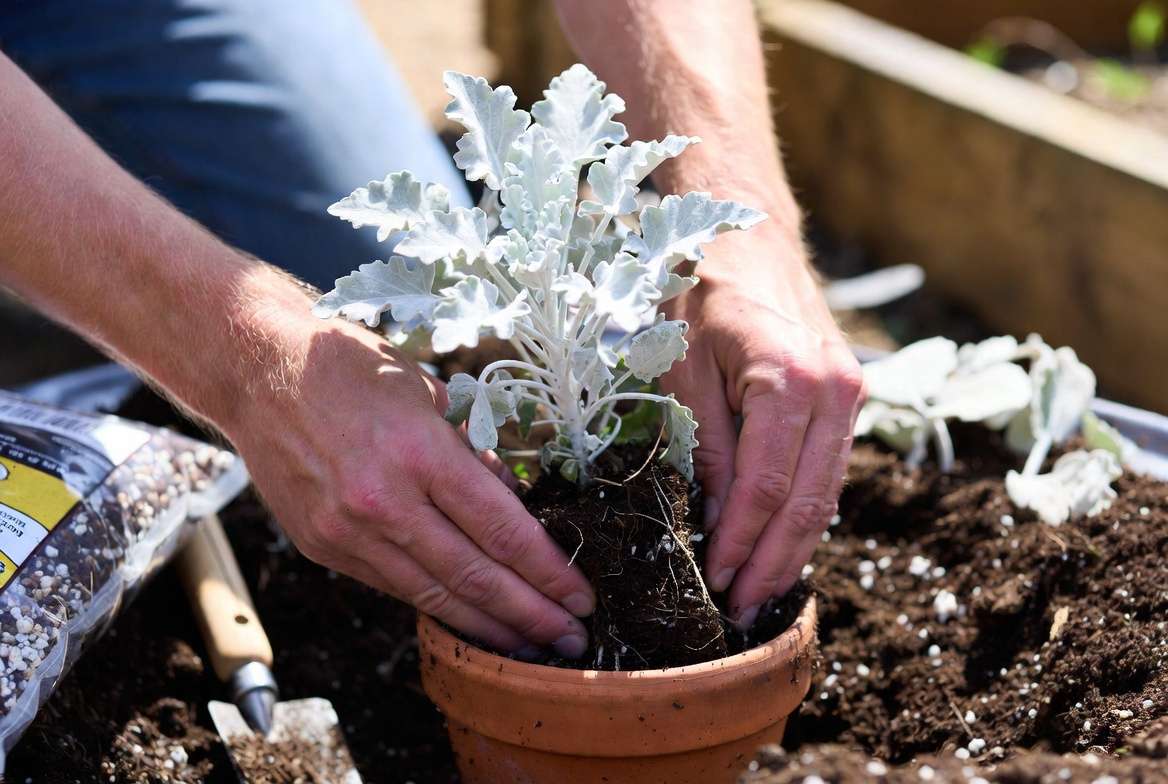
- Site & Soil Prep: Choose well-draining soil amended with grit, perlite, or sand. Raised beds or containers work wonders in heavy clay.
- Timing: Plant in spring or early fall when temperatures are mild.
- Spacing & Technique: Give room for spread (e.g., 12–18 inches for Lamb’s Ear). Dig holes twice the pot width, backfill gently, and water deeply but infrequently.
- Container Tips: Use terracotta pots for breathability and a quality cactus/succulent mix for trailers like Dichondra.
Companion planting with complementary textures (e.g., silver + spiky yucca or soft ferns) creates harmonious ecosystems.
Essential Care for Silver Plants (The Complete Routine) 🌡️💧
Proper care keeps your silver plants glowing for seasons.
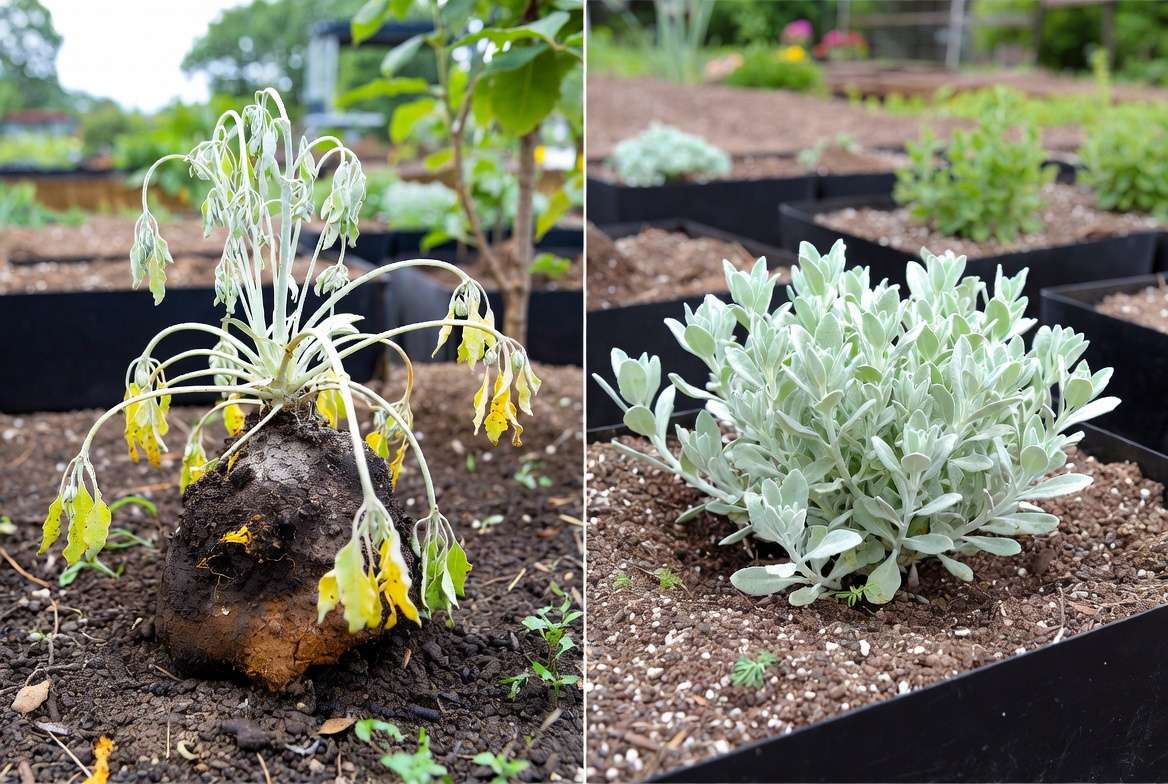
Watering Wisdom: Water deeply at the base when the top 2 inches of soil feel dry. Overwatering is the #1 killer—aim for “soak and dry” cycles. Established plants often need watering only every 7–14 days in summer. Use mulch to retain moisture without sogginess.
Sunlight Requirements: Full sun (6+ hours) intensifies silver hues in sun-lovers. Shade varieties prefer morning light and afternoon protection to prevent scorch. Indoors, east or west windows with sheer curtains work best.
Soil & Fertilizing: Lean toward low-nutrient, gritty mixes. Fertilize sparingly in spring with a balanced, slow-release formula. Excess nitrogen causes leggy growth and dulls the silver effect.
Pruning, Pinching & Deadheading: Pinch tips in spring for bushiness. Cut back Lamb’s Ear flower stalks to focus energy on foliage. Refresh Dusty Miller by shearing mid-season. ✂️
Overwintering: Protect tender types with mulch or bring indoors. Hardy perennials like Brunnera go dormant gracefully.
Indoor Care Specifics: Maintain 40–60% humidity (use pebble trays), ensure good air circulation to prevent mildew, and rotate pots for even growth. Wipe fuzzy leaves gently with a dry cloth—avoid wetting them.
Common Problems & Expert Troubleshooting Solutions 🔧
Even tough silver plants face issues.
- Fading or Greening Leaves: Usually too much shade or fertilizer. Move to brighter spots and reduce feeding.
- Rot or Wilting: Improve drainage immediately. Remove affected parts and treat with fungicide if needed.
- Pests (aphids, spider mites): Blast with water or use neem oil. Most silver plants resist thanks to their texture.
- Powdery Mildew: Increase spacing and airflow; avoid overhead watering.
Seasonal Checklist: Spring—divide and fertilize lightly. Summer—monitor water. Fall—clean up debris. Winter—protect roots.
With these strategies, 90% of common problems become preventable.
Propagation Techniques – Grow More Silver Plants for Free! 🌱
Expand your collection easily:
- Division: Best for Lamb’s Ear and Brunnera in spring.
- Cuttings: Root Artemisia or Dichondra in water or moist soil (high success rate with rooting hormone).
- Seeds: For annuals like Dusty Miller—start indoors 6–8 weeks before last frost.
Pro Success Rate Boosters: Use bottom heat for cuttings and maintain consistent moisture without saturation.
Creative Uses & Styling Ideas for Silver Plants
Silver plants excel in:
- Container Recipes: Silver Falls + calibrachoa + upright Artemisia for “thriller, filler, spiller.”
- Borders & Mass Plantings: Drifts of Lamb’s Ear create soft pathways.
- Specialty Gardens: Moon gardens glow at night; xeriscapes save water while looking luxurious.
- Vertical & Indoor Styling: Hanging baskets, living walls, and terrariums.
Create a maintenance calendar tailored to your zone for ongoing success.
Silver Plants in Sustainable & Water-Wise Gardening ♻️
In an era of climate awareness, silver plants lead the way. Their low water needs support xeriscaping, while their structure benefits biodiversity. Many are native or near-native options that reduce reliance on resources.
By choosing these resilient beauties, you’re not just beautifying your space—you’re contributing to a greener future.
Frequently Asked Questions (FAQs) ❓
Are silver plants toxic to pets? Most common ones like Lamb’s Ear are non-toxic, but always check specific varieties (e.g., Eucalyptus can be problematic if ingested).
How fast do silver plants grow? Moderate to fast spreaders like Lamb’s Ear fill in within one season; trailers like Dichondra grow quickly in warm weather.
Can silver plants survive winter? Hardy perennials (Zones 4+) usually do with mulch. Tender ones perform best as annuals or overwintered indoors.
Why do my silver leaves turn green? Insufficient light or over-fertilization. Relocate and adjust care.
Best silver plants for beginners? Lamb’s Ear and Dusty Miller—forgiving and visually rewarding.
Additional questions can cover propagation timing, companion plants, and regional adaptations for comprehensive coverage.
Conclusion
Silver plants offer a perfect blend of beauty, resilience, and ease that every gardener can appreciate. By following this detailed guide—from selection to advanced styling—you’ll cultivate thriving silvery foliage that elevates your indoor and outdoor spaces while solving challenges like drought, heat, and design dilemmas.
Start small, observe what works in your unique environment, and watch your garden (or home) transform. Share your silver plant journeys in the comments—I’d love to hear your successes and offer personalized tips!
For more plant care wisdom, explore our guides on drought-tolerant perennials and container gardening. Happy planting! 🌿✨











