
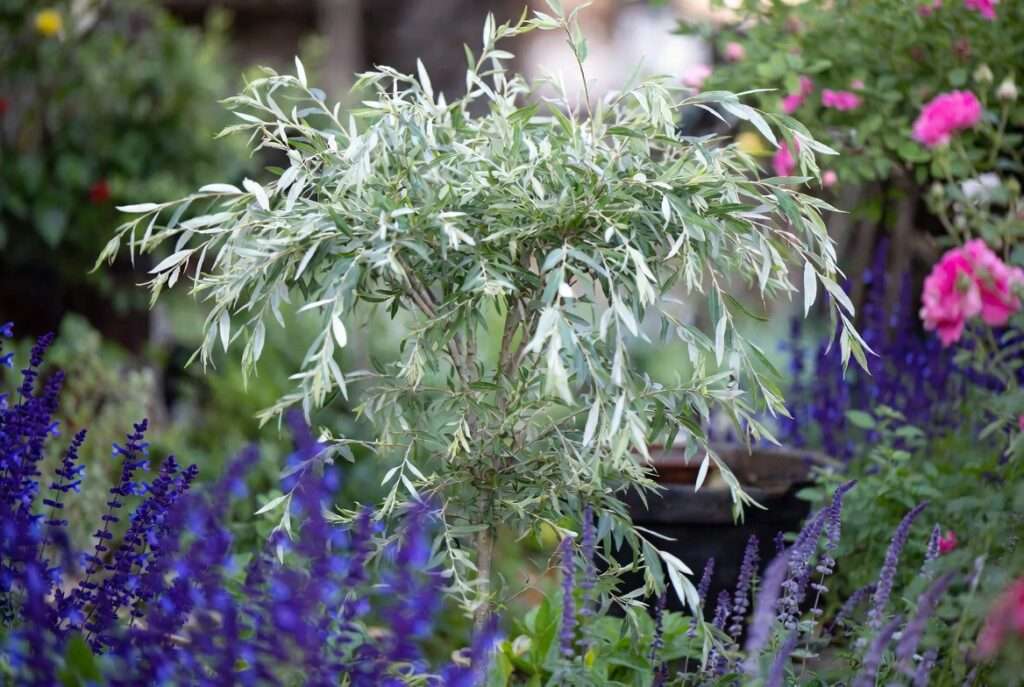
If you’ve ever thought “I wish I could grow a willow but my space is too small,” you’re not alone. The good news? A small willow tree can be the perfect solution — delivering all the charm, wildlife benefits, and fast growth of its larger cousins without taking over your garden.
As a certified arborist with 15+ years helping urban gardeners transform cramped plots into peaceful green sanctuaries, I’ve planted, pruned, and nurtured dozens of compact willows. This complete guide is packed with practical, step-by-step advice that actually works in real small spaces — whether you’re in a balcony container, raised bed, or narrow backyard. By the end, you’ll know exactly how to choose, plant, care for, and prune your small willow tree so it thrives for years. Let’s get your dream tree growing! 🌱🐝
1. Understanding the Small Willow Tree: Varieties Perfect for Tiny Spaces
What Exactly Is a Small Willow Tree? Small willow trees (from the Salix genus) are specially selected dwarf, compact, or slow-growing cultivars that stay under 10–15 feet tall and wide at maturity — perfect for today’s space-conscious gardeners. Unlike massive weeping willows that can reach 50+ feet, these beauties are bred or naturally suited for patios, courtyards, and urban gardens. They still offer the iconic graceful form, fuzzy catkins in spring, and fast growth that makes willows so beloved.
Top Dwarf & Compact Willow Varieties for Small Gardens Here are my top recommendations based on real-world performance in small spaces (all hardy in USDA zones 4–9 unless noted):
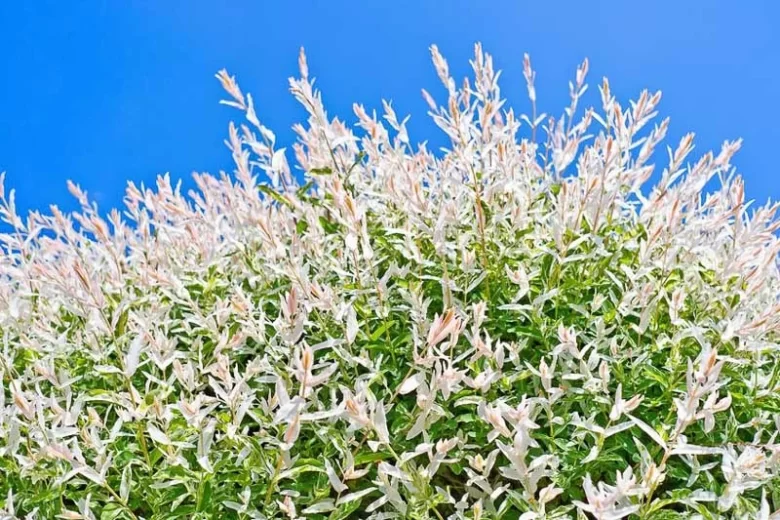
- Salix integra ‘Hakuro Nishiki’ (Dappled Willow) – This showstopper features stunning variegated pink, white, and green leaves that look like living confetti. Max height 4–6 ft. Loves full sun to part shade and makes a gorgeous focal point or hedge.
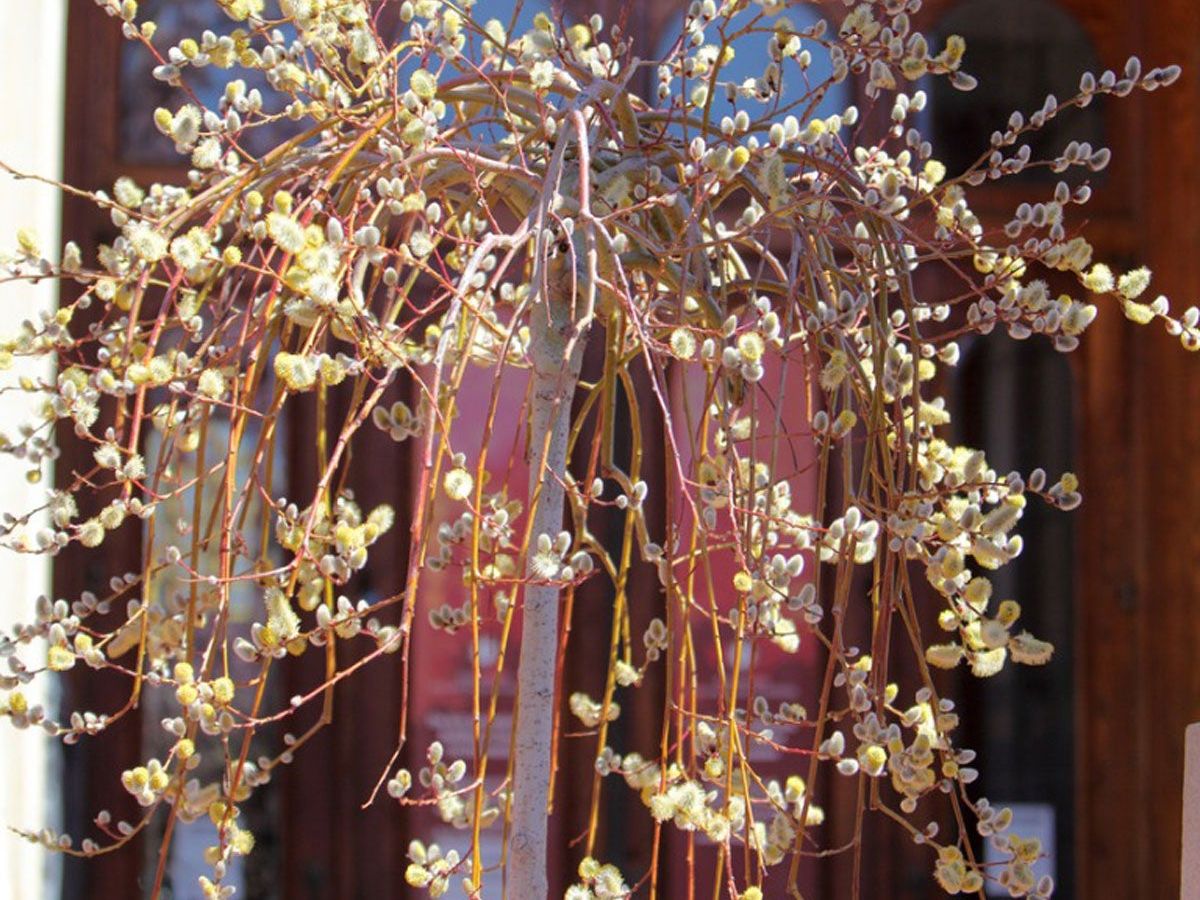
- Salix caprea ‘Kilmarnock’ (Weeping Pussy Willow) – A charming weeping form with silky silver catkins in early spring that bees adore. Stays 5–8 ft tall and works beautifully in containers.
- Salix purpurea ‘Nana’ (Dwarf Purple Osier Willow) – Ultra-compact (3–5 ft) with striking purple stems and fine foliage. Excellent for low hedges or rock gardens and incredibly tough.

- Salix repens (Creeping Willow) – A ground-hugging option that spreads gently rather than growing tall — ideal for rockeries or underplanting larger pots.
Why These Small Willows Succeed Where Big Ones Fail
| Variety | Mature Height | Spread | Growth Rate | Best For | USDA Zones |
|---|---|---|---|---|---|
| Hakuro Nishiki | 4–6 ft | 4–6 ft | Medium | Colorful accent | 5–9 |
| Kilmarnock Pussy Willow | 5–8 ft | 5–8 ft | Medium | Containers & patios | 4–8 |
| Nana Purple Osier | 3–5 ft | 3–5 ft | Slow | Hedges & borders | 3–8 |
| Creeping Willow | 1–2 ft | 4–6 ft | Slow | Ground cover | 2–7 |
These compact varieties won’t outgrow your fence or crowd your seating area, yet they deliver the same air-purifying, mood-boosting benefits as larger willows.
Quick Facts & Benefits for Urban & Small-Space Gardeners 🌿 Fast growth: Up to 2 ft per year once established — instant gratification! 🐝 Wildlife magnet: Early catkins feed bees and butterflies; birds love the shelter. 🛡️ Erosion control & privacy: Dense foliage creates natural screens. 🌍 Eco-friendly: Excellent carbon sequesters and thrive in wet or poor soils. 🧘 Therapeutic bonus: Studies show the sound and sight of willows reduce stress — your own little zen corner.
2. Why a Small Willow Tree Is the Perfect Choice for Your Garden
7 Reasons Small Willow Trees Belong in Every Compact Garden
- Instant visual drama 🌟 – Those cascading branches and shimmering leaves turn any small space into a fairytale nook.
- Low-maintenance once established – Water deeply the first year, then mostly sit back and enjoy.
- Four-season interest – Fuzzy spring catkins, lush summer foliage, golden autumn color, and striking winter bark.
- Excellent for containers & raised beds – Thrives in pots with proper drainage (more on this soon!).
- Supports biodiversity – A single small willow can host dozens of beneficial insects.
- Budget-friendly results – Quick growth means you get big impact without waiting decades.
- Mood-boosting magic – The gentle movement and soft sounds create a calming oasis in busy lives.
Real gardener story: My client Sarah in a 12×15 ft London courtyard planted a Hakuro Nishiki two years ago. Today it’s her favorite morning coffee spot, attracting butterflies and blocking neighbor views perfectly — all without stealing walkway space.
3. Step-by-Step Planting Guide for Small Willow Trees
When & How to Plant Your Small Willow Tree Best Planting Seasons & Timing by Climate
- Spring (March–May): Ideal for most regions — roots establish before summer heat.
- Fall (September–October): Great if you have mild winters; soil stays warm for root growth. Avoid midsummer heat or deep winter freezes.
Site Selection Checklist ✅ Full sun to part shade (at least 4–6 hours direct sun) ✅ Shelter from strong winds (willows love moisture but hate drying gusts) ✅ Well-draining yet moisture-retentive soil ✅ Space for mature size (check variety chart above) ✅ Near a water source — willows are thirsty!
Soil Preparation Secrets for Happy Roots Willows adore consistently moist, slightly acidic to neutral soil (pH 5.5–7.0). Mix in plenty of organic compost or well-rotted manure. For heavy clay, add horticultural grit to improve drainage and prevent root rot.
Container vs. In-Ground Planting (with diagrams in mind) Containers are perfect for balconies — choose pots at least 18–24 inches wide and deep with drainage holes. In-ground planting gives more natural moisture access but requires amending the soil first.
Step-by-Step Planting Instructions
- Dig a hole twice as wide as the root ball and just as deep.
- Gently loosen roots and place the tree so the soil mark on the trunk sits level with ground.
- Backfill with amended soil, firming gently to remove air pockets.
- Water deeply until it drains out the bottom.
- Add 2–3 inches of organic mulch in a doughnut shape (keep away from trunk).
Immediate Aftercare (First 30 Days) Water every 2–3 days (more in heat) to keep soil consistently moist but not soggy. Stake lightly if windy. Watch for transplant shock — new growth usually appears within 2–3 weeks.
4. Complete Care Routine: Keep Your Small Willow Thriving 🌿💧
Daily, Weekly & Seasonal Care Schedule Once your small willow tree is planted, consistent care in the first 1–2 years makes all the difference. Here’s a practical schedule I give all my clients:
- Daily (first month): Check soil moisture — it should feel like a wrung-out sponge.
- Weekly: Deep watering + visual inspection for pests.
- Seasonal: Adjust based on weather and growth stage.
Watering Rules (The “Goldilocks” Method) Willows are moisture lovers but hate soggy roots. Water deeply and infrequently rather than shallow daily sprinkles. Aim to keep the top 2–3 inches of soil consistently moist, especially during the growing season.
In hot weather or containers, you may need to water every 1–2 days. A simple trick: Stick your finger 4 inches into the soil — if it’s dry, water slowly until it drains from the bottom. Mulch heavily to retain moisture and reduce evaporation.

Fertilizing for Lush Growth Without Overfeeding Small willows aren’t heavy feeders. In spring, apply a balanced, slow-release organic fertilizer (like 10-10-10) or compost tea. Avoid high-nitrogen formulas after midsummer — they encourage soft growth prone to pests. For container-grown trees, fertilize lightly every 6–8 weeks during the growing season.
Sunlight, Temperature & Humidity Needs Most compact varieties prefer full sun (6+ hours) but tolerate part shade. They thrive in humid conditions and handle temperatures from -20°F to 90°F+ depending on the cultivar. In very hot, dry climates, provide afternoon shade and extra mulch.
Mulching & Weed Control Tricks Apply 2–4 inches of organic mulch (wood chips, shredded bark, or compost) in a wide ring around the base, keeping it 2–3 inches away from the trunk to prevent rot. This keeps roots cool, retains moisture, and suppresses weeds naturally. Refresh mulch annually in spring.
Winter Protection for Cold Climates ❄️ In zones 3–5, wrap young trunks with burlap or tree guards to prevent frost cracking and sunscald. For potted willows, move containers to a sheltered spot or insulate with bubble wrap and straw. Water lightly before the ground freezes so roots don’t dry out.
Expert Pruning Techniques for Small Willows ✂️ Pruning is the secret to keeping your small willow tree compact, healthy, and beautifully shaped. Done right, it encourages bushier growth and prevents it from outgrowing its space.
Why & When to Prune (Seasonal Calendar)
- Late winter/early spring (before bud break): Best time for structural pruning and size control.
- Summer (June–July): Light shaping and removal of damaged branches.
- Avoid late fall — fresh cuts can invite disease in cold weather.
Tools You Actually Need
- Sharp bypass pruners for small stems
- Loppers for thicker branches
- Pruning saw for older wood
- Disinfect tools with rubbing alcohol between cuts
Step-by-Step Pruning for Shape & Size Control
- Remove any dead, damaged, or crossing branches first.
- Thin out crowded areas to improve air circulation.
- Cut back long, leggy shoots by 1/3 to 1/2 to encourage bushiness.
- For weeping varieties like ‘Kilmarnock’, maintain the umbrella shape by trimming below the graft union carefully.

Advanced Techniques: Pollarding & Coppicing for Tiny Spaces Pollarding (cutting all branches back to a “knuckle” every few years) keeps dwarf willows very small and produces vibrant new stems with colorful foliage. Coppicing (cutting to ground level) works well for shrubby types like ‘Nana’ and rejuvenates the plant. Both techniques are excellent for controlling size in containers or narrow beds.
Common Pruning Mistakes & How to Avoid Them
- Cutting too late in the season → leads to weak growth.
- Leaving stubs → invites disease.
- Over-pruning in one go → stresses the tree. Always prune no more than 25–30% of the canopy in a single year.
5. Troubleshooting: Solve Problems Before They Start 🛠️
10 Most Common Small Willow Tree Problems & Fixes
| Symptom | Likely Cause | Organic Solution | Prevention Tip |
|---|---|---|---|
| Yellowing leaves | Overwatering / poor drainage | Improve drainage, reduce watering | Always check soil before watering |
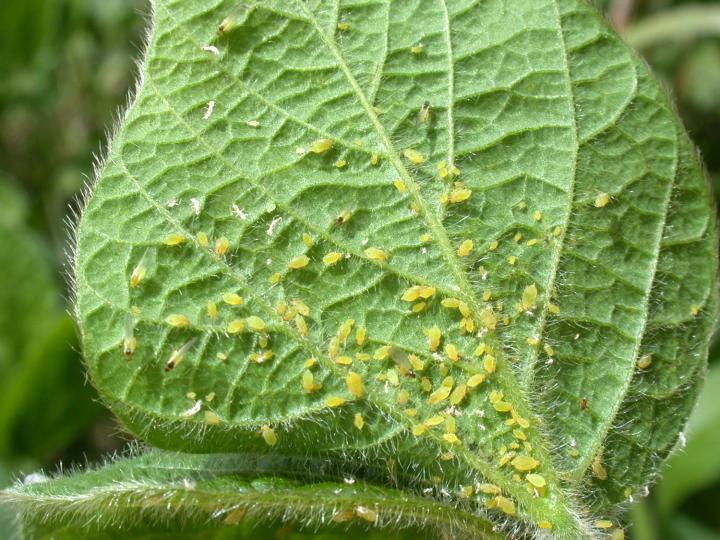
| Sticky leaves + curling | Aphids | Blast with water hose or use neem oil | Encourage ladybugs & lacewings |
| Black sooty mold | Honeydew from insects | Treat underlying pests | Regular inspection |
| Wilting despite water | Root rot | Remove affected roots, repot if needed | Ensure excellent drainage |
| Brown leaf edges | Underwatering or wind scorch | Deep water + wind protection | Mulch generously |
| Sparse growth | Nutrient deficiency | Apply compost or balanced fertilizer | Annual soil test |
| Fungal spots | High humidity + poor airflow | Prune for circulation, apply fungicide | Space properly |
Pest & Disease Prevention Calendar
- Spring: Inspect new growth for aphids.
- Summer: Monitor for fungal issues after rain.
- Fall: Clean up fallen leaves to reduce overwintering spores.
Use only pet-safe, organic solutions like insecticidal soap, neem oil, or horticultural oil. Healthy, properly sited small willows rarely have major issues when cared for consistently.
6. Propagation & Expansion: Grow More Small Willows for Free 🌱
Easy Ways to Multiply Your Small Willow Tree Willows are among the easiest trees to propagate — often rooting in water within weeks!
Cuttings Method (95% Success Rate)
- In late winter or early spring, take 6–12 inch semi-hardwood cuttings from healthy branches.
- Remove lower leaves, dip in rooting hormone (optional).
- Place in a jar of water or moist potting mix in a bright, indirect light spot.
- Change water every few days. Roots usually appear in 2–4 weeks.
- Transplant once roots are 1–2 inches long.
Layering Technique Bend a low flexible branch to the ground, wound the bark slightly, and cover with soil. Keep moist. New roots form along the buried section within months — then sever from the parent plant.
Seed Starting (When It’s Worth It) Less reliable for named cultivars, but fun for experimentation. Sow fresh seeds on moist soil in spring — they germinate quickly but may not stay true to the parent variety.
7. Creative Landscaping Ideas with Small Willow Trees 🎨
Design Tips to Maximize Your Tiny Garden A well-placed small willow tree becomes the star of any compact space. Use it as a focal point near a seating area, or plant several in a row for a living privacy screen.
Companion Plants That Love Small Willows 🌸 Hostas and ferns (shade lovers under the canopy) 🌺 Ornamental grasses for movement contrast 🌷 Spring bulbs (crocus, daffodils) for early color 🪻 Salvia, catmint, and lavender for pollinators and fragrance 🌹 Roses pair beautifully with dappled willows for cottage-garden charm

Container Garden Designs Pair a weeping pussy willow with trailing petunias or ivy in a large pot for a romantic balcony display.

Privacy Screen & Focal Point Ideas Plant ‘Nana’ purple osier in a narrow bed along a fence for a soft, colorful hedge. Use ‘Hakuro Nishiki’ near a water feature — the reflection doubles the visual impact.
Seasonal Display Calendar
- Spring: Fuzzy catkins + fresh variegated leaves
- Summer: Lush greenery and gentle shade
- Fall: Golden yellow foliage
- Winter: Striking stems and structure
8. FAQs About Small Willow Trees ❓
How tall does a small willow tree get? Most dwarf varieties stay between 3–8 feet tall and wide at maturity, making them ideal for small gardens and containers.
Can I grow a small willow tree in a pot? Yes! Choose a large container with excellent drainage. ‘Hakuro Nishiki’ and ‘Kilmarnock’ perform especially well in pots. Water more frequently and fertilize lightly.
Are small willow trees invasive? Selected compact cultivars are far less aggressive than wild weeping willows. Plant responsibly and avoid near natural waterways.
How fast do small willow trees grow? Expect 1–2 feet of growth per year once established, faster in ideal moist conditions.
Do small willows need full sun? They prefer full sun but tolerate part shade. More sun usually means brighter foliage color and denser growth.
Why are the leaves on my small willow turning yellow? Common causes include overwatering, poor drainage, or nutrient issues. Check soil moisture and drainage first.
(Additional FAQs can be added based on reader questions over time.)
Conclusion: Your Small Willow Tree Journey Begins Now 🌳✨
You now have a complete, expert-backed roadmap to successfully grow and enjoy a beautiful small willow tree in even the tiniest garden or balcony. From choosing the right compact variety to mastering pruning and troubleshooting, these practical steps will help you create a peaceful, wildlife-friendly green oasis that brings joy for years.
Remember: Consistency in the first year is key — deep watering, proper mulching, and thoughtful pruning will reward you with a healthy, graceful tree that feels like a living piece of art.
Free Printable Bonus: Download my “Small Willow Tree Care Checklist & Seasonal Calendar” (link in comments or signup box).
Share your small willow success story or photos in the comments — I love seeing how these graceful trees transform compact spaces! Have questions? Ask below and I’ll happily help.
Happy planting — your peaceful willow corner awaits! 🌿🐝











