
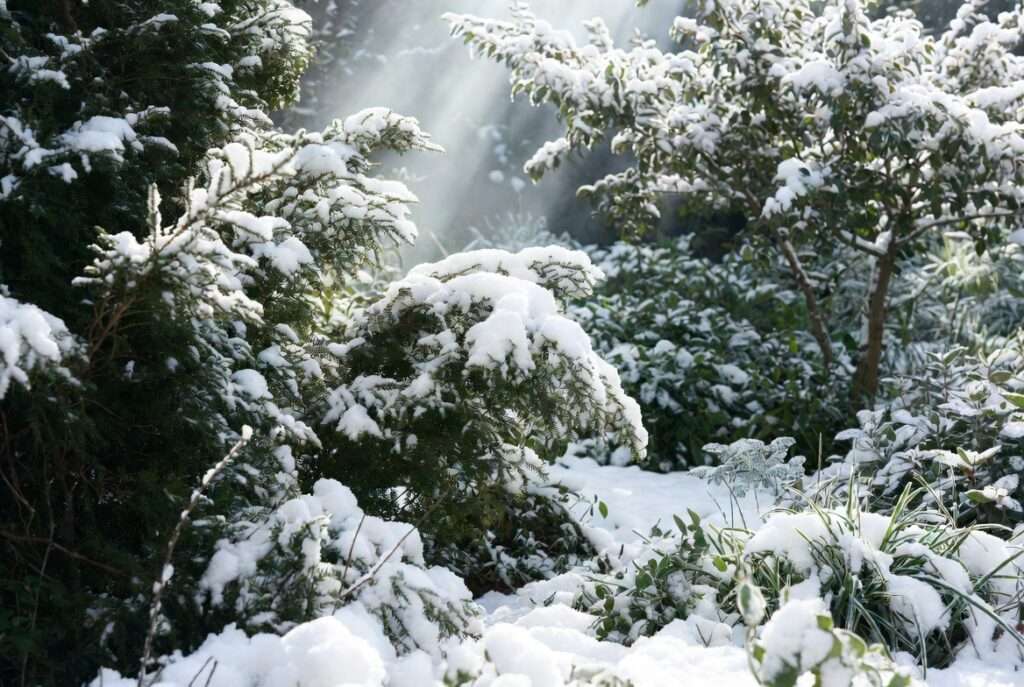
Imagine stepping outside on a crisp winter morning to a magical scene: your garden and trees draped in a pristine white blanket of fresh snow. It looks peaceful and picture-perfect — until a wave of worry hits. “Is this snow on plants helping them survive the cold, or is it quietly causing hidden damage that will show up in spring?” ❄️
You’re not alone in asking this. Every winter, countless gardeners and plant lovers search for answers about snow on plants, wondering whether to brush it off, leave it alone, or take preventive action. The truth is, snow can be both a friend and a foe depending on its type, depth, and your plants’ condition.
In this comprehensive guide, we’ll dive deep into the science, benefits, risks, and proven strategies for handling snow on plants and trees. Drawing from horticultural research and real-world gardener experiences, you’ll learn exactly when snow acts as a cozy insulator and when it becomes a heavy burden. By the end, you’ll have practical, expert-backed plant care tips to protect your garden, minimize damage, and help your plants bounce back stronger. Let’s clear the snow and get to the roots of the matter! 🌱
The Science Behind Snow on Plants: Good, Bad, or Both? ❄️🔬
Snow isn’t just frozen water — it’s a natural insulator packed with air pockets that trap heat and moderate temperatures. This “igloo effect” explains why a layer of snow can keep soil and plant roots significantly warmer than bare ground during harsh freezes.
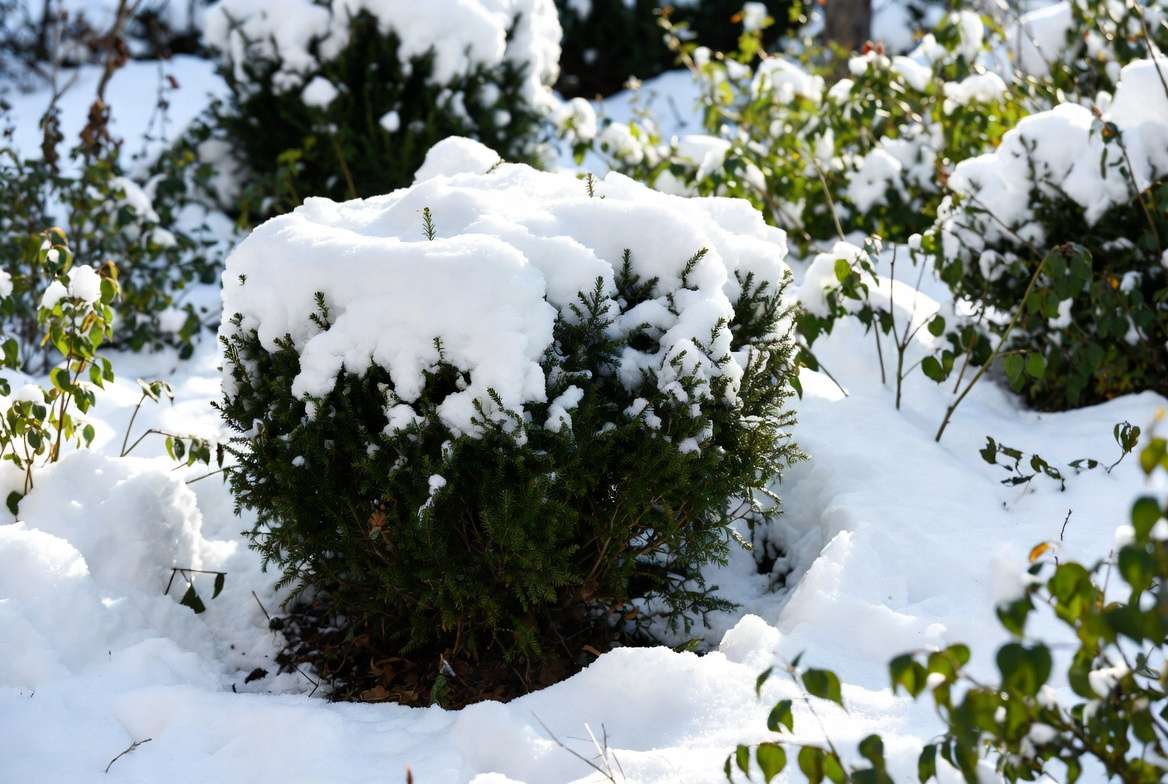
University extension services, such as those from Wisconsin Horticulture and Iowa State University, consistently highlight that snow reduces frost depth in the soil and protects against damaging freeze-thaw cycles. These cycles cause frost heaving, where soil repeatedly expands and contracts, pushing roots, crowns, and bulbs out of the ground and exposing them to drying winds and colder air.
LSI terms like winter protection, cold hardiness, soil insulation, and frost damage come into play here. Even 4–10 inches of snow can create a dramatic temperature buffer — research from Rutgers University shows that 9 inches of snow can raise ground-level temperatures by as much as 42°F compared to exposed soil. That’s like giving your plants a fluffy down comforter during the coldest nights!
Snow also provides a slow-release moisture source as it melts in spring, helping rehydrate roots after dry winter winds. Additionally, it can deposit trace nitrogen absorbed from the atmosphere, acting as a gentle “poor man’s fertilizer” for your garden beds.
However, not all snow is created equal. Light, fluffy “powder” snow is usually beneficial, while heavy, wet snow (which can weigh 15–20+ pounds per cubic foot) adds dangerous weight that stresses branches and stems.
When Snow Is Good for Your Plants – The Benefits 🌨️✅
For most dormant perennials, bulbs, groundcovers, strawberries, and the root systems of trees and shrubs, a moderate blanket of snow on plants is highly beneficial. Here’s why:
- Superior Soil Insulation: Snow’s low thermal conductivity keeps soil temperatures stable, protecting roots from extreme cold snaps that would otherwise penetrate deeper without cover. Without snow, roots of even hardy plants can suffer damage, leading to weakened growth or dieback the following season.
- Protection from Winter Desiccation and Wind: Dry winter winds can suck moisture from evergreen foliage and bark. Snow shields plants, reducing “winter burn” — that ugly browning often seen on boxwoods, rhododendrons, and arborvitae.
- Prevention of Frost Heaving: By minimizing rapid temperature swings, snow keeps roots anchored safely in the soil.
- Moisture Reservoir for Spring: As snow melts gradually, it delivers deep, consistent watering exactly when plants need it to break dormancy.
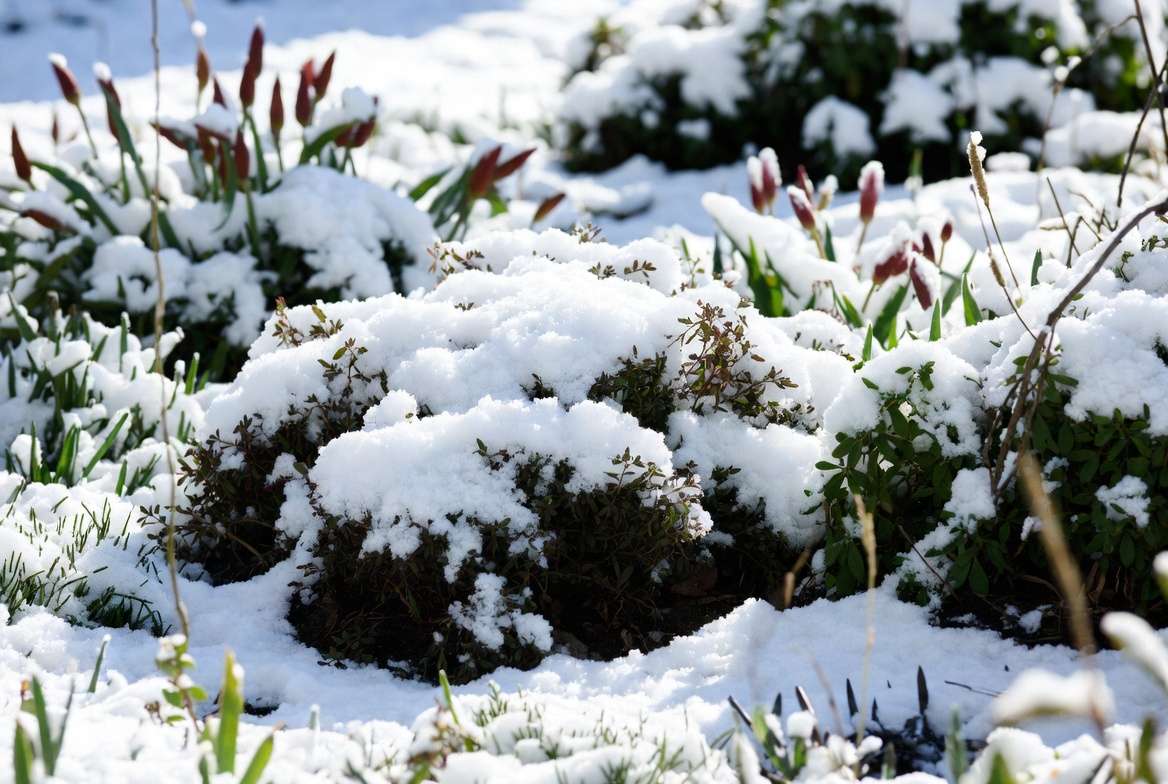
Real-world observation confirms this: regions that experienced snow-scarce winters in recent years reported more root damage and plant loss compared to areas with consistent snow cover, even during similar cold temperatures.
Pro Tip 🌟: Low-growing perennials and bulbs often thrive under snow because it mimics the natural mulch they would receive in the wild.
When Snow Becomes a Problem – The Risks and Damage ❄️⚠️
While light snow is usually a blessing, heavy or prolonged accumulation shifts the balance toward risk. The primary concern is mechanical damage from weight.
Heavy, wet snow bends or breaks branches, especially on upright evergreens like arborvitae, junipers, yews, and multi-stemmed shrubs. Broadleaf evergreens such as rhododendrons and boxwoods are also vulnerable because their dense foliage catches and holds snow. Young or newly planted trees with weak structure face higher risks of splitting at the crotch or permanent deformation.
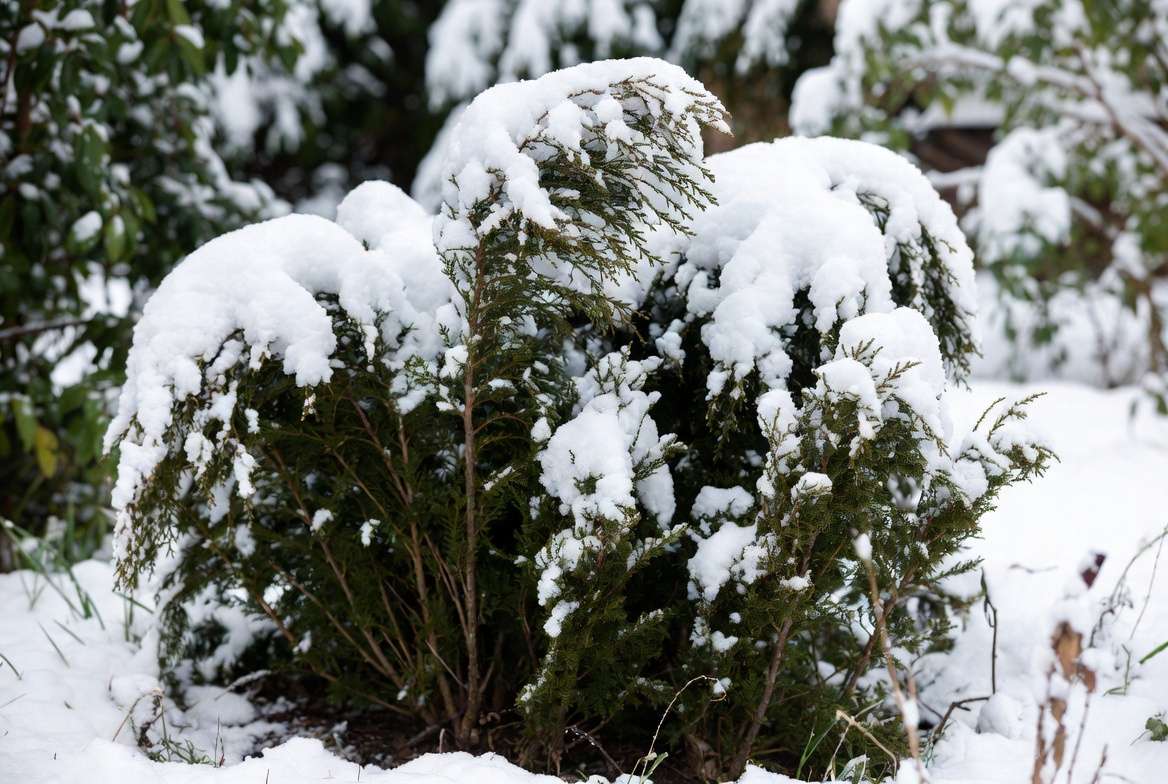
Ice vs. Snow: Ice is often more damaging than snow because it forms a solid, heavy coating that doesn’t easily slide off. Snow, especially fluffy types, is lighter and more likely to shed naturally.
Other potential issues include:
- Blocked sunlight that can slightly delay spring emergence of bulbs and perennials.
- Increased vole activity under deep snow (these rodents may gnaw on bark protected from predators).
- Excess moisture in poorly drained soils leading to root issues once melting begins.
Visual Signs of Trouble: Look for splayed branches, cracked bark, or limbs hanging at unnatural angles after a heavy storm.
Which Plants Are Most Vulnerable to Snow Damage? 🪴
Not all plants react the same to snow on plants. High-risk candidates include:
- Upright, columnar evergreens (arborvitae, skyrocket junipers, ‘Sky Pencil’ holly).
- Broadleaf evergreens with dense canopies (boxwood, rhododendron, azalea).
- Young or weakly structured trees (narrow branch angles, multiple leaders).
- Newly planted specimens with underdeveloped root systems.
- Weak-wooded species like Bradford pear, silver maple, or Leyland cypress.
More resilient plants tend to be low-growing perennials, deciduous trees with strong branching habits, and well-established natives adapted to your local climate.
Regional Note: In areas with frequent heavy, wet snow (common in some parts of North America and Europe), proactive protection becomes even more essential than in regions with mostly light, dry powder.
Essential Plant Care Tips to Prevent Snow Damage – Before the Storm ❄️🛡️
The best defense starts in fall and early winter. Here are expert-recommended strategies:
- Build Strong Structure Through Pruning: For young trees and shrubs, selectively prune to encourage wide branch angles and a single central leader where appropriate. Remove weak crotches and crossing branches. Proper structural pruning in the dormant season significantly reduces future snow and ice breakage.
- Tie Up Vulnerable Evergreens: Use soft twine, nylon stockings, or wide cloth strips to gently bundle upright branches into a cone or teepee shape. This helps snow slide off rather than accumulate. Remove ties in spring to avoid girdling. This simple technique has saved countless arborvitae and junipers from splaying.
- Apply Proper Mulching: After the ground freezes, add 2–3 inches of organic mulch (shredded bark, leaves, or pine needles) around the base of plants. This adds extra insulation and helps retain soil moisture. Keep mulch away from direct stem contact to prevent rot.
- Install Windbreaks and Wraps: For broadleaf evergreens prone to winter burn, use burlap screens or anti-desiccant sprays. These reduce moisture loss from drying winds.
- Deep Water Before Freeze-Up: Thoroughly water plants in late fall (when soil is still workable) to ensure roots enter winter well-hydrated. Hydrated tissues handle cold stress better.
- Choose Resilient Varieties: When adding new plants, select cultivars known for stronger branching or better snow/ice resistance suited to your USDA hardiness zone.
Pro Tip 💡: Avoid fertilizing late in the season, as it can encourage tender new growth that’s more susceptible to winter damage.
(Image suggestion: A side-by-side photo showing a well-tied evergreen shrub shedding snow versus an untied one with splayed branches. Alt text: “Preventing snow damage on plants with proper tying technique”)
What to Do When Snow Hits – During and Immediately After ❄️❄️
When snow starts falling, stay calm and follow the golden rule: Do not shake or forcefully brush frozen branches. Brittle wood snaps easily, causing more harm than the snow itself.
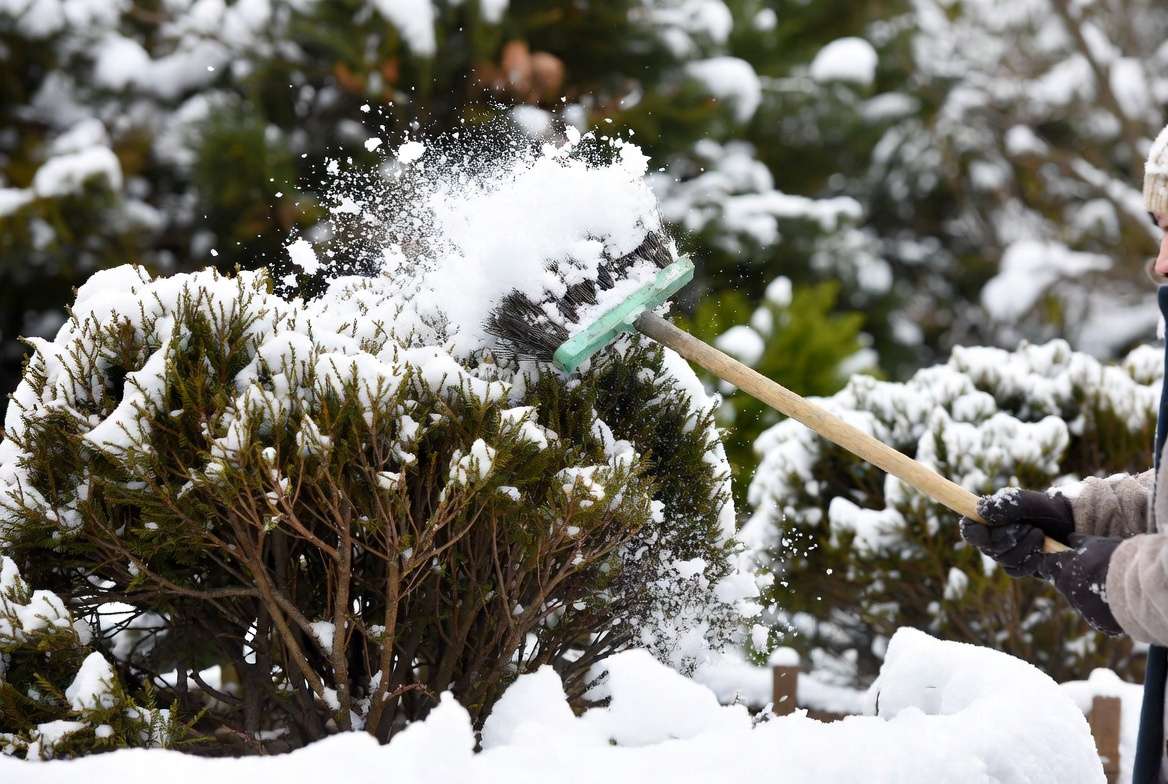
- For light, fluffy snow on accessible plants: Gently brush upward with a soft broom or pole to help it fall off. Work from the bottom up if needed.
- For heavy, wet snow: If branches are severely bending, carefully lift them from underneath to relieve weight — but only if it’s safe and the snow is loose.
- Leave moderate snow cover at the base — it continues providing valuable root insulation.
- Prioritize safety: Never climb ladders on icy ground or during active storms.
In most cases, letting nature take its course (gradual melting) is the safest approach for plant health.
Post-Snow Recovery – Helping Your Plants Bounce Back 🌱💪
Once the snow melts, inspect your garden carefully:
- Prune Damaged Branches: Use clean, sharp tools to cut broken or split limbs back to healthy wood or the branch collar. Avoid leaving stubs. For larger trees, consult a certified arborist.
- Support Bent Branches: Many will gradually straighten as they warm and regain flexibility. You can gently tie them in place temporarily if needed.
- Provide Spring Recovery Care: Water deeply during dry spells, apply a balanced slow-release fertilizer at the appropriate time, and add fresh mulch. Monitor for secondary issues like pests or fungal diseases that may target stressed plants.
- Severely damaged shrubs may need rejuvenation pruning over 2–3 seasons.
With patience and proper aftercare, most plants recover remarkably well.
Advanced Winter Protection Techniques for Serious Gardeners 🛠️
For gardeners facing frequent heavy snow or protecting high-value specimens:
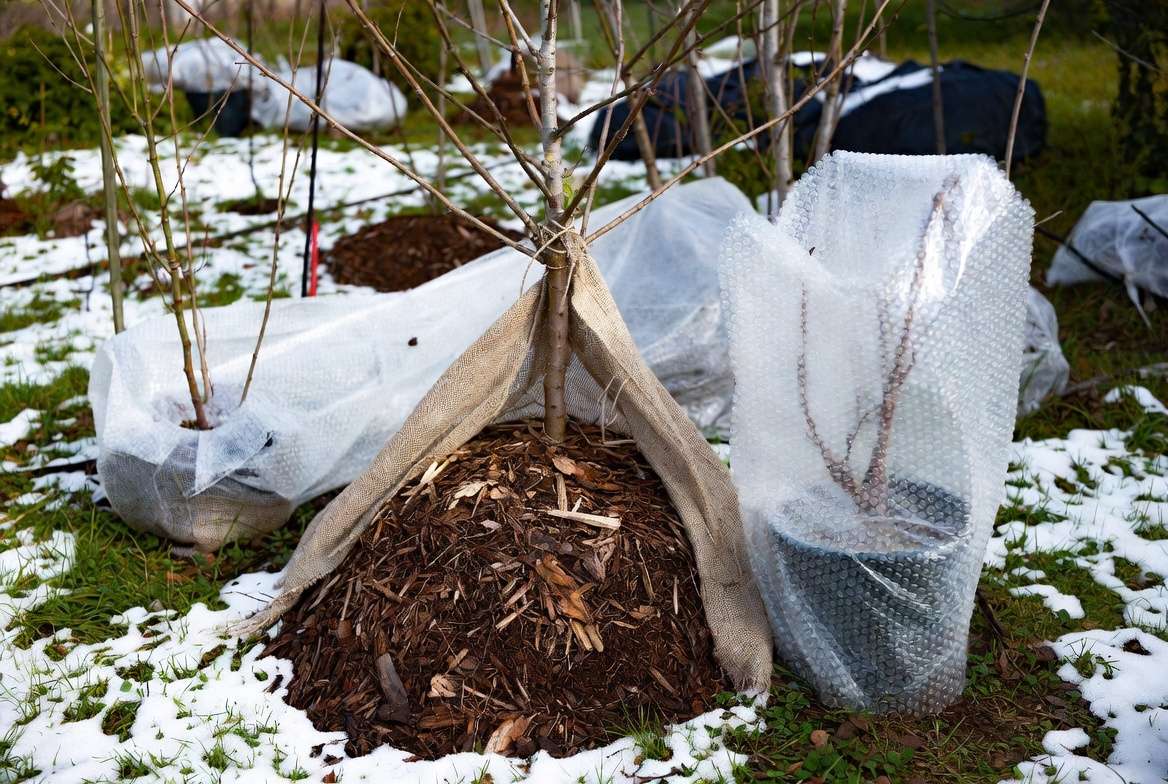
- Build temporary structures with stakes and burlap or use commercial plant protectors.
- For container plants: Group pots together, wrap with bubble wrap or burlap, and place against a sheltered wall. Elevate them off cold concrete.
- Consider stringing outdoor holiday lights (incandescent types) under vulnerable canopies for gentle radiant heat during extreme cold snaps (use with caution and follow safety guidelines).
- In regions with erratic winters due to climate shifts, combining snow management with overall resilient garden design (proper siting, diverse planting) builds long-term success.
Common Myths About Snow on Plants – Busted ❌❄️
Myth 1: “You should always knock snow off plants immediately.” Truth: Only remove heavy, accumulating wet snow gently when necessary. Light snow or frozen accumulation is often best left alone.
Myth 2: “Snow always kills tender plants.” Truth: Many hardy perennials and bulbs actually benefit from the protective cover.
Myth 3: “More snow always means more damage.” Truth: Moderate snow is protective; it’s excessive heavy/wet snow or ice that causes mechanical issues.
FAQs About Snow on Plants ❄️❓
Is snow good or bad for plants? It’s usually good for insulation and moisture when light to moderate, but heavy wet snow can cause branch damage.
How much snow is too much? More than a few inches of heavy, wet snow on upright evergreens or weak-branched trees often requires gentle intervention.
Should I remove snow from my trees and shrubs? Only if it’s heavily weighing down branches and can be done safely without forcing frozen limbs. Otherwise, let it melt naturally.
What’s the difference between snow and ice damage? Snow is lighter and often sheds; ice forms a rigid, heavier coating that’s more likely to cause breakage.
How does snow affect potted plants vs. in-ground plants? Potted plants have less soil insulation and are more exposed to temperature swings — move them to sheltered spots or insulate containers well.
Conclusion
Snow on plants presents a classic case of “it depends” — but with the right knowledge, you can turn winter weather into an advantage for your garden. Light, fluffy snow often serves as nature’s perfect insulator, protecting roots, moderating soil temperatures, and providing spring moisture. Heavy snow, however, demands smart prevention and careful management to avoid broken branches and structural damage.
By applying the proactive pruning, tying, mulching, and recovery techniques outlined here, you’ll minimize risks and set your plants up for vibrant spring growth. Remember: consistent year-round plant care — proper planting, watering, and structural maintenance — builds the resilience needed to weather any storm.
This winter, view snow not just as a challenge but as an opportunity to nurture a stronger, healthier garden. Share your own snow stories or questions in the comments below — we’d love to help fellow plant enthusiasts!
Stay curious, garden wisely, and enjoy the beauty of every season. 🌿❄️🌱











