
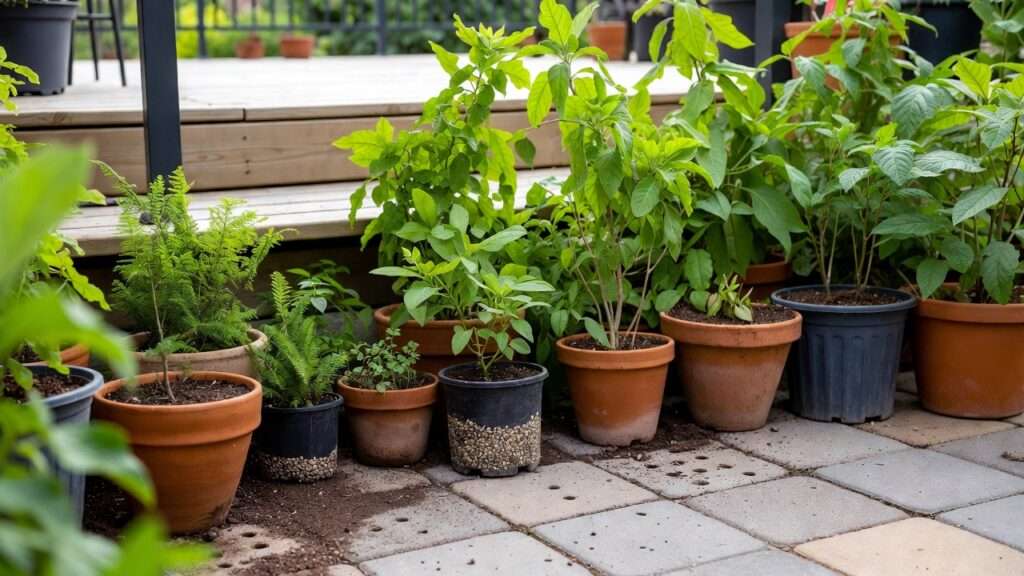
Have you ever poured your heart (and a small fortune) into creating a gorgeous container display on your patio, balcony, or entryway—only to watch your vibrant flowers wilt, your shrubs yellow, or your small trees struggle despite faithful watering? 😩 You’re not alone. The culprit is often hidden beneath the surface: the wrong soil mix. In container landscaping, unlike in-ground gardens, plants depend 100% on the potting medium you provide for drainage, aeration, moisture, and nutrients. Get it right, and your containers burst with color and life all season long. Get it wrong, and even the hardiest plants suffer from root rot, nutrient deficiencies, or stunted growth.
Soil requirements for container landscaping are unique because pots create an isolated environment—no natural earthworms aerating, no deep groundwater access, and rapid nutrient leaching. This comprehensive guide, drawing from university extension recommendations (like those from UIUC, UGA, and Penn State), proven horticultural practices, and years of real-world container success, will equip you with everything needed to craft the perfect mix. Whether you’re designing eye-catching annual flower pots, long-lasting shrub containers, or mixed thriller-filler-spiller arrangements, you’ll learn how to avoid common pitfalls and achieve thriving, low-maintenance landscapes. Let’s dig in! 🌿
Why Soil Choice Matters in Container Landscaping
Containers transform outdoor spaces into stunning focal points—think colorful entrances, cozy balconies, or elegant patios—but they come with built-in challenges. Roots are confined, water drains differently, and there’s no natural soil ecosystem to buffer extremes. Poor soil leads to the top killers: root rot from waterlogging, oxygen starvation from compaction, and quick nutrient depletion.
The payoff for choosing wisely? Healthier roots mean fuller blooms, richer foliage, better drought resistance, and fewer headaches. Studies and extension services show that well-aerated, well-drained mixes with balanced moisture retention can reduce watering frequency by up to 30% while boosting plant vigor. Your container landscaping will look professional and stay beautiful longer—perfect for busy gardeners wanting maximum impact with minimal effort! 🚀
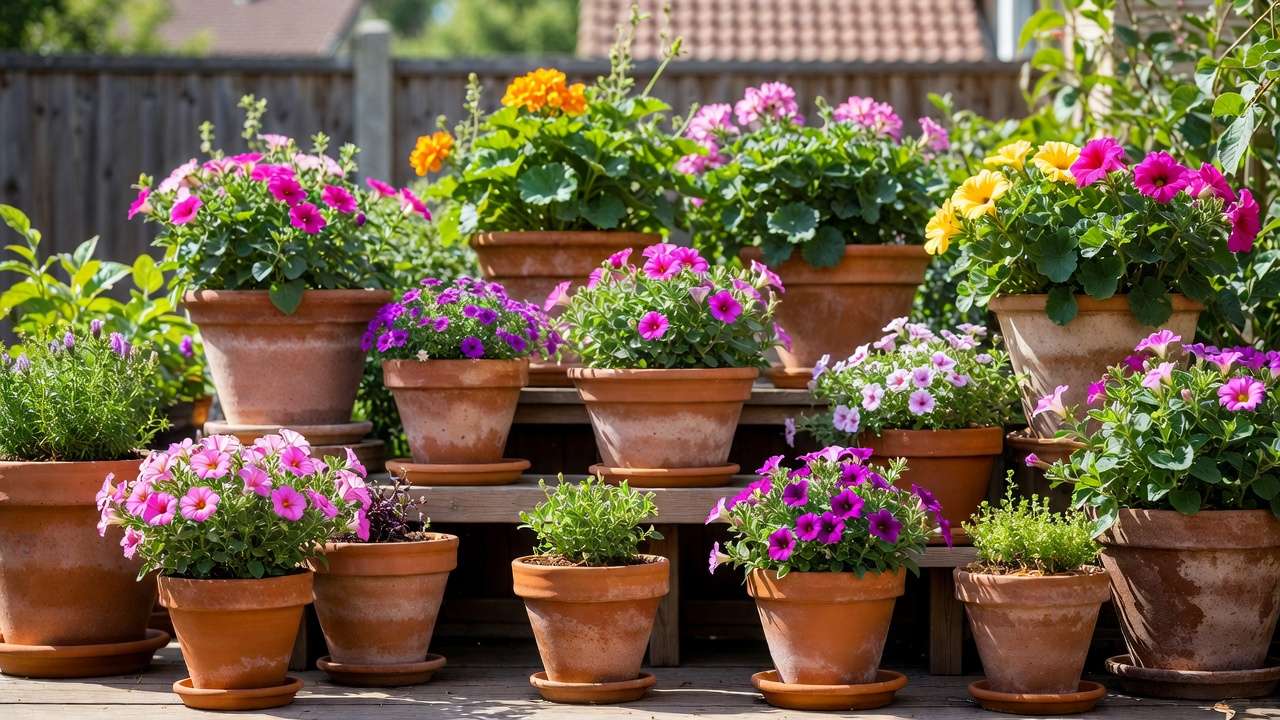
Understanding the Core Soil Requirements for Success
To thrive in containers, plants need a medium that mimics ideal conditions: excellent drainage and aeration for oxygen-loving roots, balanced moisture retention to prevent drought stress, steady nutrient supply since leaching is fast, and a stable, lightweight structure. Here’s the breakdown:
1. Excellent Drainage and Aeration
Roots need oxygen as much as water—without it, they suffocate, inviting rot and disease. In containers, gravity pulls water down quickly, but without large pore spaces, saturation lingers at the bottom (the “perched water table” effect).
Key ingredients for success:
- Perlite or pumice — lightweight volcanic materials that create air pockets and superb drainage.
- Vermiculite — holds some moisture while improving aeration.
- Coarse sand, pine bark, or orchid bark — add weight for stability and prevent compaction.
Signs of poor drainage include yellow lower leaves, mushy stems, or fungal gnats. Always ensure pots have drainage holes—skipping them is a classic mistake! 🚫
2. Proper Moisture Retention Without Waterlogging
The sweet spot: soil holds enough water for plant needs but dries slightly between waterings to promote root growth. Too dry = wilting; too wet = rot.
Top performers:
- Sphagnum peat moss or coconut coir — excellent water-holding capacity (coir is more sustainable and re-wets easier).
- Compost or worm castings — add organic matter for gradual moisture release and microbial life.
Pro tip: Many soilless mixes start hydrophobic (water-repellent when dry). Pre-moisten thoroughly by soaking in a bucket or watering slowly until it runs out the bottom. 💦
3. Nutrient Availability and pH Balance
Containers leach nutrients fast, so the mix must supply steady food. Most plants prefer pH 5.5–7.0 (slightly acidic to neutral), where essential nutrients like iron are available.
- Add slow-release fertilizer or compost for baseline nutrition.
- Dolomite lime adjusts pH upward if too acidic (common with peat).
- Avoid pure garden soil—it compacts, drains poorly, and often brings weeds/pests/diseases. ❌
University sources confirm: soilless mixes with added compost or organic amendments outperform plain peat/perlite for long-term health.
4. Lightweight and Stable Structure
Heavy mixes tire you out when moving pots; lightweight ones risk tipping in wind. Aim for fluffy yet cohesive texture that resists breakdown over months.
Best Potting Mixes and Recipes for Container Landscaping
Commercial options labeled “container mix,” “potting mix,” or “soilless mix” work well—look for peat/coir + perlite/vermiculite + bark/compost.
For customization, try these expert-tested homemade recipes (parts by volume):
- Basic All-Purpose Mix (great for most flowers and annuals): 50% coconut coir or peat moss 30% perlite 20% compost or worm castings 🌸 Ideal for vibrant blooming displays—holds moisture without sogginess.
- Nutrient-Rich Mix for Flowers and Shrubs: 40% coir/peat 30% perlite 20% compost 10% pine bark fines Add slow-release organic fertilizer granules. Perfect for petunias, geraniums, or compact shrubs.
- Woody Plants and Small Trees Mix (long-term stability): 30% coir/peat 30% pine bark 20% perlite 20% compost Coarser texture supports root expansion in larger pots. 🌳
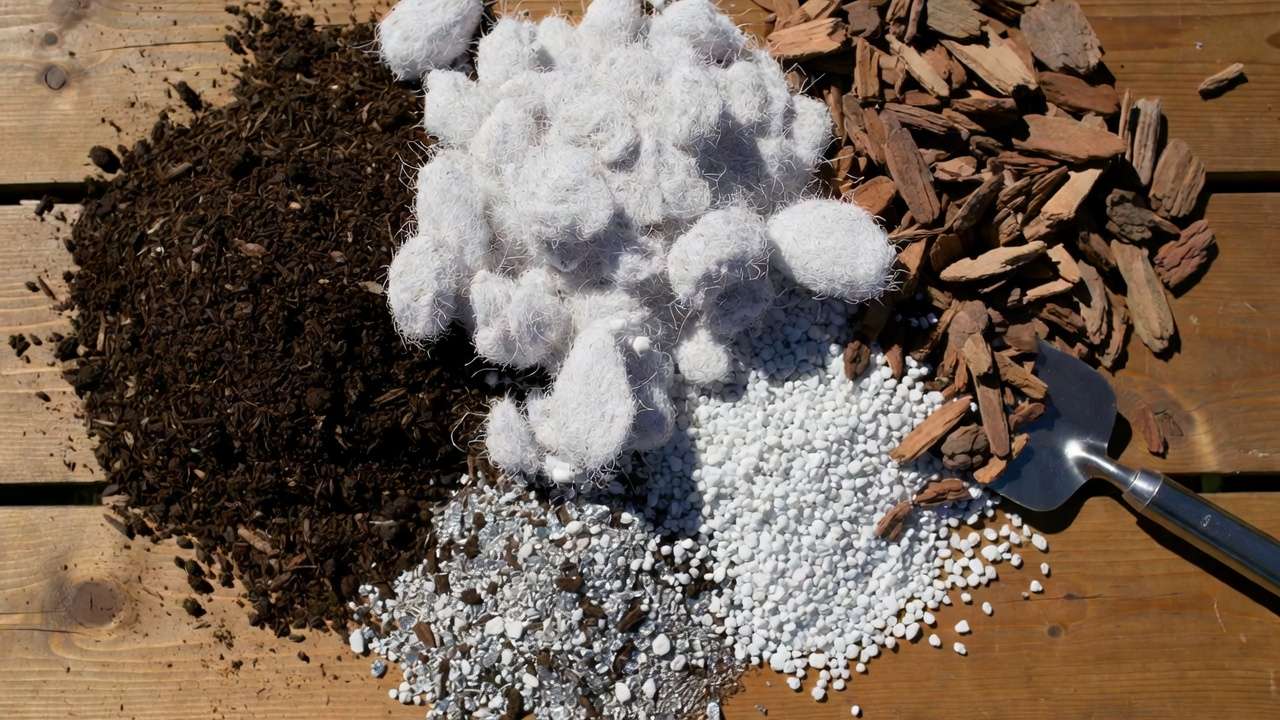
Sustainable swap: Choose coconut coir over peat moss—it’s renewable (coconut byproduct), re-wets better, and decays slower for longer structure. ♻️
Tailoring Soil for Specific Plants in Container Landscaping 🌸🌳
Not all plants have the same soil preferences, even within containers. Matching the mix to the plant type prevents stress, promotes vigorous growth, and extends bloom or foliage display times. Here’s how to customize for the most popular container landscaping categories.
Flowers and Annuals
Petunias, geraniums, calibrachoa, marigolds, impatiens, and begonias are the stars of colorful summer pots. These heavy feeders and moderate drinkers thrive in a slightly richer, moisture-retentive mix.
- Aim for 40–50% organic matter (peat/coir + compost) to maintain consistent moisture and supply nutrients.
- 25–35% perlite or vermiculite ensures drainage so roots don’t drown during frequent watering.
- Add a handful of slow-release granular fertilizer (balanced 14-14-14 or bloom-booster 10-30-20) at planting.
Result: Continuous flowering from spring through fall with fewer leggy stems or faded blooms. Pro tip: For hanging baskets (which dry out fastest), increase coir/peat to 55% and reduce perlite slightly.
Shrubs and Small Trees
Dwarf hydrangeas, Japanese maples, boxwood, citrus trees, bay laurel, and compact evergreens make elegant, year-round container focal points. These woody plants need longer-term stability and room for root expansion.
- Use coarser texture: 30–40% pine bark fines or orchid bark + 20–30% perlite/pumice for superior aeration and slower breakdown.
- 20–30% compost or aged manure for steady slow-release nutrition.
- Keep peat/coir at 20–30% to avoid excessive acidity over time (many shrubs prefer neutral pH).
- Optional: Add 5–10% expanded clay pellets or small gravel at the very bottom (not as a drainage layer—more on that myth later) for extra weight and stability in large pots.
These mixes support multi-year growth with minimal repotting (every 2–3 years). Watch for iron chlorosis (yellowing between veins) in acid-loving shrubs—adjust with chelated iron if needed.
Mixed Arrangements (Thrillers, Fillers, Spillers)
The classic “thriller-filler-spiller” design combines upright focal plants, mounding companions, and trailing accents in one pot. Soil harmony is critical—mismatched moisture needs lead to some plants drowning while others parch.
- Choose a versatile middle-ground mix: 45% coir/peat, 30% perlite, 25% compost.
- If including succulents or drought-tolerant spillers (e.g., trailing sedum), add extra pumice or grit for sharper drainage.
- For moisture-loving fillers (e.g., lobelia, bacopa), lean toward higher organic content.
- Layering trick: Plant thirstier plants slightly deeper or closer to the center where moisture lingers longer.
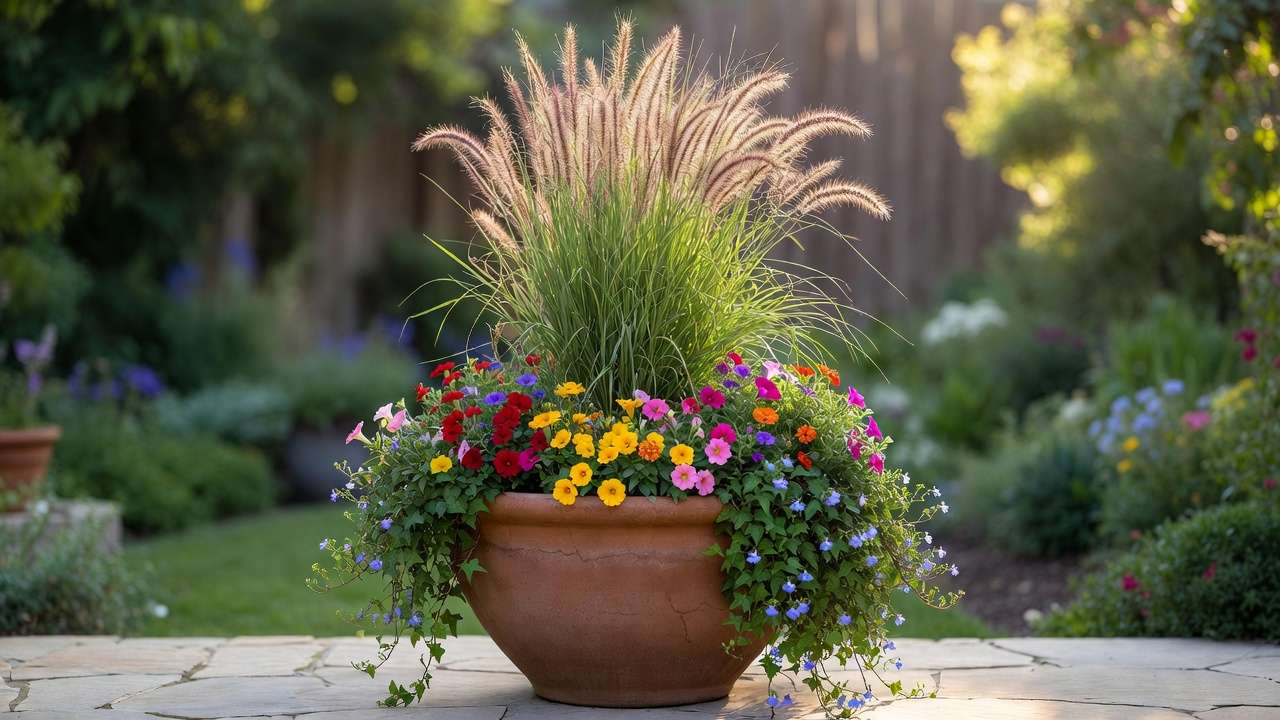
This approach creates cohesive, professional-looking containers that stay balanced all season.
Common Mistakes and How to Avoid Them
Even experienced gardeners fall into these traps. Here are the most frequent soil-related errors—and how to sidestep them:
- Using straight garden soil or topsoil → Compacts quickly, drains poorly, and often introduces weed seeds, pests, and pathogens. Fix: Stick to soilless or peat/coir-based commercial mixes or homemade recipes.
- Adding a layer of gravel or pot shards at the bottom → This actually raises the perched water table, keeping roots wetter longer. Myth busted by decades of university research! Fix: Rely on drainage holes and a well-aerated mix instead.
- Overwatering young plants → New mixes hold more moisture; soggy soil = root rot. Fix: Water only when the top 1–2 inches feel dry (use your finger or a moisture meter).
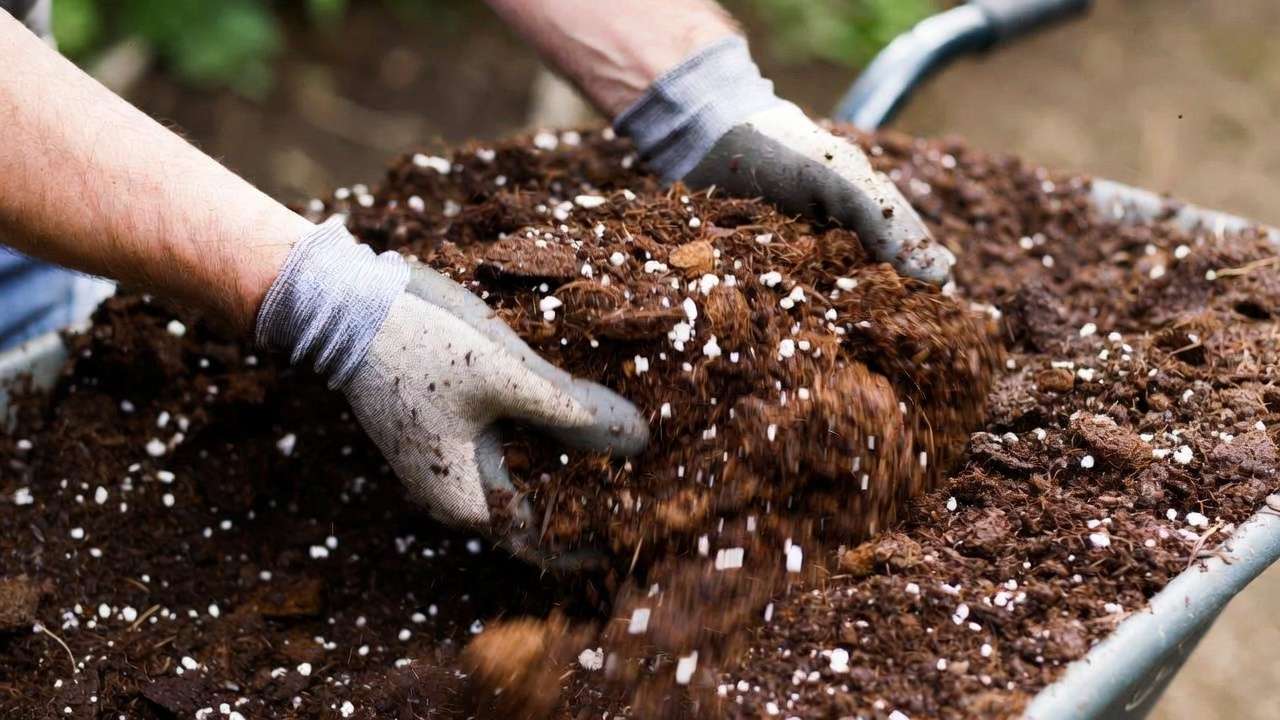
- Skipping pre-moistening → Dry peat/coir repels water. Fix: Soak the entire mix in a wheelbarrow or large tub until uniformly damp before planting.
- Reusing old potting mix without refresh → Nutrients are depleted, structure collapses, and diseases accumulate. Fix: Top-dress with fresh compost annually or replace entirely every 1–2 years for perennials.
Avoid these, and you’ll eliminate 80–90% of container failures.
Step-by-Step: How to Prepare and Plant with the Right Soil
- Select your container — Ensure at least one large drainage hole (more for bigger pots).
- Choose and test your mix — Squeeze a handful: it should hold shape briefly then crumble easily (good structure).
- Pre-moisten — Mix in water until evenly damp but not sopping.
- Amend if needed — Stir in slow-release fertilizer, lime (for pH adjustment), or extra perlite for specific plants.
- Fill the pot — Add mix to about ⅓ full, set plant so the root ball sits ½–1 inch below the rim.
- Backfill gently — Firm lightly around roots (no stomping!), leaving space for watering.
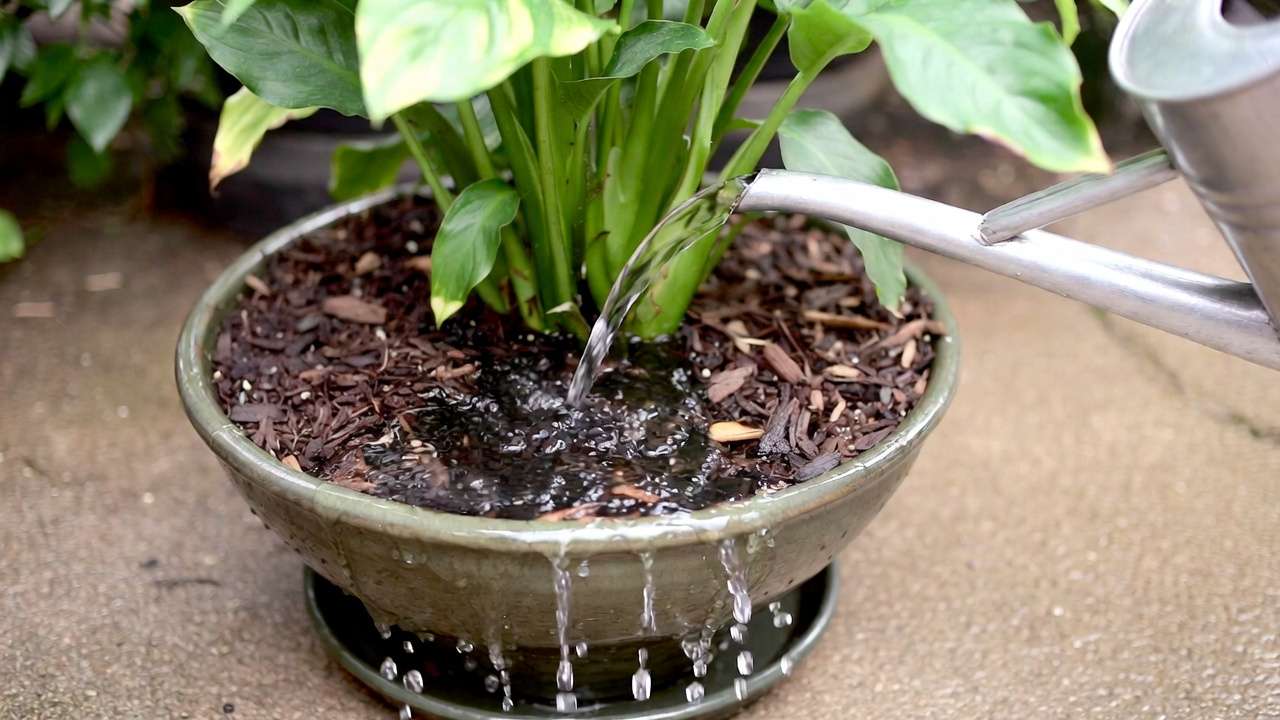
- Water thoroughly — Until it drains freely from the bottom.
- Finish with mulch — ½ inch of bark, pebbles, or moss to reduce evaporation and look polished.
Follow this sequence every time for consistent success.
Ongoing Care: Maintaining Healthy Soil in Containers
Great soil is only half the battle—maintenance keeps it performing.
- Watering best practices — Deep soak until water exits the bottom, then let the top dry slightly. Adjust frequency: more in heat/wind, less in cool/cloudy weather. Morning watering reduces fungal risk.
- Fertilizing schedule — Start with slow-release at planting, then supplement with liquid fertilizer (half-strength) every 2–4 weeks during active growth. Flush pots monthly with plain water to prevent salt buildup.
- Refreshing soil — For annuals, replace mix each season. For perennials/shrubs, remove top 2–4 inches and replace with fresh compost-rich mix in spring.
- Seasonal tips — In hot summers, group pots for mutual shade and mulch heavily. In winter (if leaving pots outdoors), elevate on pot feet to prevent freezing from the bottom up.
Expert Insights and Pro Tips 🌟
As someone who has worked with container landscaping for over a decade—consulting on urban balcony projects, teaching workshops, and collaborating with extension horticulturists—I’ve seen what truly moves the needle for success. Here are distilled insights backed by research from sources like the University of Illinois Extension, Penn State Extension, and the American Horticultural Society:
- Compost trumps peat for long-term nutrition — While peat moss and coir excel at moisture retention, finished compost or worm castings introduce beneficial microbes that improve nutrient cycling and disease suppression. Studies show mixes with 20–30% high-quality compost support healthier root systems and reduce fertilizer needs by 20–40% over a season.
- pH monitoring is non-negotiable for repeat performers — Many commercial peat-based mixes start at pH 5.0–5.5, perfect for acid-loving plants but too low for vegetables, herbs, or neutral-preferring shrubs. Test your mix with a simple soil pH probe or test kit before planting. If below 6.0, add dolomitic lime (1–2 tbsp per gallon of mix) and re-test after a week.
- Sustainable shift: Coconut coir is the future — Peat harvesting damages fragile wetlands, while coir (a coconut husk byproduct) is renewable, has a neutral-to-slightly-acidic pH, re-wets far better when dry, and breaks down more slowly for extended structure. It’s my go-to for eco-conscious clients.
- Wind and heat hacks — In exposed locations (common for patios and balconies), add 10–15% pine bark or expanded clay to increase weight and reduce tipping. During heat waves, cluster containers together and mulch the surface heavily—reduces evaporation by up to 50%.
These small tweaks separate average containers from show-stopping ones.
Troubleshooting Guide: Diagnosing Soil-Related Problems
Quick-reference table for common symptoms and fixes:
- Yellowing lower leaves, wilting despite wet soil → Root rot from poor drainage. Fix: Improve aeration (add perlite next time), reduce watering, remove affected roots, repot in fresh mix.
- Yellowing between veins (chlorosis) → Iron deficiency, often from high pH. Fix: Apply chelated iron foliar spray or soil drench; adjust pH downward with sulfur if needed.
- Stunted growth, pale foliage → Nutrient deficiency from leaching. Fix: Fertilize with balanced liquid feed; incorporate slow-release granules at next planting.
- Soil surface crusty/hard, water beads up → Hydrophobic dry-out. Fix: Pre-moisten thoroughly; top with mulch to retain surface moisture.
- Fungal gnats or mold → Overly wet, compacted mix. Fix: Let dry out more between waterings; add sand/perlite; use yellow sticky traps.
Catching issues early saves most plants—inspect weekly!
FAQs About Soil Requirements for Container Landscaping
Q: Can I mix garden soil with potting mix to save money? A: Not recommended. Garden soil compacts in pots, drains poorly, and often carries pests/diseases/weeds. If you must stretch your mix, use no more than 10–20% sterilized garden soil—and only for very large, deep containers with heavy drainage amendments.
Q: What’s the best pH range for most container plants? A: 5.8–6.8 covers the vast majority (annual flowers, vegetables, most shrubs). Acid-lovers (azaleas, blueberries) prefer 4.5–5.5; adjust accordingly with lime or sulfur.
Q: How often should I replace potting mix? A: Annuals: Replace fully each season. Perennials/shrubs/small trees: Refresh top 3–5 inches annually with compost-rich mix; full replacement every 2–3 years or when roots circle the pot heavily.
Q: Are self-watering containers better for soil management? A: They can help during vacations or hot spells by reducing frequency, but they don’t fix poor mix choices. Use a well-aerated, free-draining mix even in self-waterers to prevent constant saturation and root rot.
Q: Can I reuse potting mix from last year? A: Yes, but refresh it: Remove old roots, solarize (spread in sun for 4–6 weeks), add 30–50% fresh compost/perlite, and incorporate new slow-release fertilizer. Never reuse diseased mix.
Conclusion
Mastering soil requirements for container landscaping transforms frustrating failures into reliable, jaw-dropping displays. By prioritizing excellent drainage and aeration, balanced moisture retention, steady nutrient supply, and the right pH—while avoiding classic mistakes—you set every plant up for success, whether it’s a riot of summer annuals or a sophisticated evergreen statement piece.
The beauty of containers is their flexibility: experiment with one new mix this season, observe the difference, and build from there. Your patio, balcony, or entryway will thank you with months of vibrant color and healthy growth. 🌿💚
Have you tried any of these recipes or run into a stubborn container problem? Drop your experience or questions in the comments—I’d love to help troubleshoot or celebrate your wins!











