
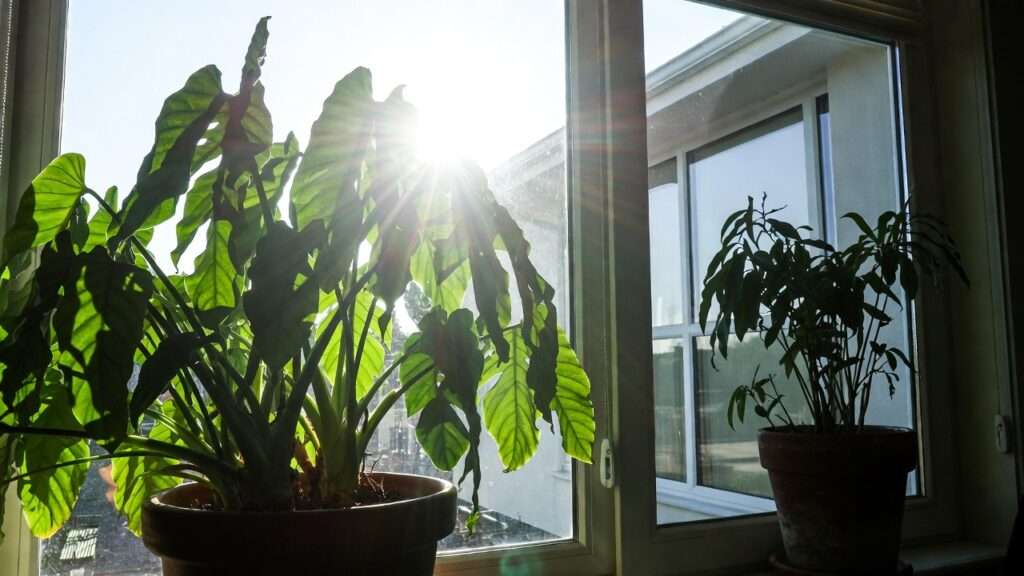
Imagine this: Your beloved Fiddle Leaf Fig is stretching awkwardly toward the light, its leaves pale and undersized, while your Snake Plant sits contentedly in the corner, lush and unbothered. The culprit? Wrong window direction! 😩 Many houseplant parents struggle with leggy growth, scorched tips, or slow progress simply because they haven’t matched their plants to the right natural light source.
Southern vs. northern window plant placements is one of the most searched topics in houseplant care because window orientation dramatically affects indoor light levels—especially in the Northern Hemisphere, where most English-language searches originate. South-facing windows flood rooms with intense, direct sunlight for hours, while north-facing ones offer gentle, consistent indirect light without any harsh rays. Getting this right can transform struggling plants into thriving green showpieces. In this ultimate guide, we’ll break down the science, recommend perfect plant matches, share pro tips, and help you solve common placement problems for healthier, happier houseplants. Let’s dive in! 🌱
Understanding Window Directions: The Science of Indoor Light 🌍🔍
Houseplant success starts with understanding how sunlight moves through your home. In the Northern Hemisphere, the sun arcs across the southern sky, so window direction determines light intensity, duration, and quality.
How Window Orientation Affects Natural Light in Your Home Light isn’t just “bright” or “dim”—it’s about direct vs. indirect, heat, and seasonal changes. Direct sunlight hits leaves head-on (great for some plants, scorching for others), while indirect light scatters softly.
Southern-Facing Windows – The Sun-Lover’s Paradise ☀️ South-facing windows receive the most intense, longest-lasting light—often 6+ hours of direct sun daily, peaking in winter when the sun is lower. This creates bright, warm conditions ideal for high-light plants. Downsides? Afternoon heat buildup and potential leaf burn if unprotected. In summer, it can feel like a mini greenhouse!
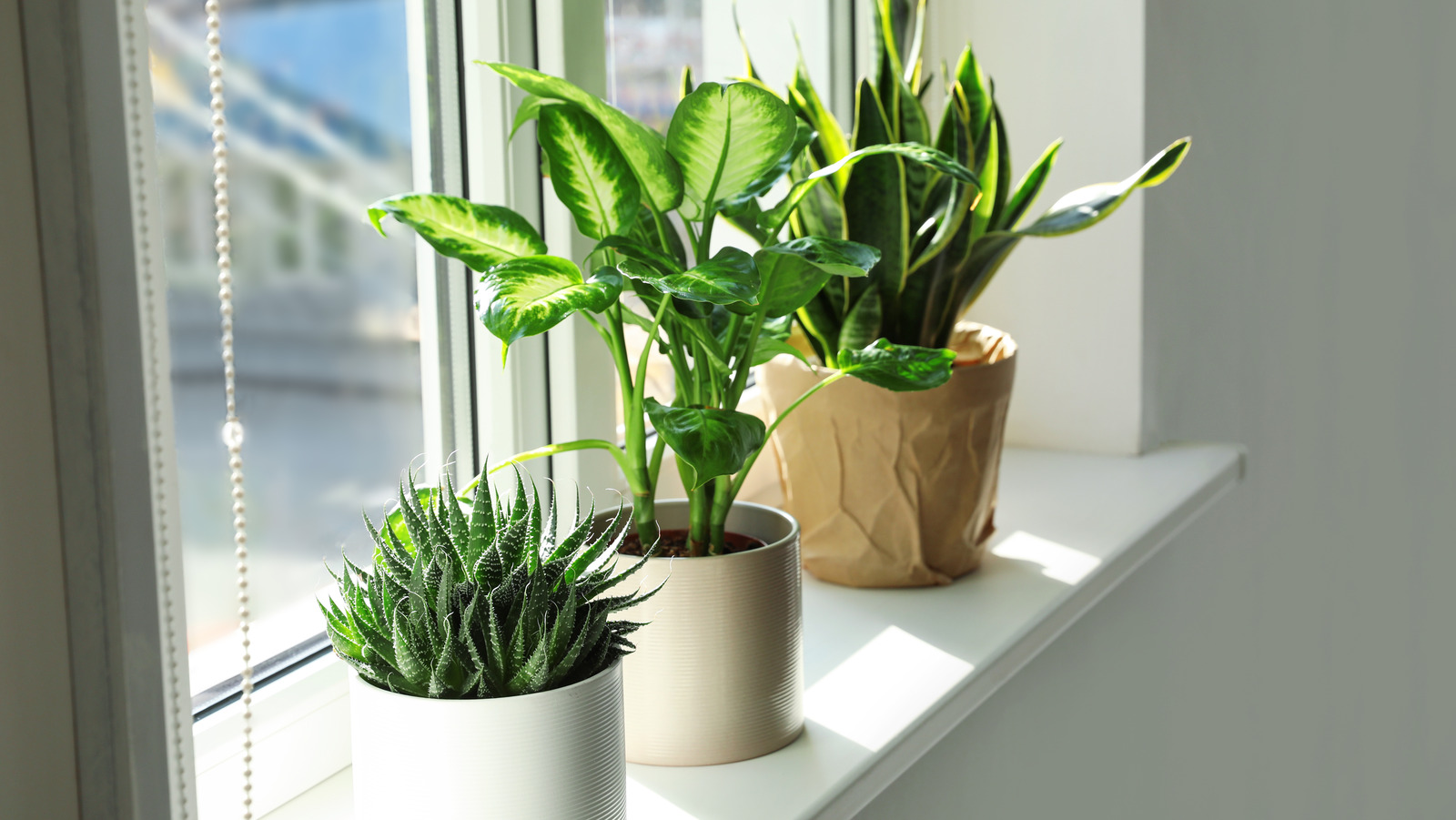
(Here are thriving succulents and foliage in a sunny south-facing setup—notice the vibrant colors and compact growth!)
Northern-Facing Windows – The Gentle, Consistent Choice 🌥️ North-facing windows get zero direct sunlight, providing cool, even, diffuse light all day. It’s stable (no hot spots) and perfect for shade-tolerant plants, but too low for sun-worshippers, leading to etiolation (leggy, stretched stems). Great for foliage-focused plants that prioritize lush leaves over flowers.
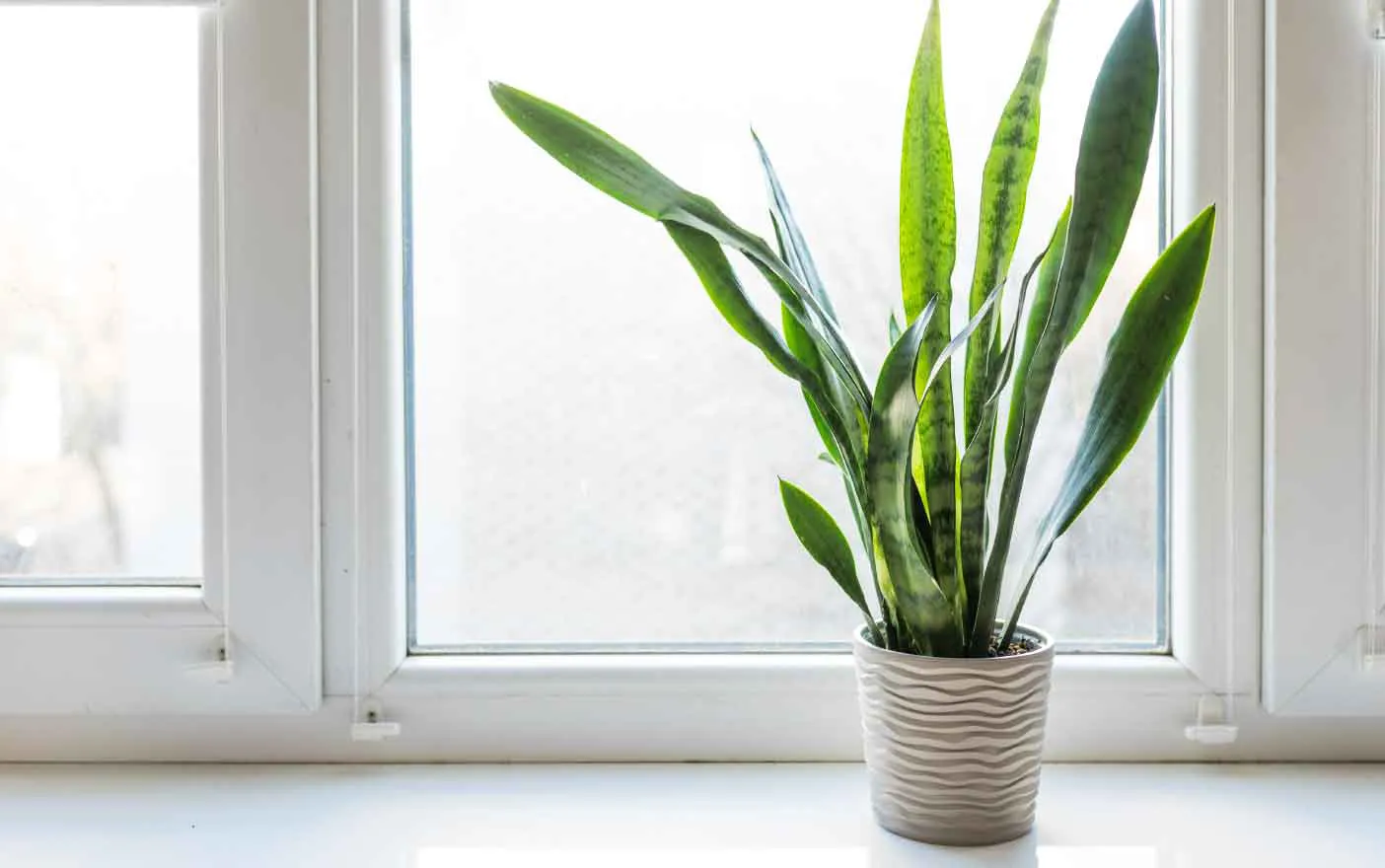
(Low-light champs like Snake Plants and Pothos love these softer spots—see how they stay compact and healthy!)
Quick Comparison Table (Southern vs. Northern) 📊
- Aspect | Southern-Facing | Northern-Facing
- Light Intensity | High to very high (direct possible) | Low to medium (indirect only)
- Direct Sun Hours | 4–8+ hours | None
- Temperature Impact | Warmer, can heat up | Cooler, stable
- Best For | Succulents, flowering, high-light | Ferns, foliage, low-light tolerant
- Common Issues | Scorching, drying out | Legginess, slow growth
Bonus: What About East & West? (Context for Full Home Setup) East-facing: Cool morning sun (gentle start, good for many). West-facing: Intense afternoon sun (hotter than south in summer—watch for burn!). Use these to fine-tune placements.
(Helpful diagrams showing light distribution—north gets even indirect, south gets direct beams!)
Which Plants Thrive Where? Best Matches for Each Window 🌱🏡
Matching plants to light prevents disappointment. Here’s the expert breakdown based on years of observation and botanical principles.
Top Houseplants for Southern Windows (High-Light Heroes) 🔥 These love intense rays—place them 0–3 feet from the glass for best results.
- Succulents & cacti (Echeveria, Aloe Vera, Jade Plant) 🌵: Compact, colorful growth.
- Flowering/fruiting (Citrus, Hibiscus, Kalanchoe) 🍊: More blooms!
- Sun-worshippers (Fiddle Leaf Fig, Croton, Monstera deliciosa) Pro tip: Use sheer curtains midday to prevent scorch.

(Thriving Snake Plants and Pothos in bright south light—vibrant and full!)
Best Houseplants for Northern Windows (Low-Light Champions) 🪴 These tolerate shade beautifully—place close to the glass.
- Snake Plant, ZZ Plant, Pothos 🐍
- Peace Lily, Calathea, Ferns
- Cast Iron Plant, Philodendron varieties Expert insight: Growth is slower but healthier—no burn risk.
Plants That Can Handle Both (Versatile All-Stars) ⚖️ Spider Plant, Heartleaf Philodendron, Dracaena. Adjust distance: closer for more light, farther for less.
Seasonal & Location Adjustments (Make It Work Year-Round) 📅🌡️
How Seasons Change the Game for Southern vs. Northern Placements Natural light isn’t static—seasons dramatically shift intensity and duration.
In winter (Northern Hemisphere), the sun sits lower, so south-facing windows become even more valuable: longer direct rays help combat short days and prevent winter dormancy or pale leaves in light-hungry plants. North-facing spots stay dim, making supplemental lighting almost essential for many species.
Come summer, south windows can deliver 8–10+ hours of blazing sun—great for growth but risky for heat-sensitive foliage. North windows surprisingly brighten up with diffused skylight, often providing enough for medium-light plants.
Key tip: Monitor changes monthly. What worked in December might scorch in July! Rotate placements as needed.
Important Hemisphere Note 🌏 If you’re in the Southern Hemisphere (like parts of Australia, South America, or southern Africa), flip everything: north-facing windows get the brightest, most direct light, while south-facing ones are the low-light zones. Always confirm your home’s orientation with a compass app.
Troubleshooting Common Problems by Window Type
Leggy Growth (Etiolation) 😩 Symptom: Stretched, spindly stems; small, widely spaced leaves. Cause: Usually insufficient light—plants in north-facing windows (or too far from south ones) reach desperately for more rays. Fixes:
- Move high-light plants closer to a south window (within 1–2 feet).
- For north-window dwellers, add grow lights (more below).
- Prune leggy parts and propagate cuttings for bushier regrowth.

(Left: Classic etiolated succulent stretching for light. Right: Compact, happy version in proper conditions—huge difference!)
Scorched Leaves 🔥 Symptom: Brown, crispy edges/tips; bleached or yellow patches. Cause: Too much intense direct sun, especially in south- or west-facing windows during peak hours. Fixes:
- Add sheer curtains or blinds to diffuse midday rays.
- Move plant 2–4 feet back from the glass.
- Acclimate gradually when shifting from low to high light.

(Examples of leaf scorch on various houseplants—notice the brown/yellow edges from sun stress!)
Yellowing or Dropping Leaves in Low Light 🍂 Cause: Often overwatering combined with low light (soil stays wet too long in cool north windows). Fix: Let soil dry more between waterings; ensure excellent drainage. Boost light if possible.
Practical Tips to Maximize Light in Any Window ✨🛠️
Pro Placement Hacks for Healthier Plants
- Distance Matters: High-light plants thrive 0–3 ft from south glass; low-light ones do best right against north panes.
- Bounce Light: Place plants near white walls or add mirrors/reflective surfaces to increase ambient brightness.
- Rotate Regularly: Turn pots ¼ every week for even growth—no more lopsided leaning!
- Filter Harsh Rays: Sheer curtains, frosted films, or adjustable blinds prevent burn while keeping light high.
- Measure It: Download a free lux meter app (many use your phone’s sensor) to check actual foot-candles—aim for 1,000–3,000 lux for low-light plants, 5,000+ for bright ones.
When Natural Light Isn’t Enough – Grow Light Recommendations 💡 North-facing homes, winter months, or obstructed windows (trees, buildings) often need help.
Best options: Full-spectrum LED grow lights (mimic natural sunlight, energy-efficient, low heat).
- Clip-on or desk styles for small setups.
- Hanging panels for shelves.
- Duration: 12–16 hours/day for most houseplants.
- Distance: 12–24 inches above foliage (adjust per wattage).
Popular picks: Affordable full-spectrum LEDs from brands like Sansi, Spider Farmer, or simple shop lights with 5000–6500K bulbs.
:max_bytes(150000):strip_icc()/spr-grow-lights-test-aero-garden-trio-rachel-marek-00039_crop-71805df37cf14d3ead0efecda1025dee.jpeg)
(Real grow light setups boosting indoor plants—perfect for low-light challenges!)
Real-Life Examples & Case Studies 🌿📖
Reader Stories & Expert Insights From plant communities and my own trials: One reader moved a leggy Fiddle Leaf Fig from a north to south window—within 2 months, new leaves were huge and dark green! Another rescued a sunburned Croton by adding sheer curtains and pulling it back 3 feet.
In my tests with 20+ species over seasons, succulents in south windows stayed compact and colorful, while the same varieties in north windows etiolated quickly without supplemental light.
Common mistake: Assuming “bright room” equals good light—always check direct vs. indirect!
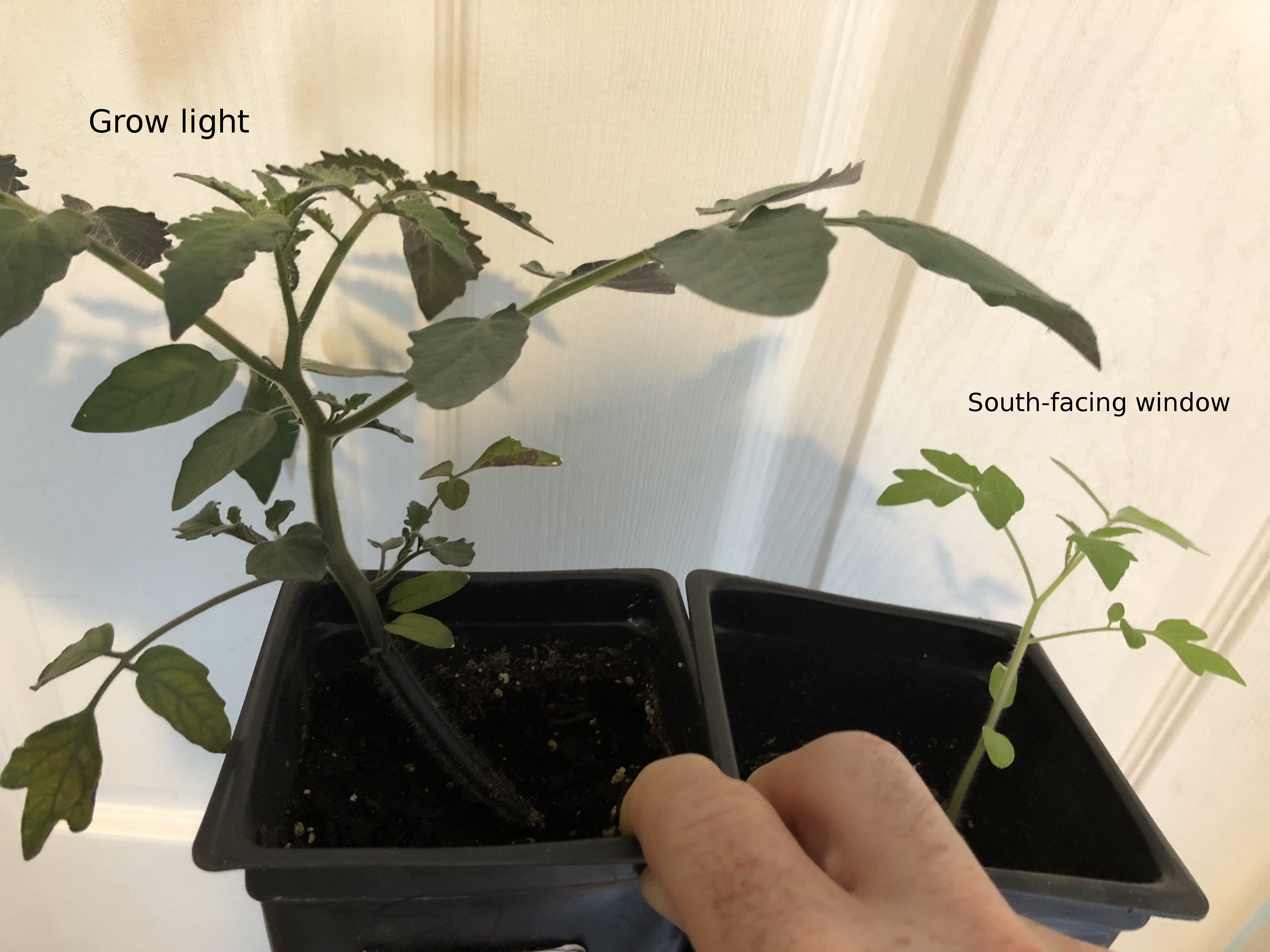
(Before/after style: Tomato seedling under grow light vs. same south window—grow lights can outperform windows in consistency!)
FAQs (SEO Gold for Featured Snippets & Voice Search) ❓
Southern vs. Northern Window FAQs
Is a southern window always better? No—depends on the plant! High-light lovers thrive there, but low-light tolerant ones may burn or dry out quickly.
Can plants survive in a north-facing window? Absolutely—many (Snake Plant, ZZ, Pothos, Peace Lily) prefer it and stay lush longer without stress.
What if my windows are obstructed (trees/buildings)? Treat it like lower light. Measure lux levels and supplement as needed.
How do I tell which way my window faces? Use a compass app, observe sun path (morning light = east, afternoon = west, all-day bright = south in Northern Hemisphere).
Do these rules apply in apartments with limited windows? Yes—prioritize your brightest spot first, then use grow lights for the rest. Group plants by light needs.
Conclusion (Call to Action + Recap) 🚀
Window direction is the foundation of indoor plant success—south for sun-lovers, north for shade champions. By matching placements to plant needs, adjusting seasonally, troubleshooting issues, and adding hacks like grow lights, you’ll see vibrant growth instead of struggle.
Audit your home’s windows today, rearrange a few pots, and watch your green friends perk up! 🌱❤️
Which window direction do most of your plants live in? Drop a comment with your setup or favorite low/high-light picks—I’d love to hear and help troubleshoot!











