

Imagine stepping into your backyard and being greeted by a lush, towering wall of rich green foliage that blocks out noisy neighbors, harsh winds, and unwanted views—while requiring almost no upkeep. For countless homeowners frustrated with flimsy fences or slow-growing shrubs, Spartan Juniper trees (Juniperus chinensis ‘Spartan’) offer the perfect solution: fast-growing, evergreen privacy screens that deliver beauty and seclusion in just a few years. 🌿
In this ultimate guide, we’ll dive deep into everything you need to know about Spartan Juniper trees—from selecting the healthiest specimens to expert planting techniques, long-term care, and creative design ideas. Whether you’re aiming for a solid privacy hedge, elegant windbreak, or striking landscape accent, this comprehensive resource will help you achieve professional results with confidence. Let’s transform your outdoor space into a private paradise! 😊
What Are Spartan Juniper Trees? An Overview 🌲
Why Choose Spartan Juniper for Your Landscape?
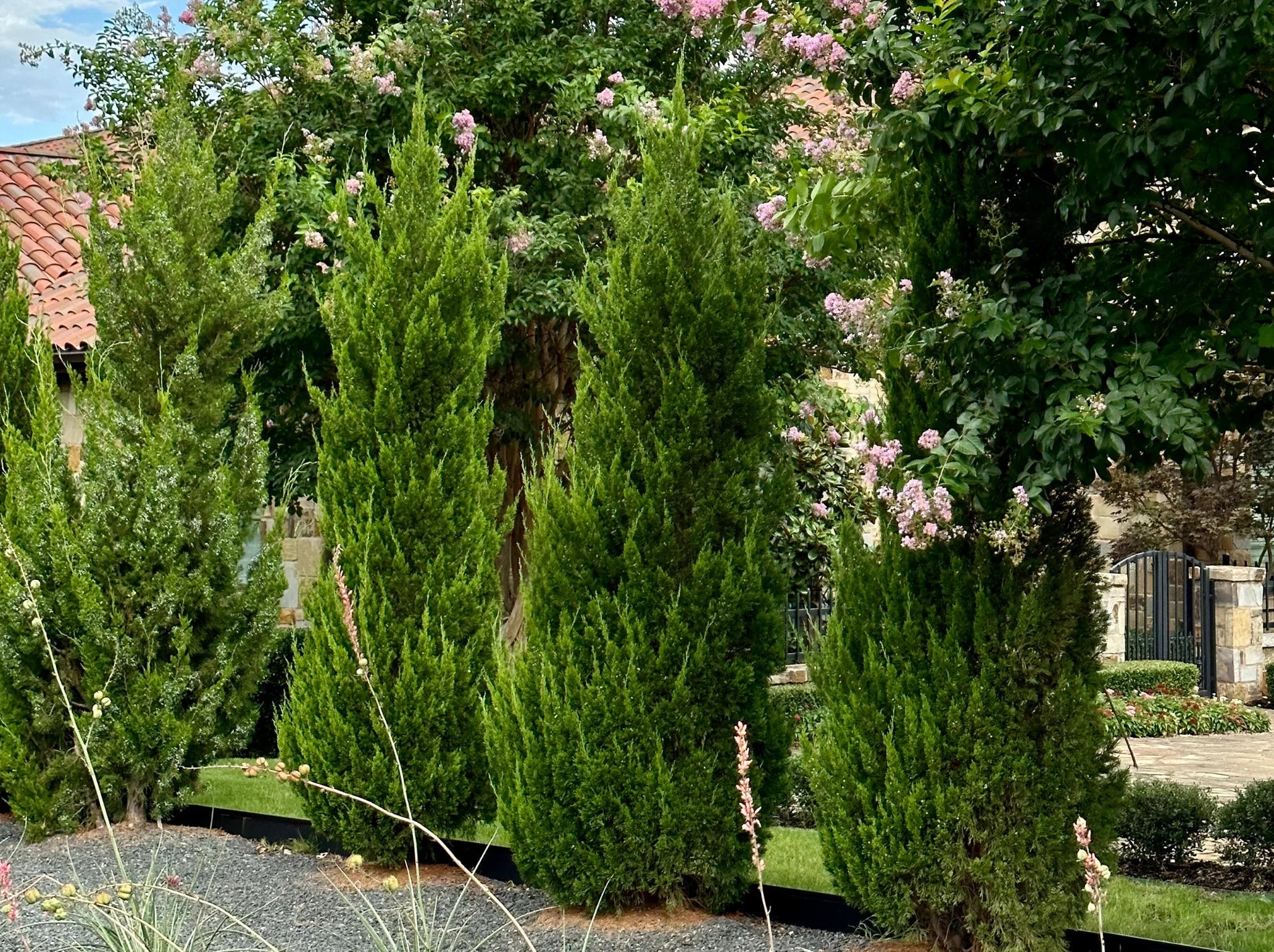
Spartan Juniper trees stand out as one of the most popular columnar evergreens for modern landscapes, thanks to their narrow profile, dense foliage, and exceptional adaptability. Developed as a cultivar of Chinese Juniper, ‘Spartan’ was introduced for its reliable pyramidal shape and low-maintenance nature—making it a favorite among landscapers and homeowners alike.
Unlike sprawling junipers or wide-spreading conifers, Spartan Junipers maintain a tidy, upright form that fits perfectly in tight spaces without overwhelming the garden.
Key Characteristics and Growth Habits
- Mature Height and Width: Typically reaches 15–20 feet tall (occasionally up to 25 feet in optimal conditions) with a slender width of just 3–5 feet. This narrow footprint makes them ideal for urban lots or side yards.
- Growth Rate: Moderate to fast—adding 12–18 inches per year once established. You’ll see noticeable privacy within 5–10 years.
- Foliage: Dense, scale-like dark green needles that remain vibrant year-round, providing four-season interest.
- Hardiness Zones: Thrives in USDA Zones 4–9, tolerating extreme cold, heat, drought, and even urban pollution.
- Form: Naturally pyramidal or columnar, often requiring no pruning to maintain shape.
These traits make Spartan Junipers a versatile choice for evergreen hedges, specimen plants, or topiaries.
Benefits Over Other Evergreens
Compared to popular alternatives like Leyland Cypress (which can grow too aggressively and suffer from diseases), Emerald Green Arborvitae (prone to deer damage and winter burn), or Thuja varieties (slower growth), Spartan Junipers excel in several ways:
- Deer Resistance: Deer typically avoid the textured foliage. 🦌
- Drought Tolerance: Once established, they need minimal watering.
- Disease Resistance: Generally healthier with fewer issues than many conifers.
- Low Pruning Needs: Holds its shape naturally, unlike sheared hedges.
- Windbreak Efficiency: Dense branches block wind and noise effectively.
Expert Insight: In my years working with evergreen landscapes, I’ve found Spartan Junipers to be one of the most reliable options for long-term privacy—outperforming many competitors in harsh conditions. 💡
Selecting and Buying Spartan Juniper Trees 🛒
How to Choose Healthy Spartan Junipers
Starting with quality plants is crucial for success. Look for nursery-grown trees with:
- Symmetrical, upright shape—no leaning or crooked leaders.
- Vibrant dark green foliage without yellowing or browning tips.
- Well-developed root ball (for balled-and-burlapped) or healthy roots in containers.
- No signs of pests, like webbing or bags.
Sizes range from 3-foot starters (budget-friendly but slower privacy) to 6–8-foot specimens (instant impact, higher cost).
Best Sources and Varieties
Purchase from reputable nurseries or online specialists in evergreens. Avoid big-box stores where plants may be root-bound or stressed.
Note: ‘Spartan’ is the primary cultivar—avoid confusion with similar junipers like ‘Skyrocket’ (thinner) or ‘Taylor’ (another columnar option).
Expert Tip: For quicker privacy, invest in larger 5–7-foot plants. Smaller ones save money but require patience. 🌱
Planting Spartan Juniper Trees: Step-by-Step 🚜
When and Where to Plant
Timing is key: Plant in fall (best for root establishment) or early spring. Avoid summer heat stress.
Site Requirements:
- Sunlight: Full sun (6+ hours daily) for densest growth and best color.
- Soil: Well-drained—tolerates sandy, loamy, clay, or poor soils, but hates soggy conditions.
- pH: 6.0–7.5 (slightly acidic to neutral).
Site Preparation and Soil Requirements
Test drainage: Dig a hole and fill with water—if it doesn’t drain in 24 hours, amend or choose another spot.
Amend with organic compost for nutrient-poor soils, but avoid heavy fertilization at planting.
Detailed Planting Instructions
Follow these steps for strong establishment:
- Dig a hole twice as wide as the root ball and the same depth (or slightly shallower).
- Gently loosen roots, especially if container-bound—use a knife to score sides if needed.
- Place the tree so the top of the root ball is 1–2 inches above soil level (prevents rot).
- Backfill with native soil, firming gently to eliminate air pockets.
- Water deeply to settle soil.
- Apply 2–3 inches of organic mulch (keep away from trunk to avoid rot).
Spacing for Stunning Privacy Screens
- Dense Privacy Hedge: 3–4 feet apart (faster solid wall).
- Looser Screen or Specimens: 5–7 feet apart.
- Double-Row Option: Stagger plants with rows 3–5 feet apart for ultra-thick barrier.
Pro Tip: Closer spacing creates quicker privacy but may require occasional thinning as they mature to maintain airflow.
Ongoing Care for Thriving Spartan Junipers 💧
Once your Spartan Juniper trees are in the ground, the good news is that they’re among the lowest-maintenance evergreens you can choose. With the right initial care, they’ll quickly establish and reward you with decades of trouble-free performance. Here’s how to keep them healthy and looking their best.
Watering Schedule
Proper watering is critical during the establishment phase but becomes minimal afterward.
- First Year: Water deeply once a week (about 1–2 inches) during dry periods. Soak the root zone thoroughly rather than frequent shallow sprinkles—this encourages deep roots.
- Second Year: Reduce to every 10–14 days if no significant rainfall.
- Established Plants (3+ Years): Extremely drought-tolerant. Supplemental watering is only needed during prolonged dry spells (more than 3–4 weeks without rain).
In hot climates, a slow drip hose or soaker system works wonders for efficient watering without wetting the foliage (which can invite disease).
Expert Insight: Overwatering is the #1 killer of junipers. Always check soil moisture 4–6 inches down—if it’s dry, water; if damp, wait. 🌵
Fertilizing Tips
Spartan Junipers thrive in average to poor soils and rarely need heavy feeding. Over-fertilizing can lead to weak, leggy growth.
- Apply a slow-release, balanced evergreen fertilizer (e.g., 10-10-10 or formulated for conifers) in early spring.
- Use half the recommended rate for young plants.
- Skip fertilizing in the planting year unless soil tests show deficiencies.
- Organic options like compost top-dressing work well for long-term soil health.
Pro Tip: If growth seems slow or foliage pales, a soil test can reveal nutrient needs—most issues stem from pH imbalance rather than lack of fertilizer.
Pruning and Shaping
One of the best features of Spartan Junipers is their natural columnar shape—they often need little to no pruning.
- When to Prune: Late winter or early spring, before new growth starts. Avoid fall pruning, which can stimulate tender growth vulnerable to winter damage.
- How to Prune: Light shaping only—remove dead, damaged, or crossing branches. Tip-prune for density if desired.
- Tools: Sharp hand pruners or hedge shears for clean cuts.
- Never Do: Cut into old, bare wood (no new growth will emerge). Keep the base wider than the top for snow shedding and health.
For formal hedges or topiaries (like spirals), start pruning when young and do it gradually over years.
Expert Insight: In my experience with hundreds of installations, minimal pruning preserves the plant’s natural vigor and reduces pest/disease risks. Less is truly more with these resilient evergreens!
Creating Beautiful Privacy Screens and Landscape Designs 🏡
Designing with Spartan Junipers
The narrow, upright form of Spartan Junipers makes them incredibly versatile for modern landscapes.
Privacy Hedge Ideas
- Classic Single Row: Plant along property lines for a seamless green wall. At 3–4 feet spacing, you’ll achieve solid privacy in 5–8 years.
- Ultra-Dense Double Row: Stagger two rows (3 feet between rows, 4–5 feet within rows) for faster, thicker screening—perfect for noisy urban areas.
- Corner Accents: Use pairs to frame views or hide utilities.
Other Creative Uses
- Windbreaks: Plant in staggered rows to reduce winter winds and energy costs.
- Formal Entryways: Flank driveways or gates for elegant symmetry.
- Container Specimens: Young plants work in large pots for patios (move indoors in Zone 4 winters).
- Mixed Borders: Pair with flowering shrubs like hydrangeas or roses for seasonal color contrast.

Real-Life Examples and Inspiration
Homeowners often report dramatic transformations: one client in the Midwest turned a barren side yard into a secluded oasis with a double row of Spartans, achieving 15-foot privacy in under a decade. Another used them to screen pool areas, combining beauty with functionality.
Common Problems, Pests, and Diseases (And How to Prevent Them) 🛡️
While Spartan Junipers are remarkably tough, no plant is invincible. Early detection and prevention keep issues rare.
Frequent Pests
- Bagworms: Small bags hanging from branches. Hand-pick in winter or early summer; use Bt (Bacillus thuringiensis) for heavy infestations.
- Spider Mites: Tiny webs and stippled foliage in hot, dry conditions. Hose off with strong water; apply insecticidal soap if needed.
- Juniper Scale: White or yellow spots on needles. Treat with horticultural oil in dormant season.

Diseases to Watch
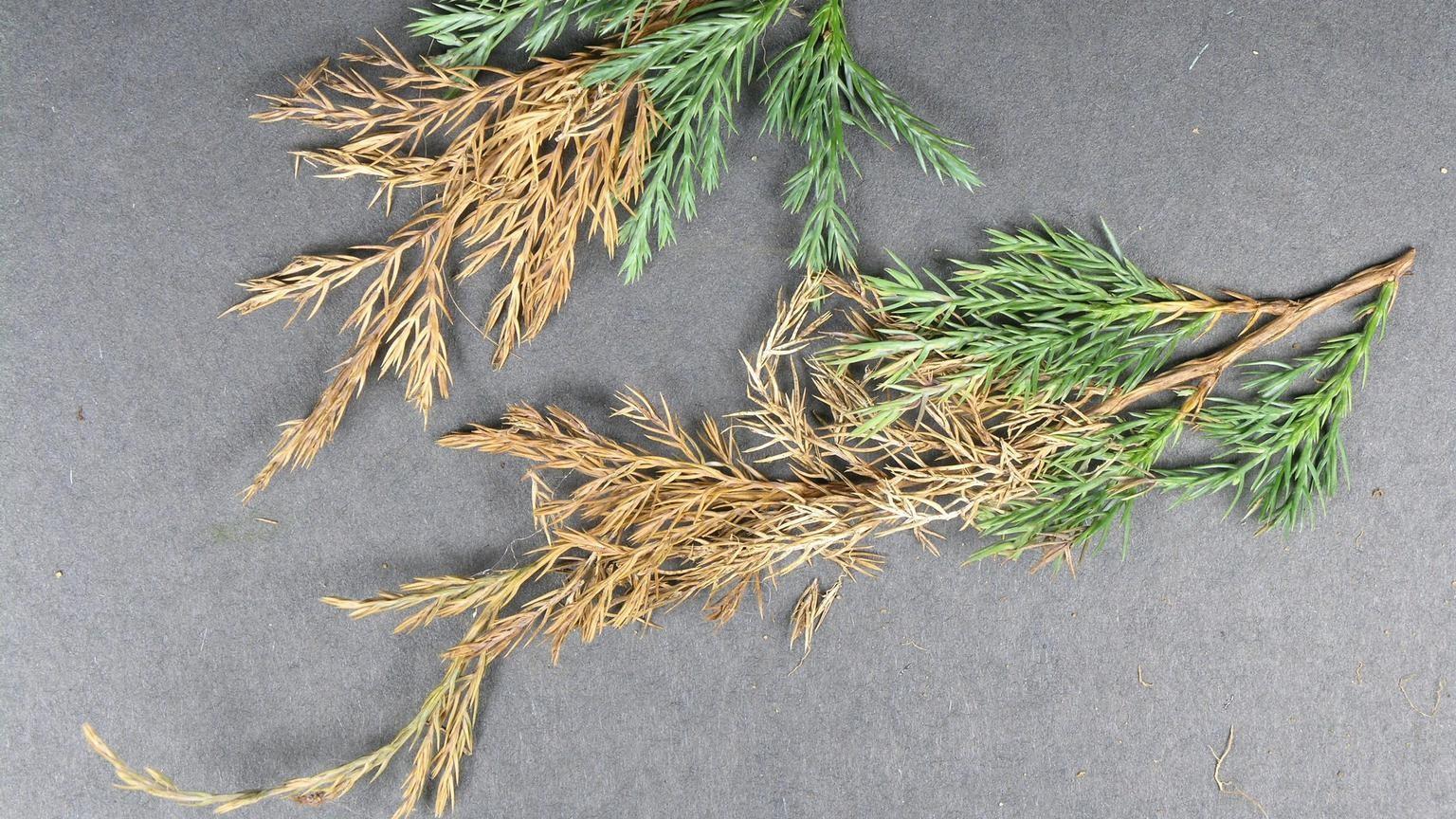
- Tip Blights (Phomopsis or Kabatina): Browning tips starting in spring. Prune affected parts and improve airflow.
- Cedar-Apple Rust: Orange spots (rare on Spartan—remove nearby susceptible apples/quince).
- Root Rot: Yellowing and decline from poor drainage—prevent with proper planting.
Prevention Strategies
- Plant in full sun with excellent drainage.
- Space properly for airflow.
- Avoid overhead watering.
- Inspect regularly in spring and fall.
Advanced Tips and Seasonal Care Calendar 📅
To elevate your Spartan Juniper trees from good to exceptional, incorporate these advanced strategies drawn from years of professional landscape experience.
Year-Round Maintenance
A simple seasonal routine ensures optimal health and appearance:
- Spring: Inspect for winter damage. Apply slow-release fertilizer if needed. Light prune for shape before new growth emerges. Monitor for early pest signs like spider mites.
- Summer: Deep water during extended heat waves. Check for bagworms (peak activity in June–July). Mulch to retain moisture and suppress weeds.
- Fall: Ideal planting season—cooler temperatures reduce stress. Refresh mulch layer. Avoid late pruning to prevent frost damage on new growth.
- Winter: In harsh Zone 4–5 areas, wrap young plants in burlap for wind/snow protection. Brush off heavy snow to prevent branch breakage.
Propagating and Long-Term Health
Spartan Junipers root easily from semi-hardwood cuttings:
- Take 6–8 inch cuttings in late summer.
- Dip in rooting hormone.
- Plant in well-draining mix under mist or humidity dome.
- Roots form in 8–12 weeks.
Longevity: With proper care, expect 50+ years of service. Mature privacy screens often reach full height (15–20 feet) in 10–15 years, then slow down.
Expert Insight: Regular airflow and sunlight exposure are the secrets to disease-free longevity—never crowd them with other plants at the base.
Frequently Asked Questions (FAQs) ❓
How fast do Spartan Junipers grow? Once established, they add 12–18 inches annually in height, with some vigorous specimens reaching 24 inches in ideal conditions (full sun, good drainage). Expect noticeable privacy screening within 5–8 years.
Are Spartan Junipers deer-resistant? Yes—highly resistant! The textured, aromatic foliage deters deer in most regions. In heavy pressure areas, young plants may need temporary netting until established. 🦌
Can I grow Spartan Junipers in containers? Yes, when young (up to 6–8 feet). Use large pots (at least 24 inches diameter) with excellent drainage. They’ll need more frequent watering and winter protection in cold zones, but eventually prefer in-ground planting for full maturity.
Why is my Spartan Juniper turning brown? Common causes: overwatering/root rot, poor drainage, tip blight, spider mites, or winter desiccation. Diagnose by checking soil moisture, inspecting for pests, and noting pattern (tips vs. whole branches). Act quickly—prune affected parts and correct the underlying issue.
What are good alternatives to Spartan Juniper?
- ‘Taylor’ Juniper: Similar but slightly taller and narrower.
- ‘Skyrocket’ Juniper: Even slimmer profile.
- Emerald Green Arborvitae: Softer texture but less drought-tolerant.
- Hollywood Juniper: Twisted, artistic form for accents.
Do Spartan Junipers produce berries? Female plants produce small blue-gray cones (berry-like) that attract birds. They’re non-toxic but not edible for humans.
How tall and wide will they really get? In most landscapes: 15–18 feet tall by 4–5 feet wide. In perfect conditions (deep soil, ample space), up to 25 feet tall.
Conclusion: Start Your Spartan Juniper Journey Today! 🌳
Spartan Juniper trees truly are the gold standard for low-maintenance, fast-growing evergreen privacy screens. With their narrow columnar shape, rich dark green foliage, exceptional drought and deer resistance, and minimal care requirements, they deliver stunning results that enhance property value and outdoor enjoyment for decades.
Whether you’re blocking an unsightly view, creating a peaceful backyard retreat, reducing street noise, or simply adding elegant structure to your landscape, Spartan Junipers make it achievable—even for beginner gardeners.
Now armed with this ultimate guide—from expert selection and planting techniques to troubleshooting and design inspiration—you’re ready to plant with confidence. Choose healthy specimens, give them a strong start, and watch as they transform your space into the private, beautiful oasis you’ve always wanted. 🌿
Happy planting—your stunning privacy screen awaits! 😊











