
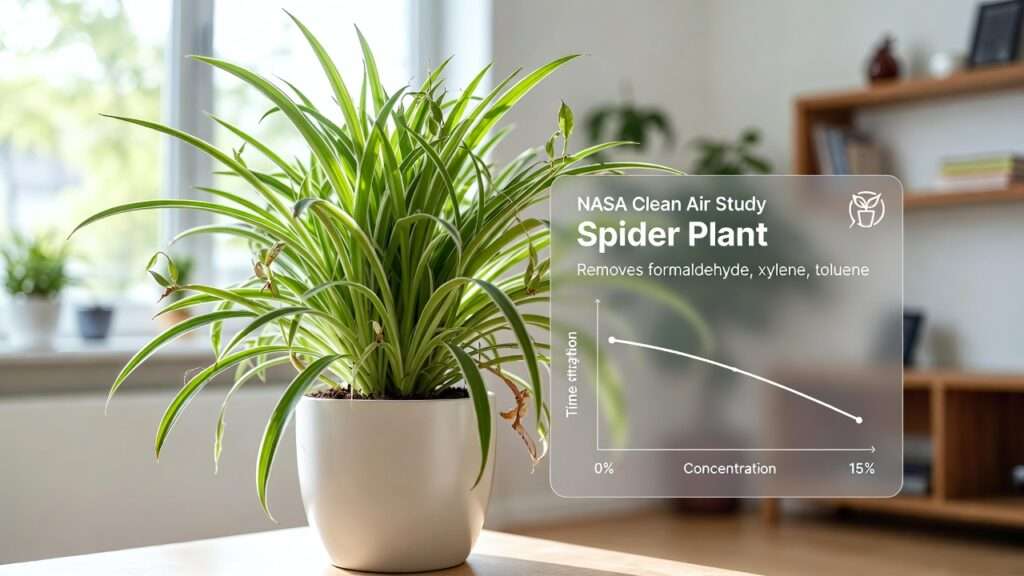
Have you ever placed a lush spider plant on your windowsill, hoping it would quietly battle indoor toxins like formaldehyde from new furniture or paint fumes? You’re not alone — millions of homeowners turn to this classic houseplant for its reputation as a natural air purifier, often citing the famous NASA study that claimed it removes up to 95% of certain pollutants in just 24 hours. But does spider plant air purification research hold up in real homes, or is it more myth than miracle?
In this comprehensive guide, we’ll dive deep into the original NASA Clean Air Study, examine what recent science (from 2020–2025) actually confirms, address common limitations, and provide practical, evidence-based advice so you can make informed decisions for healthier indoor spaces. Whether you’re dealing with allergies, urban pollution, or simply want greener living, you’ll get the full picture — no hype, just facts backed by studies and expert insights. Let’s uncover the truth together! ✨
The Legendary NASA Clean Air Study – Origins and Key Findings 📚
The story begins in the late 1980s when NASA, concerned about air quality in sealed spacecraft environments, partnered with the Associated Landscape Contractors of America (ALCA) to explore how common houseplants could remove volatile organic compounds (VOCs) — harmful gases like formaldehyde, benzene, and trichloroethylene emitted from building materials, cleaners, and furnishings.
Led by Dr. B.C. Wolverton at NASA’s Stennis Space Center, the 1989 study (formally titled “Interior Landscape Plants for Indoor Air Pollution Abatement”) tested plants in small, sealed chambers. Researchers introduced specific pollutants and measured reductions over time, focusing on the plants’ leaves, roots, and associated soil microbes that work together in phytoremediation — a natural process where plants absorb and break down toxins.
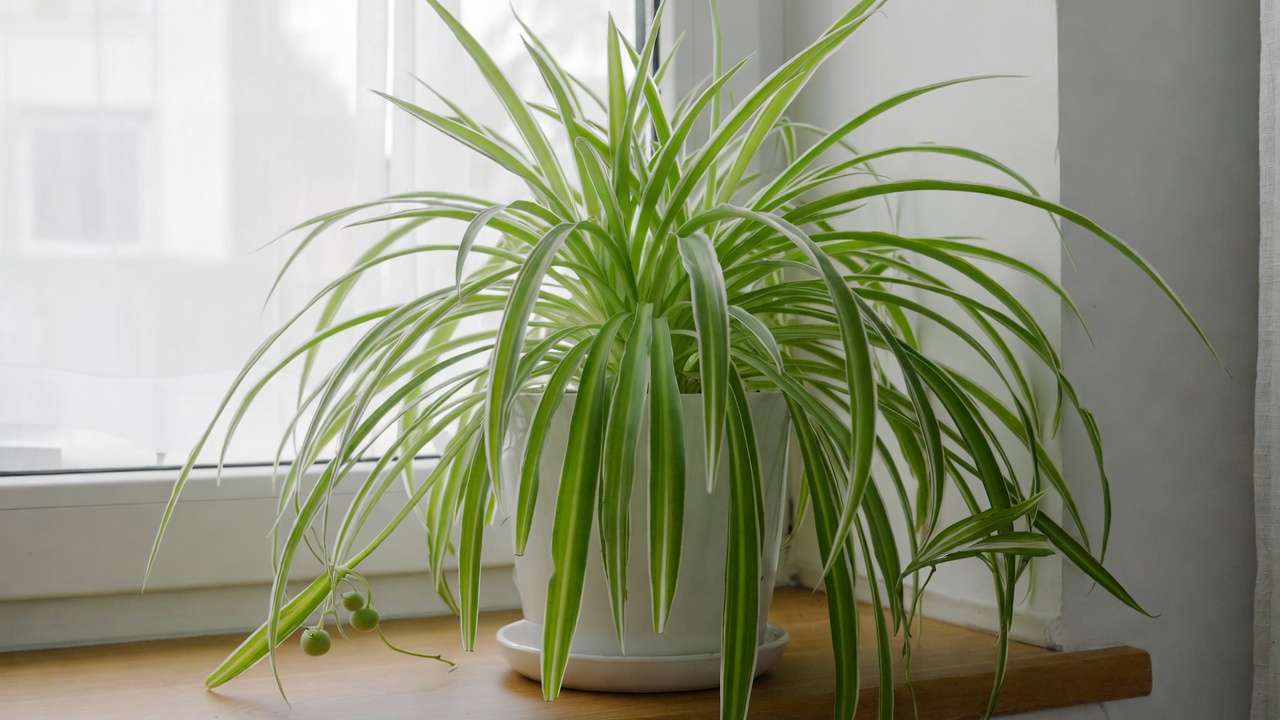
What Was the NASA Clean Air Study (1989)?
The experiments used controlled Plexiglas chambers (often around 85 gallons) with precise temperature, light, and pollutant dosing. Plants were exposed for 24 hours, and air samples tracked pollutant decay. This setup mimicked airtight space stations but differed vastly from ventilated homes. Key VOCs tested included formaldehyde (from pressed wood and insulation), benzene (from paints and plastics), and trichloroethylene (from solvents and adhesives).
Spider Plant’s Standout Performance
Among the top performers, the spider plant (Chlorophytum comosum) shone brightly. In sealed tests, it removed up to 95% of formaldehyde in 24 hours — one of the highest rates recorded. It also showed effectiveness against xylene and toluene (common in paints and glues). The mechanism? Leaves absorb gases through stomata, while root-zone bacteria degrade them into harmless compounds. Wolverton’s data indicated a single mature spider plant (in a 1-gallon pot) could remove thousands of micrograms of formaldehyde over hours, earning it a spot in NASA’s “top plants” list.
For context, here’s a quick comparison from the study findings:
- Spider plant: High formaldehyde removal (around 560 μg/h in some normalized data).
- Other standouts like bamboo palm and peace lily performed well on multiple VOCs, but spider plant excelled in ease and speed for formaldehyde.
Original NASA Recommendations
Wolverton estimated that 8–15 mature spider plants (in 1-gallon pots) could provide continuous purification for a typical home scenario, based on chamber extrapolations. He suggested 2–3 plants per 100 square feet as a rule of thumb. These numbers sparked widespread enthusiasm — and the enduring legend of spider plants as super air cleaners! 🌱
What Recent Science Says – Updates, Confirmations, and Criticisms 🔬
While the NASA study remains foundational, science has advanced. Recent research (2020–2025) revisits phytoremediation, tests real-world conditions, and addresses criticisms for a more nuanced view.
Supporting Studies (2000s–2025)
Modern experiments confirm spider plants’ capability:
- A 2025 study on particulate matter (PM) found spider plants reduced indoor PM by up to 64.6% over a week in tested spaces (e.g., near computers emitting dust/pollutants), outperforming basil.
- 2025 research in college campus settings showed Chlorophytum comosum mitigating formaldehyde and improving air quality sustainably.
- Another 2025 paper compared spider plants and peace lilies, noting spider plants reduced formaldehyde by about 0.0071 mg/m³ per pot in 24 hours — effective in combination for below-threshold levels (<0.1 ppm).
- Earlier confirmations (e.g., 2021 reviews) highlight benefits like mold spore reduction, humidity regulation, and oxygen production.
These build on NASA’s work, showing spider plants accumulate PM on leaves and process VOCs via microbes.
Important Limitations and Reality Checks ⚖️
Critiques are crucial for balance. A landmark 2019 review (often cited in 2020s discussions) analyzed decades of data and calculated “clean air delivery rate” (CADR). Key takeaway: In ventilated homes, plants’ impact is modest because air exchange (windows, HVAC) removes VOCs far faster.
To match sealed-chamber results, you’d need 10–1,000 plants per square meter — hundreds for a 1,500 sq ft home! Organizations like the American Lung Association note: NASA proved plants work in closed chambers, but real homes aren’t sealed. Ventilation outperforms plants for most VOC removal. A 2019 Drexel University analysis echoed this: Plants dissipate VOCs orders of magnitude slower than building air exchange.
Balanced view: Not a “scam” — spider plants do absorb toxins — but claims are often overhyped. They’re complementary, not replacements for open windows, exhaust fans, or HEPA purifiers. 🌬️
Real-World Effectiveness – How Much Can Spider Plants Actually Help Your Home? 🏡
Now that we’ve examined the science behind the hype, let’s get practical: what can you realistically expect from spider plants in your everyday living space?
The key insight from both NASA-era data and modern reviews is scale. In sealed lab chambers, a single mature spider plant demonstrates impressive removal rates — often cited as up to 95% formaldehyde reduction in 24 hours under controlled, high-concentration conditions. But homes aren’t sealed chambers. Normal air exchange through windows, doors, HVAC systems, and even small leaks dilutes pollutants rapidly. A 2019 meta-analysis (widely referenced in recent discussions) standardized removal efficiencies and calculated “clean air delivery rates” (CADR). The conclusion? Plants’ VOC removal is orders of magnitude slower than typical building ventilation rates.

Practical estimates:
- For minor, cumulative benefits in a small, poorly ventilated room (like a bedroom or home office), 5–10 healthy spider plants can contribute modestly to lower VOC levels, especially right after introducing new furniture, carpets, or paint.
- In larger or well-ventilated spaces, the impact from a handful of plants becomes negligible for measurable air quality changes.
- A rough NASA-inspired guideline (from Wolverton’s extrapolations) suggested 2–3 plants per 100 square feet, but critics note this still falls short in real conditions — you’d likely need dozens (or more) for noticeable VOC reductions comparable to opening a window briefly.
That said, spider plants offer synergistic perks that go beyond raw numbers:
- They accumulate particulate matter (PM) on leaves — a 2025 study showed spider plants reduced indoor PM by up to 64.6% over a week when placed near a dust-emitting source like a computer, outperforming basil in the same setup.
- They boost relative humidity slightly through transpiration, helping in dry climates or during winter heating.
- They’re completely non-toxic and safe around pets and kids — unlike some other “air-purifying” plants.
- Psychologically, caring for them reduces stress (biophilia effect), indirectly supporting overall well-being.
Here’s a quick comparison table of popular air-purifying plants (based on NASA rankings and follow-up studies):
| Plant | Key Pollutants Removed | Ease of Care | Real-World Impact Estimate | Pet-Safe? |
|---|---|---|---|---|
| Spider Plant | Formaldehyde, xylene, toluene | Very easy | Modest (best in clusters) | Yes |
| Snake Plant | Formaldehyde, benzene, xylene | Extremely easy | Similar modest | Yes |
| Peace Lily | Formaldehyde, ammonia, benzene | Moderate | Good, but toxic if ingested | No |
| Boston Fern | Formaldehyde, xylene | High maintenance | Humidity + modest VOCs | Yes |
Bottom line: Spider plants aren’t magic bullets for air purification, but they’re excellent low-effort companions that provide small, ongoing benefits — especially when combined with better habits like regular ventilation. 💨
How to Maximize Spider Plant Air-Purification Benefits – Expert Care Tips 🌱
To get the most from your spider plants (even if the air-cleaning effect is supplementary), focus on keeping them healthy and active — thriving plants photosynthesize better, transpire more, and support robust root microbes for pollutant breakdown.

Choosing and Placing Your Spider Plants
- Opt for mature, bushy specimens in 6–10 inch pots — larger leaf surface area means more stomata for gas exchange.
- Place them in bright, indirect light (east- or north-facing windows work best). Avoid direct harsh sun, which can scorch leaves.
- Ideal spots: Bedrooms (for overnight oxygen boost), living rooms near furniture/off-gassing items, home offices, or kitchens (away from cooking fumes).
- Group them! Clustering 3–5 in one area creates a mini “green filter” zone and looks beautiful.
Essential Care for Healthy, High-Performing Plants
Spider plants are famously forgiving — perfect for beginners:
- Watering: Keep soil evenly moist but not soggy. Water when the top inch feels dry (about every 7–10 days). Overwatering causes root rot.
- Soil & Potting: Use well-draining potting mix (add perlite or orchid bark if needed). Repot every 1–2 years in spring.
- Light & Temperature: 60–80°F (15–27°C) is ideal. They tolerate low light but grow slower and purify less effectively.
- Fertilizer: Feed monthly in growing season (spring–summer) with balanced liquid fertilizer diluted to half strength.
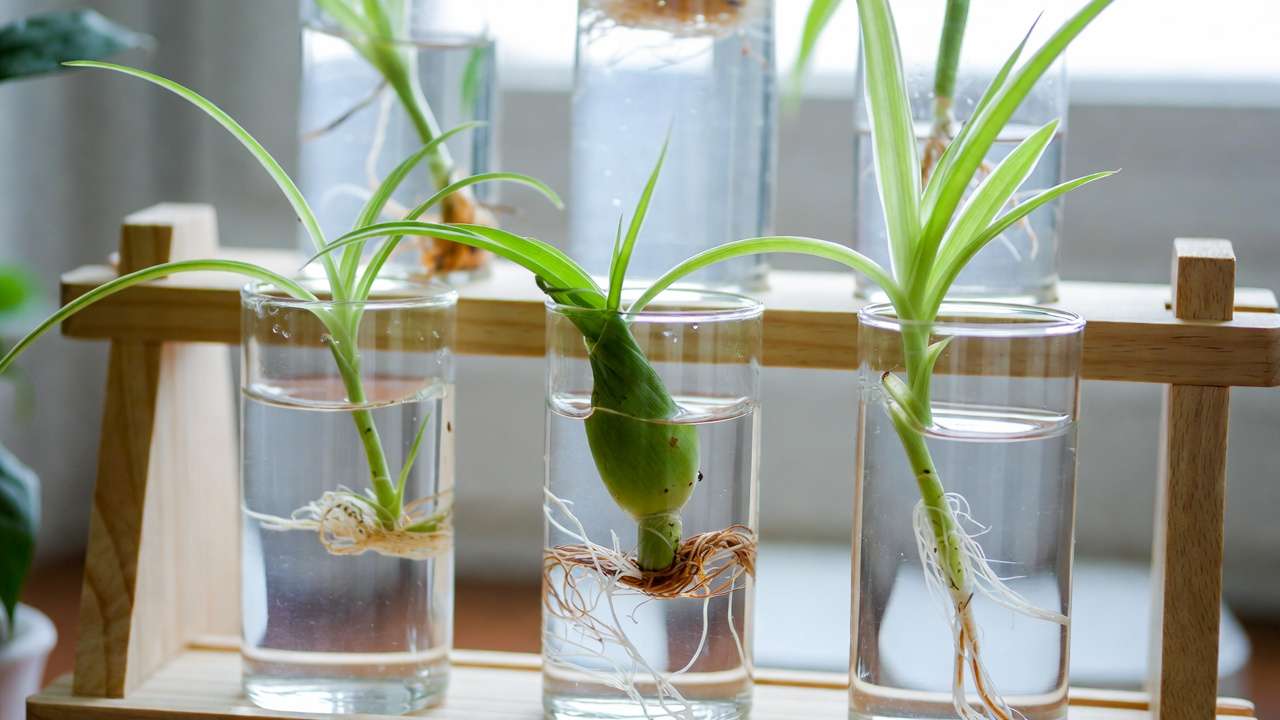
- Propagation Magic: Spider plants produce “pups” (baby plantlets) on long runners. Snip and root them in water or soil for free new plants — scale up your collection quickly! 🧬
Pro tip: Gently dust or wipe leaves monthly with a damp cloth. Clean leaves = open stomata = better pollutant uptake.
Scaling Up – Realistic Numbers for Noticeable Impact
- Start small: 3–5 plants per average room (e.g., bedroom or office) for subtle, feel-good benefits.
- For more ambitious setups: Aim for 10+ across a home, focusing on high-VOC areas.
- Combine with smart strategies: Open windows daily, use exhaust fans, choose low-VOC paints/furnishings, and consider a HEPA air purifier for heavy-duty needs. Plants + ventilation = the winning team!
Beyond Air Purification – Other Amazing Benefits of Spider Plants 😊
Even if the air-purifying superpower is more modest than legends suggest, spider plants deliver big value elsewhere:
- Pet- and kid-safe: No toxic sap — a huge plus compared to peace lilies or pothos.
- Humidity helpers: Transpiration adds gentle moisture to dry indoor air, easing winter skin and respiratory comfort.
- Mental health boosters: Studies link indoor greenery to reduced stress, better focus, and improved mood (biophilia in action).
- Low-maintenance joy: Fast-growing, forgiving, and prolific — they reward minimal effort with cascading green beauty and endless pups to share.
In short, spider plants enrich your home aesthetically, emotionally, and ecologically — a small but meaningful step toward greener living.

Conclusion 🌟
Spider plant air purification research tells a clear, balanced story: The 1989 NASA Clean Air Study was legitimate and groundbreaking in controlled settings, with spider plants excelling at removing formaldehyde and other VOCs. Recent science (2020–2025) confirms their natural ability to absorb pollutants and particulates, but real-world homes with ventilation limit the impact to modest, supplementary levels — not a substitute for proper airflow or mechanical filters.
Still, spider plants remain one of the best beginner-friendly houseplants you can choose. Add a few (or more!) for their beauty, ease, pet safety, and subtle air-quality support. Start today: Grab a healthy spider plant, give it bright indirect light and consistent care, and enjoy the greener, fresher vibe it brings to your space. Your home — and your well-being — will thank you! 🌿✨
What’s your experience with spider plants? Drop a comment below or share your favorite care tip — I’d love to hear! 😊
FAQs Section ❓
Do spider plants really purify air according to NASA? Yes — the 1989 NASA study showed they removed up to 95% of formaldehyde in sealed chambers within 24 hours, ranking them among top performers.
How many spider plants do I need to clean my room? For minor benefits, 3–10 per room works well. For significant VOC reduction in real homes, studies suggest dozens to hundreds — impractical, so focus on ventilation + plants.
Are spider plants better than air purifiers? No — HEPA purifiers remove particles and some VOCs far more efficiently. Plants complement them beautifully for aesthetics, humidity, and subtle help.
Can spider plants remove mold or allergens? They can reduce airborne mold spores and accumulate some particulates/allergens on leaves, but they’re not a primary mold solution — improve ventilation and fix moisture sources first.
Are spider plants safe for cats and dogs? Absolutely! They’re non-toxic — safe even if curious pets nibble.











