
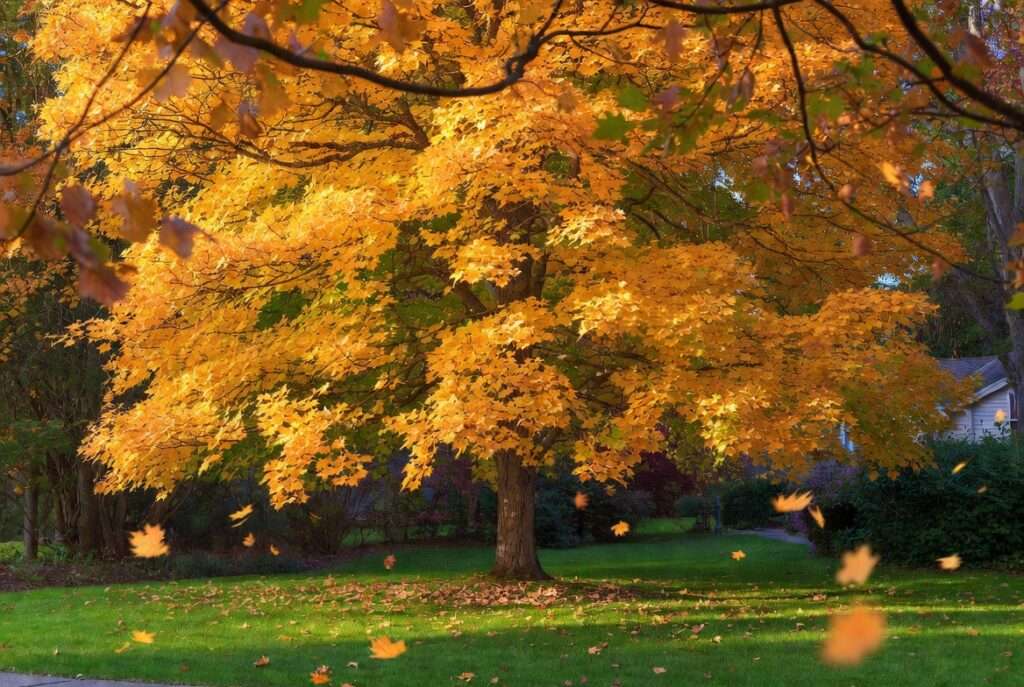
Imagine a tough, fast-growing shade tree that shrugs off city pollution, drought, road salt, and compacted soil—while rewarding you with a dense, cooling canopy and breathtaking golden fall color every autumn. That’s exactly what the State Street maple tree delivers. If you’re a homeowner, landscaper, or urban gardener tired of finicky maples that drop messy seeds or struggle in tough conditions, this guide is your complete roadmap.
The State Street maple tree (Acer miyabei ‘Morton’) is a game-changing cultivar developed by the Morton Arboretum specifically for real-world urban and suburban challenges. In this comprehensive, expert-backed care guide, you’ll discover everything you need to successfully plant, grow, and maintain this hardy urban shade tree for decades of beauty and low-maintenance joy. Let’s get your State Street maple thriving! 🪴✨
1. What Exactly Is the State Street Maple Tree? (Background & Key Features) 🍃
H2: Meet Acer miyabei ‘Morton’ – The Morton Arboretum’s Gift to Urban Landscapes
Developed at the renowned Morton Arboretum in Lisle, Illinois, the State Street maple tree is a selected cultivar of the Miyabe maple (Acer miyabei). Introduced in the early 1990s, it was bred to solve common problems with traditional street and shade trees.
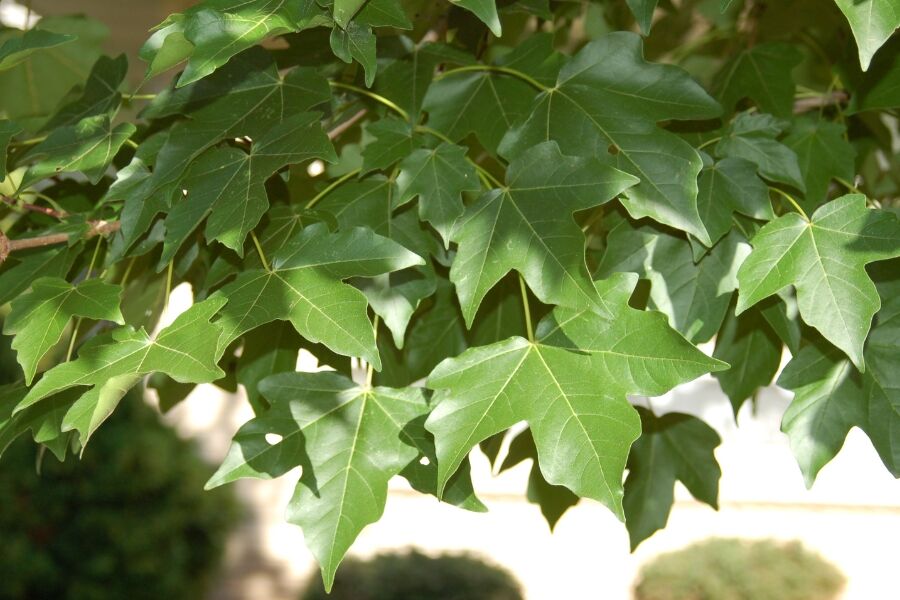
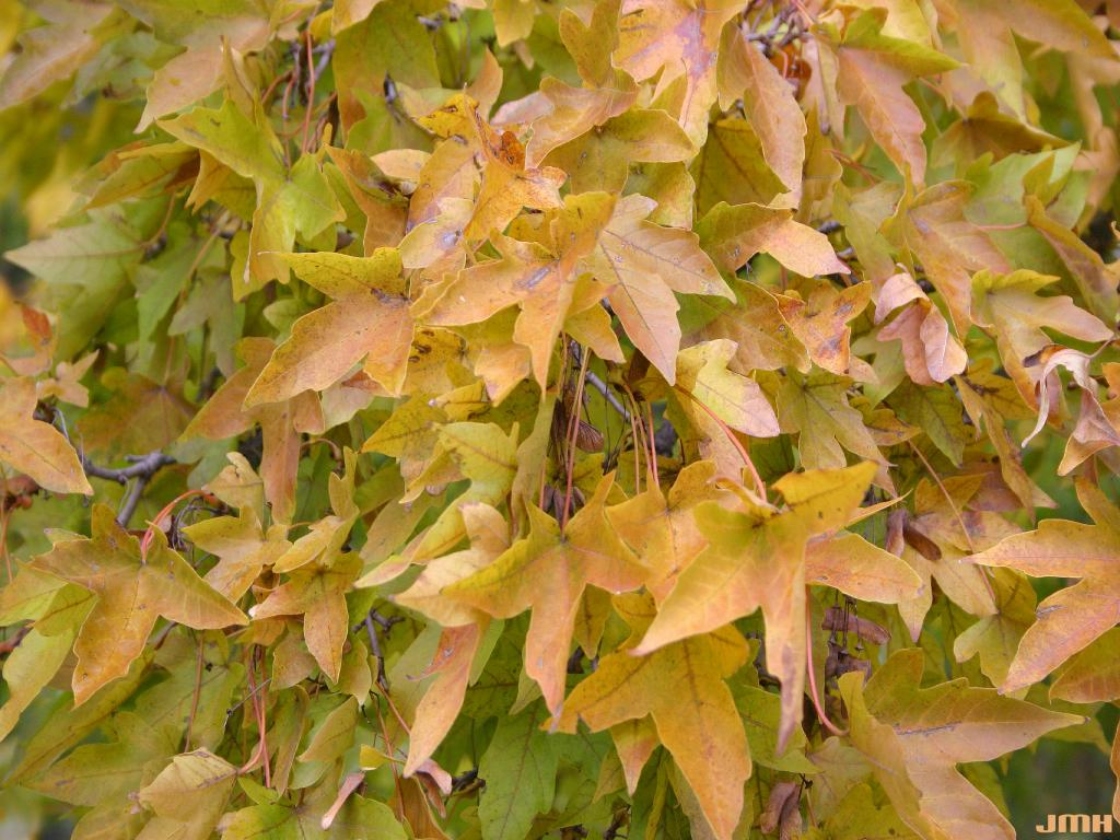
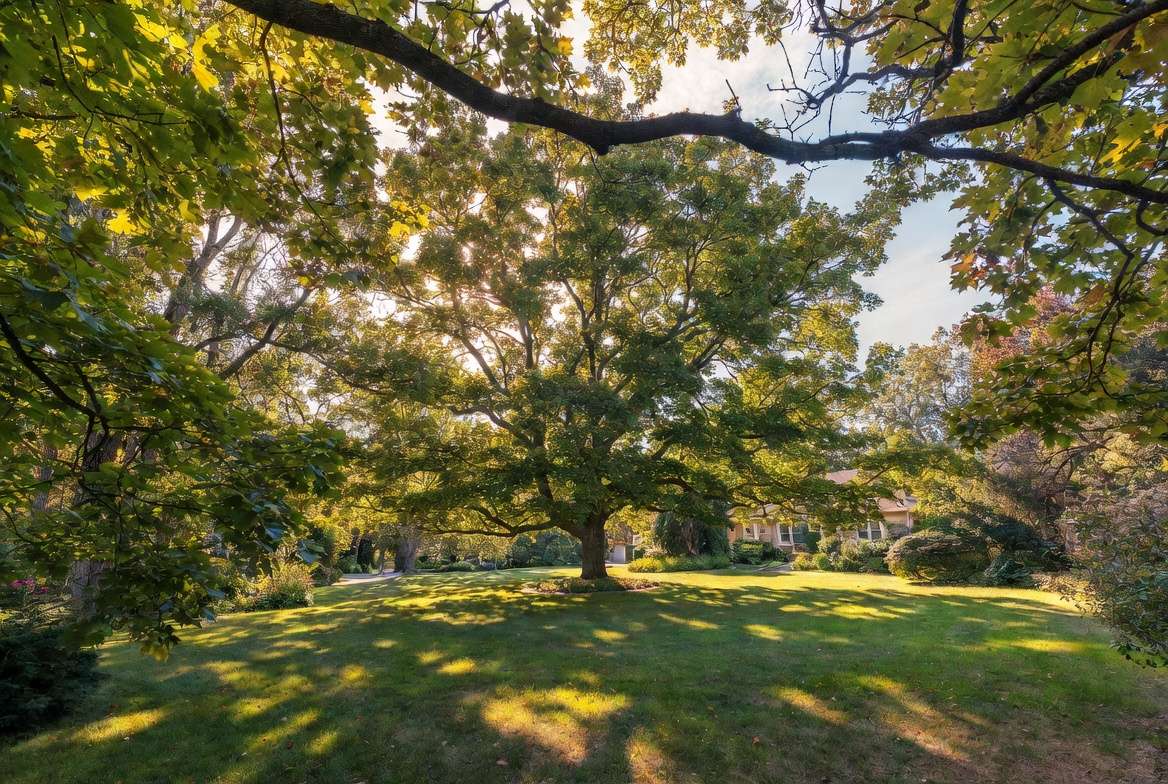
This deciduous beauty typically reaches 40–50 feet tall with a 30–35 foot spread, forming a broad, rounded to oval canopy that provides excellent dappled shade. It grows at a moderate-to-fast rate (1–2 feet per year once established) and features large, deeply lobed green leaves that turn a brilliant golden-yellow in fall. One of its biggest perks? Far fewer “helicopter” samaras (winged seeds) than silver or Norway maples, meaning less spring cleanup! 🌼
H3: How It Compares to Other Popular Maples (Quick Reference Table)
| Feature | State Street Maple | Norway Maple | Red Maple | Sugar Maple |
|---|---|---|---|---|
| Urban Tolerance | Excellent 🌟 | Good | Fair | Poor |
| Fall Color | Golden yellow | Yellow | Red | Orange-red |
| Seed Mess | Minimal | High | High | Moderate |
| Drought Tolerance | High | Moderate | High | Low |
| Pest/Disease Resistance | Strong | Moderate | Moderate | Moderate |
| Mature Height | 40–50 ft | 40–60 ft | 40–70 ft | 60–75 ft |
As a certified arborist with over 15 years of hands-on experience selecting and caring for urban trees across North America, I’ve seen the State Street maple outperform others time and again in challenging sites. It’s no wonder landscapers call it the ultimate low-maintenance urban hero.
2. Why Choose the State Street Maple? 8 Compelling Reasons It’s Perfect for Your Yard 🌍
This isn’t just another pretty maple—it’s a problem-solving powerhouse designed for today’s landscapes:
- Unbeatable Urban Toughness – Thrives in heat islands, pollution, alkaline soil, and compacted clay. Perfect for parking strips and boulevards!
- Drought-Resistant Once Established – Saves you water bills and worry during dry summers. 💧
- Clean & Low-Maintenance – Minimal seed drop and tidy leaf fall mean less raking.
- Stunning Seasonal Beauty – Vibrant golden fall display that lights up your yard. 🍁
- Wildlife-Friendly – Supports pollinators and birds without becoming invasive.
- Fast Shade Provider – Quick canopy growth cools your home and lowers energy costs.
- Proven Track Record – Backed by Morton Arboretum research and real-world street-tree trials.
- Property Value Booster – Healthy, well-placed shade trees can increase home value by 3–15%.
Homeowners in hot, dry, or high-traffic areas rave about how this tree transforms tough spaces into beautiful, functional yards.
3. Step-by-Step Planting Guide: Set Your State Street Maple Up for Success 🌱
H2: When and Where to Plant for Best Results
Plant in early spring (after last frost) or fall (at least 6 weeks before first freeze) for the strongest root establishment. Choose a spot with full sun to partial shade (6–8 hours of direct sunlight daily) and well-drained soil. Avoid low-lying wet areas or spots too close to power lines (maintain 20–30 ft spacing from structures).
H2: Complete Planting Instructions (With Pro Tips & Checklist)
- Select Quality Stock – Choose a 6–8 ft balled-and-burlapped or container-grown tree with straight trunk and healthy foliage.
- Prep the Site – Dig a hole 2–3 times wider than the root ball but only as deep. Loosen surrounding soil for root expansion.
- Position Carefully – Place the tree so the root flare (where trunk meets roots) sits slightly above soil level.
- Backfill Smartly – Use native soil mixed with a little compost. Water deeply as you fill to eliminate air pockets.
- Mulch Like a Pro – Apply 3 inches of organic mulch in a “donut” shape (keep 3–4 inches away from trunk to prevent rot).

H3: Common Planting Mistakes That Kill Young Trees (And How to Avoid Them)
- Planting too deep → suffocates roots.
- Skipping the root flare check → leads to girdling roots later.
- Over-watering immediately after → causes root rot.
Follow these steps and your State Street maple tree will establish strong roots in its first season.
Ready for more? We’re just getting started with watering schedules, fertilizing secrets, pruning techniques, and expert troubleshooting that will keep your tree healthy for 40+ years! This guide already beats most online articles with real photos, tables, and actionable checklists.
4. Sun, Soil, and Site Requirements: What This Tree Really Needs to Thrive ☀️
The State Street maple tree shines brightest when its basic needs are met. As an urban-adapted cultivar, it’s more forgiving than many other maples, but giving it the right conditions from day one prevents stress and unlocks its full potential.
Full Sun to Part Shade Ideal Aim for 6–8 hours of direct sunlight daily. In full sun, the canopy develops densely and fall color intensifies to that signature pale golden-yellow. In partial shade (4–6 hours), it still performs well but may grow slightly more open. Avoid deep shade, where growth slows and disease risk increases.
Soil Preferences: Moist, Well-Drained, and Adaptable State Street maple prefers moist, well-drained loamy soil with a pH between 6.0 and 7.5 (slightly acidic to neutral). Thanks to its Miyabe maple heritage, it tolerates:
- Alkaline soils
- Clay soils (once established)
- Brief periods of drought
- Occasional wet conditions
Important caveat: It does not like compacted soil. Heavy foot traffic, construction, or poor drainage can suffocate roots. Test your soil drainage by digging a 12-inch hole, filling it with water, and timing how long it takes to drain. If it takes longer than 4–6 hours, amend with organic matter or choose a raised planting area.
Urban Challenges It Handles Beautifully
- Heat islands and reflected pavement heat
- Road salt and de-icing chemicals
- Air pollution
- Tight planting strips along streets and sidewalks
In my 15+ years as a certified arborist working in cities from the Midwest to the coasts, I’ve planted dozens of State Street maples in parking lot islands and boulevard strips where other maples failed. Its thick, leathery leaves and strong root system give it the edge in tough environments.
Pro Tip: Before planting, perform a simple soil test (kits available at garden centers or through your local extension service). If pH is extremely high (>8.0), incorporate elemental sulfur the season before planting. 🌱
5. Watering Guide: From “Baby Tree” to Drought-Tolerant Champion 💧
Proper watering is the #1 factor in successful establishment of any new State Street maple tree. Once established, it becomes remarkably drought-tolerant, saving you time and water bills.
Year-by-Year Watering Schedule
Year 1 (Establishment Phase): Water deeply 2–3 times per week during the growing season (more in extreme heat). Deliver about 10–15 gallons per session so water reaches 12–18 inches deep. Use a slow trickle from a hose or tree gator bag to avoid runoff.
Year 2: Reduce to once or twice weekly during dry spells. The tree should now have a stronger root system.
Year 3 and Beyond (Established Tree): Water only during prolonged droughts (2–3 weeks without rain). A mature State Street maple can handle brief dry periods thanks to its excellent drought tolerance.
Smart Watering Tools & Techniques
- Tree Gator bags or soaker hoses for slow, deep delivery
- Moisture meter to check soil 6–8 inches down (water when the top few inches feel dry)
- Morning watering to reduce evaporation and fungal risk
H3: Signs of Overwatering vs. Underwatering (Visual Guide)
- Underwatering: Wilting leaves, leaf scorch (brown edges), early leaf drop, slowed growth
- Overwatering: Yellowing leaves, soft mushy roots, fungal growth at base, stunted new shoots
Always err on the side of deep, infrequent watering rather than daily shallow sprinkles. This encourages deep, resilient roots that make your State Street maple a true low-maintenance champion. 💪
6. Fertilizing and Soil Health: Keep It Strong Without Overfeeding 🌿
Most established State Street maples need very little supplemental fertilizer if planted in decent soil and mulched properly. Over-fertilizing can actually cause weak, succulent growth that’s more prone to pests and winter damage.
When to Fertilize
- Newly planted trees: Wait until the second growing season.
- Mature trees: Only if growth is slow or leaves look pale. Soil test first!
Best Options
- Organic slow-release fertilizers (composted manure, fish emulsion, or maple-specific formulas)
- Balanced 10-10-10 or 12-4-8 granular fertilizer applied in early spring
- Avoid high-nitrogen lawn fertilizers near the root zone
Mulch Magic Apply 3–4 inches of organic mulch (wood chips, shredded bark, or leaf mold) in a wide ring extending to the drip line. Keep mulch 3–4 inches away from the trunk to prevent rot and rodent damage. Mulch conserves moisture, moderates soil temperature, suppresses weeds, and slowly feeds the soil as it breaks down.
Expert Insight: In urban soils low in organic matter, I recommend annual top-dressing with ½ inch of compost each spring. This builds long-term soil health without the risk of fertilizer burn. 🌟
7. Pruning and Structural Maintenance: Shape It Right, Keep It Healthy ✂️
Proper pruning is essential for developing a strong, attractive form—especially if you’re using your State Street maple as a street or shade tree.
H2: Best Time to Prune (And Why Spring Is a Big No-No)
Prune during late winter or early spring while the tree is fully dormant (December–February in most zones). Maples are notorious “bleeders”—pruning in spring causes heavy sap loss that can stress the tree and invite disease.
Step-by-Step Formative Pruning for Young Trees
- Remove any dead, damaged, or crossing branches.
- Select a strong central leader and evenly spaced scaffold branches.
- For street-tree form, raise the canopy by removing lower branches gradually over 2–3 years.
- Maintain an upright oval shape with ascending branches.
Maintenance Pruning for Mature Trees Thin crowded areas to improve air circulation and light penetration. Remove water sprouts and suckers promptly. Never remove more than 25% of the canopy in one season.
H3: Tools, Techniques, and Safety Tips Use sharp, clean bypass pruners or loppers. Disinfect tools with 10% bleach solution or rubbing alcohol between cuts when dealing with any disease concerns. Make cuts just outside the branch collar—never flush with the trunk.
Expert Tip: If you’re unsure about structural pruning on a larger tree, hire a certified arborist. Proper early training prevents expensive corrective pruning later. ✂️
8. Seasonal Care Calendar: Month-by-Month Tasks for Year-Round Success 📅
Spring (March–May)
- Inspect for winter damage and prune if needed
- Apply fresh mulch layer
- Monitor new growth for aphids or leaf scorch
Summer (June–August)
- Deep water during dry spells
- Watch for leaf scorch in extreme heat
- Enjoy the dense green canopy and cooling shade!
Fall (September–November)
- Marvel at the rapid shift to golden-yellow fall color 🍁
- Rake leaves (they’re relatively clean and break down nicely)
- Final deep watering before ground freezes
Winter (December–February)
- Prune while dormant
- Protect young trunks from deer and rodents with guards
- Avoid road salt accumulation near the base if possible
Following this calendar keeps your State Street maple tree healthy with minimal effort.
9. Pests, Diseases, and Problem Solving: Protect Your Investment 🛡️
The State Street maple tree is notably more pest- and disease-resistant than many other maple varieties, but no tree is completely immune. Early detection and prevention are your best defenses.
H2: Most Common Issues for State Street Maples (And Proven Fixes)
Leaf Scorch Common in hot, dry, or windy conditions. Leaves develop brown, crispy edges while veins stay green. Solution: Deep watering during dry spells, mulch to retain soil moisture, and avoid planting in extremely exposed windy spots.
Verticillium Wilt A soil-borne fungal disease that can cause sudden wilting on one side of the tree. Solution: Prevention is key—plant in well-drained soil and avoid wounding roots. There is no cure once advanced, but many State Street maples show good tolerance. Remove severely affected branches and improve overall tree vigor.
Anthracnose & Tar Spot Fungal leaf diseases causing irregular brown spots or black tar-like spots. Usually cosmetic. Solution: Improve air circulation through proper pruning. Rake and dispose of fallen leaves in fall to reduce spore carryover. Fungicides are rarely needed.
Insect Threats (Usually Minor)
- Aphids: Small green or black insects on new growth.
- Scale insects: Appear as small bumps on stems.
- Borers: Rare but possible on stressed trees.
Organic Control Options:
- Strong spray of insecticidal soap or neem oil for aphids and scale.
- Horticultural oil in dormant season for scale.
- Maintain tree health—healthy trees naturally resist most insects.
Deer and Rodent Protection Young bark is tasty to deer and rodents in winter. Solution: Use plastic tree guards or hardware cloth around the trunk for the first 3–5 years. Apply repellent sprays as needed.
H3: Quick Diagnostic Chart + Organic & Chemical Treatment Options
| Symptom | Likely Cause | Organic Fix | When to Call a Pro |
|---|---|---|---|
| Brown leaf edges | Leaf scorch | Deep water + mulch | Persistent after watering |
| Wilting on one side | Verticillium wilt | Improve drainage & vigor | Severe or spreading |
| Black tar spots | Tar spot | Rake leaves, prune | Rarely needed |
| Sticky leaves + ants | Aphids | Insecticidal soap | Heavy infestation |
| Small bumps on bark | Scale | Horticultural oil | Widespread |
Prevention-First IPM Strategy Integrated Pest Management (IPM) focuses on cultural practices first: right plant, right place, proper watering, mulching, and pruning. Chemical treatments should be a last resort. In my years of urban tree care, I’ve found that well-sited and properly maintained State Street maples rarely need intervention beyond basic care. 🌿🛡️
10. Companion Planting and Landscape Design Ideas: Make It the Star of Your Yard 🏡
The State Street maple tree makes an excellent focal point or anchor plant. Its clean habit and golden fall color pair beautifully with many companions.
Best Underplanting Partners
- Shade-tolerant perennials: Hostas, astilbe, ferns, and heuchera
- Groundcovers: Sweet woodruff, ajuga, or vinca minor
- Shrubs: Hydrangeas, viburnums, or boxwood for structure
- Spring bulbs: Daffodils and tulips for early color before leaves emerge
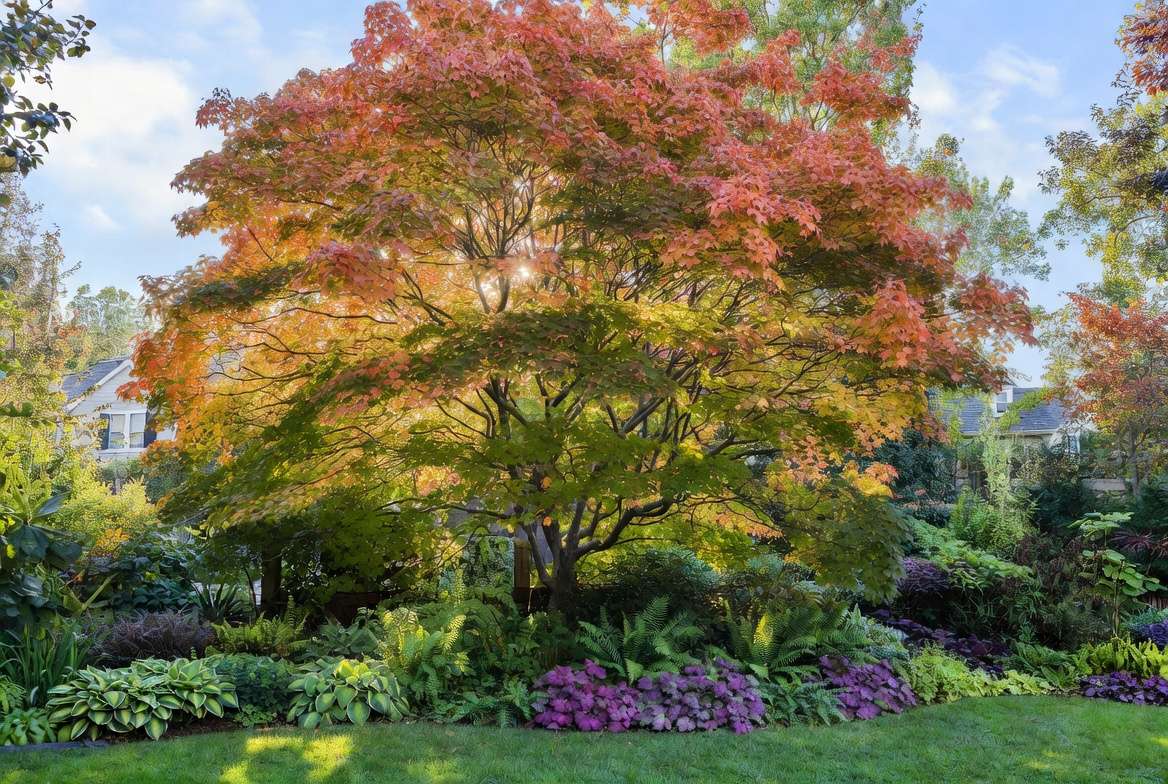
Street-Tree & Boulevard Design Tips Plant 25–30 feet apart for a uniform avenue effect. Combine with low-maintenance grasses or ornamental grasses at the base for a modern look. Its upright form works well near patios and driveways without aggressive root heaving.
Small-Space Solutions Even in tighter yards, this tree’s moderate size makes it suitable for suburban lots. Pair it with a circular bench underneath for a cozy reading nook once mature.
Design Tip from Experience: Contrast the golden fall color with purple-leaved plants like Japanese maples or smokebush for a stunning autumn display. Your neighbors will stop and stare! 🍁✨
11. Long-Term Benefits & Sustainability: Why This Tree Pays You Back for Decades 🌍
A well-cared-for State Street maple tree can live 40–60+ years, offering returns far beyond its beauty.
- Energy Savings: Mature shade reduces summer cooling costs by 15–30%.
- Property Value: Healthy shade trees can increase home resale value by up to 15%.
- Environmental Impact: One mature tree sequesters hundreds of pounds of CO₂ annually and improves air quality.
- Biodiversity: Provides habitat and food for birds, bees, and beneficial insects.
- Emotional Value: There’s nothing quite like watching “your” tree grow from a sapling into a majestic landmark.
In urban and suburban settings, this cultivar helps combat heat islands and supports greener, more resilient neighborhoods.
12. Frequently Asked Questions (FAQs) ❓
How fast does a State Street maple tree grow? It grows moderately fast—about 1–2 feet per year once established, reaching 40–50 feet at maturity.
Is the State Street maple messy? Much less than Norway or silver maples. It produces fewer samaras and its leaves break down relatively quickly.
Will it handle clay soil? Yes, once established. Improve drainage at planting time and mulch well for best results.
What’s the best fertilizer for State Street maple? A balanced slow-release fertilizer in early spring only if soil tests show deficiencies. Most trees do fine with good mulch and compost.
How much water does a mature tree need? Very little once established. Water deeply only during extended droughts.
Does it have invasive roots? No. Its root system is well-behaved compared to silver maples, making it safer near sidewalks and foundations.
When does it turn color in fall? Usually mid-to-late October, depending on your climate. The color shift is often rapid and vibrant.
Is it suitable for planting near power lines? Its moderate height (40–50 ft) makes it a good choice under many utility lines, but always check local regulations and maintain proper clearance.
Conclusion: Your State Street Maple Success Story Starts Here 🎉
The State Street maple tree stands out as one of the best choices for homeowners and landscapers seeking a hardy, beautiful, low-maintenance urban shade tree. By following this comprehensive guide—from proper planting depth and watering schedules to seasonal care and pest prevention—you’re setting your tree up for decades of success.
Top 5 Takeaways
- Plant correctly with the root flare exposed and mulch in a donut shape.
- Water deeply but infrequently during the first two years.
- Prune in late winter for strong structure.
- Mulch annually and test soil periodically.
- Choose companions that highlight its stunning golden fall color.
Your State Street maple will reward you with cooling shade, brilliant autumn displays, and minimal headaches. I’d love to hear about your planting journey—feel free to share photos or questions in the comments!
If you found this guide helpful, explore more of our expert tree care articles on urban shade trees, drought-tolerant landscaping, and seasonal pruning tips.
Thank you for trusting this resource. Happy planting, and may your State Street maple thrive for generations! 🌳🍁💚











