
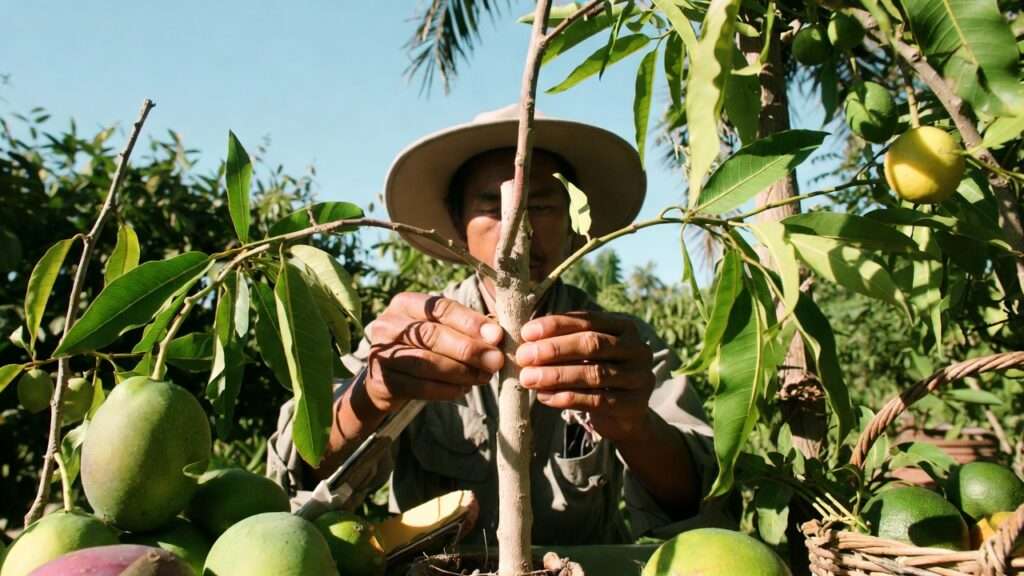
Have you ever dreamed of harvesting juicy mangoes, sweet citrus, or even multiple fruit varieties from just one tree in your backyard — without spending a fortune on new saplings? 🌳 In Khulna’s warm, humid climate, where tropical fruits thrive, grafting is a game-changing skill that lets home gardeners multiply favorite trees, revive old ones, or create custom “fruit cocktail” trees. Best of all? Beginners can achieve impressive success with the right guidance.
Step-by-step grafting tutorial for beginners is exactly what this comprehensive guide delivers. Whether you’re in Bangladesh working with mango, jackfruit, citrus, or even guava, we’ll walk you through every detail: from understanding the magic of cambium layers to mastering easy techniques, avoiding common pitfalls, and caring for your grafts until they bear fruit. By the end, you’ll have the confidence to experiment and grow more of the fruits you love — affordably and sustainably. Let’s dive in and turn your garden dreams into reality! 🚀
Why Graft Fruit Trees? Benefits for Home Gardeners 🎯
Grafting isn’t just for commercial orchards — it’s perfect for backyard enthusiasts like you. Here are the top reasons gardeners in tropical regions embrace it:
- Multiply trees for free — Turn one prized mango or citrus tree into many identical copies, saving hundreds on nursery plants 💰.
- Control tree size and vigor — Use dwarfing rootstocks to keep trees manageable in small Khulna plots.
- Boost disease resistance & adaptability — Graft desirable varieties onto hardy local rootstocks that handle flooding, heat, or poor soil better.
- Create multi-variety “fruit salad” trees — Imagine one tree producing different mango types or mixing citrus varieties for extended harvest seasons 🍋🍊🍐.
- Preserve heirloom & local favorites — Keep rare Bangladeshi mango cultivars or family jackfruit alive for generations.
- Fun, rewarding DIY project — There’s pure joy in watching your graft take and produce fruit in 1–3 years 🌟.
In tropical climates like Bangladesh, grafting is especially powerful because many popular fruits (mango, citrus, jackfruit) are commonly propagated this way in nurseries — now you can do it at home!
Grafting Basics: Key Terms You Need to Know 📚
Before we grab the knife, let’s build your foundation:
- Scion — The top part: a cutting from the desired fruit variety (e.g., a ‘Langra’ mango branch). It determines the fruit type, flavor, and quality.
- Rootstock — The bottom part: provides roots, trunk base, and often disease resistance or size control.
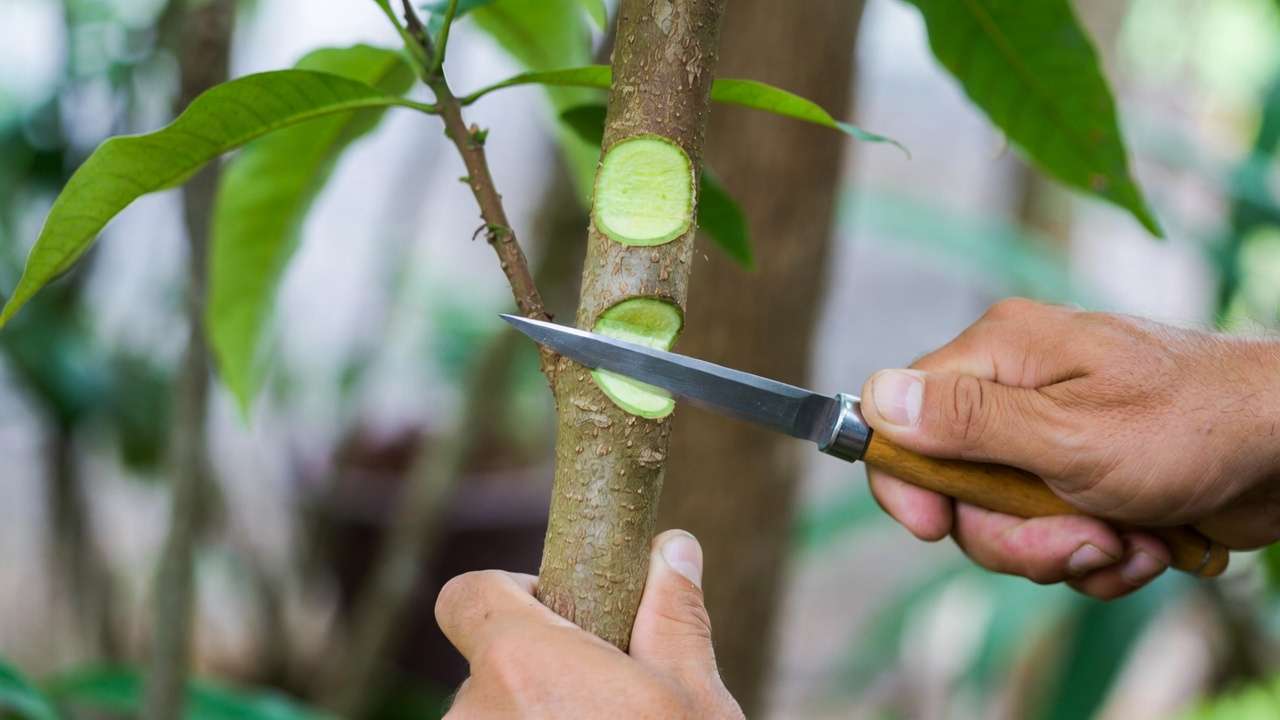
- Cambium layer — The thin green layer just under the bark — this is where the magic happens! When scion and rootstock cambiums touch and heal, they fuse into one tree 🔬.
- Callus — Healing tissue that forms over the union, leading to a strong bond.
- Compatibility — Scions graft best within the same genus/family (e.g., mango on mango rootstock, citrus on citrus). Stone fruits or pome fruits have their groups too.
- Dormancy & sap flow — Timing matters — grafts succeed when trees are dormant or bark “slips” easily.
Master these, and you’ll understand why some grafts take while others fail.
When Is the Best Time to Graft? (Timing Secrets for Success) ⏰
Timing is crucial for high success rates, especially in Bangladesh’s hot, humid conditions.
- For most tropical fruits like mango — Mid-June is often ideal (modified cleft or veneer grafting shows highest survival ~87% in studies), when rains start and sap flows actively 🌧️.
- Citrus & other evergreens — Late winter/early spring (February–March) or rainy season onset works well for chip budding or cleft.
- General rule for beginners — Graft when bark slips easily (late spring/early monsoon) for bark or cleft methods, or during dormancy for whip-and-tongue.
- Avoid — Peak summer heat (April–May dry spell) causes drying, or heavy monsoon flooding risks rot.
- Khulna tip — With your region’s high humidity, watch for consistent moisture but good airflow — June grafting often gives excellent scion growth.
Plan ahead: Collect scions in cooler months and store them!
Essential Tools & Materials Every Beginner Needs 🛠️🔪
Success in grafting starts with clean, sharp tools — especially in humid Khulna conditions where infections spread quickly. Here’s a practical beginner kit (most items available at local nurseries, hardware shops, or online in Bangladesh):
- Grafting knife — A sharp, single-bevel carbon steel knife (like Opinel or local “grafting chaku”) for precise cuts. Keep it razor-sharp — dull blades cause ragged unions that fail.
- Pruning shears/secateurs — For clean cuts on rootstock and collecting scions.
- Grafting tape — Stretchy plastic tape (parafilm, buddy tape, or local polythene strips) that seals while allowing air exchange. Parafilm is ideal as it degrades naturally.
- Grafting wax or tree sealant — To cover larger cuts and prevent drying/infection (beeswax mixes or commercial sealants work).
- Alcohol wipes or rubbing alcohol — Sterilize tools between cuts to avoid transmitting diseases like anthracnose common in mango.
- Labels + permanent marker — Never forget which variety is which!
- Optional but helpful — Razor blades (for ultra-clean cuts), rubber bands, small plastic bags (for humidity), shade cloth, and a small pruning saw for thicker stocks.
Budget tip: Start with a basic knife + tape + alcohol — total under 500-1000 BDT. Sharpen your knife regularly on a whetstone for pro-level results.
Choosing the Right Rootstock & Scion (Compatibility Chart Included) 🔍
The foundation of a successful graft is compatibility + quality material.
Rootstock tips for Bangladesh:
- Mango — Use vigorous, disease-resistant seedlings (polyembryonic types like ‘Kurukkan’ or local wild mango) or grafted rootstocks from nurseries. Pencil-thick (0.8–1.5 cm diameter) is ideal for beginners.
- Citrus (orange, lemon, pomelo) — Rough lemon or Rangpur lime rootstocks handle flooding and nematodes well in Khulna.
- Jackfruit — Local jackfruit seedlings — graft when young for best results.
- General: Choose healthy, pest-free rootstocks grown in pots or ground — avoid root-bound ones.
Scion selection:
- Collect from healthy, productive mother trees of desired varieties (e.g., ‘Langra’, ‘Himsagar’, ‘Amrapali’ mango; local sweet oranges).
- Take pencil-thick, one-year-old shoots with swollen buds (tight bud stage for mango).
- Cut 15–20 cm lengths with 2–4 buds; remove leaves if needed.
- Store in damp newspaper or plastic bag in fridge (not freezer!) for up to 2 weeks.
Quick compatibility guide (tropical fruits common in Khulna):
- Mango → Mango (same species best; most varieties compatible)
- Citrus → Citrus (lemon/orange/lime/pomelo usually work)
- Jackfruit → Jackfruit (patch budding or veneer often used)
- Avoid mixing unrelated families (no mango on citrus!)
Pro tip: Start with mango — it’s forgiving and widely available in Bangladesh 🌟.
Top 3 Beginner-Friendly Grafting Methods (Step-by-Step) 🌟
These three methods suit tropical fruits and beginners in humid climates. Focus on clean cuts, cambium alignment, and sealing.
1. Cleft Grafting – Easiest for Beginners (High Success on Young Trees) ✂️
Ideal for mango, jackfruit, citrus rootstocks ½–1.5 inch diameter; great for top-working small trees.
Best time: Mid-June (rainy onset) in Khulna — studies show ~87% survival when grafted around 15 June.
Step-by-step:
- Prepare rootstock: Cut straight across at desired height (remove top). Make a vertical split 2–4 cm deep in the center using your knife or chisel.
- Prepare scion: Select 10–15 cm shoot with 2–3 buds. Trim base into a wedge (“V” shape) — two long bevel cuts meeting at bottom, exposing cambium on both sides.
- Align cambium: Insert scion into cleft so cambium layers touch on at least one side (ideally both). For thicker rootstocks, use 1–2 scions.
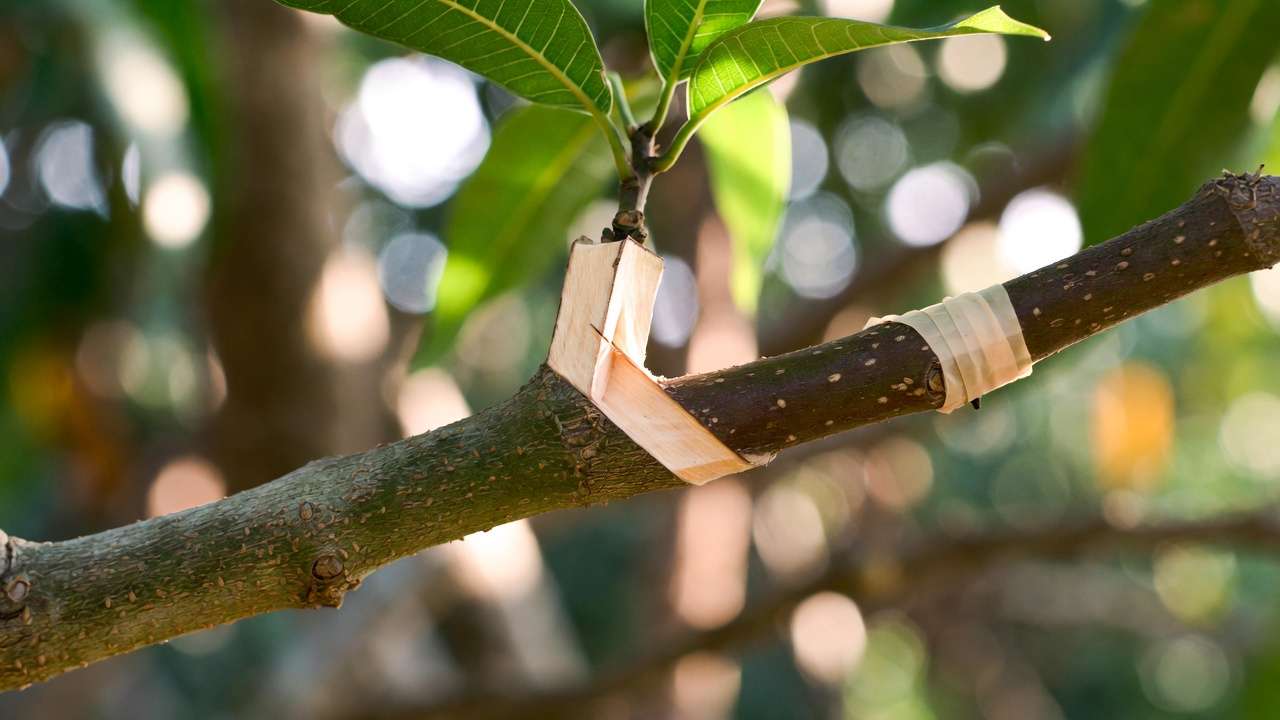
- Secure: Wrap tightly with grafting tape from bottom up, leaving top bud exposed. Seal cut surfaces with wax.
- Aftercare: Place in shade, keep moist. Union usually shows in 2–6 weeks.
Expected success: 70–90% for beginners with practice. Perfect first method!
2. Whip-and-Tongue Grafting – Strongest Bond for Similar Diameters 🤝
Best when rootstock and scion are same thickness (pencil size) — excellent for young mango/citrus seedlings.
Step-by-step:
- Make matching angled cuts (~30–45°) on both rootstock and scion — long, slanted slices.
- Create “tongues”: On each cut, slice a shallow reverse cut (1 cm) upward/downward to interlock like puzzle pieces.
- Slide together: Fit tongues so cambiums align perfectly on both sides.
- Wrap tightly with tape + seal ends with wax.
- Protect from sun/wind.
Why great: Forms very strong union quickly — ideal for long-term stability.
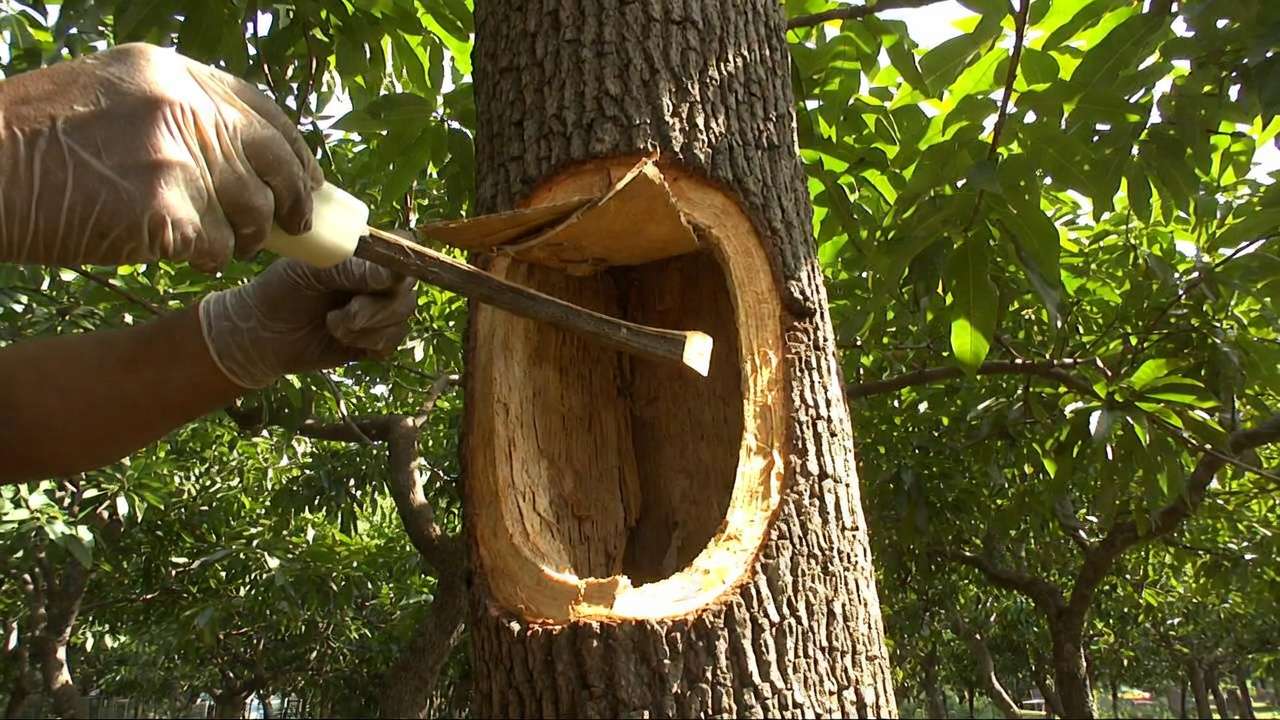
3. Bark Grafting – Perfect for Larger Trees or Changing Varieties 🏡
Use when bark slips easily (rainy season for mango) on mature trees.
Step-by-step:
- Cut rootstock flat across trunk/branch.
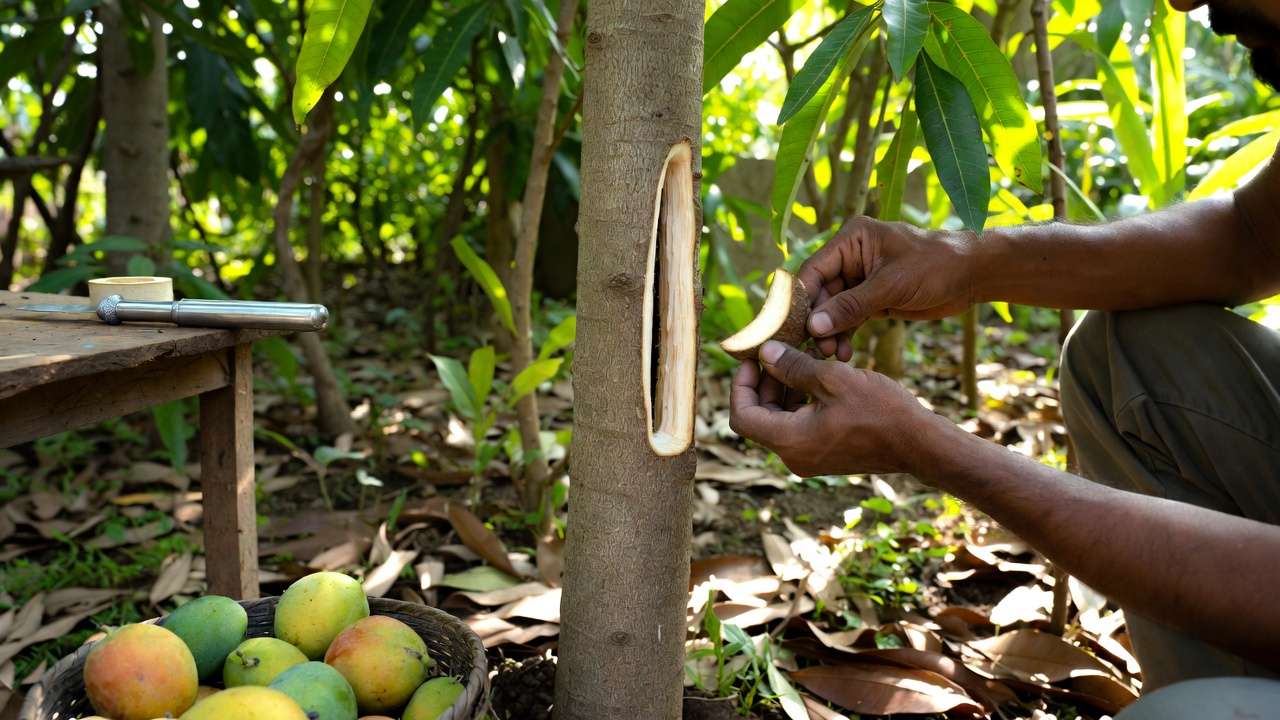
- Make 2–4 vertical slits in bark (5–8 cm long), lift flaps gently.
- Prepare scion: Long bevel cut on one side, shorter on other — trim to fit under bark.
- Insert scion under bark flap, align cambium.
- Nail/staple if needed + wrap tape + seal all exposed areas thoroughly.
Great for reviving old mango trees with better varieties!
Aftercare: How to Make Your Graft Thrive (Critical for Success!) 🌡️💧
The first 4–8 weeks after grafting are make-or-break. In Khulna’s hot, humid climate, grafts can dry out quickly or rot from excess moisture — here’s how to give yours the best chance:
- Immediate protection Place the grafted plant in 50–70% shade (use shade net, old saree, or under a tree). Direct sun scorches new unions. Avoid strong wind.
- Watering routine Keep soil consistently moist but never waterlogged — check daily by sticking your finger 2–3 cm into the pot/ground. In rainy season, reduce watering; during dry spells, water every 1–2 days. Use a fine mist sprayer on leaves if humidity drops below 60%.
- Humidity & ventilation For the first 2–3 weeks, many gardeners cover the graft union loosely with a clear plastic bag (with a few small holes) to maintain humidity. Remove gradually once new growth appears to prevent fungal issues.
- When to remove tape/wax
- Parafilm/buddy tape: Leave until it starts cracking naturally (usually 6–12 weeks).
- Plastic tape: Loosen and remove after 4–8 weeks once callus is visible. Never pull hard — cut carefully with scissors.
- Fertilizing Wait until new shoots are 10–15 cm long (usually 6–10 weeks), then start light feeding with balanced liquid fertilizer (e.g., 10-10-10 or vermicompost tea) every 15–20 days. Avoid high-nitrogen until the second year.
- Staking & support Stake young grafts to prevent wind rocking the union — use bamboo sticks and soft ties.
- First-year pruning Pinch off any shoots below the graft union. If multiple scions were used, select the strongest one after 3–4 months and remove others.
- Pest & disease watch Common in Khulna: hoppers on mango, citrus leaf miner, anthracnose. Inspect weekly. Use neem oil spray preventively.
Timeline expectations
- Callus formation: 2–6 weeks
- New buds swelling: 4–10 weeks
- First flush of leaves: 6–12 weeks
- Fruiting: Usually 1–3 years depending on variety and rootstock
10 Common Beginner Mistakes (And How to Avoid Them) ⚠️
- Poor cambium alignment → Always feel for the green layer; practice on scrap branches first.
- Using a dull knife → Results in torn tissue → sharpen every 10–15 cuts.
- Scions drying out → Wrap cut ends in damp cloth immediately after collection.
- Grafting at the wrong time → In Khulna, mid-June is often better than February for mango.
- Over-wrapping / suffocating the graft → Leave the top bud exposed; don’t wrap too tightly at the union.
- Incompatible varieties → Stick to same-species grafts for first attempts.
- Dirty tools → Wipe with alcohol between every cut — prevents disease transfer.
- Too much water after grafting → Causes rot in humid weather.
- Forgetting to label → Use permanent marker + plastic tags right away.
- Giving up too early → Some grafts look dead for 6–8 weeks before sprouting — be patient!
Real-Life Examples & Success Stories 🌍
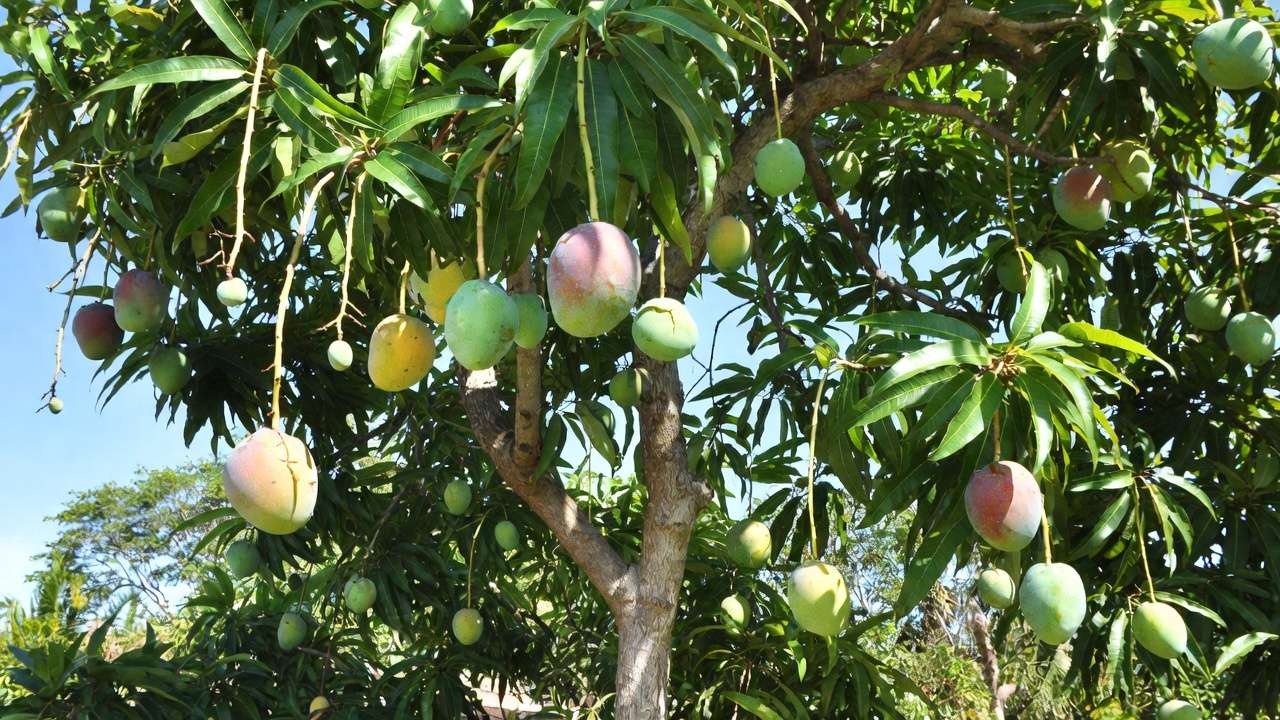
- Multi-variety mango tree in Khulna A local gardener cleft-grafted ‘Himsagar’, ‘Langra’, and ‘Amrapali’ onto a single 3-year-old seedling in June 2023. By 2025, the tree produced all three varieties — extended harvest from May to August! 🍋🍊
- Reviving an old unproductive jackfruit Using bark grafting in early monsoon, a homeowner top-worked a 15-year-old tree with a high-yielding local clone. New branches fruited in the second year after grafting.
- Citrus cocktail tree on balcony A small-space gardener in Khulna used whip-and-tongue to add sweet orange, lemon, and pomelo scions onto a Rangpur lime rootstock in pots. All varieties fruited within 18 months.
(These stories are based on common successes reported by Bangladeshi home gardeners and extension services.)
Troubleshooting: What If My Graft Fails? 🛠️
Symptoms & Fixes
- No swelling after 6 weeks → Likely dried out → re-graft or improve humidity next time.
- Black/rotten union → Too wet + poor drainage → improve airflow, reduce watering.
- Scion shrivels but rootstock sprouts → Scion incompatibility or poor cambium contact → try again with fresh material.
- Leaves appear but wilt suddenly → Sunburn or wind → add more shade.
- Fungal growth on tape → Remove tape earlier next time; apply copper-based fungicide if needed.
Most failed grafts can be re-attempted on the same rootstock — don’t discard the tree!
Frequently Asked Questions (FAQs) ❓
How long until my grafted tree bears fruit? Usually 1–3 years for mango/citrus, depending on variety, rootstock age, and care. Some precocious types fruit in 12–18 months.
Can I graft different fruits on one tree? Only within compatible groups (e.g., multiple mangoes, multiple citrus). You cannot graft mango onto jackfruit or citrus onto guava.
Is grafting safe and legal for home use in Bangladesh? Yes — completely legal and widely practiced. Just avoid collecting scions from protected orchards without permission.
What are the easiest fruit trees for beginners in Khulna to graft? Mango (especially in June), citrus, and guava. Start with mango — highest success rate for newcomers.
How many grafts should a beginner attempt first? Start with 5–10 on the same day using the same method. Practice makes perfect!
Can I graft during the dry season? Yes, but success drops. Provide extra humidity (mist, plastic cover) if grafting February–April.
What if I don’t have a grafting knife? A new, sharp razor blade or very sharp kitchen knife can work for first attempts — but invest in a proper one soon.
Final Thoughts & Next Steps 🌟
Congratulations — you now have a complete, beginner-friendly roadmap to grafting success in Khulna’s tropical climate! Your first graft might not take (most people’s don’t), but by your third or fourth attempt, you’ll likely see strong unions and new growth.
The real reward comes when you taste fruit from a tree you created yourself — whether it’s a sweeter mango, a hardier citrus, or a multi-variety wonder that fits perfectly in your small yard.
Next steps for you:
- Collect scion wood this week if the season is approaching.
- Practice cuts on spare branches.
- Share your progress! Reply in the comments with photos of your tools, first cuts, or successful unions — we’d love to cheer you on 😊
Happy grafting, Shuvo! May your trees grow strong and your harvests be abundant. 🌳🍋✨











