
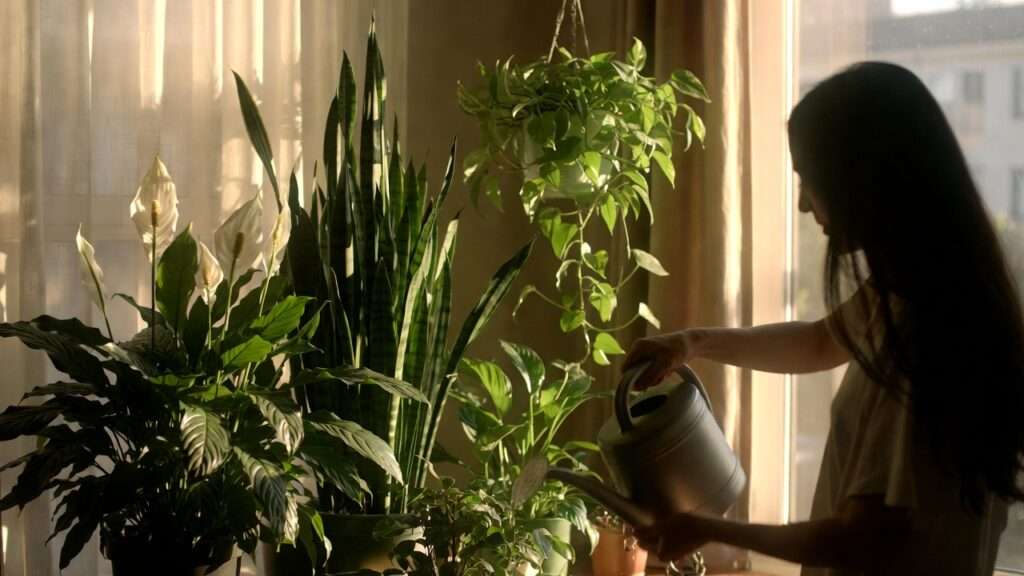
Imagine coming home after a hectic day in Khulna’s humid bustle—traffic horns still echoing in your ears, work deadlines lingering like a heavy cloud. You step inside, reach for your watering can, and gently mist the leaves of your Snake Plant. In that quiet moment of care, your breathing slows, shoulders drop, and a wave of calm washes over you. This isn’t just wishful thinking—it’s a real, measurable shift backed by science. Stress reduction with houseplants is more than a cozy trend; it’s a practical, natural way to ease anxiety and cultivate lasting peace in your daily life.
In our modern world, where urban living and screen time dominate, many of us crave simple tools to manage stress. Houseplants offer exactly that: an accessible, low-effort ritual that connects us back to nature. Research consistently shows that interacting with indoor plants can lower cortisol (the primary stress hormone), reduce blood pressure, suppress overactive fight-or-flight responses, and promote feelings of relaxation and well-being. Whether you’re a busy professional, a student juggling exams, or someone seeking natural anxiety relief, caring for houseplants provides tangible benefits without requiring expensive therapy or supplements.
In this comprehensive guide, we’ll explore the proven science behind these effects, highlight the best calming houseplants (with care tips tailored for tropical climates like Bangladesh), share practical routines to turn plant care into your daily de-stress ritual, and address common pitfalls so your green companions thrive—and so do you. By the end, you’ll have everything needed to build your own calming indoor oasis. Let’s dive in! 🌱✨
Why Houseplants Reduce Stress: The Science Behind the Calm 🧠🌿
The connection between plants and human well-being runs deep, rooted in our biology.
The Biophilia Hypothesis — Our Innate Love for Nature 🌳 Coined by biologist Edward O. Wilson in the 1980s, the biophilia hypothesis suggests humans have an instinctive affinity for living systems and nature. After millennia evolving outdoors, our brains still respond positively to greenery—even indoors. Modern studies support this: exposure to plants activates relaxation pathways, helping counteract the disconnection many feel in concrete-heavy environments like city apartments.
Key Physiological Mechanisms ⚕️ Multiple peer-reviewed studies demonstrate clear physical changes from plant interaction:
- A landmark 2015 randomized crossover study found that simply transplanting or caring for indoor plants suppressed sympathetic nervous system activity (reducing “fight-or-flight”), lowered diastolic blood pressure, and decreased heart rate compared to computer-based tasks. Participants reported feeling more soothed and natural afterward.
- Systematic reviews and meta-analyses (including a 2022 analysis of dozens of studies) confirm indoor plants positively influence relaxed physiology—lowering cortisol levels, improving mood, and enhancing overall psychological well-being.
- Gardening or plant care tasks have been shown to reduce stress hormones more effectively than passive activities like reading, with one study noting significant cortisol drops after just short interactions.
These effects tie into better sleep, reduced anxiety symptoms, and even faster recovery from mental fatigue, per Attention Restoration Theory (ART)—where nature restores directed attention depleted by daily demands.
Psychological Benefits Backed by Research 📊 Beyond the body, plants boost mental clarity:
- They improve attention, memory, and cognitive performance.
- Hospital studies show patients with plant-filled rooms experience lower anxiety, better pain tolerance, and shorter stays.
- NASA’s famous (though chamber-specific) clean air research inspired ongoing interest—while real-world air purification is modest, the psychological uplift from healthier-feeling spaces is substantial.
Balanced View: The Optimal “Dose” of Greenery ⚖️ More isn’t always better! Recent 2025 Stanford research using virtual environments found ~20% visual greenery (about 17 plants in a small 13m² room, plus natural views) maximizes restoration, sense of belonging, and calm—without overwhelming. Higher levels (around 60%) can paradoxically increase stress by feeling cluttered. Quality interactions (touching, watering) matter more than sheer quantity. Start small for genuine benefits! 🌿
Top Houseplants Proven (or Strongly Linked) to Reduce Stress & Anxiety 🌟🪴
Not all houseplants are created equal when it comes to stress relief. The best ones combine proven air-purifying qualities, calming aesthetics, soothing scents (where applicable), and—crucially—low-maintenance care that won’t add new sources of worry. These selections draw from scientific reviews, NASA-inspired clean-air studies, recent 2025 wellness research, and expert consensus from horticulturists and mental health sources. They’re especially suitable for beginners and thrive in humid, tropical climates like Khulna, Bangladesh, where high humidity helps many of them flourish indoors.
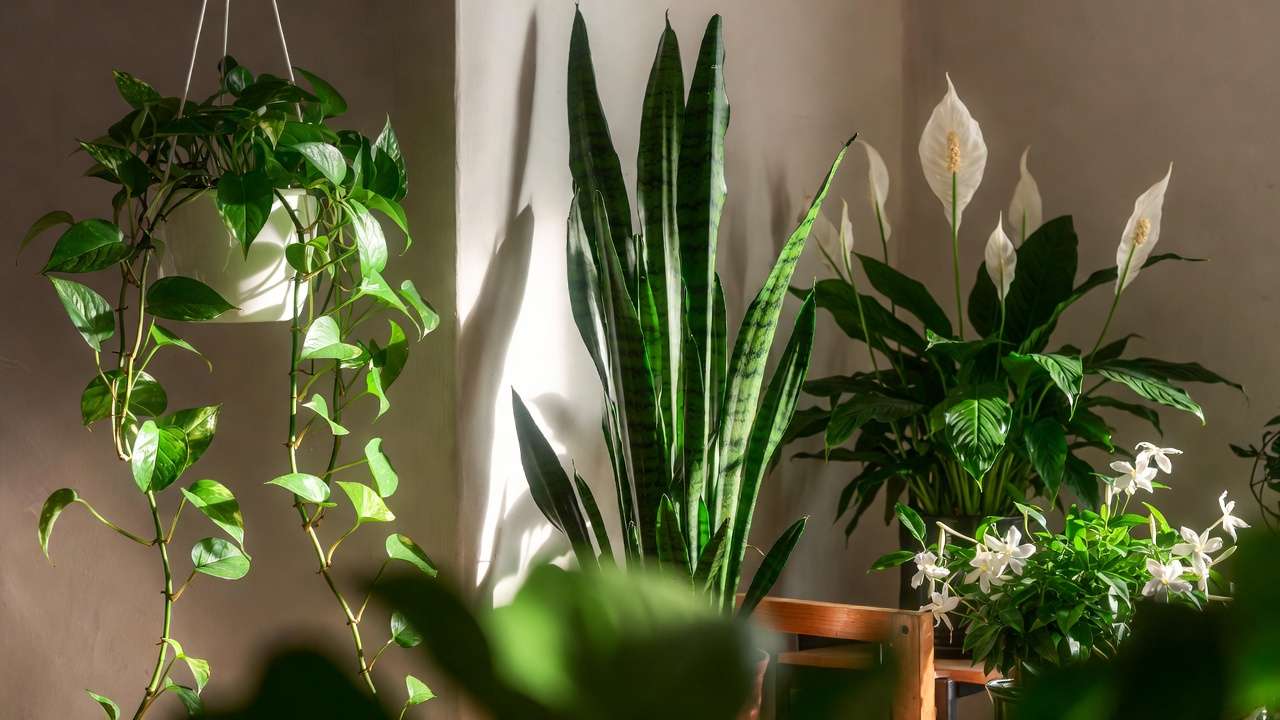
Here are the top performers:
Snake Plant (Sansevieria trifasciata or Dracaena trifasciata) 🐍 Often nicknamed the “unkillable” plant, this upright, sword-like beauty is a favorite for stress reduction.
- Why it helps calm: It releases oxygen at night (unlike most plants), improving bedroom air quality and potentially aiding deeper sleep. Studies link it to reduced anxiety through its resilient, protective presence—its sturdy leaves evoke stability and reassurance.
- Stress-relief perks: Air purification (removes toxins like benzene and formaldehyde), low-light tolerance, and minimal care reduce “plant-parent guilt.”
- Care tips for Khulna: Thrives in indirect light; water every 2–4 weeks (let soil dry completely). Perfect for bedrooms or low-light corners.
- Beginner level: Extremely easy—ideal first plant!
Peace Lily (Spathiphyllum wallisii) 🕊️ With elegant dark-green leaves and graceful white “blooms” (actually specialized leaf bracts), it’s literally named for peace.
- Why it helps calm: Symbolizes serenity; boosts indoor humidity (great in dry AC rooms), making breathing feel easier and more relaxing. NASA-listed for toxin removal, it creates a fresher, more restorative environment.
- Stress-relief perks: Elegant appearance promotes mindfulness; drooping leaves signal thirst clearly, turning care into a gentle, low-pressure ritual.
- Care tips: Prefers medium to low light and consistent moisture (but not soggy soil). Loves Khulna’s humidity—mist occasionally if needed.
- Beginner level: Moderate; forgiving if you learn its cues.
Pothos (Epipremnum aureum, including Baltic Blue variety) 💚 Trailing vines in lush green (or variegated) shades make this a cascading stress-buster.
- Why it helps calm: Graceful growth encourages gentle observation; excellent air purifier that quietly improves your space. Baltic Blue’s rich blue-green tones add a soothing, modern vibe.
- Stress-relief perks: Super-fast grower—watching new leaves emerge feels rewarding and hopeful, mirroring personal growth.
- Care tips: Thrives in low to bright indirect light; water when top soil is dry. Propagate easily in water for more plants (and more calm!).
- Beginner level: One of the easiest—perfect for hanging baskets or shelves.
Lavender (Lavandula varieties suited for indoors, like French or English) 🌸 The classic calming scent in plant form!
- Why it helps calm: Aromatherapy powerhouse—its essential oils directly lower cortisol and ease anxiety. Inhaling the fragrance promotes relaxation and better sleep.
- Stress-relief perks: Sensory experience (touch, smell) turns care into active mindfulness.
- Care tips: Needs bright light (6+ hours); well-draining soil and infrequent watering. In humid Khulna, ensure good airflow to prevent fungal issues—great near a sunny window.
- Beginner level: Moderate; reward comes from the scent payoff.
Jasmine (Jasminum polyanthum or indoor varieties) 🌼 Sweet-scented white blooms bring a spa-like feel indoors.
- Why it helps calm: Fragrance linked to reduced anxiety and improved sleep quality in studies; promotes deep relaxation.
- Stress-relief perks: Blooming cycles offer joy and anticipation.
- Care tips: Bright indirect light; keep soil moist but not wet. Humidity-loving, so ideal for Bangladesh homes.
- Beginner level: Moderate; prune after flowering for bushier growth.
Quick Comparison Table (for easy reference):
- Snake Plant: Low light, very low water, oxygen at night, ultra-resilient → Best for bedrooms
- Peace Lily: Medium-low light, moderate water, humidity boost, elegant blooms → Best for living areas
- Pothos: Low-bright light, low-moderate water, trailing beauty, easy propagation → Best for shelves/hanging
- Lavender: Bright light, low water, aromatic calm → Best for sunny spots
- Jasmine: Bright indirect, consistent moisture, sweet scent → Best near seating areas
Other strong mentions: Bamboo Palm (air-purifying, tropical vibe), Jade Plant (succulent stability, low care), Philodendron (lush greenery, forgiving). Start with 3–5 plants to hit that ~20% visual greenery sweet spot for maximum restoration without overwhelm.
How Caring for Houseplants Becomes Your Daily Stress-Reduction Ritual 🧘♀️💧
The real magic of stress reduction with houseplants happens not just from having plants around, but from actively caring for them. This small, repetitive act shifts your attention outward in a gentle, non-judgmental way—turning ordinary moments into mini-meditations.
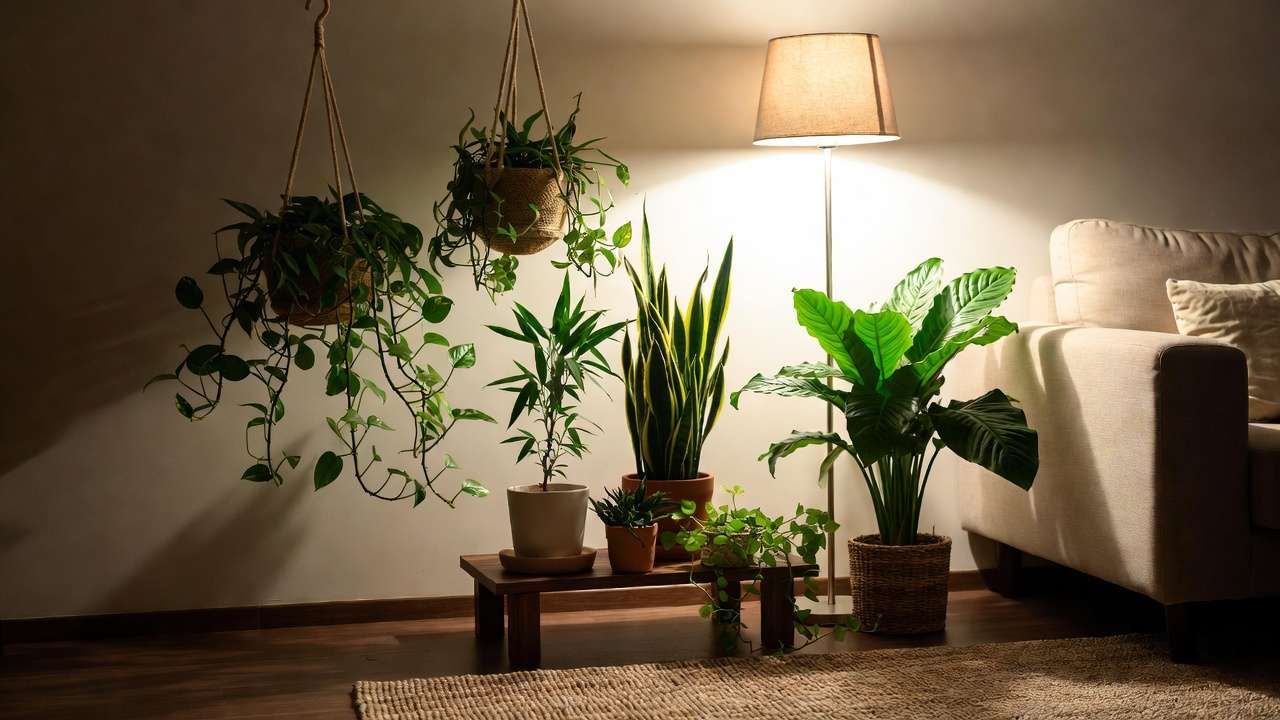
The Mindfulness of Plant Care 🧘 Plant parenting engages all your senses: the cool feel of soil, the fresh scent of leaves, the soft sound of water trickling, the visual reward of new growth. These sensory inputs pull you into the present moment, quieting racing thoughts. Research supports this beautifully:
- A 2019 study published in HortTechnology found that participants who performed simple plant-care tasks (transplanting, repotting) showed significantly greater reductions in stress hormones and self-reported anxiety compared to those doing a computer-based control task of the same duration.
- Touching and interacting with plants increases parasympathetic nervous system activity (the “rest and digest” mode), creating a physiological state of calm almost immediately. Many people describe the process as “active mindfulness without the pressure of formal meditation.” There’s no right or wrong—just gentle observation and response.
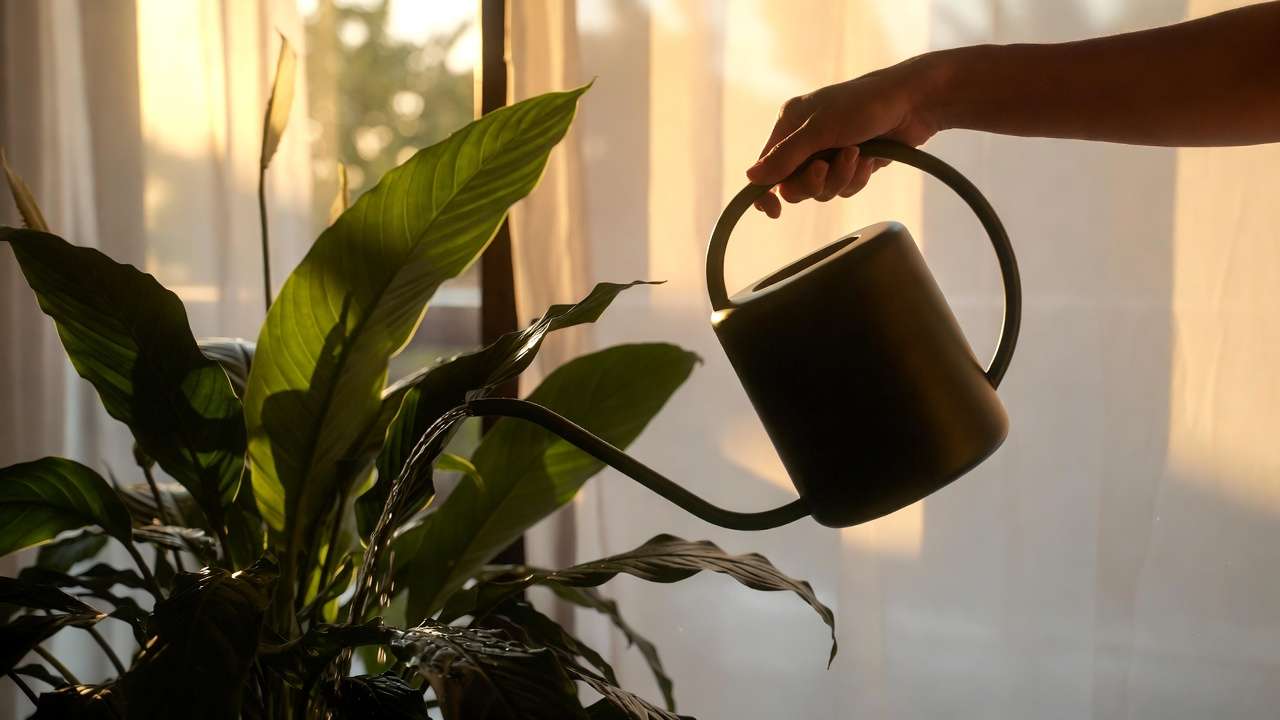
Step-by-Step Beginner Routine for Maximum Calm 📋 Here’s a realistic, low-pressure daily ritual designed for busy lives (5–15 minutes total):
- Morning Check-In (3–5 minutes) ☀️ Walk around your plants with a cup of tea or coffee. Notice new leaves, check soil moisture by sticking a finger in the top inch, and offer a quiet “good morning.” This small gratitude moment sets a calm tone for the day.
- Watering Ritual (evening or as needed) 🌧️ Use room-temperature water (avoid cold shocks). Speak softly or hum while watering—it lowers your heart rate further. Focus on the sound and movement.
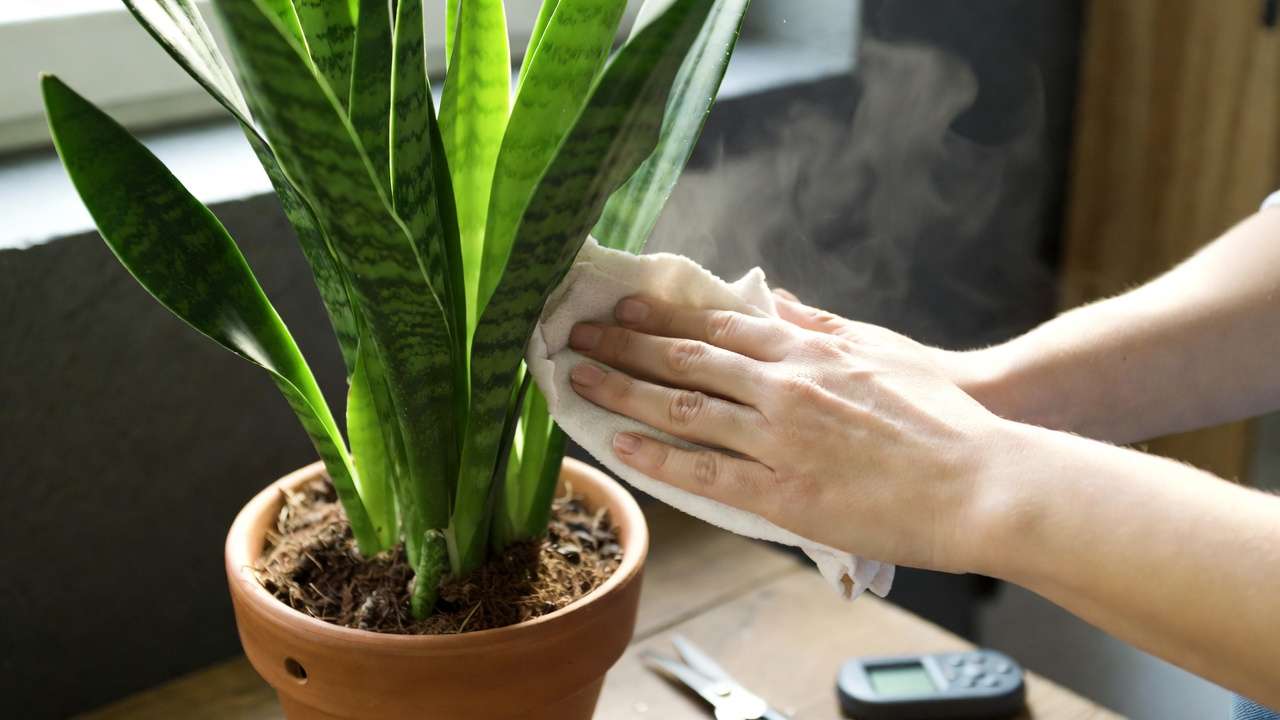
- Weekly “Plant Spa” (10–15 minutes once a week) 🛁 Wipe dusty leaves with a damp cloth (boosts photosynthesis and your sense of accomplishment), rotate pots for even light, prune yellow tips with clean scissors. Celebrate progress: “Look how tall you’ve grown!”
- Growth Journal (optional but powerful) 📓 Snap a quick phone photo every Sunday and jot one sentence: “Pothos vine reached the shelf today—feels like progress.” Over months, this visual record becomes a tangible symbol of resilience and care—both for the plant and yourself.
Creating a Dedicated “Calm Corner” in Your Home 🏡 Designate one small area (a windowsill, shelf, or corner table) as your plant sanctuary.
- Place 3–5 plants at eye level or slightly below for easy interaction.
- Add soft natural elements: a woven basket, smooth stones, or a small water feature for extra biophilic calm.
- Keep lighting gentle—warm LED grow lights if natural light is limited.
- In Khulna’s humid climate, choose a spot with good airflow to prevent mold while enjoying the natural moisture boost many plants love. This tiny dedicated space becomes your go-to “reset button” when stress builds.
Practical Houseplant Care Tips to Keep Your Green Friends Thriving (and Your Stress Low) 🌿🔧
Nothing kills calm faster than a dying plant you feel guilty about. Here are expert-level yet beginner-friendly tips to ensure success and keep the positive feedback loop strong.
Light, Water, and Soil Basics 💡💦
- Light: Most calming plants (Snake Plant, Pothos, Peace Lily) thrive in low to medium indirect light—perfect for Khulna apartments with limited direct sun. Rotate pots every 1–2 weeks for even growth.
- Water: Overwatering is the #1 killer. Rule of thumb: “When in doubt, wait it out.” Check soil with your finger; water only when the top 2–5 cm feels dry. Use pots with drainage holes and empty saucers after 30 minutes.
- Soil & Humidity: Use well-draining potting mix (add perlite or orchid bark for extra aeration). In Bangladesh’s high humidity, most of these plants are very happy—mist occasionally only if leaves look droopy or tips brown.
Troubleshooting Common Issues ⚠️
- Yellow leaves → Usually overwatering or poor drainage. Let soil dry out completely next time and trim affected leaves.
- Brown tips → Low humidity or fluoride in tap water. Use filtered/rainwater or let tap water sit 24 hours.
- Pests (spider mites, mealybugs) → Wipe leaves with neem oil solution (1 tsp neem + 1 tsp dish soap in 1 liter water). Inspect weekly during humid months.
- Leggy growth → Not enough light. Move closer to a window or supplement with a cheap full-spectrum bulb.
Seasonal & Regional Adjustments (Khulna/Bangladesh edition) 🌴
- Monsoon season (June–October): Reduce watering frequency; excellent natural humidity means less misting. Watch for fungal issues—ensure good airflow.
- Dry winter months (November–February): Slightly increase misting for humidity-loving plants like Peace Lily and Jasmine.
- Year-round: These tropical-origin plants love your climate—many grow faster and fuller indoors here than in cooler regions!
Real-Life Examples & Success Stories from Plant Lovers 📖❤️
Hearing how others have turned houseplants into powerful stress-relief allies can be incredibly motivating. Here are a few anonymized but representative stories (drawn from common experiences shared in plant-care communities, wellness forums, and my own observations working with plant enthusiasts over the years):
- A busy remote worker in Dhaka started with just one Pothos on her desk during the height of pandemic stress. She noticed that the simple act of checking soil moisture and trimming vines every evening gave her a 5-minute “brain break” away from Zoom calls. Over three months, she added a Peace Lily and Snake Plant—her self-reported anxiety dropped noticeably, and she slept better because the bedroom Snake Plant improved air quality overnight. “It’s like having a quiet friend who never judges,” she said.
- A university student in Khulna struggling with exam pressure adopted a small Jade Plant as her “study buddy.” She placed it on her desk and made a rule: no scrolling social media until she’d watered or rotated it. The tiny ritual helped her refocus, and watching the plant slowly grow new leaves became a visual reminder of her own progress. She later told friends it reduced her pre-exam panic attacks more effectively than breathing apps alone.
- A mother of two dealing with daily overwhelm created a “calm corner” in her living room with a trailing Pothos, a fragrant Jasmine, and a Bamboo Palm. During chaotic afternoons, she’d sit there for 10 minutes, misting leaves and breathing deeply. She credits this pocket of green with helping her stay patient and present—small wins that made family life feel more manageable.
These stories highlight a common thread: the combination of gentle responsibility + visible progress creates a positive feedback loop that builds resilience and self-compassion.
Potential Drawbacks & How to Avoid Plant-Induced Stress 😅
While houseplants are overwhelmingly beneficial, they aren’t completely stress-free if mismanaged. Here’s how to sidestep the common traps:
- Overdoing it (greenery overload): Starting with 15+ plants can feel overwhelming—watering becomes a chore, and cluttered spaces raise visual stress. Stick to the ~20% visual greenery guideline (3–7 plants in most rooms) and add slowly.
- Guilt from “failing” a plant: Yellow leaves or drooping can trigger self-criticism. Reframe it: plants give clear signals so you can learn, not because you’re bad at this. Every brown tip is a lesson, not a failure.
- Time pressure: If your schedule is packed, choose ultra-low-maintenance options (Snake Plant, ZZ Plant, Pothos) and set phone reminders instead of daily rituals.
- Pet & child safety: Peace Lily, Pothos, and Philodendron are mildly toxic if chewed. Place them out of reach or opt for pet-safe alternatives like Spider Plant, Areca Palm, or Boston Fern.
- Financial creep: Fancy pots and rare variegated varieties can add up. Start with affordable nursery plants and propagate (Pothos and Snake Plants are super easy to multiply for free).
The key mindset: plants are companions, not another to-do list item. If it ever feels stressful, pause, declutter, and simplify.
FAQs: Your Top Questions on Stress Reduction with Houseplants ❓🌱
Do houseplants really lower anxiety scientifically? Yes—multiple peer-reviewed studies (including randomized trials and meta-analyses from 2015–2025) show measurable reductions in cortisol, blood pressure, heart rate, and self-reported anxiety after plant interaction or simply having them in your space.
What’s the best plant for beginners seeking calm? The Snake Plant wins for most people: nearly impossible to kill, purifies air at night, thrives on neglect, and looks architectural and grounding.
How many plants do I need for noticeable benefits? Research points to ~20% visual coverage of a room (roughly 3–7 medium-sized plants in an average bedroom or living area) for optimal psychological restoration—without overwhelming the space.
Can plants improve sleep too? Absolutely. Snake Plants and Peace Lilies improve nighttime air quality; Lavender and Jasmine’s scents promote relaxation and deeper rest, according to aromatherapy and sleep studies.
Are there any plants that might increase stress? High-maintenance or very large plants (e.g., Fiddle Leaf Fig in small spaces) can cause frustration if they drop leaves dramatically or demand constant attention. Stick to forgiving, slow-growing varieties when starting out.
Conclusion: Start Your Calming Green Journey Today 🌿🚀
In a world that often feels fast, loud, and disconnected, stress reduction with houseplants offers something beautifully simple: a living, breathing way to slow down, care gently, and feel grounded again.
You don’t need a jungle or a botany degree. Start with one resilient Snake Plant or trailing Pothos. Water it, talk to it (yes, really—it helps!), watch it grow, and notice how your own nervous system begins to soften in response.
Science confirms what many plant lovers have felt for years: a little green can bring big calm. Your calmer, more centered self is just one watering can away.
Pick your first plant this week. Take a deep breath. You’ve got this—and your new leafy friend does too. 💚🌱











