
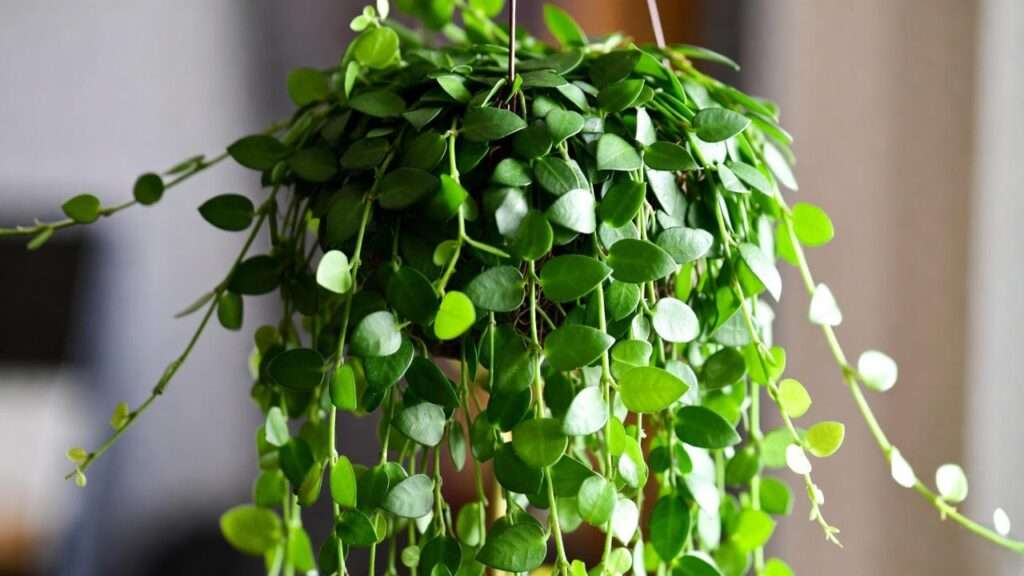
Imagine walking into your living room and being greeted by lush, cascading trails of glossy, banana-shaped leaves tumbling gracefully from a hanging basket—like a living waterfall of tropical charm. If you’ve ever dreamed of adding that playful, whimsical touch to your indoor space, the string of bananas plant (Curio radicans) is your perfect match. This fast-growing trailing succulent has exploded in popularity among houseplant enthusiasts for good reason: it’s forgiving, low-maintenance, and delivers stunning visual appeal with minimal effort.
In this ultimate care guide, we’ll dive deep into everything you need to know to keep your string of bananas plant thriving indoors—from ideal light and watering routines to propagation tricks and troubleshooting common issues. Whether you’re a beginner succulent parent or a seasoned collector looking to achieve those envy-worthy long trails, this comprehensive resource will help you avoid pitfalls like root rot or leggy growth and unlock lush, healthy vines that can reach 3-6 feet or more. Let’s get your banana vine flourishing! 🌱
:max_bytes(150000):strip_icc()/growing-string-of-bananas-plants-5089192-5-574ba83b495541de82088826e4ff33e2.jpg)
What is a String of Bananas Plant? 🌱
The string of bananas plant, scientifically known as Curio radicans (formerly Senecio radicans), is a trailing succulent native to the arid regions of South Africa. It’s part of the Asteraceae family and is beloved for its unique foliage that mimics tiny green bananas strung along slender stems.
Overview and Unique Features 🍌
What sets this plant apart are its glossy, crescent-shaped leaves—each about 1-2 inches long, curved like miniature bananas, with translucent “windows” (epidermal windows) on the underside. These windows allow light to penetrate deeper into the leaf for efficient photosynthesis in low-water environments.
The growth habit is vigorously trailing: stems can grow rapidly, reaching lengths of 3-6 feet (or longer with optimal care), making it ideal for hanging baskets, macramé planters, or high shelves where trails can drape elegantly. In rare indoor conditions, it may even produce small, white, pompom-like flowers with a subtle cinnamon scent during fall or winter— a delightful bonus for patient growers!
As an expert in succulent care with over a decade of hands-on experience cultivating hundreds of trailing varieties, I’ve found String of Bananas to be one of the most resilient and rewarding options for indoor settings.
String of Bananas vs. String of Pearls: Key Differences 🍌 vs. ⚪
A common mix-up for new plant parents is confusing String of Bananas with its cousin, String of Pearls (Curio rowleyanus). Both are trailing succulents with bead-like foliage, but here’s a clear breakdown:
- Leaf Shape: Bananas have elongated, curved, banana-like leaves; Pearls feature perfectly round, pea-sized beads.
- Growth Rate and Hardiness: String of Bananas grows faster and is more forgiving—tolerating lower light and occasional watering mishaps better than the finicky Pearls, which are prone to sudden die-off.
- Propagation Ease: Bananas root quickly from stem cuttings; Pearls can be trickier and slower.
- Overall Vibe: Bananas offer a bolder, more playful look; Pearls are delicate and elegant.
In my experience, if you’re new to trailing succulents, start with String of Bananas—it’s less likely to disappoint and builds confidence quickly.
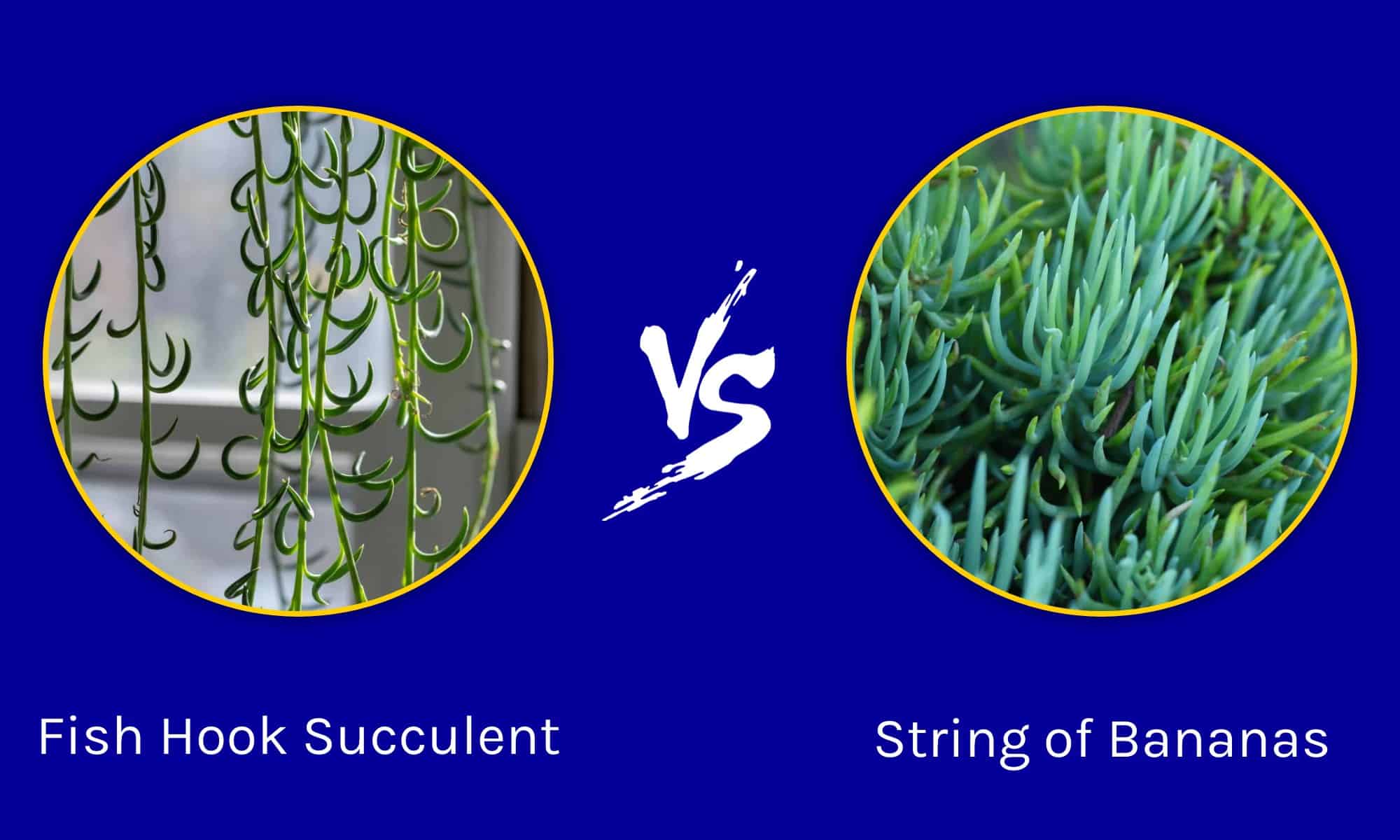
(Caption: Side-by-side comparison highlighting the distinct leaf shapes of String of Bananas and similar succulents.)
Toxicity and Safety 🐾
While beautiful, the string of bananas plant is mildly toxic to pets (cats and dogs) and humans if ingested, potentially causing vomiting or irritation due to saponins. Always place it out of reach—high shelves or hanging baskets are perfect. If ingestion occurs, contact a poison control center or vet immediately.
Ideal Growing Conditions ☀️💧
Succulents like String of Bananas thrive when mimicking their native dry, sunny habitats. Getting these basics right is key to preventing common issues and promoting vigorous trailing growth.
Light Requirements
Bright, indirect light is essential for plump leaves and compact growth.
- Best Setup: An east- or west-facing window providing 6+ hours of bright light daily. Some filtered morning sun is fine; avoid harsh afternoon direct rays indoors.
- Low Light Tolerance: Better than String of Pearls—it can handle medium light but may become leggy (stretched stems with sparse leaves).
- Signs of Trouble: Leggy growth = too little light (move closer to window); scorched, brown tips = too much direct sun (sheer curtain filter needed).
- Pro Tip: Supplement with a full-spectrum grow light (10-12 hours/day) during winter or in dim homes. I’ve seen dramatic improvements in trail density with LED grow lights.
Rotate your plant weekly for even exposure and symmetrical trailing.
Temperature and Humidity
- Ideal Temperature: 70-80°F (21-27°C) during the day; no lower than 50°F (10°C) at night. It handles average home temps well but dislikes cold drafts.
- Humidity: Low to average (40-50%)—typical household levels are perfect. Avoid misting, as excess moisture on leaves invites rot.
- Seasonal Notes: In winter, keep away from chilly windows; in summer, it loves warm spots. Outdoors in USDA zones 10-12, it can summer outside but acclimate gradually.
As someone who’s grown these in various climates, I can attest: consistent warmth yields the fastest growth.
Best Soil Mix 🪴
Drainage is non-negotiable—poorly draining soil is the #1 cause of succulent failure.
- Recommended: Commercial cactus/succulent potting mix (e.g., with perlite or pumice).
- DIY Recipe (my go-to for optimal aeration):
- 50% standard potting soil
- 30% perlite or pumice
- 20% coarse sand or gravel
This mix dries quickly, preventing root rot while retaining just enough moisture.
Potting and Containers
- Material: Terracotta or unglazed ceramic for breathability and faster drying; plastic works but requires cautious watering.
- Features: Must have drainage holes! Hanging baskets with liners are ideal for showcasing trails.
- Size: Choose a pot 1-2 inches larger than the root ball. Repot every 2-3 years or when roots fill the container.
Watering and Feeding 💦🍽️
Overwatering kills more succulents than anything else—String of Bananas is drought-tolerant, so err on the dry side.
Watering Schedule
- Golden Rule: Water thoroughly only when the soil is completely dry (finger test: stick 2 inches deep—if dry, water).
- Frequency: Every 1-2 weeks in spring/summer (growing season); every 3-4 weeks in fall/winter (dormancy).
- Method: Soak-and-dry—water until it drains out the bottom, then empty saucer. Bottom watering (placing pot in a tray) reduces leaf rot risk.
- Signs to Watch:
- Shriveled, deflated “bananas” = underwatered (time to drink!).
- Mushy, yellowing, or translucent leaves = overwatered (urgent action needed).
Expert Insight: In my collections, I’ve learned to underwater slightly rather than risk rot—healthy plants bounce back quickly.
Fertilizing Tips
- When: Monthly during active growth (spring/summer only).
- What: Balanced, diluted succulent fertilizer (half-strength, e.g., 10-10-10) or worm castings for organic boost.
- Avoid: Fertilizing in winter or overdoing it (causes weak, leggy growth).
Propagation: Easy Ways to Multiply Your Plant ✂️🌿
One of the joys of String of Bananas is how effortlessly it propagates—perfect for sharing or filling out sparse plants.
Step-by-Step Stem Cutting Propagation (Most Reliable)
This method has a near-100% success rate in my experience.
- Select healthy stems: Choose 4-6 inch trails with plump leaves.
- Cut: Use clean, sharp scissors below a node.
- Callous: Let cuttings dry 1-3 days until ends scab over (prevents rot).
- Plant: Insert into moist (not wet) succulent soil or propagate in water.
- Root: Place in bright indirect light; roots form in 2-4 weeks. Keep soil lightly moist until established.
Soil propagation tends to transition better to permanent pots.
(Caption: Step-by-step visuals of successful stem cutting propagation—roots forming quickly!)
Other Methods
- Laying on Soil: Simply pin long trails onto moist soil; they root naturally at nodes.
- Leaf Propagation: Possible but slow and low-success—pluck leaves and lay on soil.
Expert Tips for Success
- Best Time: Spring or summer for fastest rooting.
- Common Mistakes: Propagating in winter, not callousing, or overwatering new cuttings.
With these techniques, you can turn one plant into a dozen in a season!
Pruning and Maintenance ✂️
Regular pruning keeps your string of bananas plant looking full, encourages bushier growth, and prevents it from becoming too leggy or unruly. Unlike some succulents, this one responds exceptionally well to trimming.
How and When to Prune
- Best Time: During the active growing season (spring through summer) for quick recovery.
- Why Prune: To remove dead or damaged sections, promote branching, control length, or harvest cuttings for propagation.
- Step-by-Step:
- Use clean, sharp scissors or pruners.
- Cut just above a leaf node or where you want new growth to emerge.
- Trim back overly long trails to encourage side shoots—plants often branch out from cut points.
- Remove spent flowers (deadhead) to redirect energy to foliage.
In my experience cultivating trailing succulents for years, consistent light pruning can transform a sparse plant into a dense, cascading beauty within months.
(Caption: Pruning in action—trimming leggy sections and dead flowers to keep your String of Bananas healthy and compact.)
Repotting Guide
Repotting refreshes soil, provides space for roots, and revives tired plants.
- Signs It’s Time: Roots poking out drainage holes, soil drying too quickly, or trails overwhelmingly long (every 2-3 years typically).
- Process:
- Gently remove from pot; shake off old soil.
- Inspect roots—trim any black/rotten parts.
- Use fresh succulent mix in a slightly larger pot with drainage.
- Plant at same depth; water sparingly after.
Pro Tip: Repot in spring for best establishment.
Common Problems and Solutions 🛠️🍌
Even with the best care, issues can arise. Here’s a comprehensive troubleshooting guide based on common challenges I’ve encountered and resolved in countless String of Bananas plants.
Troubleshooting Guide
| Problem | Symptoms | Cause | Solution |
|---|---|---|---|
| Overwatering/Root Rot | Mushy stems, yellow/translucent leaves, black bases | Excessive moisture, poor drainage | Stop watering; repot in dry soil, remove rotten parts, propagate healthy cuttings. |
| Underwatering | Shriveled, deflated “bananas” | Too infrequent watering | Soak thoroughly; adjust schedule to soil dryness. |
| Leggy Growth | Long, sparse stems with few leaves | Insufficient light | Move to brighter spot; prune back to encourage bushiness. |
| Pests | White cottony spots (mealybugs), tiny bugs (aphids), fine webs (spider mites) | Infestation from new plants | Isolate; wipe with alcohol, spray neem oil or insecticidal soap weekly until clear. |
| Sunburn | Brown, scorched tips or patches | Sudden intense direct sun | Gradually acclimate; provide filtered light. |
| Yellowing Leaves | Lower leaves turning yellow | Nutrient deficiency or overwatering | Check drainage; fertilize sparingly if needed. |
(Caption: Classic signs of trouble—root rot from overwatering and shriveled leaves from underwatering. Early detection saves plants!)

(Caption: Common pests like mealybugs hiding in crevices—regular inspections prevent major outbreaks.)
Prevention Strategies
- Ensure excellent drainage and airflow.
- Quarantine new plants for 2 weeks.
- Inspect weekly, especially undersides of leaves.
- Maintain consistent care routines.
With vigilance, most problems are easily preventable or reversible.
Advanced Care Tips for Lush, Long Trails 🌟
Ready to take your String of Bananas to pro level? These insights from years of experimentation will help you achieve those jaw-dropping, floor-length trails.
- Maximizing Length and Density: Provide maximum bright indirect light, prune strategically for branching, and propagate regularly to fill out the plant. Trails over 6 feet are achievable indoors with grow lights and patience.
- Outdoor Summering: In zones 10+, move outside to a shaded patio in summer for a growth boost—but acclimate slowly to prevent sunburn.
- Encouraging Blooms: Rare indoors, but possible with cool winter temps (around 60°F nights), reduced watering, and high light. The cinnamon-scented white puffs are worth the wait!

(Caption: Rare but rewarding—String of Bananas in full bloom with delicate white flowers.)
- Companion Planting: Pairs beautifully with other trailing succulents like String of Pearls, Burro’s Tail, or String of Hearts in mixed baskets.
- Winter Care: Reduce watering, avoid fertilizing, and keep above 50°F during dormancy.
(Caption: Dreamy long, lush trails in hanging baskets—the ultimate goal for any String of Bananas enthusiast!)
Frequently Asked Questions (FAQs) ❓
How fast does String of Bananas grow? Under optimal conditions, it can grow 1-2 feet per year—faster in bright light with proper care.
Why are my bananas shriveling or dying? Usually underwatering (shriveled) or overwatering/rot (mushy). Check soil moisture and roots.
Can it bloom indoors? Yes, though uncommon—provide winter chill and bright light to encourage flowers.
Is String of Bananas pet-safe? No, mildly toxic—keep elevated and out of reach.
What’s the difference from String of Fishhooks? String of Fishhooks (Curio hallianus) has more hooked, pointed leaves; care is nearly identical.
Best hanging basket setup? Use a 6-8 inch basket with drainage, succulent mix, and place in bright indirect light for cascading magic.
Conclusion 🌱
Your String of Bananas plant has incredible potential to become a stunning, low-maintenance star in your indoor collection. By mastering bright light, sparse watering, well-draining soil, and occasional pruning/propagation, you’ll enjoy vibrant, trailing vines that bring joy year-round.
Stick to the guidelines in this ultimate care guide, watch for early signs of issues, and don’t hesitate to propagate—it’s nearly foolproof! With patience and these expert tips, you’ll have those lush banana trails cascading beautifully in no time. Happy growing—share your progress in the comments below! 🍌✨











