
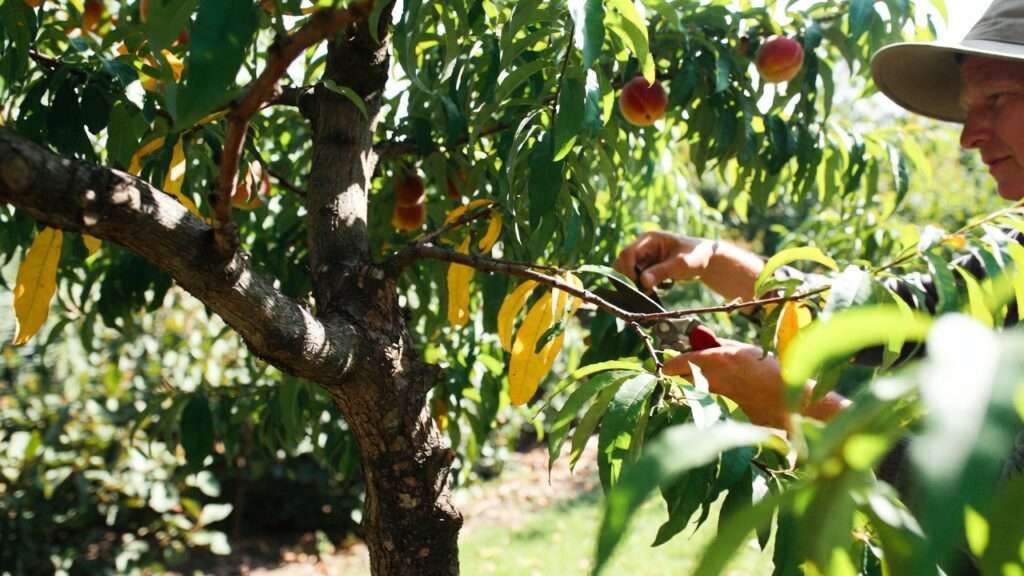
Imagine this: Your peach tree is a wild, towering beast, its branches tangled like a jungle gym, blocking sunlight from the center and leaving you with tiny, bland peaches that barely blush pink. Harvesting feels like a workout, dodging thorns and ladders, and disease lurks in the shady underbelly. 😩 If you’re a home gardener or backyard orchard enthusiast, this chaos is all too familiar. But here’s the secret weapon most folks overlook: summer pruning for peach trees. Unlike the heavy winter cuts that spark explosive spring growth, summer pruning tames that vigor right in the moment, leading to compact trees, juicier fruit, and easier care.
In this ultimate guide, we’ll dive deep into why, when, and how to prune your peach trees during the warmer months for transformative results. Backed by decades of research from trusted sources like Penn State Extension, Virginia Tech, and the University of Florida IFAS, plus insights from seasoned arborists and growers, this isn’t just theory—it’s practical advice to solve your tree’s overgrowth woes. Whether you’re dealing with vigorous varieties like ‘Elberta’ or low-chill options for warmer climates, you’ll learn to boost light penetration, enhance airflow, control tree size (keeping them harvest-friendly at 8-10 feet), and skyrocket your yields. By the end, you’ll have the tools to turn your peach tree into a productive, healthy star of your garden. Let’s prune smarter this summer! 🍑✨
Why Summer Pruning Matters for Peach Trees 🌞
Peach trees (Prunus persica) are notorious for their enthusiastic growth habits. Left unchecked, they can reach 15-20 feet tall, with dense canopies that shade out inner branches, reduce fruit quality, and invite fungal diseases like brown rot or peach leaf curl. Traditional winter pruning—done in dormancy—removes dead wood and shapes the tree but often encourages even more vigorous regrowth come spring. That’s where summer pruning for peach trees shines: performed during active growth (typically June-July), it directly counters this by reducing leaf area, which signals the roots to slow down. This technique, rooted in horticultural science, balances the tree’s energy allocation between shoots and fruits.
The Science Behind Summer Pruning vs. Winter Pruning 🍂
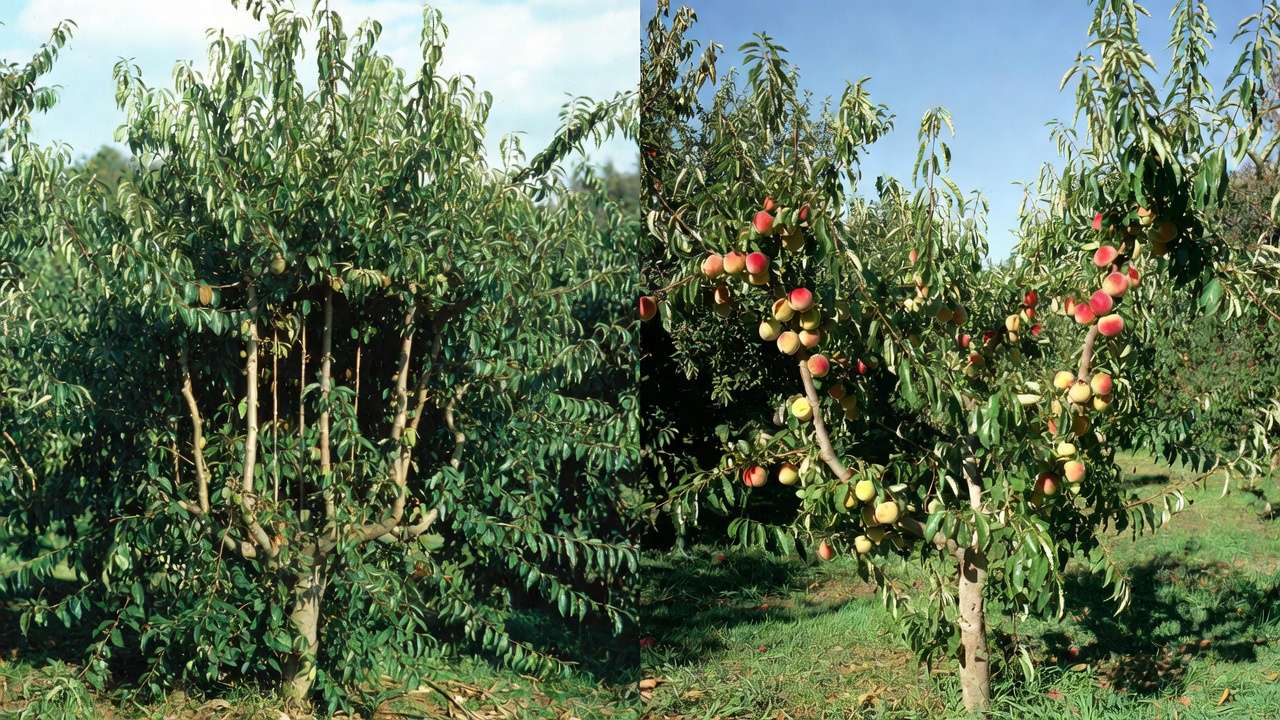
Horticulturists at Virginia Tech explain that winter pruning stimulates apical dominance—the tree’s top buds pushing out strong vertical shoots (water sprouts) to replace what’s lost. In contrast, summer cuts, made when leaves are photosynthesizing at peak, immediately decrease carbohydrate production. This “checks” growth without the rebound effect. Studies from Penn State show summer-pruned trees have 20-30% less height increase annually, with improved fruit set due to better light distribution. Latent semantic keywords like “peach tree canopy management,” “light interception in orchards,” and “vegetative vs. reproductive growth balance” come into play here—summer pruning shifts resources from leaves to peaches, enhancing sugar accumulation for sweeter, larger fruit.
For example, in open-center (vase-shaped) training systems—standard for peaches—summer work exposes the interior to sunlight, promoting red blush (anthocyanin development) on fruits that might otherwise stay green and small. UF/IFAS research on Florida’s subtropical peaches highlights how this prevents “shading out,” where lower branches die back, leading to sparse, top-heavy production.
Top Benefits You’ll See in Your Own Backyard 🌟
- Bigger, Sweeter Peaches: By thinning vigorous shoots, more sunlight reaches developing fruit, increasing size by up to 15-20% and improving flavor through higher Brix levels (sugar content). Imagine biting into a sun-ripened, dripping peach instead of a mealy disappointment! 🍑💦
- Healthier Trees with Disease Resistance: Better airflow reduces humidity pockets that foster pathogens. Extension trials show 25-40% fewer brown rot infections in well-pruned canopies.
- Manageable Size for Easy Harvesting: Keep trees at ladder-free heights (8-10 ft) by tipping leaders and removing uprights—perfect for small yards or container growing.
- Higher Long-Term Yields: Fruiting wood (spurs) develops evenly throughout the tree, extending productive life to 15-20 years versus 10 for neglected ones. Plus, it encourages earlier bearing on young trees.
Real grower story: A Virginia backyard enthusiast shared on gardening forums how summer pruning halved her tree’s height while doubling fruit output—less mess, more pie! This addresses the core need: transforming overwhelming trees into rewarding assets.
When to Do Summer Pruning for Peach Trees: Timing Is Everything! ⏰
Timing is critical in summer pruning for peach trees to avoid stressing the plant or stimulating late-season growth vulnerable to frost. Prune too early (pre-June), and you risk removing fruiting potential; too late (post-July), and new shoots won’t harden before winter, inviting cold damage.
Best Time Windows by Region & Tree Age 📅
- General Guideline: Late June to mid-July, after fruit harvest when terminal shoots are 12-18 inches long and visible. This lets you see and remove excess without wasting energy on doomed growth.
- Regional Tweaks: In cooler USDA zones 5-7 (e.g., Pennsylvania), aim for early July to allow healing before fall. Warmer zones 8-9 (Florida, California) can start mid-June for low-chill varieties like ‘Flordaking.’ Avoid after mid-July everywhere—extension experts warn it promotes succulent shoots prone to bacterial canker.
- Young vs. Mature Trees: For 1-3 year olds, light summer pinching (tip removal) in July builds structure. Mature trees (4+ years) handle moderate thinning post-harvest to rejuvenate.
Monitor your local phenology: When peaches are ripening and shoots are elongating, it’s go-time. Tools like the USA National Phenology Network can help track regional cues.
Signs Your Peach Tree Needs Summer Pruning Now 🔍
- Dense, shaded interior with weak inner branches.
- Prolific water sprouts (vigorous vertical shoots) crowding scaffolds.
- Poor fruit color or size due to self-shading.
- Tree exceeding desired height, making pest scouting hard.
Acting on these signs prevents compounding issues like biennial bearing (heavy crop one year, skimpy the next).
How to Perform Summer Pruning for Peach Trees: Step-by-Step Guide ✂️
Ready to get hands-on? Summer pruning for peach trees is straightforward with sharp tools and a clear plan. Focus on selective removal rather than topping, which causes bushy regrowth.
Tools You’ll Need & Safety Tips 🛠️
Essential kit: Bypass hand pruners for small cuts, loppers for 1-inch branches, curved pruning saw for thicker limbs. Disinfect blades with 70% alcohol between trees to prevent disease spread. Wear gloves, long sleeves, and safety glasses—peach sap can irritate skin. Prune on dry, cloudy days to minimize sunscald on cuts.
Understanding Peach Tree Structure (Open-Center/Vase Shape) 🏺
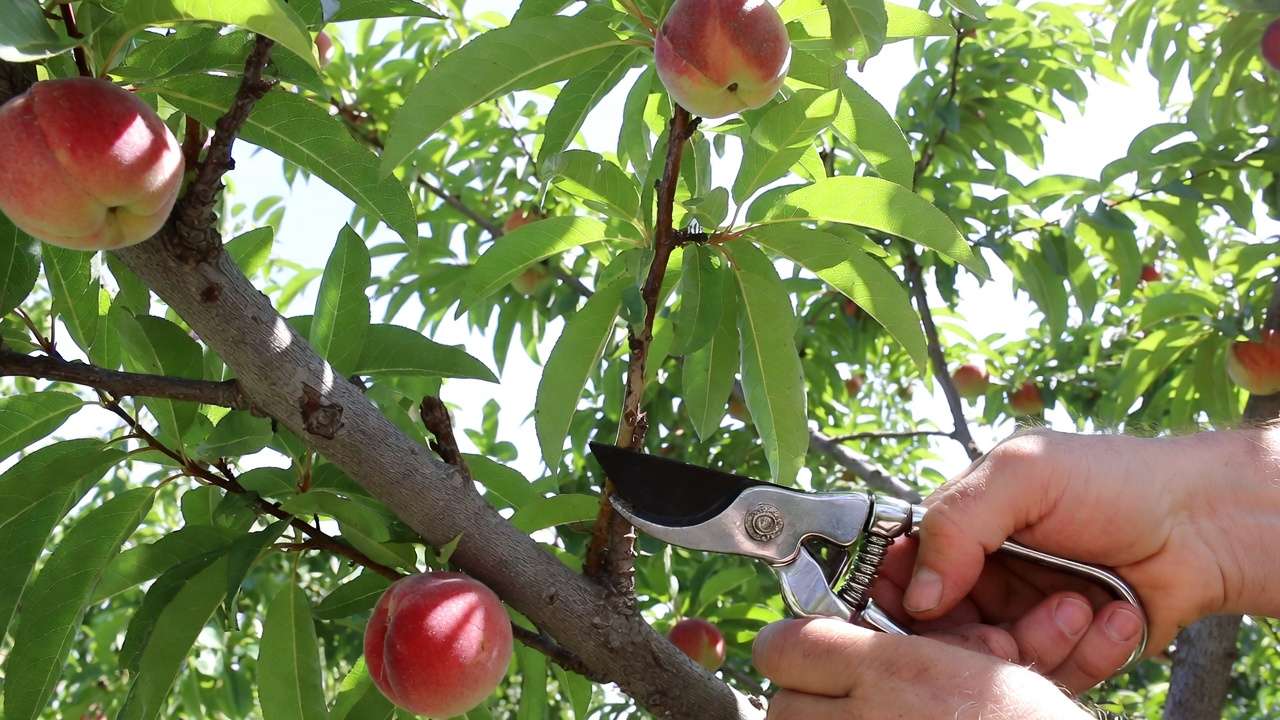
Peaches thrive in an open-center system: 3-5 main scaffold branches radiating outward from a short trunk, like a vase. This maximizes light and air. Key identifiers:
- Water sprouts: Tall, straight-up shoots sapping energy.
- Upright terminals: Leading to height gain.
- Crossing/rubbing branches: Causing wounds.
Aim for wide crotch angles (45-60 degrees) to prevent breakage.
Step-by-Step Summer Pruning Process 📋
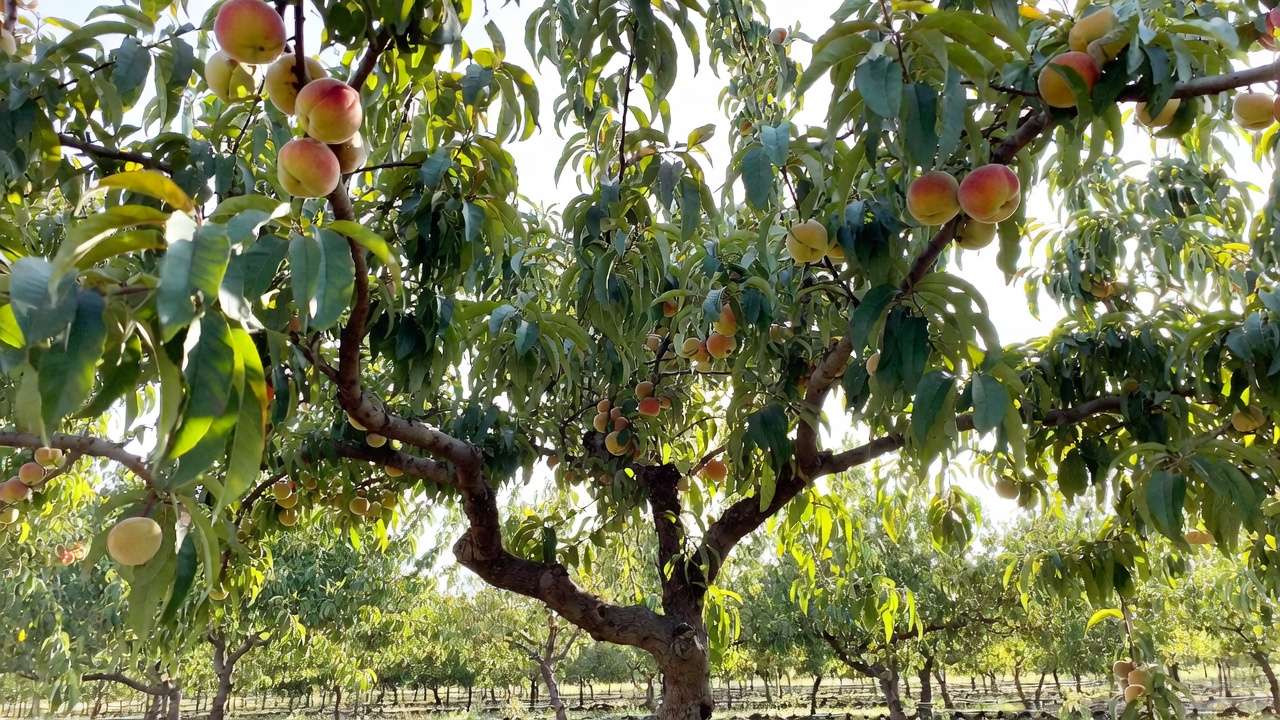
- Assess the Tree: Stand back. Identify problem areas—overcrowded zones, verticals shading fruit.
- Remove Water Sprouts and Vigorous Shoots: Cut these at their base with pruners. Prioritize those in the center or competing with scaffolds. Remove 10-20% of foliage max to avoid shock.
- Tip Scaffolds for Spread: On upright leaders, cut back to an outward-facing bud at 18-24 inches. This encourages horizontal growth for better light capture.
- Thin Crowded Areas: Eliminate inward-growing or crossing branches. Use heading cuts (shorten tips) on longest shoots to balance.
- Make Bench Cuts if Needed: For overly vigorous scaffolds, cut to a lower lateral branch (“bench”) to redirect energy outward.
Pro tip: Cuts should be clean, just above a bud collar—no stubs! Visualize the final shape: airy, with fruit accessible from ground level. For visuals, imagine diagrams showing before/after canopies—light floods in, fruits plump up.
Summer Pruning for Young Trees vs. Mature Trees 👶🌳
- Young Trees (Years 1-3): At planting, select 3-4 scaffolds. Summer of year 1: Pinch tips to encourage branching. Year 2-3: Remove excess shoots, maintaining open form.
- Mature Trees: Post-harvest, thin to renew fruiting wood. Every 3-5 years, remove 1 old scaffold for rejuvenation.
Incorporate integrated pest management: Prune after scouting for aphids or borers.
Common Mistakes & How to Avoid Them (Pitfalls Section) ⚠️
Even experienced gardeners can slip up with summer pruning for peach trees, leading to stressed trees, reduced fruit quality, or even disease issues. Drawing from university extension research (Penn State, Virginia Tech, and UF/IFAS), here are the most frequent errors and how to dodge them for healthier, more productive results.
- Pruning Too Late in the Season — Cutting after mid-July (or early August in some regions) stimulates tender new growth that won’t harden off before winter, increasing risk of cold injury, bacterial canker, or dieback. Fix it: Stick to the late June–mid-July window. Finish by early July in cooler zones to give cuts time to heal and new shoots to mature safely. 🍂
- Removing Too Much Foliage at Once — Overzealous pruning (more than 20–30% of the canopy) shocks the tree, reduces photosynthesis, weakens overall vigor, and can lead to smaller fruit or poor bud set next year. Fix it: Limit removal to 20% of current growth max. Focus on selective thinning rather than heavy heading. If your tree is overgrown, spread aggressive work over two summers. ✂️
- Using Shearing or Topping Instead of Selective Cuts — Mowing or flat-topping the tree (common in some commercial settings) creates dense regrowth, shades the interior worse than before, and often reduces fruit size/sugar content. Fix it: Always use hand tools for precise, individual cuts. Remove water sprouts at the base and make heading cuts to outward buds—never shear like a hedge! 🌿
- Ignoring Tool Sanitation — Dirty pruners spread diseases like bacterial spot, brown rot, or cytospora canker between trees or cuts. Fix it: Wipe blades with 70% isopropyl alcohol or a 10% bleach solution between every tree (and between major cuts). Prune on dry days to minimize infection risk.
- Neglecting Follow-Up Winter Pruning — Summer work is great for control, but skipping dormant pruning lets problems compound—dead wood builds up, structure weakens. Fix it: Combine both seasons: Summer for vigor control and light improvement, winter for removing dead/diseased wood and final shaping.
Bonus tip from Penn State: Avoid heading vigorous upright shoots to side branches (it promotes even more vigor); remove them entirely at the base for better long-term balance.
By steering clear of these pitfalls, your peach tree stays resilient and fruitful. Many backyard growers report 20–50% better harvests after correcting these habits! 🌟
Bonus Tips for Maximum Results 🌟
To supercharge your summer pruning for peach trees and get the juiciest, biggest peaches possible, layer in these expert-recommended practices:
- Pair with Fruit Thinning — Right after summer pruning (or during), thin fruit clusters to 1 peach every 6–8 inches along remaining shoots. This directs energy to fewer, larger fruits—up to 20–30% size increase and better flavor. Use scissors for clean removal! 🍑
- Fertilize & Water Strategically Post-Pruning — The tree needs a boost after losing leaf area. Apply a balanced fertilizer (e.g., 10-10-10) lightly in late summer, then water deeply (1–2 inches/week) during dry spells to support root recovery and bud development for next year.
- Monitor for Pests & Diseases — Better airflow post-pruning reduces fungal pressure, but scout for borers, aphids, or peach twig borers. Apply organic sprays (neem or insecticidal soap) if needed—pruned trees respond faster to treatments.
- Regional Variations — In low-chill areas (e.g., Florida, Texas), summer prune earlier (mid-June) for subtropical varieties to control heat-driven vigor. In high-chill zones (e.g., Northeast), delay slightly but never past July to protect against early frosts.
- Container-Grown Peaches — These benefit extra from summer work to keep size compact. Remove more uprights aggressively, but never exceed 25% removal to avoid stress in limited root space.
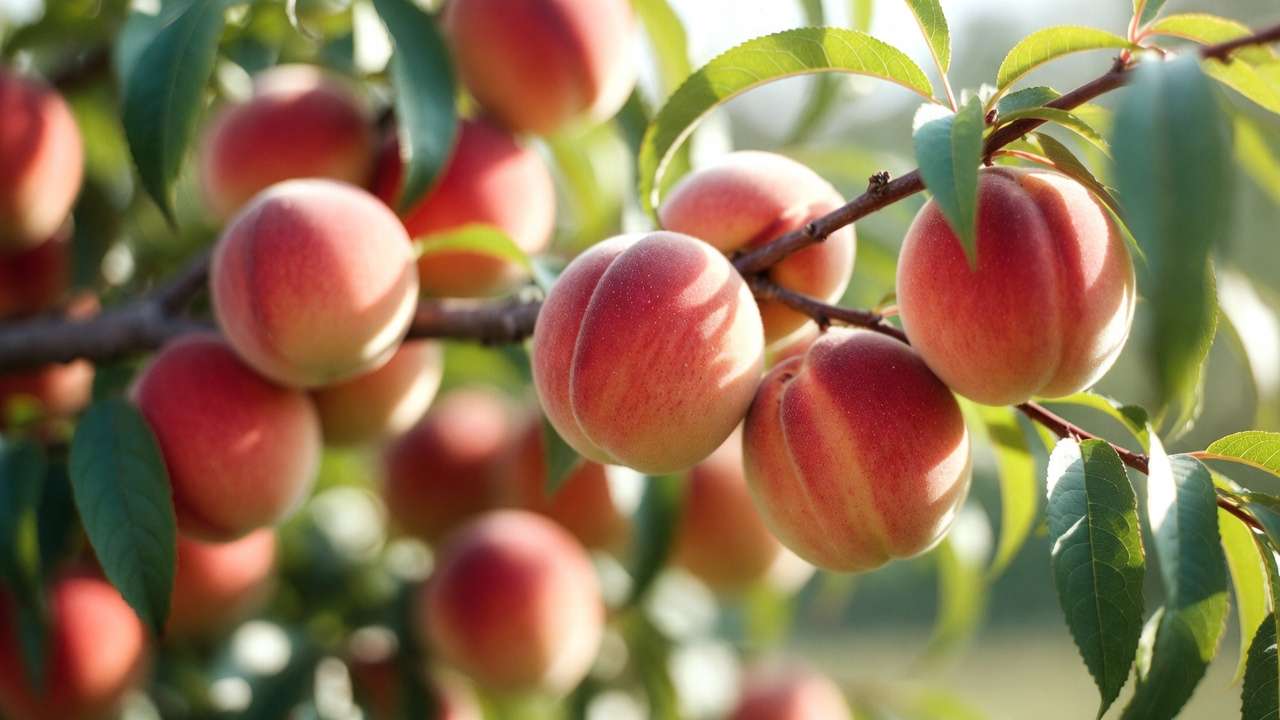
Implement these, and you’ll see not just bigger yields, but trees that thrive for 15–20+ years.
Frequently Asked Questions (FAQs) ❓
Here are answers to the most common questions from home growers about summer pruning for peach trees:
Can I summer prune and winter prune in the same year? Yes! Many experts recommend both: summer for controlling vigor and improving light/airflow, winter for removing dead/diseased wood and fine-tuning structure. This combo keeps trees compact and productive.
Will summer pruning reduce this year’s harvest? Minimal impact if done post-harvest. Focus on vegetative shoots, not fruiting wood. In fact, better light often improves current fruit color and size!
Is summer pruning safe for young peach trees? Absolutely—light pinching/tipping in years 1–3 builds strong scaffolds without stress. Avoid heavy cuts on very young trees.
What if I miss the July window? Skip summer pruning that year and focus on winter. Late cuts risk winter injury—better safe than sorry!
How is summer pruning different for container-grown peaches? More aggressive on uprights to maintain dwarf size, but lighter overall (15–20% max removal) due to limited roots. Combine with root pruning if needed for balance.
Got more questions? Drop them in the comments!
Conclusion & Call to Action 🎉
There you have it—the complete roadmap to mastering summer pruning for peach trees. This powerful technique tames wild growth, floods your canopy with sunlight, boosts fruit quality, and keeps your tree manageable and healthy for years of delicious harvests. No more ladder struggles or bland, shaded peaches—just compact, sun-kissed bounty from your backyard! 🍑✨
Grab your sharp pruners this summer (late June–mid-July is prime time), follow the steps, avoid the pitfalls, and watch your tree transform. Your best peach season is waiting—go make it happen!
Have you tried summer pruning? Share your before-and-after stories, photos, or questions below—I’d love to hear how it goes for you! Happy pruning, fellow gardeners! 🌳🍑











