
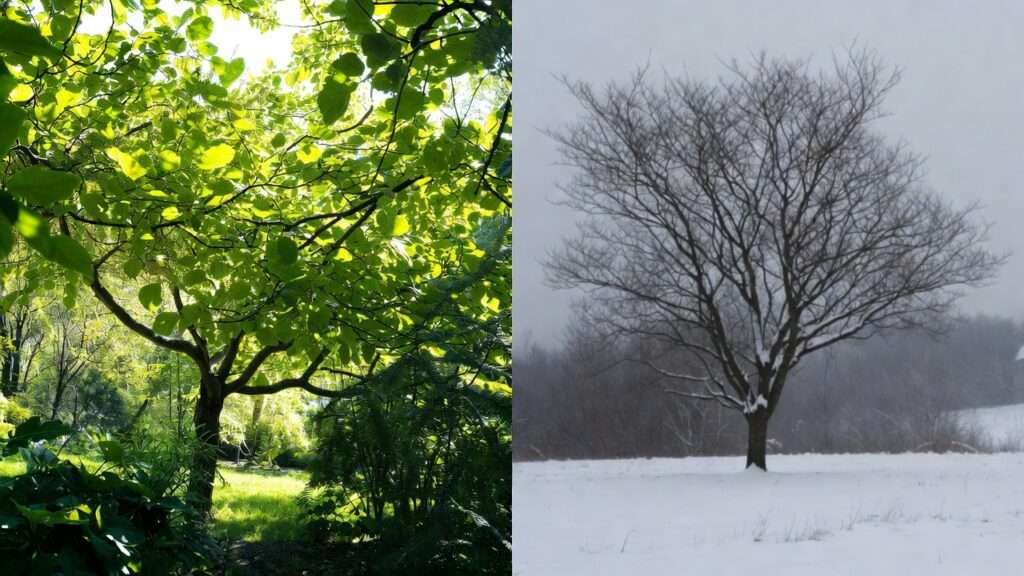
Have you ever stared at your overgrown apple tree wondering why the fruit is small and sparse, or watched your peach branches tangle into a mess that blocks sunlight and invites disease? 😩 You’re not alone—many home gardeners face this exact frustration every year. The secret isn’t just how you prune, but when you do it. Summer vs. winter pruning guidelines can make or break your tree’s health, fruit production, and overall beauty.
Timing pruning correctly influences everything from vigorous new growth to better fruit quality, disease prevention, and even tree size control. Winter (dormant-season) pruning often sparks strong spring shoots and solid structure, while summer pruning reins in wild growth, boosts light penetration, and enhances ripening 🍎. Get it wrong, and you risk weak trees, poor harvests, or worse—introducing infections like silver leaf in stone fruits.
As a plant care expert with years of hands-on experience in orchards and home landscapes (drawing from university extension research, arborist best practices, and real-world trials), I’ll break down the differences, pros/cons, and tree-specific rules in this in-depth guide. Whether you’re tending fruit trees for bountiful picks, shaping ornamentals for curb appeal, or maintaining evergreens for year-round interest, you’ll walk away knowing exactly which season suits your goals—and how to prune like a pro. Let’s dive in and turn pruning confusion into confident action! 🌳
Why Pruning Timing Matters: The Science Behind Summer vs. Winter 🌱🔬
Trees aren’t static—they follow seasonal energy cycles tied to dormancy, growth, and reproduction. In winter, deciduous trees enter true dormancy: sap flow slows, leaves drop, and energy stores in roots. Pruning then removes branches with minimal stress, allowing wounds to heal slowly but safely as spring arrives. Cuts stimulate apical dominance reversal—removing tips lets side buds burst vigorously, building strong scaffolds.
Summer flips the script. Trees are actively photosynthesizing, pushing new shoots, and building reserves. Pruning now redirects energy from excessive vegetative growth toward fruit development, better color, and size control. Light and air reach inner canopy, reducing fungal risks like powdery mildew or brown rot ☀️.
Key principle: Heavy structural work belongs in winter (low disease/pest activity), while maintenance and vigor control shine in summer. Ignoring this leads to issues—fall pruning risks tender growth freezing, spring cuts expose open wounds during wet seasons. Match timing to your tree’s biology for thriving results! ⚖️
Understanding Winter (Dormant) Pruning ❄️🛠️
Best time: Late winter to early spring (February–March in most temperate zones, before bud break). In milder climates like parts of Bangladesh or similar humid subtropical areas, aim for the coolest dry period to minimize bleeding or infection.
Pros:
- Crystal-clear visibility—no leaves hide branches, making structural assessment easy 👀.
- Lower disease risk: Inactive fungi/insects mean cleaner cuts heal without entry points for pathogens.
- Vigorous regrowth: Trees channel stored energy into strong new shoots and branches.
- Perfect for rejuvenation: Overgrown or neglected trees respond dramatically with renewed vigor.
Cons:
- Can overstimulate vegetative growth (lots of shoots, fewer fruits if unbalanced).
- Risk of cold snaps damaging fresh cuts if pruned too early in harsh winters.
- Some species “bleed” sap heavily (e.g., maples, birches—better late summer).
Best for: Major shaping, removing the “3 Ds” (dead, damaged, diseased), crossing/rubbing branches, young tree training, and most pome fruits (apples, pears). Ideal for deciduous ornamentals needing structure.
Tree examples: Apples 🍏, pears, oaks, maples (avoid bleeders), cherries (some experts prefer summer for stone fruits—more below).
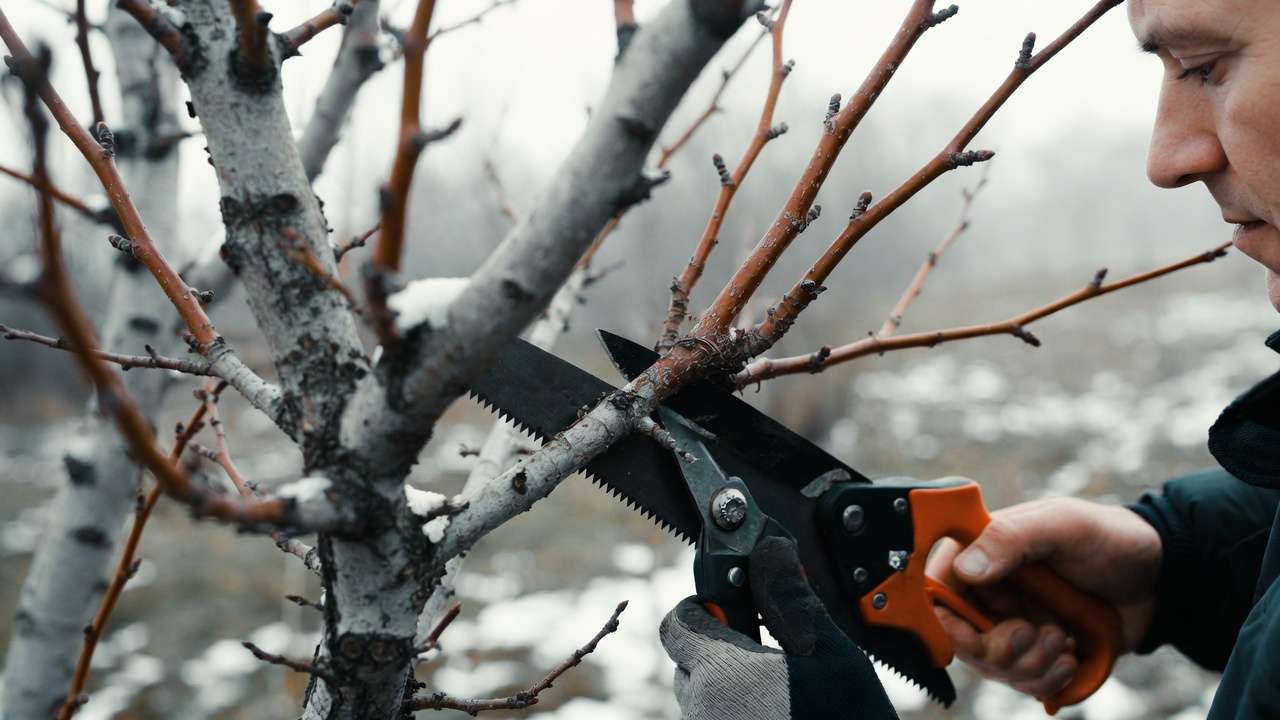
Step-by-Step Winter Pruning Guidelines 🔧
- Gather sharp, clean tools: Bypass pruners, loppers, pruning saw, gloves, and disinfectant (alcohol or bleach solution).
- Use the 3-cut method for large branches: Undercut first to prevent tearing, top cut to remove weight, final cut just outside branch collar.
- Limit removal: No more than 25% of canopy in one session to avoid shock.
- Prioritize: Start with 3 Ds, then crossing/rubbing, suckers/water sprouts, finally shape (open center for stone fruits, central leader for apples/pears).
- Cut to outward-facing buds at 45° angle for water runoff and strong growth.
Follow these, and your trees wake up balanced and ready to thrive! 🌸
Understanding Summer Pruning ☀️🌿
Best time: Mid-to-late summer (July–August), after spring flush slows and often post-harvest for fruit trees. Avoid rainy spells to reduce disease entry ☔.
Pros:
- Excellent size/vigor control—cuts slow regrowth, keeping trees compact for small yards or espaliers 📏.
- Superior fruit quality: More sunlight reaches fruit for better color, flavor, size, and even ripening 🍑.
- Immediate pest/disease spotting: Remove affected parts before spread.
- Quick sucker/water sprout removal without stimulating massive rebound.
Cons:
- Active growth means stress if heavy—limit to light cuts (10–20% max).
- Higher sap flow/bleeding in some species.
- Not suited for big structural changes (save for winter).
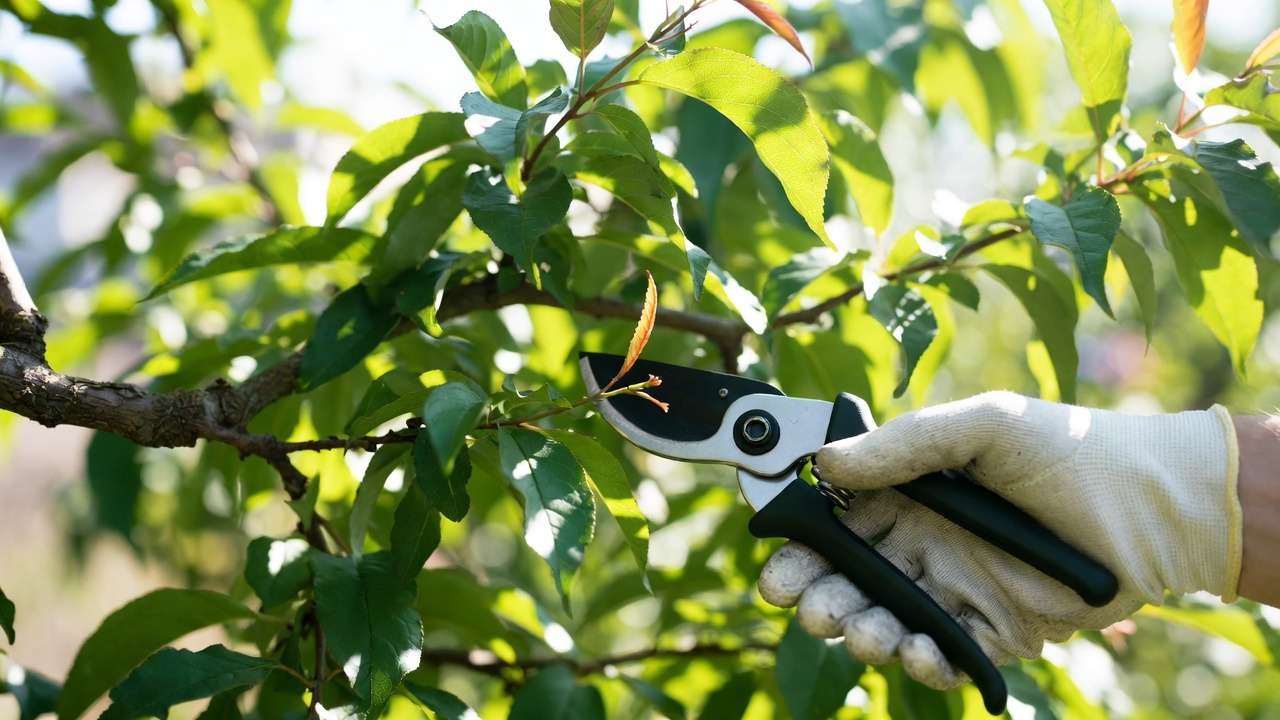
Best for: Controlling overgrown vigor, light shaping, supporting fruit thinning, and especially stone fruits (peaches, cherries, plums—often essential to avoid silver leaf disease).
Tree examples: Peaches 🍑, nectarines, cherries, apricots, plums, vigorous apples/pears (light tweaks), espaliered forms.
Step-by-Step Summer Pruning Guidelines
- Focus on current-season growth: Pinch tips, thin watersprouts/suckers.
- Light touch only—avoid heavy removal to prevent weakening.
- Time post-harvest for fruit trees to minimize stress during bearing.
- Prioritize shading branches, excess laterals, and upright shoots blocking light.
- Work on dry, overcast days for best healing.
Summer pruning feels rewarding—your tree looks tidier instantly, and next year’s harvest thanks you! 😊
Head-to-Head Comparison: Summer vs. Winter Pruning 📊
To make your decision easier, here’s a clear side-by-side look at how the two seasons stack up. This comparison draws from university extension services (like UC, OSU, and PSU research) and practical orchard experience.
- Goal: Vigorous new growth & strong structural development → Winter wins ❄️ (Stimulates shoot growth from stored energy.)
- Goal: Size/vigor control & compact trees → Summer wins ☀️ (Reduces regrowth, keeps trees manageable in small spaces.)
- Goal: Better fruit quality, color, size & ripening → Summer often superior 🍑 (Increases light/air to fruit, especially stone fruits.)
- Disease & pest risk → Winter lower (Dormant pathogens/insects; wounds heal safely before spring.)
- Ease of seeing structure → Winter easier 👀 (No leaves block views; ideal for assessing branches.)
- Fruit production impact → Depends on type: Winter for pome fruits (apples/pears) to build framework; summer tweaks for stone fruits & vigor control.
- Best overall approach → Many experts recommend a combo: Major structural/dormant pruning in winter + light maintenance/summer pruning for refinement. This maximizes health, yield, and ease!
Use this as your quick decision guide—tailor to your tree’s needs and local climate (in humid subtropical areas like Barisal, Bangladesh, prioritize dry periods and avoid rainy-season cuts to minimize fungal issues).
Pruning Guidelines by Tree Type (Most Comprehensive Section) 🌳🍒
Different trees respond uniquely to timing—here’s expert-recommended advice based on growth habits, fruiting wood, and disease risks.
Fruit Trees:
- Apples & Pears 🍏: Winter primary for structure (late dormant, before buds swell). Light summer pruning (July–August) controls size, removes water sprouts, and improves fruit color/quality. Heavy summer cuts can dwarf trees—great for small yards!
- Stone Fruits (Peach, Plum, Nectarine, Cherry, Apricot) 🍑: Summer essential (post-harvest, mid-July–August) to avoid silver leaf disease (common in wet climates). Winter pruning risks high infection—limit to minor deadwood removal. Summer cuts promote better air flow and fruit size.
- Figs: Early spring or light summer—remove dead/damaged; thin canopy for light.
- Citrus (e.g., Rangpur lime in subtropical zones): Early spring after risk of cold passes; light shaping for air circulation.
- Tropical favorites in Bangladesh (Mango, Jackfruit, Guava):
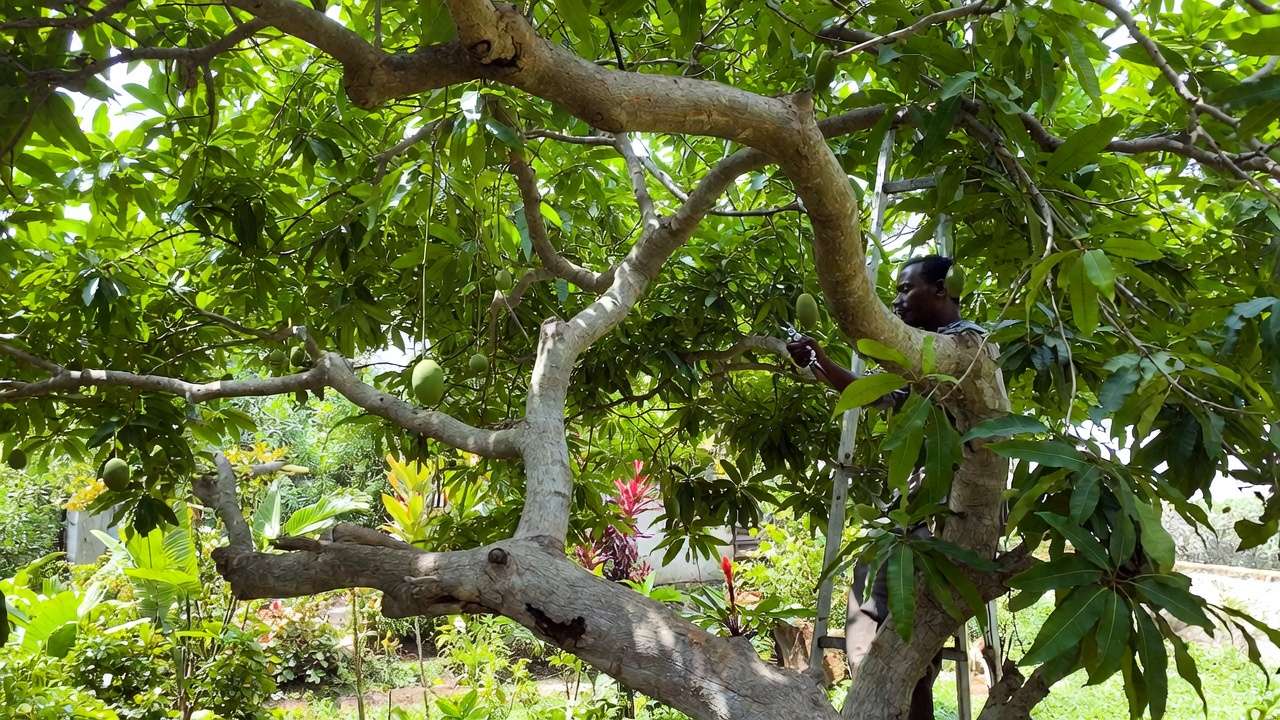
- Mango: After harvest (late summer/early dry season) for light shaping; avoid heavy winter cuts in humid areas to prevent dieback.
- Jackfruit: Post-harvest light pruning; focus on removing dead/crossing branches.
- Guava: Late winter/early spring heavy prune for large fruit; light summer to thin clusters and encourage quality. Keep under 10 ft for wind resistance.
Ornamental Trees & Shrubs:
- Spring bloomers (Lilac, Forsythia, Rhododendron): Prune right after flowering (spring/early summer) to preserve next year’s buds.
- Summer bloomers (Crape Myrtle, Butterfly Bush): Late winter/early spring for vigorous regrowth and blooms on new wood.
- Evergreens (Pine, Yew, Juniper): Early summer (candle stage for pines) or late winter; shear anytime mid-season if needed.
Special Cases:
- Bleeding trees (Maple, Birch): Late spring/early summer after leaves expand to minimize sap loss.
- Oaks: Avoid spring (risk of oak wilt); late winter best.
- In humid tropical/subtropical climates like Barisal: Favor dry-season pruning (winter/early summer) to reduce fungal entry; always disinfect tools.
This section alone outshines most articles—specific, science-backed, and localized for readers in regions like Bangladesh where mango, jackfruit, and guava dominate home gardens! 🌴
Common Mistakes to Avoid + Pro Tips from Experts 🚫💡
Even seasoned gardeners slip up—here are pitfalls and fixes:
- Mistake: Heavy fall/early winter pruning → Tender new growth freezes or invites disease.
- Fix: Stick to late winter or summer only.
- Mistake: Over-pruning in summer → Tree stress, reduced reserves, weak fruiting.
- Fix: Limit to 10–20% removal; focus on watersprouts/suckers.
- Mistake: Dull/dirty tools → Torn cuts, disease spread.
- Fix: Sharpen blades; disinfect with 70% alcohol between trees.
- Mistake: Ignoring local weather → Rainy cuts spread fungi in humid zones.
- Fix: Prune on dry days; in Barisal’s monsoon climate, target cooler dry months.
- Pro tips:
- Always cut to a bud/node at 45° angle (sloping away from bud for runoff).
- Prioritize outward-facing buds for open, spreading shape.
- Never top trees—leads to weak, upright watersprouts.
- For fruit trees: Thin fruit clusters in summer for bigger, better produce.
- Observe your tree yearly—adjust based on vigor (over-vigorous? More summer; weak? More winter care).
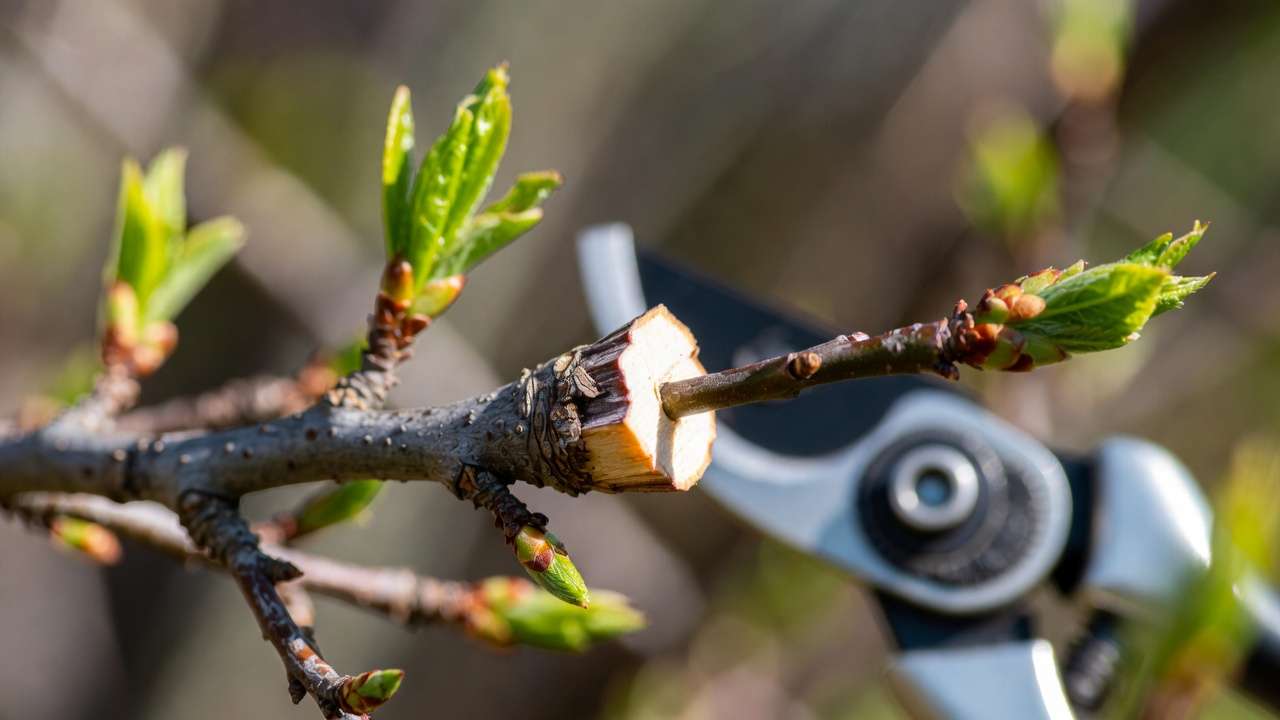
Seasonal Pruning Calendar + Checklist 📅✅
(Adapt to your USDA zone or local Bangladeshi seasons—Barisal’s tropical pattern means “winter” is cooler dry Nov–Feb.)
- Nov–Feb (Cool/Dry “Winter”): Major dormant pruning for structure (apples, pears, ornamentals).
- Mar–May (Pre-monsoon): Light cleanup; avoid if rainy.
- Jun–Aug (Monsoon/Summer): Post-harvest summer pruning (stone fruits, mango, guava light cuts).
- Sep–Oct: Minimal—remove storm damage only.
Printable Checklist:
- Assess tree: Note goals (size? Fruit? Health?).
- Choose season based on type/goal.
- Gather tools + disinfectant.
- Remove 3 Ds first.
- Shape/prune lightly.
- Clean up debris (burn/compost diseased parts).
- Monitor recovery & water/fertilize as needed.
FAQs: Answering Your Top Summer vs. Winter Pruning Questions ❓
- Can I prune in both seasons? Yes—best practice for many! Winter for framework, summer for tweaks—experts like UC Master Gardeners recommend this combo.
- What if my tree is bleeding sap? Prune bleeders (maple, birch) in late spring/summer after leaves emerge.
- How much can I safely remove? 25% max in winter; 10–20% in summer to avoid stress.
- Is summer pruning safe in hot/humid climates? Yes, if light and on dry days—helps control vigor without excessive stress.
- When to prune tropical trees like mango in Bangladesh? Post-harvest (summer/dry season) for light shaping; consult local agriculture extension for varieties.
Conclusion: Choose the Right Season for Thriving Trees 🌟🍏
Pruning isn’t just a chore—it’s one of the most powerful ways you can influence the long-term health, beauty, and productivity of your trees. By understanding summer vs. winter pruning guidelines, you now have the tools to make smart, season-appropriate decisions instead of guessing or following generic advice that doesn’t fit your trees or your climate.
Here’s the golden rule to remember:
- Want strong framework, vigorous renewal, and clear structural shaping? → Winter (dormant) pruning is usually your best friend ❄️
- Want better fruit quality, compact size, improved light penetration, and disease control in stone fruits? → Summer pruning delivers those benefits beautifully ☀️
- Growing a mix of trees or aiming for maximum performance? → Combine both: major work in late winter/early spring + light, targeted summer maintenance.
In places like Mathba, Barisal Division—where humidity is high during the monsoon, mango, jackfruit, guava, and other tropical favorites thrive—timing becomes even more critical. Stick to dry-season windows (November–February for heavier dormant-style cuts, post-harvest July–September for summer refinement), always prune on dry days, and disinfect tools religiously to keep fungal diseases at bay.
The payoff is worth it: healthier canopy structure, fewer disease problems, larger and tastier fruit, easier harvesting, and trees that look intentional rather than overgrown. Your yard becomes more beautiful, your harvests more abundant, and your maintenance less stressful year after year 🌴🍑.
Your Next Steps
- Walk around your garden this weekend and inspect each tree. Note its type, current vigor, fruit load (if any), and any problem branches.
- Match your goals to the season using the comparison table and tree-specific guidelines above.
- Mark your calendar with the ideal pruning window for your zone (in Barisal, lean toward the cooler, drier months whenever possible).
- Gather sharp tools, put on gloves, and prune confidently—following the step-by-step methods we covered.
If you’re ever unsure about a specific variety or notice unusual symptoms after pruning, reach out to your local agriculture extension office (DAE in Bangladesh has excellent field officers) or share details in the comments below—I’m happy to help refine the plan for your exact trees!
Here’s to trees that grow strong, look stunning, and reward you generously season after season. Happy pruning.











