
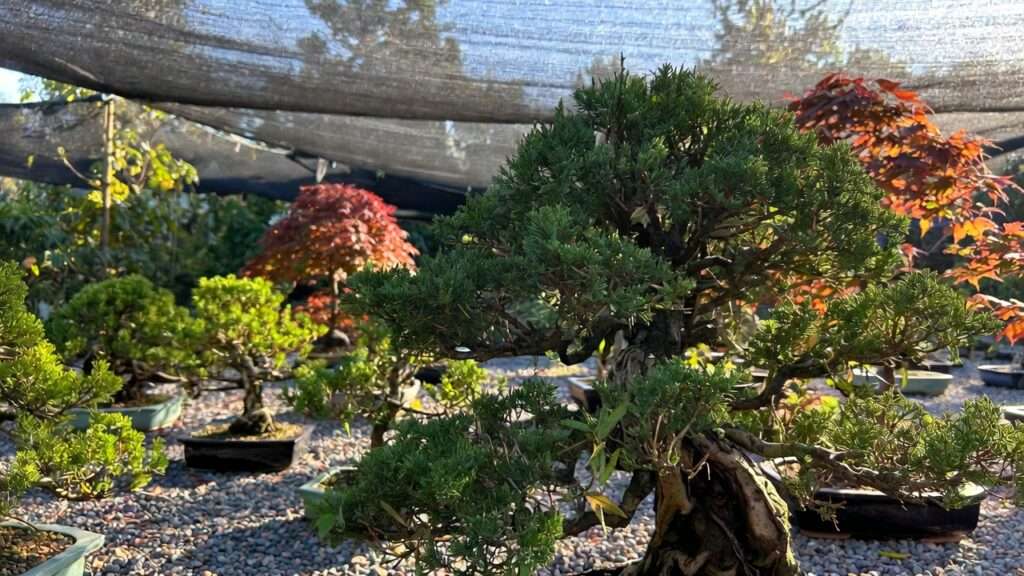
Your outdoor bonsai looks leggy and pale, with stretched branches reaching desperately for light, or its leaves are suddenly browning and crisping at the edges like they’ve been scorched — sound familiar? 😩 These are classic signs that sunlight mismanagement is quietly sabotaging your miniature trees. As one of the most common yet overlooked issues in outdoor bonsai care, improper light exposure causes weak, etiolated growth from too little sun or painful leaf scorch from too much intense exposure.
In this in-depth guide, we’ll dive deep into sunlight requirements for outdoor bonsai, revealing exactly how much direct sun different species crave, the best placement strategies, seasonal tweaks, and practical fixes for common problems. Whether you’re nurturing a sun-loving juniper in a hot climate or protecting a delicate Japanese maple from midday blaze, you’ll get species-specific, climate-aware advice backed by decades of bonsai cultivation principles. By the end, you’ll know precisely how to position your trees for compact foliage, vibrant colors, strong structure, and long-term health. Let’s give your outdoor bonsai the sunlight it truly needs to thrive! ✨
Why Sunlight Is Crucial for Outdoor Bonsai 🌱
Sunlight isn’t just “nice to have” for bonsai — it’s the engine driving everything from photosynthesis to pest resistance. Through photosynthesis, trees convert light energy into sugars that fuel compact internodes (short spaces between leaves), dense branching, rich needle or leaf color, and overall vigor. Outdoor bonsai benefit enormously from full-spectrum natural sunlight, which indoor grow lights or windows simply can’t fully replicate for hardy temperate species.
- Too little sunlight leads to etiolation: long, weak branches, oversized leaves, pale green or yellowish foliage, and increased vulnerability to pests and diseases. The tree stretches toward light, losing its miniature, artistic form.
- Too much intense sunlight (especially harsh afternoon rays in hot climates) causes leaf scorch: brown, crispy edges, burnt tips, premature leaf drop, and dehydration stress that can kill fine roots over time. 🔥
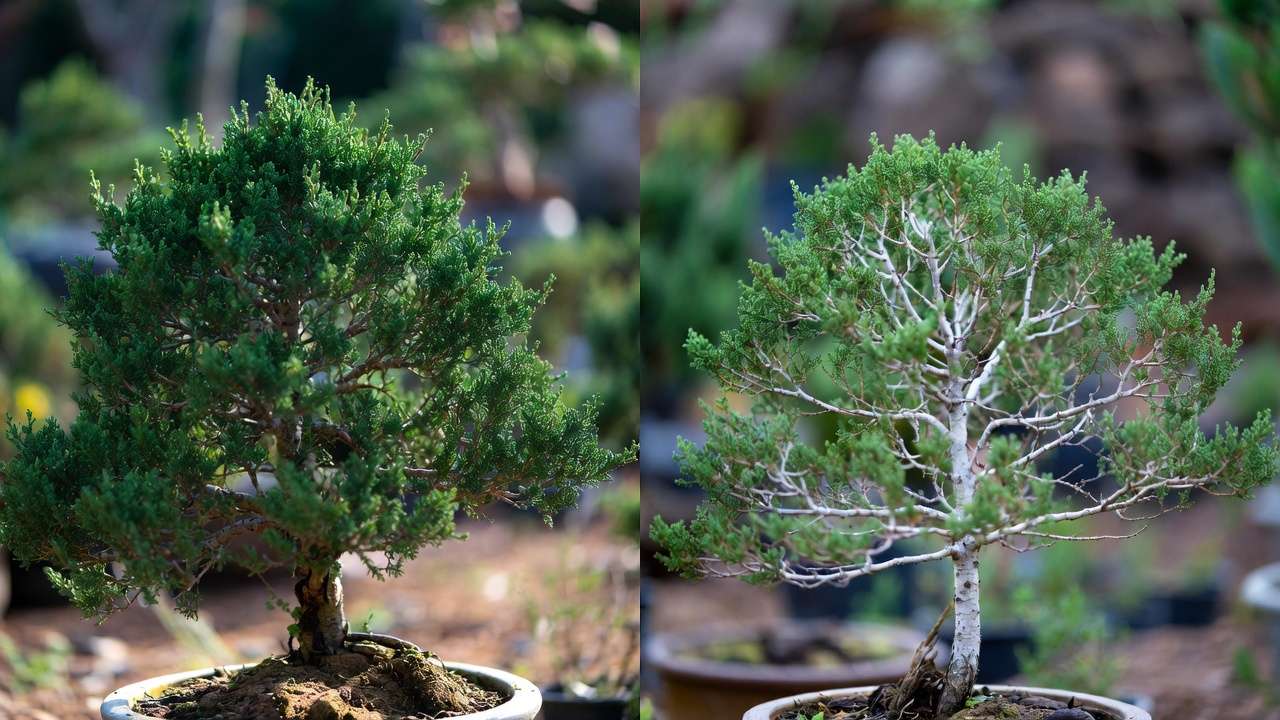
The sweet spot? Balanced exposure that mimics the tree’s natural habitat — full sun for rugged conifers, dappled or morning sun for more sensitive deciduous varieties. Outdoor placement gives your bonsai a huge advantage over indoor ones, but only if you match light to species and local conditions.
General Sunlight Guidelines for Outdoor Bonsai ☀️
Most outdoor bonsai thrive with 5–8+ hours of direct sunlight daily during the active growing season. Morning sun (gentle and energizing) plus some early afternoon light is ideal for the majority, while avoiding the hottest midday hours in warmer zones.
Key influencing factors include:
- Climate and USDA zone — In cooler temperate areas (like much of Europe or northern US), full sun all day works great. In hot subtropical or tropical climates (hello, Dhaka summers!), afternoon shade prevents burn.
- Pot specifics — Shallow bonsai pots heat up quickly, amplifying sun stress; dark pots absorb more heat than light ones.
- Tree age and health — Young or recently repotted trees need gentler acclimation.
Pro tip: Track your spot’s light with a free smartphone light meter app or simple observation — mark where shadows fall throughout the day. Aim for “bright direct” rather than constant blast. 📱
Sunlight Requirements by Popular Outdoor Bonsai Species 🌲🌴
Different species evolved in varied habitats, so their sunlight requirements for outdoor bonsai vary dramatically. Here’s a detailed breakdown of fan favorites:
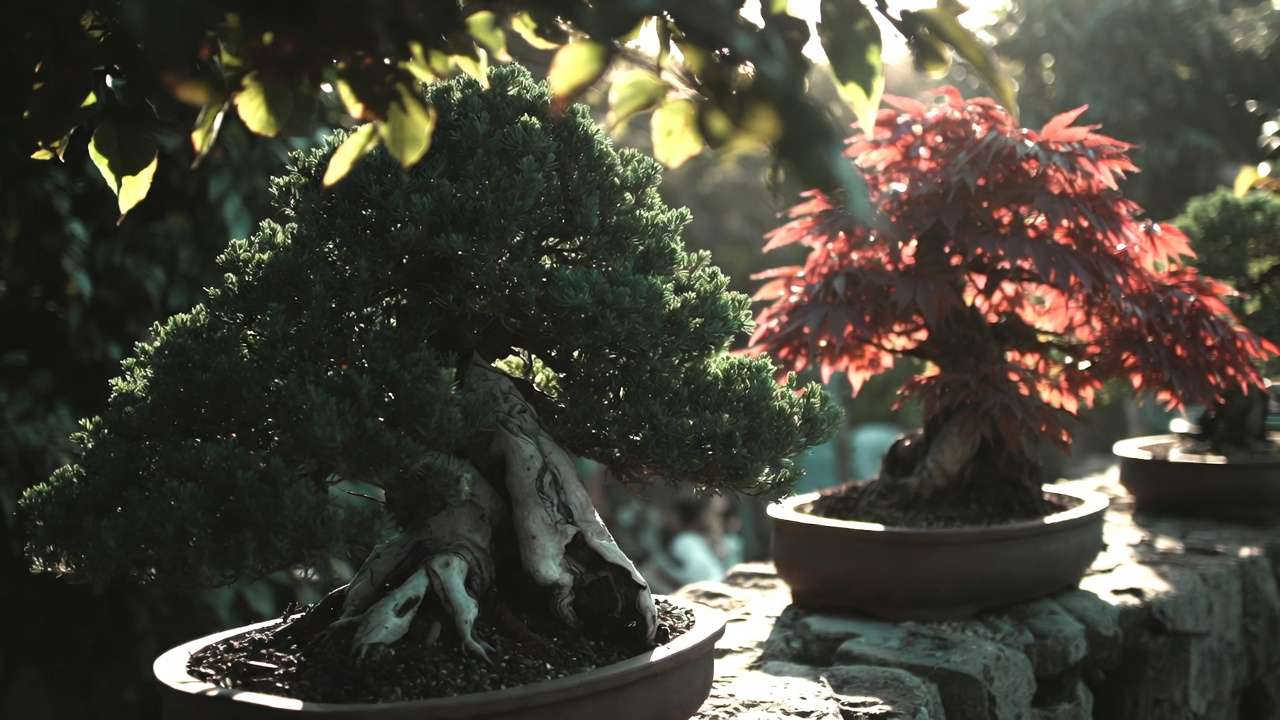
Junipers (Juniperus spp.) ❤️
Junipers are full-sun superstars! They crave 6–10+ hours of direct sunlight daily to develop tight, scale-like foliage, deep green (or blue-green) color, and that rugged, windswept deadwood character.
- Placement: Open, south-facing spots with zero shade blockers. In extreme heat (>95°F/35°C), a bit of late-afternoon relief helps.
- Why it matters: Maximum light equals compact growth and pest resistance. Too little? Foliage thins, turns leggy, and browns from inside out.
Pines (Pinus spp., e.g., Japanese Black Pine) 🌞
Pines demand 8+ hours of unfiltered direct sun for strong candle extension, short needles, and vigorous back-budding after pruning.
- Benefits: Intense light promotes resin production and woody strength.
- Pro tip: Rotate every few weeks for even branching. In very hot climates, slight afternoon dappled shade prevents needle burn.
Maples (Acer spp., Japanese Maple bonsai) 🍁
Japanese maples prefer 4–6 hours of direct sun, ideally morning light with afternoon shade — especially in warmer zones.
- Risks: Full midday sun scorches delicate leaves, fading vibrant reds/oranges in fall. Balanced light yields the best autumn color.
- Ideal: East-facing or under high tree canopy for filtered rays.
Firs, Spruces, and Other Conifers
Most need 6+ hours direct; protect tender new growth in scorching heat.
Deciduous Outdoor Species (e.g., Elm, Beech, Hornbeam)
Flexible — 5–7 hours direct works well; they tolerate partial shade better than conifers but reward more light with denser ramification.
Azaleas & Other Flowering Outdoor Bonsai 🌸
Bright but protected: Morning sun + dappled afternoon shade for lush blooms without fading flowers or burnt petals.
Match your species to your spot — forcing a shade-lover into full blast sun is a recipe for disappointment!
Seasonal Sunlight Adjustments for Outdoor Bonsai 🔄
Outdoor bonsai aren’t static — their light needs shift with the seasons, especially in places like Dhaka where you get intense monsoon humidity followed by hot, dry periods. Adjusting exposure prevents shock, burn, or weak spring growth.
- Spring 🌸: After winter dormancy, gradually increase direct sun over 1–2 weeks. Start with 2–4 hours morning light, then build up. Sudden full exposure can scorch tender new buds and leaves.
- Summer ☀️🛡️: This is peak stress time in hot climates. Sun-loving species (junipers, pines) handle 8+ hours, but add 30–50% shade cloth during the hottest hours (11 AM–4 PM) if temps exceed 35°C/95°F regularly. This cuts watering frequency and prevents dehydration while still providing plenty of bright light.

- Fall 🍂: Maximize every ray of direct sunlight — trees store energy for winter. Remove shade protection as days cool.
- Winter ❄️: Hardy outdoor species go dormant and need less light (even 3–5 hours is fine on sunny days). Keep them in the coldest-safe spot with good airflow and occasional sun to prevent mold in humid conditions. Never bring indoors unless temps drop below freezing for extended periods.
Track your local weather and observe how your trees respond — small tweaks make big differences!
How to Find the Perfect Spot for Your Outdoor Bonsai 📍
Choosing location is half the battle for proper sunlight requirements for outdoor bonsai. In urban settings like balconies or patios in Dhaka, space is limited, but creative placement wins.
- Ideal orientations:
- South-facing: Maximum sun — perfect for junipers and pines.
- East-facing: Gentle morning sun + natural afternoon shade — gold standard for maples, azaleas, and many deciduous.
- West-facing: Afternoon sun can be brutal; use only with shade strategies.
- Balcony & patio hacks:
- Elevate pots on benches or shelves for better air circulation and even light.
- Use rotating turntables (lazy Susans) to prevent lopsided growth.
- Install adjustable shade sails, umbrellas, or 50% shade cloth panels for flexible control.
:max_bytes(150000):strip_icc()/growing-juniper-bonsai-508312-01-d20b5d68bd784efd8a8ccfe8474c685b.jpg)
- Urban tips: If your balcony gets intense reflected heat from buildings/glass, add white gravel or light-colored trays underneath pots — they reflect extra light upward and keep roots cooler.
Observe your spot for a full day: Note where shadows move. The best locations offer consistent bright light without constant extremes.
Signs Your Outdoor Bonsai Isn’t Getting the Right Sunlight 🚨
Spotting issues early saves trees. Here are the telltale symptoms:
- Too little light 😔:
- Leggy, stretched branches (long internodes)
- Pale, yellowish, or small/few new leaves
- Weak overall vigor, slow growth, easy pest attraction

- Too much intense light 🔥:
- Brown, scorched leaf/needle tips and edges
- Crispy, dry foliage that drops prematurely
- Bleached or faded color in deciduous species

- Uneven exposure: One side lush, the other sparse/leggy — rotate weekly!
Fixing Common Sunlight Mistakes (Troubleshooting Guide) 🛠️
Most problems stem from these pitfalls — here’s how to correct them:
- Mistake #1: Putting shade-preferring species (maples, azaleas) in full blasting sun → Move to east-facing or add shade cloth; acclimate slowly if transitioning back.
- Mistake #2: Sudden full-sun exposure after shade → Harden off gradually: Increase by 1–2 hours daily over 10–14 days.
- Mistake #3: Ignoring local climate extremes → In hot/humid areas like yours, prioritize morning sun + protection; use humidity trays if needed.
- Mistake #4: Winter light neglect → Even dormant trees benefit from occasional bright days — don’t hide them completely.
Quick recovery steps: Prune damaged parts, increase watering slightly during transition (but never soggy soil), and fertilize lightly once stabilized.
Pro Tips from Bonsai Experts to Maximize Sunlight Benefits 🌟
Experienced bonsai artists know that sunlight works in synergy with every other aspect of care. Here are battle-tested techniques to get the most from your tree’s light exposure:
- Pair strong light with balanced watering and soil drainage — Trees in high-sun locations photosynthesize faster and use more water. Check soil moisture daily (especially in Dhaka’s heat and humidity) and water thoroughly when the top 1–2 cm feels dry. Use well-draining bonsai mix to prevent root rot while allowing roots to breathe.
- Use reflective surfaces strategically — Place pots over white gravel, light-colored trays, or even small mirrors angled to bounce extra light onto the lower branches and interior foliage. This subtle boost helps develop back-budding and denser ramification without moving the tree.
- Fertilize more aggressively during peak sunlight months — From late spring through early fall, when light is strongest, trees burn through nutrients quickly. Use a balanced organic fertilizer (e.g., 6-6-6 or slow-release pellets) every 2–4 weeks at half to full strength. Reduce feeding in low-light winter months to avoid weak, leggy growth.
- Pruning + sunlight = magic back-budding ✂️ — Strong, consistent light encourages new buds to form even on old wood after pinching or structural pruning. Time major cuts for late winter/early spring so fresh growth emerges into increasing daylight.
- Rotate regularly (but thoughtfully) — A ¼ turn every 7–10 days evens out growth. For species like pines and junipers that respond dramatically to light direction, some artists rotate only after candle-cutting season to maintain desired styling.
These small habits separate average bonsai from show-quality specimens.
Frequently Asked Questions (FAQs) ❓
Do all outdoor bonsai need full sun every day? No — it depends on species. Junipers, pines, and most conifers love 6–10+ hours of direct sun. Japanese maples, azaleas, and many deciduous varieties prefer 4–6 hours (mostly morning) with afternoon protection, especially in hot climates like Dhaka.
What if I live in a very hot climate — can I still grow sun-loving species? Absolutely — just provide strategic afternoon shade (shade cloth 30–50%, tall companion plants, or east-facing placement). Many enthusiasts in tropical and subtropical regions successfully grow stunning junipers and black pines with this adjustment.
How do I know if my tree is getting enough indirect vs. direct sun? Use the shadow test: If your hand casts a sharp, defined shadow on the foliage at midday, that’s direct sun. Fuzzy or no shadow = mostly indirect/bright shade. Most outdoor bonsai need at least some hours of sharp-shadow direct light daily during growth season.
Can outdoor bonsai survive with only 4 hours of sun? Some can (maples, certain elms, azaleas) but growth will be slower, foliage less dense, and fall color less vivid. Conifers like junipers and pines will become weak and etiolated with so little direct light — move them or supplement thoughtfully if that’s your maximum.
Does winter sunlight matter for dormant trees? Yes, but less urgently. Hardy species in true dormancy (below ~10°C/50°F) need only occasional bright days to prevent fungal issues in humid winters. Avoid deep shade pockets where cold, damp air stagnates.
Conclusion: Give Your Outdoor Bonsai the Sun It Craves 🌞🌳
Sunlight is the single most powerful — and most frequently mismanaged — factor in outdoor bonsai success. When you match the right amount and quality of light to each species, your trees reward you with compact internodes, rich color, strong structure, abundant back-budding, and resilience against pests and disease.
Take five minutes today: Walk out to your balcony, patio, or garden. Observe where the sun hits your bonsai right now, compare it to the species-specific needs we’ve covered, and make one small adjustment — rotate the pot, add a bit of shade cloth, or relocate to a brighter morning spot. In just a few weeks you’ll likely see tighter growth, deeper color, and renewed vigor.
Your miniature landscapes deserve to thrive in the same natural light that shaped their wild cousins for centuries. Give them that gift, and watch them transform.
Have you found the perfect sunny (or strategically shaded) spot for your favorite bonsai? Drop a comment below — share your setup, species, and any light-related wins or lessons learned. I read every one and love hearing how these tips play out in real gardens around the world! 💬🌿











