
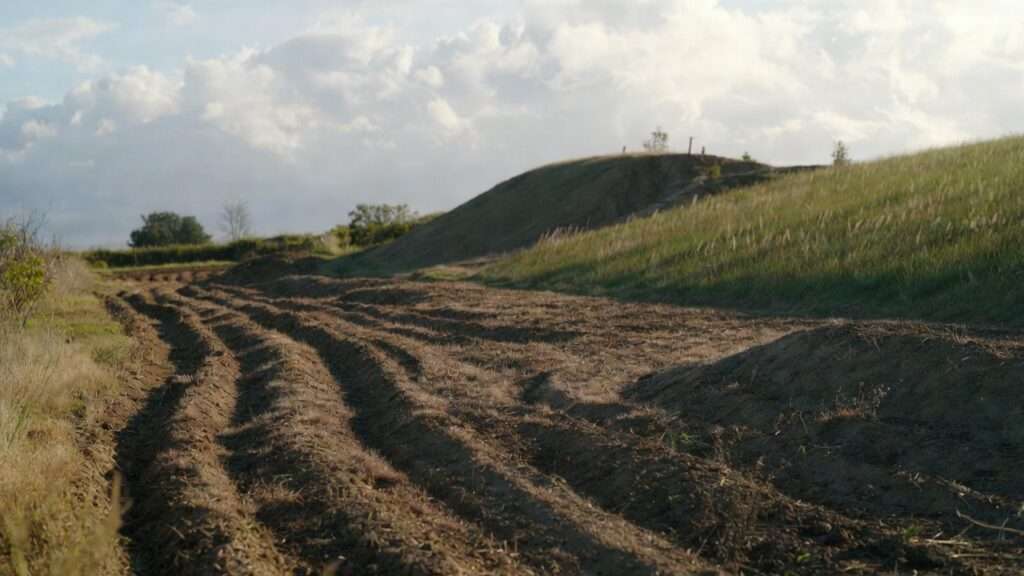
Imagine turning every rainstorm into free, deep irrigation for your trees and plants—while stopping soil erosion, building healthier soil, and slashing your watering bills. In regions like Barisal Division with heavy monsoon rains and often sloping homesteads, too much water rushes away too fast, leaving soil dry between downpours, washing away precious nutrients, and stressing fruit trees like mango, jackfruit, or guava. 🌧️
Swales and berms for water management offer one of the most powerful, low-cost permaculture tools available. These simple earthworks capture, slow, spread, and sink rainwater right where your plants need it most. As someone deeply passionate about sustainable tree and plant care (drawing from years of observing tropical landscapes, permaculture principles from experts like Brad Lancaster, and real-world applications in monsoon-prone areas), I’ll walk you through everything you need to know.
By the end of this guide, you’ll have a clear, step-by-step blueprint to design, build, plant, and maintain swales and berms that create resilient, water-smart gardens and orchards. Whether you’re fighting seasonal drought gaps, erosion on gentle slopes, or high water bills, these techniques can transform your landscape into a thriving, low-maintenance food forest. Let’s get started! 🌱
What Are Swales and Berms? A Clear Definition
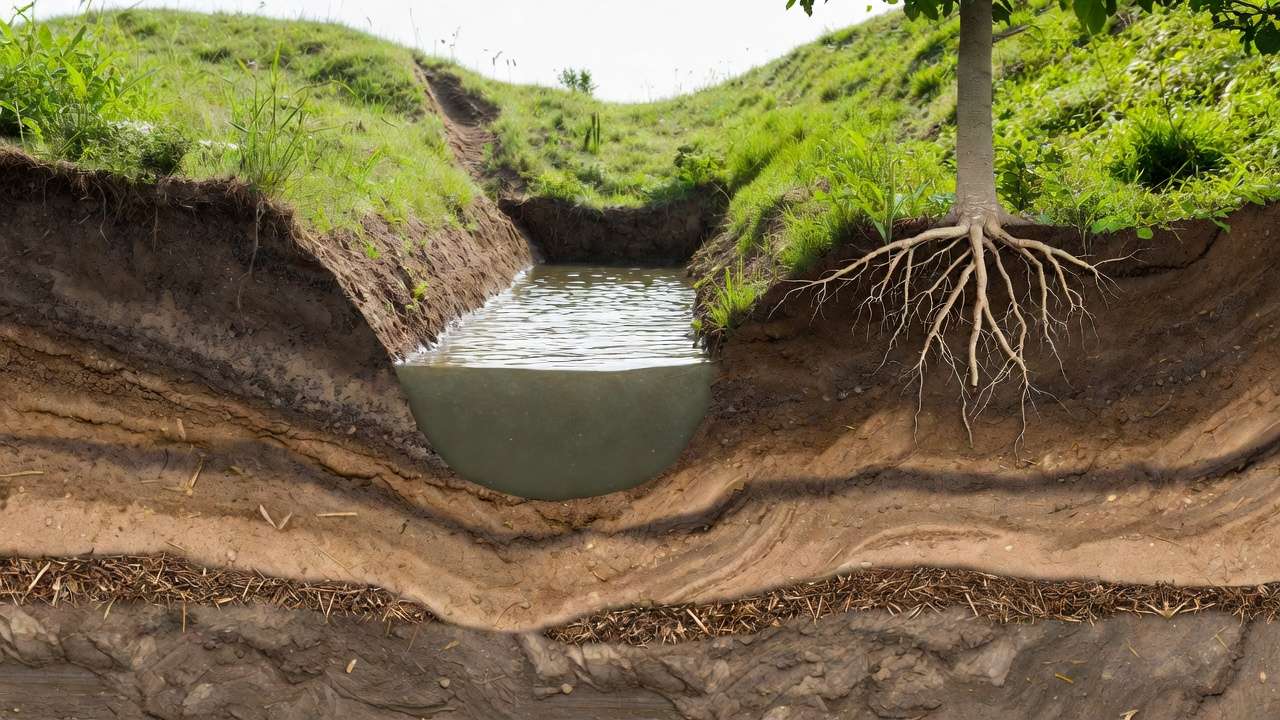
A swale is a shallow, level trench (or ditch) dug precisely along the natural contour lines of your land. Its job? To intercept runoff, hold water temporarily, and allow it to slowly infiltrate deep into the soil.
The berm is the raised mound of earth created from the soil excavated during swale digging. Placed on the downhill side, it acts like a gentle dam—holding water longer while providing an elevated, well-drained planting ridge.
Together, they embody the core permaculture water-harvesting principle: slow it, spread it, sink it 🌊➡️🌍. Instead of water racing downhill in sheets (causing gullies and nutrient loss), it spreads out evenly, recharges groundwater, and feeds tree roots over weeks or months. This mimics natural patterns seen in healthy forests, where “pit and mound” topography from fallen trees creates similar water-trapping micro-zones.
Why Use Swales and Berms for Water Management in Tree and Plant Care?
In places like Phuljhuri or broader Barisal, where monsoon deluges alternate with dry spells, these earthworks deliver game-changing benefits backed by regenerative land practices and observations from dryland to tropical permaculture systems:
- Deeper, longer-lasting soil moisture — Trees access stored water during dry periods, leading to 30–50% better growth in many documented cases 💪
- Reduced soil erosion and nutrient runoff — Swales stop gullies from forming on even gentle slopes 🛡️
- Recharged groundwater and aquifers — More infiltration means higher water tables for wells and ponds over time 🌳
- Lower irrigation needs — Home gardeners often cut supplemental watering dramatically, especially for established fruit trees ☔
- Enhanced biodiversity and microclimates — Berms create sunny, drier tops and moist swale bottoms, supporting diverse plants, pollinators, and beneficial insects 🐝
- Long-term soil building — Organic matter accumulates in swales (leaves, mulch, roots), boosting microbial life, fertility, and carbon sequestration 🍂
Bonus: In tropical/subtropical climates, swales planted thoughtfully prevent waterlogging in low spots while ensuring moisture reaches roots without rot—perfect for fruit trees that hate “wet feet”!
When and Where to Use Swales and Berms (Site Assessment)
Swales aren’t universal—smart placement makes all the difference.
Ideal Conditions
- Gentle to moderate slopes (3–15%, sometimes up to 18–20% with care) 🚧
- Areas with seasonal heavy rainfall (monsoons) or irregular patterns 🌧️
- Compacted, sandy, or loamy soils that drain moderately but lose water quickly
When to Avoid or Modify
- Very steep slopes (>25%) — Risk of saturation and landslides ⚠️
- Extremely heavy clay soils with poor percolation — Use smaller, shallower swales or add amendments like sand/compost
- Completely flat land — Consider rain gardens, keyline plowing, or raised beds instead
Quick expert tip: After the next heavy rain, walk your property. Look for erosion rills, pooling spots, or dry zones downhill from wet areas—these reveal natural water flow patterns and perfect swale locations. 🔍 In Barisal’s riverine landscape, even subtle elevations (from old riverbanks or homestead mounds) often provide ideal gentle slopes.
Step-by-Step Guide to Designing Swales and Berms
1. Find True Contour (The Most Important Step!)
Everything fails if your swale isn’t dead-level. Water must spread evenly, not pond at one end or overflow at another.
Use simple tools:
- A-frame level (easy DIY with three poles, string, and a plumb bob)
- Laser level, bunyip (hose) level, or smartphone apps for larger sites 🌡️
Start at the top of your watershed (highest point) and mark contour lines every 10–30 meters downhill, depending on slope and rainfall intensity.
2. Plan Spacing, Size, and Capacity
- Swale depth: 30–60 cm (1–2 ft) for home gardens
- Width: 1–3 m (3–10 ft) based on catchment area
- Berm height: 30–90 cm, with gentle 2:1 or 3:1 slopes for stability
- Spacing: Closer on steeper slopes (every 10–15 m); wider on gentler ones (20–40 m)
- Calculate rough capacity: Aim to capture at least a 1-in-5 or 1-in-10-year storm (check local rainfall data—Barisal often sees 200–400 mm events)
Pro tip: Start small! One or two short swales let you observe and adjust before scaling up.
3. Incorporate Overflow & Safety Features
Add small spillways (rock-lined or vegetated) every 10–20 m along longer swales. These direct excess water safely to the next swale downhill during extreme monsoons, preventing breaching 🌊
How to Build Swales and Berms (Hands-On Construction) 🛠️
Once your design is set, building is straightforward, rewarding, and mostly shovel-based—perfect for DIY in Phuljhuri homesteads.
Tools you’ll need (most are affordable or borrowable):
- Shovel and pickaxe
- Wheelbarrow
- String line, stakes, and flags/lime for marking
- A-frame level or hose level (already used for contour)
- Rake for shaping
- Mulch (wood chips, straw, dry leaves, or local coconut coir) 🍂
Step-by-Step Build Process
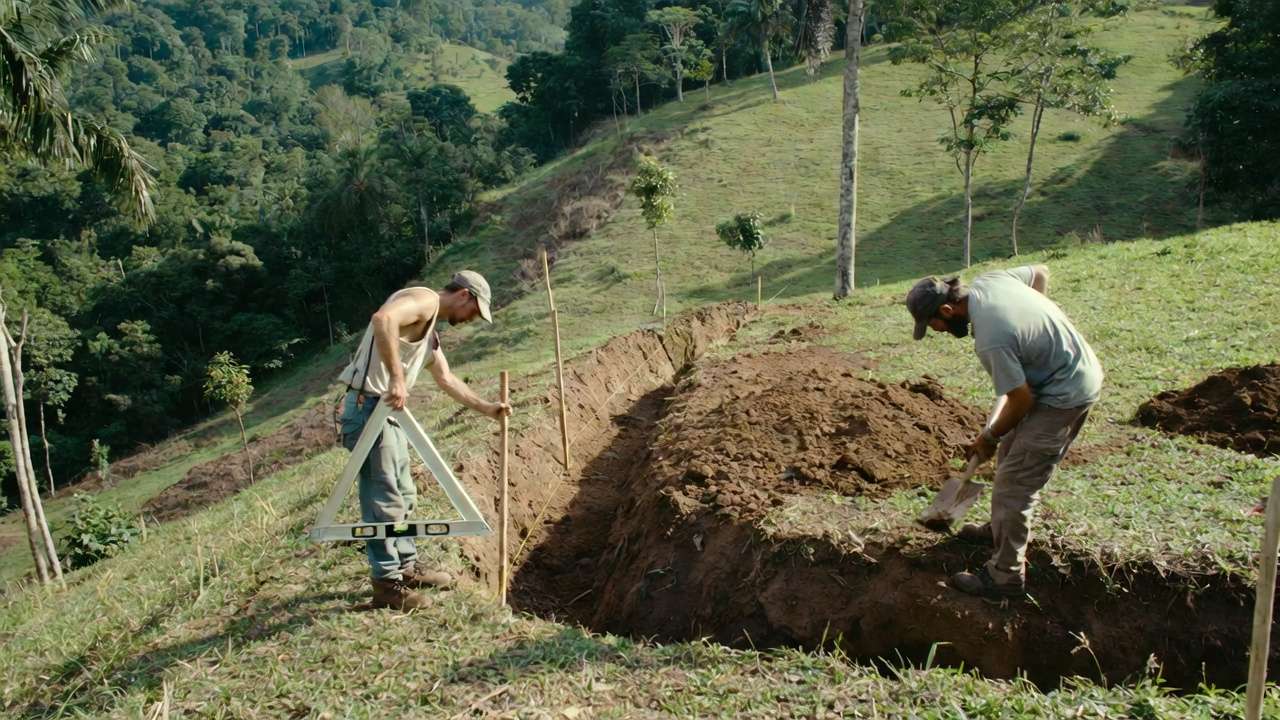
- Mark your contour lines clearly with stakes every 2–3 meters and connect with string. Double-check level!
- Dig the swale — Start by removing topsoil (set aside for later). Excavate the trench to your planned depth (30–60 cm), moving soil directly downhill to form the berm. Keep the swale bottom flat and level.
- Shape the berm — Pile and mound the excavated soil into a smooth, rounded ridge. Aim for gentle side slopes (2:1 or 3:1 ratio—twice as wide as tall) to prevent erosion. Compact lightly with your feet or a tamper.
- Create keys and spillways — Dig small “keys” (vertical notches) into the uphill side of the swale to anchor it. Add rock-lined or planted spillways every 10–20 m for overflow during heavy Barisal monsoons.
- Immediately stabilize — Spread mulch thickly (10–15 cm) over the berm and swale edges. Seed or plant right away to lock soil in place before the next rain.
Here’s a helpful visual of a classic swale and berm cross-section showing tree placement on the berm:

Common variations for tropical setups
- Hügelkultur swales — Bury logs, branches, and organic debris in the swale bottom before backfilling. This creates long-term fertility and moisture retention as wood decomposes—great for nutrient-hungry fruit trees.
- Half-moon or fish-scale swales — Small, crescent-shaped depressions around individual trees instead of long trenches. Ideal for smaller homesteads or young orchards.
Planting Strategies: Optimizing for Trees and Plants 🌳🥭
The magic happens when you plant strategically—swales and berms create perfect microclimates. Plant on and around the berm for best results:
- Berm crest (highest, best-drained spot): Large canopy fruit trees like mango, jackfruit, guava, coconut, or litchi. These access deep stored moisture without root rot risk.
- Berm mid-slope: Nitrogen-fixing trees/shrubs (moringa, acacia, pigeon pea, gliricidia) to build soil fertility naturally.
- Swale edges and bottom: Moisture-loving plants like vetiver grass (excellent erosion control), comfrey (dynamic accumulator), lemongrass, turmeric, ginger, or taro. These stabilize soil and use excess water productively.
Tropical planting guild example (inspired by successful food forests):
- Central tree: Mango or jackfruit on berm top
- Understory: Banana, papaya, moringa
- Groundcover: Sweet potato, lemongrass, vetiver along edges
- Climbers: Passionfruit or beans on trellises
This layered approach mimics natural forests, boosts biodiversity, and creates shade, wind protection, and habitat for pollinators 🐝.
Here’s an inspiring example of a maturing permaculture swale system with trees thriving on berms:

And a detailed planting diagram for swale guilds:
Expert insight: In monsoon climates like Barisal Division, avoid planting deep-rooted trees directly in the swale floor—keep them on the berm to prevent waterlogging during peak rains while still benefiting from the stored moisture plume that spreads downhill over months.
Maintenance and Long-Term Care Tips 🔧
Swales and berms are largely “set it and forget it” once established, but a little regular attention keeps them performing beautifully for decades—especially in Bangladesh’s intense wet-dry cycles.
Seasonal Maintenance Checklist
- After every major monsoon event (especially 100+ mm rains): Walk the swales. Check for:
- Small breaches or washouts → Patch immediately with soil and mulch
- Ponding longer than 24–48 hours → May need a small outlet trench or more organic matter to improve infiltration
- Overflow working correctly (spillways should direct water safely to the next swale or safe drainage path)
- Dry season (November–March):
- Re-mulch berms and swale edges with 10–15 cm fresh organic material (rice straw, dried water hyacinth, chopped banana leaves, coconut husk—locally abundant options) 🍃
- Lightly hoe or fork swale bottoms if a crust has formed to encourage water entry
- Annual tasks (before monsoon):
- Prune overhanging tree branches to keep sunlight reaching swale plants (prevents excessive shading and evaporation reduction)
- Add compost or aged manure to planting zones on berms
- Re-shape any settled berm areas and reinforce spillways with rocks or vetiver bundles
Simple upgrades over time
- Install small check dams (woven bamboo, rocks, or brush bundles) inside longer swales to further slow water and trap sediment
- Introduce dynamic accumulators like comfrey or pigeon pea—chop and drop their nutrient-rich leaves directly into swales to feed the system
- Monitor soil moisture with a simple stick test or cheap soil probe—over years you’ll notice the “moisture plume” extending farther downhill
With good establishment (plants + mulch), maintenance drops to just a few hours per year per swale. The system literally builds itself richer over time.
Real-World Examples and Case Studies 🌍
Swales and berms have proven transformative across climates similar to Barisal Division:
- Dryland orchards in Jordan & Rajasthan — Farmers using 1–2 m wide swales on 5–12% slopes reported 40–70% increases in fruit tree survival and yield during multi-year droughts (Brad Lancaster’s “Rainwater Harvesting” series documents many).
- Tropical food forests in Kerala & Sri Lanka — Monsoon-adapted swales with vetiver edges and fruit trees on berms turned degraded laterite slopes into productive homesteads producing mango, jackfruit, banana, and spices with almost zero irrigation after year 3.
- Bangladesh homestead examples — In parts of Barisal, Patuakhali, and Pirojpur, innovative farmers have used mini-swales and half-moon basins around mango and coconut groves to reduce fruit drop during dry spells and control erosion near ponds and canals. One documented case near Bhola saw jackfruit trees double in canopy size within 4 years after contour earthworks.
- Urban/suburban adaptations — Small-scale swales (30–50 cm deep) along fence lines or garden borders in towns capture roof runoff and street drainage, turning water problems into lush front-yard orchards.
Before-and-after visuals tell the story best. Here are inspiring real-world examples of swale systems in action:
These show mature swales supporting lush tree growth, clear erosion control, and visible moisture retention even in dry periods.
Common Mistakes to Avoid ❌
Even experienced gardeners slip up—here are the top pitfalls and how to dodge them:
- Building off-contour → Water ponds at one end and overflows uselessly at the other. Always triple-check level.
- Planting trees too low in the swale bottom → Leads to root rot during monsoons. Keep fruit trees on the berm crest or upper slope.
- No overflow plan → Heavy Barisal rains can breach poorly designed swales. Always include spillways.
- Leaving bare soil after digging → First rain = major erosion. Mulch and plant the same day.
- Making swales too deep/wide initially → Harder to manage and more prone to failure. Start modest and observe.
Avoid these, and your earthworks will thrive.
Frequently Asked Questions (FAQs) ❓
Q: Can swales and berms work in heavy clay soils common near rivers in Barisal? A: Yes, but keep them shallower (20–40 cm) and wider, incorporate lots of organic matter, and plant vetiver or deep-rooted grasses to improve percolation over time.
Q: How much does it cost to build swales for a typical 1/3-acre homestead? A: If DIY—often just your labor + minimal tools (≈ ৳5,000–15,000). Hiring local labor for contouring and digging usually runs ৳20,000–50,000 depending on length and number of swales.
Q: Are swales safe for fruit trees like mango and jackfruit? A: Very safe—and beneficial—when trees are planted on the berm. The raised position prevents waterlogging while roots tap into the deep moisture lens.
Q: How soon will I see results? A: Noticeable soil moisture improvement after the first monsoon season. Tree growth boost and reduced watering needs often appear in years 2–3. Soil fertility and biodiversity keep improving for 5–10+ years.
Q: Can I combine swales with drip irrigation or pond systems? A: Absolutely! Many homesteads use swales to recharge the landscape and ponds/wells as backup—creating a multi-layered water security system.
Conclusion: Transform Your Landscape Today 🌳💚
Swales and berms for water management are far more than simple ditches and mounds—they are a quiet revolution in how we care for trees, plants, soil, and water in a changing climate. In places like Phuljhuri and across Barisal Division, where monsoon abundance meets dry-season stress, these earthworks turn challenges into abundance.
Start small: pick one gentle slope, run a contour line, dig a test swale 10–20 meters long, plant it with a fruit tree and support plants, then watch what happens during the next rain. Observe, adjust, expand. Within a few seasons, you’ll likely see healthier trees, richer soil, lower water stress, and more joy in your garden.
Your homestead can become a living example of regenerative abundance—one swale at a time.
If you try this technique, I’d love to hear how it goes—drop your questions, photos, or progress updates below. We’re all learning and growing together. Happy digging! 🌱✨











