
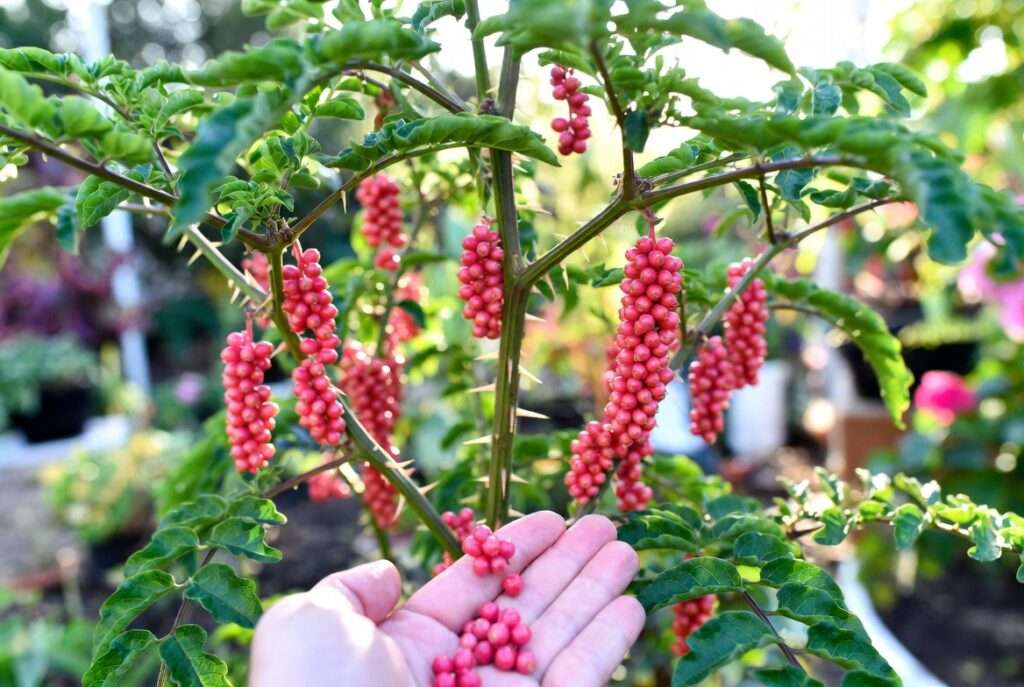
Imagine harvesting your own vibrant pink peppercorns right from the garden, cracking them open to release that signature tingling, citrusy “ma la” sensation that elevates stir-fries, noodles, and sauces to restaurant quality. If you’ve ever wondered whether you can grow this exotic spice at home, the answer is a resounding yes—and the Szechuan pepper plant makes it surprisingly accessible even for beginners.
In this comprehensive guide, you’ll discover everything needed to successfully cultivate, care for, and harvest from your very own Szechuan pepper plant (Zanthoxylum simulans and related species). Whether you have a spacious backyard, a sunny patio for containers, or a small urban garden, this resilient shrub delivers beauty, flavor, and satisfaction with minimal fuss. By the end, you’ll feel confident turning your space into a source of fresh, aromatic peppercorns while enjoying its ornamental charm. Let’s dig in! 🌿
Understanding the Szechuan Pepper Plant
Botanical Profile and Characteristics
The Szechuan pepper plant, also known as Sichuan pepper or Chinese prickly ash, belongs to the Rutaceae (citrus) family. Despite its name, it isn’t a true pepper but produces distinctive aromatic husks around small seeds that deliver a unique numbing, buzzing sensation rather than heat.
This deciduous shrub or small tree features:
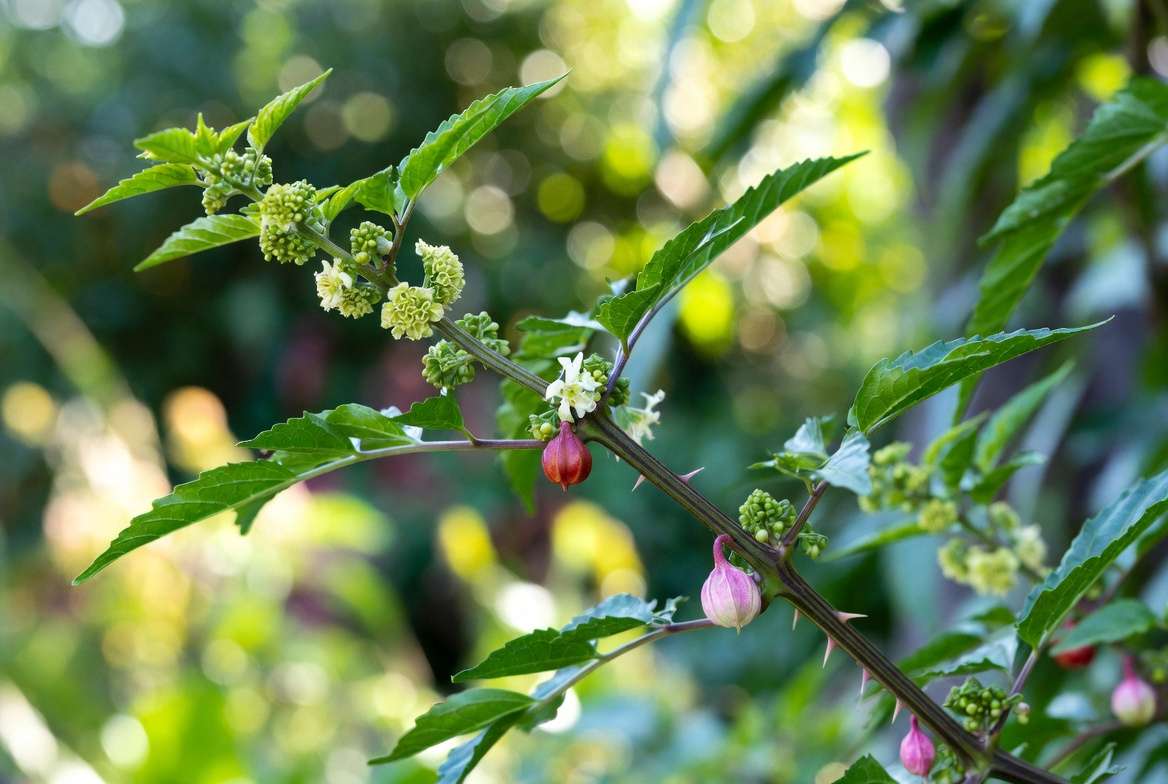
- Thorny, branching stems (great for natural deterrents but wear gloves!).
- Pinnate, compound leaves with a citrus-like fragrance when crushed.
- Clusters of small, fragrant white or greenish-yellow flowers in spring/early summer.
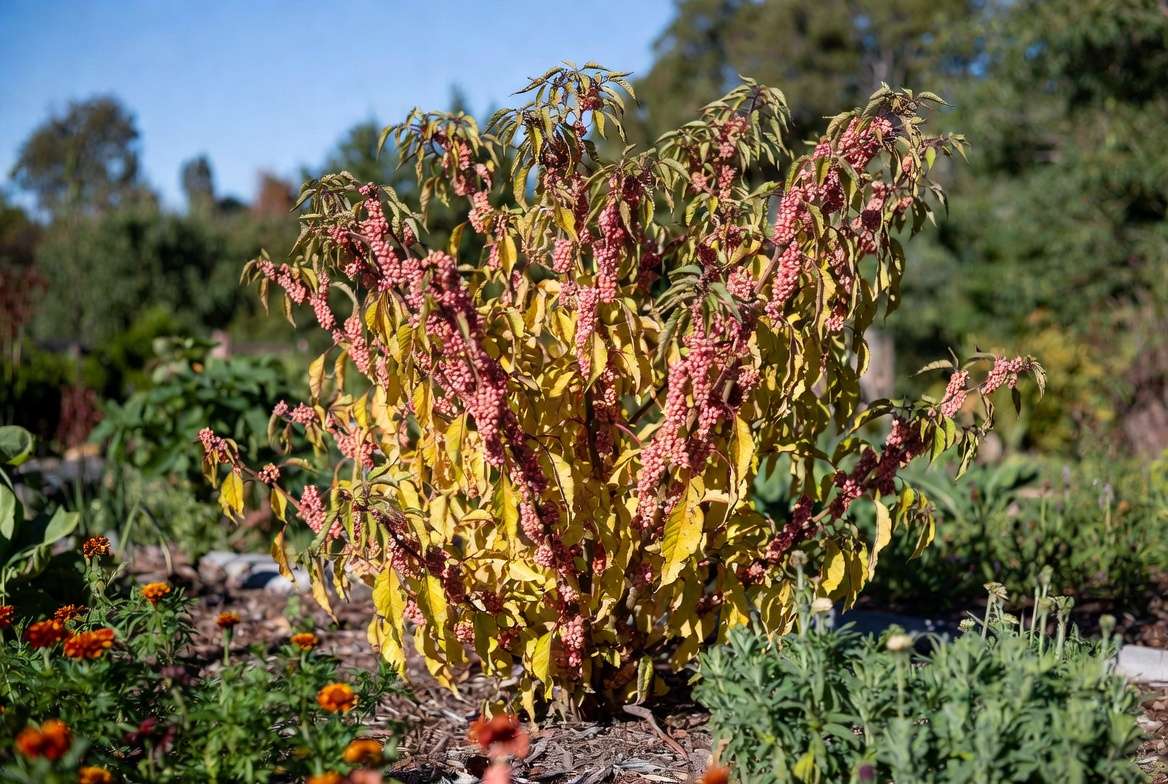
- Bright red to pink peppercorn husks in late summer to autumn that split open when ripe.
Mature plants typically reach 8–15 feet (up to 20+ feet in ideal conditions) with a similar spread, though they respond beautifully to pruning for smaller spaces or even bonsai. Growth rate is moderate, and they are hardy in USDA zones 5–9 (or 6–10 depending on variety and protection), tolerating temperatures down to about -10°F (-23°C) once established.
Benefits of Growing Your Own Szechuan Pepper Plant
Growing your own Szechuan pepper plant offers numerous advantages that go beyond convenience:
- Superior Flavor: Fresh peppercorns boast brighter citrus notes and stronger ma la effect than dried store-bought versions.
- Cost Savings & Sustainability: One productive plant can supply years of spice, reducing reliance on imports.
- Ornamental Beauty: Attractive foliage turns golden in fall, and the plant attracts pollinators with its flowers.
- Educational & Family-Friendly: A wonderful project for teaching kids about botany, food origins, and self-sufficiency.
- Hardiness: More forgiving than many tropical spices, it handles drought, pollution, and varied soils once settled.
As a long-time gardener and plant enthusiast with years of experience growing unusual edibles, I’ve found the Szechuan pepper plant to be one of the most rewarding “exotic” additions to temperate gardens.
Choosing and Planting Your Szechuan Pepper Plant
Selecting the Right Variety and Healthy Plants
Focus on Zanthoxylum simulans for classic flavor, though related species like Z. bungeanum or Z. armatum offer variations. Purchase from reputable nurseries offering healthy, disease-free seedlings or grafted plants for faster fruiting (often 2–3 years vs. longer from seed).
Look for:
- Vigorous green foliage without spots or wilting.
- Strong stems (thorns are normal!).
- Well-rooted specimens in larger pots for better establishment.
Best Planting Time and Location
Plant in spring or fall for best root establishment. Spring allows growth before summer heat; fall gives roots time before winter.
Light: Full sun (8+ hours) is ideal for maximum flowering and fruit set. Partial shade (4–6 hours) works but may reduce yields. South or west-facing spots are perfect.
Hardiness Zones: Best in USDA 6–9; some tolerance to zone 5 with protection. Choose a sheltered microclimate in colder areas.
Site Tips: Avoid low-lying frost pockets. Containers suit patios or balconies—use pots at least 15–20 gallons for mature plants.
Soil Preparation and Planting Steps
Szechuan pepper plants thrive in well-draining, fertile soil with pH 6.5–7.8 (slightly alkaline preferred). They tolerate various soil types but hate “wet feet.”
Step-by-Step Planting:
- Dig a hole twice as wide as the root ball, same depth.
- Amend heavy clay with compost, perlite, or sand for drainage. For containers, mix potting soil with grit and compost.
- Place the plant, backfill gently, and water deeply.
- Mulch 2–3 inches around the base (keep away from trunk) to retain moisture and suppress weeds. 🌱
- Space plants 8–12 feet apart in-ground.
Pro Tip: Companion plant with garlic or marigolds for natural pest deterrence. Add a handful of balanced fertilizer at planting.
Essential Szechuan Pepper Plant Care Routine
Watering Requirements
Young plants need consistent moisture to establish—about 1 inch per week. Once mature, they become quite drought-tolerant. Water deeply but infrequently; allow the top 2 inches of soil to dry between waterings. Containers dry out faster, so check daily in hot weather. Avoid overwatering to prevent root rot. Signs of stress: wilting (under) or yellowing (over).
Fertilizing for Optimal Growth and Harvest
Feed with a balanced, slow-release organic fertilizer in early spring. A second lighter feeding in midsummer supports fruit development. Rich compost or well-rotted manure works wonderfully for long-term soil health. Watch for deficiencies—pale leaves may indicate nitrogen shortage. Over-fertilizing leads to lush foliage at the expense of flowers. 🍃
Pruning, Training, and Maintenance
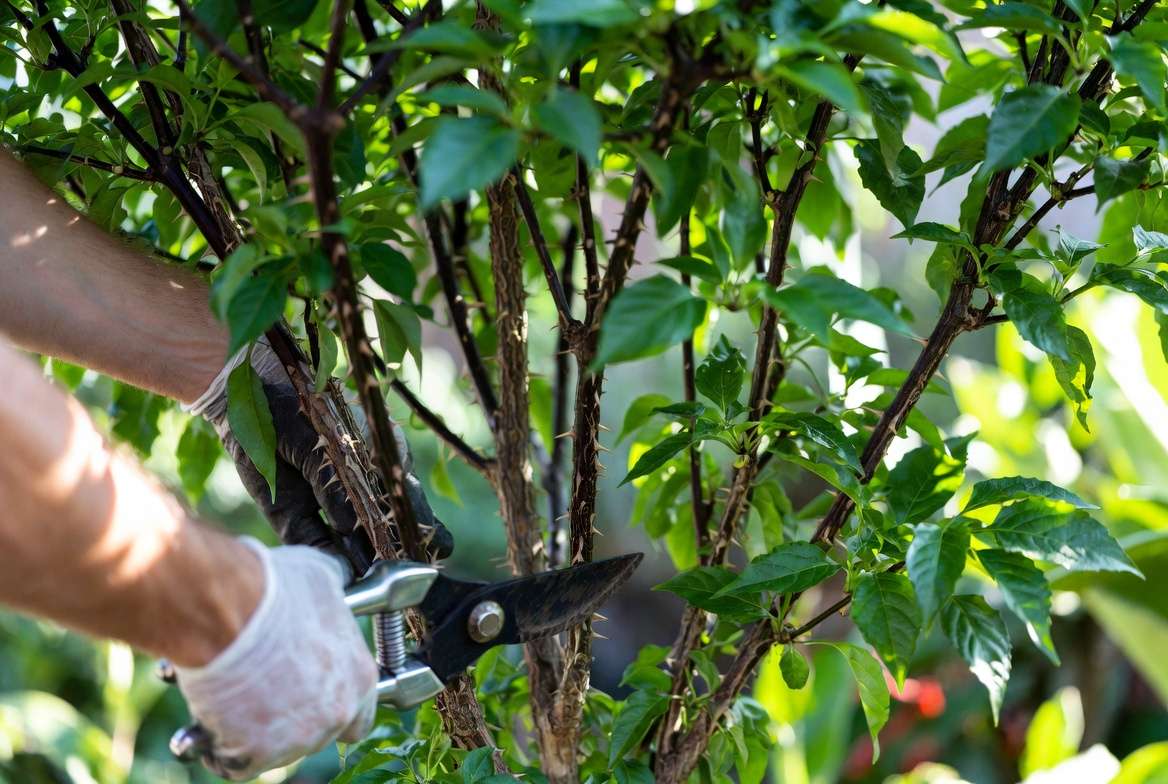
Pruning isn’t heavy but helps shape, improve airflow, and control size. Prune in late winter or early spring before new growth:
- Remove dead, damaged, or crossing branches.
- Thin interior for light penetration.
- Shape as a multi-stem shrub or single trunk tree.
- Wear thick gloves—the thorns are sharp!
It also makes an excellent bonsai candidate. Seasonal checklist: Spring (fertilize/prune), Summer (water/monitor pests), Fall (harvest), Winter (protect if needed).
Temperature, Humidity, and Winter Protection
These plants handle temperature swings well but appreciate protection in extreme cold. Mulch heavily around the base and wrap young plants or containers in burlap/frost cloth. In very cold zones, move potted plants to a sheltered spot. They prefer average humidity and good air circulation.
Propagation Techniques for More Plants 🌱
One of the joys of growing a Szechuan pepper plant is how easily you can expand your collection or share plants with fellow gardeners. Propagation opens the door to more productive specimens without always needing to buy new ones.
Growing from Seeds
Starting Szechuan pepper plants from seed is rewarding and cost-effective, though it requires patience as seedlings can take 2–4 years to produce their first harvest.
Step-by-Step Seed Propagation:
- Collect or Source Fresh Seeds: Harvest ripe peppercorn husks in autumn. Remove the outer husk and use the small black seeds inside. Fresh seeds have higher germination rates.
- Stratification: Seeds need cold stratification to break dormancy. Mix seeds with slightly moist sand or vermiculite and store in a sealed bag in the refrigerator for 60–90 days.
- Sowing: In early spring, sow seeds ¼ inch deep in well-draining seed-starting mix. Keep soil consistently moist but not soggy at 65–75°F (18–24°C).
- Germination: Expect sprouts in 4–8 weeks. Provide bright indirect light and bottom heat if possible for faster results.
- Transplanting: Once seedlings have several true leaves, move them to larger pots. Harden off before planting outdoors.
Success tip: Soak seeds in warm water for 24 hours before stratification to boost germination to 60–80%. 🌿
Cuttings and Other Methods
For faster results, vegetative propagation via cuttings is excellent:
- Semi-Ripe Cuttings: Take 4–6 inch cuttings from healthy, non-flowering stems in late spring or early summer. Remove lower leaves, dip in rooting hormone, and plant in a mix of perlite and peat. Keep under high humidity (plastic bag or propagator) with bright indirect light. Roots typically form in 6–10 weeks.
- Root Cuttings: In dormant season, take 2–3 inch root sections and plant horizontally in pots. This method works well for established plants.
- Suckers: Many Szechuan pepper plants produce suckers at the base. Carefully separate and pot them up with some root attached.
Grafting onto compatible rootstock is an advanced option used by nurseries for superior vigor. As an experienced grower, I recommend starting with cuttings for quicker fruiting clones of your favorite plant.
Harvesting and Using Szechuan Peppercorns 🍃
Nothing beats the excitement of your first harvest! Proper timing and handling preserve that signature aroma and numbing power.
When and How to Harvest
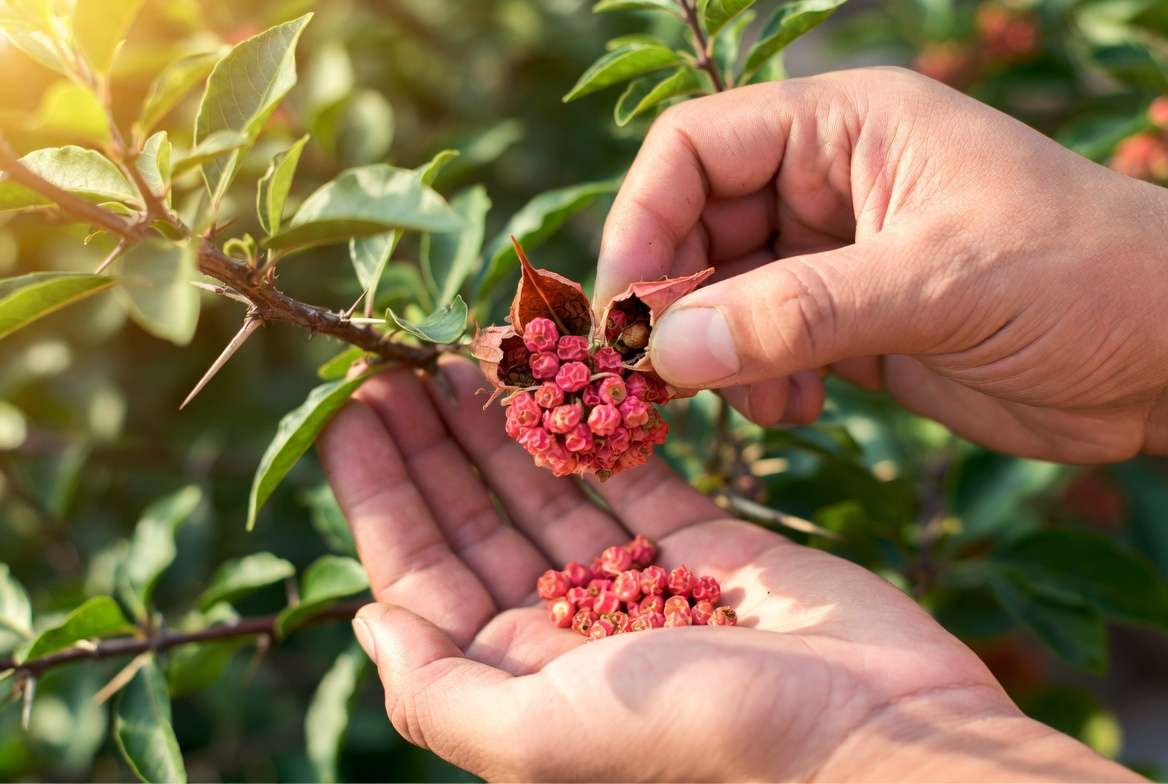
Harvest when the husks turn vibrant pink-red and begin to split open, usually late summer through autumn (August–October depending on your climate).
- Pick clusters on dry days.
- Wear gloves to avoid thorns.
- Gently twist or snip entire clusters.
- Spread on screens or trays in a warm, airy spot out of direct sun to dry. Husks will fully open and seeds can be separated if desired (many cooks use the whole husk).
Fully dried peppercorns store best in airtight jars away from light and heat for up to 2 years, though flavor is brightest within the first year.
Culinary Applications and Recipes
Fresh or dried Szechuan peppercorns transform dishes with their unique citrusy, floral, and tingling profile:
- Classic Use: Toast lightly in a dry pan to intensify aroma, then crush for mapo tofu, kung pao chicken, or Sichuan hot pot.
- Creative Ideas: Infuse into oils, salts, or cocktails. Sprinkle on roasted vegetables, grilled meats, or even chocolate desserts for a surprising twist.
- Storage: Whole peppercorns retain potency longer than ground. Grind fresh for each use.
Simple Beginner Recipe: Sichuan Peppercorn Oil — Toast 2 tbsp peppercorns, combine with 1 cup neutral oil, gently heat, then strain. Drizzle over dumplings or noodles. ✨
Homegrown peppercorns often have a more complex, vibrant flavor than commercial ones, making your cooking truly special.
Troubleshooting Common Problems
Even resilient plants face challenges. Here’s how to diagnose and fix issues quickly.
Pests and How to Manage Them
Common visitors include:
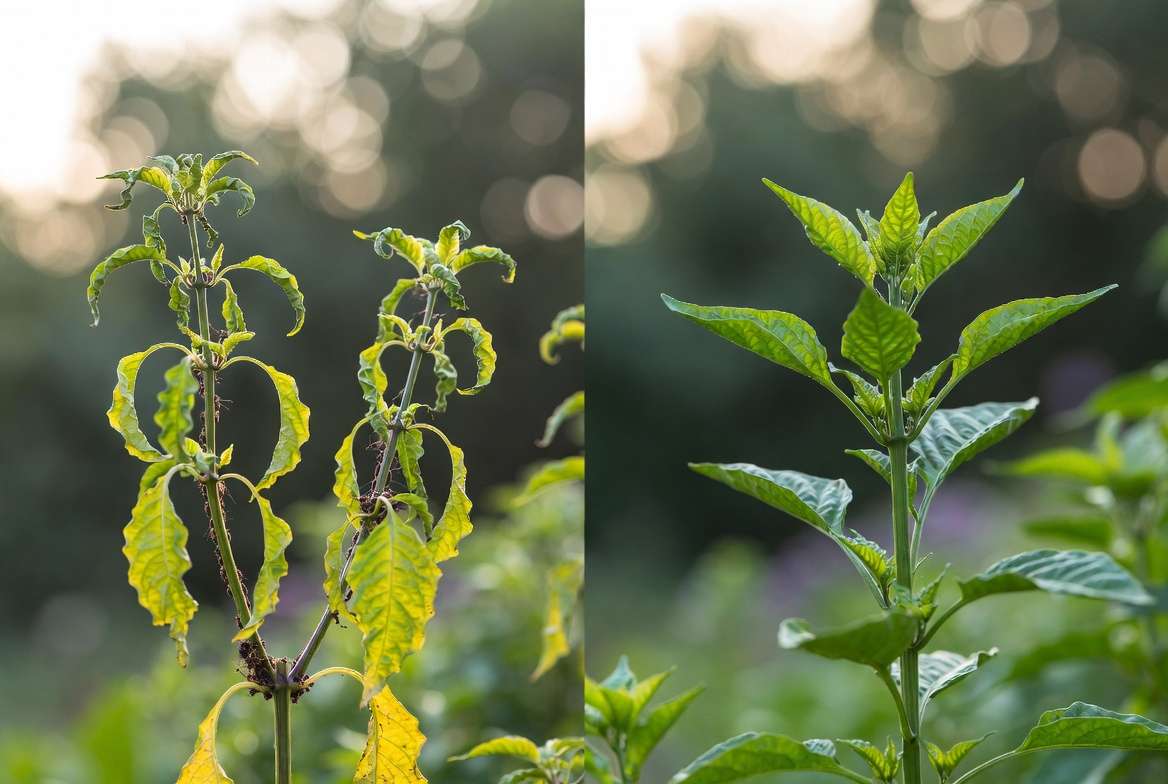
- Aphids: Clusters on new growth. Blast with water or use neem oil/insecticidal soap.
- Spider Mites: Fine webbing and stippled leaves, especially in dry conditions. Increase humidity and apply horticultural oil.
- Scale Insects: Hard bumps on stems. Wipe off or treat with systemic insecticide if severe.
Encourage beneficial insects like ladybugs and maintain good airflow. Organic integrated pest management (IPM) keeps your plant healthy without harsh chemicals.
Diseases and Prevention
- Root Rot: Caused by poor drainage and overwatering. Prevent by using well-draining soil and pots with holes. Affected plants show wilting despite moist soil — improve drainage immediately.
- Leaf Spot/Fungal Issues: Yellow or brown spots. Remove affected leaves, avoid overhead watering, and apply copper fungicide if needed.
- Powdery Mildew: White powdery coating in humid conditions. Improve air circulation and prune for better light.
Healthy cultural practices (proper spacing, watering at base, balanced nutrition) are your best defense.
Other Growing Challenges and Solutions
- Yellowing Leaves: Often nitrogen deficiency or overwatering. Adjust fertilizer and check soil moisture.
- Poor Fruit Set: Insufficient sunlight, extreme temperatures during flowering, or lack of pollinators. Hand-pollinate with a brush if necessary and ensure 6+ hours of sun.
- Slow Growth: Could be young plant, nutrient-poor soil, or transplant shock. Be patient and consistent with care.
Quick Troubleshooting Table:
| Symptom | Likely Cause | Solution |
|---|---|---|
| Wilting | Underwatering | Deep, infrequent water |
| Yellow leaves | Overwatering/N deficiency | Improve drainage, fertilize |
| No flowers | Too much shade | Relocate to sunnier spot |
| Leaf drop | Temperature stress | Protect from extremes |
With attentive observation, most issues are easily resolved.
Advanced Tips for Thriving Plants and Bountiful Harvests 🌟
To take your Szechuan pepper plant to the next level:
- Soil Health: Incorporate mycorrhizal fungi at planting and top-dress with compost annually for robust root systems.
- Maximizing Yields: Prune strategically to encourage branching. In small spaces, espalier or container-grow with regular root pruning.
- Edible Landscaping: Pair with other Asian-inspired plants like ginger, lemongrass, or goji berry for a beautiful, functional garden bed.
- Seasonal Care Calendar:
- Winter: Mulch heavily, protect from harsh winds.
- Spring: Prune, fertilize, watch for new growth.
- Summer: Consistent water, monitor pests during flowering.
- Fall: Harvest, reduce watering as plant prepares for dormancy.
Organic growing methods enhance both flavor and environmental benefits. Many gardeners report their mature plants become virtually maintenance-free powerhouses.
From my experience across different climates, patience in the first 2–3 years pays off handsomely with abundant crops thereafter.
Frequently Asked Questions (FAQs) ❓
Here are answers to the most common questions about Szechuan pepper plant care, based on years of practical experience and reliable horticultural practices.
Q: How long does it take for a Szechuan pepper plant to produce peppercorns? A: Seed-grown plants typically take 3–5 years to fruit reliably. Nursery seedlings or cuttings often produce a small harvest in 2–3 years. Once mature, expect increasing yields each season with proper care. Patience is key, but the wait is worthwhile!
Q: Is the Szechuan pepper plant invasive? A: In most regions, it is not considered invasive. It grows at a moderate rate and doesn’t spread aggressively like some other plants. However, always check local regulations, especially in North America or Australia, and avoid planting near sensitive natural areas. It doesn’t produce viable seeds as readily in all climates. 🌍
Q: Can I grow a Szechuan pepper plant indoors? A: Yes, but with challenges. Provide bright south-facing light or grow lights (12–16 hours daily) and good airflow. Container plants stay smaller and may need hand-pollination. They prefer cooler winter temperatures, so a sunroom or cool porch works better than a consistently warm indoor space. Outdoor growth is ideal for best results.
Q: Is Szechuan pepper safe around pets and children? A: The plant is generally non-toxic to humans, but the thorns can cause scratches. The peppercorns cause a temporary numbing sensation — fun for adults in cooking but keep away from young children who might try eating them. It’s considered safe for most pets in small amounts, but consult a vet if large quantities are ingested. Always supervise.
Q: Why aren’t my flowers turning into peppercorns? A: Common reasons include insufficient sunlight, extreme heat/cold during flowering, lack of pollinators, or nutrient imbalance. Ensure 6–8 hours of sun, protect from strong winds, and attract bees with companion flowers. Hand-pollination with a soft brush can help in low-pollinator areas.
Q: How do I overwinter my Szechuan pepper plant in a cold climate? A: Mulch the root zone heavily with straw or leaves. For young or potted plants, move to a protected spot like a garage or wrap with frost cloth. They are surprisingly hardy but benefit from wind protection. Reduce watering in winter as the plant goes dormant. ❄️
Q: What’s the difference between Szechuan pepper and black pepper or chili? A: Unlike black pepper (heat from piperine) or chilies (capsaicin heat), Szechuan pepper delivers a unique tingling, numbing “ma la” effect from hydroxy-alpha-sanshool compounds. It’s floral, citrusy, and aromatic rather than spicy-hot.
Q: Can I grow it in a container long-term? A: Absolutely! Choose a large pot (20+ gallons for mature plants), use high-quality well-draining mix, and repot or root-prune every 2–3 years. Container-grown plants are easier to protect in winter and perfect for patios or balconies.
Q: Are there any medicinal benefits? A: Traditionally used in Chinese medicine for digestion, circulation, and pain relief. Modern studies suggest antioxidant and anti-inflammatory properties. Always consult a healthcare professional before using medicinally. Use primarily as a culinary delight.
Q: Where can I buy Szechuan pepper plants or seeds? A: Reputable online nurseries, specialty herb/Asian plant suppliers, or local botanical gardens. Look for disease-free stock and read reviews. Starting from seed is fun and economical if you’re patient.
Conclusion 🌶️✨
Growing your own Szechuan pepper plant is a delightful journey that rewards patience with beautiful foliage, fragrant blooms, and the unmatched satisfaction of harvesting fresh, aromatic peppercorns. This hardy, versatile shrub bridges ornamental gardening and edible landscaping, offering beauty and utility in one package.
By following this complete guide — from selecting the right plant and providing proper care to harvesting and troubleshooting — even complete beginners can enjoy success. Remember the essentials: well-draining soil, plenty of sunlight, moderate water, and a little pruning. Your efforts will yield not just spice for your kitchen but a deeper connection to the origins of your food.
Start small, observe your plant closely, and don’t be afraid to experiment. Whether you’re a seasoned gardener expanding your collection or a curious beginner exploring exotic edibles, the Szechuan pepper plant is an excellent choice that brings a taste of Sichuan cuisine straight to your backyard.
Ready to plant? Grab your gloves, pick a sunny spot, and embark on this flavorful adventure. Share your progress and photos in the comments below — I’d love to hear how your Szechuan pepper plant thrives!
For more plant care guides, check out our articles on growing citrus, hardy herbs, or creating edible landscapes. Happy gardening! 🌱🍃











