
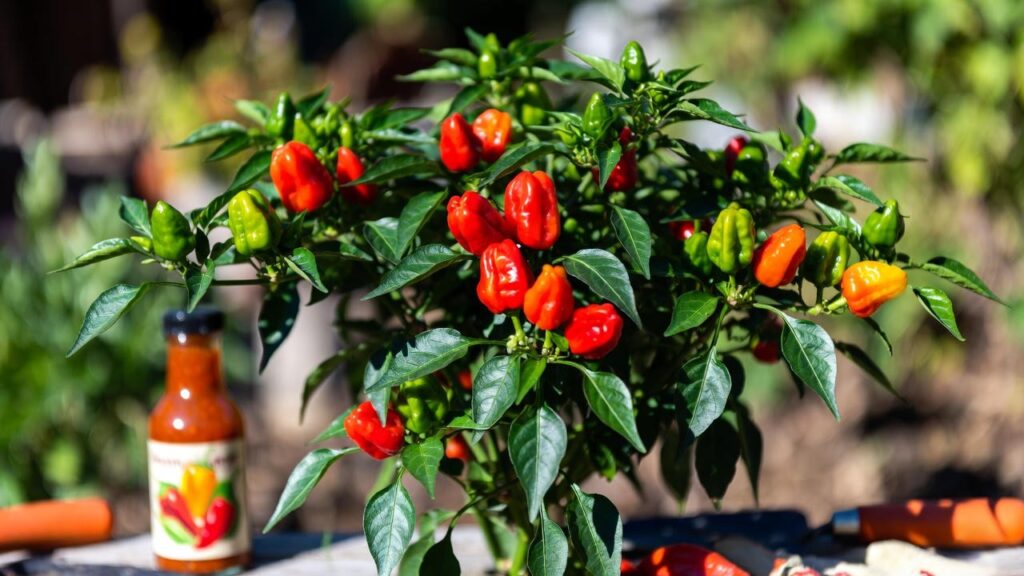
Did you know that every bottle of the world-famous Tabasco® sauce contains peppers grown exclusively from one tiny island in Louisiana? 🌶️ That same fiery, tangy flavor you love can come straight from your own backyard or balcony. Growing your own tabasco pepper plant is not only incredibly rewarding, but it’s also surprisingly beginner-friendly when you follow the right steps.
Many new gardeners are intimidated by hot peppers—they worry about poor germination, wilting plants, or tiny harvests. The good news? Tabasco pepper plants are actually one of the easiest hot peppers to grow at home. They’re vigorous, disease-resistant, and produce hundreds of peppers per plant when given proper care.
In this complete beginner’s guide, I’ll walk you through every stage of growing and caring for your tabasco pepper plant—from seed to harvest and even overwintering for multiple years of spicy goodness. Whether you want to make homemade hot sauce, add heat to your cooking, or simply enjoy the satisfaction of growing your own, you’ll find everything you need right here. Let’s turn that tiny seed into a pepper-packed powerhouse! 🔥
What Is a Tabasco Pepper Plant? 🌿
History and Origins of the Tabasco Pepper
The Tabasco pepper was first cultivated by Edmund McIlhenny in the mid-1800s on Avery Island, Louisiana. He used the seeds to create the iconic Tabasco® sauce, which became a global sensation. The original strain—Capsicum frutescens ‘Tabasco’—has been carefully preserved for over 150 years. Today, most commercial Tabasco® sauce still comes from peppers grown on Avery Island and in Central America.
Characteristics of the Plant and Fruit
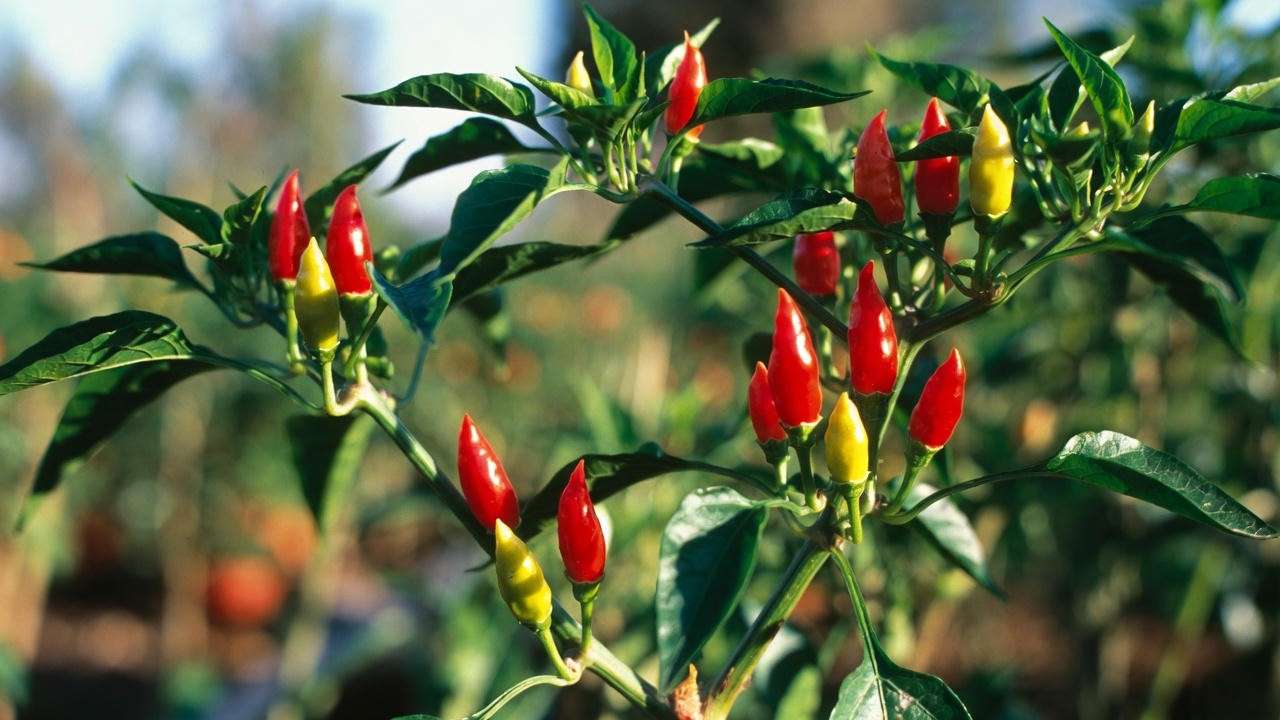
Tabasco pepper plants are compact, upright growers that typically reach 2–4 feet tall (sometimes taller in ideal conditions). The plants are bushy, with small, glossy green leaves and thin stems. The peppers themselves are slender, 1–2 inches long, and grow in clusters pointing upward—making them easy to spot when ripe. They ripen from green to a brilliant orange-red color.
Scoville Heat Rating and Flavor Profile
On the Scoville scale, Tabasco peppers register between 30,000 and 50,000 SHU—hotter than jalapeños (2,500–8,000 SHU) but milder than habaneros (100,000–350,000 SHU). The flavor is bright, tangy, and slightly smoky—perfect for sauces, salsas, and pickling.
Why Choose Tabasco Over Other Hot Peppers?
| Pepper Type | Heat (SHU) | Plant Height | Yield per Plant | Ease for Beginners |
|---|---|---|---|---|
| Tabasco | 30,000–50,000 | 2–4 ft | Very high | Excellent |
| Jalapeño | 2,500–8,000 | 2–3 ft | High | Very easy |
| Cayenne | 30,000–50,000 | 2–4 ft | High | Easy |
| Habanero | 100,000–350,000 | 2–4 ft | Moderate | Moderate |
Tabasco plants are especially beginner-friendly because they’re heat-tolerant, pest-resistant, and produce an abundance of fruit even in less-than-perfect conditions.
Getting Started: Choosing Seeds or Seedlings 🍼
Best Tabasco Pepper Varieties for Home Growing
- Original Tabasco (most authentic flavor and heat)
- McIlhenny Select (slightly milder, great for beginners)
- Tabasco Green (harvested early for milder flavor)
All three perform well in home gardens.
Where to Buy Quality Seeds or Starter Plants (Trusted Sources)
- Seed companies: Baker Creek Heirloom Seeds, Johnny’s Selected Seeds, Southern Exposure Seed Exchange
- Local nurseries and garden centers (ask for Capsicum frutescens ‘Tabasco’)
- Online retailers: Etsy, Amazon (check seller reviews carefully)
Seeds vs. Transplants: Pros and Cons for Beginners
- Seeds: Cheaper, more variety, but take 10–21 days to germinate and require extra care.
- Transplants: Faster results, less risk of failure, but more expensive.
Most beginners start with transplants for quicker success.
Step-by-Step Guide to Starting Tabasco Peppers from Seed 🌱
When to Start Seeds Indoors (Timing by USDA Zone)
Start seeds indoors 8–10 weeks before your last frost date:
- Zone 9–11: February–March
- Zone 6–8: March–April
- Zone 5 and below: Late February–early March
Soil Mix and Seed-Starting Medium Recommendations
Use a sterile, well-draining seed-starting mix (not regular potting soil). A good recipe:
- 50% peat moss or coco coir
- 30% perlite
- 20% vermiculite
Sowing Depth, Temperature, and Germination Tips
- Sow seeds ¼ inch deep
- Keep soil temperature 80–90°F (27–32°C) using a heat mat
- Germination typically takes 10–21 days
Lighting Requirements for Seedlings
Provide 14–16 hours of bright light daily. A south-facing window or grow lights (full-spectrum LED) work best.
Common Seed-Starting Mistakes and How to Avoid Them
- Overwatering → Use a spray bottle to keep soil moist, not soggy.
- Insufficient light → Leggy seedlings are a sign of too little light.
- Cold soil → Always use a heat mat for fast, even germination.
Ideal Growing Conditions for Tabasco Pepper Plants ☀️
Sunlight Requirements (Full Sun Explained)
Tabasco peppers need at least 6–8 hours of direct sunlight daily. More sun = hotter peppers!
Temperature and Hardiness Zones
- Daytime: 75–90°F (24–32°C)
- Nighttime: above 55°F (13°C)
- Perennial in USDA Zones 9–11; grown as an annual elsewhere
Soil Type, pH, and Drainage Essentials
- pH: 6.0–6.8
- Well-draining, rich loamy soil
- Add compost or aged manure for fertility
Container vs. In-Ground Planting (Best Pot Sizes for Containers)
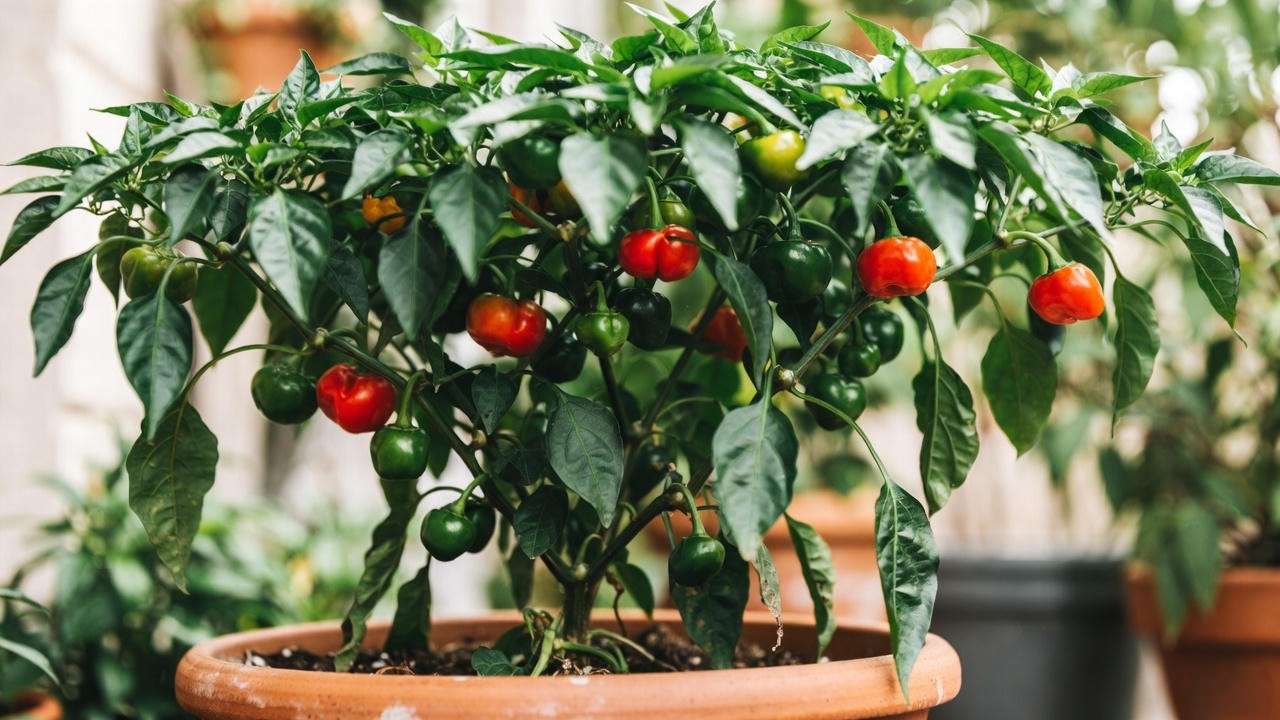
- Containers: Minimum 5-gallon size (10–15 gallons ideal)
- In-ground: Space plants 18–24 inches apart
Planting and Transplanting Your Tabasco Pepper Seedlings 🚜
Hardening Off Seedlings Properly
Gradually acclimate seedlings to outdoor conditions over 7–10 days. Start with 1–2 hours in shade, increasing time and sun exposure daily.
Spacing and Companion Planting Ideas
- Spacing: 18–24 inches apart
- Great companions: basil, marigolds, nasturtiums (repel pests)
- Avoid planting near fennel or brassicas
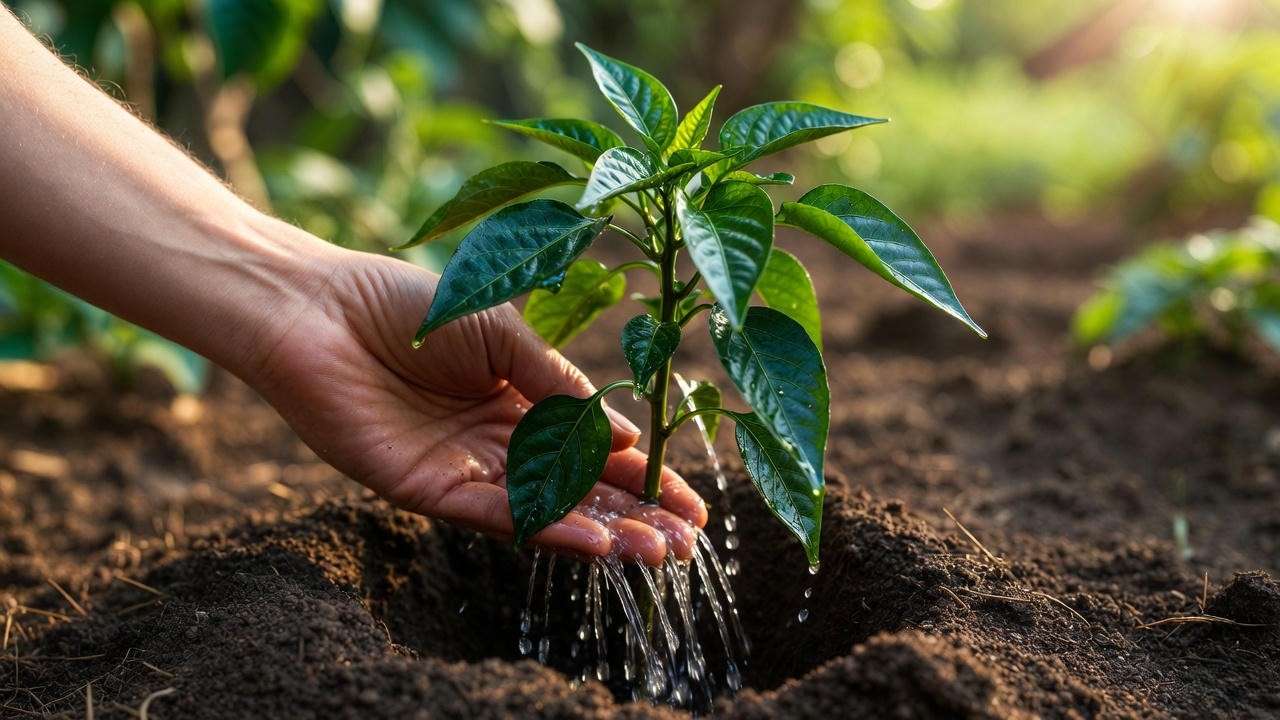
Step-by-Step Transplanting Instructions
- Water seedlings well the day before.
- Dig a hole slightly deeper than the root ball.
- Plant so the first set of leaves is just above soil level.
- Water thoroughly and mulch to retain moisture.
Daily and Weekly Care Routine 💧
Once your Tabasco pepper plants are in the ground or containers, consistent care is the key to a bountiful harvest. These plants are relatively low-maintenance compared to other hot peppers, but a few targeted practices will make all the difference.
Watering Schedule and Techniques
Tabasco peppers prefer deep, infrequent watering rather than daily shallow sips.
- Water deeply when the top 1–2 inches of soil feels dry (usually every 4–7 days, depending on climate).
- In extreme heat (above 90°F/32°C), check daily and water in the morning to reduce evaporation.
- Containers dry out faster—check them more often.
- Avoid overhead watering to prevent fungal issues; direct water at the base.
Pro tip: Mulch with 2–3 inches of organic material (straw, shredded bark, or compost) to retain moisture and keep roots cool 🌡️.
Fertilizing Schedule
Feed your plants thoughtfully—too much nitrogen leads to lush foliage but few peppers.
- At transplant: Mix a balanced, slow-release fertilizer (e.g., 10-10-10) into the soil.
- Early growth (first 4–6 weeks): Use a balanced liquid fertilizer every 2 weeks.
- Once flowering begins: Switch to a phosphorus-heavy formula (e.g., 5-10-10 or bloom booster) to encourage fruit set.
- Mid-season side-dress: Add compost or a light application of fish emulsion.
Organic options: Compost tea, worm castings, or seaweed extract work wonderfully.
Pruning and Pinching for Bushier Plants and Higher Yields
- Pinch the growing tip when the plant reaches 12–18 inches tall to encourage branching.
- Remove early flowers (first 2–3 weeks after transplant) to direct energy into root and stem development.
- Prune suckers (small shoots between main stem and branches) if you want fewer but larger peppers.
- Trim any damaged or diseased leaves immediately.
Supporting Tall Plants
Tabasco plants can reach 4–5 feet in rich soil and hot climates. Use stakes, tomato cages, or trellises to prevent tipping and keep peppers off the ground.
Common Pests and Diseases + Organic Solutions 🐛
Tabasco peppers are generally resilient, but a few pests and problems can appear. Early detection is crucial.
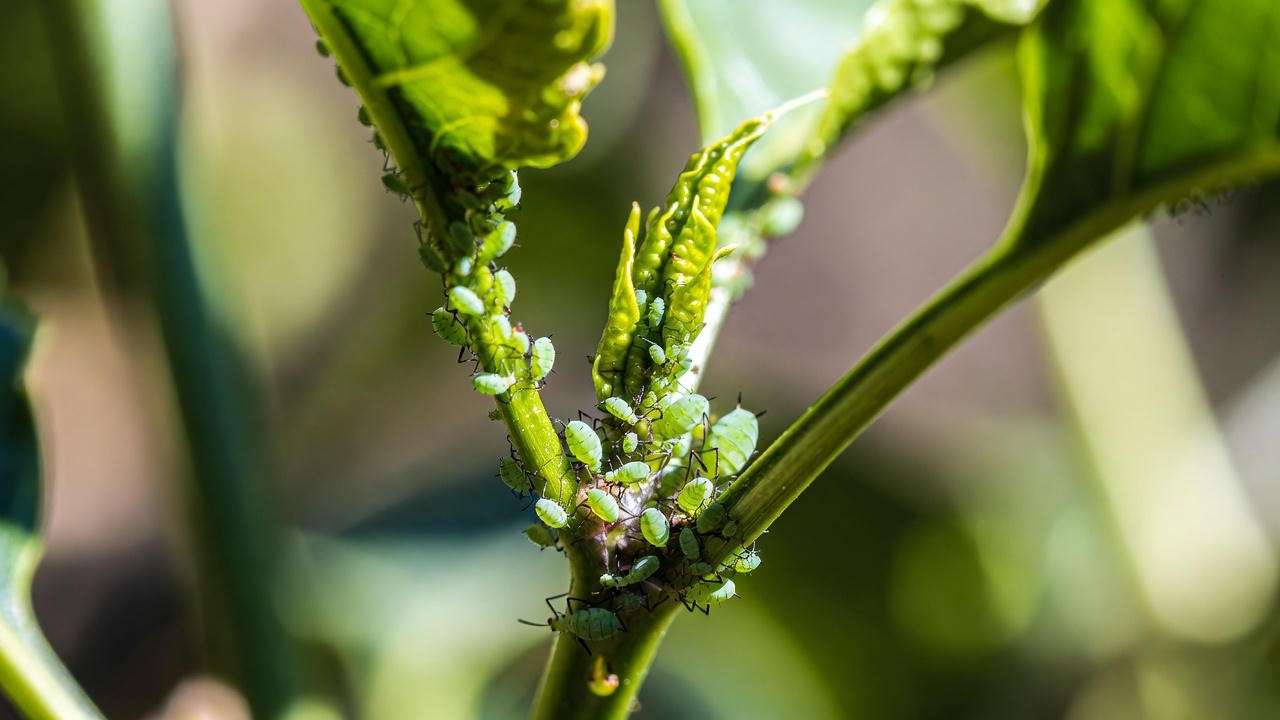
Aphids, Spider Mites, and Whiteflies
- Signs: Curled leaves, sticky honeydew, fine webbing (spider mites).
- Organic control: – Strong blast of water from the hose. – Insecticidal soap or neem oil spray (apply in evening to avoid leaf burn). – Introduce beneficial insects like ladybugs or lacewings.
Blossom End Rot and Fungal Issues
- Blossom end rot: Dark, sunken spots on fruit bottoms—caused by calcium inconsistency (usually from uneven watering). – Fix: Consistent deep watering and add crushed eggshells or garden lime at planting.
- Fungal diseases (powdery mildew, leaf spot): – Improve air circulation with proper spacing and pruning. – Apply baking soda spray (1 tbsp baking soda + 1 tsp dish soap per gallon of water) preventively.
Preventive measures: Rotate crops yearly, choose resistant varieties, and avoid wetting foliage.
Flowering, Fruit Set, and Maximizing Harvest 🌶️🌶️
How to Encourage Pollination
Tabasco peppers are self-fertile, but pollination improves in windy conditions or with help from bees.
- Gently shake plants mid-morning to release pollen.
- Hand-pollinate with a small paintbrush if growing indoors or in a greenhouse.
- Plant flowers nearby (marigolds, borage, or zinnias) to attract pollinators 🐝.
Signs Your Peppers Are Ready to Pick
- Harvest at any stage: – Green: Milder flavor. – Orange: Medium heat. – Fully red: Maximum heat and classic Tabasco flavor.
- Peppers snap off easily when ripe—use pruners for green ones to avoid damaging stems.
Ripening Stages: Green to Orange to Red
The full ripening process takes 80–120 days from transplant. Leaving peppers on the plant longer increases capsaicin (heat) content.
Expected Yield per Plant and Extending the Season
A healthy Tabasco plant can produce 100–300+ peppers in a season. To extend harvest:
- Pick regularly to encourage continuous production.
- In cooler climates, cover plants with row fabric on chilly nights.
- Bring potted plants indoors before first frost.
Overwintering Tabasco Pepper Plants for Multiple Years ❄️
Unlike most hot peppers grown as annuals, Tabasco (Capsicum frutescens) is technically a perennial and can live 3–5 years or more with proper overwintering.
Bringing Plants Indoors
- In fall, before temperatures drop below 50°F (10°C), dig up or move potted plants inside.
- Prune back by 50–70% to reduce size and stress.
- Inspect thoroughly for pests and treat if needed.
Pruning and Care During Dormancy
- Place in a bright, cool location (55–65°F / 13–18°C).
- Water sparingly—only when soil is dry 2 inches down (every 2–4 weeks).
- No fertilizer during winter.
Success Stories from Experienced Growers
Many gardeners report second- and third-year plants producing even heavier yields because of established root systems. With good care, your Tabasco plant can become a long-term houseplant that fruits year-round under grow lights!
Harvesting and Using Your Homegrown Tabasco Peppers 🔥
Safe Harvesting Techniques
Wear gloves—Tabasco peppers are hot enough to irritate skin. Snip peppers with sharp pruners, leaving a short stem.
Simple Homemade Tabasco-Style Hot Sauce Recipe
Ingredients (makes ~1 cup):
- ½ pound fresh red Tabasco peppers (stems removed)
- 1 cup white vinegar
- 1 tsp salt
Instructions:
- Blend peppers with salt.
- Ferment in a jar at room temperature for 5–14 days (burp daily).
- Strain (optional for smoother sauce), mix with vinegar.
- Bottle and age 1–3 months for best flavor. Refrigerate after opening.

Other Culinary Uses and Preservation Methods
- Dry peppers in a dehydrator or oven for flakes.
- Freeze whole or chopped.
- Pickle in vinegar brine for spicy snacks.
- Infuse olive oil (use within weeks for safety).
Expert Tips for Bigger, Hotter Tabasco Peppers 🔥💪
Here are some advanced, proven techniques from years of growing hot peppers:
- Stress for heat: Slightly drought-stress plants (let soil dry a bit more between waterings) once fruit sets—this boosts capsaicin production for spicier peppers.
- Magnesium boost: Apply Epsom salt (1 tbsp per gallon of water) as a foliar spray every 4–6 weeks to prevent yellowing leaves and improve fruit quality.
- Bottom heat: Use black mulch or place dark stones around the base to absorb and radiate heat—Tabasco peppers love warm roots.
- Pick early and often: Harvesting frequently signals the plant to produce more fruit.
- Potassium push: In late summer, add a banana peel tea or kelp meal for sweeter, thicker-walled peppers.
- Nighttime warmth: In cooler climates, use cloches or wall-o-water protectors to keep plants warmer at night.
- Overcrowd slightly: Planting 12–18 inches apart (instead of 24) can create a microclimate that retains heat and humidity.
Frequently Asked Questions (FAQ) ❓
How long does it take for a Tabasco pepper plant to produce fruit? From seed: 120–150 days to first ripe red peppers. From transplant: 80–120 days. Patience pays off—the longer you wait for full red ripeness, the better the flavor.
Can I grow Tabasco peppers indoors year-round? Yes! Use a sunny south-facing window or full-spectrum grow lights (16 hours on). A 5–10 gallon container, consistent 70–85°F temperatures, and good airflow make it possible. Many growers enjoy fresh peppers even in winter.
Why are my Tabasco pepper leaves turning yellow? Common causes: overwatering, nutrient deficiency (especially nitrogen or magnesium), or root issues. Check soil moisture, flush with plain water if over-fertilized, and apply a balanced fertilizer or Epsom salt spray.
How tall do Tabasco pepper plants grow? Typically 2–4 feet, but in rich soil and hot climates, they can reach 5–6 feet. Always provide support for heavy fruit loads.
Are Tabasco pepper plants toxic to pets? The fruits are not toxic to dogs or cats, but the capsaicin can cause severe mouth irritation, drooling, or stomach upset if eaten. Keep ripe peppers out of reach or grow plants in hanging baskets.
Why are my Tabasco peppers dropping flowers? Flower drop is usually due to extreme temperatures (above 90°F or below 55°F at night), inconsistent watering, or lack of pollination. Stabilize conditions and hand-pollinate if needed.
How many peppers can one plant produce? A healthy plant yields 100–300+ peppers in a single season, depending on care and climate.
Can I save seeds from my homegrown Tabasco peppers? Absolutely! Let peppers fully ripen to red on the plant, scoop seeds, rinse, and dry thoroughly. Stored in a cool, dark place, they remain viable for 3–5 years.
Do Tabasco plants need pruning? Light pruning encourages bushier growth and higher yields, but it’s not strictly required.
Conclusion 🌟
Growing your own Tabasco pepper plant is one of the most satisfying projects for any home gardener. From those tiny seeds to hundreds of fiery, upright peppers ready for your homemade hot sauce, every step brings excitement and flavor to your table.
With the right timing, consistent care, and a little patience, even beginners can achieve impressive harvests. Remember the essentials: plenty of sun ☀️, warm temperatures, deep watering 💧, thoughtful feeding, and regular picking.
Start small this season—plant just one or two Tabasco peppers—and watch how quickly they become your favorite garden stars. Before you know it, you’ll be bottling your own signature sauce and sharing the heat with friends and family 🔥.
Happy growing! Drop a comment below with your progress, questions, or photos of your Tabasco harvest—I’d love to hear how your plants turn out. 🌶️🌱











