
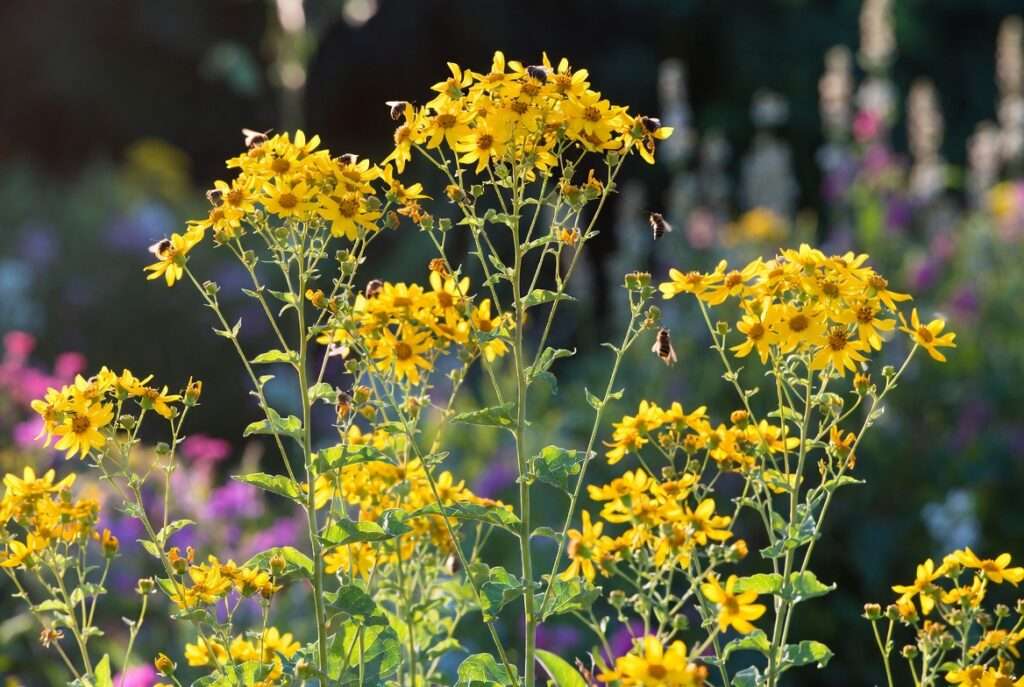
Imagine a towering perennial that sways gracefully in the late summer breeze, crowned with cheerful yellow daisy-like flowers that seem to glow against the sky. These plants bring height, movement, and life to the garden while attracting a symphony of bees, butterflies, and birds. If you’re searching for tall coreopsis plant information, you’re likely dreaming of adding this dramatic native beauty to your landscape.
As a horticulturist with over 15 years of experience designing pollinator-friendly gardens and restoring native habitats, I’ve grown Coreopsis tripteris (commonly known as Tall Coreopsis or Tall Tickseed) in diverse conditions—from dry prairie edges to more fertile borders. This comprehensive guide draws from hands-on expertise, university extension research, and observations from native plant societies to help you successfully cultivate strong, upright plants bursting with vibrant blooms. 🌻
Whether you’re battling flopping stems, struggling with bloom production, or simply want to create a stunning backyard meadow, this skyscraper resource covers everything. Tall Coreopsis is a tough, low-maintenance native that thrives where many other plants falter, making it perfect for busy gardeners seeking maximum impact with minimal effort. Let’s dive in and unlock the secrets to growing these majestic perennials! 🪴
What Is Tall Coreopsis? Botanical Profile and Varieties 🌱
H2: Botanical Characteristics and Identification
Coreopsis tripteris, a member of the Asteraceae (daisy) family, is a standout North American native perennial. It typically reaches impressive heights of 4 to 8 feet (sometimes up to 9 feet in ideal conditions), with a spread of 2 to 4 feet or more as it forms loose colonies.
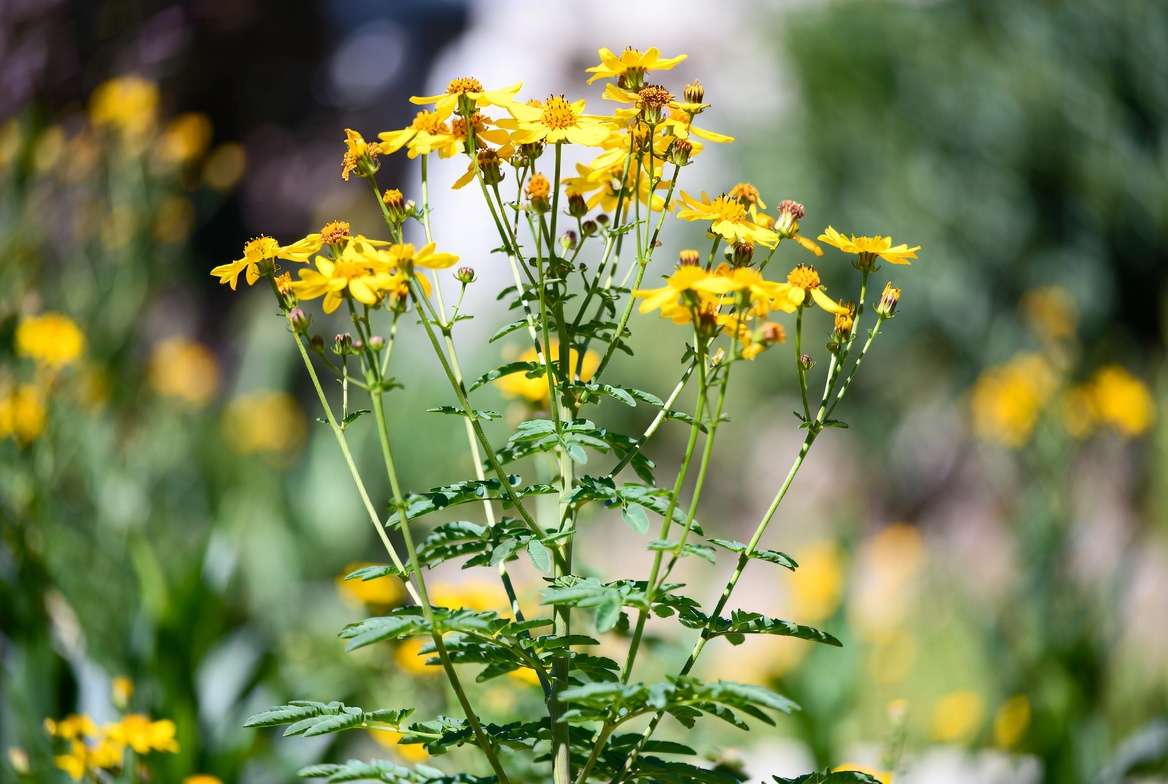
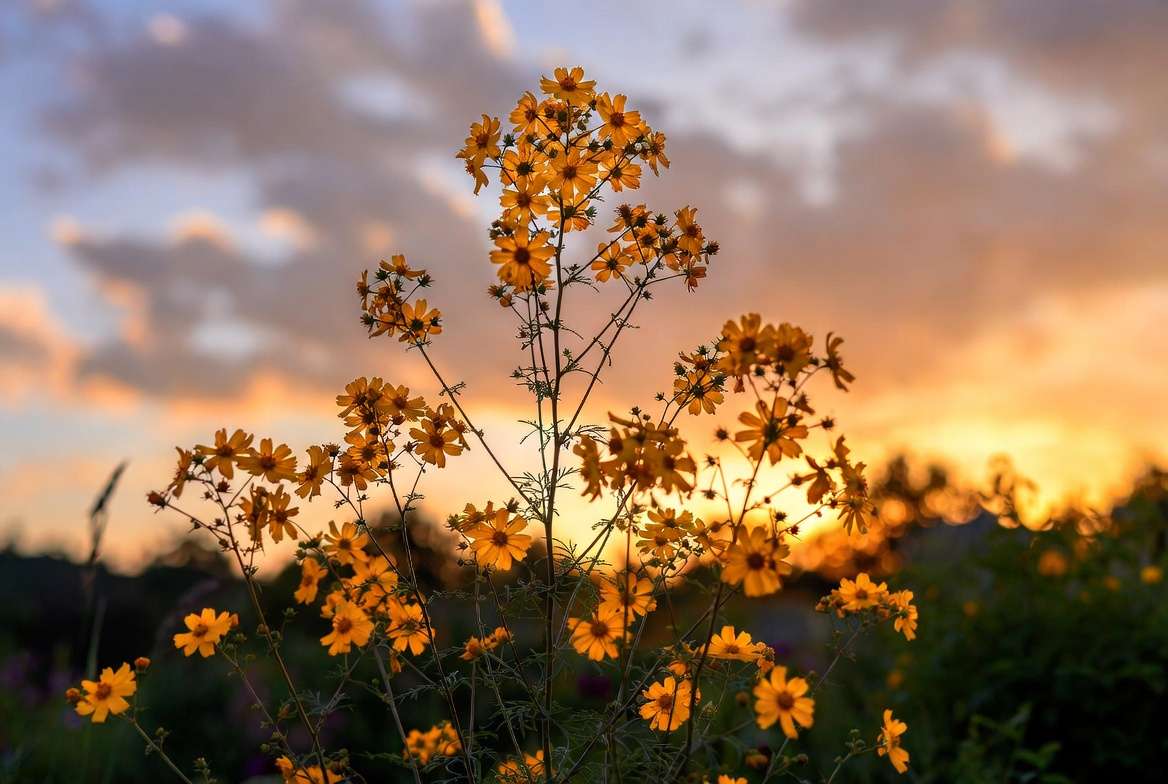
Its stems are slender, erect, and often unbranched toward the base, giving it a statuesque silhouette. The foliage is particularly distinctive: lower leaves are tripinnate (divided into three parts, hence the species name tripteris), creating a fine, almost fern-like texture, while upper leaves become simpler and lance-shaped. Flowers appear as bright yellow ray petals surrounding a dark brownish-purple central disk, blooming prolifically from July through October. Each flower head measures about 1-2 inches across and provides a valuable nectar source.
H3: Flower Description and Bloom Time
The cheerful yellow blooms open in mid-to-late summer when many gardens start to fade, extending the color season beautifully. They have a mild, pleasant scent that draws pollinators from afar. After flowering, they produce small, dark seeds loved by finches and other birds. 🐦
H2: Popular Cultivars and Related Varieties
While the straight species is wonderful, selected cultivars offer garden-friendly improvements:
- ‘Gold Standard’: A standout introduction that stays slightly more compact (around 5-6 feet) with stronger branching. It blooms up to six weeks longer than the species, with flowers distributed throughout the plant rather than just at the top. Excellent disease resistance. ✨
Other tall Coreopsis relatives include variations of Coreopsis lanceolata or verticillata, but these are generally much shorter (1-3 feet). Tall Coreopsis stands out for its vertical drama in the back of borders or meadows.
Native to much of eastern and central North America, it plays a vital ecological role in prairies, meadows, and open woodlands, supporting biodiversity and soil health. Its drought tolerance and adaptability make it a favorite for sustainable landscaping. 🌿
Choosing the Right Location and Planting Tall Coreopsis 🏡
H2: Ideal Growing Conditions for Success
Success with tall coreopsis begins with matching its natural preferences.
H3: Sunlight Requirements
Full sun (at least 6-8 hours daily) is essential for sturdy growth and abundant flowering. In too much shade, plants become leggy and produce fewer blooms. A bit of afternoon protection in very hot climates can help, but prioritize sunshine. ☀️
H3: Soil Preferences
One of its greatest strengths is versatility. It thrives in well-drained, average to poor soils—including sandy, rocky, clay, or gravelly mixes. pH is flexible (neutral to slightly acidic). Avoid overly rich, fertile soils, as they encourage weak, floppy growth. Excellent drainage prevents root rot.
H3: USDA Hardiness Zones and Climate Adaptability
Reliably hardy in USDA Zones 4-9 (some reports extend to Zone 3). It handles heat, humidity, drought, and even occasional flooding once established. Perfect for regions with challenging summers.
H2: When and How to Plant
Plant in spring after the last frost or in early fall to allow root establishment before winter. Space plants 2-4 feet apart to accommodate their mature size and promote air circulation.
Step-by-Step Planting Guide:
- Prepare the site by loosening soil and removing weeds.
- Dig a hole twice as wide as the root ball but no deeper.
- Place the plant so the crown is at soil level.
- Backfill, water thoroughly, and apply a light layer of mulch (gravel works wonderfully in dry gardens).
- For containers, choose large pots with excellent drainage.
H2: Starting from Seeds, Divisions, or Nursery Plants
- Seeds: Surface sow (they need light to germinate) in fall or provide cold stratification for spring starts. Germination takes 1-3 weeks.
- Divisions: Easiest for quick results—divide mature clumps in early spring or fall.
- Nursery Plants: Reliable way to start; choose healthy specimens with good root systems.
Comprehensive Care Guide for Healthy, Tall Plants 💧
H2: Watering Needs and Drought Tolerance
Tall Coreopsis is famously drought-tolerant. Water regularly during the first growing season to establish deep roots. Once mature, it needs little supplemental water except during extreme dry spells. Aim for about 1 inch per week if rainfall is insufficient, but avoid overwatering, which leads to weak stems. Signs of underwatering include wilting; overwatering shows as yellowing lower leaves.
H2: Soil Preparation, Fertilizing, and Mulching
Minimal fertility is best. Skip heavy fertilizers— they cause lush foliage at the expense of flowers and structural strength. A light compost top-dressing in spring is sufficient for most gardens.
Mulch with gravel or coarse organic material to suppress weeds, retain moisture, and keep roots cool. This is especially helpful in hot climates. 🌱
H2: Pruning, Deadheading, and Supporting Tall Stems
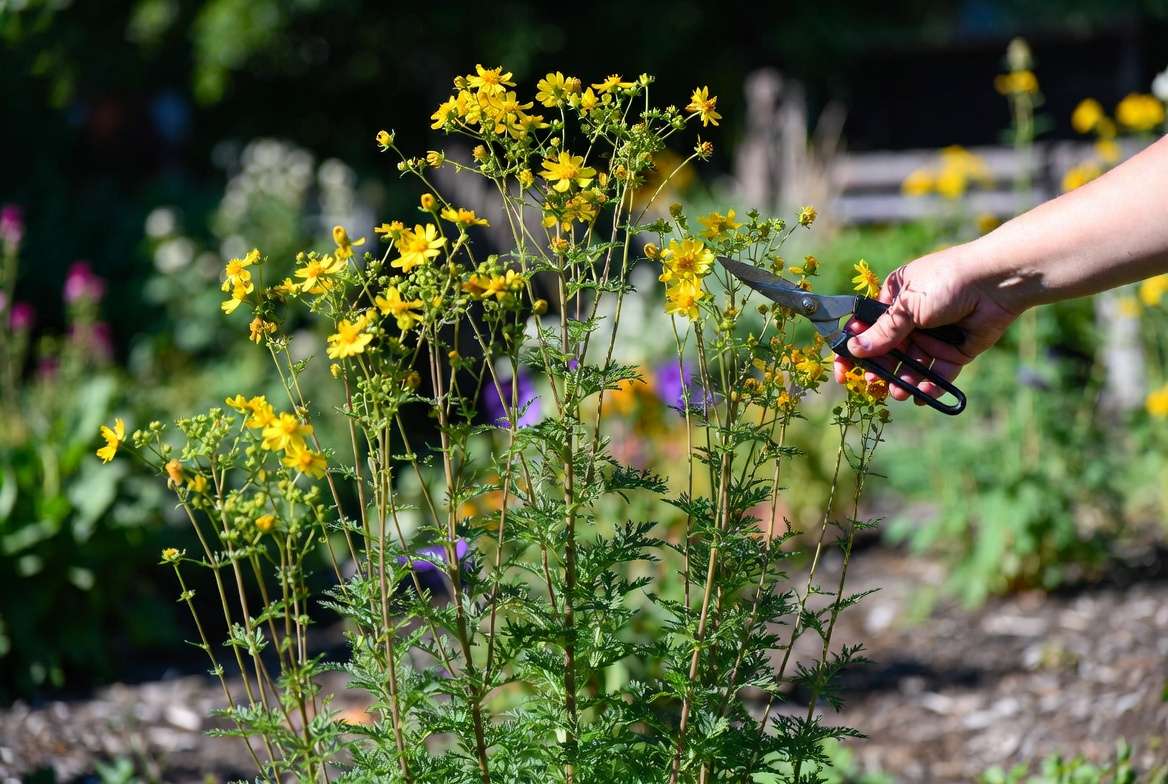
- Deadheading: Remove spent flowers regularly to encourage more blooms and prevent excessive self-seeding. 🌸
- Cutting Back: Try the “Chelsea Chop” in late spring (cut back by 1/3 to 1/2) for bushier, shorter plants less prone to flopping.
- Staking/Support: In rich soils or windy sites, provide discreet supports like bamboo stakes or grow-through rings early in the season.
H2: Seasonal Maintenance Calendar
- Spring: Divide if needed, cut back old stems, apply light fertilizer if desired.
- Summer: Deadhead, monitor water, enjoy the show!
- Fall: Allow some seed heads for wildlife; cut back after frost.
- Winter: Mulch lightly for protection in colder zones. The plant dies back to the ground naturally.
Propagation and Multiplication Techniques 🌿
H2: Easy Ways to Expand Your Tall Coreopsis Collection
One of the joys of growing tall coreopsis plant varieties is how readily they multiply, allowing you to fill larger areas affordably and share with fellow gardeners. This native perennial spreads naturally through rhizomes and self-seeding, creating beautiful colonies over time without becoming aggressively invasive in most garden settings.
H3: Propagation by Division
Division is the fastest and most reliable method for replicating exact clones of your favorite plants. Perform this in early spring as new growth emerges or in early fall before cold weather sets in.
Step-by-Step Division Guide:
- Water the plant well the day before to ease root separation.
- Dig around the clump, lifting it carefully with a garden fork.
- Use a sharp knife or spade to divide the root mass into sections, each with healthy roots and several growing points.
- Replant divisions immediately at the same depth, water deeply, and mulch.
- Divisions usually establish quickly and bloom the following season.
Expect a mature clump to yield 3–6 new plants every 3–4 years. This technique also rejuvenates older plants that may have become crowded in the center. 🪴
H3: Growing from Seeds
Tall Coreopsis produces abundant viable seeds that are easy to collect and germinate. Seed propagation is ideal for large-scale plantings or creating genetic diversity in meadow gardens.
Collect seeds in late fall when the dark, narrow achenes (seed heads) turn dry and brittle. Store in a cool, dry place or sow directly outdoors in fall for natural stratification. For spring sowing, refrigerate seeds in moist sand for 4–6 weeks.
Surface-sow seeds (they require light to germinate) in flats or directly in prepared garden soil. Keep moist until seedlings emerge in 10–21 days. Thin seedlings to proper spacing once they develop true leaves. Young plants may take 1–2 years to reach full towering height, but patience rewards you with robust, adapted specimens. 🌱
H3: Managing Self-Seeding and Natural Spread
In favorable conditions, Tall Tickseed will self-sow modestly, helping colonies expand gracefully. To control spread, deadhead most flowers or remove seed heads before they fully mature. If you want more plants, simply leave some heads intact for birds and future volunteers.
Rhizomatous spreading is slow and manageable—simply dig out unwanted shoots in spring. This makes it an excellent choice for naturalistic plantings where a bit of movement adds to the wildflower aesthetic.
Common Problems and Troubleshooting Solutions 🔧
Even tough natives like Tall Coreopsis can face occasional challenges. With proper diagnosis and organic solutions, most issues are easily resolved, keeping your tall, vibrant blooms on display.
H2: Pests and Diseases
Tall Coreopsis is remarkably resistant to most pests and diseases, a key reason it’s beloved by low-maintenance gardeners. However, awareness helps:
- Powdery Mildew: Appears as white dusty coating on leaves during humid conditions. Improve air circulation, avoid overhead watering, and apply neem oil or baking soda solution if needed.
- Aphids and Slugs: Young tender growth may attract aphids (blast with water or use insecticidal soap). Slugs can nibble seedlings—use diatomaceous earth or copper tape barriers.
- Other Rare Issues: Leaf miners or Japanese beetles occasionally visit but rarely cause significant damage.
Overall, healthy plants in full sun with good drainage experience few problems. Monitoring early in the season prevents escalation. 🛡️
H2: Why Your Tall Coreopsis Might Not Bloom or Flop Over
This is one of the most common frustrations for new growers. Here’s how to troubleshoot:
- Flopping Stems: Usually caused by overly rich soil, excess nitrogen, too much shade, or insufficient spacing. Solutions include the Chelsea Chop (cutting back in spring), providing early support, or moving plants to leaner soil. ‘Gold Standard’ cultivar is naturally sturdier.
- Poor Blooming: Insufficient sunlight (less than 6 hours), drought stress during bud formation, or immature plants. Ensure full sun and consistent moisture the first year.
- Leggy Growth: Too much shade or fertilizer—relocate or amend care routine.
H2: Deer, Rabbit, and Other Wildlife Resistance
Deer and rabbits generally avoid Tall Coreopsis due to its slightly bitter foliage, though very hungry animals may sample it. Plant alongside other deer-resistant natives like Echinacea or grasses for added protection. Its seeds, however, are a wonderful late-season food source for goldfinches and other songbirds. 🐦
Companion Planting and Landscape Design Ideas 🌸
H2: Best Companion Plants for Stunning Displays
Pairing Tall Coreopsis with complementary plants maximizes visual impact and ecological benefits:
- Tall Companions: Purple Coneflower (Echinacea), Black-eyed Susan (Rudbeckia), Joe-Pye Weed, and native grasses like Switchgrass or Little Bluestem for prairie-style movement and pollinator heaven.
- Mid-Height Partners: Salvia, Agastache (Hyssop), and Shasta Daisies for layered color.
- Ground Covers: Creeping Sedum or native wild strawberries to suppress weeds at the base.
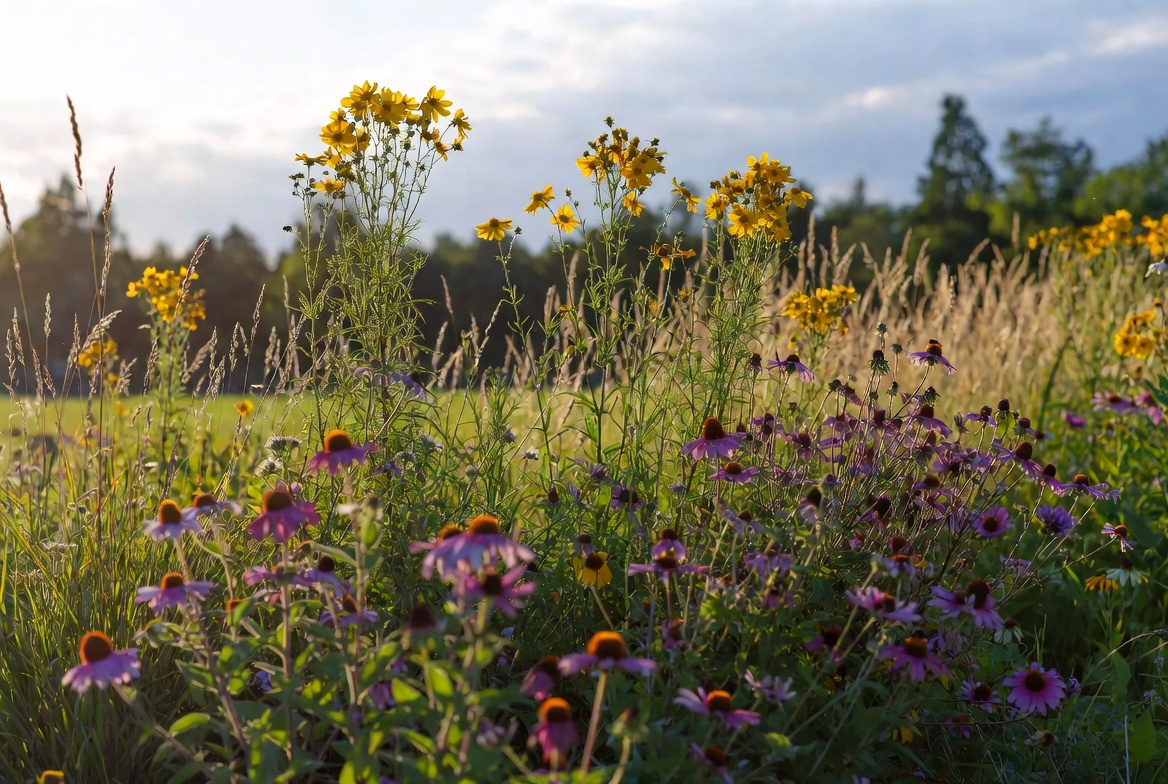
These combinations create dynamic, biodiverse gardens that bloom from summer into fall. 🦋
H2: Design Uses: Borders, Meadows, Cut Flower Gardens, and Containers
- Back Borders and Screens: Use its height to hide fences or create living backdrops.
- Wildflower Meadows: Mix with other natives for low-care, high-impact landscapes.
- Cut Flower Gardens: Long stems make excellent bouquets—cut when flowers are just opening.
- Large Containers: Possible with deep pots and sturdy supports, though ground planting is preferred for maximum height.
In xeriscapes or rain gardens, it excels due to its adaptability. Examples include pairing with ornamental grasses for textural contrast in modern cottage gardens. ✨
Ecological Benefits and Pollinator Support 🦋
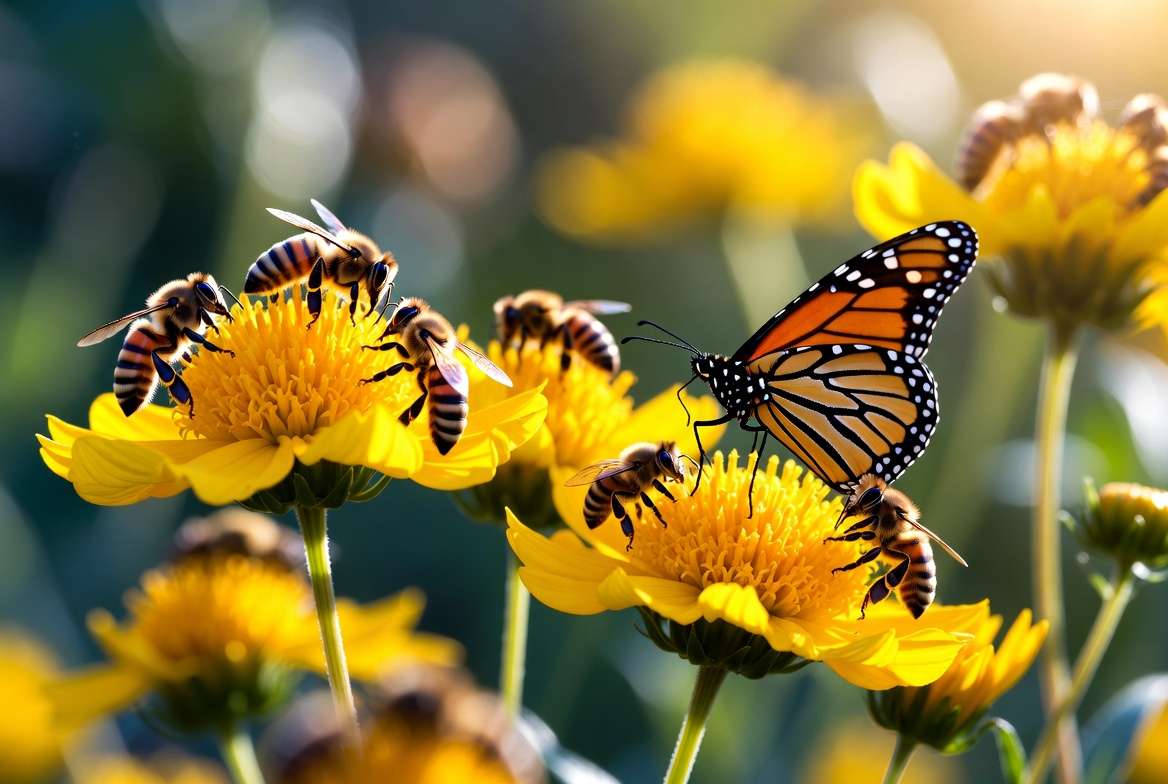
Tall Coreopsis is more than just a pretty face—it’s a powerhouse for garden ecosystems. Its nectar-rich flowers support hundreds of bee species, butterflies (including the Pearl Crescent), and beneficial insects. Late-season blooms provide critical resources when other flowers fade.
Birds feast on the seeds, while its deep roots improve soil structure and prevent erosion. As a native plant, it supports local biodiversity far better than many exotics. Incorporating it into your garden contributes to broader conservation efforts championed by organizations like the Lady Bird Johnson Wildflower Center and Xerces Society. 🌍
Expert Tips for Vibrant, Long-Lasting Blooms (Pro Insights) ✨
Drawing from years of trial and observation across different climates:
- Soil Test First: Always test soil before planting—amend only if drainage is poor.
- Chelsea Chop Magic: Cutting back by one-third in late May often results in stronger stems and more flowers.
- Gravel Mulch Hack: In dry or rocky areas, gravel mulch mimics its native habitat and reduces maintenance dramatically.
- Group Planting: Plant in odd-numbered groups (3, 5, 7) for natural-looking drifts.
- Extend the Season: Succession planting or combining early and late-blooming cultivars stretches color.
- Overwintering Care: Leave stems standing until spring for wildlife habitat and easier cleanup.
- Regional Adaptations: In hot Southern zones, provide occasional deep watering; in Northern areas, ensure good snow cover protection.
- Divide Regularly: Refresh every 3–4 years for peak performance.
- Avoid Chemicals: Embrace organic practices for healthier plants and pollinators.
- Document Your Success: Take seasonal photos to track progress and share knowledge.
These proven tips help gardeners achieve taller, more floriferous plants than average. 🌟
Frequently Asked Questions (FAQs) ❓
How tall does Tall Coreopsis really get? In optimal conditions, 6–8 feet or taller, making it one of the tallest tickseeds available.
Is Tall Coreopsis invasive? No. It spreads politely via rhizomes and seeds but is easy to manage and not considered invasive in its native or introduced ranges within North America.
Can Tall Coreopsis grow in pots? Yes, in large, deep containers with excellent drainage, though plants may not reach full height. Choose compact cultivars like ‘Gold Standard’ for containers.
How do I overwinter Tall Coreopsis? It is fully hardy. Cut back dead stems in late winter or early spring. Mulch lightly in very cold zones.
What’s the difference between Tall Coreopsis and other Coreopsis? Tall varieties (C. tripteris) offer dramatic height and later blooming compared to shorter, earlier types like Lanceleaf or Threadleaf Coreopsis.
Does it tolerate clay soil? Yes, as long as drainage is adequate. Amend heavy clay with grit if needed.
How long do the blooms last? Individual flowers last about a week, but with deadheading, the plant blooms continuously for 6–10 weeks or more.
Is it deer resistant? Generally yes, though not 100% foolproof in high-pressure areas.
Conclusion: Transform Your Garden with Tall, Sunny Blooms 🌼
Growing a successful tall coreopsis plant brings reliable late-season color, effortless beauty, and tremendous ecological value to any landscape. By following this detailed guide—from proper siting and planting to expert maintenance and troubleshooting—you’ll enjoy towering, vibrant blooms that enhance your garden for years to come.
Whether you’re a beginner seeking low-maintenance perennials or an experienced gardener expanding your native plant collection, Tall Coreopsis delivers. Start small, observe what works in your unique conditions, and watch your garden come alive with movement and pollinator activity.
Thank you for reading this comprehensive guide. Have you grown Tall Coreopsis before? Share your experiences, successes, or questions in the comments below. For more expert plant care advice, explore our guides on native perennials, pollinator gardens, and drought-tolerant landscaping. Happy gardening! 🪴🌻











