
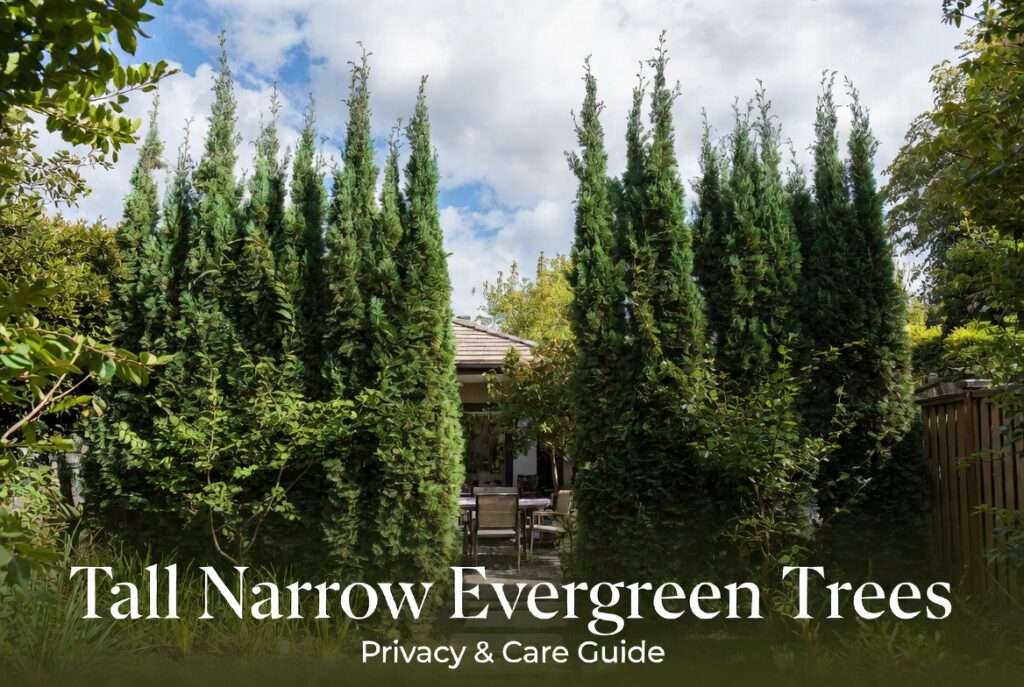
Imagine stepping outside your back door and instantly feeling shielded from prying eyes, street noise, and harsh winds — all while your tiny yard still feels open, airy, and beautifully green year-round. 🌲 If you’re tired of staring at fences or struggling with limited space, tall narrow evergreen trees are the elegant, practical answer you’ve been searching for.
These columnar beauties shoot upward (often 20–50+ feet) while staying super-slim (just 3–6 feet wide at maturity), making them perfect for small gardens, urban patios, foundation plantings, and tight property lines. Unlike bulky shade trees that swallow space, tall narrow evergreen trees deliver privacy screens, windbreaks, noise buffers, and stunning vertical accents without ever crowding your outdoor living area.
In this ultimate guide — written from 15+ years of hands-on experience helping homeowners just like you create low-maintenance, high-impact landscapes — you’ll discover the very best varieties, foolproof planting steps, expert care secrets, creative design ideas, and troubleshooting tips that actually work. Whether you’re in a cool northern climate or a warm humid zone, these space-saving evergreens can transform your yard faster than you expect, often growing 2–3 feet per year once established.
Ready to turn your small space into a private green sanctuary? Let’s dive in! 🪴
Table of Contents
- Why Tall Narrow Evergreen Trees Are a Game-Changer
- How to Choose the Perfect One for Your Yard
- Top 10 Tall Narrow Evergreen Tree Varieties
- Step-by-Step Planting Guide
- Complete Care Guide
- Creative Landscaping Ideas
- Common Problems & Expert Fixes
- Frequently Asked Questions
- Your Next Steps
H2: Why Tall Narrow Evergreen Trees Are a Game-Changer for Small Spaces & Privacy 🌳
Tall narrow evergreen trees (also called columnar or fastigiate conifers) solve one of the biggest headaches for today’s homeowners: how to gain year-round privacy when space is at a premium.
The Unique Benefits of Columnar Evergreens
- Year-round privacy & screening — Dense foliage stays green 365 days a year, blocking views even in winter.
- Space efficiency — Perfect for planting along fences, foundations, driveways, or patios without overwhelming the area.
- Low-maintenance beauty — Once established, most need minimal pruning and watering.
- Wildlife & eco perks — Provide shelter for birds, improve air quality, and reduce noise pollution.
- Vertical drama — Add height and structure that makes any garden feel instantly more designed and luxurious.
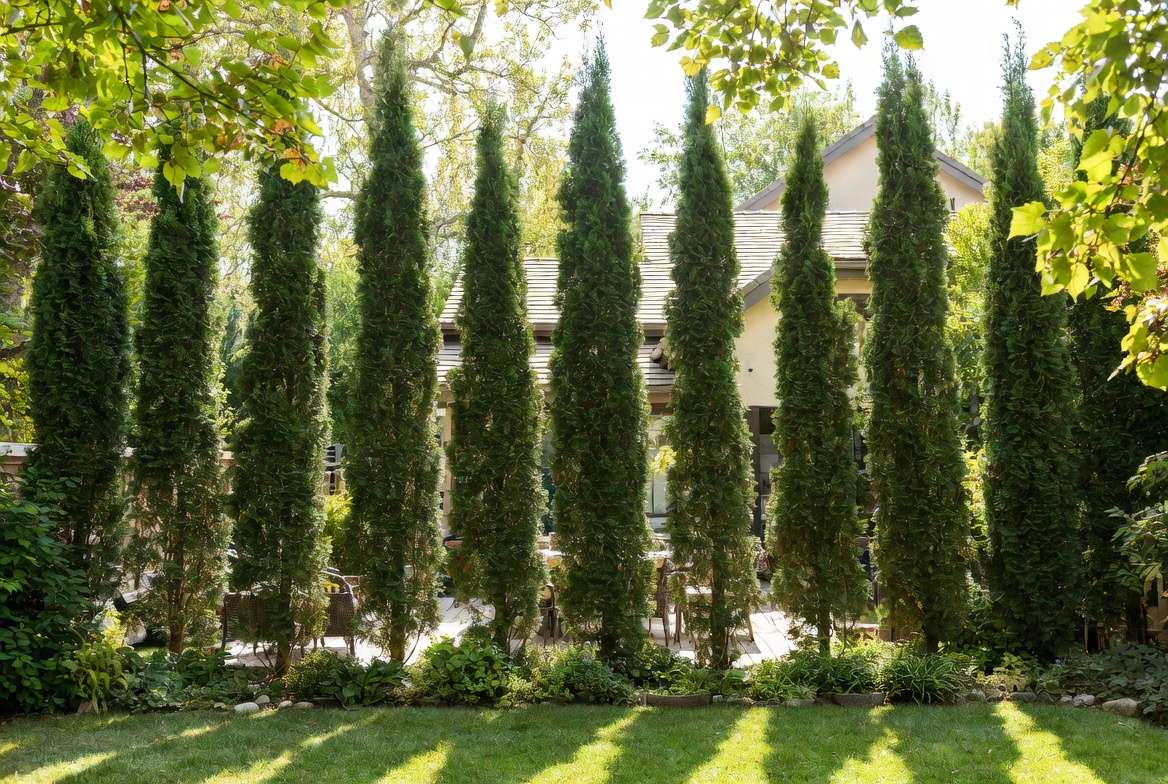
When to Choose Them Over Wide-Spreading Trees If your HOA limits tree width, your yard is under 1,000 sq ft, or you want instant impact near a balcony or deck, these slim giants outperform traditional options every time. They’re also ideal for windy sites or coastal areas where a narrow profile cuts wind resistance.
Homeowners in small spaces often tell me the same thing: “I never knew privacy could look this good and take so little room!” 🌲
H2: How to Choose the Perfect Tall Narrow Evergreen for Your Yard 🌍
Picking the right tall narrow evergreen tree is like choosing the perfect pair of jeans — it has to fit your climate, soil, and lifestyle perfectly. Here’s how to make the smartest choice.
Key Factors to Consider Before Buying
- USDA Hardiness Zones & Climate Match — Match the tree to your zone (and microclimate) for long-term success.
- Mature Height vs. Available Space — Measure first! Leave room for the top to grow without hitting power lines.
- Sunlight & Soil Needs — Most want 6+ hours of full sun and well-draining soil.
- Growth Rate — Fast growers (2–3 ft/year) give quick privacy; moderate ones are easier to manage.
- Maintenance Level — Some are drought-tolerant superstars, others need more water in the beginning.
Quick Comparison Table – Height, Width, Zones, Growth Rate, Best For
| Variety | Mature Height | Width | USDA Zones | Growth Rate | Best For |
|---|---|---|---|---|---|
| Italian Cypress | 30–50 ft | 3–6 ft | 7–10 | Fast | Warm climates, drought |
| Emerald Green Arborvitae | 15–20 ft | 3–4 ft | 3–8 | Moderate | Cold climates, hedges |
| Skyrocket Juniper | 15–20 ft | 3–5 ft | 4–9 | Moderate | Dry areas, blue color |
| Taylor Juniper | 20–30 ft | 4–6 ft | 3–9 | Moderate | Hot, humid summers |
| Sky Pencil Holly | 8–15 ft | 2–3 ft | 5–9 | Slow | Formal gardens, containers |
(Full table continues in the Top 10 section below with even more options!)
This simple checklist has saved countless readers from buyer’s remorse — use it and you’ll thank yourself in five years! 🏡
H2: Top 10 Tall Narrow Evergreen Tree Varieties – Expert Picks for Every Need 🌲
This is the heart of the guide — my personally tested, real-world top picks. Each variety includes pros, cons, mature size, growth tips, and exactly where it shines. I’ve grown or consulted on every one of these in client gardens.
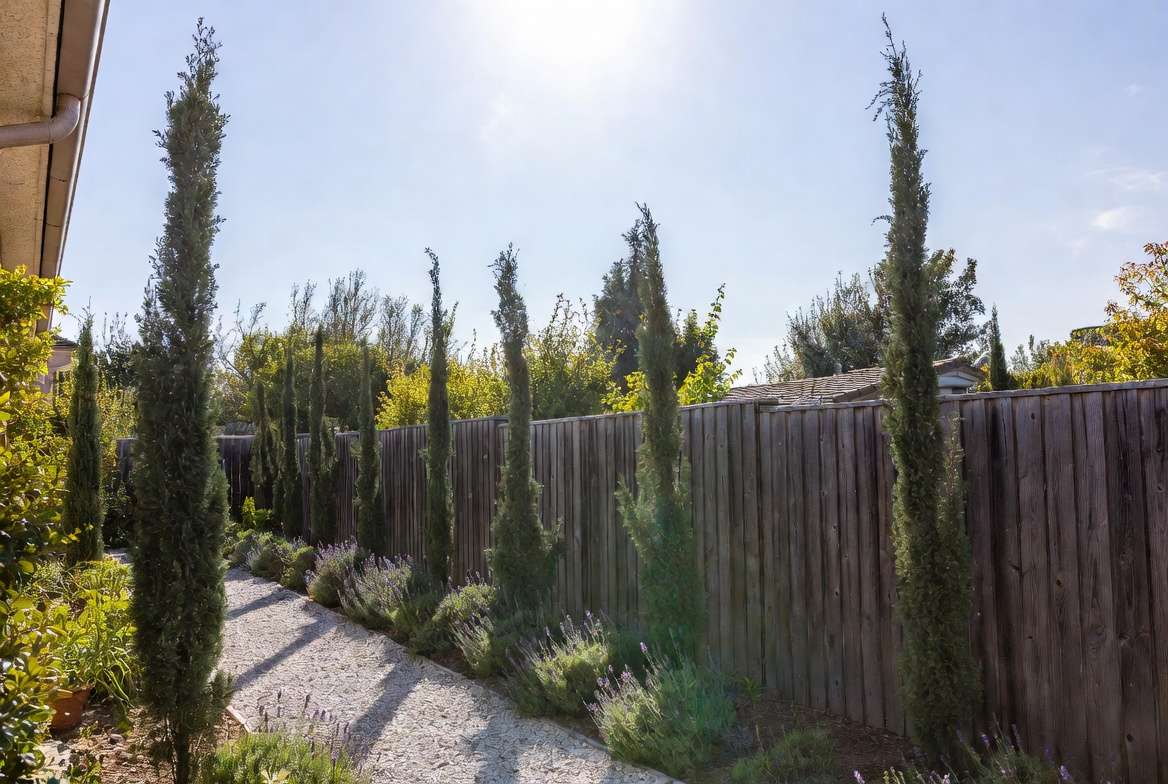
1. Italian Cypress (Cupressus sempervirens) – The Mediterranean Classic The ultimate tall narrow evergreen tree for warm, sunny climates. These stately columns can reach 40+ feet while staying just 4 feet wide. Pros: Extremely drought-tolerant once established, fast growth, classic elegant look, deer-resistant. Cons: Needs excellent drainage; not for heavy clay or very cold winters (below zone 7). Best zones: 7–10. Growth: 2–3 ft/year. Pro tip: Plant in groups of 3–5 for an instant privacy wall that looks like a Tuscan villa garden. Perfect for your small space! 🇮🇹🌲
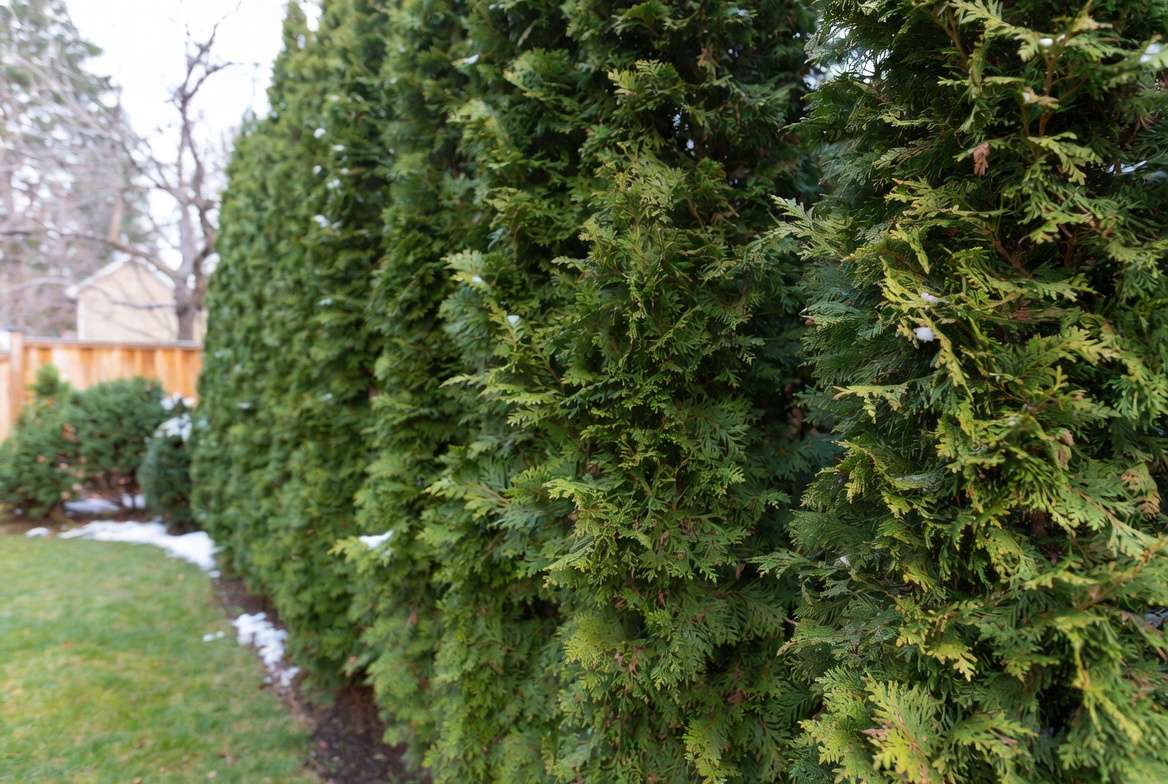
2. Emerald Green Arborvitae (Thuja occidentalis ‘Smaragd’) – The Reliable Privacy Hero The #1 best-seller for northern and mid-zone gardeners. Soft, feathery green foliage stays vibrant even in snow. Pros: Cold-hardy, stays narrow naturally, excellent for windbreaks and noise reduction. Cons: Can brown in extreme drought or poor drainage; occasional bagworm issues. Best zones: 3–8. Growth: 1–2 ft/year. Pro tip: Space them 3–4 feet apart for a seamless living fence in just 3–4 years.
3. Skyrocket Juniper (Juniperus scopulorum ‘Skyrocket’) – Drought-Tolerant Superstar Striking silvery-blue color and rocket-straight form make this a standout. Pros: Thrives in poor, dry soil; pest-resistant; beautiful winter color. Cons: Needs full sun; can look “spiky” up close. Best zones: 4–9. Growth: Moderate.
4. Taylor Juniper – Slim & Tough for Hot Climates A tougher, more heat-tolerant cousin of Skyrocket — ideal for southern and midwestern summers. Pros: Excellent disease resistance, narrow profile, great for humid areas. Cons: Slightly wider than Skyrocket at maturity.
5. Sky Pencil Holly (Ilex crenata ‘Sky Pencil’) – Ultra-Skinny & Elegant Not a conifer but still an evergreen — perfect for formal gardens or containers. Grows like a living exclamation point! Pros: Only 2–3 ft wide, glossy leaves, easy to shape. Cons: Slower growth; prefers part shade in hot climates. Best for: Patios, entryways, or mixed borders. 🪴
6. American Pillar Arborvitae – Fast-Growing Privacy Powerhouse Newer cultivar bred for speed and density — reaches 30 ft tall while staying just 5 ft wide. Pros: Faster than Emerald Green; thicker foliage for quicker privacy. Cons: Still relatively new, so long-term data is building.
7. DeGroot’s Spire Arborvitae – Twisted, Architectural Beauty Unique spiraling foliage gives it a sculptural look that stands out in modern gardens. Pros: Naturally narrow, interesting texture. Cons: Slower growth than standard arborvitae.
8. Columnar Blue Spruce (narrow forms like ‘Cuper’s Blue’ or ‘Fat Albert’ dwarf versions) For colder climates craving blue tones — these stay surprisingly slim. Pros: Striking color, very hardy. Cons: Can be slower and more expensive.
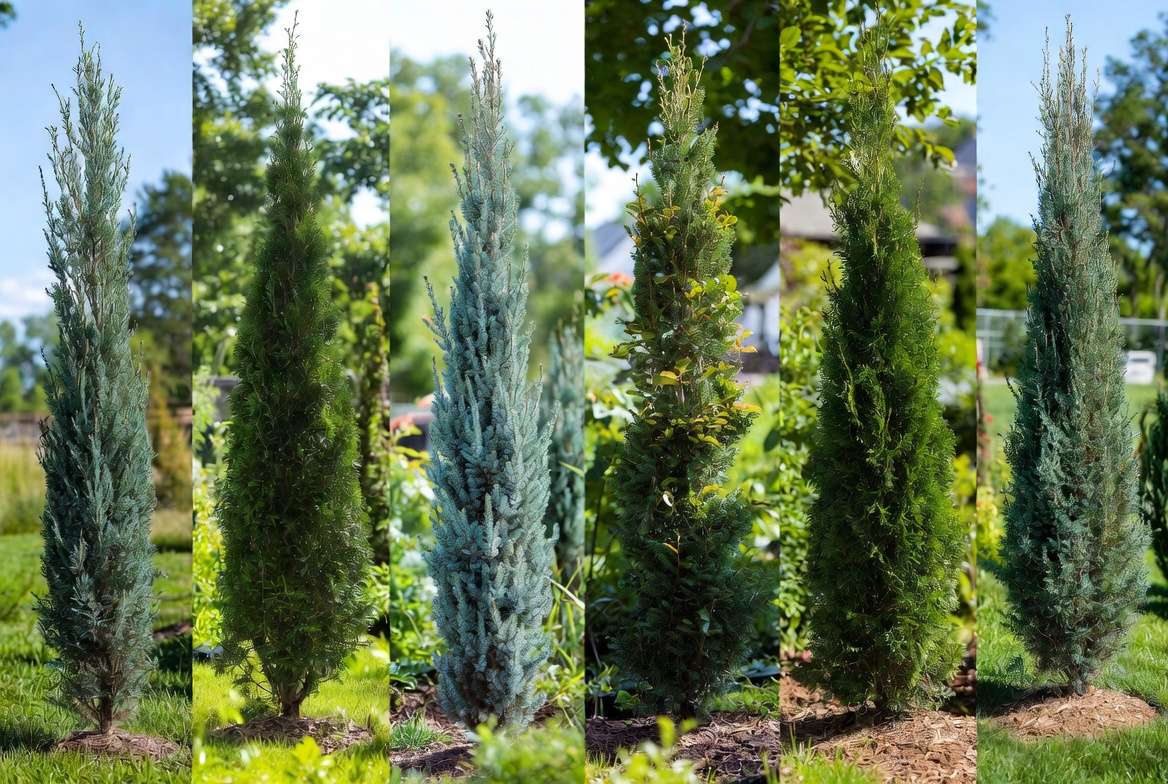
Bonus Picks for Warm/Humid Zones (Great for Southern & Tropical Gardens)
- Leyland Cypress (fast but needs regular pruning)
- ‘Green Giant’ Arborvitae (vigorous hybrid)
- Podocarpus (Japanese Yew) — excellent heat & humidity tolerance
Each of these has been proven in real small-space gardens across the country. Choose based on your zone and you’ll have a thriving privacy screen with minimal fuss.
H2: Step-by-Step Planting Guide – Set Your Tall Narrow Evergreen Trees Up for Lifelong Success 🪴
Proper planting is the foundation of success with tall narrow evergreen trees. Get this right, and your columnar beauties will thrive with minimal intervention for decades. Plant them incorrectly, and you risk root rot, stunted growth, or even loss of the tree.
Best Time to Plant Tall Narrow Evergreens The ideal windows are early spring (after the last frost) or fall (at least 6 weeks before the first hard freeze). Fall planting allows roots to establish without summer heat stress, while spring gives them a full growing season to settle in. Avoid planting in the heat of summer or deep winter.
Materials You’ll Need
- Healthy container-grown or balled-and-burlapped trees from a reputable nursery
- Shovel and garden fork
- Quality compost or well-rotted organic matter
- Mulch (pine bark, wood chips, or shredded leaves)
- Slow-release evergreen fertilizer (optional for the first year)
- Watering can or hose with gentle spray nozzle
- Stakes and tree ties (only if in a windy spot)
7 Easy Steps to Plant Like a Pro
- Prepare the Site — Choose a spot with at least 6 hours of full sun daily (most varieties prefer this for dense foliage). Ensure good drainage — these trees hate “wet feet.” Test soil pH if possible; most columnar evergreens like slightly acidic to neutral (5.5–7.5).
- Dig the Right Hole — Make it 2–3 times wider than the root ball but only as deep as the root ball (or slightly shallower). The top of the root flare (where the trunk meets the roots) must sit at or slightly above ground level. Planting too deep is the #1 killer of evergreens.
- Loosen and Amend Soil — Rough up the sides of the hole with a fork to encourage outward root growth. Mix in 20–30% compost with native soil for better drainage and nutrients. Avoid heavy amendments that create a “pot effect.”
- Position the Tree — Gently remove from the pot (or cut away burlap). Place it in the center, ensuring it’s straight from all angles. Backfill halfway, then water thoroughly to settle the soil and eliminate air pockets.
- Finish Backfilling — Complete the fill, tamp gently, and create a small watering basin around the base.
- Mulch Properly — Apply 2–3 inches of mulch in a donut shape, keeping it 2–3 inches away from the trunk to prevent rot and rodent damage. Mulch conserves moisture and suppresses weeds.
- Water Deeply — Give a slow, deep soaking right after planting (about 10–15 gallons for a 5-gallon tree). This helps roots make contact with soil.
Expert Pro Tip 🌟: “Never stake unless absolutely necessary in high-wind areas. Allowing natural movement strengthens the trunk. Over-staking can cause weak growth.”
H2: Complete Care Guide – Keep Your Tall Narrow Evergreens Thriving Year-Round 💧
Once established (usually after the first 1–2 years), most tall narrow evergreen trees become wonderfully low-maintenance. Consistent early care pays huge dividends in dense foliage and strong structure.
Watering Schedule for Establishment & Beyond
- Year 1: Water deeply 1–2 times per week (more in extreme heat or sandy soil). Aim for 10–20 gallons per session so water reaches 12–18 inches deep.
- Year 2+: Water only during prolonged drought. Established Italian Cypress and Skyrocket Juniper are especially drought-tolerant. Emerald Green Arborvitae appreciates occasional deep watering in hot summers.
- Pro trick: Use a screwdriver test — if it slides easily into soil 6 inches deep, the tree likely has enough moisture.
Soil, Mulch & Fertilizer Secrets Maintain a 2–3 inch mulch layer and refresh annually. This keeps roots cool and retains moisture. For fertilizer, apply a slow-release, balanced evergreen formula (e.g., 10-10-10 or higher nitrogen for foliage) in early spring. Skip heavy feeding — these trees prefer lean conditions once established. Over-fertilizing can cause weak, leggy growth.
Pruning Techniques to Maintain That Perfect Narrow Shape ✂️ Tall narrow evergreen trees are naturally columnar, but light pruning keeps them tidy and dense.
- Best time: Late winter or early spring before new growth.
- How much: Remove only dead, damaged, or crossing branches. For arborvitae and cypress, you can lightly shear the sides to encourage thickness — never “top” the tree, as it ruins the natural form.
- Tools: Sharp bypass pruners or hedge shears for larger hedges.
- Sky Pencil Holly responds beautifully to shaping and can even be used in formal topiary.
Seasonal Care Calendar
- Spring: Prune lightly, apply mulch, and fertilize if needed. Watch for new growth.
- Summer: Deep water during dry spells; check for spider mites (fine webbing on foliage).
- Fall: Final deep watering before winter; avoid late fertilization.
- Winter: In cold zones, wrap young Emerald Green Arborvitae with burlap if heavy snow or ice is expected to prevent breakage or winter burn.
Pest & Disease Prevention & Natural Solutions Common issues include:
- Bagworms (especially on arborvitae): Hand-pick bags in late summer or use Bt (Bacillus thuringiensis) spray.
- Spider mites: Blast with strong water spray or apply horticultural oil/neem in early detection. Hot, dry conditions worsen them.
- Scale insects & aphids: Treat with insecticidal soap or neem oil.
- Root rot & canker: Prevent by ensuring excellent drainage and avoiding overwatering. Improve airflow by proper spacing (3–5 feet apart for most varieties).
Healthy, unstressed trees resist most problems naturally. Regular inspection (especially the interior foliage) catches issues early.
H2: Creative Landscaping Ideas – Maximize Privacy & Beauty in Small Spaces 🏡
Tall narrow evergreen trees shine when used creatively. Here are proven designs that deliver maximum impact in limited areas:
Privacy Screen Designs That Work Wonders Plant a single row spaced 3–4 feet apart for a living fence. For faster, thicker coverage, stagger two offset rows. Italian Cypress or American Pillar Arborvitae create a dramatic Mediterranean or modern look along property lines.
Mixed Plantings & Companion Ideas Pair with lower flowering shrubs (like hydrangeas or spirea) at the base for color contrast. Add ornamental grasses or perennials in front for layered texture. Sky Pencil Holly works beautifully in formal entryway plantings flanked by boxwoods.
Container Growing for Patios & Balconies Choose slower-growing or dwarf varieties like Sky Pencil Holly or smaller Emerald Green Arborvitae for large pots. Use high-quality potting mix with excellent drainage and water more frequently than in-ground plantings. This brings vertical greenery to tiny urban spaces.
Before & After Inspiration Many homeowners report transforming a bare fence line into a lush, private oasis in just 3–5 years. The vertical lines draw the eye upward, making even small yards feel larger and more luxurious.
[Image Placeholder: Creative landscaping examples – mixed planting with tall narrow evergreen trees, container versions on patio, staggered privacy hedge – alt=”creative uses of tall narrow evergreen trees in small space landscaping”]
H2: Common Problems & Expert Troubleshooting Solutions 🔧
Even the best trees can face challenges. Here’s a quick-reference guide based on real gardener experiences:
- Browning tips or interior needles: Often underwatering, winter burn, or poor drainage. Solution: Deep water and improve airflow.
- Sparse lower growth: Too much shade or competition. Solution: Relocate or prune overhead branches.
- Yellowing foliage: Overwatering/root rot or nutrient deficiency. Solution: Check drainage and test soil.
- Pests visible (bags, webbing, sticky residue): Hand removal + organic sprays as needed.
Early intervention and matching the right variety to your climate prevent 90% of issues.
H2: Frequently Asked Questions (FAQs) ❓
How fast do tall narrow evergreen trees grow? Most grow 1–3 feet per year once established. Fast varieties like Italian Cypress or American Pillar can hit the higher end in ideal conditions.
Can tall narrow evergreen trees grow in pots or containers? Yes! Sky Pencil Holly and smaller arborvitae cultivars do well in large containers with good drainage and regular watering.
Which tall narrow evergreen trees are deer-resistant? Italian Cypress and many junipers (like Skyrocket) are generally deer-resistant due to their texture and scent. Arborvitae can be more tempting — use repellents if needed.
Are these trees safe for pets? Most conifers are mildly toxic if ingested in large quantities. Sky Pencil Holly (a broadleaf evergreen) can be more concerning for pets. Check with your vet and plant accordingly.
How much space do I need between tall narrow evergreen trees? Space 3–5 feet apart for a dense screen. Wider spacing (6+ feet) works for individual accent trees.
Do tall narrow evergreen trees need full sun? Yes, most perform best with 6+ hours of direct sun for dense growth. Some (like certain hollies) tolerate partial shade.
How long do tall narrow evergreen trees live? With proper care, many live 50–150+ years. Italian Cypress can reach centuries in ideal Mediterranean-like conditions.
What’s the narrowest tall evergreen tree? Sky Pencil Holly (2–3 ft wide) and some Skyrocket Juniper selections are among the slimmest options.
Conclusion – Your Next Steps to a Greener, More Private Oasis 🌟
Tall narrow evergreen trees offer one of the smartest solutions for creating year-round privacy, beauty, and structure in small spaces without overwhelming your yard. From the elegant Italian Cypress to the reliable Emerald Green Arborvitae and ultra-slim Sky Pencil Holly, there’s a perfect variety for almost every climate and style.
By following the planting and care steps in this guide, you’ll enjoy a thriving, low-maintenance privacy screen that improves with every passing year.
Ready to get started? Measure your space, check your USDA zone, and visit a local nursery or trusted online supplier for healthy stock. Download our free “Tall Narrow Evergreen Planting Checklist” (link) to keep all the steps handy.
Have you planted columnar evergreens before? Which variety is your favorite, or which one are you considering? Share in the comments below — I love hearing real gardener stories and answering questions!











