
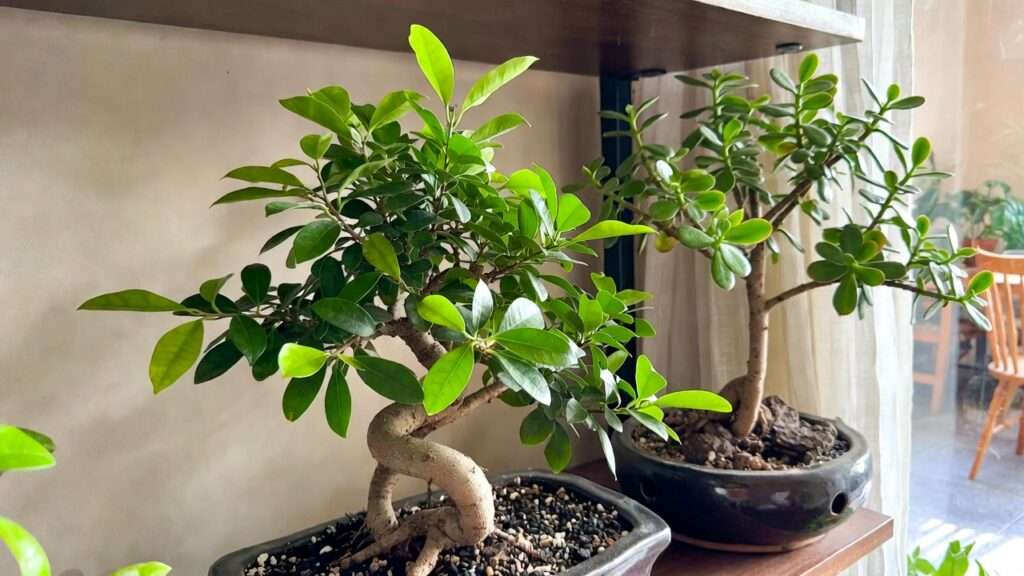
Have you ever walked past your beautiful indoor bonsai only to notice its leaves mysteriously dropping, turning yellow, or looking wilted—even though you’ve been watering and feeding it perfectly? 😔 You’re not alone. As a bonsai enthusiast and long-time cultivator who’s nurtured dozens of indoor specimens through Dhaka’s humid summers and variable indoor conditions, I’ve seen this happen time and again. The silent culprit? Temperature requirements for indoor bonsai are often overlooked, yet they play a pivotal role in your tree’s health, growth, and longevity.
Unlike outdoor bonsai that benefit from natural seasonal shifts, indoor bonsai live in a controlled (but often inconsistent) home environment. Sudden drafts, blasts from air conditioners, radiator heat, or even slight night drops can trigger stress faster than you think. The good news? Once you master the ideal temperature ranges, day-night fluctuations, and seasonal tweaks, your bonsai will reward you with vibrant foliage, stronger roots, and that satisfying “thriving” glow ✨.
In this comprehensive guide, we’ll dive deep into everything you need to know about temperature for indoor bonsai—from species-specific ideal ranges to troubleshooting common problems and pro-level tips. Whether you’re caring for a popular Ficus, Jade, or Fukien Tea, you’ll walk away with the confidence to keep your mini-tree happy year-round. Let’s get started!
Why Temperature Matters So Much for Indoor Bonsai 🌱
Temperature isn’t just about comfort—it’s a core driver of your bonsai’s biology. It directly influences:
- Photosynthesis and energy production — Optimal warmth keeps metabolic processes humming.
- Transpiration and water uptake — Too hot or too cold disrupts moisture balance, leading to wilting or root issues.
- Root health and hormone regulation — Roots are sensitive; extremes can slow nutrient absorption or invite rot.
- Overall vigor — Stable temps reduce stress hormones, making your tree more resistant to pests and diseases.
Indoor bonsai fall into two main categories suited for homes: tropical (true indoor stars) and subtropical (tolerant of slight cool-downs). Temperate species like Juniper or Maple? They’re not ideal indoors—they crave cold dormancy (below 50°F/10°C for weeks), and forcing them inside year-round often leads to weak, leggy growth or eventual decline 🚫.
Common signs of temperature stress include:
- Sudden leaf drop (especially on Ficus)
- Yellowing or browning leaf edges
- Wilting despite moist soil
- Weak new growth or dieback
- Increased pest vulnerability (stressed trees attract spider mites faster)
Addressing temperature early prevents these issues and keeps your bonsai looking lush.
Understanding Indoor Bonsai Types and Their Temperature Needs 🔍
Most “indoor” bonsai are tropical or subtropical species native to warm, stable climates. Here’s a breakdown:
Tropical Bonsai 🔥 These thrive in consistently warm conditions mimicking their equatorial homes.
- Ideal day range: 70–85°F (21–29°C)
- Night drop: 60–70°F (15–21°C)
- Minimum safe: Above 55°F (13°C) — anything lower risks shock Popular examples: Ficus retusa, Ficus benjamina, Serissa foetida (Thousand Star), Schefflera (Umbrella Tree). These are forgiving for beginners but hate cold drafts.
Subtropical Bonsai ❄️ These handle mild cool-downs better and often benefit from cooler nights.
- Day: 65–80°F (18–27°C)
- Night: 55–65°F (13–18°C)
- Minimum: Above 50°F (10°C) Examples: Jade Plant (Crassula ovata), Dwarf Jade (Portulacaria afra), Fukien Tea (Carmona retusa), Sageretia theezans. Subtropicals can show seasonal color changes with cooler nights, adding beauty.
Why Temperate/Outdoor Bonsai Fail Indoors Temperate trees (e.g., Pine, Maple, Juniper) require winter dormancy with prolonged cold to reset and bloom properly. Keeping them warm year-round exhausts them, causing poor branching and shortened lifespan.
Ideal Temperature Ranges: Species-Specific Guide 📊
Here’s a handy reference table for the most popular indoor bonsai species (based on expert cultivation experience and reliable sources like Bonsai Empire and specialized growers):
- Ficus (retusa, benjamina, microcarpa) | Day: 65–85°F (18–29°C) | Night: 60–70°F (15–21°C) | Min: >55°F | Very forgiving; hates sudden drops below 60°F—leaf drop follows quickly.
- Jade Plant (Crassula ovata) | Day: 65–75°F (18–24°C) | Night: 55–65°F (13–18°C) | Min: >50°F | Loves cooler nights; tolerates brief heat but avoid >85°F long-term.
- Dwarf Jade (Portulacaria afra) | Day: 65–75°F (18–24°C) | Night: 55–65°F (13–18°C) | Min: >50°F | Similar to Jade; benefits from slight diurnal drop for compact growth.
- Fukien Tea (Carmona retusa) | Day: 70–80°F (21–27°C) | Night: 60–70°F (15–21°C) | Min: >50°F | Warm-lover; sensitive to cold—drops below 60°F cause bud/leaf loss.
- Serissa foetida (Thousand Star) | Day: 70–80°F (21–27°C) | Night: 60–70°F (15–21°C) | Min: >55°F | Dramatic leaf dropper if temps swing; needs stability.
- Schefflera arboricola | Day: 65–80°F (18–27°C) | Night: 60–70°F (15–21°C) | Min: >55°F | Tough; tolerates average home temps well.
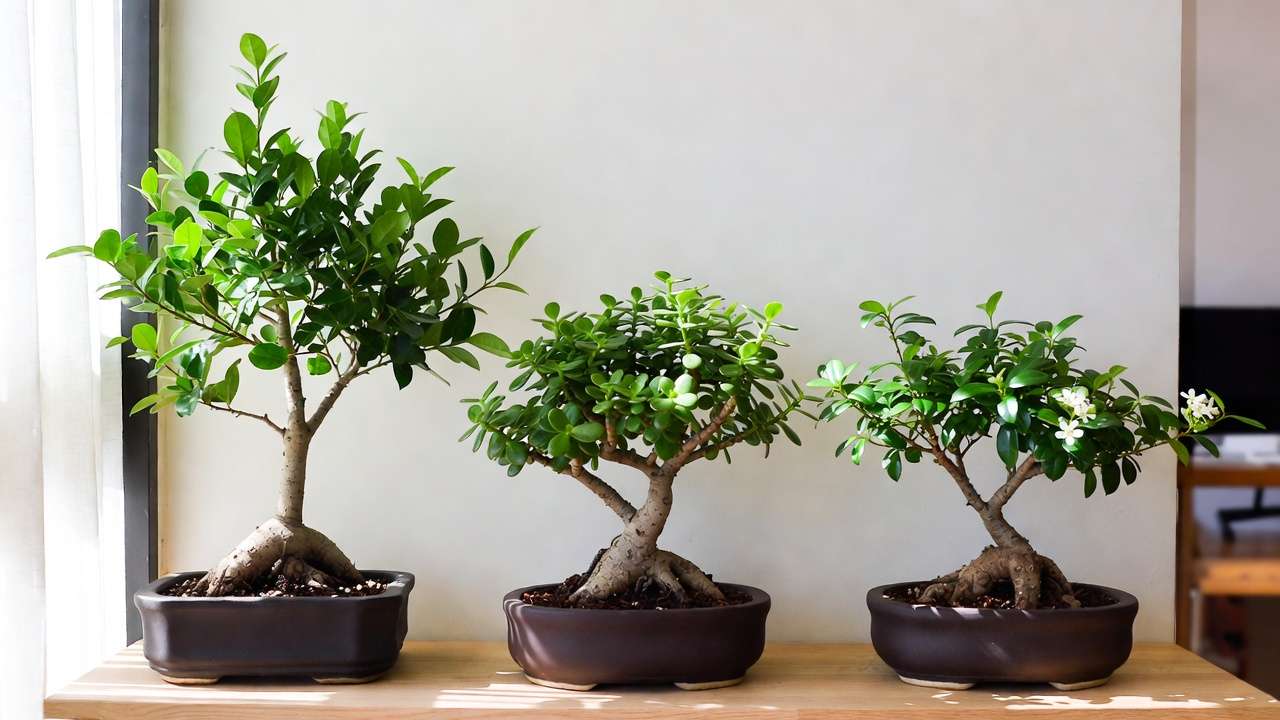
Expert insight: A gentle 5–10°F (3–6°C) night drop mimics nature, promoting healthier respiration and preventing leggy growth 🌙.
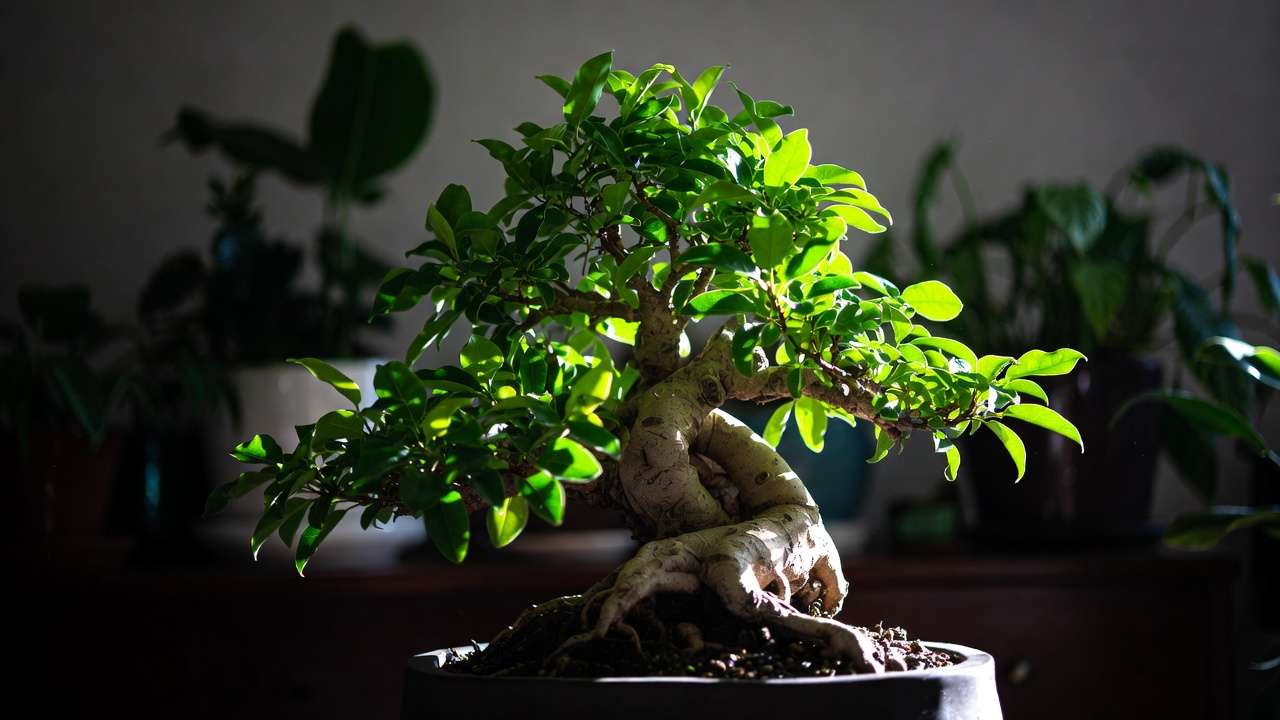
(To enhance understanding, here’s a visual of a healthy Ficus bonsai thriving in ideal conditions:)
(And a vibrant Jade Plant showing compact growth from proper temp management:)
Day vs. Night, Seasonal, and Year-Round Management 📅
Daily Fluctuations — Most indoor bonsai appreciate a natural night cooling (5–10°F drop). In homes with stable AC/heating, place near (but not in) a window for slight evening drop.
Seasonal Adjustments —
- Winter — Dry heat from radiators or heaters spikes temps and drops humidity. Move away from sources; use humidifiers.
- Summer — AC blasts or direct sun through glass can overheat. Provide shade, increase air circulation.
- Monsoon/Variable Seasons (like in Dhaka) — Watch for humidity-temp combos; higher temps need more frequent misting.
Year-Round Stability — Consistency beats perfection. Avoid daily swings >10°F, as they stress roots and trigger defensive responses like leaf shed.
Common Temperature Problems and How to Fix Them ⚠️
Even with the best intentions, indoor environments throw curveballs at bonsai. Here are the most frequent temperature-related issues I’ve encountered (and helped fellow enthusiasts solve) over the years, along with practical, proven fixes.
Cold Drafts from Windows, Doors, or AC Vents ❄️
-
- Symptoms: Sudden leaf drop (especially overnight), blackened leaf tips, slowed growth. Ficus and Serissa are particularly dramatic about this.
- Why it happens: Nighttime temps can plummet 10–20°F near glass or vents, shocking tropical roots.
- Fixes:
- Relocate the bonsai at least 2–3 feet away from windows and exterior doors during cooler months.
- Use thermal curtains or bubble wrap on windows in winter to block cold air.
- Place a small fan on low to gently circulate air and prevent cold pockets.
- Pro tip: Use a digital thermometer with probe (placed at soil level) to spot hidden cold zones.
Hot Spots Near Heaters, Radiators, Fireplaces, or Direct Afternoon Sun 🔥
-
- Symptoms: Crispy leaf edges, wilting despite wet soil, accelerated drying of soil, leaf scorch.
- Why it happens: Localized heat above 85–90°F stresses foliage and roots; dry air compounds the problem.
- Fixes:
- Move the tree to a cooler, brighter spot (east- or north-facing window ideal for most tropicals).
- Use sheer curtains to diffuse intense afternoon sun.
- Increase watering frequency slightly and mist foliage in the morning.
- Add a small oscillating fan to prevent heat buildup and improve transpiration.
- Overheating in Summer Apartments or Closed Rooms ☀️
- Symptoms: Stunted new growth, smaller leaves, increased spider mite outbreaks.
- Why it happens: Indoor temps can climb to 90°F+ when windows are closed and AC is off.
- Fixes:
- Run ceiling fans or portable fans on low to move air.
- Place bonsai in the coolest part of the house (often lower floors or shaded rooms).
- Temporarily move to a slightly air-conditioned space (65–80°F range) during heatwaves.
- Winter Heating Woes (Dry, Hot Air from Radiators or Forced-Air Systems) 🌬️
- Symptoms: Brown tips, leaf curl, brittle branches, soil drying out too fast.
- Why it happens: Central heating drops relative humidity to 20–30% while raising temps unevenly.
- Fixes:
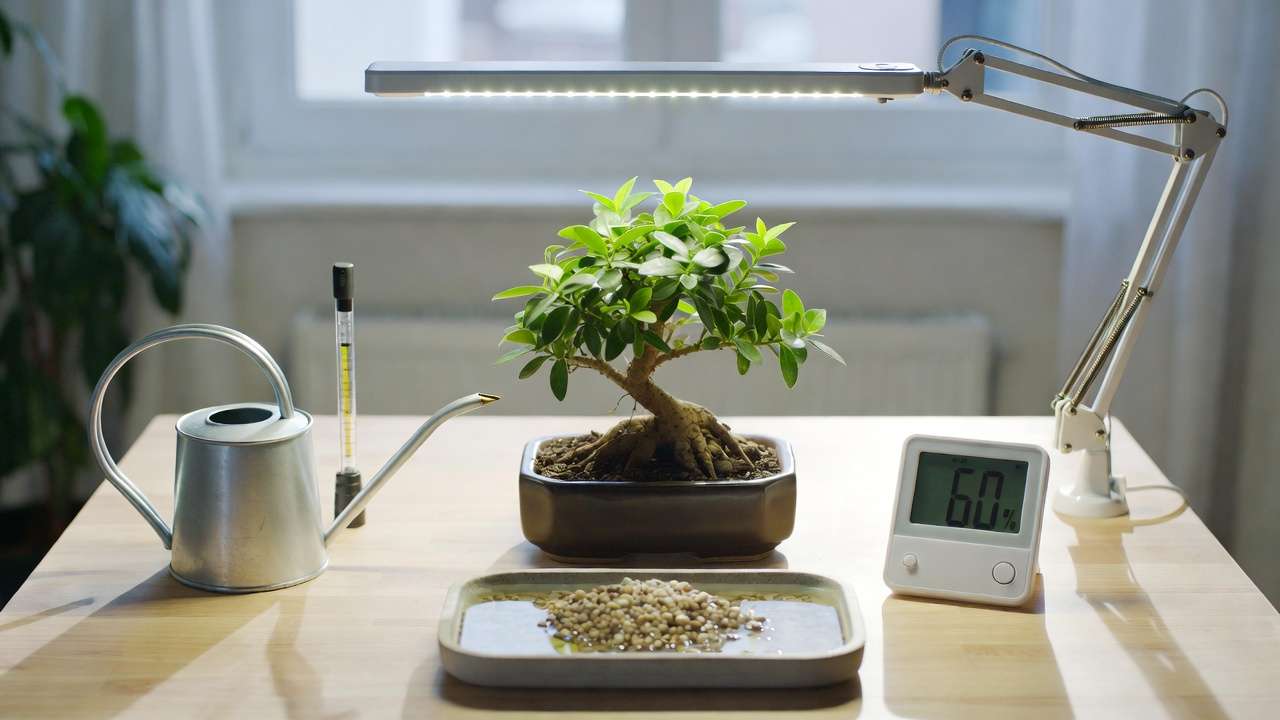
- Use a cool-mist humidifier nearby (aim for 50–70% humidity).
- Place the pot on a large pebble tray filled with water (keep pot above water line).
- Group several plants together to create a microclimate.
- Never place directly above or beside a heat source.
Real-World Case Example One of my workshop students in Dhaka had a gorgeous 15-year-old Ficus retusa that suddenly lost 70% of its leaves in December. After checking light and watering, we discovered the tree sat on a windowsill above a heater—night temps dropped to 55°F from drafts, then spiked to 82°F during the day from radiant heat. We moved it 4 feet inward, added a humidifier, and within 6 weeks new buds appeared everywhere. Stability wins!
Pro Tips to Maintain Perfect Temperatures 💡
Here are battle-tested tricks I share with serious indoor bonsai growers:
- Invest in a reliable digital thermometer/hygrometer combo (Inkbird or Govee models are affordable and accurate). Place one at canopy level and one near the soil for full-picture monitoring.
- Use smart plugs with temperature sensors if you want alerts on your phone when temps go outside ideal ranges.
- East- or west-facing windows often provide the most balanced light + temperature combo for tropical bonsai.
- Avoid south-facing windows in summer unless you can provide afternoon shade—glass magnifies heat.
- Brief outdoor time is okay for tropicals when night temps stay above 60°F (15°C), but bring them in before sunrise to avoid dew shock.
- Pair temperature management with humidity: warmer air holds more moisture, so bump humidity up when temps rise above 78°F.
- Rotate the pot every 2–3 weeks for even exposure—temperature gradients in a room can cause lopsided growth.
- Keep records! Note daily high/low temps for a month—you’ll quickly spot patterns causing stress.
- For beginners: Start with the most forgiving species (Ficus microcarpa or Jade) and master their temperature needs before trying fussier ones like Serissa.
- Never place bonsai on cold marble, tile, or concrete surfaces in winter—they wick heat away from roots fast.
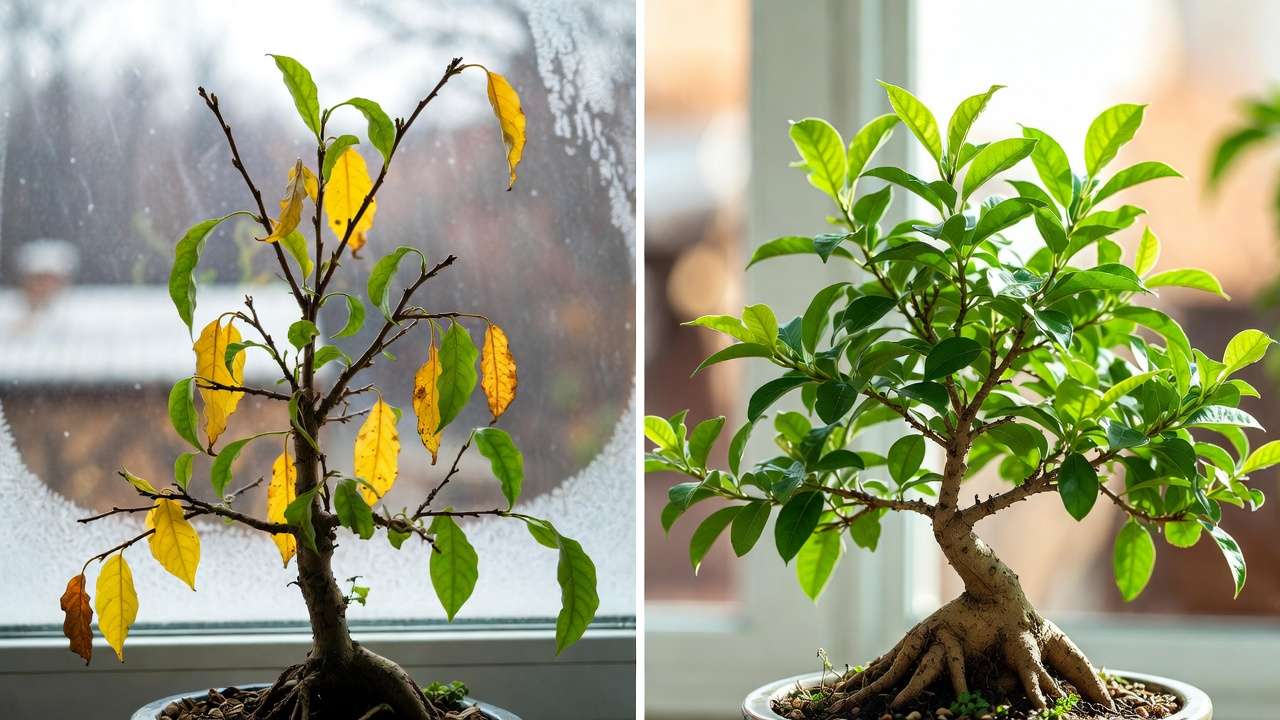
(Visual suggestion: A side-by-side comparison of a stressed Ficus from cold draft vs. a lush, healthy one after corrections)
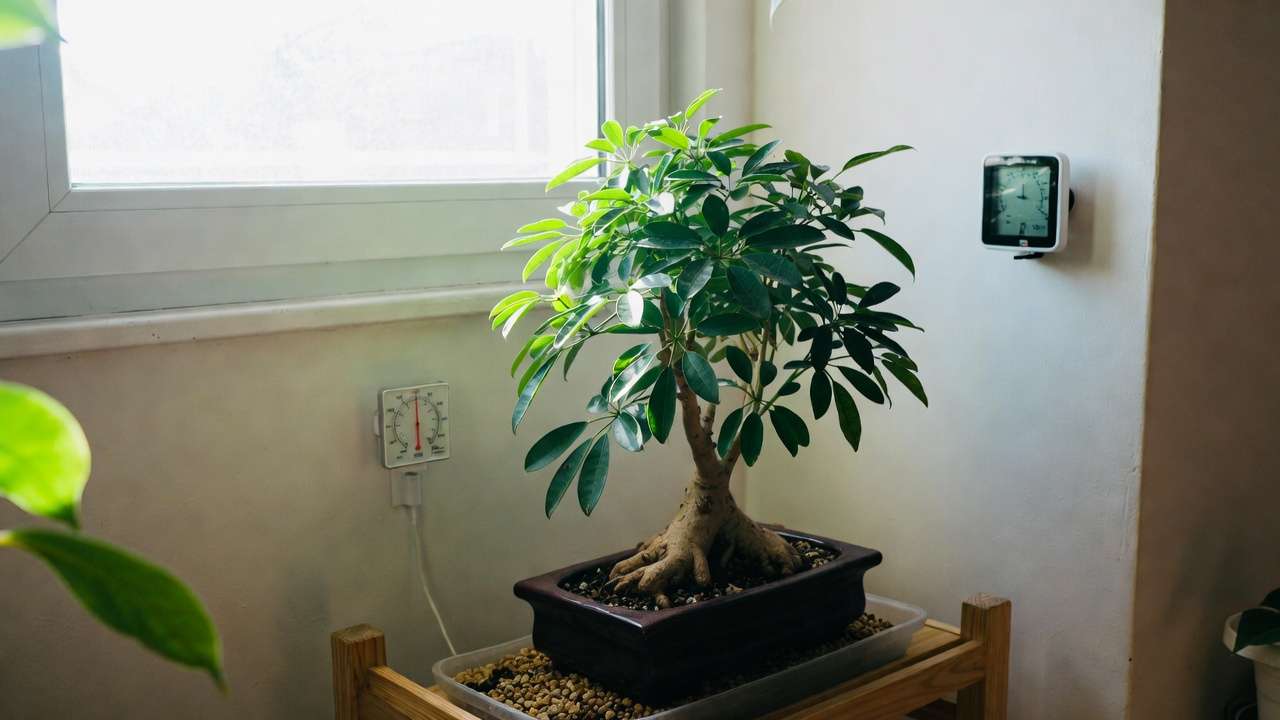
(And a cozy indoor setup showing ideal placement away from heat sources and drafts)
Integrating Temperature with Overall Indoor Bonsai Care 🔄
Temperature doesn’t exist in isolation—it interacts powerfully with other care factors:
- Watering — Warmer temps = faster evaporation. Check soil daily when above 78°F; water when top 1 inch feels dry. Cooler temps slow drying—wait longer.
- Humidity — Ideal 50–70%. Higher temps demand higher humidity to prevent transpiration stress.
- Light — Bright, indirect light pairs best with warm temps. Low light + high heat = weak, stretched growth.
- Fertilizing — Reduce or stop in cooler months (below 65°F) when metabolism slows.
- Soil & Pot — Well-draining mix prevents root rot when temps fluctuate; shallow bonsai pots lose heat faster than deeper nursery pots.
Mastering these synergies turns good bonsai into exceptional ones.
Common Temperature Problems and How to Fix Them ⚠️
Even with the best intentions, indoor environments throw curveballs at bonsai. Here are the most frequent temperature-related issues I’ve encountered (and helped fellow enthusiasts solve) over the years, along with practical, proven fixes.
- Cold Drafts from Windows, Doors, or AC Vents ❄️
- Symptoms: Sudden leaf drop (especially overnight), blackened leaf tips, slowed growth. Ficus and Serissa are particularly dramatic about this.
- Why it happens: Nighttime temps can plummet 10–20°F near glass or vents, shocking tropical roots.
- Fixes:
- Relocate the bonsai at least 2–3 feet away from windows and exterior doors during cooler months.
- Use thermal curtains or bubble wrap on windows in winter to block cold air.
- Place a small fan on low to gently circulate air and prevent cold pockets.
- Pro tip: Use a digital thermometer with probe (placed at soil level) to spot hidden cold zones.
- Hot Spots Near Heaters, Radiators, Fireplaces, or Direct Afternoon Sun 🔥
- Symptoms: Crispy leaf edges, wilting despite wet soil, accelerated drying of soil, leaf scorch.
- Why it happens: Localized heat above 85–90°F stresses foliage and roots; dry air compounds the problem.
- Fixes:
- Move the tree to a cooler, brighter spot (east- or north-facing window ideal for most tropicals).
- Use sheer curtains to diffuse intense afternoon sun.
- Increase watering frequency slightly and mist foliage in the morning.
- Add a small oscillating fan to prevent heat buildup and improve transpiration.
- Overheating in Summer Apartments or Closed Rooms ☀️
- Symptoms: Stunted new growth, smaller leaves, increased spider mite outbreaks.
- Why it happens: Indoor temps can climb to 90°F+ when windows are closed and AC is off.
- Fixes:
- Run ceiling fans or portable fans on low to move air.
- Place bonsai in the coolest part of the house (often lower floors or shaded rooms).
- Temporarily move to a slightly air-conditioned space (65–80°F range) during heatwaves.
- Winter Heating Woes (Dry, Hot Air from Radiators or Forced-Air Systems) 🌬️
- Symptoms: Brown tips, leaf curl, brittle branches, soil drying out too fast.
- Why it happens: Central heating drops relative humidity to 20–30% while raising temps unevenly.
- Fixes:
- Use a cool-mist humidifier nearby (aim for 50–70% humidity).
- Place the pot on a large pebble tray filled with water (keep pot above water line).
- Group several plants together to create a microclimate.
- Never place directly above or beside a heat source.
Real-World Case Example One of my workshop students in Dhaka had a gorgeous 15-year-old Ficus retusa that suddenly lost 70% of its leaves in December. After checking light and watering, we discovered the tree sat on a windowsill above a heater—night temps dropped to 55°F from drafts, then spiked to 82°F during the day from radiant heat. We moved it 4 feet inward, added a humidifier, and within 6 weeks new buds appeared everywhere. Stability wins!
Pro Tips to Maintain Perfect Temperatures 💡
Here are battle-tested tricks I share with serious indoor bonsai growers:
- Invest in a reliable digital thermometer/hygrometer combo (Inkbird or Govee models are affordable and accurate). Place one at canopy level and one near the soil for full-picture monitoring.
- Use smart plugs with temperature sensors if you want alerts on your phone when temps go outside ideal ranges.
- East- or west-facing windows often provide the most balanced light + temperature combo for tropical bonsai.
- Avoid south-facing windows in summer unless you can provide afternoon shade—glass magnifies heat.
- Brief outdoor time is okay for tropicals when night temps stay above 60°F (15°C), but bring them in before sunrise to avoid dew shock.
- Pair temperature management with humidity: warmer air holds more moisture, so bump humidity up when temps rise above 78°F.
- Rotate the pot every 2–3 weeks for even exposure—temperature gradients in a room can cause lopsided growth.
- Keep records! Note daily high/low temps for a month—you’ll quickly spot patterns causing stress.
- For beginners: Start with the most forgiving species (Ficus microcarpa or Jade) and master their temperature needs before trying fussier ones like Serissa.
- Never place bonsai on cold marble, tile, or concrete surfaces in winter—they wick heat away from roots fast.
(Visual suggestion: A side-by-side comparison of a stressed Ficus from cold draft vs. a lush, healthy one after corrections)
(And a cozy indoor setup showing ideal placement away from heat sources and drafts)
Frequently Asked Questions (FAQs) ❓
Here are answers to the most common questions I receive from indoor bonsai owners about temperature—drawn from years of hands-on experience and helping hundreds of growers troubleshoot their trees.
- Can I keep my bonsai in an air-conditioned room? Yes, but monitor closely. Most tropical indoor bonsai (like Ficus) do fine in 70–80°F (21–27°C) AC settings, but avoid direct cold blasts from vents. Keep night temps above 60°F (15°C) and boost humidity if the AC dries the air. Subtropicals like Jade handle it even better.
- What if my home gets below 60°F at night in winter? Move the bonsai away from windows immediately—cold drafts are the biggest killer. Use a small space heater (safely distanced) or place it in a warmer room corner. If nights regularly dip below 55°F (13°C), consider a grow tent with a heat mat for roots or choose hardier subtropical species.
- Do indoor bonsai need cooler winters like outdoor ones? No—true indoor species (tropical/subtropical) prefer stable warmth year-round. They don’t require dormancy. Forcing cool winters on them can cause stress or leaf loss. Only temperate bonsai need cold periods, which is why they’re not recommended for indoor growing.
- What’s the best temperature range for beginners starting with a Ficus? Aim for 68–82°F (20–28°C) daytime and 62–72°F (17–22°C) at night. Ficus are forgiving as long as you avoid drops below 60°F and sudden swings. Start with a reliable thermometer and keep it consistent—your tree will thrive!
- How do I know if temperature is causing my leaf drop? Check for patterns: overnight drop, drafts, or heat spikes? Rule out over/underwatering first (feel soil), then inspect placement. If leaves fall en masse after a cold night or hot day, temperature is likely the issue. Stabilize conditions and watch for new growth in 2–4 weeks.
- Can I take my indoor bonsai outside temporarily? Only if outdoor night temps stay above 60°F (15°C) and days are mild (70–85°F). A short “vacation” in spring/fall can boost vigor, but acclimate slowly and bring indoors before any cool nights. Never expose tropicals to below 55°F.
- Does higher temperature mean I need to water more? Absolutely—warmer air increases evaporation and transpiration. Check soil daily when temps exceed 78°F; water when the top inch is dry. Cooler temps slow everything down, so reduce frequency.
- My apartment gets very hot in summer—what can I do? Provide shade from direct sun, use fans for air movement, mist in mornings, and place on a pebble tray for humidity. If possible, move to the coolest room. Jade and Portulacaria tolerate heat better than Ficus.
- Is a 10°F daily swing okay? A gentle 5–10°F night drop is beneficial (mimics nature). Larger swings (>15°F) stress the tree—aim for stability with smart placement and monitoring tools.
- How important is temperature compared to light or humidity? All three are critical, but temperature fluctuations cause the fastest visible damage (leaf drop, wilting). Get temperature stable first, then optimize light (bright indirect) and humidity (50–70%).
Conclusion 🌟
Mastering temperature requirements for indoor bonsai is one of the most powerful ways to transform a struggling tree into a thriving, long-lived miniature masterpiece. By choosing species that match your home’s natural conditions (tropical for warm stability, subtropical for slight cool tolerance), providing gentle day-night drops, avoiding drafts and hot spots, and integrating temperature awareness with watering, light, and humidity, you’ll eliminate most common stress factors.
Remember: consistency is key. Small daily tweaks—like moving a pot a few feet or adding a humidifier—can make all the difference. Monitor with a good thermometer, watch your tree’s signals, and adjust proactively. Your bonsai isn’t just a plant—it’s a living artwork that responds beautifully to thoughtful care.
Ready to check your setup? Grab that thermometer today, note your current day/night readings, and compare them to the ranges above. Your tree will thank you with fresh buds, vibrant leaves, and years of joy 🌿✨.











