
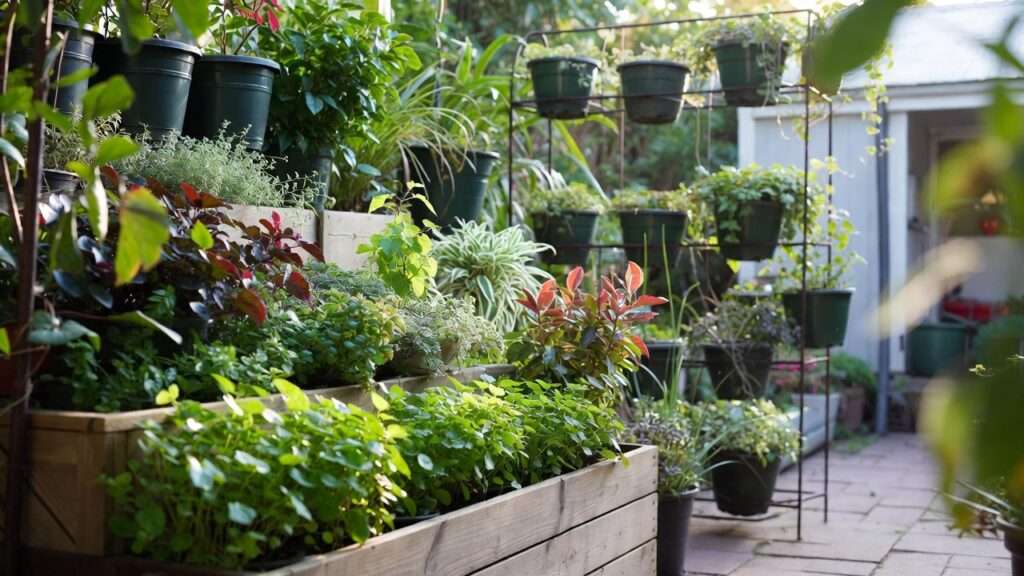
Imagine stepping onto your compact balcony or petite patio and being instantly captivated by lush layers of greenery cascading upward—vibrant blooms spilling over edges, fresh herbs within easy reach, and colorful veggies climbing toward the sky. Instead of a flat, one-dimensional space that feels cramped and uninspiring, your outdoor area becomes a living, breathing vertical masterpiece that draws the eye and maximizes every precious inch. 😍
If you’re dealing with limited square footage in an urban apartment, small backyard, or narrow patio—like so many gardeners in space-constrained areas—this is a common frustration. Traditional ground-level planting often leaves potential untapped, making gardens look boring while restricting how many plants you can grow and enjoy. The good news? Tiered planters for vertical interest offer the perfect solution. These multi-level wonders add height, depth, and dramatic layers, instantly elevating aesthetics while solving real problems like poor light distribution, soil compaction, and difficult access for care.
In this in-depth guide, we’ll explore why tiered planters are a game-changer for small-space gardening, share 15 stunning (and practical) ideas tailored for balconies, patios, and tiny yards, recommend the best plants for each level, provide step-by-step setup and maintenance tips, and address common pitfalls. Whether you’re a beginner planting your first herbs or an experienced gardener seeking fresh inspiration, these ideas will help you create a thriving, eye-catching vertical garden that boosts plant health and brings joy every day. Let’s turn your small space into something extraordinary! 🌱🚀
What Are Tiered Planters and Why Do They Create Vertical Interest? 🌟
Tiered planters are multi-level planting systems designed to stack or step upward, using containers, shelves, or structures arranged in decreasing or varying sizes. Popular styles include pyramid towers, ladder racks, wall-mounted shelves, freestanding stands, and cascading towers—made from durable materials like cedar wood (naturally rot-resistant), rust-proof metal, lightweight resin/plastic, or even upcycled items like pallets and wash tubs.
“Vertical interest” refers to the visual and functional dimension these setups add: they draw the eye upward with layered textures, colors, and heights, creating focal points and a sense of depth that flat beds simply can’t match. Beyond beauty, they offer practical advantages rooted in horticultural principles.
From my years working with small-space gardeners (and experimenting in my own balcony setups), here are the key benefits:
- Space maximization — In tiny areas, vertical gardening can triple your growing surface without expanding your footprint.
- Improved plant health — Elevation promotes better air circulation (reducing fungal diseases like powdery mildew) and even sunlight exposure across tiers.
- Easier maintenance — No more constant bending or kneeling; harvest herbs or inspect leaves at waist or eye level.
- Enhanced biodiversity — Mix sun-loving top-tier plants with shade-tolerant bottom ones, or combine edibles with ornamentals for companion planting benefits.
- Eco-friendly appeal — Many designs use recycled materials and support pollinators with diverse blooms.
Common materials vary by need: wood for rustic charm (treat with eco-sealers), metal for modern durability, plastic for affordability and portability. Always prioritize good drainage—add holes if needed—to prevent root rot, a top killer in container gardening.
Top Benefits of Using Tiered Planters for Vertical Interest 🌸
Beyond the wow factor, tiered systems address core challenges in small-space plant care:
- Ultimate space efficiency — Perfect for urban balconies, patios, or courtyards where ground area is premium.
- Aesthetic transformation — Turns bland corners into dramatic focal points with cascading trails and layered pops of color.
- Better plant vitality — Reduced soil-borne pests/diseases from elevation; improved airflow lowers humidity-related issues.
- Higher yields for edibles — Grow more strawberries, herbs, or compact veggies by utilizing vertical space.
- Accessibility boost — Ideal for seniors, kids, or anyone avoiding heavy bending.
- Seasonal flexibility — Moveable designs allow easy indoor transitions during cooler months.
Potential downsides? Heavier setups may need weight checks on balconies (opt for lightweight materials or wheeled bases), and soil can dry faster on upper tiers—solve this with drip irrigation or self-watering inserts. Overall, the pros far outweigh the cons for most gardeners.
:strip_icc()/double-dish-succulent-garden-b3188f14-08c6cfd53ecf4f809ae6ba9508781cab.jpg)
15 Stunning Tiered Planter Ideas to Inspire You 🌺
Here are 15 practical, beautiful ideas, grouped loosely by style. Each includes why it works, setup tips, approximate cost level (budget/mid/lux), difficulty, and plant suggestions to tie into real plant care.
- Classic Pyramid Tiered Planter A stable, elegant stack of decreasing square or round trays—perfect for symmetry and drama. Why it works: Sturdy base prevents tipping; great for flowers/succulents. Setup: Buy pre-made or DIY with stacked pots/wooden boxes; ensure drainage. Cost: Mid | Difficulty: Beginner Plants: Top: Sedum, trailing petunias; Middle: Echeveria; Bottom: Compact marigolds.

- Ladder-Style Herb Garden Repurposed wooden ladder (or built one) with pots on rungs—kitchen-access dream! Why it works: Slim profile for balconies; easy harvesting. Setup: Secure ladder against wall; use saucers to catch drips. Cost: Budget | Difficulty: Easy DIY Plants: Basil, thyme, rosemary, chives, mint (contain mint to prevent spreading).

- Cascading Strawberry Tower Stacked pockets or pots for trailing berries—sweet and space-saving! Why it works: Strawberries love hanging; reduces rot on fruit. Setup: Use commercial towers or PVC pipes; add self-watering reservoir. Cost: Mid | Difficulty: Intermediate Plants: Ever-bearing strawberries, plus nasturtiums for edible flowers.
- Freestanding Wooden Tiered Beds Rustic cedar steps for veggies—add wheels for mobility. Why it works: Deep soil for roots; natural look. Setup: Build or buy; line with landscape fabric if needed. Cost: Mid | Difficulty: Intermediate Plants: Peppers, bush tomatoes, lettuce, radishes.
- Wall-Mounted Tiered Shelves Floating shelves on balcony rail/wall—ultimate space-saver. Why it works: No floor footprint; trailing plants cascade beautifully. Setup: Use brackets rated for weight; drill drainage. Cost: Budget-Mid | Difficulty: Beginner Plants: Ivy, ferns, petunias, lobelia.

- Modern Metal Tiered Stand (continued) Plants: Top: Echeveria, jade plant; Middle: Snake plant, ZZ plant; Bottom: Peace lily or pothos for trailing effect. Pro tip: These stands often come with wheels for easy repositioning—great for chasing sunlight! 🌞
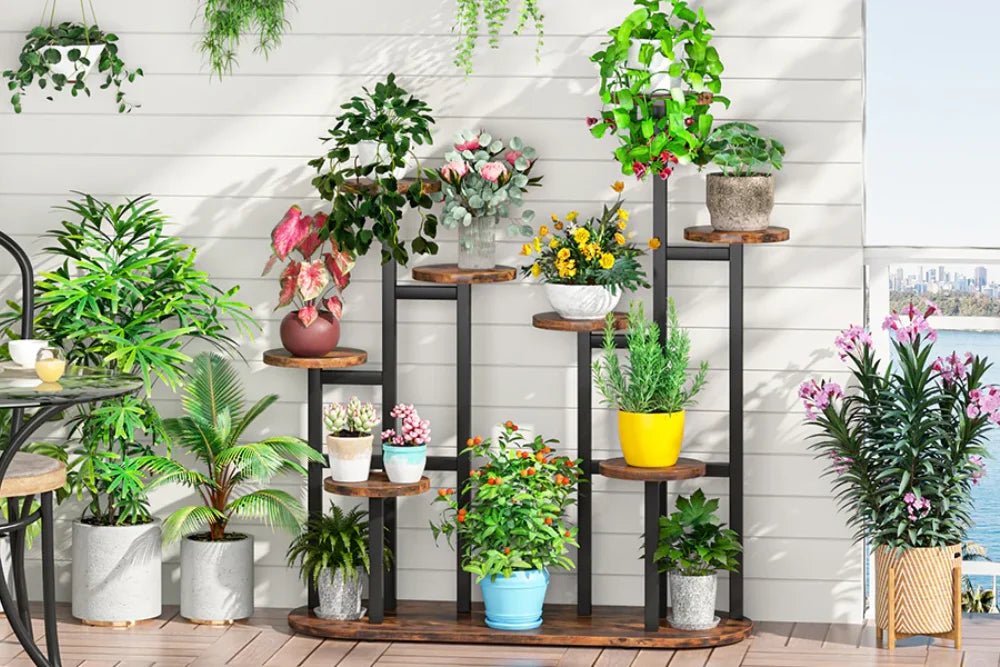
- Vintage Wash Tub Stack Stack old galvanized wash tubs or buckets in decreasing sizes for charming rustic appeal. Why it works: Adds farmhouse vibe; deep containers hold moisture well. Setup: Drill drainage holes in bottoms; secure with brackets if stacking high. Cost: Budget (thrift finds!) | Difficulty: Beginner Plants: Herbs like oregano, sage; flowers like zinnias or sunflowers for height.
- Modular Stackable Plastic System Think GreenStalk-style vertical towers with pockets or interlocking tiers—excellent for edibles. Why it works: Built-in watering from top-down; compact and efficient. Setup: Assemble per instructions; place on drip tray. Cost: Mid | Difficulty: Easy Plants: Lettuce, kale, strawberries, compact tomatoes, pole beans (train upward).
- Corner Tiered Planter L-shaped or angled steps that hug patio corners—turns dead space into gold! Why it works: Perfect for awkward angles; maximizes footprint. Setup: Use pre-made corner units or build with treated lumber. Cost: Mid | Difficulty: Intermediate Plants: Mix upright salvia on top, cascading lobelia in middle, ferns at base.

- Hanging Tiered Baskets Multiple suspended baskets at staggered heights for dramatic flow. Why it works: No floor space needed; creates a living curtain of color. Setup: Use strong hooks/chains; group 3–5 for impact. Cost: Budget-Mid | Difficulty: Beginner Plants: Petunias, fuchsias, bacopa, sweet potato vine for trailing drama.
:max_bytes(150000):strip_icc()/GettyImages-990360432-149052a861214343b00dd96289632330.jpg)
- DIY Pallet Tiered Wall Lean or mount a wooden pallet with shelves/pockets—super budget-friendly vertical garden. Why it works: Eco-conscious; customizable for herbs or flowers. Setup: Sand and seal pallet; add landscape fabric pockets if needed. Cost: Budget | Difficulty: Easy DIY Plants: Basil, cilantro, thyme, chives, trailing nasturtiums.

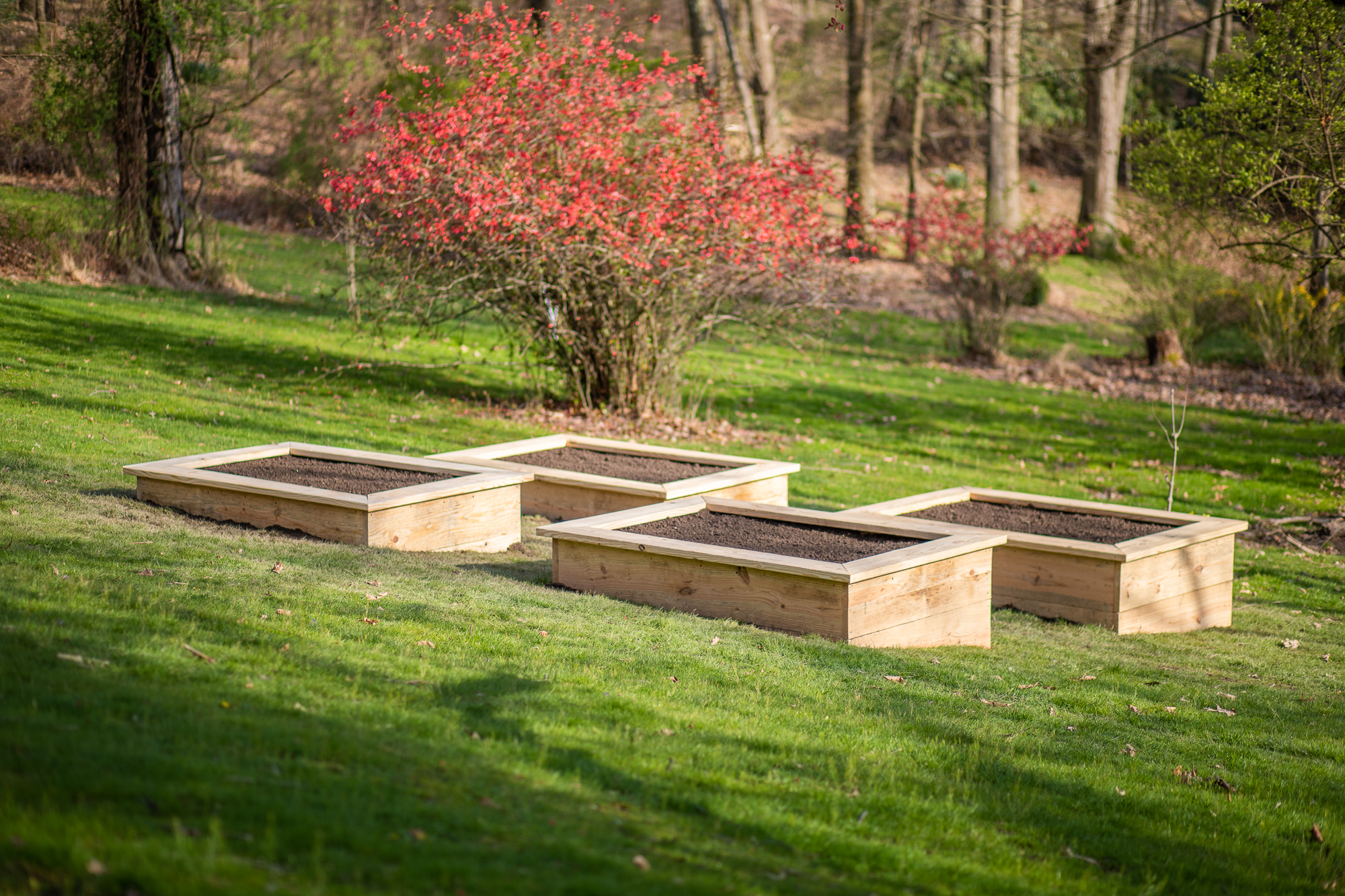
- Tiered Raised Bed on Slope Step-like beds that follow natural contours—ideal for hilly yards. Why it works: Prevents erosion; creates usable levels on uneven ground. Setup: Level each tier; use retaining boards or stones. Cost: Mid | Difficulty: Intermediate Plants: Root veggies (carrots, beets) on lower tiers; berries or perennials higher up.
- Multi-Tier Indoor/Outdoor Transition Portable tiers that move inside during winter—extend your season! Why it works: Year-round enjoyment; protects tender plants. Setup: Choose lightweight materials; add grow lights if needed. Cost: Mid | Difficulty: Beginner Plants: Houseplants like philodendron, plus seasonal herbs/flowers.
- Themed Color-Coordinated Tiers Monochrome (all purple) or rainbow layers for artistic pop. Why it works: Creates Instagram-worthy focal points. Setup: Plan color scheme first; repeat varieties across levels. Cost: Mid | Difficulty: Beginner Plants: Purple: Lobelia, verbena, heliotrope; Rainbow: Mix bright annuals.
- Hybrid Tiered + Trellis Combo Add vertical supports for climbers on top or sides—maximum height! Why it works: Doubles vertical interest with vines. Setup: Attach trellis/arbors; secure well against wind. Cost: Mid-Lux | Difficulty: Intermediate Plants: Clematis, morning glory, pole beans, sweet peas.
Best Plants for Tiered Planters: Sun, Shade, and Edible Picks 🌱
Layering plants thoughtfully ensures every tier thrives:
- Top tier (full sun, drier): Drought-tolerant picks like succulents (sedum, sempervivum), trailing annuals (petunias, calibrachoa), herbs (thyme, oregano, rosemary). These handle wind and less frequent watering.
- Middle tiers (moderate light/moisture): Compact edibles (peppers, bush beans, dwarf tomatoes), ferns, impatiens, coleus for color.
- Bottom tiers (shadier, moister): Hostas, heuchera, leafy greens (spinach, lettuce), trailing ivy or vinca.
Pro plant care tips: Match water needs per level (drier top, moister bottom); use companion planting (marigolds deter pests); rotate pots quarterly for even growth. This setup promotes better pollination and reduces disease spread through spacing.
How to Set Up and Maintain Your Tiered Planter 🛠️
- Choose location — 6+ hours sun for most edibles/flowers; partial shade for ferns.
- Prepare containers — Ensure drainage holes; add gravel layer at bottom.
- Soil mix — High-quality potting soil with perlite/vermiculite for drainage; slow-release fertilizer.
- Planting — Start with tallest/center plants, then fill edges with trailers.
- Watering — Top-down method; use self-watering reservoirs or drip lines for consistency.
- Maintenance — Prune regularly; fertilize bi-weekly during growth; monitor for pests (neem oil for aphids).
- Seasonal care — Mulch in summer; move indoors or protect in winter; clean/re-pot annually.
Common Mistakes to Avoid + Expert Troubleshooting ⚠️
- Overcrowding → Leads to poor airflow/disease; space plants 6–12 inches apart.
- Poor drainage → Root rot culprit; always add holes + saucers.
- Ignoring weight → Balconies have limits; use lightweight pots or consult building rules.
- Uneven watering → Upper tiers dry faster; check soil daily at first.
- Expert fix: Use moisture meters; group plants by needs; stake tall varieties.
FAQs About Tiered Planters for Vertical Interest ❓
- What’s the best tiered planter for balconies? Wall-mounted or slim ladder styles save floor space.
- How do I water multiple tiers easily? Drip irrigation kits or pour-through systems work wonders.
- Can I grow vegetables in tiered planters? Yes—strawberries, herbs, lettuce, peppers thrive!
- Are they stable in wind? Anchor heavy ones; choose low-profile for exposed areas.
- Winter care tips? Move tender plants indoors; insulate roots with bubble wrap.
- Budget option? DIY pallet or stacked crates under $50.
- Best for beginners? Modular plastic towers—foolproof watering.
- How much maintenance? Similar to regular pots but easier access reduces effort.
Conclusion 🌟
Tiered planters for vertical interest truly transform small gardens and patios from flat and forgotten to lush, layered havens full of life and color. By adding height, improving plant health, and unlocking hidden growing space, these setups solve the biggest small-space challenges while delivering stunning visual rewards.
Start small—pick one idea that excites you, gather a few pots, and watch your outdoor area come alive. Experiment with plants from your local nursery, tweak as you learn, and soon you’ll have a personalized vertical oasis that brings joy (and fresh herbs!) every day. 🌿
Have you tried tiered planters yet? Share your setup or favorite idea in the comments—I’d love to hear! For more plant care tips, check our guides on container gardening, balcony herb gardens, and seasonal maintenance. Happy planting! 🚀😊











